
 Business License

Stator Core Material: A Complete Guide for High-Efficiency Motors
What if the biggest bottleneck in your motor's performance isn't the winding design, but the metal inside the core?
Every engineer who has chased higher efficiency, lower heat, or quieter operation knows the frustration. You optimize the copper fill, refine the slot geometry, and tune the drive frequency, yet the motor still underperforms. Often, the real issue is the stator core material itself. The metal that channels magnetic flux determines how much energy becomes useful torque and how much is lost as heat and noise.
In this guide, you'll learn how stator core materials work, what separates standard electrical steel from advanced options, and how to choose the right material for motors, generators, and transformers. We'll also show you how electromagnetic pure iron can solve problems that conventional laminations cannot.
What a Stator Core Actually Does
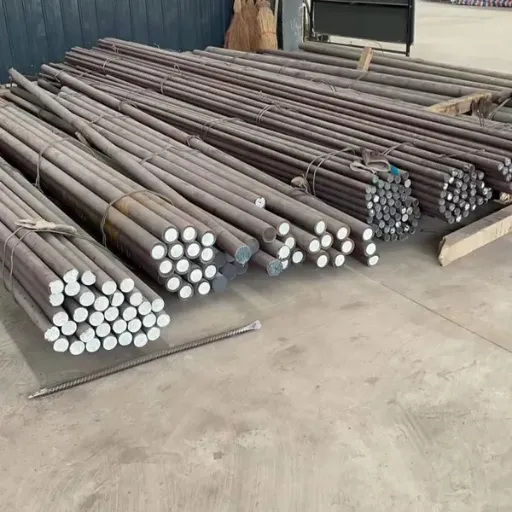
A stator core is the stationary magnetic backbone of an electric motor or generator. It supports the windings and provides a low-reluctance path for the magnetic field that rotates the rotor. Without the right stator core material, flux leaks, eddy currents multiply, and efficiency drops.
The core is built from thin laminations rather than a solid block. Each lamination is electrically insulated from its neighbors to interrupt eddy currents, the circulating currents that generate heat inside conductive metal exposed to changing magnetic fields. Thinner laminations reduce these losses, but they also increase manufacturing complexity and cost.
When Lin, a motor design engineer at a Shenzhen EV drivetrain company, first prototyped a permanent-magnet motor, she used standard 0.50 mm silicon steel because it was readily available. Bench testing showed the motor met torque targets, but the continuous-duty temperature rise was 18°C above specification. After switching to a thinner, higher-grade motor core material with lower iron loss, the temperature rise dropped within limits, and the motor's peak efficiency improved by 1.4 percentage points. The only variable that changed was the lamination grade.
Magnetic Properties That Matter
Four properties dominate material selection for stator cores:
Magnetic permeability: How easily the material accepts magnetic flux. Higher permeability means stronger fields with less magnetizing current.
Saturation induction: The maximum flux density the material can carry before it saturates. Higher saturation allows smaller cores for the same output.
Core loss (iron loss): The energy dissipated as heat through hysteresis and eddy currents. Lower is better, especially at high frequencies.
Coercivity: The resistance to demagnetization. Low coercivity materials require less energy to reverse magnetization, reducing hysteresis loss.
These four properties are the baseline for comparing any stator core material, whether it is silicon steel, nickel-iron alloy, or electromagnetic pure iron.
Electrical Steel: The Industry Standard
Electrical steel, often called silicon steel or lamination steel, is the most common stator core material in production today. It is a low-carbon steel alloyed with silicon, typically between 0.5% and 6.5%, to increase electrical resistivity and reduce eddy current losses.
The addition of silicon has trade-offs. More silicon lowers core loss but also makes the steel harder and more brittle. This affects how easily it can be punched into intricate lamination shapes. For this reason, motor designers balance silicon content against manufacturing cost and mechanical durability.
Electrical steel is usually categorized by grain structure:
Non-oriented electrical steel: Magnetic properties are similar in all directions. It is used in motors and generators where the flux direction changes, such as in rotating machines.
Oriented electrical steel: Magnetic properties are optimized along one rolling direction. It is preferred for transformers where flux follows a predictable path.
Grades and Coatings
Electrical steel grades are defined by core loss at a specific frequency and flux density. A grade labeled M19 in the United States, or 35A230 in the Chinese system, tells a buyer the expected loss characteristics and lamination thickness. Thinner grades generally offer lower losses but cost more.
Most electrical steel receives an insulating coating to separate laminations. This coating must withstand the punching process, annealing temperatures, and long-term exposure to motor varnish. Poor coating quality leads to inter-laminar short circuits, which sharply increase eddy current losses.
When Conventional Steel Reaches Its Limit
Standard electrical steel works well for many applications, but it is not always the best motor core material when performance demands push higher. In high-frequency motors, precision servo drives, and specialized magnetic assemblies, the impurities and alloying elements in electrical steel can become limiting factors.
The issue is carbon, nitrogen, and other residual elements. Even small amounts of carbon increase hysteresis loss and reduce permeability. In applications where every watt counts, such as aerospace actuators or medical equipment motors, engineers often look beyond silicon steel.
A team at a German automation company learned this while redesigning a direct-drive servo motor. Their original design used a standard non-oriented steel and delivered acceptable performance at 50 Hz. When they increased switching frequency to 400 Hz to improve control bandwidth, core losses more than tripled. After testing several alternatives, they selected an electromagnetic pure iron stator core. Iron loss fell by nearly 40%, allowing the motor to run cooler and respond faster without increasing lamination stack size.
Electromagnetic Pure Iron as a Stator Core Material
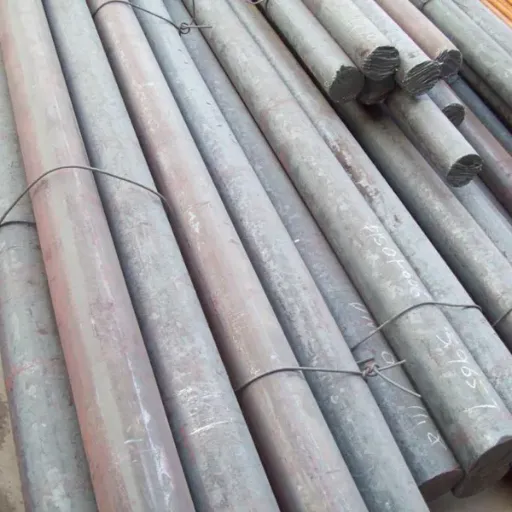
Electromagnetic pure iron is a specialized soft magnetic material with extremely low carbon and impurity content. Unlike electrical steel, which relies on silicon to control losses, pure iron achieves performance through metallurgical purity. Grades such as DT4C pure iron are produced with carbon content at or below 0.004%, delivering exceptional magnetic permeability and low coercivity.
For stator cores, electromagnetic pure iron offers several distinct advantages:
Higher permeability at low fields: It magnetizes more readily than many silicon steels, making it ideal for sensitive relays, sensors, and small motors.
Lower coercivity: The hysteresis loop is narrow, so less energy is wasted during each magnetization cycle.
Better machinability: Without silicon-induced brittleness, pure iron can be machined, forged, or stamped into complex shapes.
Superior surface quality: Pure iron takes coatings and plating well, which matters for corrosion resistance and bonding.
Common Forms for Stator Applications
Electromagnetic pure iron is available in forms that suit different manufacturing routes:
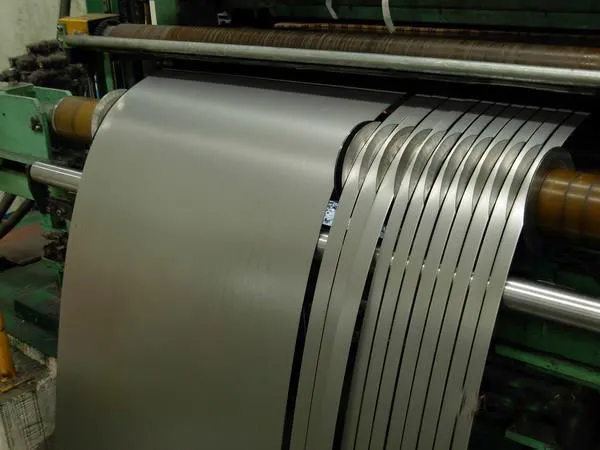
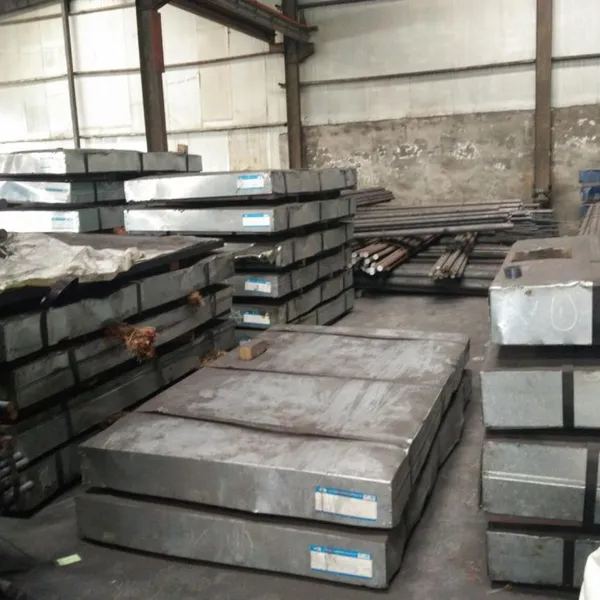
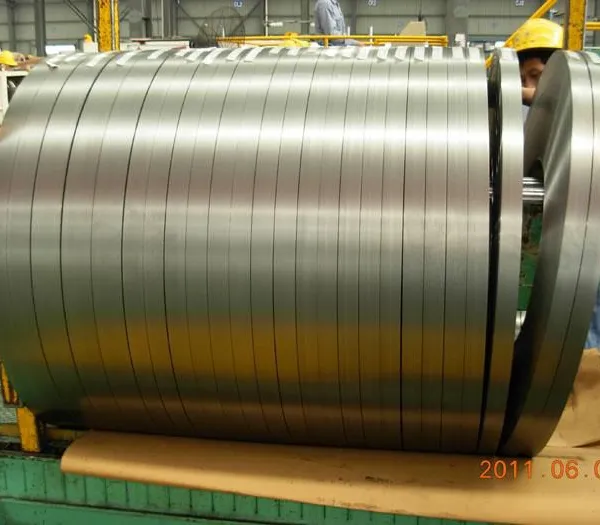
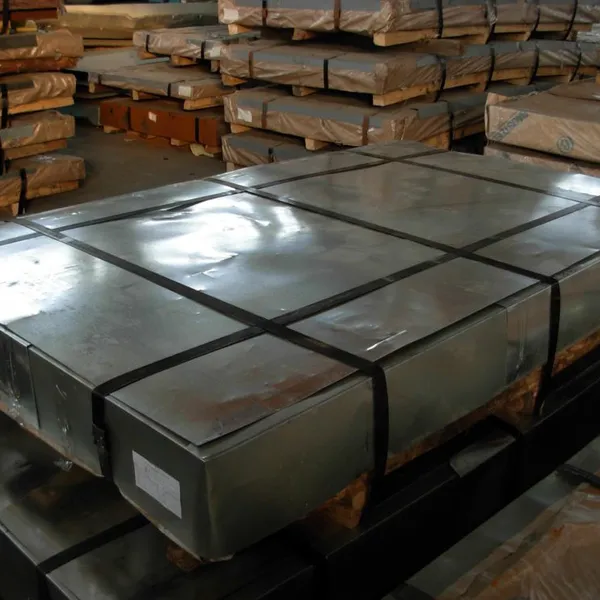
Cold-rolled sheets and thin strips for stamped laminations
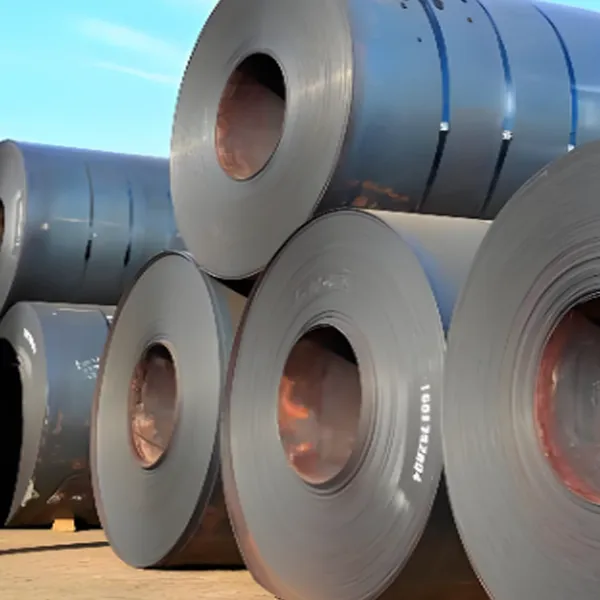
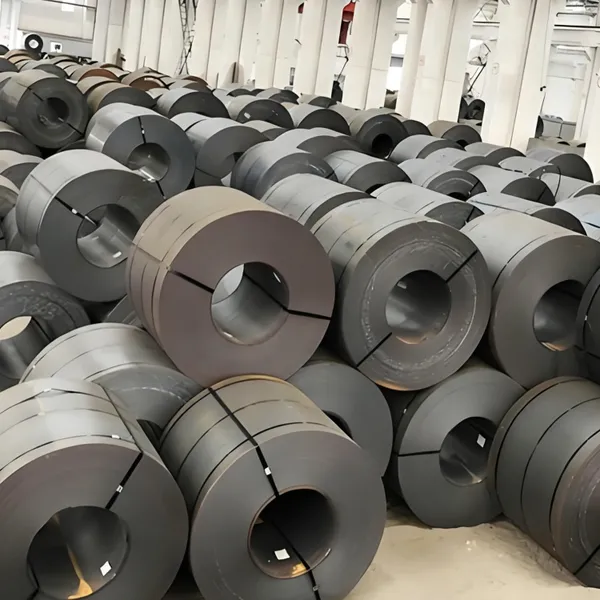
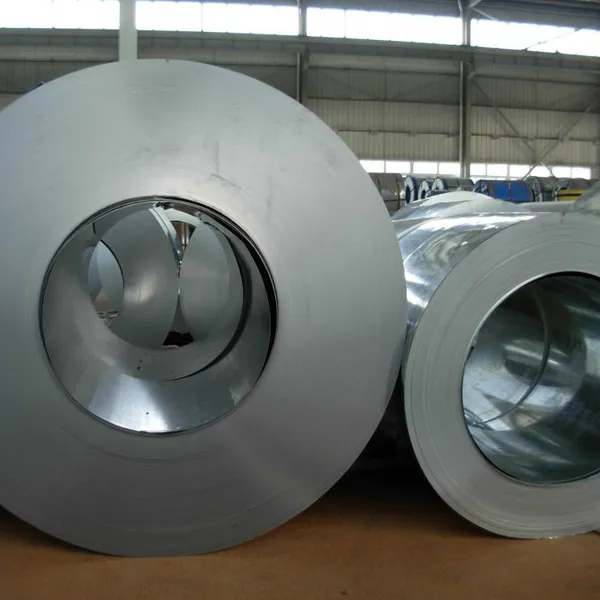
Hot-rolled coils for larger motor cores and transformer laminations
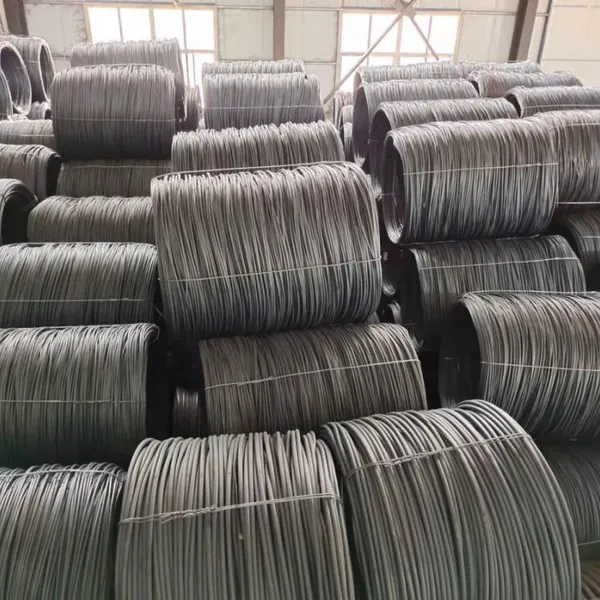
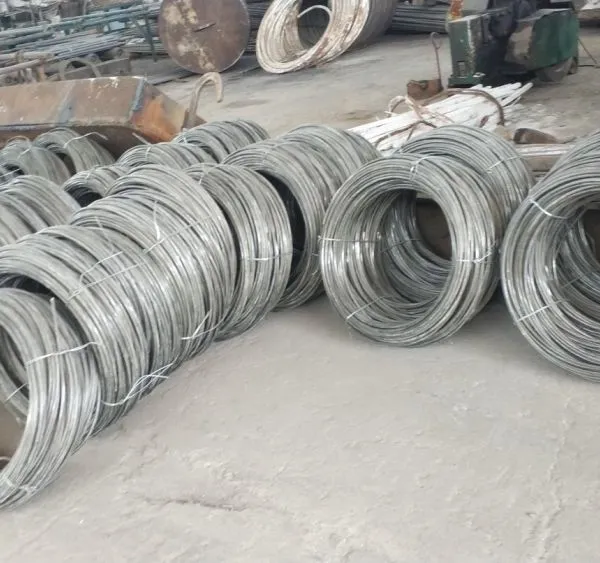
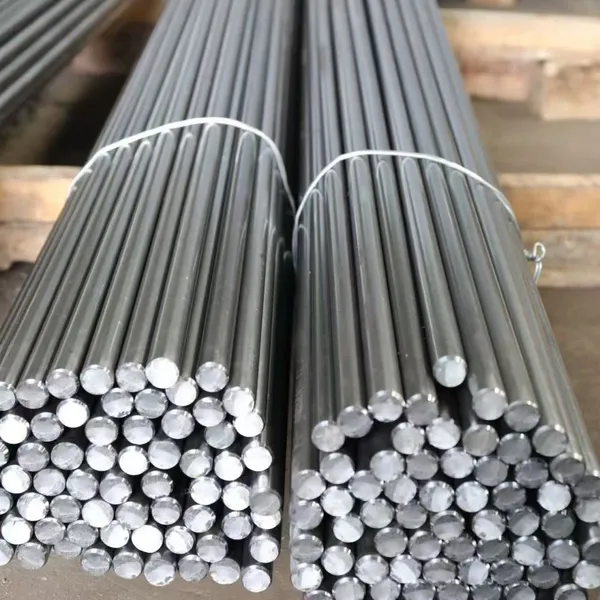
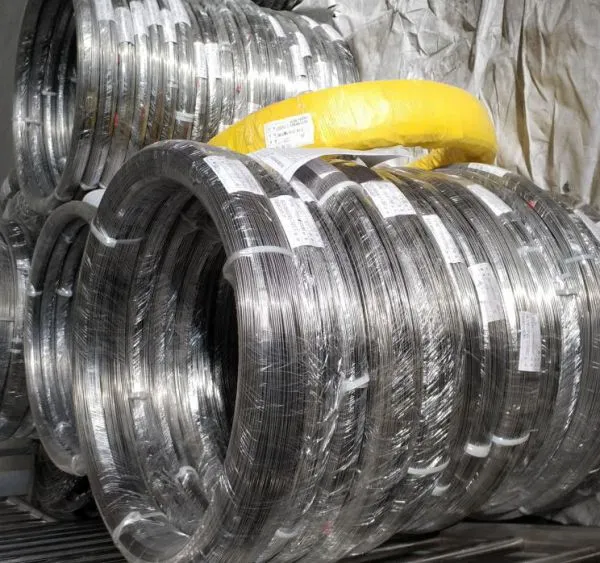
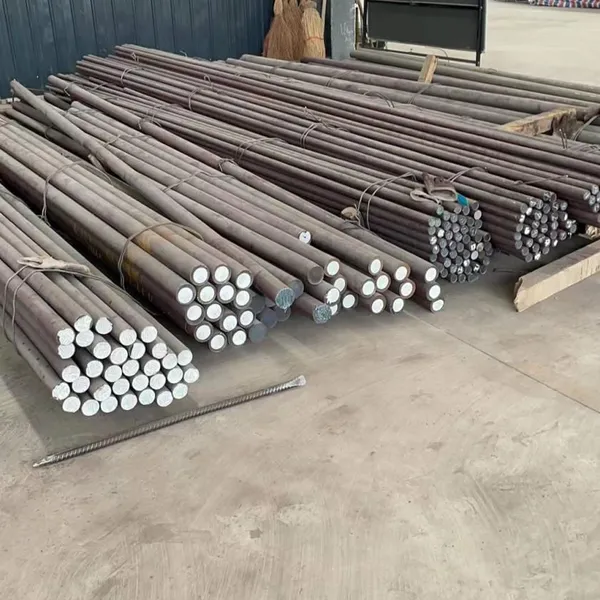
Cold-drawn bars and wire for machined pole pieces and custom core components
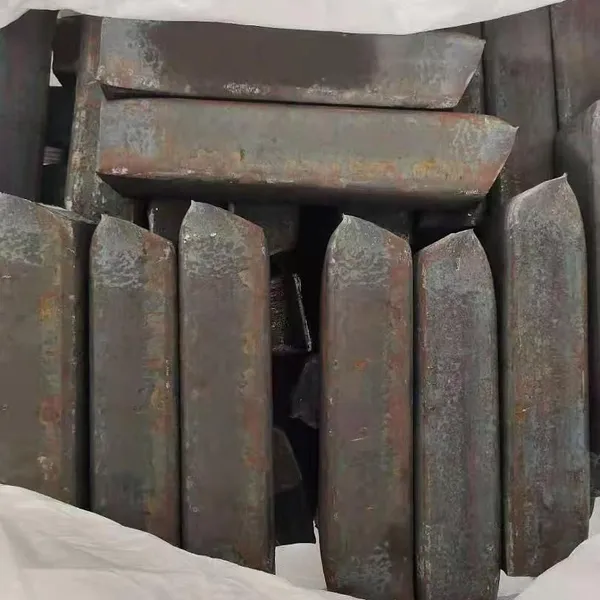
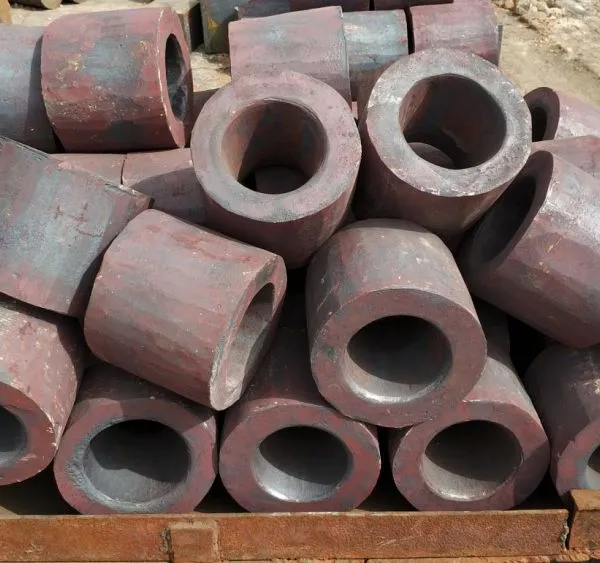
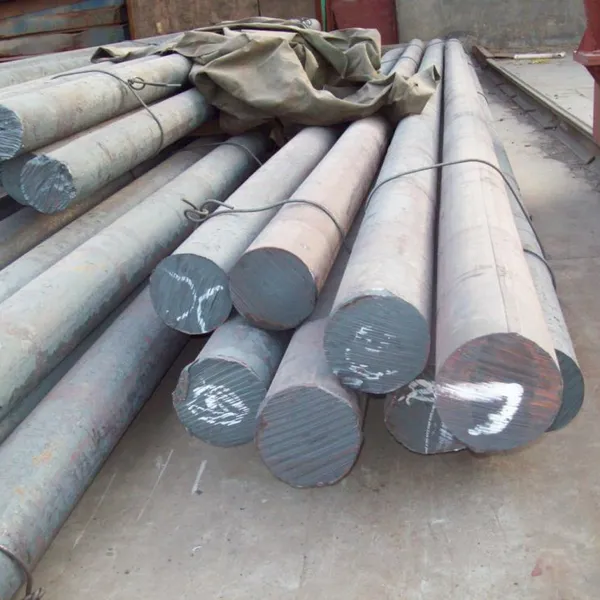
Forged rounds for specialized stator segments and high-stress parts
Manufacturers that need both low-loss magnetic performance and mechanical flexibility often find that pure iron fills a gap left by conventional silicon steel laminations.
How to Choose the Right Stator Core Material
Selecting a stator core material requires matching material properties to operating conditions. Use the following decision framework.
Operating Frequency
At line frequency (50 or 60 Hz), standard non-oriented electrical steel is usually cost-effective. As frequency rises, thinner laminations and lower-loss grades become essential. Above a few hundred hertz, soft magnetic materials with very low eddy current loss, including thinner silicon steels or pure iron, should be evaluated.
Flux Density Requirement
Motors with high torque density need cores that carry high flux without saturating. Materials with high saturation induction allow smaller stator diameters. Electromagnetic pure iron and some cobalt-iron alloys offer higher saturation than standard silicon steel, though at different cost points.
Loss Budget
If efficiency certification, thermal management, or battery range is critical, prioritize core loss. Compare supplier data at the actual operating frequency and flux density, not just nominal values. Small differences in iron loss compound over the lifetime of a motor.
Manufacturing Method
Stamped laminations favor materials with good punchability. Silicon steels around 1-3% silicon are common. If the part requires extensive machining, welding, or forging, pure iron's ductility and weldability become important advantages.
Cost and Supply Reliability
Premium grades can cost significantly more than commodity electrical steel. Balance performance gains against volume and margin. Sourcing directly from a producer with ample inventory and in-house processing can reduce both cost and lead-time risk.
Need help selecting the right grade for your motor project? Contact our engineering team to discuss DT4C pure iron, custom slitting, and cut-to-length services tailored to your lamination design.
Lamination Design and Core Assembly
The best stator core material still underperforms if the lamination design is wrong. Stacking, bonding, and alignment all influence final magnetic behavior.
Lamination Thickness
Typical motor laminations range from 0.20 mm to 0.65 mm. Thinner laminations reduce eddy current losses but require more layers per stack and tighter tolerance control. High-speed motors often use 0.10 mm to 0.20 mm grades, while industrial motors may use 0.50 mm.
Stacking Methods
Laminations can be stacked by welding, interlocking tabs, bonding adhesives, or riveting. Each method affects core loss and mechanical strength:
Welding: Fast and strong, but heat can degrade insulation near welds.
Interlocking: No extra fasteners, but notches create local stress concentration.
Bonding: Provides excellent electrical isolation between laminations and reduces vibration noise.
Riveting: Simple for prototypes, but rivets can short laminations and increase losses.
Annealing and Stress Relief
Punching and cutting introduce mechanical stress that degrades magnetic properties. A stress-relief anneal restores permeability and reduces core loss. Materials like pure iron respond well to annealing, making them suitable for precision magnetic components.
Emerging Trends in Motor Core Materials
The shift toward electrification is reshaping how engineers think about stator core material. Three trends are particularly important.
Higher Efficiency Standards
Regulations such as IE4 and IE5 motor efficiency classes are pushing manufacturers toward lower-loss materials. Meeting these standards often requires thinner laminations, better coatings, or alternative soft magnetic materials.
Compact, High-Speed Motors
Electric vehicles, drones, and aerospace systems demand motors that are smaller, lighter, and faster. These designs operate at higher frequencies and flux densities, where conventional silicon steel may fall short. Engineers are increasingly evaluating cobalt-iron alloys, amorphous metals, and high-purity iron.
Sustainable Manufacturing
Material yield, scrap reduction, and recycling are becoming selection criteria. Sourcing pure iron raw material with reliable quality and custom dimensions helps reduce waste at the stamping and machining stages.
Testing and Validating Stator Core Performance
Before committing to a stator core material, validate it under realistic conditions. Supplier data sheets are a starting point, but your lamination design, stacking process, and operating temperature will change the results.
Key Tests
Epstein frame or single-sheet tester: Measures core loss and permeability under controlled magnetic fields.
Ring sample testing: Evaluates toroidal samples after annealing to assess intrinsic material performance.
Prototype motor testing: Captures temperature rise, efficiency maps, and acoustic noise in the final assembly.
A Japanese precision equipment manufacturer tested three candidate materials for a new spindle motor. The lowest-loss electrical steel looked best on paper, but after lamination punching and stacking, its advantage shrank. The electromagnetic pure iron sample, annealed after stamping, delivered the lowest total loss in the assembled core. Paper ratings did not predict real-world behavior.
Conclusion: Match Material to Mission
Choosing the right stator core material is one of the highest-leverage decisions in motor design. The metal inside the core governs efficiency, heat, noise, and size. Standard electrical steel remains a solid choice for many applications, but it is not the only option.
When your design demands higher permeability, lower coercivity, or better machinability, electromagnetic pure iron deserves serious consideration. Grades such as DT4C pure iron offer a combination of magnetic performance and manufacturing flexibility that silicon steel cannot always match.
Here are the key takeaways:
Stator cores rely on laminations to reduce eddy current losses.
Electrical steel is the mainstream motor core material, graded by core loss and thickness.
Electromagnetic pure iron excels where permeability, low coercivity, and machinability matter.
Operating frequency, flux density, loss budget, and manufacturing method should drive material selection.
Always validate material performance on assembled prototypes, not just data sheets.
Ready to optimize your next stator core design? Explore our guide to electrical pure iron applications or learn more about selecting magnetic materials. For custom-cut pure iron laminations, bars, or coils delivered from Taiyuan's production hub, request a quote today.
Recently Posted
-
Transformer Calculation: A Practical Guide for Core Design and Material Selection
June 30, 2026A 2-millimeter error in core cross-section can quietly drain thousands of dollars from a transformer production run. That is exact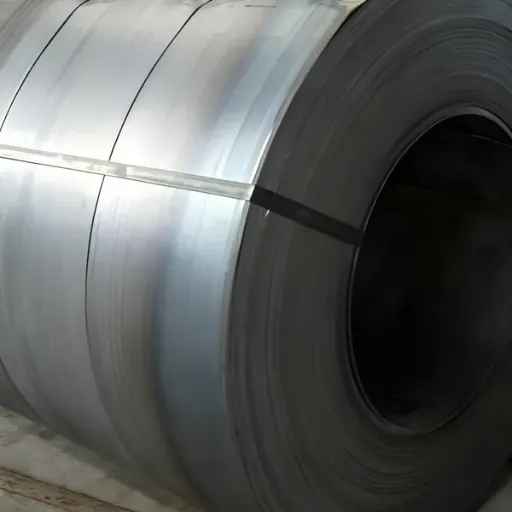 Read More
 -
Magnetic Flux: A Complete Guide for Electrical Engineering Applications
June 30, 2026In late 2024, a power equipment manufacturer in Poland received a shipment of transformer cores that looked perfect on paper. The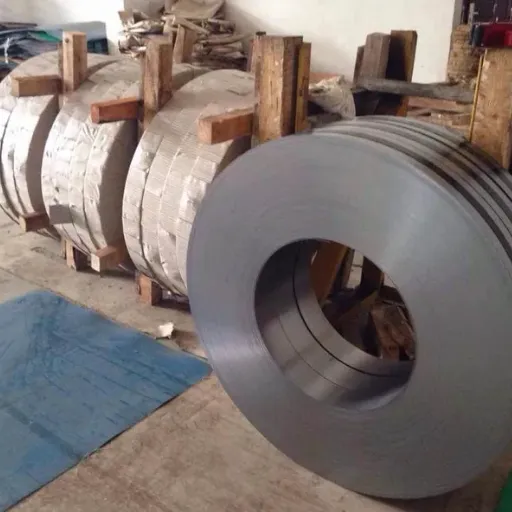 Read More
 -
Magnetic Field Strength: A Practical Guide for Electromagnetic Design
June 30, 2026When Wang Chen's solenoid valve line began missing stroke targets in March 2026, his team suspected the usual suspects: worn s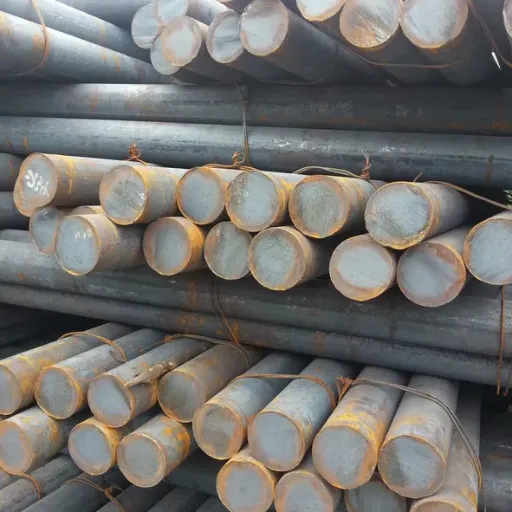 Read More
 -
AC Electromagnet: Design, Applications, and Material Selection Guide
June 30, 2026Last quarter, a relay manufacturer in Dongguan shipped 5,000 solenoid valves to a European automotive client. Two weeks after inst Read More

Contact Us
Recommended Products
-
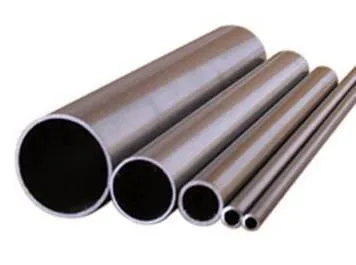
 Seamless Tube With Good Cold Electrical Pure Iron Fittings Hot Workability for Forming Fittings and ConduitsNegotiableMOQ: 1 Ton
 -
Electromagnetic Pure Iron Forging for Automotive Sensor ManufacturingNegotiableMOQ: 100 Kilograms
-
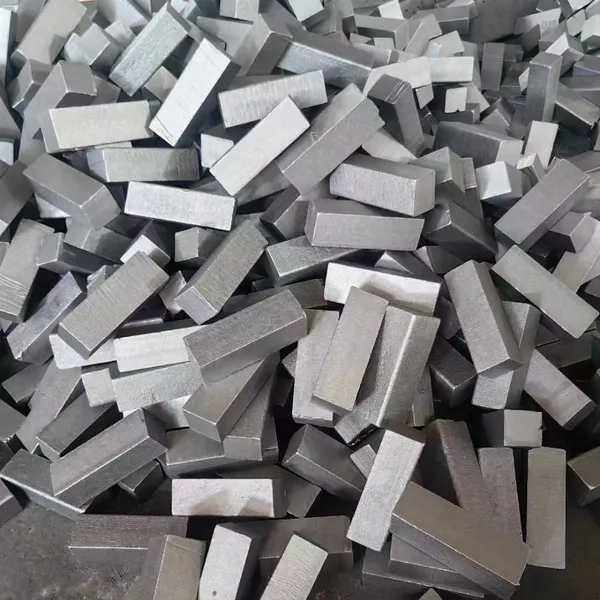
Precision Cut Pure Iron Square Bar High Saturation Induction Raw Material for Generator and RotorNegotiableMOQ: 100 Kilograms
-
DT4C Super Grade Electromagnetic Pure Iron Bright Bar With Bundle Weight 30-100kg for Easy TransportationNegotiableMOQ: 1 Ton
-
DT4C Electromagnetic Pure Iron Cold-Drawn Wire 0.5mm-6.0mm Diameter for TransformersNegotiableMOQ: 100 Kilograms
-
Industrial Pure Iron Bar for Electromagnetic Relay and Sensor ProductionNegotiableMOQ: 1 Ton
-
Electromagnetic Pure Iron Thin Sheet 0.3mm-0.8mm for Solenoid and Relay ManufacturingNegotiableMOQ: 500 Kilograms
-
Electrical Pure Iron Hot-Rolled Coil for Magnetic Components With Low Iron LossNegotiableMOQ: 1 Ton
-
Low Carbon DT4C Pure Iron Round Bar With 99.8% Fe Content for Electrical ApplicationsNegotiableMOQ: 1 Ton
-
Cold Rolled Pure Iron Slit Coil DT4C Grade Ultra Low Carbon ≤0.004% for Magnetic ComponentsNegotiableMOQ: 1 Ton
-
Low Iron Loss Electromagnetic Pure Iron Hot-Rolled Coil DT4C for Transformer CoresNegotiableMOQ: 1 Ton
-
Soft Magnetic Pure Iron Sheet With Minimum Iron Loss for High-Efficiency MotorsNegotiableMOQ: 1 Ton
-
Electromagnetic Pure Iron Cold Rolled Coil DT4C for High Magnetic Permeability ApplicationsNegotiableMOQ: 1 Ton
-
Industrial Pure Iron Tube Superior Surface Quality Electromagnetic Pure Iron Tube for Welding and Plating ProcessesNegotiableMOQ: 1 Ton
-
DT4 Seamless Pure Iron Tubing for High-Performance Electrical Equipment ApplicationsNegotiableMOQ: 1 Ton
-
DT4C Iron Wire Rod for Precision Magnetic Shielding ApplicationsNegotiableMOQ: 100 Kilograms
-
Industrial Pure Iron Fittings DT4 Pure Iron Seamless Tube With Low Hysteresis Loss for Electromagnetic SystemsNegotiableMOQ: 1 Ton
-
DT4C Cold Rolled Coil Slitting for Electrical Enclosure ManufacturingNegotiableMOQ: 1 Ton
-
Anti Rust Coated Pure Iron Square Bar Low Carbon Raw Material for Welding and Forging Magnetic PartsNegotiableMOQ: 100 Kilograms
-
DT4 Pure Iron Cold-Drawn Wire 0.5mm-6.0mm Diameter for Precision EngineeringNegotiableMOQ: 500 Kilograms