
 Business License

AC Electromagnet: Design, Applications, and Material Selection Guide
Last quarter, a relay manufacturer in Dongguan shipped 5,000 solenoid valves to a European automotive client. Two weeks after installation, the valves began failing. The root cause was not the coil winding or the housing. The AC electromagnet cores were heating up far beyond specification because the core material used a single solid steel slug instead of laminated electromagnetic pure iron.
That single material choice turned a profitable order into a warranty nightmare. For engineers and procurement managers working with AC electromagnets, the lesson is clear: the magnetic core matters as much as the copper winding.
If you design or source AC electromagnets for relays, transformers, lifting systems, or motors, you already know that performance depends on magnetic permeability, core losses, and thermal stability. You also know that not every supplier can deliver the ultra-low carbon pure iron grades that high-performance AC magnetic circuits demand.
In this guide, you will learn how an AC electromagnet works, how it differs from a DC electromagnet, why core lamination and material grade determine efficiency, and how to select the right electromagnetic pure iron for your application. We will also show you where to source precision-processed core materials that arrive ready for your production line.
What Is an AC Electromagnet?
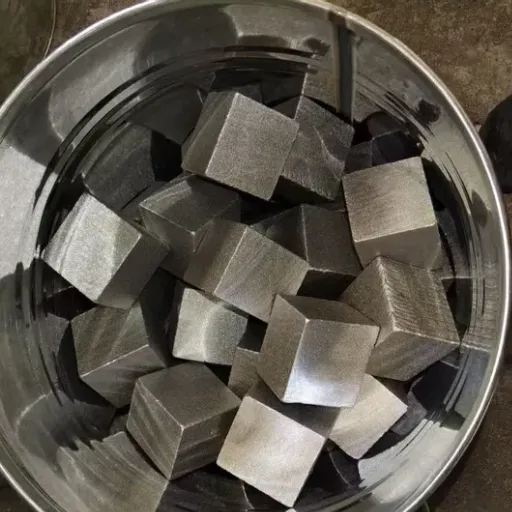
An AC electromagnet is a magnet powered by alternating current. Like all electromagnets, it produces a magnetic field when electric current flows through a coil wound around a ferromagnetic core. The difference is that the current reverses direction many times per second, so the magnetic field constantly changes polarity.
In a 50 Hz system, the field completes 100 polarity reversals every second. In a 60 Hz system, it completes 120 reversals. This rapid switching gives AC electromagnets characteristics that DC electromagnets do not share.
AC electromagnets are found in:
Industrial lifting magnets for scrap steel handling
Electromagnetic brakes and clutches
Solenoid valves and relays
Transformer cores
Contactors and motor starters
Magnetic chucks for machining
Because the magnetic field is always changing, the core material must handle repeated magnetization cycles without excessive heat buildup. This requirement makes material selection the most important engineering decision in AC electromagnet design.
How an AC Electromagnet Works
The operating principle of an AC electromagnet follows Faraday's law of electromagnetic induction. When alternating current passes through the coil, it generates a time-varying magnetic flux in the core. That flux creates the attractive force that pulls in the armature.
The force produced by an AC electromagnet is proportional to the square of the magnetic flux density. Because the current alternates, the force pulsates at twice the supply frequency. At 50 Hz, the force peaks 100 times per second. This pulsation can create audible hum and mechanical vibration.
Engineers reduce vibration by using a shaded pole design. A shaded pole places a short-circuited copper ring around part of the pole face. The ring creates a secondary magnetic flux that is out of phase with the main flux, smoothing the force and reducing noise.
The coil impedance in an AC electromagnet also behaves differently than in a DC design. In AC systems, the inductive reactance of the coil limits current once the core is fully engaged. If the armature fails to close the magnetic circuit, the coil draws excessive current and can overheat. This is why AC solenoids often include a mechanical return spring and why correct air-gap design matters.
AC vs. DC Electromagnets: Critical Differences
Understanding the difference between AC and DC electromagnets helps you choose the right component and avoid field failures.
Magnetic field behavior. A DC electromagnet produces a steady, unidirectional magnetic field. An AC electromagnet produces a field that continuously reverses polarity.
Core losses. DC electromagnets experience only resistive losses in the coil. AC electromagnets suffer additional core losses from hysteresis and eddy currents. These losses appear as heat.
Holding force. The holding force of a DC electromagnet is constant. The holding force of an AC electromagnet pulsates at twice the line frequency, which can cause chatter unless the design includes shading rings or other compensation.
Coil design. AC coils have fewer turns of heavier wire than comparable DC coils because the inductive reactance limits current. DC coils rely on pure resistance to limit current.
Pull-in behavior. An AC electromagnet can pull in faster because the alternating field helps break any residual magnetism. A DC electromagnet may retain residual magnetism, which can delay release.
For manufacturers, the choice between AC and DC usually depends on the power supply available, the duty cycle, and the need for silent operation. AC designs dominate industrial applications because AC power is readily available and the components are cost-effective at scale.
Core Material Selection: Why Laminated Electromagnetic Pure Iron Matters
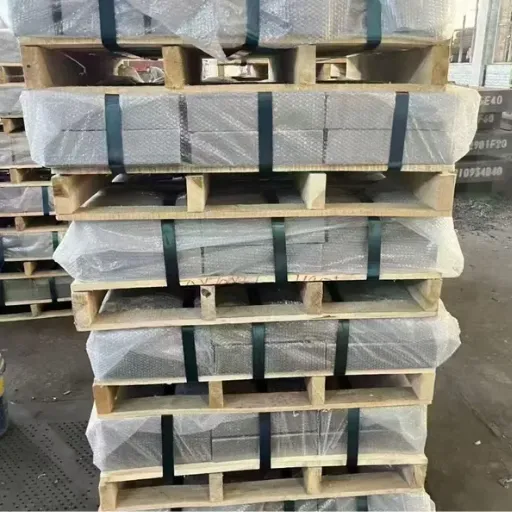
The core is where AC electromagnets succeed or fail. Every time the magnetic field reverses, the core material is dragged through a hysteresis loop. Energy is lost as heat. At the same time, the changing flux induces circulating currents, called eddy currents, inside the core itself.
To control these losses, AC electromagnet cores are made from thin laminations of high-permeability, low-loss magnetic material. Each lamination is electrically insulated from its neighbors. This insulation breaks the path for eddy currents and keeps heat generation low.
Electromagnetic pure iron is the preferred material for high-performance AC electromagnet cores. Grades such as DT4C pure iron offer ultra-low carbon content, typically 0.004% or below. Low carbon content delivers:
High magnetic permeability for strong flux density
Low coercive force for easy magnetization and demagnetization
Low hysteresis loss during rapid field reversal
Stable magnetic properties across temperature cycles
For comparison, ordinary mild steel contains significantly more carbon and impurities. Those impurities pin magnetic domain walls, increase hysteresis loss, and reduce permeability. Using mild steel in an AC electromagnet core is like using passenger-car tires on a freight truck. It might work briefly, but it will overheat and fail under continuous duty.
When Li Wei, a senior engineer at a Wenzhou relay factory, switched his AC solenoid cores from commercial steel to DT4C laminated pure iron, core temperature dropped by 18 degrees Celsius and coil current stabilized. The change also reduced audible hum, which mattered because his relays were used in medical equipment where noise is unacceptable.
Want to see how the right core material improves your AC electromagnet? Explore our electromagnetic pure iron applications guide to learn which grade fits your project.
Lamination Thickness, Insulation, and Stacking Factor
Lamination thickness directly affects eddy current loss. Thinner laminations reduce eddy currents because the circulating path is shorter. Common thicknesses for AC electromagnet laminations range from 0.35 mm to 0.65 mm.
However, thinner laminations increase manufacturing cost and reduce the stacking factor. The stacking factor is the ratio of magnetic material cross-section to the total core cross-section. More insulation layers and thinner steel mean less active iron in the same physical space. Engineers balance these factors based on operating frequency and allowable core loss.
For 50 Hz and 60 Hz industrial AC electromagnets, 0.5 mm laminations are common. For higher frequency applications or precision instruments, 0.35 mm or even thinner material may be specified.
The insulation between laminations must withstand the operating temperature and processing stresses. Common coatings include phosphate, oxide, and organic varnishes. The choice of coating affects weldability, corrosion resistance, and final core loss.
Design Considerations for High-Performance AC Electromagnets
Successful AC electromagnet design requires attention to magnetic circuit geometry, thermal management, and mechanical robustness.
Magnetic circuit geometry. The core and armature should provide a low-reluctance path for magnetic flux. Sharp corners and narrow cross-sections create saturation points that limit force and increase losses. Rounded pole faces and generous cross-sections improve flux distribution.
Air gap management. The air gap is the non-magnetic space between the core and armature when the electromagnet is de-energized. A smaller air gap increases pull force but requires tighter manufacturing tolerances. An oversized air gap reduces force and causes the coil to draw excessive current.
Thermal design. Core losses and coil losses both generate heat. The design must dissipate this heat to prevent insulation damage and resistance changes. Many industrial AC electromagnets use thermally conductive potting compounds or open frame designs that allow airflow.
Shading rings. For AC contactors and relays, shading rings prevent chatter and reduce contact arcing. The ring is usually a single turn of copper or aluminum embedded in the pole face.
Mechanical tolerance. Laminations must be stacked square and clamped evenly. Uneven pressure can create inter-lamination shorts, which increase eddy current loss and cause hot spots.
At a transformer factory in Ningbo, the design team spent three weeks diagnosing uneven heating in a new AC lifting magnet. The problem was a 0.2 mm burr on the laminated stack that created a short between adjacent laminations. After switching to precision-slit coils with deburred edges, the magnet met thermal specifications and passed certification on the first attempt.
Need precision-slit coils for your lamination stack? Contact our team for custom widths and clean edges that protect your core performance.
Common Applications of AC Electromagnets
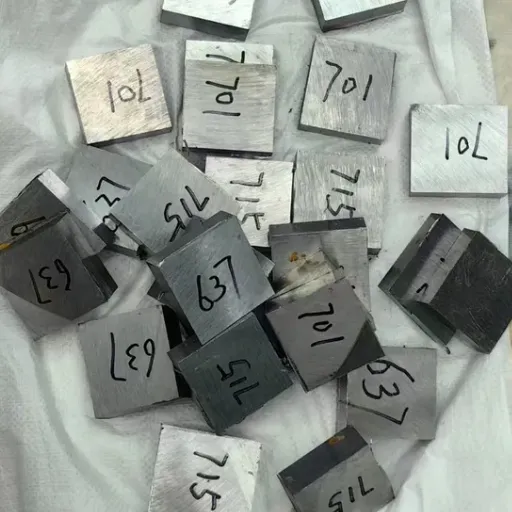
AC electromagnets appear in equipment across manufacturing, power distribution, transportation, and automation.
Industrial lifting magnets. Crane-mounted lifting magnets use large AC electromagnets to move scrap metal, steel plates, and castings. These magnets must generate high force while withstanding continuous duty and outdoor conditions.
Electromagnetic brakes and clutches. AC-powered brake coils provide controlled stopping torque in cranes, hoists, and machine tools. Fast engagement and release are critical for safety.
Solenoid valves. AC solenoids open and close fluid valves in process control, HVAC, and automotive systems. Response time and heat generation are key design drivers.
Relays and contactors. AC relays switch motor loads, lighting circuits, and industrial controls. Reliable operation depends on stable magnetic characteristics and low remanence.
Transformers. Although transformers are not typically called electromagnets, they operate on the same AC magnetic principles. Transformer cores require the same low-loss laminated pure iron to minimize energy waste.
Magnetic chucks. Machining chucks hold ferrous workpieces during grinding and milling. AC chucks offer quick release and avoid residual magnetism that can trap parts.
Each application imposes different requirements on material grade, lamination thickness, and core geometry. A solenoid valve needs fast response and low heat. A lifting magnet needs maximum force and rugged construction. A transformer needs minimal core loss above all else.
Selecting the Right Pure Iron Grade for Your AC Electromagnet
Not all electromagnetic pure iron is the same. Chinese national standards classify industrial pure iron into several grades. For AC electromagnets, DT4C is often the benchmark.
DT4 pure iron is a general-purpose ultra-low carbon grade suitable for many electromagnetic applications.
DT4C pure iron is a higher-purity super grade with lower carbon and impurity levels. It offers superior magnetic permeability and lower iron loss, making it ideal for relays, precision solenoids, and transformer cores.
DT8 and DT9 grades are used for specialized applications requiring higher density or specific magnetic properties.
When selecting a grade, consider:
Operating frequency
Maximum allowable core loss
Required magnetic permeability
Duty cycle and thermal limits
Machining or forming requirements
Cost constraints
For prototype work or small production runs, flexible sourcing matters. Some suppliers require multi-ton minimum orders, which can block R&D teams. A supplier that offers low minimum order quantities and precision processing can accelerate development and reduce inventory risk.
If you are unsure which grade fits your AC electromagnet design, start by requesting a material data sheet and a sample batch. Testing the actual core material under your operating conditions will reveal more than any specification table.
Ready to test DT4C pure iron in your next build? Order a sample batch of our precision-slit electromagnetic pure iron coils and compare the thermal performance yourself.
Where to Source AC Electromagnet Core Materials
The performance of your AC electromagnet depends on the quality of the laminated core material and the precision of processing. Sourcing from a specialized pure iron supplier gives you access to the right grades, dimensions, and surface finishes.
Look for a supplier that can provide:
Verified ultra-low carbon DT4C electromagnetic pure iron
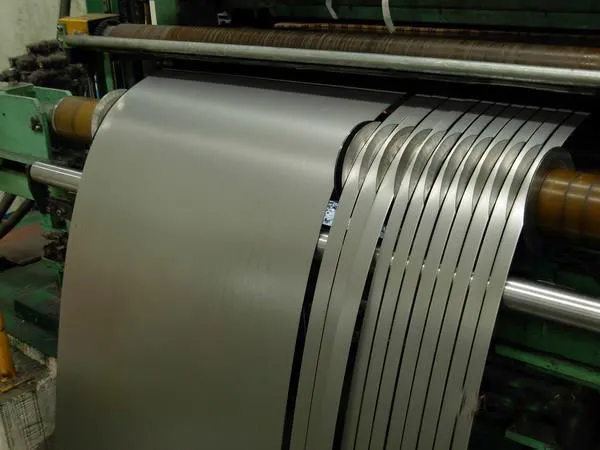
Cold-rolled sheets and slit coils in standard or custom widths
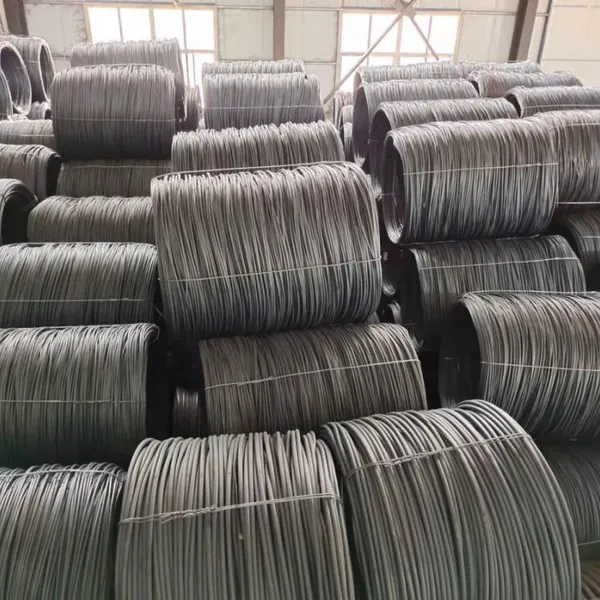
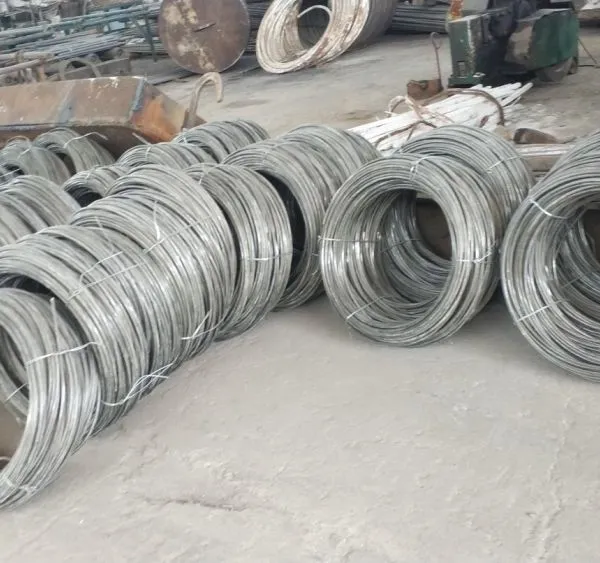
Hot-rolled coils and wire rods for forged or machined cores
Precision cutting, slitting, and surface preparation
Consistent quality documentation and certifications
Shanxi Jurun Technology Co., Ltd. supplies electromagnetic pure iron from Taiyuan, the recognized production hub for Chinese pure iron. Our inventory covers DT3, DT4, DT4C, DT8, DT9, and YT series grades in sheets, coils, bars, tubes, and wire. We also provide custom slitting, cutting, and machining services so your core material arrives ready for stacking or winding.
Ready to improve your AC electromagnet performance? Contact our engineering team for a custom quote or material recommendation based on your specific application.
Maintenance Tips for AC Electromagnets
Even well-designed AC electromagnets require periodic inspection to maintain performance and safety.
Check coil temperature. Excessive heat often indicates a mechanical problem, such as a blocked armature or damaged shading ring, rather than a coil defect.
Inspect lamination integrity. Look for signs of overheating, discolored laminations, or loose stacks. Inter-lamination shorts can develop over time.
Clean pole faces. Contamination on the pole face increases the effective air gap and reduces holding force. Remove rust, scale, and debris during routine maintenance.
Verify shading rings. A broken or loose shading ring causes chatter and accelerated contact wear. Replace damaged rings promptly.
Measure pull force. Compare actual pull force to the original specification. A gradual decline can indicate core degradation or coil insulation breakdown.
Conclusion
An AC electromagnet is more than a coil and a steel core. It is a precision magnetic system whose performance depends on alternating field behavior, core losses, thermal design, and material grade. Engineers who understand these factors can design quieter, cooler, and more reliable electromagnets.
The key takeaways are simple:
AC electromagnets require laminated cores to control eddy current and hysteresis losses.
Electromagnetic pure iron, especially DT4C grade, delivers the permeability and low loss that high-frequency magnetic circuits need.
Material processing quality, including slitting accuracy and burr-free edges, directly affects thermal performance.
Application requirements should drive grade selection and lamination thickness.
Whether you are building relays, solenoids, lifting magnets, or transformer cores, the right core material determines how well your product performs in the field. Partner with a supplier that understands AC magnetic materials and can deliver precision-processed pure iron to your exact specifications.
Get started today. Request a quote for DT4C electromagnetic pure iron or speak with our technical team about your AC electromagnet material requirements.
Recently Posted
-
Shanxi Jurun Technology: Your Electromagnetic Pure Iron Partner from Taiyuan, China's Pure Iron Prod
August 14, 2026When an international buyer searches for electromagnetic pure iron, they are not just looking for a material. They are looking for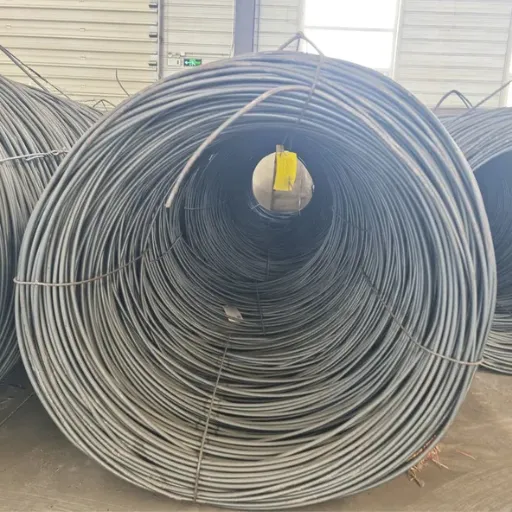 Read More
 -
Cold Drawing Process for Electromagnetic Pure Iron Wire: How Wire Rod Becomes Precision Cold-Drawn W
August 13, 2026Not long ago, a solenoid valve manufacturer in Italy received a shipment of 5.5 mm electromagnetic pure iron cold-drawn wire inten Read More
 -
How to Choose a Food Vacuum Sealer Supplier in China: 8 Evaluation Criteria
August 13, 2026An e-commerce brand owner in the UK contacted us some time ago after a supplier relationship fell apart. They had sourced roughly Read More
 -
Electromagnetic Pure Iron for Relay Manufacturing: Material Requirements, Grade Selection, and Case
August 13, 2026Some time ago, a relay production line in Zhejiang province began experiencing a puzzling failure pattern. Roughly 3 out of every
Read More

Contact Us
Recommended Products
-
 Seamless Tube With Good Cold Electrical Pure Iron Fittings Hot Workability for Forming Fittings and ConduitsNegotiableMOQ: 1 Ton
 -
Electromagnetic Pure Iron Forging for Automotive Sensor ManufacturingNegotiableMOQ: 100 Kilograms
-
Precision Cut Pure Iron Square Bar High Saturation Induction Raw Material for Generator and RotorNegotiableMOQ: 100 Kilograms
-
DT4C Super Grade Electromagnetic Pure Iron Bright Bar With Bundle Weight 30-100kg for Easy TransportationNegotiableMOQ: 1 Ton
-
DT4C Electromagnetic Pure Iron Cold-Drawn Wire 0.5mm-6.0mm Diameter for TransformersNegotiableMOQ: 100 Kilograms
-
Industrial Pure Iron Bar for Electromagnetic Relay and Sensor ProductionNegotiableMOQ: 1 Ton
-
Electromagnetic Pure Iron Thin Sheet 0.3mm-0.8mm for Solenoid and Relay ManufacturingNegotiableMOQ: 500 Kilograms
-
Electrical Pure Iron Hot-Rolled Coil for Magnetic Components With Low Iron LossNegotiableMOQ: 1 Ton
-
Low Carbon DT4C Pure Iron Round Bar With 99.8% Fe Content for Electrical ApplicationsNegotiableMOQ: 1 Ton
-
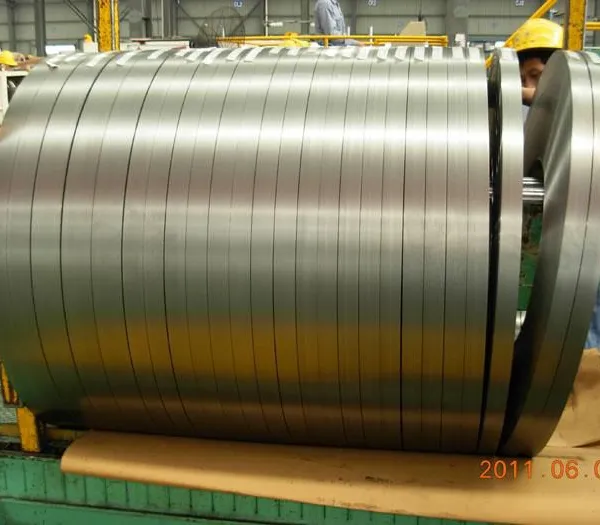
Cold Rolled Pure Iron Slit Coil DT4C Grade Ultra Low Carbon ≤0.004% for Magnetic ComponentsNegotiableMOQ: 1 Ton
-
Low Iron Loss Electromagnetic Pure Iron Hot-Rolled Coil DT4C for Transformer CoresNegotiableMOQ: 1 Ton
-
Soft Magnetic Pure Iron Sheet With Minimum Iron Loss for High-Efficiency MotorsNegotiableMOQ: 1 Ton
-
Electromagnetic Pure Iron Cold Rolled Coil DT4C for High Magnetic Permeability ApplicationsNegotiableMOQ: 1 Ton
-
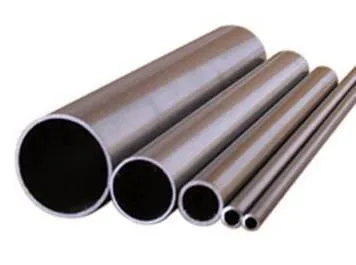
Industrial Pure Iron Tube Superior Surface Quality Electromagnetic Pure Iron Tube for Welding and Plating ProcessesNegotiableMOQ: 1 Ton
-
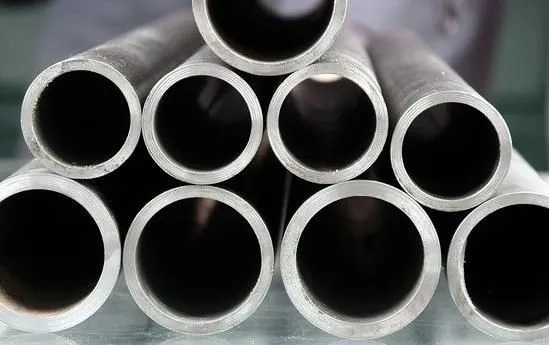
DT4 Seamless Pure Iron Tubing for High-Performance Electrical Equipment ApplicationsNegotiableMOQ: 1 Ton
-
DT4C Iron Wire Rod for Precision Magnetic Shielding ApplicationsNegotiableMOQ: 100 Kilograms
-
Industrial Pure Iron Fittings DT4 Pure Iron Seamless Tube With Low Hysteresis Loss for Electromagnetic SystemsNegotiableMOQ: 1 Ton
-
DT4C Cold Rolled Coil Slitting for Electrical Enclosure ManufacturingNegotiableMOQ: 1 Ton
-
Anti Rust Coated Pure Iron Square Bar Low Carbon Raw Material for Welding and Forging Magnetic PartsNegotiableMOQ: 100 Kilograms
-
DT4 Pure Iron Cold-Drawn Wire 0.5mm-6.0mm Diameter for Precision EngineeringNegotiableMOQ: 500 Kilograms