
 Business License

Magnetic Flux: A Complete Guide for Electrical Engineering Applications
In late 2024, a power equipment manufacturer in Poland received a shipment of transformer cores that looked perfect on paper. The steel met every chemical specification, the dimensions were exact, and the price was competitive. Yet when the first units reached field testing, the no-load losses were 22% above design targets. After weeks of investigation, the engineering team traced the problem to one overlooked variable: the cores were not carrying enough magnetic flux for the design's operating conditions.
If you design transformers, motors, solenoids, or any electromagnetic device, magnetic flux is one of the first properties you need to understand. It determines how much energy a core can transfer, how much force a solenoid can generate, and whether your component will operate efficiently under load. The material you choose directly controls how much magnetic flux your design can channel without waste.
In this guide, you will learn exactly what magnetic flux is, how it differs from magnetic flux density, and how to calculate it for real engineering applications. We will explore the factors that limit or enhance magnetic flux in pure iron cores, review practical examples from transformer and motor design, and show why electromagnetic pure iron grades like DT4C remain the material of choice for engineers who need maximum flux performance.
At Shanxi Jurun Technology Co., Ltd., we supply high-purity electromagnetic pure iron engineered for the precise magnetic demands of modern electrical components. Our materials help manufacturers optimize magnetic flux in everything from distribution transformers to precision relay stacks.
What Is Magnetic Flux?
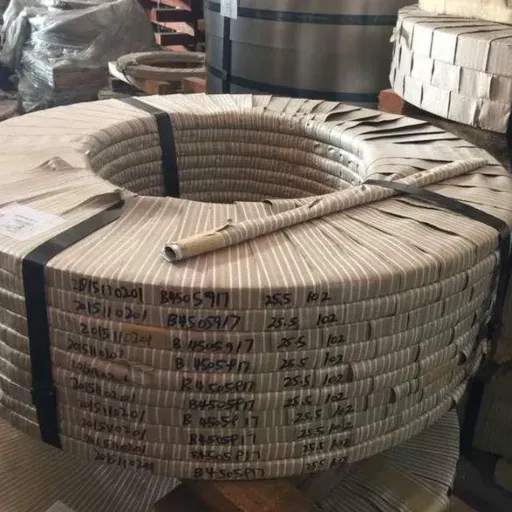
Magnetic flux, represented by the Greek letter phi (Φ), measures the total magnetic field passing through a given surface. It quantifies how many magnetic field lines penetrate an area, giving engineers a way to describe the total magnetic effect in a specific region. The standard unit of magnetic flux is the weber (Wb), where one weber equals 10^8 magnetic field lines.
The basic formula for magnetic flux is:
Φ = B × A × cos(θ)
Where B is the magnetic flux density in teslas, A is the cross-sectional area in square meters, and θ is the angle between the magnetic field direction and the normal to the surface. When the field lines pass perpendicular to the surface, the cosine term equals one, and the calculation simplifies to the product of flux density and area.
Understanding this relationship is essential because magnetic flux and magnetic flux density describe different but related quantities. Magnetic flux density tells you how concentrated the field is at a point, while magnetic flux tells you the total amount of field passing through an entire area. A large core with moderate magnetic flux density can carry the same total magnetic flux as a small core with very high flux density.
For manufacturers selecting core materials, this distinction matters because it connects material properties directly to component geometry. If your design requires a specific magnetic flux, you can achieve it either by increasing the core cross-section or by selecting a material that supports higher magnetic flux density. Often, upgrading to a higher-performance material like DT4C electromagnetic pure iron is the more cost-effective and space-efficient choice.
Magnetic Flux vs. Magnetic Flux Density
Engineers sometimes use the terms magnetic flux and magnetic flux density interchangeably, but they describe fundamentally different quantities. Confusing them can lead to design errors, oversized components, or unnecessary energy loss.
Magnetic flux density, symbolized as B and measured in teslas, describes the concentration of magnetic field lines within a material. It is an intensive property, meaning it does not depend on the size of the sample. Magnetic flux, symbolized as Φ and measured in webers, is an extensive property that depends on both the flux density and the area through which the field passes.
Consider two transformer cores made from identical material. One has a cross-sectional area of 0.01 square meters, and the other has an area of 0.02 square meters. If both operate at a magnetic flux density of 1.8 teslas, the first core carries a total magnetic flux of 0.018 webers, while the second carries 0.036 webers. The material property is the same, but the total magnetic flux doubles with the area.
In 2023, a motor design team in Suzhou struggled with this distinction while developing a compact stator for an industrial pump. They had specified a target magnetic flux density but failed to account for how the smaller core area reduced the total magnetic flux available for torque production. The prototype motor underperformed by 30%. After recalculating the design around required magnetic flux rather than flux density alone, and switching to a higher-saturation electromagnetic pure iron, the team achieved the target output without increasing the motor's outer diameter.
For a deeper look at how magnetic flux density influences material selection, see our guide on electromagnetic pure iron specifications and applications.
How Magnetic Flux Behaves in Electrical Components
Magnetic flux is not just a theoretical concept. It is the working medium that makes transformers, motors, relays, and inductors function. Every time current flows through a coil, it generates a magnetic field. The amount of magnetic flux that field produces, and how easily the core material accepts it, determines the component's performance.
Magnetic Flux in Transformers
In a transformer, alternating current in the primary winding creates a changing magnetic flux in the core. This changing flux induces a voltage in the secondary winding according to Faraday's law of electromagnetic induction. The transformer equation connects magnetic flux directly to operating voltage and frequency:
V = 4.44 × f × N × Φ_max
Where V is the RMS voltage, f is the frequency, N is the number of turns, and Φ_max is the maximum magnetic flux in the core. This equation shows that for a given voltage and frequency, designers can adjust either the number of turns or the maximum magnetic flux to achieve the desired performance.
Higher magnetic flux in the core allows fewer turns for the same voltage, reducing copper weight and cost. However, the core material must support the corresponding magnetic flux density without saturating. Saturation occurs when the material can no longer increase its magnetization in response to the applied field. Once saturation begins, the relationship between voltage and flux breaks down, causing distortion, overheating, and increased losses.
Magnetic Flux in Motors and Generators
In rotating machines, magnetic flux links the stator and rotor windings. Torque production depends on the strength of this flux linkage and the current in the windings. More magnetic flux generally means more torque for the same current, which is why high-performance motors demand core materials with excellent magnetic properties.
Permanent magnet motors use rare-earth magnets to establish magnetic flux, but the flux still passes through soft magnetic core materials. In induction motors, the magnetic flux is generated entirely by the stator current. In both cases, the soft magnetic material must conduct magnetic flux efficiently while minimizing energy loss from hysteresis and eddy currents.
Magnetic Flux in Relays and Solenoids
Relays and solenoids convert electrical energy into mechanical force through magnetic flux. When current flows through the coil, it creates magnetic flux in the core and air gap. The resulting magnetic force pulls the armature or plunger, closing a contact or opening a valve.
The force in a solenoid is proportional to the square of the magnetic flux density in the air gap. Because the air gap has much lower permeability than the core, even a small loss of magnetic flux in the core can significantly reduce the force output. This is why relay manufacturers often choose high-permeability pure iron grades that maximize magnetic flux under modest coil currents.
Contact our engineering team to discuss how the right electromagnetic pure iron grade can improve magnetic flux performance in your transformers, motors, or relays.
What Limits Magnetic Flux in Pure Iron Cores?
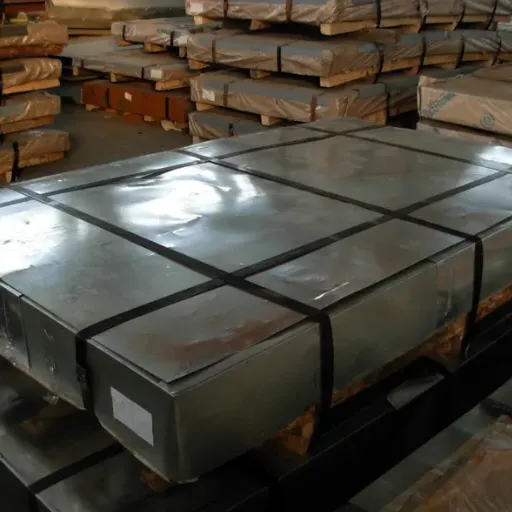
The maximum magnetic flux a core can carry depends on both its geometry and its material. Even with the right dimensions, poor material choice can prevent a design from reaching its intended magnetic flux. Several metallurgical factors control how effectively pure iron conducts magnetic flux.
Carbon Content and Magnetic Purity
Carbon is one of the most damaging impurities for magnetic performance. Even small amounts of carbon in iron create microscopic obstacles called pinning sites that impede the movement of magnetic domain walls. When domain walls cannot move freely, the material requires a stronger magnetizing force to reach the same magnetic flux. It also retains more magnetization after the field is removed, increasing hysteresis loss.
Electromagnetic pure iron grades like DT4C keep carbon content at or below 0.004%. This ultra-low carbon level allows magnetic domains to align almost freely under an applied field, enabling the material to reach high magnetic flux density with minimal energy input. For applications where maximizing magnetic flux is critical, carbon control is non-negotiable.
Grain Structure and Magnetic Domains
Pure iron is made up of many small crystals called grains. Within each grain, magnetic domains are regions where the atomic magnetic moments already point in the same direction. When an external field is applied, the boundaries between domains move, and the domains themselves rotate to align with the field.
Large, well-oriented grains make this process easier. Proper annealing after cold rolling grows the grains and reduces internal stress, which improves both initial and maximum permeability. A material with higher permeability reaches a given magnetic flux density at a lower magnetizing force, which means it can carry more useful magnetic flux under normal operating conditions.
Processing Method and Texture
Cold-rolled electromagnetic pure iron develops a crystallographic texture that can favor magnetization along specific directions. This texture is valuable in applications where the magnetic flux follows a predictable path, such as in transformer cores built from oriented strip or wound tape. Hot-rolled material, while often more economical, has a more random grain orientation and is better suited to applications where the magnetic path is multidirectional.
Our guide to electrical pure iron in transformers, motors, and power systems explains how to match processing method and form factor to your magnetic flux requirements.
Operating Temperature
Magnetic flux capability decreases as temperature rises. Saturation induction falls slightly with increasing temperature, and resistivity changes affect eddy current losses. Designers must account for these effects to ensure that components still deliver adequate magnetic flux at their highest operating temperature.
Selecting a material with higher room-temperature saturation provides a safety margin. For high-temperature applications, grades with stable magnetic properties across a wide temperature range are preferable.
Calculating Magnetic Flux for Engineering Designs
Accurate magnetic flux calculation is the foundation of good electromagnetic design. Whether you are sizing a transformer core or selecting a solenoid plunger, the same fundamental principles apply.
Basic Magnetic Flux Calculation
For a uniform magnetic field perpendicular to a flat surface, the magnetic flux is simply:
Φ = B × A
If the field is not perpendicular, use the full form:
Φ = B × A × cos(θ)
In practical cores, the magnetic flux density is rarely perfectly uniform. Engineers often use average values or finite element analysis to account for local variations, fringing at air gaps, and leakage flux that does not follow the intended path.
Transformer Core Sizing Example
Suppose you need to design a transformer core that carries a maximum magnetic flux of 0.05 webers. You are considering a core material that reaches a saturation magnetic flux density of 2.0 teslas. To avoid saturation, you might design for a peak operating flux density of 1.7 teslas. The required core cross-sectional area is:
A = Φ / B = 0.05 Wb / 1.7 T = 0.0294 m²
If you switch to a higher-performance electromagnetic pure iron with a safe operating flux density of 2.05 teslas, the required area drops to:
A = 0.05 Wb / 2.05 T = 0.0244 m²
That 17% reduction in core area translates directly into smaller size, lower weight, and less material cost. For high-volume products, this advantage compounds across every unit manufactured.
Accounting for Stacking Factor
Laminated cores do not use the full cross-sectional area for magnetic flux. The insulating layers between laminations occupy some space, so engineers apply a stacking factor, typically between 0.90 and 0.98. The effective magnetic area is the physical area multiplied by the stacking factor. Failing to include this correction can lead to core saturation even when the nominal dimensions appear adequate.
Why Electromagnetic Pure Iron Maximizes Magnetic Flux
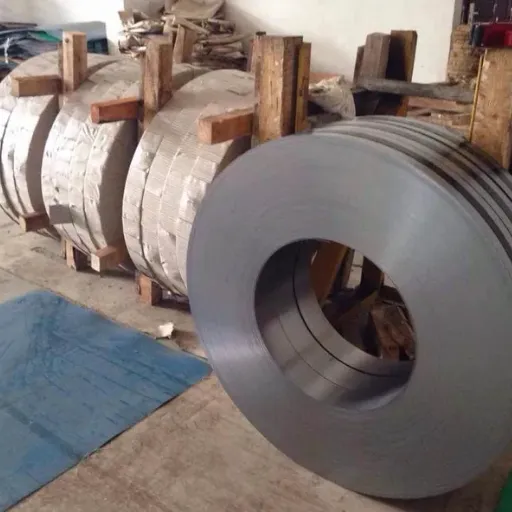
Not all magnetic materials perform equally when it comes to conducting magnetic flux. The choice of core material affects saturation level, permeability, loss characteristics, and cost. Electromagnetic pure iron occupies a unique position because it combines very high saturation induction with excellent permeability at a reasonable price.
Saturation Induction Comparison
High-purity iron reaches a saturation induction of approximately 2.15 teslas, among the highest values available in practical engineering materials. Silicon steel typically saturates around 2.0 teslas. Nickel-iron alloys offer very high permeability but lower saturation. Cobalt-iron alloys can exceed 2.3 teslas, but their cost limits them to specialized aerospace or defense applications.
For most power transformers, motors, and industrial electromagnetic devices, electromagnetic pure iron provides the best balance of high magnetic flux capability and cost-effectiveness.
Permeability and Magnetizing Force
High permeability means that a material reaches a given magnetic flux density with a small applied magnetizing force. In practical terms, a high-permeability core carries more magnetic flux for the same coil current. This reduces copper losses, shrinks coil size, and improves overall efficiency.
DT4C electromagnetic pure iron is specifically developed for maximum permeability. Its ultra-low carbon content and controlled processing produce a material that responds sharply to small magnetizing fields, making it ideal for precision instruments, sensitive relays, and high-efficiency transformers.
In 2024, a relay manufacturer in Guangdong was developing a compact contactor for automotive applications. The original design used a standard industrial steel that required a large coil to produce enough magnetic flux for reliable pull-in. After switching to DT4C electromagnetic pure iron, the coil current dropped by 35% while maintaining the same magnetic flux in the air gap. The smaller coil reduced both cost and heat generation, and the design passed automotive qualification tests on the first attempt.
Loss Characteristics
Magnetic flux in a core is never free. Every magnetization cycle consumes energy through hysteresis loss, and changing flux induces eddy currents that create resistive heating. Materials with narrow hysteresis loops and high electrical resistivity minimize these losses.
Annealed pure iron has a very narrow hysteresis loop compared with most steels, meaning it wastes less energy during each cycle. For high-frequency applications, thin laminations or specialized coatings further reduce eddy current losses. Selecting the right combination of material grade and lamination thickness is essential for achieving efficient magnetic flux transfer.
For more information on selecting magnetic materials for electrical engineering, see our complete selection guide.
Practical Applications of Magnetic Flux Control
Controlling magnetic flux is the central challenge in many electrical engineering applications. The following examples show how material selection and design decisions influence magnetic flux in real components.
Power Transformers
Power transformer designers optimize magnetic flux to balance core size, efficiency, and cost. Higher magnetic flux reduces the number of turns needed in the windings, saving copper. However, operating too close to saturation increases harmonic distortion and no-load losses.
Distribution transformers typically operate at peak magnetic flux densities between 1.6 and 1.8 teslas. Large power transformers may operate closer to 1.7 teslas. The chosen flux level depends on the core material, cooling method, and efficiency standards the transformer must meet.
Electric Vehicle Motors
EV motor designers push magnetic materials harder than almost any other application. They need maximum torque density, which requires maximum magnetic flux in the smallest possible package. Soft magnetic pure iron used in stator and rotor laminations must offer high saturation and low loss to prevent overheating at high rotational speeds.
A stator lamination stack made from high-grade electromagnetic pure iron can maintain magnetic flux densities above 2.0 teslas without excessive heating. This allows motor designers to increase power output or shrink package size, both critical advantages in electric vehicle design.
Magnetic Shielding
Magnetic shielding works by providing a low-reluctance path for unwanted magnetic flux, diverting it away from sensitive equipment. The effectiveness of a shield depends on its permeability and thickness. High-permeability pure iron and related alloys are widely used for shields around transformers, sensors, and electronic enclosures.
For applications requiring both shielding and structural properties, pure iron slabs and plates offer an excellent combination of magnetic performance and mechanical stability.
Industrial Sensors
Many position, current, and proximity sensors rely on controlled magnetic flux. A small change in the magnetic flux through a sensing element produces a measurable electrical signal. The core material must respond predictably to small field changes, which requires high permeability and low coercivity.
Electromagnetic pure iron grades with consistent magnetic properties are well suited to sensor cores. They ensure that the relationship between applied field and magnetic flux remains linear over the operating range, improving sensor accuracy and repeatability.
Request a custom quote for electromagnetic pure iron tailored to your magnetic flux requirements. We supply DT4C and related grades in coils, sheets, bars, tubes, and custom-cut formats from our inventory in Taiyuan.
Testing and Verifying Magnetic Flux Performance
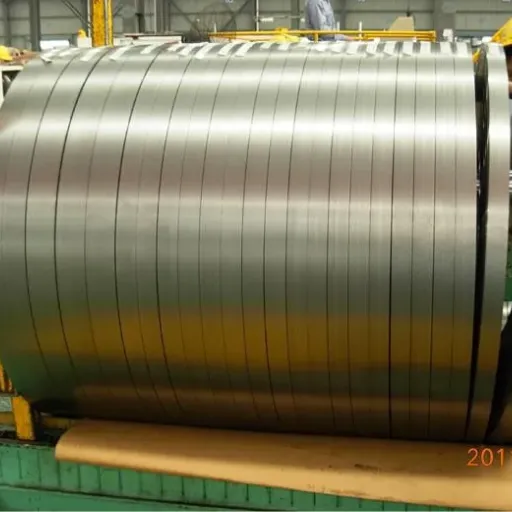
Engineers need reliable ways to confirm that core materials deliver the magnetic flux their designs require. Several standardized tests characterize the magnetic behavior of soft magnetic materials.
Epstein Frame Testing
The Epstein frame, standardized in IEC 60404-2, is the most common method for testing electrical steel strips. A rectangular sample is wound with primary and secondary coils. The primary coil applies a controlled magnetizing field, and the secondary coil measures the resulting induced voltage, from which magnetic flux is calculated.
This method produces the full B-H curve, showing how magnetic flux density responds to applied field strength. It also measures total iron loss at various flux levels, helping engineers compare materials for transformer and motor applications.
Ring Sample Testing
For bars, rods, and forged components, ring sample testing provides accurate magnetic data. A toroidal sample is wound with magnetizing and sensing coils. Because the magnetic path is closed, this method avoids air gap effects and gives highly reliable permeability values.
Ring testing is particularly useful for verifying cold-drawn pure iron bars intended for relay cores, sensor components, or precision solenoids. It confirms that the material can carry the required magnetic flux under realistic operating conditions.
Hall Effect Sensors and Flux Meters
In production environments, portable flux meters and Hall effect sensors allow quick verification of magnetic flux in assembled components. These tools measure flux density at specific points, which can be integrated over the area to estimate total magnetic flux. While less precise than laboratory methods, they are valuable for quality control and troubleshooting.
Selecting the Right Pure Iron Grade for Your Magnetic Flux Needs
Choosing the right material starts with understanding your magnetic flux requirements. Ask these questions before specifying a grade:
What total magnetic flux must the core carry?
What is the available core cross-sectional area?
What magnetic flux density does this imply?
What magnetizing force is available from the coil?
What temperature range will the component experience?
What loss budget can the design tolerate?
For applications requiring the highest magnetic flux performance, DT4C electromagnetic pure iron is usually the best choice. Its ultra-low carbon content, high permeability, and low coercivity enable designs that would be impossible with standard steels.
DT4 pure iron offers excellent performance at a slightly lower cost for less demanding applications. Industrial grades in the YT series serve applications where magnetic flux is important but not the dominant design constraint, such as powder metallurgy feedstocks or structural magnetic components.
Working with a supplier who understands these trade-offs can shorten your design cycle significantly. At Shanxi Jurun Technology Co., Ltd., we help engineers select the right grade and form factor for their specific magnetic flux requirements, and we offer precision slitting, cutting, and machining services to prepare material for immediate production use.
Conclusion
Magnetic flux is the central quantity that determines how transformers transfer energy, how motors generate torque, and how relays produce mechanical force. Understanding it thoroughly allows engineers to design smaller, more efficient, and more reliable electromagnetic components.
Here are the key takeaways from this guide:
Magnetic flux measures the total magnetic field passing through a surface, expressed in webers.
Magnetic flux density measures field concentration in teslas, and the two quantities are related by area.
Core material selection directly affects how much magnetic flux a design can carry without saturating.
Ultra-low carbon electromagnetic pure iron grades like DT4C maximize magnetic flux performance by offering high permeability and saturation induction.
Standardized testing methods such as Epstein frame and ring sample testing verify that materials meet their magnetic specifications.
If your current core material is limiting the magnetic flux your design can achieve, the solution may be simpler than redesigning the entire component. Upgrading to a higher-purity electromagnetic pure iron grade often unlocks better performance without changing geometry or increasing size.
Contact us today to discuss your project specifications. Our engineers can recommend the ideal DT4C, DT4, or industrial pure iron grade for your application, and our custom processing services ensure your material arrives ready for production. From thin sheets for relay laminations to heavy coils for transformer cores, we deliver the pure iron solutions that help you control magnetic flux with confidence and precision.
Recently Posted
-
How to Source Electromagnetic Pure Iron from China: A Step-by-Step Buyer's Guide
September 3, 2026Not long ago, a European automation company sent the same inquiry to six Chinese suppliers: "Need electromagnetic pure iron, Read More
 -
DT4 vs. DT4C Pure Iron: Magnetic Performance, Cost Differences, and When to Upgrade
September 3, 2026A solenoid valve producer in Jiangsu ordered DT4 cold-drawn bar for a new proportional valve line, reasoning that the grade was &q Read More
 -
Industrial Pure Iron vs. Armco Iron: Terminology, History, and Modern Equivalents
September 2, 2026Not long ago, a European motor manufacturer opened an aging drawing for a magnetic shielding housing and found the material callou Read More
 -
Shanxi Jurun Technology: Your Electromagnetic Pure Iron Partner from Taiyuan, China's Pure Iron Prod
August 14, 2026When an international buyer searches for electromagnetic pure iron, they are not just looking for a material. They are looking for Read More

Contact Us
Recommended Products
-
 Seamless Tube With Good Cold Electrical Pure Iron Fittings Hot Workability for Forming Fittings and ConduitsNegotiableMOQ: 1 Ton
 -
Electromagnetic Pure Iron Forging for Automotive Sensor ManufacturingNegotiableMOQ: 100 Kilograms
-
Precision Cut Pure Iron Square Bar High Saturation Induction Raw Material for Generator and RotorNegotiableMOQ: 100 Kilograms
-
DT4C Super Grade Electromagnetic Pure Iron Bright Bar With Bundle Weight 30-100kg for Easy TransportationNegotiableMOQ: 1 Ton
-
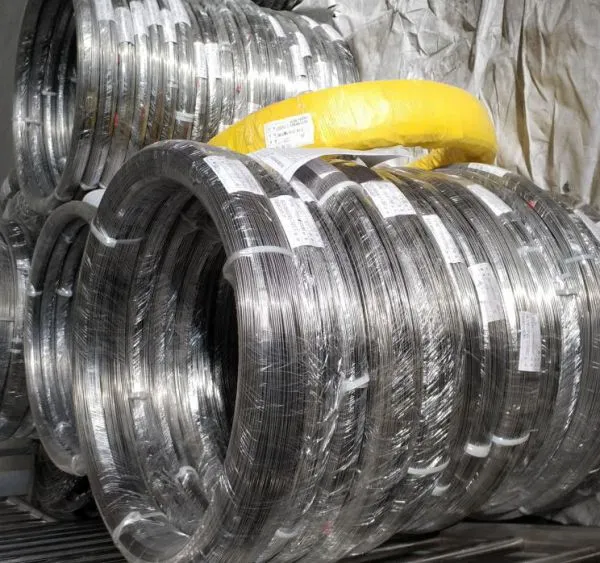
DT4C Electromagnetic Pure Iron Cold-Drawn Wire 0.5mm-6.0mm Diameter for TransformersNegotiableMOQ: 100 Kilograms
-
Industrial Pure Iron Bar for Electromagnetic Relay and Sensor ProductionNegotiableMOQ: 1 Ton
-
Electromagnetic Pure Iron Thin Sheet 0.3mm-0.8mm for Solenoid and Relay ManufacturingNegotiableMOQ: 500 Kilograms
-
Electrical Pure Iron Hot-Rolled Coil for Magnetic Components With Low Iron LossNegotiableMOQ: 1 Ton
-
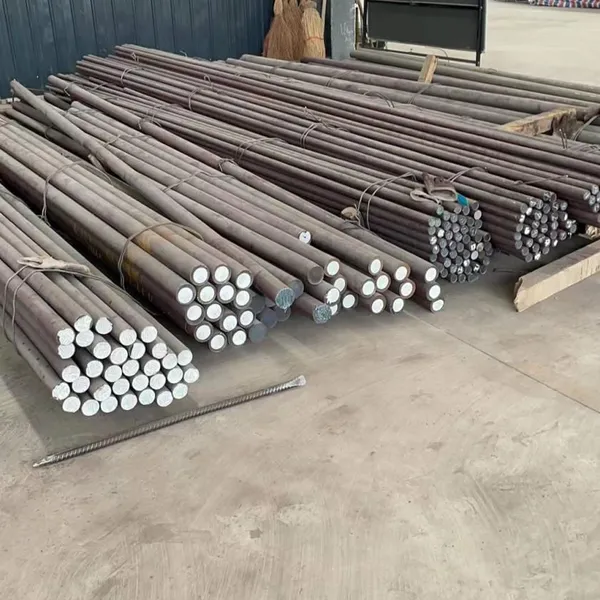
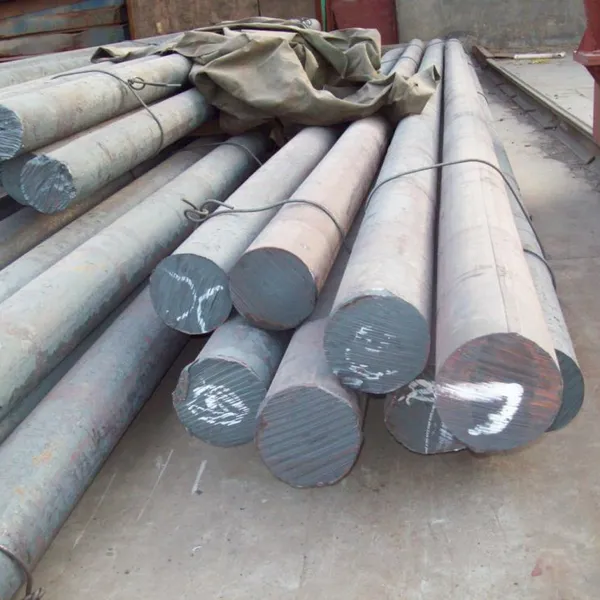
Low Carbon DT4C Pure Iron Round Bar With 99.8% Fe Content for Electrical ApplicationsNegotiableMOQ: 1 Ton
-
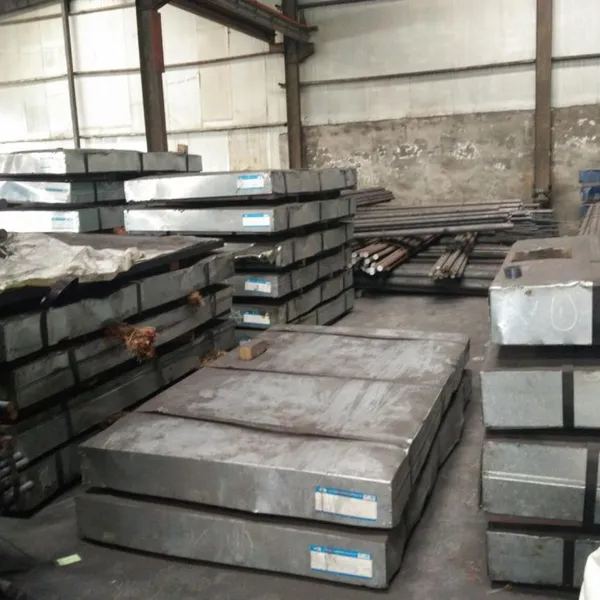
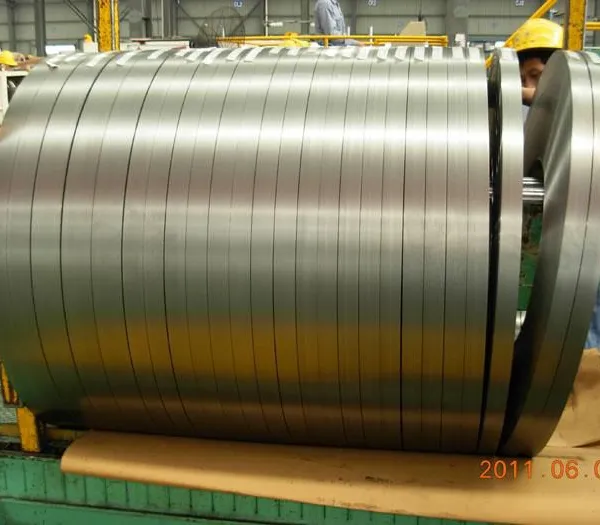
Cold Rolled Pure Iron Slit Coil DT4C Grade Ultra Low Carbon ≤0.004% for Magnetic ComponentsNegotiableMOQ: 1 Ton
-
Low Iron Loss Electromagnetic Pure Iron Hot-Rolled Coil DT4C for Transformer CoresNegotiableMOQ: 1 Ton
-
Soft Magnetic Pure Iron Sheet With Minimum Iron Loss for High-Efficiency MotorsNegotiableMOQ: 1 Ton
-
Electromagnetic Pure Iron Cold Rolled Coil DT4C for High Magnetic Permeability ApplicationsNegotiableMOQ: 1 Ton
-
Industrial Pure Iron Tube Superior Surface Quality Electromagnetic Pure Iron Tube for Welding and Plating ProcessesNegotiableMOQ: 1 Ton
-
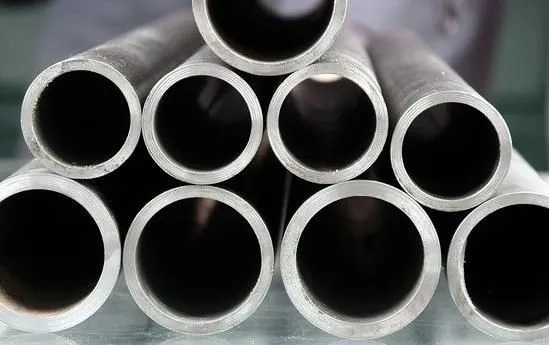
DT4 Seamless Pure Iron Tubing for High-Performance Electrical Equipment ApplicationsNegotiableMOQ: 1 Ton

-
DT4C Iron Wire Rod for Precision Magnetic Shielding ApplicationsNegotiableMOQ: 100 Kilograms
-
Industrial Pure Iron Fittings DT4 Pure Iron Seamless Tube With Low Hysteresis Loss for Electromagnetic SystemsNegotiableMOQ: 1 Ton
-
DT4C Cold Rolled Coil Slitting for Electrical Enclosure ManufacturingNegotiableMOQ: 1 Ton
-
Anti Rust Coated Pure Iron Square Bar Low Carbon Raw Material for Welding and Forging Magnetic PartsNegotiableMOQ: 100 Kilograms
-
DT4 Pure Iron Cold-Drawn Wire 0.5mm-6.0mm Diameter for Precision EngineeringNegotiableMOQ: 500 Kilograms