
 Business License

Transformer Calculation: A Practical Guide for Core Design and Material Selection
A 2-millimeter error in core cross-section can quietly drain thousands of dollars from a transformer production run. That is exactly what happened to a mid-sized power equipment manufacturer in Dongguan last year. Their design team had relied on rough estimates for the core area, and the resulting transformers ran hotter than expected. The root cause was not the winding formula or the insulation. It was the gap between the calculated magnetic path and the actual material behavior.
If you design, procure, or manufacture transformers, you already know that transformer calculation is not a theoretical exercise. It directly determines efficiency, temperature rise, noise level, and total material cost. You also know that the best calculation in the world will fail if the core material cannot deliver the magnetic properties you assumed.
In this guide, you will learn the essential transformer calculation methods used in core design. We will walk through flux density, core area, turns per volt, and core loss. You will also see how the grade of pure iron you select changes every number in your worksheet. By the end, you will have a practical framework for producing transformers that perform as designed.
Why Transformer Calculation Starts with the Core
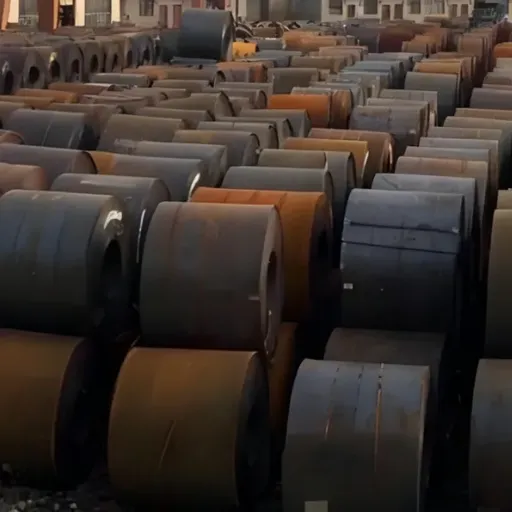
Most engineers begin transformer design by thinking about voltage, current, and turns. Those values matter, but they all depend on the magnetic circuit inside the core. The core is where magnetic flux is established, guided, and returned. If you do not size it correctly, the copper winding becomes a Band-Aid for a magnetic problem.
Transformer calculation is the process of matching electrical requirements to magnetic capability. The core must carry a specific flux density without saturating. It must do so with low energy loss per cycle. And it must fit the mechanical constraints of the enclosure, mounting, and cooling system.
When the core material has high magnetic permeability and low hysteresis loss, the same transformer can be smaller, cooler, and quieter. That is why experienced designers treat material selection as part of the calculation, not as an afterthought.
Need core material that matches your calculated specs? Contact our engineering team to discuss DT4C pure iron for transformer applications.
Key Parameters in Transformer Core Calculation
Before you open a spreadsheet, you need to understand the variables that control transformer performance. Each parameter connects to the others, so changing one value ripples through the entire design.
Magnetic Flux Density (B)
Flux density, measured in teslas (T), describes how much magnetic flux passes through a given cross-sectional area of core material. It is one of the most important inputs in transformer calculation because it determines how much flux the core can carry before saturation.
Typical design values for transformer-grade pure iron range from 1.0 T to 1.5 T, depending on frequency, cooling, and allowable loss. Higher flux density reduces core size but increases core loss and noise. Lower flux density improves efficiency but requires more material.
Core Cross-Sectional Area (A)
The effective core area determines how much flux the core can support for a given flux density. For laminated cores, you must account for the stacking factor, usually 0.90 to 0.97, because insulation layers and gaps reduce the usable iron area.
The relationship is straightforward: higher flux density allows a smaller core area, and vice versa. But the core area also affects winding window size, so the decision is not isolated.
Frequency (f)
Operating frequency controls how often the magnetic field reverses direction each second. At 50 Hz or 60 Hz, the design emphasizes low hysteresis loss. At higher frequencies, eddy current loss becomes the dominant concern, and thinner laminations become essential.
Turns Per Volt (TPV)
Turns per volt defines how many winding turns are required to produce one volt of induced electromotive force. It depends on flux density, core area, and frequency. The standard transformer calculation formula is:
TPV = 1 / (4.44 × B × A × f)
Where B is in teslas, A is in square meters, and f is in hertz. Once you know TPV, you can calculate primary and secondary turns directly.
Core Loss (P)
Core loss is the energy dissipated in the magnetic material itself. It has two components:
Hysteresis loss: Energy lost as the magnetic domains realign during each cycle.
Eddy current loss: Energy lost as circulating currents induced in the core material.
Both losses depend on flux density, frequency, material thickness, and material purity. Ultra-low carbon pure iron such as DT4C minimizes both components, which is why it is widely specified for high-efficiency transformers.
Step-by-Step Transformer Core Calculation
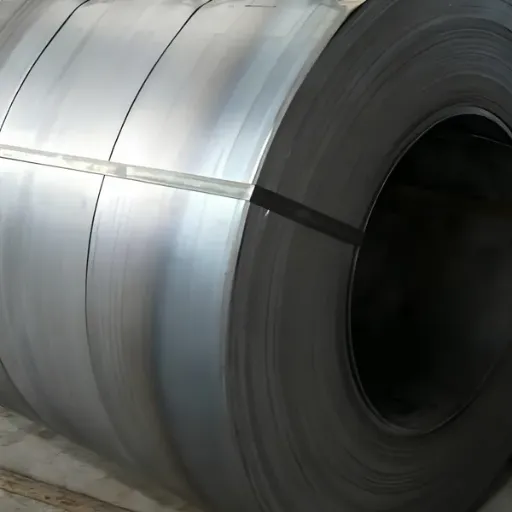
Let us walk through a practical transformer calculation for a small power transformer. Imagine you need to design a 5 kVA, 220 V / 110 V transformer operating at 50 Hz, and you plan to use DT4C electromagnetic pure iron.
Step 1: Select the Flux Density
For a naturally cooled distribution transformer using high-quality pure iron, a conservative flux density of 1.2 T is a safe starting point. This leaves margin for voltage fluctuations and avoids audible hum caused by saturation.
Step 2: Estimate the Core Area
A common rule of thumb relates core area to transformer rating:
A (cm²) ≈ √kVA
For a 5 kVA transformer, this gives approximately 2.24 cm² as a starting estimate. However, this is only a rough guide. The real core area must be verified against the turns and flux density.
Step 3: Calculate Turns Per Volt
Using the formula above with B = 1.2 T, A = 2.24 cm² (0.000224 m²), and f = 50 Hz:
TPV = 1 / (4.44 × 1.2 × 0.000224 × 50)
TPV ≈ 16.7 turns per volt
So the 220 V primary needs about 3,674 turns, and the 110 V secondary needs about 1,837 turns.
Step 4: Check the Window and Copper Fit
The calculated turns must fit inside the core window with appropriate wire gauge and insulation. If they do not, you have three levers: increase flux density, increase core area, or redesign the winding layout. Each choice affects cost and performance.
Step 5: Verify Core Loss
Using the manufacturer’s core loss curve for DT4C pure iron at 1.2 T and 50 Hz, estimate total core loss. Compare it to your efficiency target. If loss is too high, reduce flux density or upgrade to a thinner lamination grade.
This step is where material certificates matter. A generic steel may claim similar permeability but show higher loss at operating temperature. Always request certified test data when procuring core material.
How Core Material Properties Affect Your Calculations
The numbers in your transformer calculation are only as reliable as the material data behind them. Small differences in purity, grain structure, and carbon content can shift flux density limits and loss curves significantly.
Magnetic Permeability
High permeability means the core magnetizes easily. With DT4C electromagnetic pure iron, designers can achieve the required flux at lower magnetizing current. That reduces no-load loss and improves overall efficiency.
Coercivity
Low coercivity means the material requires less energy to reverse magnetization. This directly reduces hysteresis loss. Pure iron grades designed for electrical applications are processed to minimize coercivity through careful annealing and purity control.
Carbon Content
Carbon is one of the most damaging impurities in transformer steel. Even small amounts increase hysteresis loss and reduce permeability. DT4C specifies ultra-low carbon content at or below 0.004%, which is why it performs consistently in precision transformer cores.
Lamination Thickness
Thinner laminations reduce eddy current loss but increase manufacturing cost. Standard power transformers often use 0.35 mm or 0.5 mm laminations. High-frequency designs may go as thin as 0.1 mm. Your transformer calculation should specify thickness based on operating frequency and loss targets.
When Li Wei, a design engineer at a transformer workshop in Jiangsu, switched his core supplier from a general steel distributor to DT4C pure iron, his no-load loss dropped by 12%. The improvement came from better permeability at the same flux density. His original calculation had assumed ideal material behavior that the old steel could not deliver.
Common Transformer Calculation Mistakes
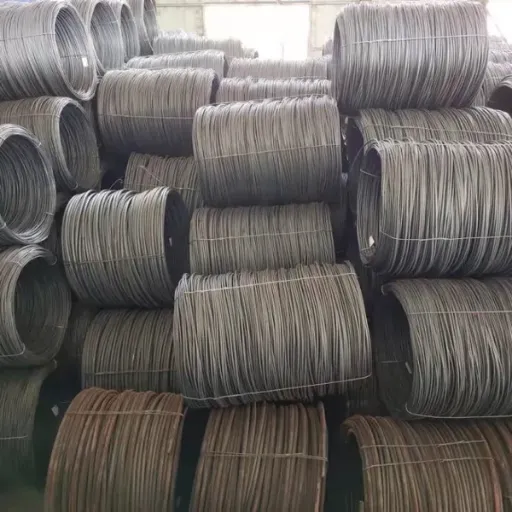
Even experienced designers make errors that show up only after the first prototype test. Here are the most common pitfalls and how to avoid them.
Ignoring the Stacking Factor
Laminated cores are never 100% iron. Insulation coatings, burrs, and clamping pressure reduce the effective area. Using the gross area instead of the net iron area causes oversaturation and excess loss. Always apply a stacking factor between 0.90 and 0.97 in your transformer calculation.
Using Catalog Flux Density at Operating Temperature
Magnetic properties change with temperature. Catalog values are often measured at room temperature. At 75°C or 100°C operating temperature, saturation flux density may be lower. Build temperature margin into your design.
Neglecting Harmonic Content
Modern loads inject harmonics into the grid. Harmonics increase core loss and can push local flux peaks into saturation even when the fundamental voltage looks acceptable. If your transformer serves variable-frequency drives or rectifier loads, derate the flux density accordingly.
Forgetting Mechanical Stress
Cutting, punching, and clamping laminations introduces mechanical stress. Stress raises local coercivity and increases loss. High-quality core material should be stress-relief annealed after stamping. Specify this in your procurement documents.
Treating Material as a Commodity
Not all pure iron is equal. Different grades, processing histories, and suppliers produce different magnetic curves. If your transformer calculation assumes DT4C properties, verify that the delivered material actually meets DT4C standards. Request mill test certificates and, when possible, sample-test permeability and core loss before full production.
Selecting the Right Pure Iron Grade for Transformer Cores
Choosing the correct material grade is the final step in a complete transformer calculation. The grade determines your flux density limit, loss budget, and cost structure.
DT4C Electromagnetic Pure Iron
DT4C is the workhorse grade for transformer cores, solenoids, and relays. It offers high permeability, ultra-low carbon content, and low iron loss. For 50 Hz and 60 Hz power transformers, DT4C provides an excellent balance of performance and cost.
DT4 and DT4E Grades
DT4 is a general-purpose electromagnetic pure iron suitable for less demanding applications. DT4E offers even lower carbon content and better magnetic properties than DT4C for designs where maximum efficiency is critical.
DT8 and DT9 High-Density Grades
For specialized transformers requiring higher mechanical strength or specific density, DT8 and DT9 grades are available. These are less common in standard distribution transformers but valuable in aerospace, military, or high-stress applications.
YT Industrial Pure Iron
YT-series grades such as YT01 are used where magnetic properties are required but the application does not demand the highest electromagnetic grade. They can be a cost-effective alternative for large structural or magnetic shielding components.
The right choice depends on your efficiency target, operating frequency, temperature rise limit, and budget. If you are unsure, start with DT4C and adjust only if testing proves a different grade is justified.
Practical Tips for Linking Calculation to Procurement
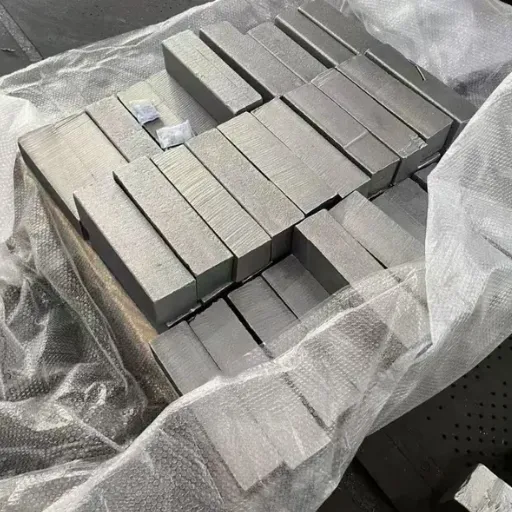
A perfect transformer calculation loses value if the procurement team buys material that does not match. Here are five ways to keep design intent intact through production.
Specify grade and standard clearly. Write “DT4C electromagnetic pure iron per GB/T 6983” or equivalent, not just “pure iron.”
Request magnetic test data. Ask for permeability, coercivity, and core loss curves at your operating flux density.
Confirm lamination thickness. Match thickness to your eddy-current loss calculation.
Verify annealing condition. Specify stress-relief annealing after stamping when loss targets are tight.
Order sample batches first. Test a small lot before committing to a full production order, especially for new suppliers.
When Zhang Min, a procurement manager at an EV charging equipment company, followed this checklist, she avoided a costly mismatch. One supplier quoted 8% lower price but could not provide certified DT4C data. Her team ran sample tests and found 18% higher core loss than expected. The cheaper quote would have increased total cost over the product life cycle.
Conclusion: Better Calculation, Better Transformers
Transformer calculation is the bridge between electrical requirements and magnetic reality. Every number, from flux density to turns per volt, depends on the core material you plan to use. That is why the most reliable designers treat material selection as part of the calculation itself.
Here are the key takeaways:
Start transformer calculation with the core, not the winding.
Use realistic flux density values with temperature and harmonic margin.
Apply a stacking factor to laminated core area.
Verify core loss using certified material data, not assumptions.
Match the pure iron grade to your efficiency and frequency requirements.
Keep procurement aligned with design intent through clear specifications and sample testing.
At Shanxi Jurun Technology Co., Ltd., we supply DT4C and related electromagnetic pure iron grades designed for transformer core performance. Our materials are processed in Taiyuan, China’s pure iron production hub, with strict control over carbon content, permeability, and dimensional accuracy.
Ready to improve your transformer designs? Request a custom quote for DT4C pure iron, or explore our full range of electrical pure iron products to find the right grade for your next project.
Recently Posted
-
Industrial Pure Iron vs. Armco Iron: Terminology, History, and Modern Equivalents
September 2, 2026Not long ago, a European motor manufacturer opened an aging drawing for a magnetic shielding housing and found the material callou Read More
 -
Shanxi Jurun Technology: Your Electromagnetic Pure Iron Partner from Taiyuan, China's Pure Iron Prod
August 14, 2026When an international buyer searches for electromagnetic pure iron, they are not just looking for a material. They are looking for Read More
 -
Cold Drawing Process for Electromagnetic Pure Iron Wire: How Wire Rod Becomes Precision Cold-Drawn W
August 13, 2026Not long ago, a solenoid valve manufacturer in Italy received a shipment of 5.5 mm electromagnetic pure iron cold-drawn wire inten Read More
 -
How to Choose a Food Vacuum Sealer Supplier in China: 8 Evaluation Criteria
August 13, 2026An e-commerce brand owner in the UK contacted us some time ago after a supplier relationship fell apart. They had sourced roughly Read More

Contact Us
Recommended Products
-
 Seamless Tube With Good Cold Electrical Pure Iron Fittings Hot Workability for Forming Fittings and ConduitsNegotiableMOQ: 1 Ton
 -
Electromagnetic Pure Iron Forging for Automotive Sensor ManufacturingNegotiableMOQ: 100 Kilograms
-
Precision Cut Pure Iron Square Bar High Saturation Induction Raw Material for Generator and RotorNegotiableMOQ: 100 Kilograms
-
DT4C Super Grade Electromagnetic Pure Iron Bright Bar With Bundle Weight 30-100kg for Easy TransportationNegotiableMOQ: 1 Ton
-
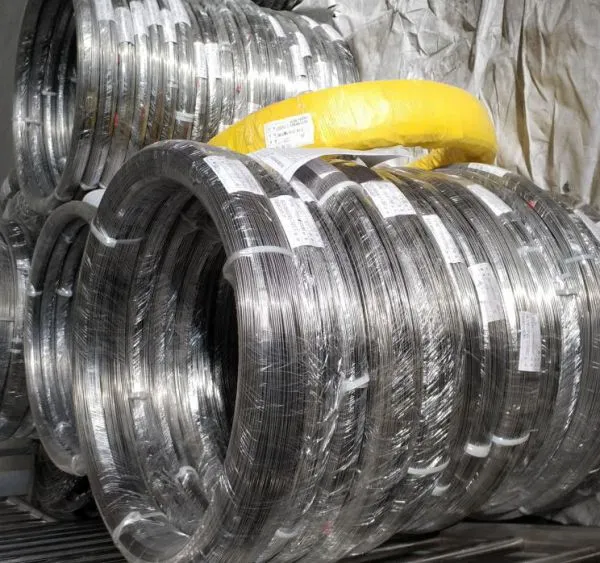
DT4C Electromagnetic Pure Iron Cold-Drawn Wire 0.5mm-6.0mm Diameter for TransformersNegotiableMOQ: 100 Kilograms
-
Industrial Pure Iron Bar for Electromagnetic Relay and Sensor ProductionNegotiableMOQ: 1 Ton
-
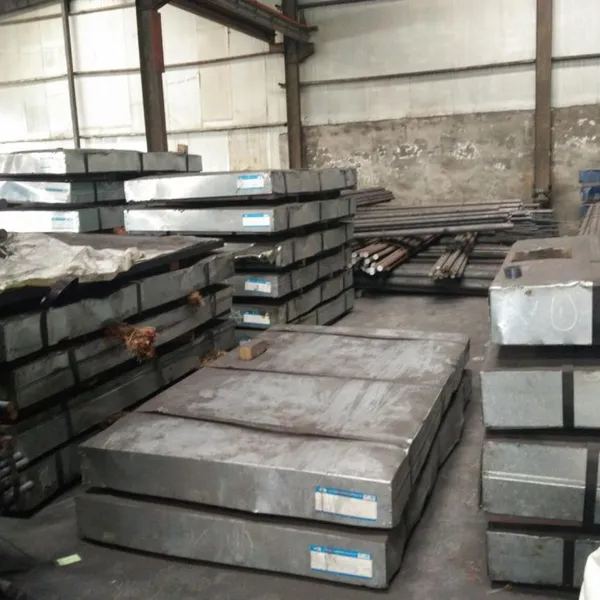
Electromagnetic Pure Iron Thin Sheet 0.3mm-0.8mm for Solenoid and Relay ManufacturingNegotiableMOQ: 500 Kilograms
-
Electrical Pure Iron Hot-Rolled Coil for Magnetic Components With Low Iron LossNegotiableMOQ: 1 Ton
-
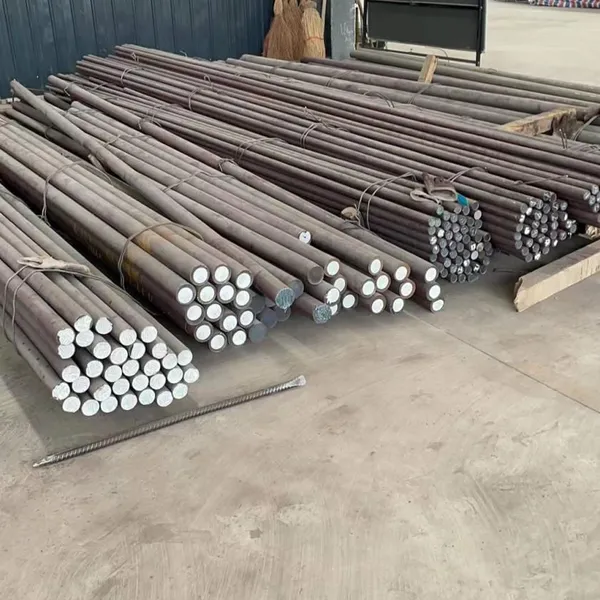
Low Carbon DT4C Pure Iron Round Bar With 99.8% Fe Content for Electrical ApplicationsNegotiableMOQ: 1 Ton
-
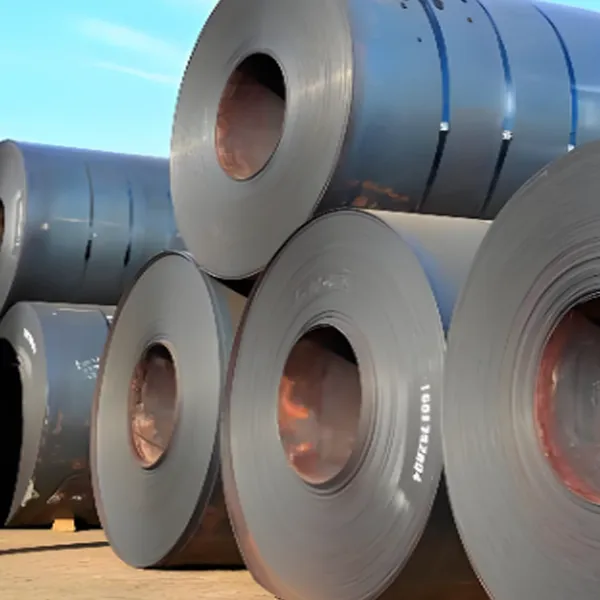
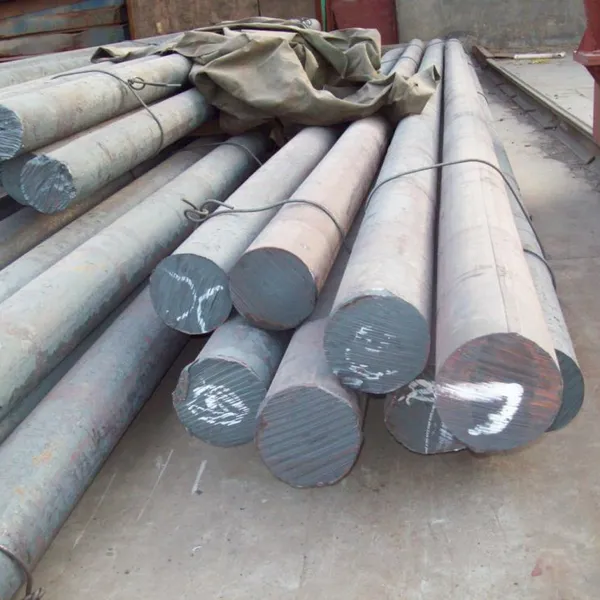
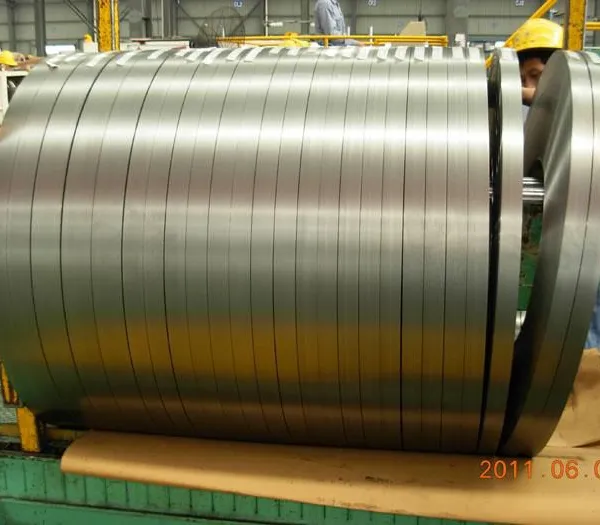
Cold Rolled Pure Iron Slit Coil DT4C Grade Ultra Low Carbon ≤0.004% for Magnetic ComponentsNegotiableMOQ: 1 Ton
-
Low Iron Loss Electromagnetic Pure Iron Hot-Rolled Coil DT4C for Transformer CoresNegotiableMOQ: 1 Ton
-
Soft Magnetic Pure Iron Sheet With Minimum Iron Loss for High-Efficiency MotorsNegotiableMOQ: 1 Ton
-
Electromagnetic Pure Iron Cold Rolled Coil DT4C for High Magnetic Permeability ApplicationsNegotiableMOQ: 1 Ton
-
Industrial Pure Iron Tube Superior Surface Quality Electromagnetic Pure Iron Tube for Welding and Plating ProcessesNegotiableMOQ: 1 Ton
-
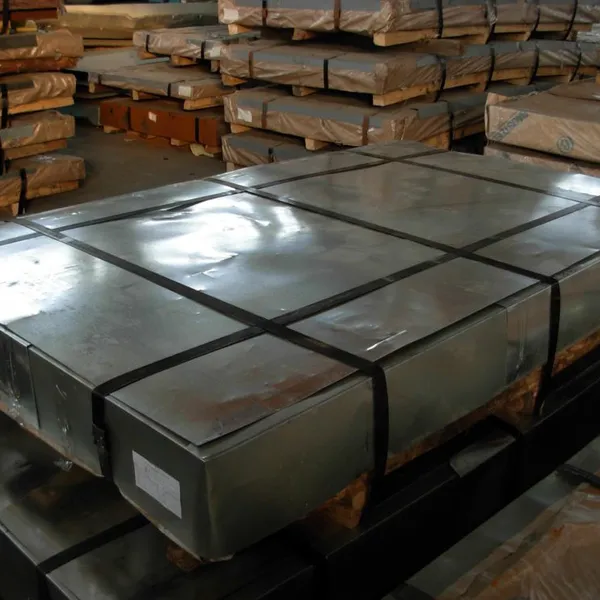
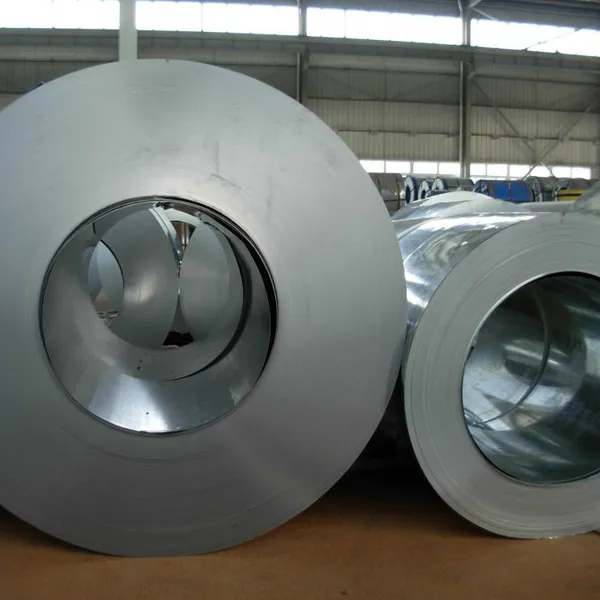
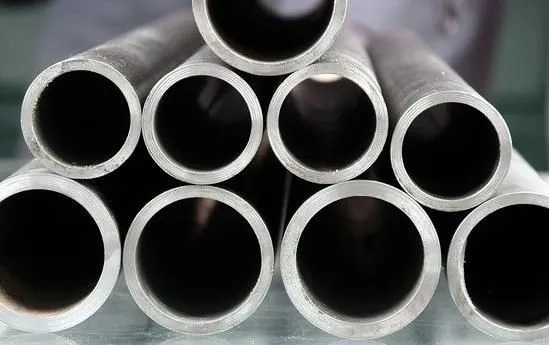
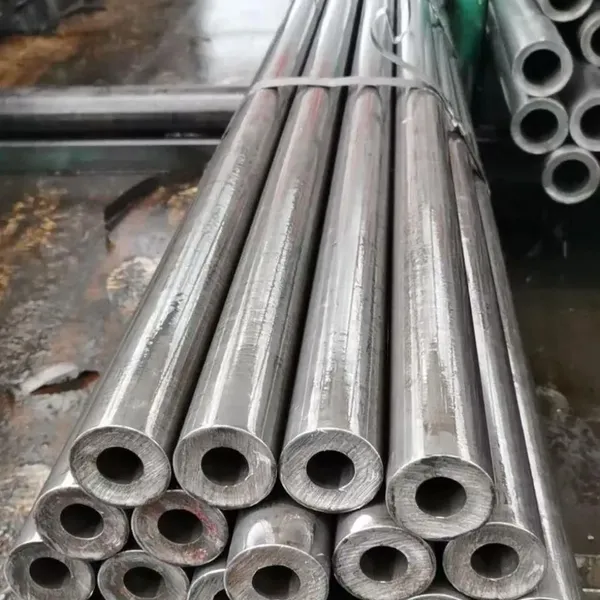
DT4 Seamless Pure Iron Tubing for High-Performance Electrical Equipment ApplicationsNegotiableMOQ: 1 Ton
-
DT4C Iron Wire Rod for Precision Magnetic Shielding ApplicationsNegotiableMOQ: 100 Kilograms
-
Industrial Pure Iron Fittings DT4 Pure Iron Seamless Tube With Low Hysteresis Loss for Electromagnetic SystemsNegotiableMOQ: 1 Ton
-
DT4C Cold Rolled Coil Slitting for Electrical Enclosure ManufacturingNegotiableMOQ: 1 Ton
-
Anti Rust Coated Pure Iron Square Bar Low Carbon Raw Material for Welding and Forging Magnetic PartsNegotiableMOQ: 100 Kilograms
-
DT4 Pure Iron Cold-Drawn Wire 0.5mm-6.0mm Diameter for Precision EngineeringNegotiableMOQ: 500 Kilograms