
 Business License

Power Transformer Core Design: Materials, Losses, and Selection Guide
In 2024, a procurement team at a Polish utility contractor accepted the lowest bid on a 10 MVA distribution transformer. The unit looked identical to the previous model. The core used standard-grade silicon steel instead of the specified high-permeability material. Six months after installation, field measurements showed no-load losses 18% above the guaranteed value. The contractor replaced the core under warranty, but the hidden cost of excess energy loss kept accumulating at 23 substations across the region.
If you specify, buy, or build power transformers, you know the core isn't just another component. The power transformer core determines no-load loss, noise level, thermal rise, and the physical size of the tank. Choose the right core material and geometry, and you hit efficiency targets with a smaller, quieter unit. Choose wrong, and you commit your customer to decades of wasted electricity.
In this guide, you'll learn how a power transformer core converts electrical energy through magnetic flux, where core losses originate, and how materials compare for real-world applications. We'll walk through a practical selection process you can apply to your next distribution or power transformer project. You'll also see when electrical pure iron deserves a place in your specification.
Want to compare core materials before diving in? Read our complete guide to transformer core materials.
How a Power Transformer Core Actually Works
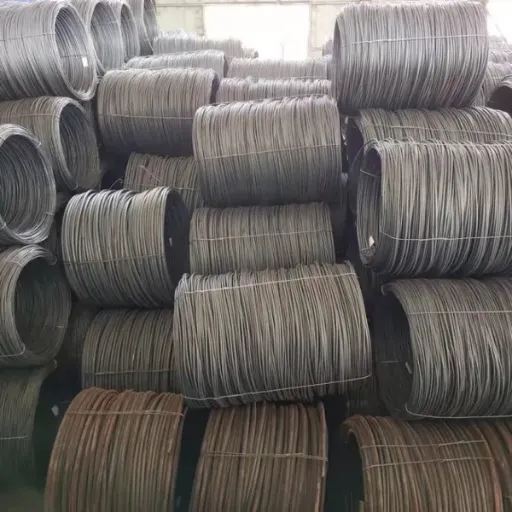
A power transformer core gives the magnetic field a closed, low-reluctance path between the primary and secondary windings. Alternating current in the primary winding creates a changing magnetic flux. That flux links the secondary winding and induces a voltage. Without a core, most of the flux would leak into the air, and the transformer would be too large and too inefficient to use.
The core's job sounds simple: carry flux. In practice, it must do this while minimizing two unwanted effects. First, the core must not resist the reversal of magnetization too strongly. Second, it must not let circulating electrical currents build up inside the metal. The first effect creates hysteresis loss; the second creates eddy-current loss. Together they make up the no-load loss, also called core loss.
Power transformer cores are built from stacked laminations rather than solid blocks. Each lamination is a thin sheet of magnetic steel, coated on both sides with an insulating layer. The insulation breaks the paths that eddy currents would otherwise follow. Thinner laminations reduce eddy-current loss but increase material and labor costs. Designers strike a balance based on frequency, loss targets, and manufacturing capability.
What Core Loss Means for Power Transformer Efficiency
Core loss is the energy consumed by the core itself whenever the transformer is energized, even with no load connected. For a large power transformer running continuously, no-load loss can represent a major share of lifetime operating cost. A 100 MVA unit with a core loss of 80 kW wastes roughly 700 MWh per year. At industrial electricity rates, that loss has real financial weight over a 30-year service life.
Hysteresis loss comes from the repeated realignment of magnetic domains. Each cycle of the AC waveform forces the domains to flip direction. A material with low coercivity flips easily and wastes less energy. Eddy-current loss comes from voltages induced inside the conductive core material itself. These currents flow perpendicular to the magnetic flux and produce heat. Higher electrical resistivity in the core material suppresses eddy currents.
Transformer standards such as IEEE C57.12.00 and IEC 60076 define no-load loss test methods and limits. Manufacturers report core loss in watts per kilogram at a fixed flux density and frequency, usually 1.5 T or 1.7 T at 50 Hz or 60 Hz. When you compare materials, make sure the numbers share the same test conditions. A figure measured at 1.0 T cannot be compared directly with one measured at 1.7 T.
The U.S. Department of Energy estimates that improving distribution transformer efficiency standards has saved billions of kilowatt-hours annually. Those savings come almost entirely from better core materials and core designs. For utilities and industrial buyers, specifying the right power transformer core is one of the highest-leverage decisions in the procurement process.
Comparing Core Materials for Power Transformers
Engineers have four main families of materials to choose from for power transformer cores. Each offers a different trade-off between magnetic performance, mechanical properties, and cost.
Grain-Oriented Silicon Steel
Grain-oriented electrical steel dominates the power transformer market. Silicon, added at roughly 3%, raises electrical resistivity and reduces eddy-current loss. The rolling process aligns the crystal grains so the easy direction of magnetization lies along the rolling direction. Cores are built with the flux path following that direction as much as possible.
This material offers good performance at moderate cost. It is mechanically strong, easy to slit and punch, and widely available. The limitation is iron loss. Even high-grade grain-oriented silicon steel cannot match the permeability and low coercivity of the best electromagnetic pure irons. For premium-efficiency units or compact designs, engineers look beyond conventional silicon steel.
High-Permeability Grain-Oriented Steel
A more refined version of grain-oriented steel uses laser scribing or domain refinement to reduce hysteresis loss. These grades carry names like Hi-B or domain-refined steel. They achieve 10-15% lower core loss than conventional grain-oriented products. The trade-off is higher cost and sometimes more sensitivity to mechanical stress during core assembly.
Amorphous Metal Cores
Amorphous metal, also called metallic glass, has no regular crystal structure. The absence of grain boundaries cuts hysteresis loss dramatically. Amorphous cores can achieve no-load losses roughly one-third those of conventional silicon steel. They work well in distribution transformers where the unit spends most of its life at no load.
The downside is mechanical handling. Amorphous ribbon is thin, hard, and brittle. Cores made from it are larger and more difficult to assemble. The material cost is also higher. For large power transformers or designs with tight space constraints, amorphous metal is rarely the first choice.
Electrical Pure Iron for Specialized Power Cores
Electrical pure iron, including grades like DT4C, contains ultra-low carbon levels at or below 0.004%. The refining process removes impurities that disrupt magnetic domains. The result is a material with very high magnetic permeability and very low coercivity. Learn more about the magnetic properties that define soft magnetic materials.
For most bulk power transformers, grain-oriented silicon steel remains the economic choice. Electrical pure iron finds its place in instrument transformers, high-frequency reactors, precision current transformers, and specialized power components where linearity and low phase error matter more than raw cost per kilogram. It also serves as a benchmark material and as a core option for prototype transformers where designers want to isolate magnetic performance from material variables.
Need a core material that balances permeability with low loss? Explore our DT4C electromagnetic pure iron options for transformer and power applications.
When Electrical Pure Iron Outperforms Silicon Steel in Power Cores
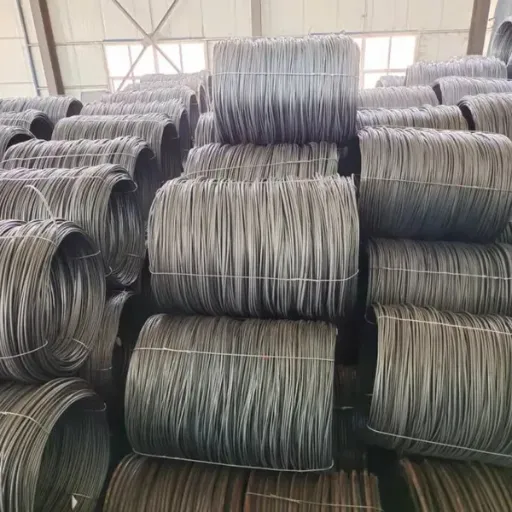
Grain-oriented silicon steel wins on price for the majority of power transformers. But there are specific cases where electrical pure iron delivers measurable advantages.
Precision Instrument Transformers depend on a stable, linear B-H curve. Current transformers and voltage transformers used for metering and protection must maintain accuracy across a wide range of primary currents. DT4C electromagnetic pure iron offers the consistent magnetic response these devices need. A small amount of pure iron in the right place can improve accuracy class without redesigning the winding.
High-Frequency Power Magnetics challenge silicon steel because eddy-current loss rises with the square of frequency. Power electronic transformers, DC-DC converters, and inverter-linked distribution transformers operate at frequencies from hundreds of hertz to tens of kilohertz. At those frequencies, thin-gauge electrical pure iron or ferrite may outperform conventional steel laminations.
Compact Designs benefit from the high saturation induction of pure iron. When a design must fit into a restricted tank or enclosure, a material with higher saturation allows more flux density before saturation. That can reduce core cross-section and overall transformer size. The design trade-off is that higher flux density also increases core loss, so the optimization must be done carefully.
Prototyping and Material Studies use electrical pure iron to establish a performance baseline. Because pure iron has fewer impurities and a more predictable magnetic response than commercial silicon steel, researchers and designers use it to separate core geometry effects from material effects. Once the design is proven, they can substitute production-grade material if cost requires it.
A team at a Korean renewable-energy inverter company faced this exact choice in 2023. Their new medium-voltage power transformer had to fit inside a 40-foot container for offshore wind installation. Silicon steel cores exceeded the allowed footprint. By specifying a compact core using high-saturation electrical pure iron laminations, they reduced the core cross-section by 12% and met the shipping constraint without derating the unit.
Core Design Choices That Affect Power Transformer Performance
Material selection is only one lever. The geometry and construction of the power transformer core also determine final performance.
Core Form vs. Shell Form
Power transformer cores come in two basic geometries. Core-form designs wrap the windings around the core legs, giving a tall, narrow footprint. Shell-form designs surround the windings with the core, producing a shorter, wider transformer. Core-form units dominate high-voltage power transformers because they offer better insulation access and lower leakage flux. Shell-form designs can achieve lower impedance and are common in large generator-step-up units.
Step-Lap and Mitered Joints
The joints between core laminations create air gaps that increase reluctance and produce localized saturation. Older cores used simple butt joints. Modern power transformer cores use step-lap or mitered joints to spread the air gap across multiple laminations. This reduces no-load loss and noise. A well-built step-lap joint can cut joint loss by 30-50% compared with a simple butt joint.
Lamination Thickness
Standard power transformer laminations range from 0.23 mm to 0.35 mm. Thinner laminations reduce eddy-current loss but increase core assembly time and material cost. For 50 Hz or 60 Hz distribution transformers, 0.27 mm or 0.30 mm is common. For higher-frequency designs, thinner gauges become necessary. Electrical pure iron is available in cold-rolled sheets down to 0.3 mm, giving designers flexibility in the thickness-to-loss trade-off.
Annealing and Stress Relief
Punching, slitting, and bending introduce mechanical stress that degrades magnetic properties. Stress-relief annealing restores the original permeability and reduces coercivity. DT4C pure iron responds well to hydrogen annealing, reaching peak magnetic performance after heat treatment. Skipping annealing can erase much of the benefit of choosing a premium material.
Cooling and Noise Control
Core loss turns into heat. The core must dissipate that heat without creating hot spots. In oil-filled transformers, the core sits in mineral oil or ester fluid that carries heat to the tank walls. The core clamping structure must hold laminations firmly enough to prevent vibration but not so tightly that it creates short circuits between laminations.
Noise comes from magnetostriction, the slight dimensional change in steel as it magnetizes. Higher flux density and lower-quality laminations both increase noise. For urban substations or noise-sensitive sites, specifying lower flux density and higher-grade core material can keep the transformer within local noise ordinances.
A Practical Selection Process for Power Transformer Cores
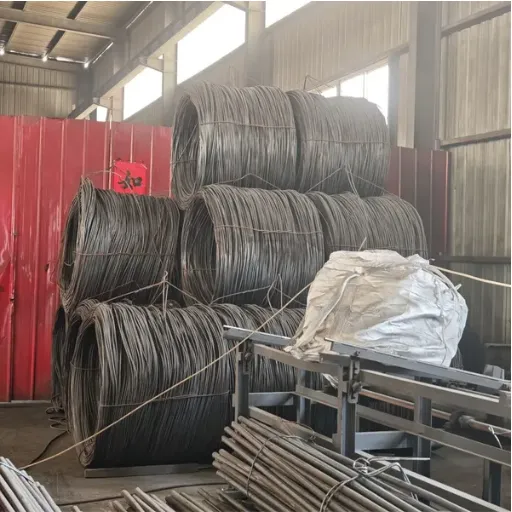
Use this framework the next time you specify a power transformer core. It will keep the decision grounded in application requirements rather than habit or supplier preference.
Step 1: Define the Electrical Duty. Document the rated power, voltage ratio, frequency, and expected load profile. A distribution transformer that runs at no load for 80% of its life justifies a core optimized for no-load loss. A furnace transformer that runs near full load most of the time needs a core that also performs well under load conditions.
Step 2: Set the Loss Budget. Regulatory standards set maximum no-load and load losses. Go further and calculate the total owning cost over the expected life. A core material that costs 8% more upfront but cuts no-load loss by 12% can pay for itself within five to seven years of continuous operation.
Step 3: Match the Material to the Frequency. For 50 Hz or 60 Hz power transformers, grain-oriented silicon steel is usually the practical choice. For frequencies above a few hundred hertz, evaluate thin-gauge electrical pure iron or amorphous ribbon. At tens of kilohertz, ferrite may become the only viable option.
Step 4: Account for Physical Constraints. Measure the available installation space, weight limits, and cooling capacity. A compact design may push you toward higher flux density and higher-grade material. A weight-sensitive mobile substation may favor a shell-form core or a high-saturation material.
Step 5: Validate with a Prototype Core. Never rely entirely on catalog loss figures. Build a prototype core from the selected material, process it the same way production units will be processed, and measure no-load loss under representative conditions. For critical projects, request sample batches as small as 100 kilograms so you can validate before committing to full production.
A transformer repair shop in São Paulo used this process in 2024. Their customer needed a replacement core for a 5 MVA unit in a congested downtown substation. Standard silicon steel would not fit the original tank. By switching to a high-permeability electrical pure iron core with step-lap joints, the shop rebuilt the transformer with 9% lower no-load loss and a noise level 3 dB below the original unit. The customer avoided the far larger cost of replacing the entire substation.
Conclusion
The power transformer core is the single most important determinant of no-load loss, noise, and size. Grain-oriented silicon steel remains the workhorse material for most distribution and power transformers. High-permeability grades, amorphous metal, and electrical pure iron each occupy specific niches where their magnetic advantages justify the added cost.
A rigorous selection process looks at duty cycle, loss budget, frequency, physical constraints, and prototype validation. Engineers who treat the core as a design variable rather than a commodity specification deliver transformers that run cooler, quieter, and cheaper over their full service life.
Here are the key takeaways for your next power transformer project:
Core loss is the energy the core consumes whenever the transformer is energized, and it accumulates over decades of service.
Hysteresis loss and eddy-current loss are the two components of core loss; material choice affects both.
Grain-oriented silicon steel is the standard choice for 50 Hz and 60 Hz power transformers.
Electrical pure iron grades like DT4C excel in precision, high-frequency, and compact core applications.
Core geometry, lamination thickness, joint design, and annealing all influence final core performance.
Always validate material selection with prototype testing under realistic operating conditions.
Ready to source core materials for your next power transformer? Contact Shanxi Jurun Technology today to request a custom quote for DT4C electromagnetic pure iron, precision-slit coils, or custom-cut laminations. We supply premium core materials directly from Taiyuan, China's pure iron production hub, with flexible order quantities and in-house processing to match your exact design requirements.
Recently Posted
-
Shanxi Jurun Technology: Your Electromagnetic Pure Iron Partner from Taiyuan, China's Pure Iron Prod
August 14, 2026When an international buyer searches for electromagnetic pure iron, they are not just looking for a material. They are looking for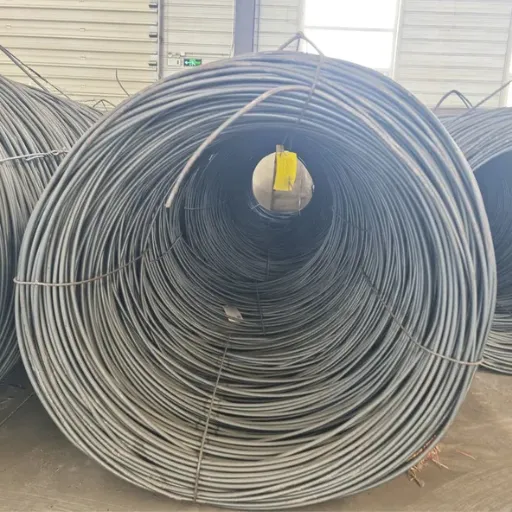 Read More
 -
Cold Drawing Process for Electromagnetic Pure Iron Wire: How Wire Rod Becomes Precision Cold-Drawn W
August 13, 2026Not long ago, a solenoid valve manufacturer in Italy received a shipment of 5.5 mm electromagnetic pure iron cold-drawn wire inten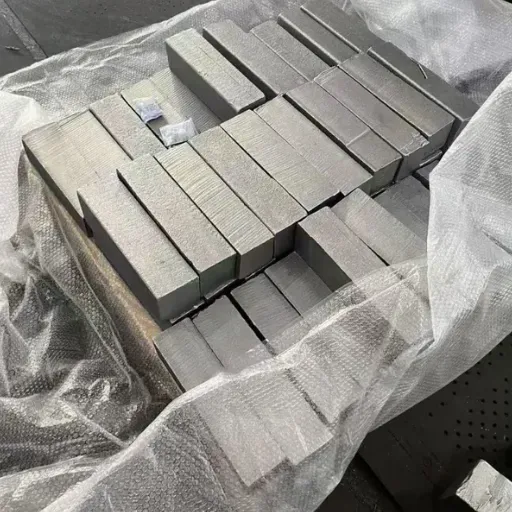 Read More
 -
How to Choose a Food Vacuum Sealer Supplier in China: 8 Evaluation Criteria
August 13, 2026An e-commerce brand owner in the UK contacted us some time ago after a supplier relationship fell apart. They had sourced roughly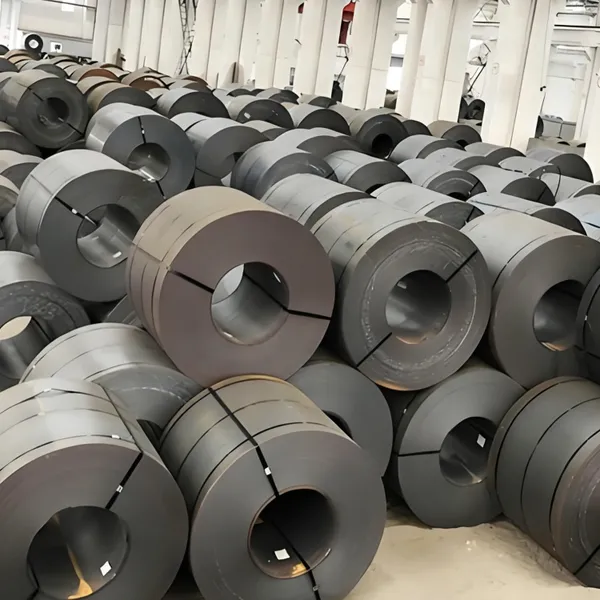 Read More
 -
Electromagnetic Pure Iron for Relay Manufacturing: Material Requirements, Grade Selection, and Case
August 13, 2026Some time ago, a relay production line in Zhejiang province began experiencing a puzzling failure pattern. Roughly 3 out of every
Read More

Contact Us
Recommended Products
-
 Seamless Tube With Good Cold Electrical Pure Iron Fittings Hot Workability for Forming Fittings and ConduitsNegotiableMOQ: 1 Ton
 -
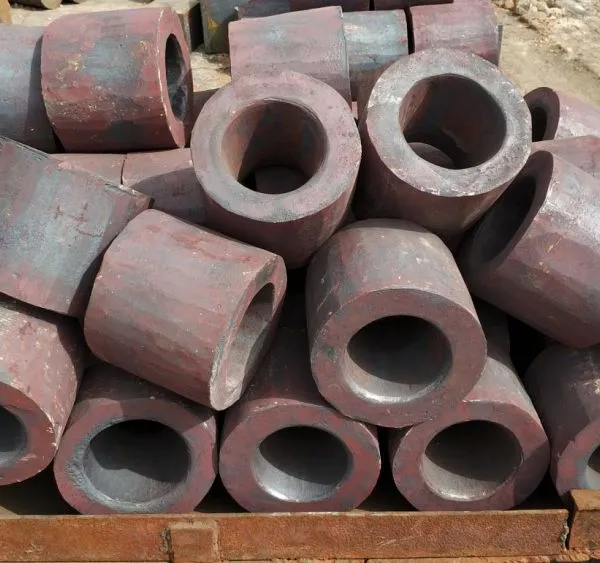
Electromagnetic Pure Iron Forging for Automotive Sensor ManufacturingNegotiableMOQ: 100 Kilograms
-
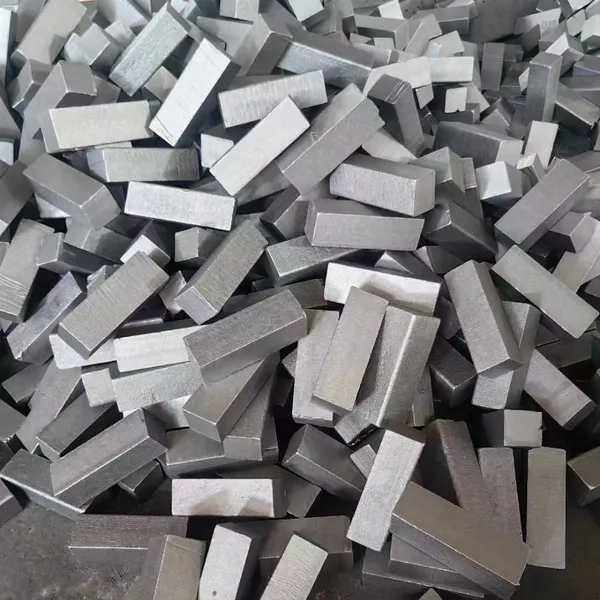
Precision Cut Pure Iron Square Bar High Saturation Induction Raw Material for Generator and RotorNegotiableMOQ: 100 Kilograms
-
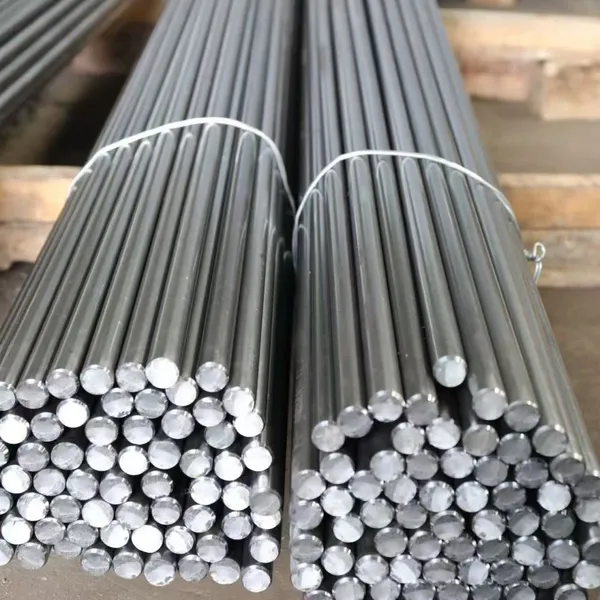
DT4C Super Grade Electromagnetic Pure Iron Bright Bar With Bundle Weight 30-100kg for Easy TransportationNegotiableMOQ: 1 Ton
-
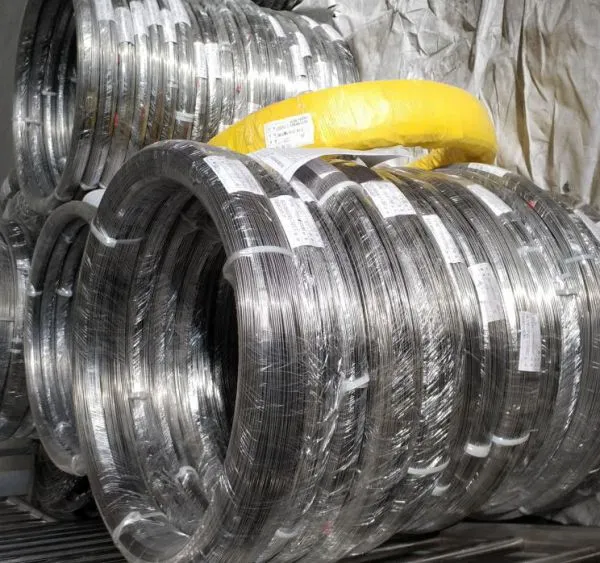
DT4C Electromagnetic Pure Iron Cold-Drawn Wire 0.5mm-6.0mm Diameter for TransformersNegotiableMOQ: 100 Kilograms
-
Industrial Pure Iron Bar for Electromagnetic Relay and Sensor ProductionNegotiableMOQ: 1 Ton
-
Electromagnetic Pure Iron Thin Sheet 0.3mm-0.8mm for Solenoid and Relay ManufacturingNegotiableMOQ: 500 Kilograms
-
Electrical Pure Iron Hot-Rolled Coil for Magnetic Components With Low Iron LossNegotiableMOQ: 1 Ton
-
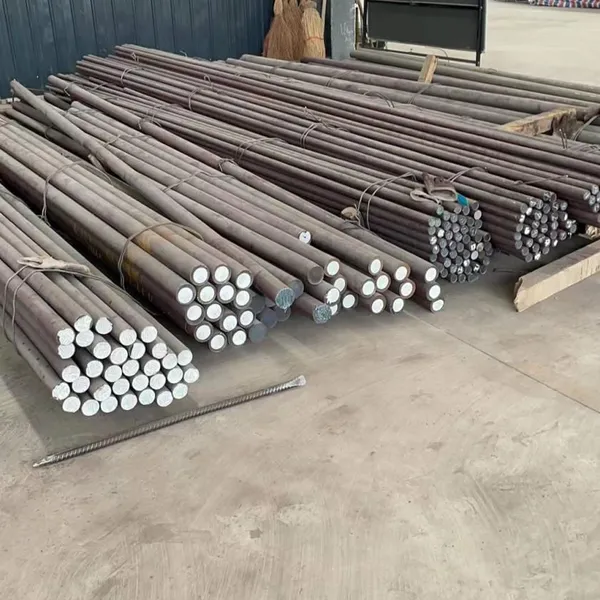
Low Carbon DT4C Pure Iron Round Bar With 99.8% Fe Content for Electrical ApplicationsNegotiableMOQ: 1 Ton
-
Cold Rolled Pure Iron Slit Coil DT4C Grade Ultra Low Carbon ≤0.004% for Magnetic ComponentsNegotiableMOQ: 1 Ton
-
Low Iron Loss Electromagnetic Pure Iron Hot-Rolled Coil DT4C for Transformer CoresNegotiableMOQ: 1 Ton
-
Soft Magnetic Pure Iron Sheet With Minimum Iron Loss for High-Efficiency MotorsNegotiableMOQ: 1 Ton
-
Electromagnetic Pure Iron Cold Rolled Coil DT4C for High Magnetic Permeability ApplicationsNegotiableMOQ: 1 Ton
-
Industrial Pure Iron Tube Superior Surface Quality Electromagnetic Pure Iron Tube for Welding and Plating ProcessesNegotiableMOQ: 1 Ton
-
DT4 Seamless Pure Iron Tubing for High-Performance Electrical Equipment ApplicationsNegotiableMOQ: 1 Ton
-
DT4C Iron Wire Rod for Precision Magnetic Shielding ApplicationsNegotiableMOQ: 100 Kilograms
-
Industrial Pure Iron Fittings DT4 Pure Iron Seamless Tube With Low Hysteresis Loss for Electromagnetic SystemsNegotiableMOQ: 1 Ton
-
DT4C Cold Rolled Coil Slitting for Electrical Enclosure ManufacturingNegotiableMOQ: 1 Ton
-
Anti Rust Coated Pure Iron Square Bar Low Carbon Raw Material for Welding and Forging Magnetic PartsNegotiableMOQ: 100 Kilograms
-
DT4 Pure Iron Cold-Drawn Wire 0.5mm-6.0mm Diameter for Precision EngineeringNegotiableMOQ: 500 Kilograms