
 Business License

Transformer Core Steel: How to Choose the Right Grade for Maximum Efficiency
A single transformer can waste enough energy over its lifetime to power a small factory for a month. The culprit is rarely the winding design or the cooling system. More often, the losses start in the core itself, in the microscopic dance between magnetic domains and the grain structure of the steel.
If you design, source, or maintain transformers, you already know that core material selection is not a minor detail. It determines no-load losses, excitation current, noise levels, and ultimately the total cost of ownership. This guide explains what transformer core steel is, why grade matters, and how to choose a material that delivers both efficiency and reliability.
You will learn the difference between grain-oriented and non-oriented electrical steel, the role of pure iron alternatives such as DT4C, and the practical criteria engineers use when specifying core materials for power and distribution transformers. We will also look at how processing methods like cold rolling and annealing affect magnetic performance, and how to balance upfront material cost against decades of energy savings.
At Shanxi Jurun Technology, we specialize in electromagnetic pure iron for transformer and electrical applications. Our experience with DT4C coils, cold-rolled sheets, and custom-slit materials gives us a clear view of what works on the factory floor.
What Is Transformer Core Steel and Why Does It Matter?
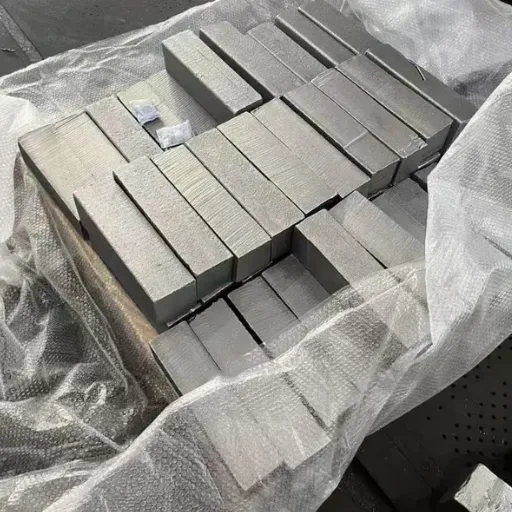
Transformer core steel is the magnetic material used to build the laminated core of a transformer. Its job is to provide a low-reluctance path for the alternating magnetic flux created by the primary winding. The better the steel conducts magnetic flux, the less energy is lost as heat, and the more efficient the transformer becomes.
The most common grades are electrical steels, also called silicon steels or lamination steel. These are low-carbon steels alloyed with silicon to increase resistivity and reduce eddy-current losses. They are produced either as grain-oriented electrical steel (GOES), where the crystal grains are aligned to favor flux in the rolling direction, or non-oriented electrical steel (NOES), which performs more uniformly in all directions.
Pure iron and ultra-low-carbon electromagnetic grades such as DT4C serve a related but distinct role. While silicon steels dominate large power transformers, high-purity iron is valued for applications requiring maximum magnetic permeability, low coercive force, and minimal hysteresis loss. These properties make DT4C electrical pure iron a preferred choice for instrument transformers, high-efficiency reactors, specialized chokes, and certain distribution transformer designs.
Choosing the wrong core steel creates a cascade of problems. Higher core losses increase operating temperature, which accelerates insulation aging and reduces service life. Poor magnetic permeability demands more excitation current, lowering power factor and increasing copper losses. Over a 30-year transformer life, even a small difference in core loss can translate into tens of thousands of dollars in wasted electricity.
Key Magnetic Properties of Transformer Core Steel
Magnetic Permeability
Magnetic permeability measures how easily a material supports magnetic flux. Transformer core steel needs high permeability so the core can carry flux with minimal magnetizing current. Grain-oriented silicon steels achieve high permeability in the rolling direction because their crystal structure aligns with the applied field.
DT4C electrical pure iron offers extremely high permeability because its ultra-low carbon content, typically 0.004% or less, leaves few impurities to pin magnetic domain walls. This makes it ideal for precision transformers where even small variations in excitation current matter.
Iron Loss and Hysteresis Loss
Iron loss, also called core loss, is the energy dissipated as heat in the core during each magnetization cycle. It has two main components: hysteresis loss and eddy-current loss.
Hysteresis loss comes from the friction of magnetic domains realigning with the alternating field. Steels with narrow hysteresis loops, such as high-purity iron and well-processed silicon steel, lose less energy per cycle. Eddy-current loss is caused by circulating currents induced in the core itself. It is reduced by adding silicon, using thinner laminations, and applying insulating coatings between layers.
For transformer designers, the goal is to minimize total iron loss at the operating frequency, typically 50 Hz or 60 Hz. Materials are often specified by their core loss values measured under standardized test conditions, such as 1.5 T or 1.7 T flux density.
Saturation Induction
Saturation induction is the maximum flux density a material can carry before its permeability drops sharply. Higher saturation allows a smaller core cross-section for a given power rating, reducing core size and weight. Silicon steels generally saturate around 2.0 T, while pure iron can reach approximately 2.15 T. This makes pure iron attractive in applications where compact size and high flux density are critical.
Types of Transformer Core Steel
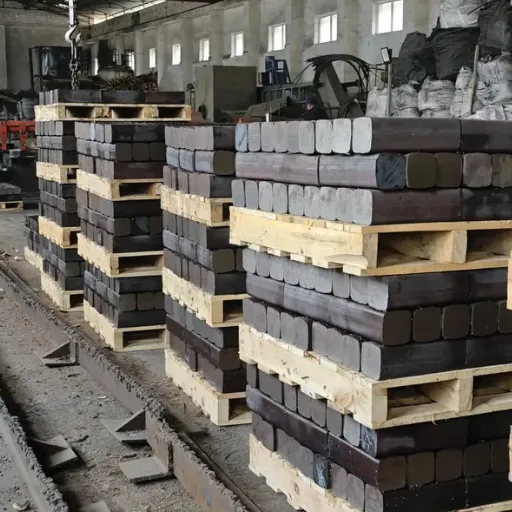
Grain-Oriented Electrical Steel
Grain-oriented electrical steel is the workhorse of large power transformers. Its grains are oriented so that the easy direction of magnetization aligns with the rolling direction. This alignment produces very low core loss and high permeability when the flux path follows the grain direction.
GOES is typically used in wound cores and fully assembled core frames where the magnetic path is well defined. The most common grades are conventional, high-permeability, and domain-refined varieties, each offering progressively lower losses at higher cost.
Non-Oriented Electrical Steel
Non-oriented electrical steel has a more random grain structure. It performs similarly in all directions, which makes it suitable for motors, generators, and transformers with complex flux patterns. NOES is generally less efficient than GOES for power transformers, but it offers better formability and lower cost for small distribution transformers and reactor cores.
Electrical Pure Iron and DT4C
Electrical pure iron represents the highest purity end of the core material spectrum. DT4C is an ultra-low-carbon grade, classified as super-grade electromagnetic pure iron, with carbon content controlled to 0.004% or below. It delivers exceptional magnetic permeability, low coercivity, and stable performance across a wide temperature range.
Unlike silicon steel, pure iron has very low electrical resistivity. This makes it more prone to eddy-current losses unless used in thin laminations or at lower frequencies. For this reason, DT4C is often selected for instrument transformers, current transformers, magnetic shields, and specialty reactors rather than bulk power transformers.
When Marcus, a transformer design engineer in Shenzhen, switched the core material of a precision current transformer from standard low-carbon steel to DT4C cold-rolled sheet, excitation current dropped by 18% and phase-angle error improved enough to pass a tighter accuracy class without redesigning the winding. The material cost was higher per kilogram, but the savings in copper and assembly time more than offset the difference.
How Processing Affects Transformer Core Steel Performance
Cold Rolling and Annealing
Cold rolling reduces thickness and improves surface finish while introducing internal stresses that must be removed by annealing. The annealing process recrystallizes the grain structure and develops the magnetic texture that gives transformer steel its properties. For grain-oriented steel, carefully controlled annealing creates the Goss texture that aligns grains at approximately 110 degrees to the rolling direction.
Cold-rolled electrical pure iron receives similar annealing treatments to maximize permeability and minimize coercive force. The result is a soft magnetic material with predictable, repeatable magnetic behavior.
Slitting and Cut-to-Length
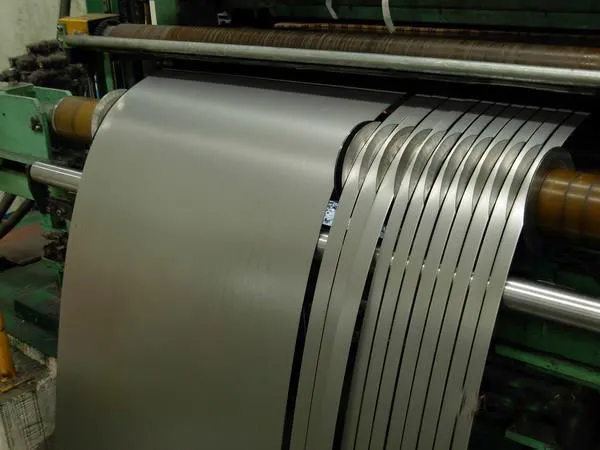
Transformer laminations must fit precise core dimensions. Slitting coils to the right width and cutting them to length with minimal burr are critical. Burrs create electrical shorts between laminations, increasing eddy-current losses and causing hot spots.
Shanxi Jurun supplies precision-slit cold-rolled coils and cut-to-length strips that feed directly into lamination punching and stacking lines. This reduces scrap, eliminates secondary processing, and helps maintain consistent core loss from batch to batch.
Surface Insulation and Stacking
Laminations are coated with a thin insulating layer to separate adjacent sheets and limit eddy currents. The coating must withstand annealing temperatures, resist mechanical damage during stacking, and remain stable under oil immersion. Proper stacking factor, the ratio of steel volume to total core volume, also affects performance. Tighter stacking improves flux capacity but must not compress laminations so much that insulation fails.
How to Choose the Right Transformer Core Steel
Match the Material to the Application
Power transformers handling high voltages and megawatt loads generally use domain-refined grain-oriented steel for minimum no-load loss. Distribution transformers may use conventional GOES or high-quality NOES depending on efficiency regulations and cost targets.
Instrument transformers, current transformers, and magnetic cores requiring extreme permeability benefit from DT4C electrical pure iron. The material's low coercivity and high permeability improve accuracy and reduce phase error.
Consider Efficiency Standards and Total Cost
Regulations such as DOE efficiency rules in the United States, EU ecodesign requirements, and China's GB standards increasingly limit transformer no-load losses. Specifying a higher-grade core steel often pays for itself through reduced lifetime energy costs. Calculate total cost of ownership, including purchase price, no-load and load losses, cooling requirements, and expected service life.
Evaluate Supplier Capabilities
Consistent material properties matter as much as the grade on the datasheet. A supplier with in-house slitting, annealing, and testing can maintain tighter tolerances and faster lead times. Ask for magnetic test certificates, coating specifications, and dimensional tolerances before placing large orders.
When the procurement team at a Midwest utility needed 80 tons of slit core steel on a tight deadline, their usual distributor quoted a 10-week lead time. By working directly with a processor that held inventory and slit coils in-house, they received material in 4 weeks, cut lamination scrap by 7%, and met their transformer assembly schedule without premium freight charges.
Common Mistakes When Specifying Transformer Core Steel
Choosing Grade Based on Price Alone
Lower-grade steel reduces initial material cost but increases lifetime losses. For transformers operating continuously, energy losses dominate total cost. A thorough life-cycle analysis almost always favors a higher-grade core material.
Ignoring Coating and Stacking Requirements
Even premium steel performs poorly if laminations short together or if the stacking factor is inconsistent. Specify coating type, thickness, and stacking factor alongside the steel grade.
Overlooking Dimensional Tolerances
Variations in thickness and width create gaps and uneven pressure during core assembly. This increases magnetostriction noise and can raise no-load losses. Tight dimensional control is especially important for wound cores and step-lap constructions.
DT4C Electrical Pure Iron for Specialty Transformer Applications
Why DT4C Stands Out
DT4C is a super-grade electromagnetic pure iron with carbon content controlled to 0.004% or below. Its ultra-low impurity level produces very high maximum permeability and low coercive force. These properties translate directly into lower hysteresis loss, faster magnetic response, and improved accuracy in instrument transformers.
The grade is available in several forms useful for transformer manufacturing:
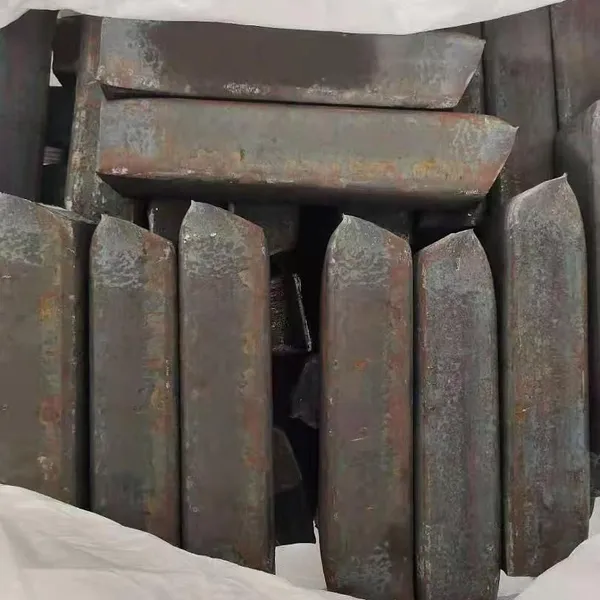
Hot-rolled coils for large core assemblies and reactors
Cold-rolled sheets for precision laminations and instrument transformers
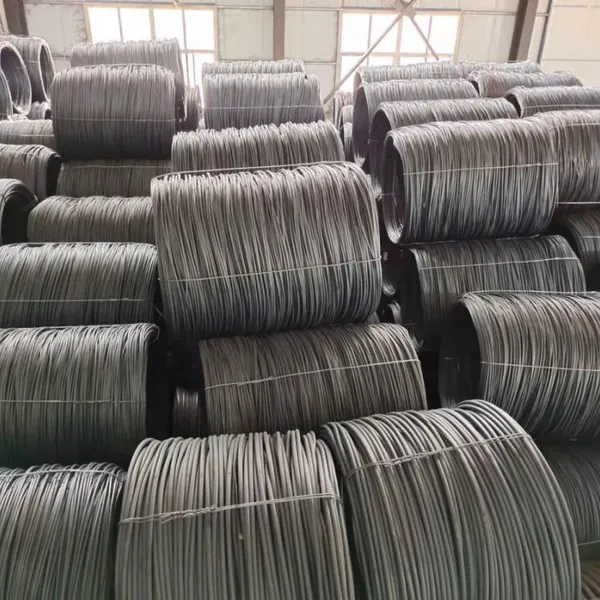
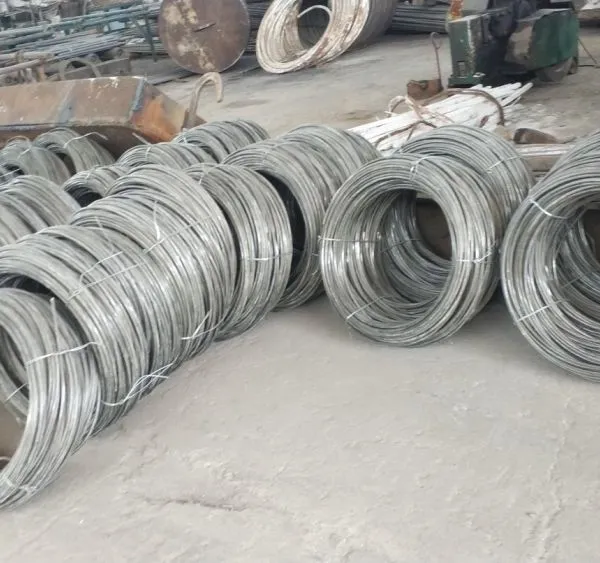
Cold-drawn bars and wire for magnetic cores and structural components
Slit coils ready for automated stacking lines
Applications Where DT4C Excels
DT4C electrical pure iron is frequently specified for current transformers, voltage transformers, zero-sequence current transformers, magnetic amplifiers, and high-sensitivity relays. It is also used in magnetic shielding applications where high permeability at low field strengths is essential.
For manufacturers facing stricter accuracy classes and rising copper prices, DT4C offers a way to improve transformer performance without increasing winding size. The material's stability also simplifies quality control because batch-to-batch magnetic variation is smaller than with lower-purity alternatives.
The Future of Transformer Core Materials
Transformer core steel continues to evolve. New domain-refined coatings, thinner gauge silicon steels, and advanced annealing processes push core losses lower every few years. At the same time, the growth of renewable energy and electric vehicles is increasing demand for high-efficiency transformers, driving interest in both premium silicon steels and high-purity electromagnetic iron.
Digital monitoring and predictive maintenance are also changing how transformers are specified. When no-load loss is tracked in real time, the value of premium core material becomes visible and measurable, making it easier to justify higher-grade steel upfront.
If your designs demand the highest magnetic permeability and lowest hysteresis loss, upgrading to DT4C electrical pure iron is a straightforward way to improve performance. Contact our engineering team to review your specifications and receive a tailored material recommendation.
Conclusion
Transformer core steel is one of the most consequential material choices in transformer design. The right grade reduces energy loss, extends service life, and helps meet tightening efficiency regulations. Grain-oriented silicon steel remains the standard for large power transformers, while electrical pure iron grades such as DT4C offer unmatched permeability for precision and specialty applications.
Key takeaways:
Magnetic permeability, iron loss, and saturation induction are the core properties that determine transformer efficiency.
Grain-oriented steel works best when flux follows a predictable path; non-oriented steel suits more complex geometries.
DT4C electrical pure iron delivers exceptional permeability and low hysteresis loss for instrument transformers and sensitive magnetic cores.
Processing methods such as cold rolling, annealing, and precision slitting strongly influence final core performance.
Life-cycle cost usually favors higher-grade material over lower upfront pricing.
Choosing transformer core steel is not simply a procurement decision. It is an engineering decision that affects performance, cost, and reliability for decades. Take time to match the material to the application, demand consistent quality from suppliers, and calculate total cost of ownership rather than focusing on price per kilogram.
Ready to improve your transformer core performance? Request a quote for DT4C electrical pure iron coils, cold-rolled sheets, or precision-slit strips tailored to your specifications. Our team in Taiyuan can help you select the right grade and format for your next project.
Recently Posted
-
Shanxi Jurun Technology: Your Electromagnetic Pure Iron Partner from Taiyuan, China's Pure Iron Prod
August 14, 2026When an international buyer searches for electromagnetic pure iron, they are not just looking for a material. They are looking for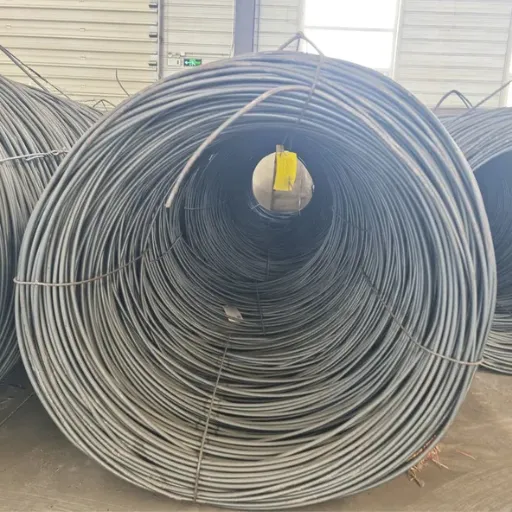 Read More
 -
Cold Drawing Process for Electromagnetic Pure Iron Wire: How Wire Rod Becomes Precision Cold-Drawn W
August 13, 2026Not long ago, a solenoid valve manufacturer in Italy received a shipment of 5.5 mm electromagnetic pure iron cold-drawn wire inten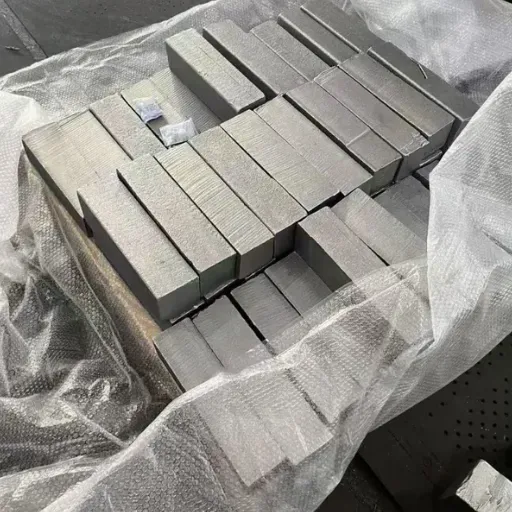 Read More
 -
How to Choose a Food Vacuum Sealer Supplier in China: 8 Evaluation Criteria
August 13, 2026An e-commerce brand owner in the UK contacted us some time ago after a supplier relationship fell apart. They had sourced roughly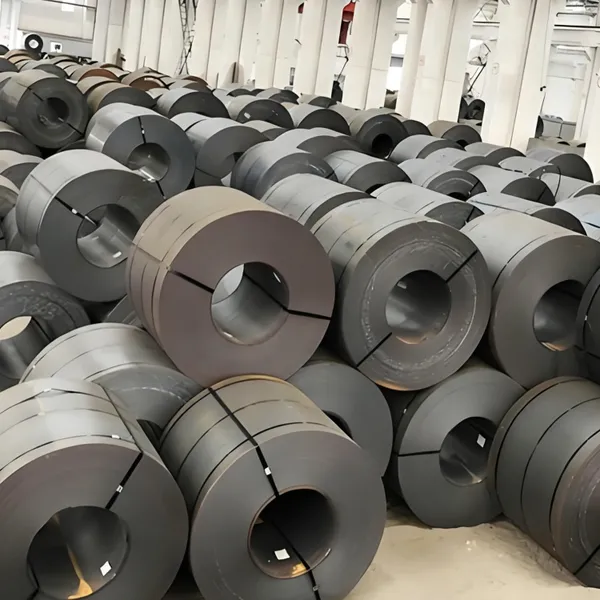 Read More
 -
Electromagnetic Pure Iron for Relay Manufacturing: Material Requirements, Grade Selection, and Case
August 13, 2026Some time ago, a relay production line in Zhejiang province began experiencing a puzzling failure pattern. Roughly 3 out of every
Read More

Contact Us
Recommended Products
-
 Seamless Tube With Good Cold Electrical Pure Iron Fittings Hot Workability for Forming Fittings and ConduitsNegotiableMOQ: 1 Ton
 -
Electromagnetic Pure Iron Forging for Automotive Sensor ManufacturingNegotiableMOQ: 100 Kilograms
-
Precision Cut Pure Iron Square Bar High Saturation Induction Raw Material for Generator and RotorNegotiableMOQ: 100 Kilograms
-
DT4C Super Grade Electromagnetic Pure Iron Bright Bar With Bundle Weight 30-100kg for Easy TransportationNegotiableMOQ: 1 Ton
-
DT4C Electromagnetic Pure Iron Cold-Drawn Wire 0.5mm-6.0mm Diameter for TransformersNegotiableMOQ: 100 Kilograms
-
Industrial Pure Iron Bar for Electromagnetic Relay and Sensor ProductionNegotiableMOQ: 1 Ton
-
Electromagnetic Pure Iron Thin Sheet 0.3mm-0.8mm for Solenoid and Relay ManufacturingNegotiableMOQ: 500 Kilograms
-
Electrical Pure Iron Hot-Rolled Coil for Magnetic Components With Low Iron LossNegotiableMOQ: 1 Ton
-
Low Carbon DT4C Pure Iron Round Bar With 99.8% Fe Content for Electrical ApplicationsNegotiableMOQ: 1 Ton
-
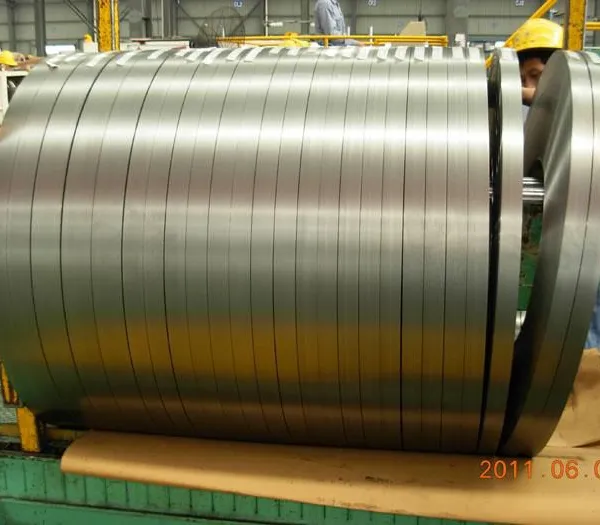
Cold Rolled Pure Iron Slit Coil DT4C Grade Ultra Low Carbon ≤0.004% for Magnetic ComponentsNegotiableMOQ: 1 Ton
-
Low Iron Loss Electromagnetic Pure Iron Hot-Rolled Coil DT4C for Transformer CoresNegotiableMOQ: 1 Ton
-
Soft Magnetic Pure Iron Sheet With Minimum Iron Loss for High-Efficiency MotorsNegotiableMOQ: 1 Ton
-
Electromagnetic Pure Iron Cold Rolled Coil DT4C for High Magnetic Permeability ApplicationsNegotiableMOQ: 1 Ton
-
Industrial Pure Iron Tube Superior Surface Quality Electromagnetic Pure Iron Tube for Welding and Plating ProcessesNegotiableMOQ: 1 Ton
-
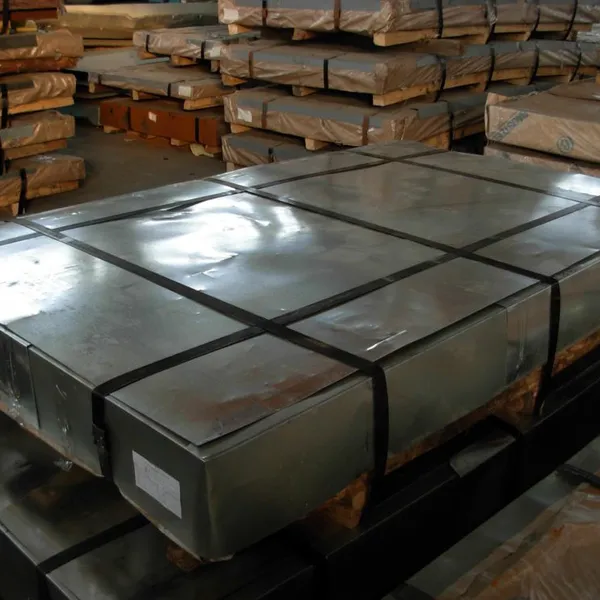
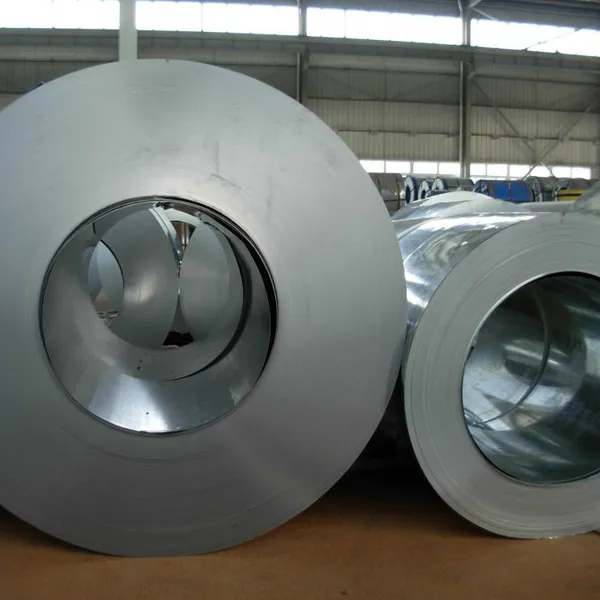
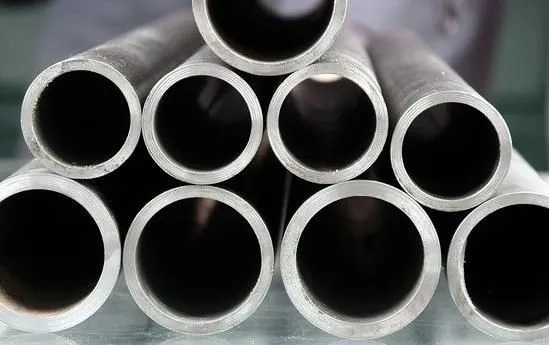
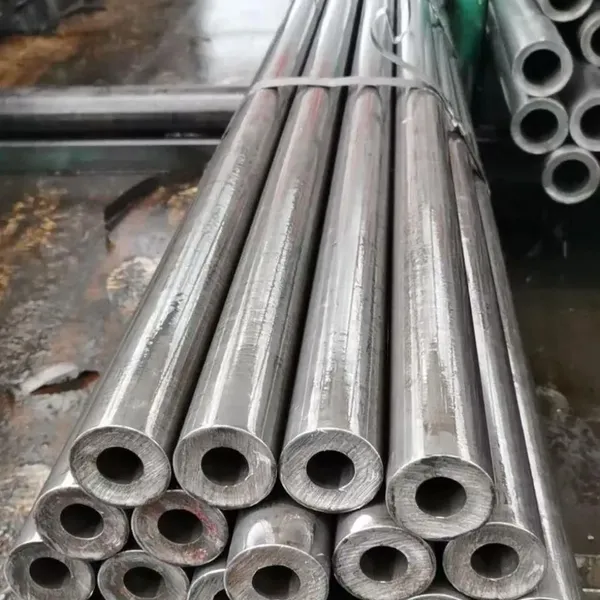
DT4 Seamless Pure Iron Tubing for High-Performance Electrical Equipment ApplicationsNegotiableMOQ: 1 Ton
-
DT4C Iron Wire Rod for Precision Magnetic Shielding ApplicationsNegotiableMOQ: 100 Kilograms
-
Industrial Pure Iron Fittings DT4 Pure Iron Seamless Tube With Low Hysteresis Loss for Electromagnetic SystemsNegotiableMOQ: 1 Ton
-
DT4C Cold Rolled Coil Slitting for Electrical Enclosure ManufacturingNegotiableMOQ: 1 Ton
-
Anti Rust Coated Pure Iron Square Bar Low Carbon Raw Material for Welding and Forging Magnetic PartsNegotiableMOQ: 100 Kilograms
-
DT4 Pure Iron Cold-Drawn Wire 0.5mm-6.0mm Diameter for Precision EngineeringNegotiableMOQ: 500 Kilograms