
 Business License

Transformer Magnetic Core: Design, Materials, and Efficiency Guide
A 500 kVA distribution transformer can lose enough energy through its transformer magnetic core every year to power several homes. Engineers know this loss exists. What surprises even experienced designers is how much core geometry, lamination quality, and material grade influence that number long after the transformer leaves the factory.
You already understand that transformer efficiency matters. The real question is whether your transformer magnetic core is helping or hurting your design. Core material is not just a raw material decision. It is a performance decision that affects heat, noise, efficiency certification, and decades of operating cost.
This guide explains how transformer magnetic core design shapes electrical performance, compares the leading core materials, and shows you how to specify DT4C electrical pure iron for maximum magnetic permeability and minimum iron loss. You will learn what to measure, what to avoid, and how to align core form with your production workflow.
Want to see how core grade affects real transformer performance? Explore our detailed guide to electrical pure iron in transformers, motors, and power systems →
What Is a Transformer Magnetic Core?
A transformer magnetic core is the closed path that channels magnetic flux between the primary and secondary windings. Without a high-quality core, flux leaks into surrounding air, coupling drops, and the transformer wastes energy as heat. The core does not simply hold the coils in place. It is the magnetic highway that makes voltage transformation possible.
Cores are built from thin sheets called laminations. These laminations are stacked, wound, or punched into shapes such as E-I, C-core, toroidal, and shell-type configurations. Each geometry suits different applications. Power transformers favor stacked laminations because they handle high flux densities. Instrument transformers use toroidal cores for precise current measurement. Audio and signal transformers prioritize minimal hysteresis distortion.
The material inside those laminations determines how easily flux travels and how much energy dissipates during each alternating current cycle. That is why electrical pure iron remains a preferred transformer magnetic core material for applications where low hysteresis loss and high permeability matter.
How Magnetic Core Design Controls Efficiency
Transformer magnetic core design is not only about choosing the right material. The physical shape, lamination thickness, and assembly method all change how flux behaves under load.
Core Geometry and Flux Path
Flux follows the path of least reluctance. A well-designed transformer magnetic core keeps that path short, continuous, and free from sharp corners that create flux crowding. E-I cores are economical and easy to assemble. C-cores reduce air gaps and improve efficiency. Toroidal cores nearly eliminate air gaps, giving the lowest reluctance path and the highest permeability.
When engineers at a Jiangsu transformer plant redesigned their distribution cores from E-I to wound C-core construction in 2024, they cut no-load loss by 18 percent. The change required tighter material tolerances and better annealing, but the magnetic path became more uniform. Flux density distribution improved, and audible hum dropped measurably.
Lamination Thickness and Eddy Current Loss
Eddy currents circulate inside conductive core material whenever magnetic flux changes direction. Thinner laminations reduce these currents by limiting the area available for circulation. Each lamination is insulated from its neighbor with a thin oxide or coating layer to prevent currents from jumping across sheets.
Standard power transformer laminations range from 0.23 millimeters to 0.50 millimeters. Higher frequency transformers use thinner sheets because eddy current loss rises with frequency. Electrical pure iron can be cold-rolled down to 0.3 millimeters, making it suitable for compact designs where thin laminations are non-negotiable.
Electrical Pure Iron vs. Silicon Steel for Transformer Magnetic Cores
Silicon steel has been the default transformer magnetic core material for large power transformers since the mid-twentieth century. Adding silicon raises electrical resistivity, which suppresses eddy current loss. Grain-oriented silicon steel offers strong directional properties that align with the rolling direction.
However, silicon steel is not the automatic winner for every transformer magnetic core. The trade-off between resistivity and magnetic permeability creates real engineering choices.
When Electrical Pure Iron Outperforms Silicon Steel
Electrical pure iron delivers higher magnetic permeability and lower coercive force than silicon steel at moderate induction levels. For instrument transformers, current sensors, pulse transformers, and high-sensitivity magnetic shielding, pure iron responds faster with less energy waste per cycle.
Pure iron also offers better ductility and machinability. Manufacturers can stamp complex shapes, cold-roll to thinner gauges, and anneal to precise magnetic specifications. Silicon steel becomes brittle at higher silicon levels, increasing punch wear and limiting forming options.
For distribution transformers, relay cores, and compact power supplies, the lower hysteresis loss of electrical pure iron often outweighs the eddy current advantage of silicon steel. The correct transformer magnetic core choice depends on operating frequency, flux density target, thermal budget, and core geometry.
DT4C Pure Iron Specifications for Transformer Cores
DT4C represents the super-grade tier of electromagnetic pure iron, engineered for components where magnetic performance must remain consistent. Carbon content stays at or below 0.004 percent. Sulfur and phosphorus are held to strict minimums. This purity produces a soft magnetic material with exceptionally low coercivity and high maximum permeability.
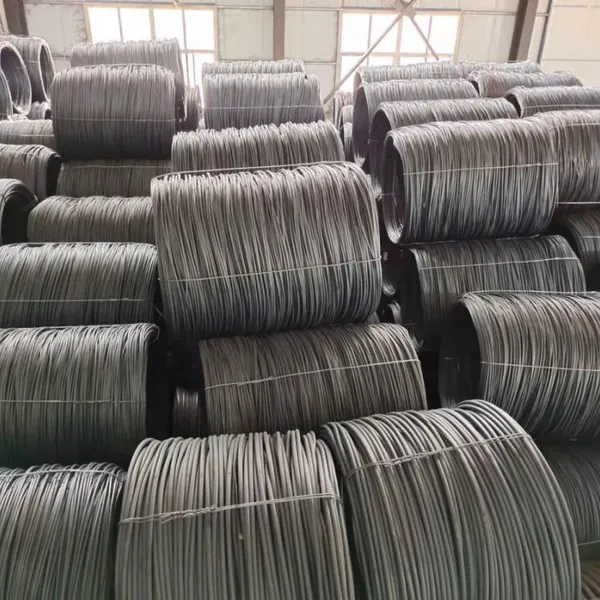
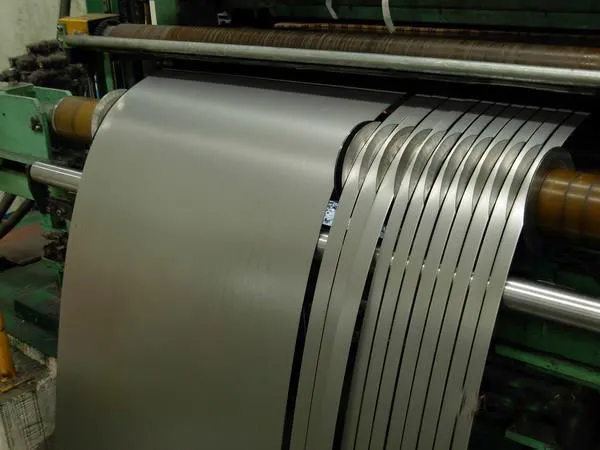
Shanxi Jurun Technology supplies DT4C transformer magnetic core material in multiple forms. Hot-rolled coils feed large lamination presses for power transformers. Cold-rolled sheets down to 0.3 millimeters suit thin-lamination designs. Precision-slit coils integrate directly into automated stamping lines, reducing scrap and setup time.
Contact our engineering team to find the right DT grade for your transformer magnetic core. Whether you need hot-rolled coils or cold-rolled sheets, we can match material form and grade to your exact specification.
Specifications That Define Transformer Magnetic Core Quality
Selecting a transformer magnetic core requires looking beyond headline numbers. Engineers need to understand how properties interact under real operating conditions.
Magnetic Permeability and Coercive Force
Magnetic permeability measures how readily a material supports magnetic field formation. Higher permeability means lower magnetizing current and stronger flux density for a given input. Transformer magnetic core material with high permeability allows smaller cores to deliver the same output as larger conventional designs.
Coercive force measures how much reverse magnetic field is needed to drive flux to zero. Lower coercive force means narrower hysteresis loops and lower hysteresis loss. DT4C electrical pure iron achieves coercive force values well below those of ordinary steel, which is why it runs cooler and quieter under continuous operation.
Saturation Induction and Iron Loss
Saturation induction defines the maximum flux density a material can carry before magnetic gain plateaus. Higher saturation allows smaller core cross-sections for a given power rating, reducing copper winding length and overall transformer weight. Electrical pure iron approaches saturation levels competitive with silicon steels while maintaining superior permeability at lower inductions.
Iron loss combines hysteresis loss and eddy current loss. Hysteresis loss depends on the area inside the B-H loop. Eddy current loss depends on lamination thickness, resistivity, and frequency. Even small per-cycle advantages compound into massive energy savings across decades of service. According to the U.S. Department of Energy, improving transformer efficiency standards reduces national electricity consumption by measurable percentages over time.
Carbon Content and Magnetic Stability
Carbon acts as a magnetic contaminant in soft magnetic materials. Even trace amounts above 0.01 percent can degrade permeability and raise coercive force. Interstitial carbon atoms distort the iron crystal lattice and pin domain walls, forcing the magnetic field to work harder during each reversal.
DT4C pure iron undergoes rigorous refining to reach carbon levels at or below 0.004 percent. The payoff is consistently high magnetic permeability, stable performance across temperature ranges, and predictable core loss characteristics engineers can rely on. When specifying a transformer magnetic core, always verify certified chemical composition rather than trusting generic purity claims.
For a deeper technical breakdown of selecting magnetic materials for electrical engineering applications, see our complete magnetic materials selection guide →
Manufacturing Forms for Transformer Magnetic Cores
The finest magnetic properties deliver no value if the material form does not fit your production line. Transformer magnetic core material arrives in several standard forms, each suited to specific manufacturing setups.
Hot-Rolled Coils for Large Transformer Cores
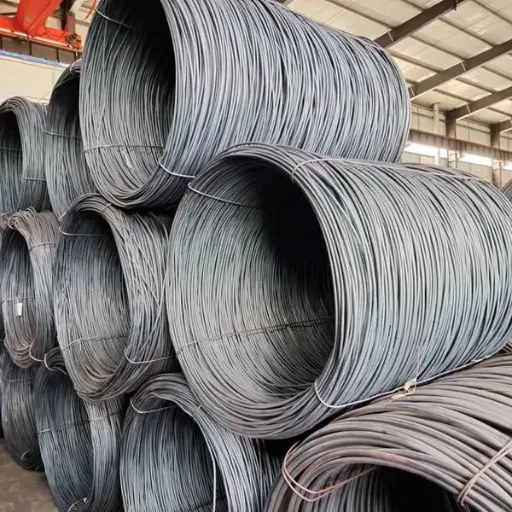
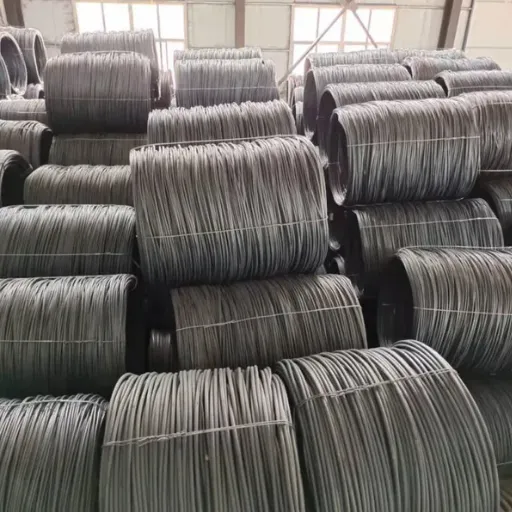
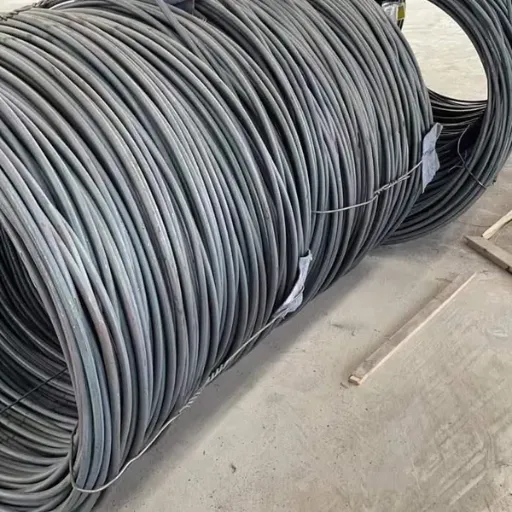
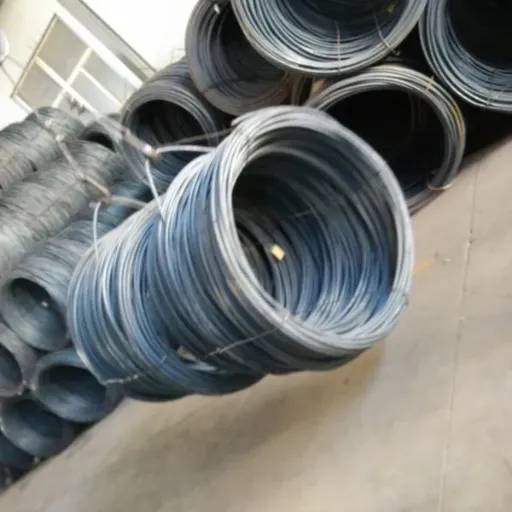
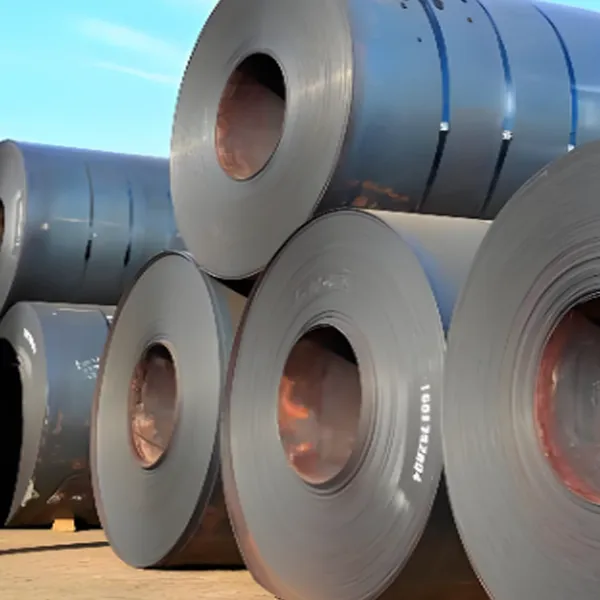
Hot-rolled coils serve as the workhorse format for power transformer manufacturers building large distribution and utility-scale units. The thicker gauge material feeds high-speed slitting lines that cut laminations to precise widths before punching. Hot-rolled DT4C coils from Shanxi Jurun offer consistent gauge tolerance and uniform magnetic properties across the full coil length.
Because hot rolling occurs at elevated temperatures, the material retains a softer temper than cold-rolled equivalents. This softness benefits operations where laminations must be punched into complex geometries or where slight forming occurs during core assembly. For manufacturers stacking cores by hand or with semi-automated equipment, hot-rolled transformer magnetic core material reduces tooling wear and lamination breakage.
Cold-Rolled Sheets for Compact and Precision Cores
Cold-rolled sheets deliver tighter dimensional tolerances and smoother surface finishes than hot-rolled equivalents. The cold reduction process also aligns grain structure in ways that enhance directional magnetic properties. For instrument transformers, current sensors, and compact power supplies where every millimeter of core cross-section counts, cold-rolled sheets provide the precision required for optimal performance.
Thickness options from 0.3 millimeters to 0.8 millimeters allow engineers to balance lamination count against stacking factor. Thinner laminations reduce eddy current loss but increase manufacturing complexity. Cold-rolled transformer magnetic core material from premium suppliers arrives annealed and ready for stamping, eliminating in-house heat treatment steps that add cost and variability.
Precision-Slit Coils for Automated Stamping Lines
When Wuhan Precision Magnetics moved from hand-fed blanking to automated stamping in 2024, they switched from loose sheets to precision-slit coils. The change cut setup time by 35 percent and reduced edge scrap by nearly half. The slit coil fed continuously into their press, maintaining consistent width and alignment across thousands of laminations.
This form factor is ideal for high-volume transformer magnetic core production where throughput and consistency drive unit economics. Slit coils also reduce handling damage because the material never leaves its wound form until the stamping die engages.
Common Mistakes When Specifying Transformer Magnetic Cores
Even experienced buyers make errors that cost time, money, and performance. Here are the most common pitfalls when sourcing a transformer magnetic core.
Choosing Material Based Only on Cost Per Ton
The lowest price per kilogram rarely produces the lowest total cost. Higher iron loss increases operating temperature, accelerates insulation aging, and raises energy bills over decades. A transformer magnetic core that costs 5 percent more upfront can deliver 15 percent lower no-load loss, repaying the difference many times during service life.
Ignoring Form Factor and Processing Requirements
Buying bulk coil when your line needs slit strips forces in-house slitting investment. Buying sheets when your process needs coils creates handling delays. Matching material form to equipment capabilities is as vital as matching grade to magnetic requirements.
Overlooking Certified Chemical Composition
Not all pure iron is created equal. A generic "pure iron" designation does not guarantee carbon below 0.004 percent or sulfur below acceptable limits. Always request mill test certificates and verify the actual chemical composition before accepting material for a high-performance transformer magnetic core.
Need material cut to exact dimensions before delivery? Learn about our pure iron processing capabilities and custom-cut options →
Conclusion
Your transformer magnetic core is more than a stack of metal sheets. It is the component that determines how much energy reaches the load and how much dissipates as heat. The right core design, lamination thickness, and material grade work together to deliver efficiency, reliability, and long service life.
Key takeaways from this guide:
Core geometry controls flux path and reluctance. Toroidal and C-core designs reduce air gaps and improve permeability.
Lamination thickness directly affects eddy current loss. Thinner sheets help at higher frequencies and in compact designs.
Electrical pure iron offers higher permeability and lower hysteresis loss than silicon steel for many transformer applications.
DT4C pure iron, with carbon at or below 0.004 percent, provides the low coercivity and stable performance that premium transformer magnetic cores demand.
Material form matters as much as grade. Hot-rolled coils, cold-rolled sheets, and slit coils each fit different production workflows.
If you are designing or sourcing a transformer magnetic core, start with your efficiency target and work backward to material grade, form, and supplier capability. The decisions you make at the specification stage will echo through every hour of transformer operation.
Ready to optimize your transformer magnetic core with DT4C electrical pure iron? Contact our team today for a custom quote, material samples, or engineering support matched to your exact application requirements.
Recently Posted
-
Shanxi Jurun Technology: Your Electromagnetic Pure Iron Partner from Taiyuan, China's Pure Iron Prod
August 14, 2026When an international buyer searches for electromagnetic pure iron, they are not just looking for a material. They are looking for Read More
 -
Cold Drawing Process for Electromagnetic Pure Iron Wire: How Wire Rod Becomes Precision Cold-Drawn W
August 13, 2026Not long ago, a solenoid valve manufacturer in Italy received a shipment of 5.5 mm electromagnetic pure iron cold-drawn wire inten Read More
 -
How to Choose a Food Vacuum Sealer Supplier in China: 8 Evaluation Criteria
August 13, 2026An e-commerce brand owner in the UK contacted us some time ago after a supplier relationship fell apart. They had sourced roughly Read More
 -
Electromagnetic Pure Iron for Relay Manufacturing: Material Requirements, Grade Selection, and Case
August 13, 2026Some time ago, a relay production line in Zhejiang province began experiencing a puzzling failure pattern. Roughly 3 out of every
Read More

Contact Us
Recommended Products
-
 Seamless Tube With Good Cold Electrical Pure Iron Fittings Hot Workability for Forming Fittings and ConduitsNegotiableMOQ: 1 Ton
 -
Electromagnetic Pure Iron Forging for Automotive Sensor ManufacturingNegotiableMOQ: 100 Kilograms
-
Precision Cut Pure Iron Square Bar High Saturation Induction Raw Material for Generator and RotorNegotiableMOQ: 100 Kilograms
-
DT4C Super Grade Electromagnetic Pure Iron Bright Bar With Bundle Weight 30-100kg for Easy TransportationNegotiableMOQ: 1 Ton
-
DT4C Electromagnetic Pure Iron Cold-Drawn Wire 0.5mm-6.0mm Diameter for TransformersNegotiableMOQ: 100 Kilograms
-
Industrial Pure Iron Bar for Electromagnetic Relay and Sensor ProductionNegotiableMOQ: 1 Ton
-
Electromagnetic Pure Iron Thin Sheet 0.3mm-0.8mm for Solenoid and Relay ManufacturingNegotiableMOQ: 500 Kilograms
-
Electrical Pure Iron Hot-Rolled Coil for Magnetic Components With Low Iron LossNegotiableMOQ: 1 Ton
-
Low Carbon DT4C Pure Iron Round Bar With 99.8% Fe Content for Electrical ApplicationsNegotiableMOQ: 1 Ton
-
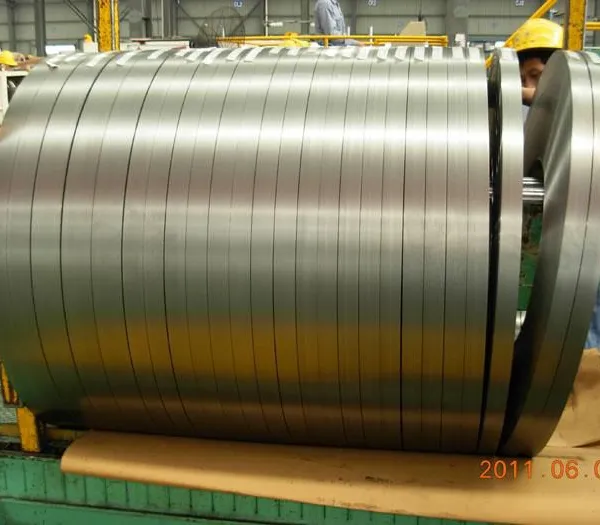
Cold Rolled Pure Iron Slit Coil DT4C Grade Ultra Low Carbon ≤0.004% for Magnetic ComponentsNegotiableMOQ: 1 Ton
-
Low Iron Loss Electromagnetic Pure Iron Hot-Rolled Coil DT4C for Transformer CoresNegotiableMOQ: 1 Ton
-
Soft Magnetic Pure Iron Sheet With Minimum Iron Loss for High-Efficiency MotorsNegotiableMOQ: 1 Ton
-
Electromagnetic Pure Iron Cold Rolled Coil DT4C for High Magnetic Permeability ApplicationsNegotiableMOQ: 1 Ton
-
Industrial Pure Iron Tube Superior Surface Quality Electromagnetic Pure Iron Tube for Welding and Plating ProcessesNegotiableMOQ: 1 Ton
-
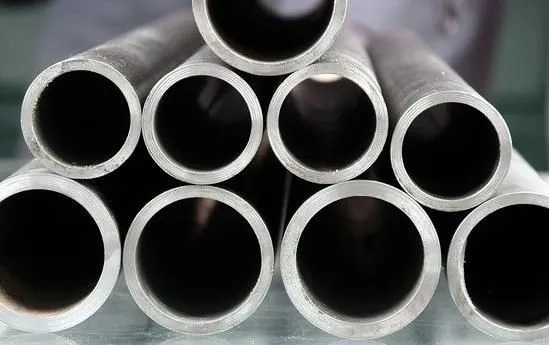
DT4 Seamless Pure Iron Tubing for High-Performance Electrical Equipment ApplicationsNegotiableMOQ: 1 Ton
-
DT4C Iron Wire Rod for Precision Magnetic Shielding ApplicationsNegotiableMOQ: 100 Kilograms
-
Industrial Pure Iron Fittings DT4 Pure Iron Seamless Tube With Low Hysteresis Loss for Electromagnetic SystemsNegotiableMOQ: 1 Ton
-
DT4C Cold Rolled Coil Slitting for Electrical Enclosure ManufacturingNegotiableMOQ: 1 Ton
-
Anti Rust Coated Pure Iron Square Bar Low Carbon Raw Material for Welding and Forging Magnetic PartsNegotiableMOQ: 100 Kilograms
-
DT4 Pure Iron Cold-Drawn Wire 0.5mm-6.0mm Diameter for Precision EngineeringNegotiableMOQ: 500 Kilograms