
 Business License

Transformer Lamination Material: A Complete Guide to Core Performance
A single transformer core can waste enough energy in one year to power a small factory floor. The culprit is rarely the winding design or the oil cooling system. More often, it is the transformer lamination material quietly failing under alternating magnetic fields.
If you design, source, or maintain transformers, you already know that core losses directly impact efficiency ratings, operating temperature, and total cost of ownership. This guide walks you through the materials that form the heart of every laminated core, explains why electrical pure iron deserves a closer look, and shows you how to choose a supplier that protects your margins.
What Is Transformer Lamination Material?
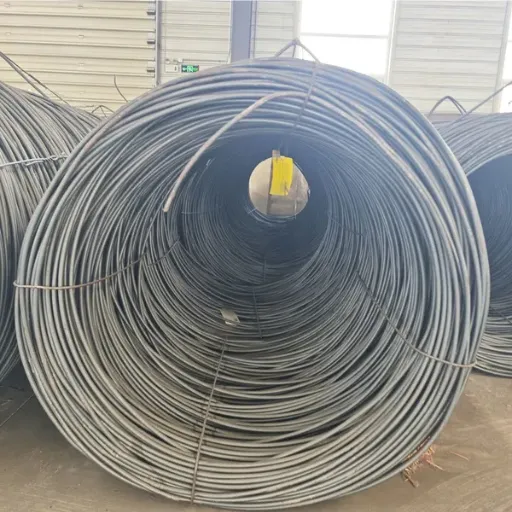
Transformer lamination material is the thin sheet metal stacked into the core of a transformer. Its job is to provide a low-reluctance path for magnetic flux while minimizing energy lost as heat. Manufacturers cut these sheets into precise shapes, insulate them from one another, and then stack or wind them to form the core.
The most common materials include grain-oriented electrical steel, non-oriented electrical steel, and specialty grades of electrical pure iron. Each option balances magnetic permeability, core loss, cost, and manufacturability. Selecting the right one means matching the material's properties to the transformer's duty cycle, frequency, and efficiency target.
Laminations work because they break up eddy current paths. A solid core would act like a shorted conductor under AC excitation, generating heat and destroying efficiency. By splitting the core into insulated sheets thinner than one millimeter, engineers limit those circulating currents. The thinner the lamination and the higher the electrical resistivity of the material, the lower the eddy current losses.
However, thinner laminations also reduce stacking factor and can increase manufacturing cost. That is why material selection is always a trade-off between electrical performance and production economics. The best specification is not the most exotic material. It is the material that delivers the required magnetic performance at the lowest total cost for the application.
Why Lamination Material Directly Affects Transformer Efficiency
Core losses fall into two categories: hysteresis losses and eddy current losses. Hysteresis losses occur each time the magnetic domains reverse direction under alternating current. Eddy current losses come from circulating currents induced within the core itself. The transformer lamination material you choose influences both.
When Marcus, a design engineer at a Midwest power equipment manufacturer, switched his prototype cores from a generic non-oriented steel to a high-permeability electrical pure iron, his no-load losses dropped by nearly 18 percent. The improvement was not magic. The new material simply offered lower coercivity and higher magnetic permeability, so the domains aligned more easily with each cycle.
High-permeability materials allow transformers to reach required flux densities with lower magnetizing current. That translates into cooler operation, smaller conductor sizes, and longer insulation life. For utilities and industrial plants running transformers continuously, even a one-percent efficiency gain compounds into significant energy savings over decades of service.
The relationship between material and efficiency is why standards organizations such as the IEC and IEEE publish strict test methods for core loss and exciting current. These measurements give engineers a common language for comparing transformer lamination material options before committing to production.
Common Transformer Lamination Materials
Understanding the major material categories helps you make an informed specification decision. Each class of material occupies a different position on the efficiency-cost-manufacturability spectrum.
Grain-Oriented Electrical Steel
Grain-oriented electrical steel is the workhorse of power transformer cores. Its grains are aligned in the rolling direction, giving it superior magnetic properties along that axis. It is cost-effective for large distribution and power transformers where the flux path is predictable and the operating frequency is 50 or 60 Hz.
The downside is directional performance. If the flux deviates from the rolling direction, losses increase. Designers must carefully orient every lamination in the core assembly. For step-lap or mitered cores, this orientation becomes a critical quality control point.
Non-Oriented Electrical Steel
Non-oriented steel offers more uniform magnetic properties in all directions. It is common in motors, small transformers, and appliances where the magnetic field rotates or changes direction. While generally less efficient than grain-oriented steel in one direction, it simplifies manufacturing and performs well in complex core geometries.
For small distribution transformers and reactor applications where the core shape is irregular, non-oriented silicon steel laminations remain a practical choice.
Electrical Pure Iron
Electrical pure iron, including grades such as DT4C, DT4E, and DT8, contains ultra-low carbon and extremely high iron content. It delivers some of the highest magnetic permeability and lowest coercive force available in commercial core materials. For transformer lamination material applications demanding precision, low losses, and stable performance, electrical pure iron is often the preferred choice.
DT4C pure iron, for example, is widely used in instrument transformers, high-efficiency reactors, and specialty power equipment where standard silicon steels cannot meet the magnetic requirements. You can learn more about the broader family of magnetic materials in our complete selection guide.
Amorphous Metal Alloys
Amorphous metal laminations offer exceptionally low core loss, sometimes 70 percent lower than conventional steel. They are produced by rapid solidification and are ideal for distribution transformers focused on maximum energy efficiency. The drawbacks are higher material cost, lower saturation induction, and more delicate handling during core assembly.
How DT4C Pure Iron Excels in High-Performance Transformer Cores
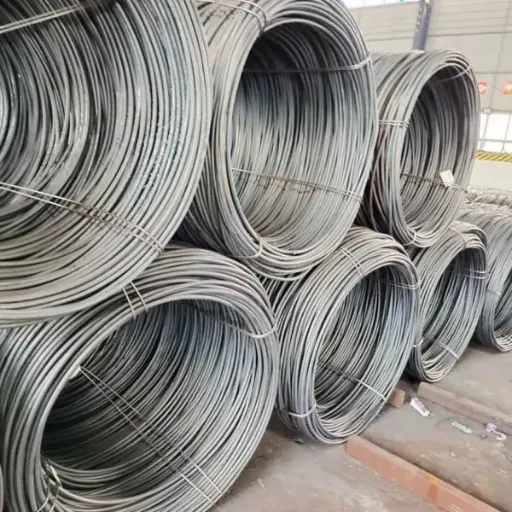
Not every transformer needs the lowest possible losses, but when efficiency and signal fidelity matter, material purity becomes critical. DT4C pure iron is an ultra-low-carbon electromagnetic grade with carbon content typically at or below 0.004 percent. That purity removes the carbon-related lattice distortions that obstruct magnetic domain movement.
In practical terms, DT4C offers:
High magnetic permeability for strong flux induction at low magnetizing forces
Low coercive force to minimize hysteresis losses
Low iron loss under AC magnetization
Excellent ductility for stamping, slitting, and cutting into thin laminations
Stable performance across a wide temperature range
At a transformer workshop in Southeast Asia, the production team struggled with inconsistent permeability from mixed-grade steel. Cores from the same batch showed variable excitation current, which complicated their quality control. After switching to DT4C cold-rolled sheets slit to their exact specification, the variation dropped sharply. The uniform grain structure and predictable magnetic response let them tighten their test tolerances and reduce rework.
For manufacturers building instrument transformers, current transformers, or precision electromagnetic components, DT4C pure iron provides the stability that mass-market steels cannot match. Our electromagnetic pure iron hot-rolled coil guide explains how these materials perform in large-format applications.
Want to see how the right grade performs in your core design? Request a custom quote for DT4C transformer lamination material.
Key Specifications to Evaluate When Selecting Lamination Material
Choosing a transformer lamination material requires more than comparing price per kilogram. Evaluate these specifications against your design requirements and test standards such as those published by ASTM International.
Core Loss
Core loss, often measured in watts per kilogram, combines hysteresis and eddy current losses at a specified flux density and frequency. Lower values mean higher efficiency but usually higher material cost. Always compare core loss data at the same flux density, frequency, and test method.
Magnetic Permeability
Permeability indicates how easily the material supports magnetic flux. High permeability reduces magnetizing current and improves low-signal performance. It is especially important in instrument transformers and sensors where accuracy depends on a linear response.
Saturation Induction
Saturation induction defines the maximum flux density the material can carry before magnetic performance collapses. Power transformers need high saturation induction to keep cores compact and avoid overheating during overload conditions.
Thickness and Insulation
Standard lamination thickness ranges from 0.23 mm to 0.50 mm for silicon steel, and down to 0.30 mm for some pure iron sheets. Thinner sheets reduce eddy currents but require better insulation coatings to maintain stacking factor. The insulation layer must withstand annealing temperatures and core assembly pressures without breaking down.
Surface Quality
Burr-free edges, uniform thickness, and clean surfaces improve stacking factor and reduce inter-lamination shorts. Precision slitting and edge conditioning are essential for high-performance cores. Even small burrs can create electrical contact between laminations and raise eddy current losses.
Processing and Fabrication Considerations
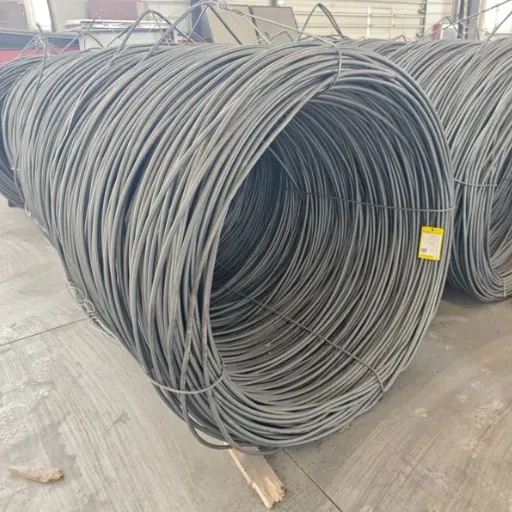
Even the best transformer lamination material can underperform if processing introduces stress, burrs, or dimensional errors. Common fabrication steps include slitting, blanking, punching, annealing, and core assembly.
Slitting and Cutting
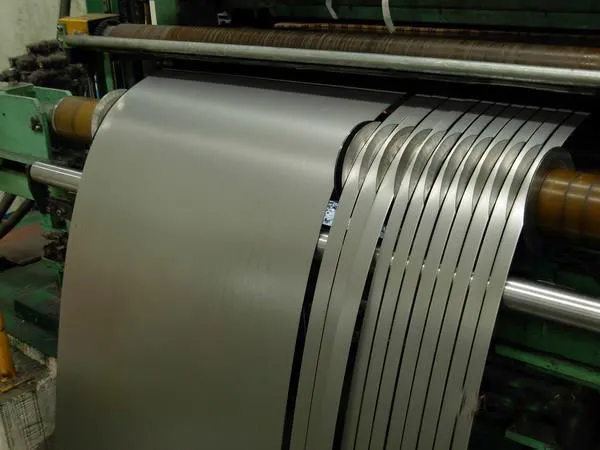
Slitting transforms master coils into strips of the exact width needed for lamination stacking. Precision slitting minimizes camber and width variation, which improves core fill factor and reduces air gaps. For transformer manufacturers, receiving pre-slit material eliminates a production bottleneck and improves dimensional consistency.
Annealing
Cold working during punching and slitting introduces mechanical stress that degrades magnetic properties. A controlled annealing process relieves that stress and restores permeability. Some electrical pure iron grades require hydrogen annealing to achieve peak magnetic performance. If your supplier provides already-annealed material, you may skip this step and reduce lead time.
Stacking and Bonding
Laminations are stacked in alternating orientations to minimize eddy currents. Modern cores may use step-lap construction or bonded laminations to reduce noise and improve mechanical integrity. The stacking factor, typically 0.95 to 0.98, depends on surface finish, insulation quality, and thickness uniformity.
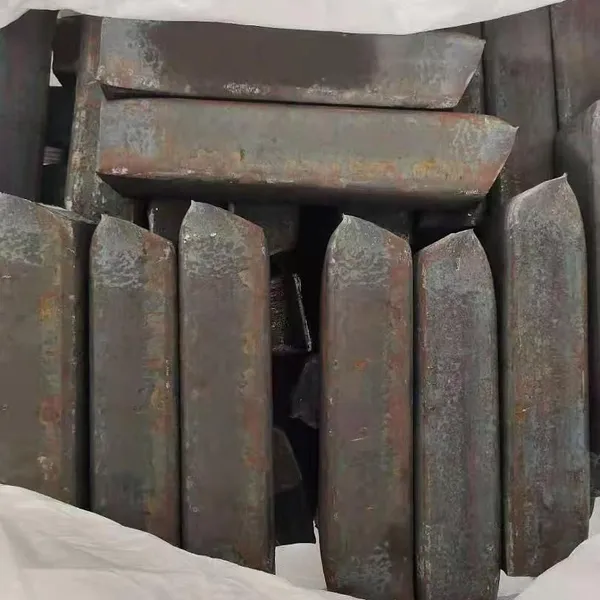
For large cores, pure iron slabs and heavy-section materials may be processed into structural components that support the lamination stack.
Choosing a Reliable Transformer Lamination Material Supplier
Material quality depends heavily on the supplier's metallurgical control, processing capability, and inventory depth. A distributor that simply brokers coils cannot guarantee the consistency that high-efficiency transformers demand.
Li Wei, a procurement manager for an electrical equipment OEM, learned this lesson during a supply shortage. His previous broker shipped mixed batches from multiple mills, and the permeability variance forced his factory to sort laminations by hand. When he partnered with a processor that sourced directly from a specialized pure iron producer and offered in-house slitting, the inconsistency disappeared. Lead times also improved because the supplier maintained inventory at the production hub.
Look for a supplier that offers:
Verified grade certifications for DT4C, DT4E, DT8, and other electrical pure iron grades
In-house slitting and cutting to your exact dimensions
Low minimum order quantities for prototyping and specialty runs
Direct source pricing from major pure iron production regions
Consistent inventory to avoid supply chain disruptions
The U. S. Department of Energy notes that transformer efficiency standards continue to tighten, which means material selection will only become more important over time. You can explore current efficiency initiatives at Energy. gov.
Shanxi Jurun Technology Co., Ltd. supplies electromagnetic pure iron materials directly from Taiyuan, Shanxi, the heart of China's pure iron production region. With in-house slitting, cutting, and custom processing capabilities, we help transformer manufacturers obtain lamination material that arrives ready for core assembly.
Ready to stabilize your lamination supply chain? Contact our engineering team for a quote on transformer-grade DT4C pure iron.
Conclusion
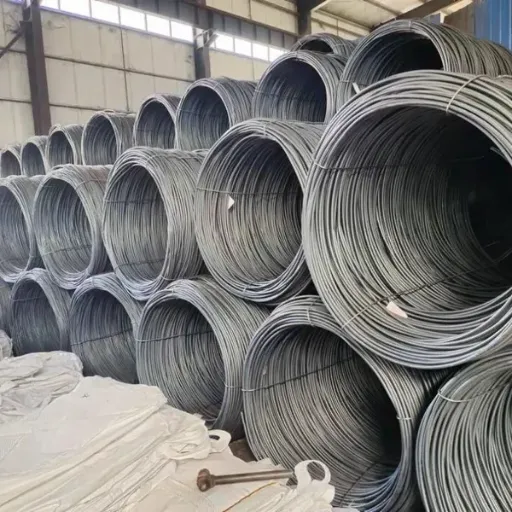
Transformer lamination material is not a commodity. It is the foundation of transformer efficiency, thermal performance, and long-term reliability. Whether you choose grain-oriented steel for a distribution transformer or electrical pure iron for a precision instrument core, the material specification should match the application.
Focus on core loss, permeability, saturation induction, and surface quality. Then partner with a supplier that controls the full chain from material grade to finished dimensions. That combination is what turns a standard transformer into a high-efficiency, long-lasting power system component.
Start your next project with material engineered for performance. Get a custom quote for DT4C transformer lamination material today.
Recently Posted
-
Shanxi Jurun Technology: Your Electromagnetic Pure Iron Partner from Taiyuan, China's Pure Iron Prod
August 14, 2026When an international buyer searches for electromagnetic pure iron, they are not just looking for a material. They are looking for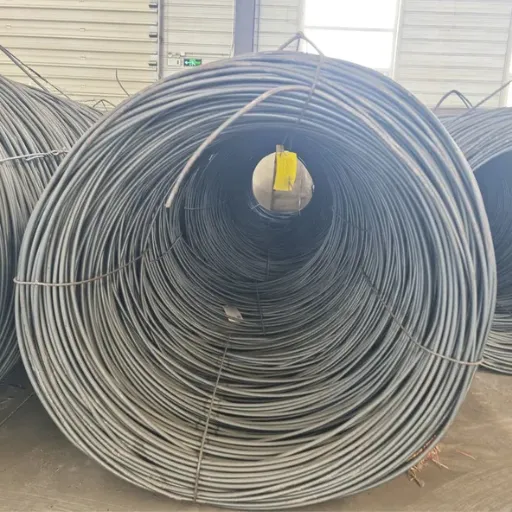 Read More
 -
Cold Drawing Process for Electromagnetic Pure Iron Wire: How Wire Rod Becomes Precision Cold-Drawn W
August 13, 2026Not long ago, a solenoid valve manufacturer in Italy received a shipment of 5.5 mm electromagnetic pure iron cold-drawn wire inten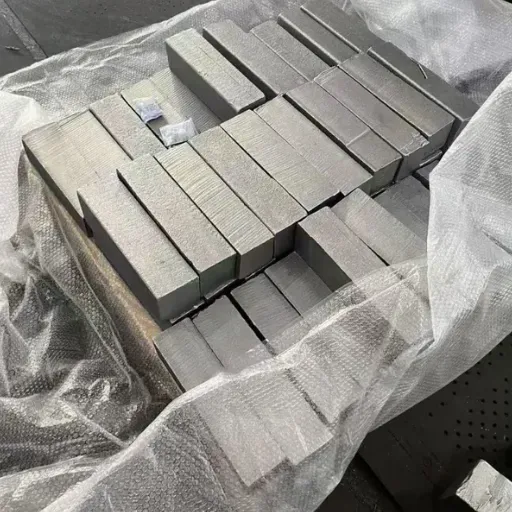 Read More
 -
How to Choose a Food Vacuum Sealer Supplier in China: 8 Evaluation Criteria
August 13, 2026An e-commerce brand owner in the UK contacted us some time ago after a supplier relationship fell apart. They had sourced roughly Read More
 -
Electromagnetic Pure Iron for Relay Manufacturing: Material Requirements, Grade Selection, and Case
August 13, 2026Some time ago, a relay production line in Zhejiang province began experiencing a puzzling failure pattern. Roughly 3 out of every
Read More

Contact Us
Recommended Products
-
 Seamless Tube With Good Cold Electrical Pure Iron Fittings Hot Workability for Forming Fittings and ConduitsNegotiableMOQ: 1 Ton
 -
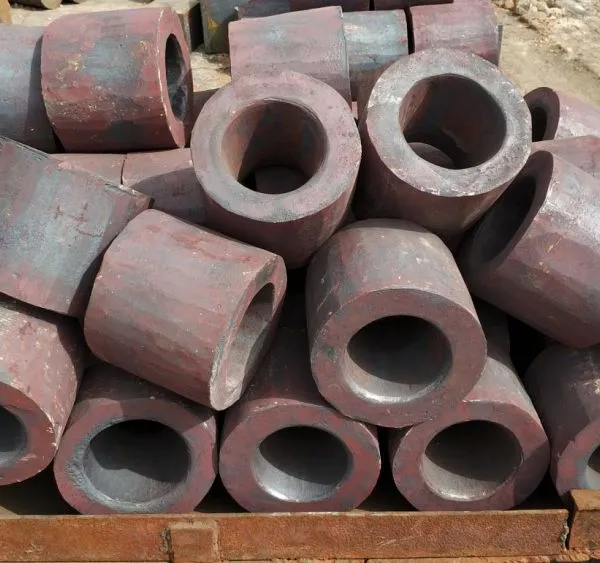
Electromagnetic Pure Iron Forging for Automotive Sensor ManufacturingNegotiableMOQ: 100 Kilograms
-
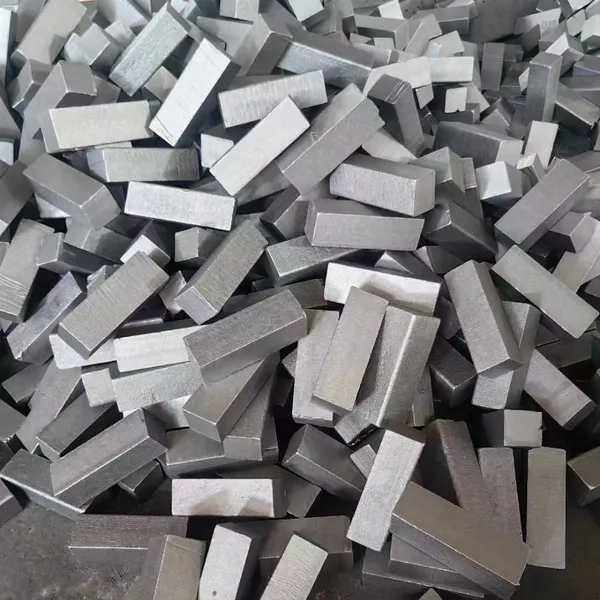
Precision Cut Pure Iron Square Bar High Saturation Induction Raw Material for Generator and RotorNegotiableMOQ: 100 Kilograms
-
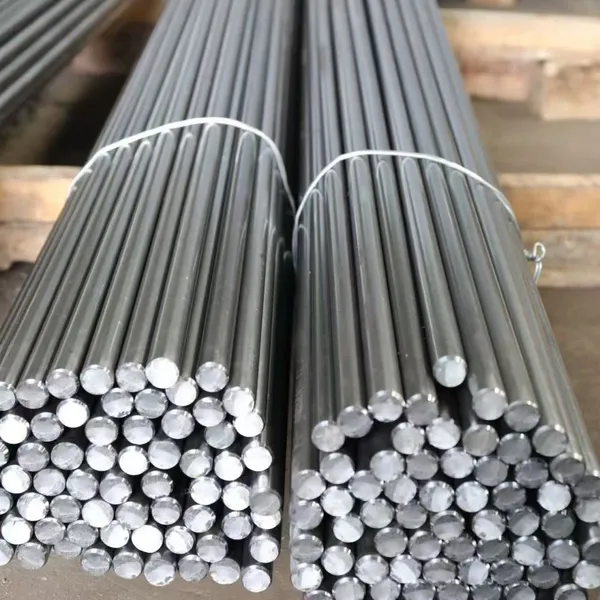
DT4C Super Grade Electromagnetic Pure Iron Bright Bar With Bundle Weight 30-100kg for Easy TransportationNegotiableMOQ: 1 Ton
-
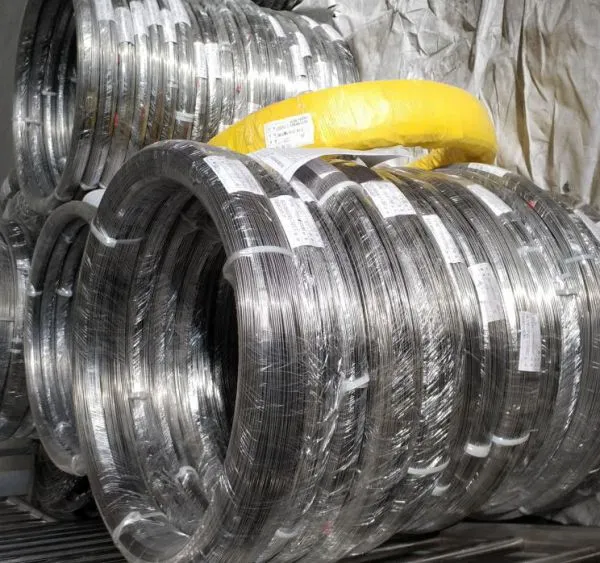
DT4C Electromagnetic Pure Iron Cold-Drawn Wire 0.5mm-6.0mm Diameter for TransformersNegotiableMOQ: 100 Kilograms
-
Industrial Pure Iron Bar for Electromagnetic Relay and Sensor ProductionNegotiableMOQ: 1 Ton
-
Electromagnetic Pure Iron Thin Sheet 0.3mm-0.8mm for Solenoid and Relay ManufacturingNegotiableMOQ: 500 Kilograms
-
Electrical Pure Iron Hot-Rolled Coil for Magnetic Components With Low Iron LossNegotiableMOQ: 1 Ton
-
Low Carbon DT4C Pure Iron Round Bar With 99.8% Fe Content for Electrical ApplicationsNegotiableMOQ: 1 Ton
-
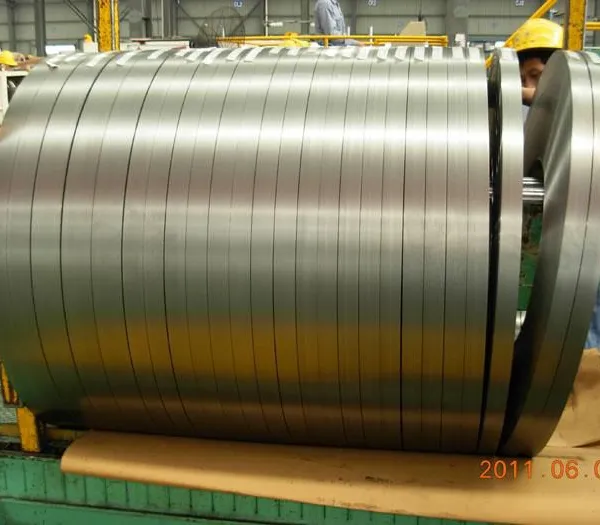
Cold Rolled Pure Iron Slit Coil DT4C Grade Ultra Low Carbon ≤0.004% for Magnetic ComponentsNegotiableMOQ: 1 Ton
-
Low Iron Loss Electromagnetic Pure Iron Hot-Rolled Coil DT4C for Transformer CoresNegotiableMOQ: 1 Ton
-
Soft Magnetic Pure Iron Sheet With Minimum Iron Loss for High-Efficiency MotorsNegotiableMOQ: 1 Ton
-
Electromagnetic Pure Iron Cold Rolled Coil DT4C for High Magnetic Permeability ApplicationsNegotiableMOQ: 1 Ton
-
Industrial Pure Iron Tube Superior Surface Quality Electromagnetic Pure Iron Tube for Welding and Plating ProcessesNegotiableMOQ: 1 Ton
-
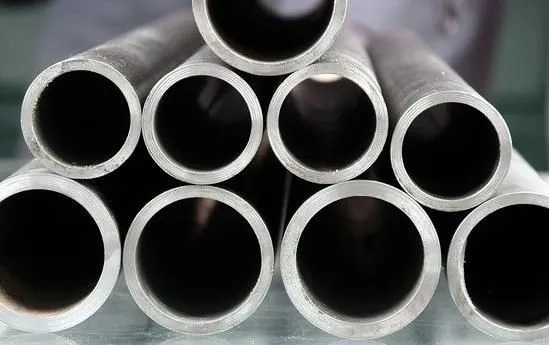
DT4 Seamless Pure Iron Tubing for High-Performance Electrical Equipment ApplicationsNegotiableMOQ: 1 Ton
-
DT4C Iron Wire Rod for Precision Magnetic Shielding ApplicationsNegotiableMOQ: 100 Kilograms
-
Industrial Pure Iron Fittings DT4 Pure Iron Seamless Tube With Low Hysteresis Loss for Electromagnetic SystemsNegotiableMOQ: 1 Ton
-
DT4C Cold Rolled Coil Slitting for Electrical Enclosure ManufacturingNegotiableMOQ: 1 Ton
-
Anti Rust Coated Pure Iron Square Bar Low Carbon Raw Material for Welding and Forging Magnetic PartsNegotiableMOQ: 100 Kilograms
-
DT4 Pure Iron Cold-Drawn Wire 0.5mm-6.0mm Diameter for Precision EngineeringNegotiableMOQ: 500 Kilograms