
 Business License

Saturation Magnetization: A Complete Guide for High-Performance Magnetic Materials
Last March, an engineering team in Shenzhen completed what they believed was a breakthrough transformer design for a regional power grid. The prototype performed flawlessly in simulation. But when they ran the first live load test, the core overheated within forty minutes. The culprit was not their winding geometry or cooling system. They had selected a core material with insufficient saturation magnetization for the operating flux density, and the steel was climbing its B-H curve into a region where efficiency collapsed. Six months of redesign followed, and the delay cost the firm its first-mover advantage in that market.
If you design transformers, motors, relays, or any electromagnetic component, you understand that material selection is not a secondary concern. It is the foundation of performance. Saturation magnetization determines how much magnetic flux your core can carry before it loses effectiveness, and choosing the wrong grade of material can quietly undermine an otherwise excellent design.
In this guide, you will learn exactly what saturation magnetization is, how it affects real-world electrical equipment, and why electromagnetic pure iron grades like DT4C deliver results that standard steels cannot match. We will also cover how to measure and specify saturation magnetization when sourcing materials for production.
Want to skip ahead and explore material options? Browse our electromagnetic pure iron products engineered for high magnetic performance.
What Is Saturation Magnetization?
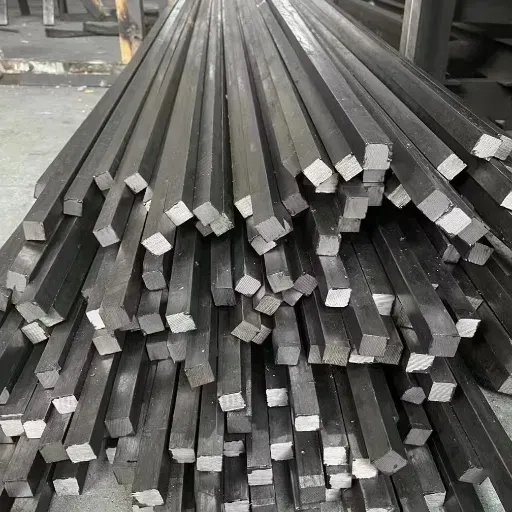
Saturation magnetization is the maximum magnetic moment per unit volume that a ferromagnetic material can sustain when subjected to an external magnetic field. In simpler terms, it is the point on a material's B-H curve where increasing the magnetizing force no longer produces a meaningful increase in flux density. Beyond this point, the material is saturated, and any additional energy input converts primarily to heat rather than useful magnetic flux.
For electrical engineers, this property matters because it sets the upper limit of flux density that a core material can support. Transformer designers, for example, typically operate core steels at flux densities between 1.5 and 2.0 Tesla. If the material's saturation magnetization is too low, the core will saturate during peak loads, causing waveform distortion, excessive noise, and dangerous temperature rises.
The saturation magnetization of a material is determined by its atomic structure and chemical composition. Pure iron, with its body-centered cubic lattice and minimal impurities, exhibits one of the highest saturation magnetization values among practical engineering materials, typically reaching approximately 2.15 Tesla at room temperature. This makes it an attractive choice for applications where maximum flux density and minimal core volume are both priorities.
Why Saturation Magnetization Dictates Transformer and Motor Efficiency
Transformer cores operate by cycling magnetic flux through a closed loop of laminated steel. The core must support the peak flux density demanded by the primary winding without saturating. When saturation magnetization is inadequate, the core enters saturation during portions of each AC cycle. The result is a sharp increase in magnetizing current, core losses spike, and the transformer efficiency drops precipitously.
Electric motors face similar constraints. In high-efficiency motors, particularly those used in electric vehicles and industrial drives, stator and rotor cores must handle high flux densities to maximize torque output per unit volume. A material with higher saturation magnetization allows engineers to reduce core size while maintaining power output, or alternatively, to increase power density without enlarging the motor frame.
Consider the experience of Li Wei, a procurement engineer at a mid-sized motor manufacturer in Jiangsu. His facility had been using standard silicon steel for years, but a new EV contract required motors with 15 percent higher power density. Initial prototypes with the existing steel saturated during peak torque demands, triggering thermal shutdowns. After switching to DT4C electromagnetic pure iron, which offers superior saturation magnetization and lower hysteresis loss, the motors met specification without increasing physical dimensions. The change in material grade transformed a failing project into a profitable product line.
The relationship between saturation magnetization and operating efficiency is not merely theoretical. Core losses in magnetic materials consist of hysteresis loss and eddy current loss. When a core approaches saturation, hysteresis loss increases non-linearly because the B-H loop widens dramatically. By selecting a material with saturation magnetization well above the intended operating flux density, engineers maintain a safe margin that keeps the core in its linear, low-loss region under all normal operating conditions.
Saturation Magnetization in Pure Iron vs. Alternative Soft Magnetic Materials
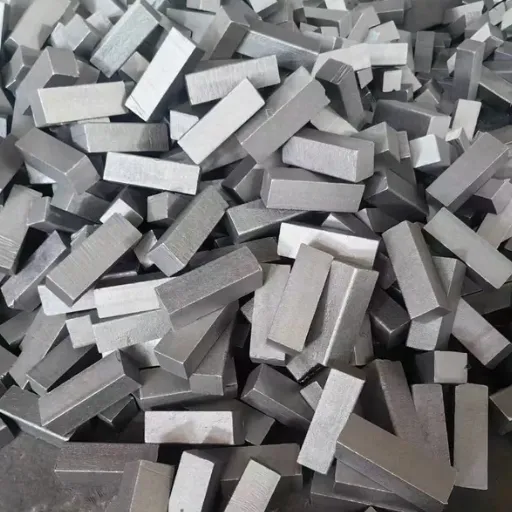
Not all soft magnetic materials offer the same saturation magnetization. Engineers routinely choose between pure iron, silicon steel, nickel-iron alloys, and soft ferrites depending on the application requirements. Understanding how these materials compare on saturation magnetization helps prevent the kind of specification errors that lead to field failures.
Electromagnetic pure iron, particularly ultra-low carbon grades such as DT4C, delivers saturation magnetization near 2.15 Tesla. Silicon steel, the most common transformer core material, typically saturates between 1.9 and 2.0 Tesla depending on silicon content. The difference of 0.15 to 0.25 Tesla may appear small, but in transformer design it translates directly into either reduced core cross-sectional area or increased operating margin.
Nickel-iron alloys such as permalloy offer excellent permeability at low field strengths, yet their saturation magnetization falls below 1.1 Tesla. These alloys suit sensitive sensor applications where high initial permeability matters more than maximum flux density. Soft ferrites saturate at even lower levels, typically 0.3 to 0.5 Tesla, which restricts them to high-frequency applications where eddy current losses in metallic materials would be prohibitive.
For power-frequency transformers, high-efficiency motors, and heavy-duty relays, pure iron maintains a clear advantage in saturation magnetization. It allows designers to push flux densities higher without saturation, meaning smaller cores, less copper winding, and lower overall material costs. When engineers need the absolute maximum flux-carrying capacity in a given volume, electromagnetic pure iron remains the material of choice.
| Material | Saturation Magnetization (Tesla) | Typical Applications |
|---|---|---|
| DT4C Pure Iron | ~2.15 | Transformers, motors, relays |
| Silicon Steel (3% Si) | ~1.95-2.00 | Power transformers, motors |
| Permalloy (78% Ni) | ~0.87 | Sensors, shielding |
| Soft Ferrite (Mn-Zn) | ~0.35-0.50 | High-frequency inductors |
How Material Purity Impacts Saturation Magnetization Performance
The saturation magnetization of iron is fundamentally an intrinsic property of the element itself, but the actual performance of commercial pure iron depends heavily on purity levels. Carbon, sulfur, phosphorus, and nitrogen are particularly damaging. Even trace amounts of these elements form precipitates and lattice distortions that degrade magnetic permeability and increase coercivity, forcing engineers to operate further below saturation to avoid excessive losses.
Carbon is the most critical impurity in electromagnetic pure iron. At levels above 0.01 percent, carbon forms iron carbide particles that pin magnetic domain walls. This raises hysteresis loss and reduces effective permeability. For high-performance applications, carbon content must be held at or below 0.004 percent. The DT4C grade specification enforces this ultra-low carbon limit, which is why it outperforms standard industrial pure iron grades in transformer and motor cores.
Sulfur and phosphorus also degrade magnetic properties by promoting anisotropy and creating non-metallic inclusions. Premium electromagnetic grades control these elements to fractions of a percent. The result is a material with exceptionally soft magnetic characteristics: high initial permeability, low coercive force, and stable saturation magnetization across a wide temperature range.
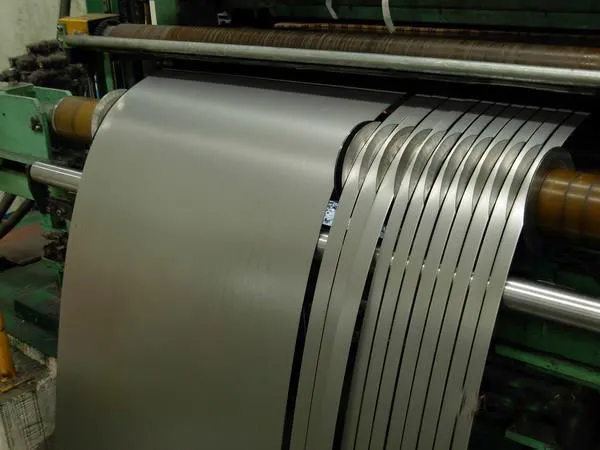
At Shanxi Jurun Technology, we produce and stock DT4C, DT8, and DT9 series pure iron with verified ultra-low carbon content. Our in-house processing capabilities include precision slitting of cold-rolled coils and custom cutting of bars and tubes, so your material arrives ready for lamination or machining. This level of control is essential because even slight variations in chemistry can shift effective saturation magnetization enough to affect a precision design.
Need material processed to your exact specifications? Learn more about our custom pure iron processing services including slitting, cutting, and surface preparation.
Measuring Saturation Magnetization in Industrial Quality Control
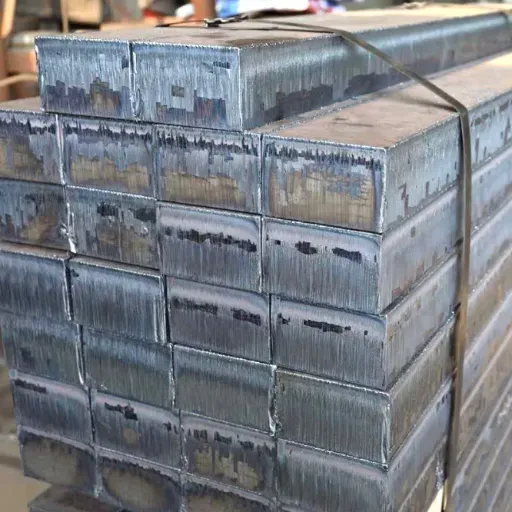
Manufacturers and procurement engineers should not rely solely on grade certificates when sourcing magnetic materials. Understanding how saturation magnetization is measured helps you verify that delivered material meets specification and performs as expected in your application.
The standard method for measuring saturation magnetization in soft magnetic materials uses a vibrating sample magnetometer (VSM) or a DC hysteresis graph. In VSM testing, a small sample of the material is vibrated within a uniform magnetic field while pickup coils detect the induced voltage proportional to the sample's magnetic moment. The instrument sweeps the applied field strength and records the resulting magnetization curve, from which saturation magnetization is extracted at high field strengths where the curve plateaus.
For industrial quality control, Epstein frame testing and single sheet testers provide practical measurements of magnetic properties under standardized conditions. While these methods primarily characterize core loss and permeability at specified flux densities, they indirectly confirm that the material possesses adequate saturation magnetization. If a sample cannot reach the target flux density during testing, saturation is the likely cause.
When specifying material for procurement, request saturation magnetization data measured at 25 degrees Celsius and reported in Tesla or Gauss. Ensure the supplier provides carbon content verification and grain size data, as these parameters correlate strongly with magnetic performance. For critical applications, consider requiring sample testing on your own equipment before approving a production batch.
Choosing the Right Pure Iron Grade for Maximum Magnetic Performance
Selecting the optimal pure iron grade requires matching material properties to application demands. Not every project requires the highest saturation magnetization available, but underspecifying material is a common and costly mistake.
For power transformers and distribution transformers operating at 50 or 60 Hertz, DT4C electromagnetic pure iron offers the best balance of saturation magnetization, low core loss, and commercial availability. Its ultra-low carbon content and high purity make it suitable for cores that must operate at flux densities up to approximately 1.8 Tesla with excellent efficiency margins.
For specialized applications such as high-sensitivity relays, solenoid valves, and magnetic shielding, DT8 and DT9 grades provide refined magnetic properties with controlled coercivity. These grades may be specified when the operating flux density is moderate but minimizing hysteresis loss and maximizing permeability are paramount.
The form factor also influences performance. Cold-rolled thin sheets in the 0.3mm to 0.8mm range are ideal for laminated transformer cores because they reduce eddy current losses while preserving the high saturation magnetization of the base material. Hot-rolled coils serve larger transformer cores and motor laminations where thicker sections are required. Cold-drawn wire and precision-cut bars support relay manufacturers and CNC machining shops that produce custom magnetic components.
Chen Mei, a sourcing manager at an automotive sensor supplier, spent months searching for a pure iron source that could deliver both consistent saturation magnetization and custom-forged shapes for a new sensor line. Standard mill suppliers required orders of fifty tons minimum. She eventually partnered with a supplier offering 100-kilogram minimum orders on custom forgings with verified DT4C chemistry. The flexibility allowed her team to prototype three design iterations in parallel, reducing their development cycle by four months and securing the contract ahead of schedule.
Ready to source high-saturation pure iron for your next project? Contact our engineering team to discuss DT4C grades, custom dimensions, and flexible order quantities.
Conclusion
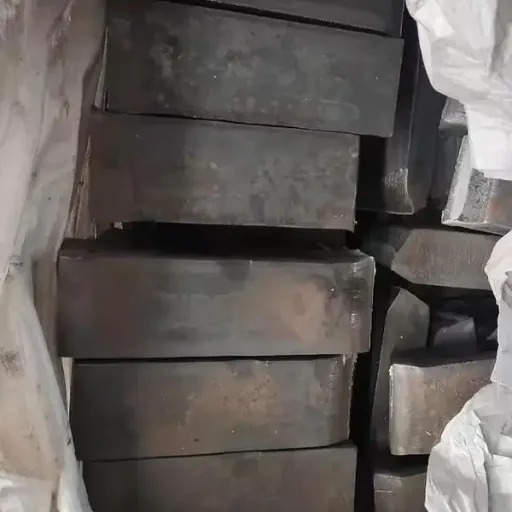
Saturation magnetization is not an abstract magnetic property. It is a hard ceiling that determines how much flux your core can carry, how compact your design can be, and how efficiently your equipment will run under load. Engineers who understand this property make better material choices, avoid costly redesigns, and deliver products that perform reliably in the field.
The key takeaways from this guide are clear:
Saturation magnetization defines the maximum flux density a material can support, and operating beyond it causes efficiency collapse and overheating.
Electromagnetic pure iron, particularly DT4C grade, offers among the highest saturation magnetization values available in practical engineering materials, reaching approximately 2.15 Tesla.
Material purity, especially ultra-low carbon content, is essential for realizing the full saturation magnetization potential of pure iron in production components.
Measuring and verifying saturation magnetization during procurement protects your designs from material variability and supplier inconsistencies.
Matching the right pure iron grade and form factor to your application ensures optimal performance without overengineering or excess cost.
If you are specifying materials for transformers, motors, relays, or sensors, do not treat core steel as a commodity. The difference between a standard grade and a premium electromagnetic pure iron grade can determine whether your product meets efficiency targets or fails in the field.
[Request a custom quote for DT4C electromagnetic pure iron today →]
Our team at Shanxi Jurun Technology supplies precision-processed pure iron products from Taiyuan, the heart of China's pure iron production region. With flexible order quantities, in-house slitting and cutting services, and comprehensive inventory across DT and YT series grades, we deliver the materials your designs demand. Reach out now and let us help you optimize your magnetic components for maximum performance.
Recently Posted
-
Industrial Pure Iron vs. Armco Iron: Terminology, History, and Modern Equivalents
September 2, 2026Not long ago, a European motor manufacturer opened an aging drawing for a magnetic shielding housing and found the material callou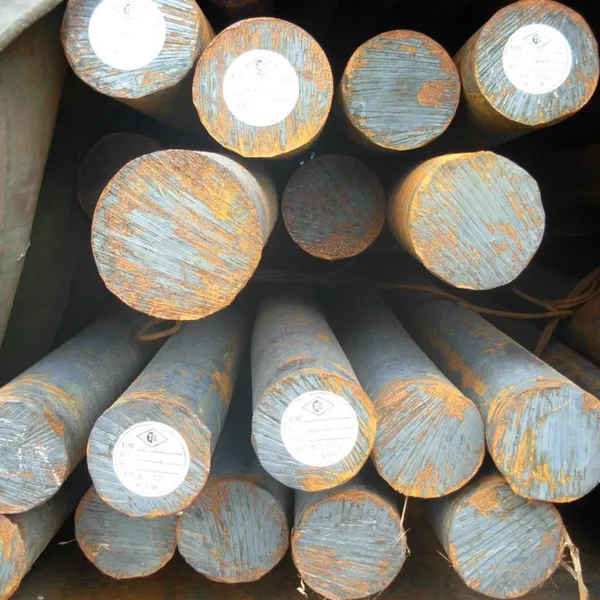 Read More
 -
Shanxi Jurun Technology: Your Electromagnetic Pure Iron Partner from Taiyuan, China's Pure Iron Prod
August 14, 2026When an international buyer searches for electromagnetic pure iron, they are not just looking for a material. They are looking for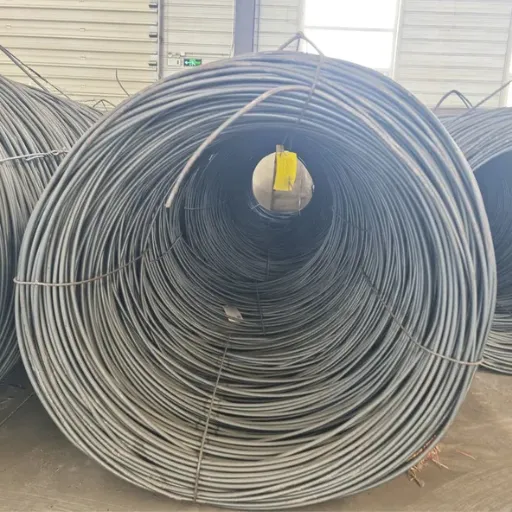 Read More
 -
Cold Drawing Process for Electromagnetic Pure Iron Wire: How Wire Rod Becomes Precision Cold-Drawn W
August 13, 2026Not long ago, a solenoid valve manufacturer in Italy received a shipment of 5.5 mm electromagnetic pure iron cold-drawn wire inten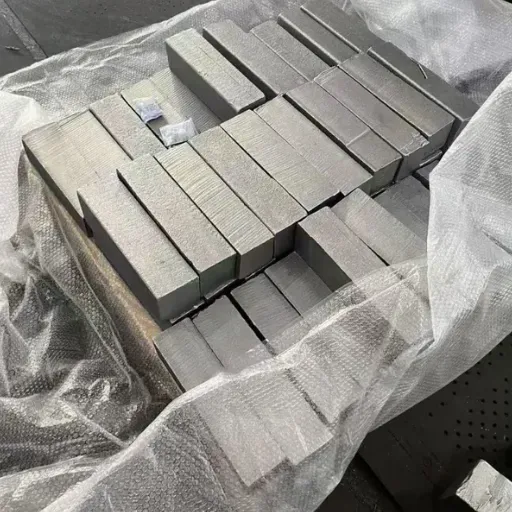 Read More
 -
How to Choose a Food Vacuum Sealer Supplier in China: 8 Evaluation Criteria
August 13, 2026An e-commerce brand owner in the UK contacted us some time ago after a supplier relationship fell apart. They had sourced roughly Read More

Contact Us
Recommended Products
-
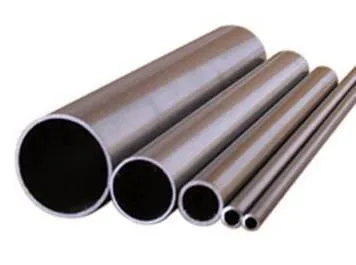
 Seamless Tube With Good Cold Electrical Pure Iron Fittings Hot Workability for Forming Fittings and ConduitsNegotiableMOQ: 1 Ton
 -
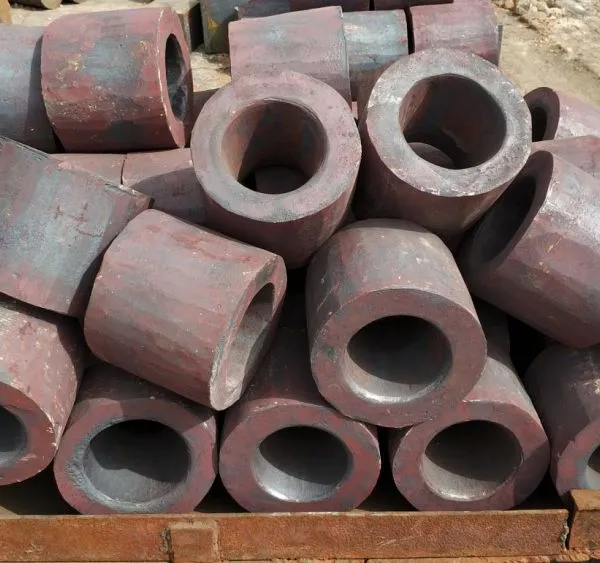
Electromagnetic Pure Iron Forging for Automotive Sensor ManufacturingNegotiableMOQ: 100 Kilograms
-
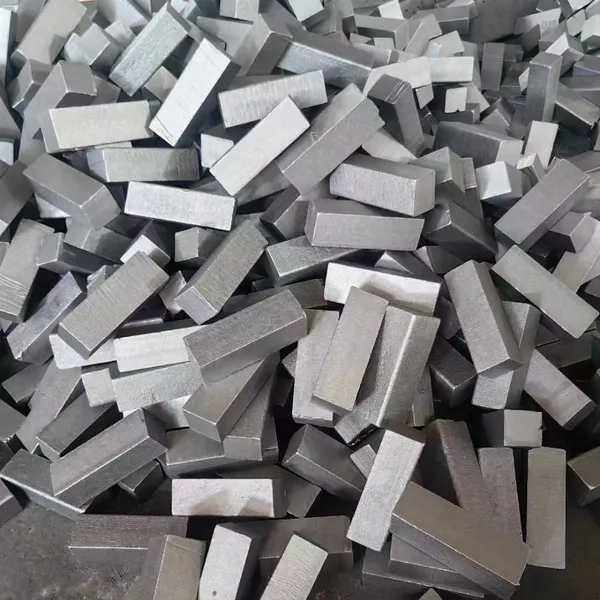
Precision Cut Pure Iron Square Bar High Saturation Induction Raw Material for Generator and RotorNegotiableMOQ: 100 Kilograms
-
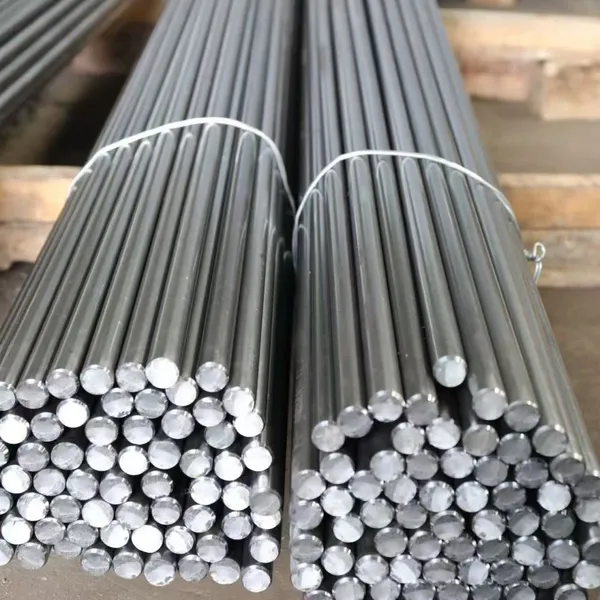
DT4C Super Grade Electromagnetic Pure Iron Bright Bar With Bundle Weight 30-100kg for Easy TransportationNegotiableMOQ: 1 Ton
-
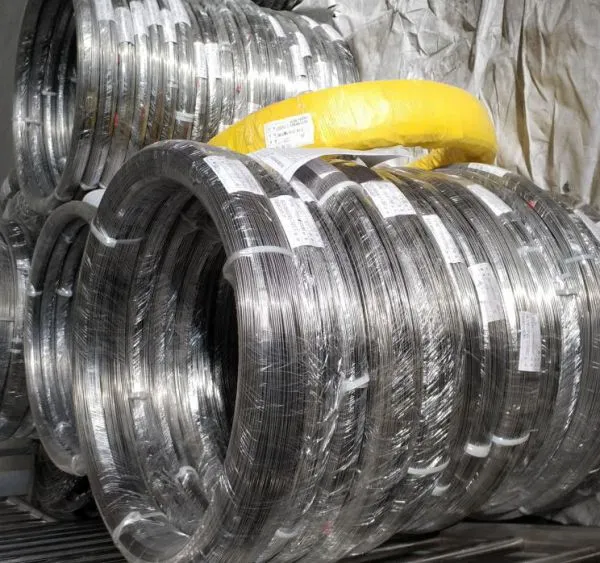
DT4C Electromagnetic Pure Iron Cold-Drawn Wire 0.5mm-6.0mm Diameter for TransformersNegotiableMOQ: 100 Kilograms
-
Industrial Pure Iron Bar for Electromagnetic Relay and Sensor ProductionNegotiableMOQ: 1 Ton
-
Electromagnetic Pure Iron Thin Sheet 0.3mm-0.8mm for Solenoid and Relay ManufacturingNegotiableMOQ: 500 Kilograms
-
Electrical Pure Iron Hot-Rolled Coil for Magnetic Components With Low Iron LossNegotiableMOQ: 1 Ton
-
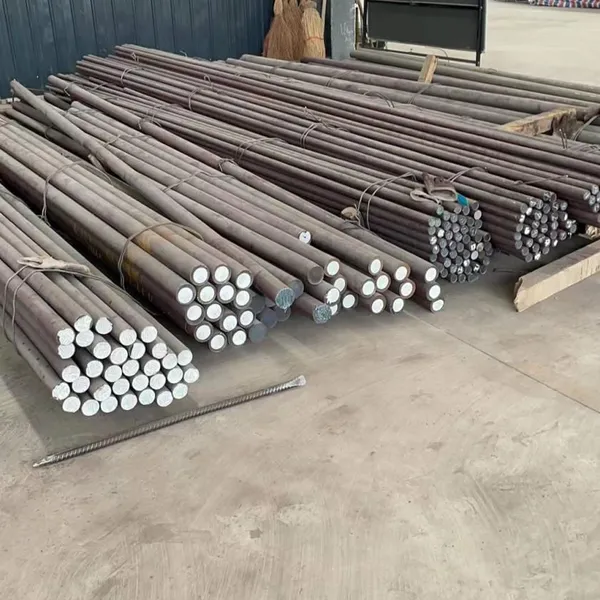
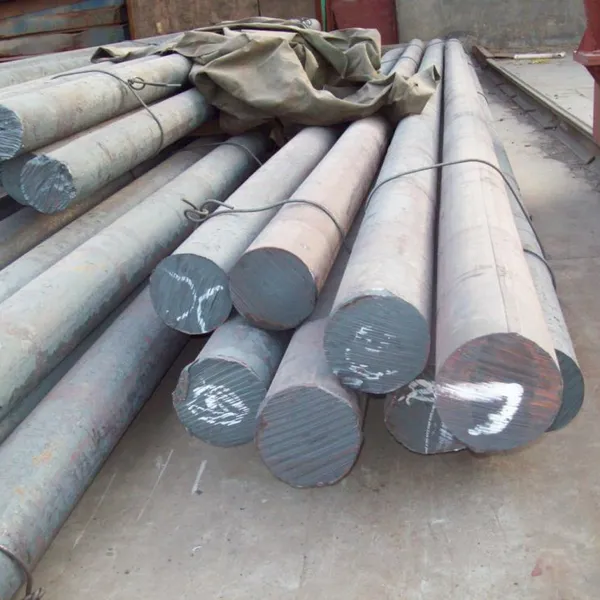
Low Carbon DT4C Pure Iron Round Bar With 99.8% Fe Content for Electrical ApplicationsNegotiableMOQ: 1 Ton
-
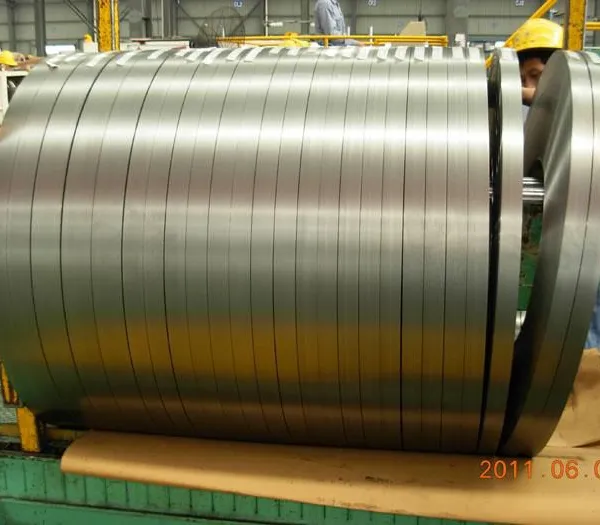
Cold Rolled Pure Iron Slit Coil DT4C Grade Ultra Low Carbon ≤0.004% for Magnetic ComponentsNegotiableMOQ: 1 Ton
-
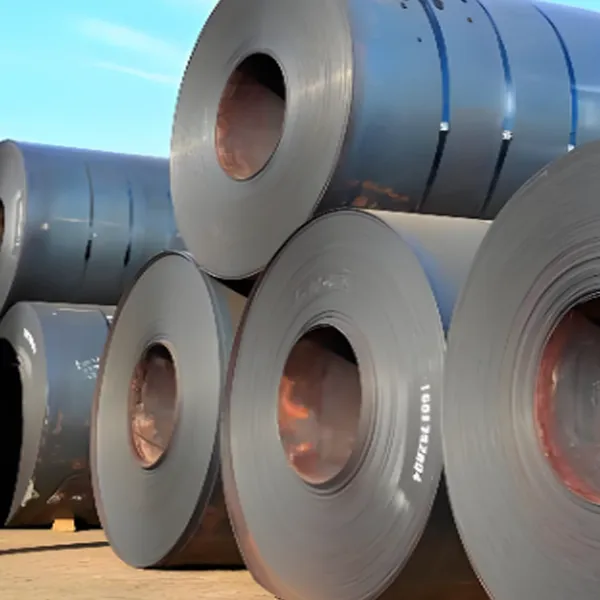
Low Iron Loss Electromagnetic Pure Iron Hot-Rolled Coil DT4C for Transformer CoresNegotiableMOQ: 1 Ton
-
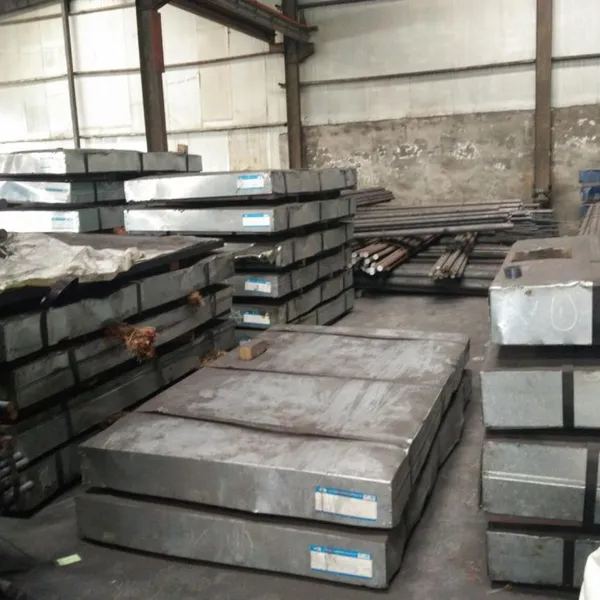
Soft Magnetic Pure Iron Sheet With Minimum Iron Loss for High-Efficiency MotorsNegotiableMOQ: 1 Ton
-
Electromagnetic Pure Iron Cold Rolled Coil DT4C for High Magnetic Permeability ApplicationsNegotiableMOQ: 1 Ton
-
Industrial Pure Iron Tube Superior Surface Quality Electromagnetic Pure Iron Tube for Welding and Plating ProcessesNegotiableMOQ: 1 Ton
-
DT4 Seamless Pure Iron Tubing for High-Performance Electrical Equipment ApplicationsNegotiableMOQ: 1 Ton
-
DT4C Iron Wire Rod for Precision Magnetic Shielding ApplicationsNegotiableMOQ: 100 Kilograms
-
Industrial Pure Iron Fittings DT4 Pure Iron Seamless Tube With Low Hysteresis Loss for Electromagnetic SystemsNegotiableMOQ: 1 Ton
-
DT4C Cold Rolled Coil Slitting for Electrical Enclosure ManufacturingNegotiableMOQ: 1 Ton
-
Anti Rust Coated Pure Iron Square Bar Low Carbon Raw Material for Welding and Forging Magnetic PartsNegotiableMOQ: 100 Kilograms
-
DT4 Pure Iron Cold-Drawn Wire 0.5mm-6.0mm Diameter for Precision EngineeringNegotiableMOQ: 500 Kilograms