
 Business License

Magnetic Induction in Electrical Engineering: A Practical Guide for Manufacturers
What separates a transformer that runs cool and quiet from one that wastes energy as heat? The answer lies in how its core material responds to magnetic induction.
If you're designing or sourcing components for motors, relays, or power systems, you already know that efficiency isn't just about copper windings or circuit design. It's the material inside the magnetic circuit that decides how much flux you get for every ampere you invest. In this guide, you'll learn how magnetic induction works, why magnetic permeability and saturation matter for your designs, and how electromagnetic pure iron can help you build more efficient electrical components. At Shanxi Jurun Technology Co., Ltd., we supply DT4C and related grades to manufacturers who refuse to compromise on core performance.
What Is Magnetic Induction and Why Does It Matter?
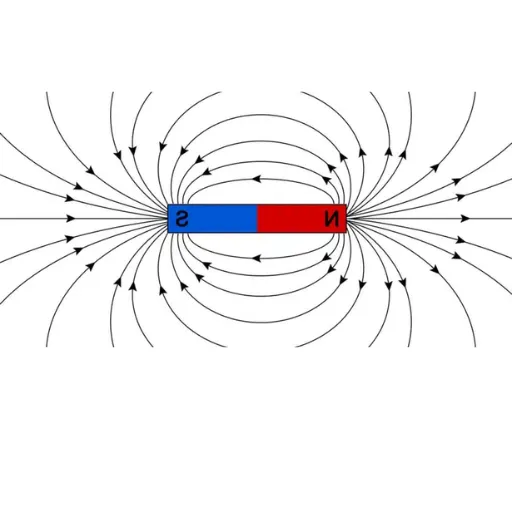
Magnetic induction is the process by which a changing magnetic field generates an electromotive force in a conductor, or the measure of magnetic flux density inside a material. Engineers usually express this flux density as B in teslas, while the applied field strength is H in amperes per meter. The relationship between the two, B = μH, defines how readily a material channels magnetic energy.
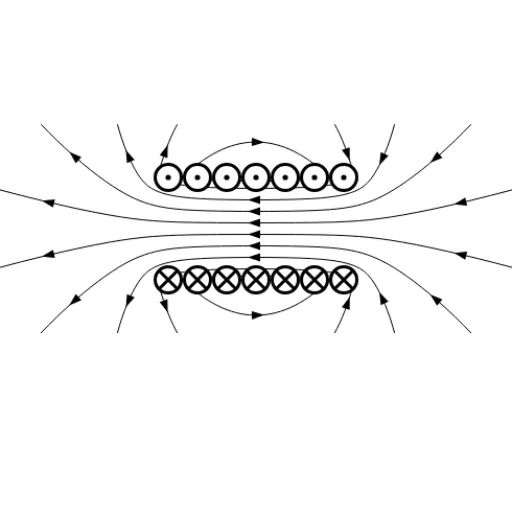
When you pass current through a coil wrapped around a core, the resulting magnetic induction magnetizes that core. A soft magnetic material aligns its internal domains with the applied field, amplifying the total flux. A hard magnetic material resists that alignment, which is useful for permanent magnets but costly in transformers and motors. For a deeper look at the physics behind this process, Georgia State University's HyperPhysics offers a clear explanation of magnetic induction fundamentals.
Why should manufacturers care? Because every device that converts electrical energy into mechanical motion, or changes voltage levels, depends on controlled magnetic induction. Poor core materials create higher iron losses, louder operation, and excess heat. The right material keeps energy losses low and output stable.
Ready to improve magnetic induction performance in your components? Explore our DT4C electromagnetic pure iron grades and request a specification sheet tailored to your application.
Main Factors That Affect Magnetic Induction Performance
Not every metal responds to magnetic induction in the same way. Four core properties determine how well a material will perform in your application.
Magnetic Permeability
Permeability measures how easily a material supports a magnetic field. High-permeability alloys concentrate flux lines, allowing a smaller current to produce a stronger magnetic induction. Industrial pure iron and silicon steel both offer high permeability, but electromagnetic pure iron grades such as DT4C push this property further by minimizing carbon and impurities. You can compare standard values at the Engineering Toolbox's magnetic permeability reference.
Saturation Induction
Saturation induction is the maximum flux density a material can carry. Once a core saturates, increasing the current no longer increases magnetic induction in a useful way. Instead, the excess energy dissipates as heat. Power transformers need cores with high saturation induction so they can handle peak loads without overheating.
Coercivity and Hysteresis Loss
Coercivity is the field strength required to demagnetize a material after the external field drops to zero. Low coercivity means the material flips its domains easily, which reduces hysteresis loss. Hysteresis loss is the energy wasted as heat during each magnetization cycle. In high-frequency applications, this loss becomes one of the largest sources of inefficiency.
Frequency and Temperature Effects
As operating frequency rises, eddy currents form inside the core and oppose the changing magnetic induction. Laminated cores and thin-gauge electrical steel reduce these currents. Temperature also shifts magnetic properties; a core that performs well at 25°C may behave differently at 80°C. Always test material specifications at the actual operating temperature of your device. The NIST Reference on Constants, Units, and Uncertainty maintains the SI definitions for magnetic quantities used in these calculations, including those that describe magnetic induction and related constants.
How Electromagnetic Pure Iron Optimizes Magnetic Induction
Electromagnetic pure iron is an ultra-low-carbon alloy engineered specifically for soft magnetic applications. Its chemical purity, with carbon content sitting at or below 0.004%, removes the crystal imperfections that obstruct domain wall motion. The result is a material with high magnetic permeability, low coercivity, and low hysteresis loss.
Chen Wei, a design engineer at a Hangzhou transformer plant, spent six months troubleshooting excessive no-load losses in a 10 kVA distribution unit. His team tested several core steels before switching to DT4C electromagnetic pure iron. Core losses dropped by 18%, temperature rise fell by 8°C, and the unit passed IEC certification on the first retest. That's the only variable that changed.
DT4C and related grades, including DT4A, DT4E, DT8, and DT9, give engineers a predictable platform for magnetic induction design. Each grade balances purity, density, and mechanical workability for different component types. For an overview of how these grades fit into broader electrical systems, see our related article on electrical pure iron applications in transformers and motors.
Magnetic Induction Applications in Transformers, Motors, and Sensors
Controlled magnetic induction appears in almost every electrical device that moves power or motion. Here are the three areas where material choice matters most.
Transformer Cores
Transformers rely on alternating magnetic induction to transfer energy between primary and secondary windings. Core materials must switch polarity quickly with minimal energy loss. DT4C hot-rolled coils and cold-rolled sheets provide the low iron loss and stable permeability that transformer manufacturers need for modern power systems.
Motors and EV Systems
Electric motors generate torque through the interaction of magnetic induction in the stator and rotor. As vehicle electrification accelerates, motor designers demand thinner laminations and higher-purity iron to push efficiency higher. Soft magnetic pure iron supports these goals by reducing hysteresis loss at the high switching frequencies used in EV inverters.
Relays, Solenoids, and Magnetic Shielding
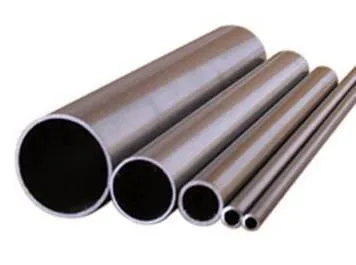
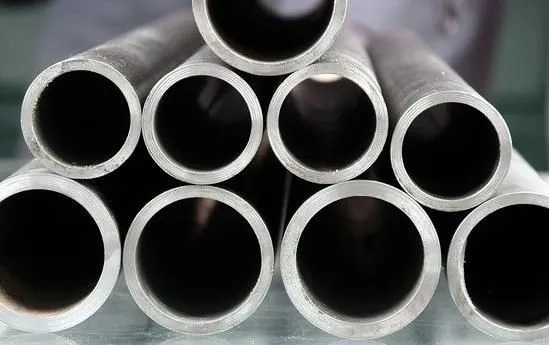
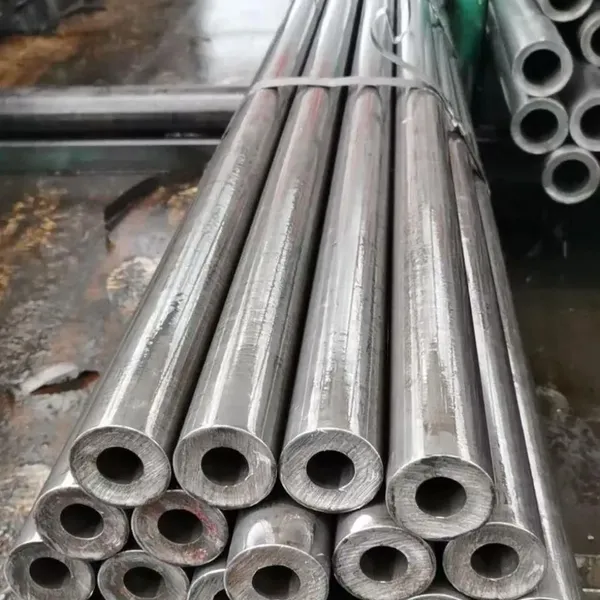
Relays and solenoids need rapid, repeatable switching. That means the core must build and collapse magnetic induction quickly when the coil energizes and de-energizes. Thin pure iron sheets, ranging from 0.3mm to 0.8mm, stamp cleanly into armatures and yokes. Seamless pure iron tubes also serve fluid control valves where magnetic induction must act through a cylindrical wall.
Maria Gonzalez, a procurement manager at a Guadalajara relay factory, noticed that scrap rates on her solenoid line jumped from 4% to 12% after switching to a mixed-grade supplier. The root cause was inconsistent magnetic permeability between batches. After moving to precision-slit coils from a single-grade source with mill certificates, scrap returned to 3% and her line stabilized.
For a broader comparison of materials used in these devices, read our complete guide to magnetic materials.
Selecting the Right Material for Your Magnetic Induction Requirements
Choosing a core material starts with understanding your operating conditions. Use the following checklist to narrow your options:
Flux density target: Calculate the peak magnetic induction your design requires, then choose a grade whose saturation induction leaves a 15-20% safety margin.
Frequency range: Low-frequency transformers tolerate thicker laminations, while high-frequency motors and inverters need thinner gauge material to limit eddy-current losses.
Mechanical form: Match the product format to your process. Hot-rolled coils suit stamping and stacking. Cold-drawn bars work for CNC-machined pins and shafts. Tubes fit cylindrical solenoids.
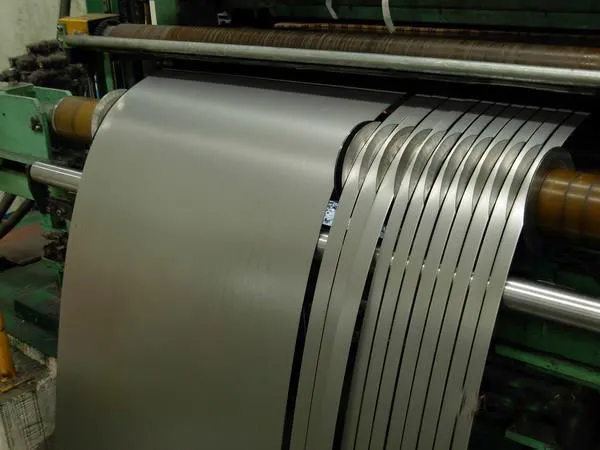
Processing needs: If your plant lacks slitting or cut-to-length equipment, source material that arrives ready for the production line.
Certification and traceability: Request mill test certificates that verify chemical composition, permeability, and iron loss values.
When in doubt, start with DT4C electromagnetic pure iron. It offers one of the widest processing windows and has proven itself in transformers, automotive sensors, and precision relays. For detailed specifications on coil forms, review our electromagnetic pure iron hot-rolled coil guide.
Need precision-slit coils or custom-cut bars for your next production run? Contact our engineering team for a tailored quote and material recommendation.
Processing and Design Tips for Better Magnetic Induction
Even the best raw material can underperform if the manufacturing process introduces stress or poor geometry. These guidelines help you preserve the soft magnetic properties you paid for.
Annealing and Stress Relief
Cold working distorts the grain structure of pure iron and lowers its magnetic permeability. After stamping, machining, or forming, anneal the parts in a controlled hydrogen atmosphere to restore ductility and magnetic softness. Skipping this step can increase coercivity by 50% or more, directly raising hysteresis loss.
Lamination Geometry
In laminated cores, the direction of the rolling texture affects magnetic induction. Align the lamination stacking direction with the primary flux path to exploit the material's best permeability. Avoid sharp corners and narrow bridges where flux crowding can cause local saturation.
Surface Finish and Coatings
A thin insulating layer between laminations prevents electrical contact and cuts eddy-current losses. At the same time, anti-rust coatings protect stored raw material without adding enough thickness to alter stamped dimensions. Both coatings should be compatible with your welding or bonding process.
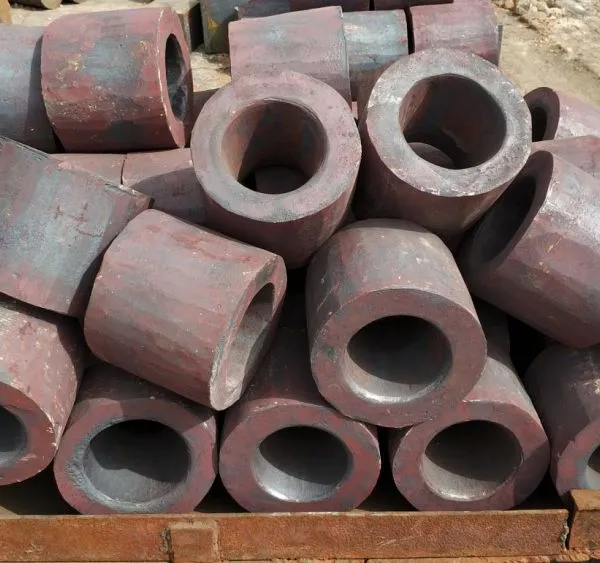
When a Shenzhen EV startup began prototyping position sensors, the team initially used standard steel forgings. Hysteresis in the sensor output caused erratic readings at highway speeds. After switching to custom-forged electromagnetic pure iron with a post-machining anneal, hysteresis dropped sharply and the sensor output tracked true. That single material change kept their launch timeline intact.
Conclusion
Magnetic induction is the invisible force behind every transformer, motor, and relay you produce. Mastering it isn't about chasing abstract physics; it's about matching the right core material to the real operating conditions inside your product. High magnetic permeability, low hysteresis loss, and stable saturation induction all flow from material purity and proper processing.
To recap:
Magnetic induction depends on both the applied field and the core material's response.
Electromagnetic pure iron offers ultra-low carbon content that maximizes permeability and minimizes losses.
DT4C grades serve a wide range of applications, from distribution transformers to EV sensors.
Proper annealing, lamination design, and coating selection preserve soft magnetic performance.
Traceable mill certificates remove the guesswork from batch-to-batch consistency.
Ready to improve efficiency in your next design? Request a custom quote for DT4C electromagnetic pure iron and get direct-source pricing from Taiyuan's pure iron hub. We're here to help you select the grade, form, and processing options that match your magnetic induction goals.
Recently Posted
-
Industrial Pure Iron vs. Armco Iron: Terminology, History, and Modern Equivalents
September 2, 2026Not long ago, a European motor manufacturer opened an aging drawing for a magnetic shielding housing and found the material callou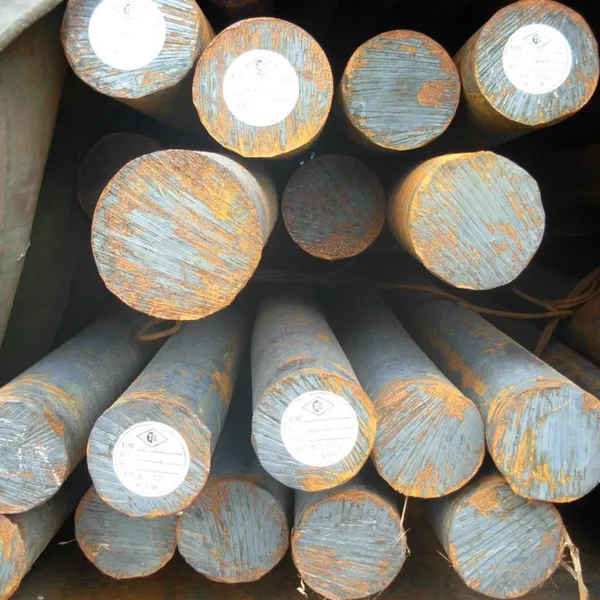 Read More
 -
Shanxi Jurun Technology: Your Electromagnetic Pure Iron Partner from Taiyuan, China's Pure Iron Prod
August 14, 2026When an international buyer searches for electromagnetic pure iron, they are not just looking for a material. They are looking for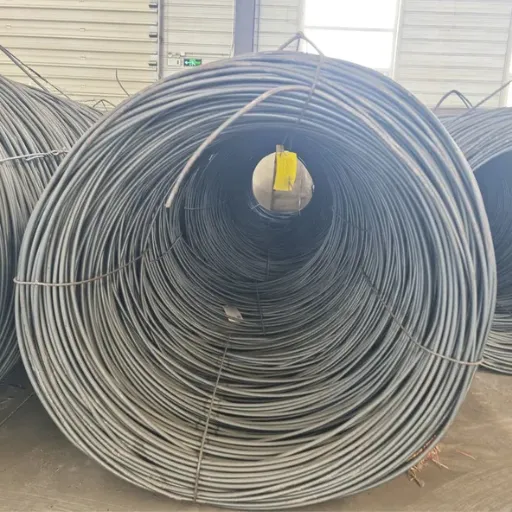 Read More
 -
Cold Drawing Process for Electromagnetic Pure Iron Wire: How Wire Rod Becomes Precision Cold-Drawn W
August 13, 2026Not long ago, a solenoid valve manufacturer in Italy received a shipment of 5.5 mm electromagnetic pure iron cold-drawn wire inten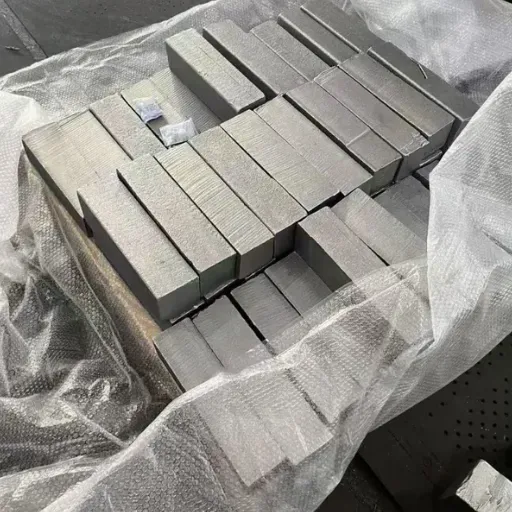 Read More
 -
How to Choose a Food Vacuum Sealer Supplier in China: 8 Evaluation Criteria
August 13, 2026An e-commerce brand owner in the UK contacted us some time ago after a supplier relationship fell apart. They had sourced roughly Read More

Contact Us
Recommended Products
-
 Seamless Tube With Good Cold Electrical Pure Iron Fittings Hot Workability for Forming Fittings and ConduitsNegotiableMOQ: 1 Ton
 -
Electromagnetic Pure Iron Forging for Automotive Sensor ManufacturingNegotiableMOQ: 100 Kilograms
-
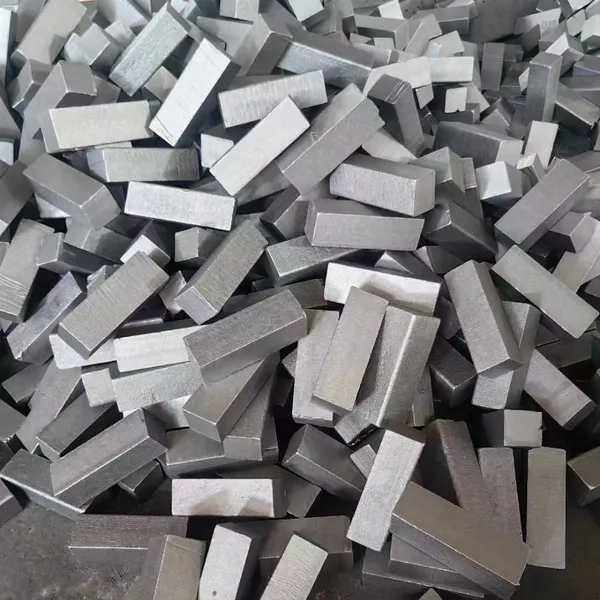
Precision Cut Pure Iron Square Bar High Saturation Induction Raw Material for Generator and RotorNegotiableMOQ: 100 Kilograms
-
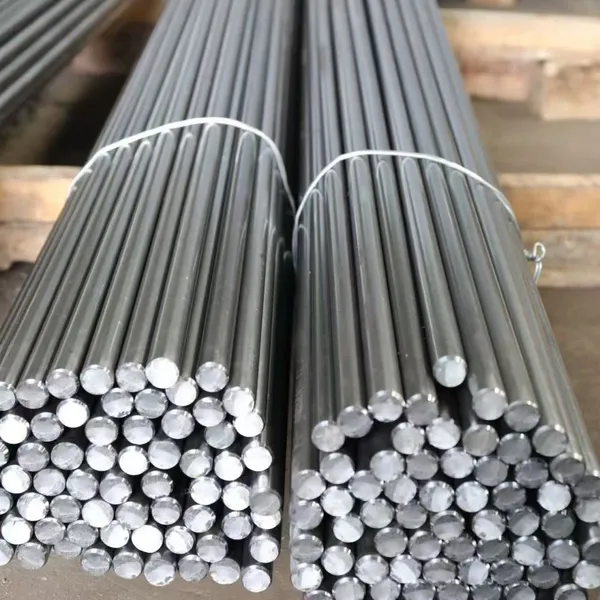
DT4C Super Grade Electromagnetic Pure Iron Bright Bar With Bundle Weight 30-100kg for Easy TransportationNegotiableMOQ: 1 Ton
-
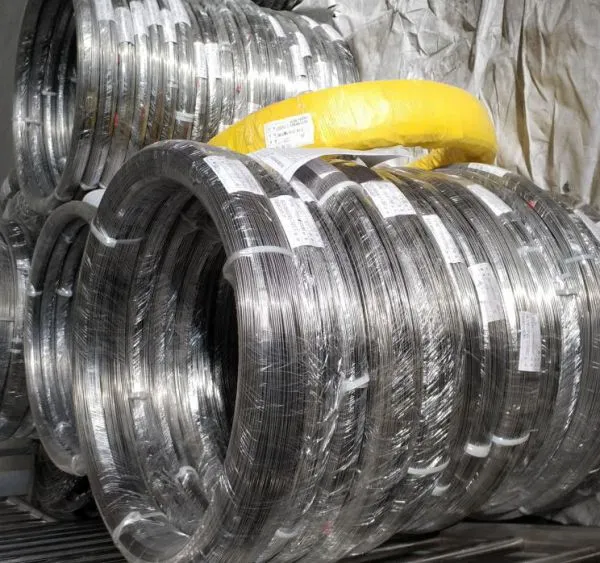
DT4C Electromagnetic Pure Iron Cold-Drawn Wire 0.5mm-6.0mm Diameter for TransformersNegotiableMOQ: 100 Kilograms
-
Industrial Pure Iron Bar for Electromagnetic Relay and Sensor ProductionNegotiableMOQ: 1 Ton
-
Electromagnetic Pure Iron Thin Sheet 0.3mm-0.8mm for Solenoid and Relay ManufacturingNegotiableMOQ: 500 Kilograms
-
Electrical Pure Iron Hot-Rolled Coil for Magnetic Components With Low Iron LossNegotiableMOQ: 1 Ton
-
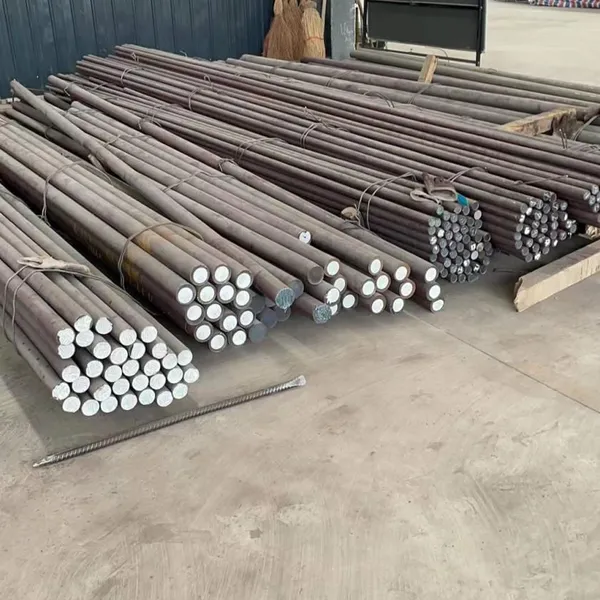
Low Carbon DT4C Pure Iron Round Bar With 99.8% Fe Content for Electrical ApplicationsNegotiableMOQ: 1 Ton
-
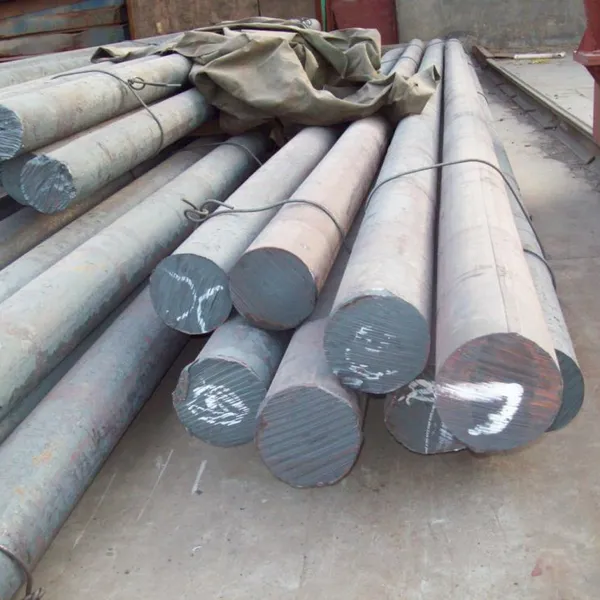
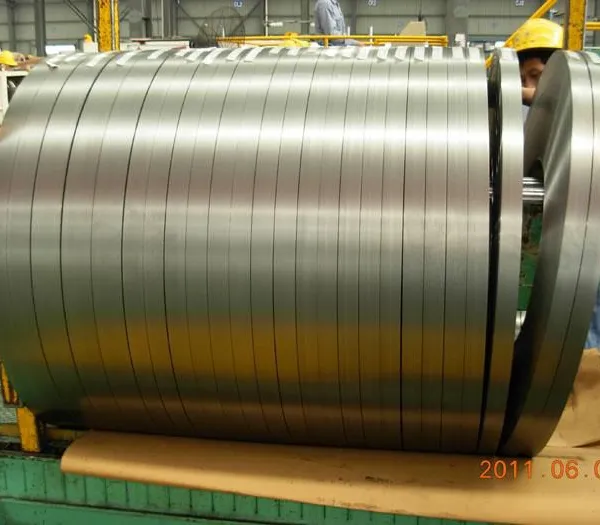
Cold Rolled Pure Iron Slit Coil DT4C Grade Ultra Low Carbon ≤0.004% for Magnetic ComponentsNegotiableMOQ: 1 Ton
-
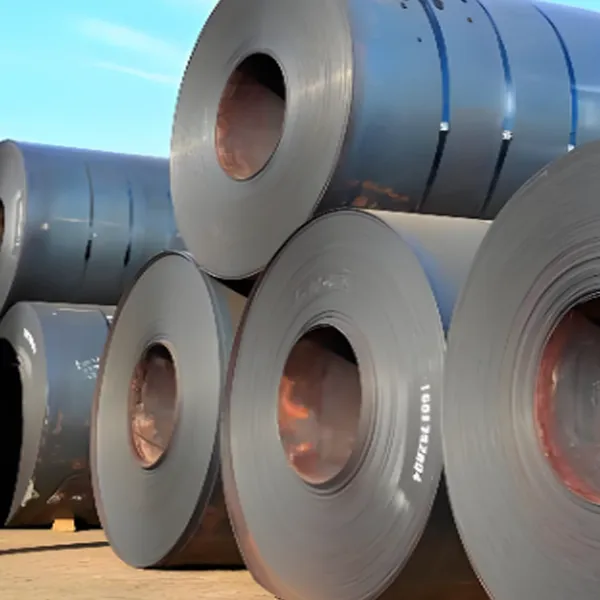
Low Iron Loss Electromagnetic Pure Iron Hot-Rolled Coil DT4C for Transformer CoresNegotiableMOQ: 1 Ton
-
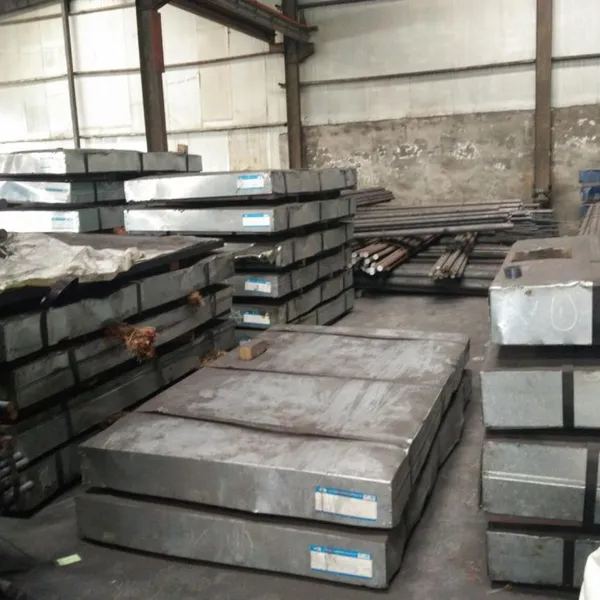
Soft Magnetic Pure Iron Sheet With Minimum Iron Loss for High-Efficiency MotorsNegotiableMOQ: 1 Ton
-
Electromagnetic Pure Iron Cold Rolled Coil DT4C for High Magnetic Permeability ApplicationsNegotiableMOQ: 1 Ton
-
Industrial Pure Iron Tube Superior Surface Quality Electromagnetic Pure Iron Tube for Welding and Plating ProcessesNegotiableMOQ: 1 Ton
-
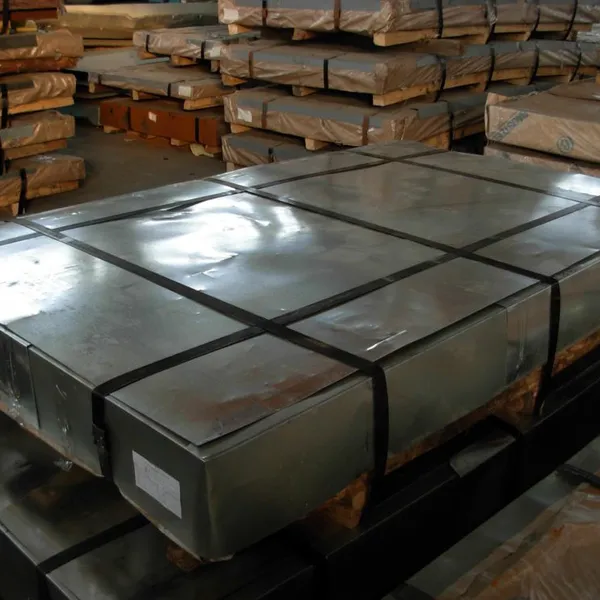
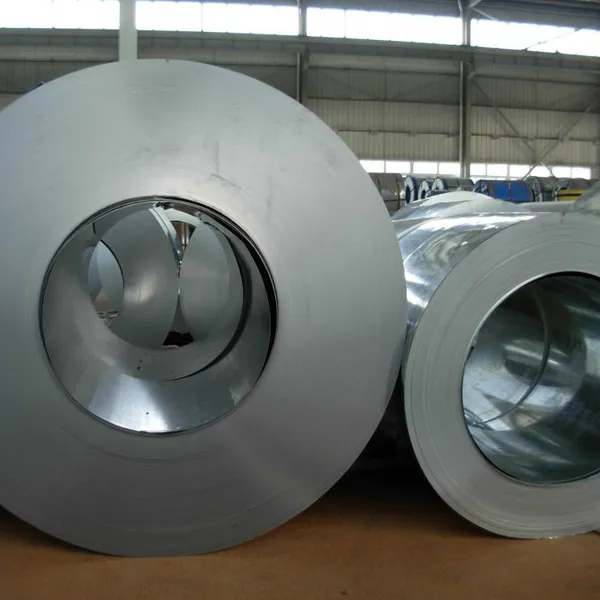
DT4 Seamless Pure Iron Tubing for High-Performance Electrical Equipment ApplicationsNegotiableMOQ: 1 Ton
-
DT4C Iron Wire Rod for Precision Magnetic Shielding ApplicationsNegotiableMOQ: 100 Kilograms
-
Industrial Pure Iron Fittings DT4 Pure Iron Seamless Tube With Low Hysteresis Loss for Electromagnetic SystemsNegotiableMOQ: 1 Ton
-
DT4C Cold Rolled Coil Slitting for Electrical Enclosure ManufacturingNegotiableMOQ: 1 Ton
-
Anti Rust Coated Pure Iron Square Bar Low Carbon Raw Material for Welding and Forging Magnetic PartsNegotiableMOQ: 100 Kilograms
-
DT4 Pure Iron Cold-Drawn Wire 0.5mm-6.0mm Diameter for Precision EngineeringNegotiableMOQ: 500 Kilograms