
 Business License

Soft Magnetic Alloys: A Complete Guide for High-Efficiency Electrical Applications
What if the material inside your transformer core is silently draining 15% more energy than necessary? Most manufacturers never question their magnetic material specifications until efficiency audits reveal hidden losses that have compounded for years. Soft magnetic alloys directly determine how much energy converts to useful work versus dissipating as heat, yet material selection remains one of the most overlooked variables in electrical component design.
You already understand that magnetic performance matters. This guide delivers exactly what you need: a clear framework for understanding soft magnetic alloys, comparing material options, and selecting grades that align with your performance targets and manufacturing constraints. We will cover the fundamental properties that distinguish these materials, examine the major alloy families engineers rely on, explore real-world applications from power grids to electric vehicles, and outline practical selection criteria you can apply immediately.
What Are Soft Magnetic Alloys and Why Do They Matter?
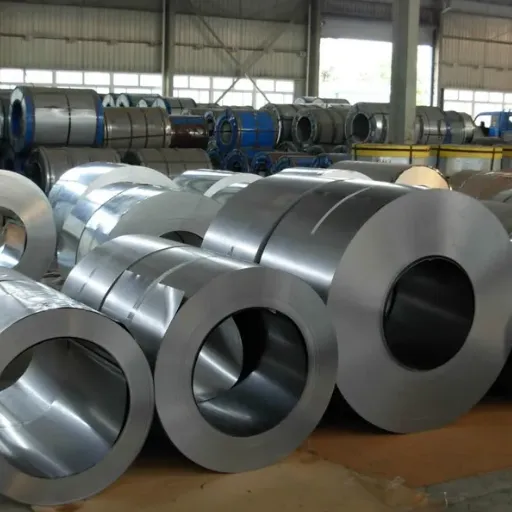
Soft magnetic alloys are ferromagnetic materials that magnetize strongly under external fields yet demagnetize almost completely when that field is removed. This reversible behavior separates them from permanent magnets and makes them indispensable for any application requiring rapid, efficient magnetic flux switching.
The term "soft" refers to magnetic softness, not mechanical softness. These materials exhibit narrow hysteresis loops, which means they require relatively little energy to flip magnetic domains during each magnetization cycle. In practical terms, soft magnetic alloys convert electrical energy into magnetic flux with minimal waste heat. This efficiency translates directly into cooler operating temperatures, lower energy bills, and longer component lifespans.
When Chen Wei, chief engineer at a Jiangsu transformer manufacturer, audited his facility in early 2025, he discovered that legacy core materials were generating excess hysteresis losses equivalent to 8% of total output capacity. Switching to premium electromagnetic pure iron with optimized grain structure recovered that lost capacity without redesigning a single winding. His payback period on material upgrade was under fourteen months.
Industries that depend on soft magnetic alloys include power generation, electric vehicle drivetrains, aerospace systems, telecommunications infrastructure, and consumer electronics. Any device containing a transformer, motor, relay, solenoid, or inductor relies on these materials to function efficiently. As global efficiency standards tighten and electrification accelerates, the performance ceiling of your soft magnetic material increasingly determines the competitiveness of your end product.
Key Properties That Define Soft Magnetic Performance
Engineers evaluate soft magnetic alloys through several interrelated properties. Understanding how these metrics interact prevents costly specification mismatches.
Magnetic Permeability
Magnetic permeability measures how readily a material supports magnetic field formation within itself. High permeability allows engineers to achieve desired flux densities with lower magnetizing currents, which reduces copper losses in surrounding windings. Electromagnetic pure iron grades such as DT4C offer exceptionally high initial and maximum permeability, making them preferred for high-sensitivity relay cores and precision instrument transformers.
Coercivity and Hysteresis Loss
Coercivity represents the field strength required to reduce magnetization to zero after saturation. Low coercivity means easy magnetization reversal and minimal hysteresis loss per cycle. For devices operating at line frequency (50/60 Hz), hysteresis loss dominates core losses alongside eddy current effects. Materials with coercivity below 80 A/m, such as ultra-low carbon pure iron, deliver measurable efficiency gains in continuous-duty transformers.
Saturation Induction
Saturation induction defines the maximum flux density a material can carry. Once saturated, additional magnetizing current produces heat without useful flux. Pure iron and certain iron-cobalt alloys achieve the highest saturation levels among commercially viable soft magnetic materials, enabling compact, high-power-density motor and generator designs.
Electrical Resistivity
Higher resistivity suppresses eddy currents, which become increasingly problematic at elevated frequencies. While pure iron offers outstanding permeability and saturation, its moderate resistivity makes it less ideal for high-frequency switching applications above several kilohertz. Here, silicon steel or thin-gauge nickel-iron laminations often outperform pure iron unless specialized thin-strip processing is applied.
Types of Soft Magnetic Alloys Engineers Rely On
The soft magnetic materials market spans several distinct alloy families, each occupying specific performance and cost niches.
Electromagnetic Pure Iron
Electromagnetic pure iron represents the foundation of soft magnetic materials. With carbon content at or below 0.004%, grades such as DT4C, DT4E, and DT8 deliver maximum permeability alongside minimal coercivity. These grades excel in direct current and low-frequency alternating current applications where saturation induction and permeability outweigh resistivity concerns.
Pure iron finds its way into transformer cores, relay laminations, solenoid plungers, magnetic shielding enclosures, and powder metallurgy feedstock. Manufacturers value its relatively low cost, excellent machinability, and consistent availability from production hubs such as Taiyuan, Shanxi.
For teams prototyping new magnetic components, electromagnetic pure iron offers another advantage: flexible procurement. Unlike large mills that demand multi-ton commitments, specialized suppliers provide pure iron in quantities starting from 100 kilograms for wires and forgings, enabling rapid iteration without warehouse bloat.
Want to see how premium pure iron performs in your application? Explore our DT4C electromagnetic pure iron specifications and request a sample batch tailored to your tolerances.
Silicon Steel (Electrical Steel)
Silicon steel, alloyed with 1% to 4.5% silicon, dominates transformer and motor core manufacturing. The silicon addition increases resistivity, which suppresses eddy current losses at power frequencies. Grain-oriented silicon steel, with its crystalline alignment optimized along the rolling direction, achieves permeability values that approach pure iron while maintaining superior high-frequency performance.
Non-oriented silicon steel serves rotating machinery where magnetic flux travels in multiple directions. While its permeability lags behind grain-oriented variants and pure iron, its isotropic properties and lower cost make it economical for mass-market motors and generators.
Nickel-Iron Alloys (Permalloy)
Nickel-iron alloys containing roughly 80% nickel and 20% iron, commonly called Permalloy, deliver the highest permeability among standard engineering materials. Their near-zero magnetostriction and extremely low coercivity make them essential for precision current transformers, magnetic amplifiers, and shielding applications requiring attenuation of weak interfering fields.
The trade-off is cost. Nickel content drives prices well above pure iron or silicon steel, restricting Permalloy to applications where marginal performance gains justify the expense.
Cobalt-Iron Alloys
Cobalt-iron alloys achieve the highest saturation induction of any soft magnetic material, approaching 2.4 Tesla. This property enables dramatic size reduction in aerospace generators, high-performance motors, and specialized actuators where every gram and cubic centimeter matters.
Cobalt's scarcity and price volatility limit these alloys to defense, aerospace, and premium industrial segments. For most ground-based power and industrial applications, pure iron or silicon steel provides comparable practical results at substantially lower cost.
Industrial Applications Driving Demand for Soft Magnetic Materials
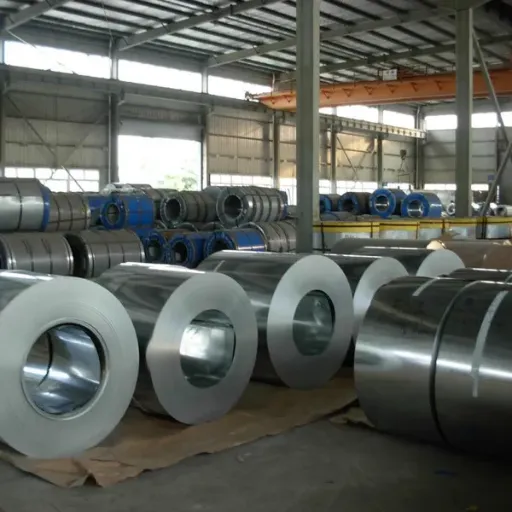
Soft magnetic alloys underpin modern electrification across nearly every industrial sector. Understanding where specific materials excel helps procurement and engineering teams align specifications with real operating conditions.
Power Transformers and Distribution Systems
Utility-scale transformers represent the largest single application for soft magnetic alloys. Core laminations built from grain-oriented silicon steel or high-grade electromagnetic pure iron minimize no-load losses across decades of continuous operation. With global electricity demand rising and efficiency regulations tightening, transformer manufacturers face constant pressure to reduce core loss coefficients.
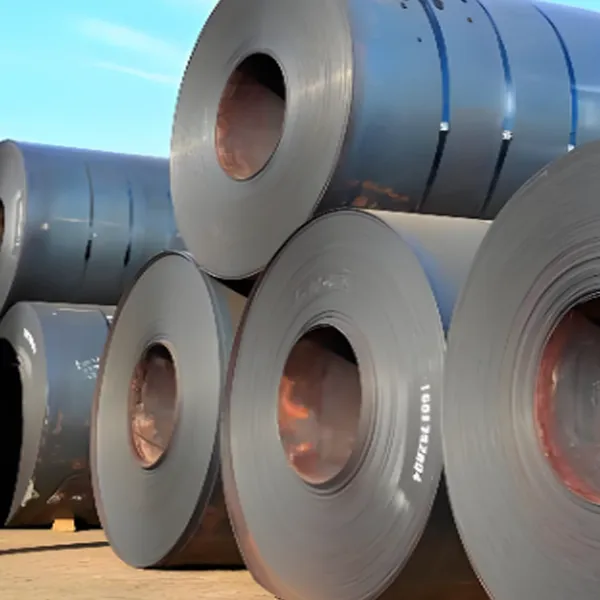
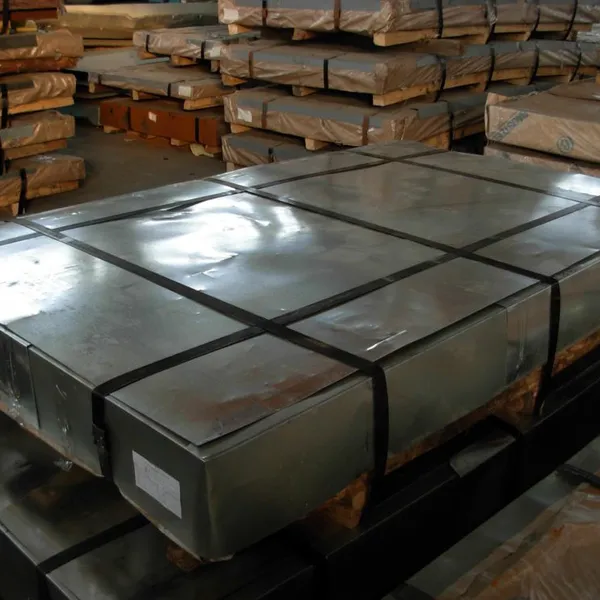
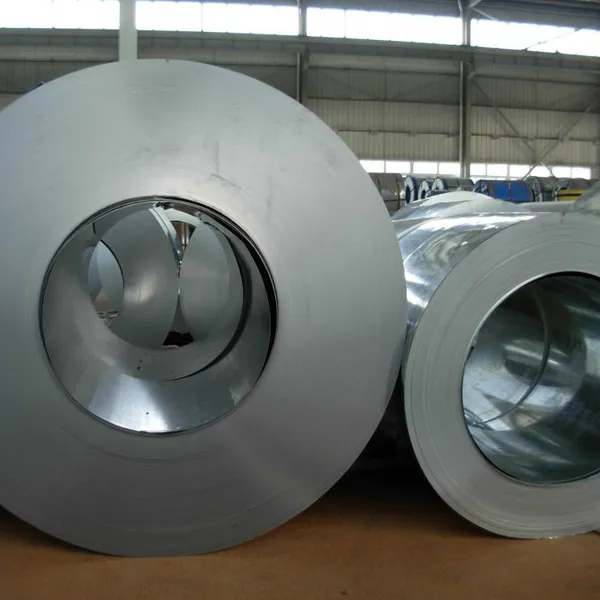
DT4C pure iron hot-rolled coils and cold-rolled sheets provide the ultra-low carbon content and controlled grain structure necessary for modern high-efficiency transformer cores. These materials deliver the high magnetic permeability and low iron loss that regulators now mandate for new installations.
Electric Vehicle Motors and Traction Systems
The shift toward electric mobility has created explosive demand for compact, high-efficiency motor cores. EV manufacturers require soft magnetic materials that maintain performance across wide temperature ranges and switching frequencies. Stator and rotor laminations in premium EV drivetrains often use specialized silicon steel or thin-gauge pure iron to balance saturation, loss, and manufacturability.
When the engineering team at an emerging EV component supplier in Shenzhen prototyped their first traction motor in 2024, they initially specified standard silicon steel. During dynamometer testing, excessive core losses at 6,000 RPM generated temperatures that degraded insulation prematurely. Switching to thinner-gauge electromagnetic pure iron laminations with optimized slitting alignment reduced core temperatures by 22 degrees Celsius and extended projected motor life by approximately 40%.
Electromagnetic Relays and Solenoid Valves
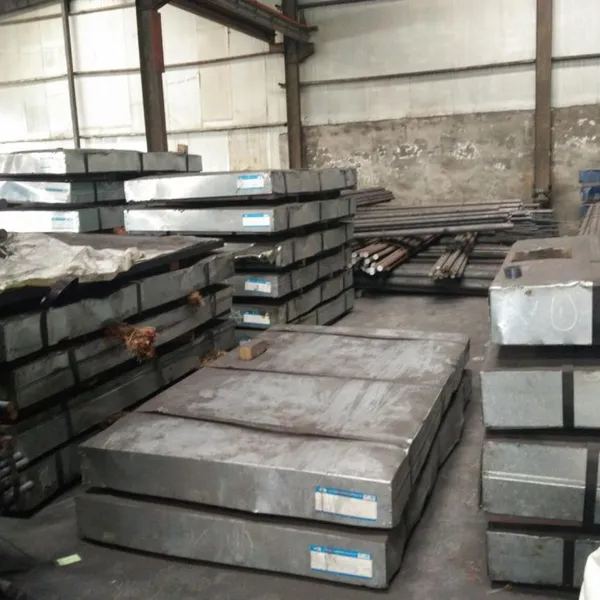
Relays, contactors, and solenoid valves depend on rapid magnetic response and consistent force profiles. Soft magnetic alloys with high permeability and low remanence ensure reliable actuation without sticky or delayed release behavior. For precision relay stampings, thin pure iron sheets in the 0.3mm to 0.8mm range provide the magnetic responsiveness and dimensional stability that automated assembly lines demand.
Magnetic Shielding and Sensor Housings
Sensitive electronics require protection from parasitic magnetic fields. High-permeability alloys channel flux around protected regions, attenuating field strength by orders of magnitude. Pure iron and nickel-iron alloys serve as the primary shielding materials for medical imaging equipment, precision measurement instruments, and scientific apparatus.
Powder Metallurgy and Additive Manufacturing Feedstock
Fine pure iron powder serves as feedstock for sintered soft magnetic components used in complex geometries that stamping cannot achieve. Powder metallurgy enables three-dimensional magnetic circuit designs with integrated features, opening new possibilities for miniaturized inductors and custom magnetic assemblies.
Need precision-slit coils or custom-cut bars for your stamping or machining line? Our in-house processing capabilities deliver pure iron materials ready for immediate production integration. Learn more about our custom processing services.
How to Select the Right Soft Magnetic Material for Your Project
Material selection involves balancing magnetic performance, mechanical requirements, manufacturing compatibility, and total cost. Use this framework to narrow your options systematically.
Define Your Operating Frequency
At DC and line frequency (50/60 Hz), pure iron and silicon steel compete primarily on loss characteristics and cost. As frequency climbs into the kilohertz range, eddy current losses favor thinner laminations, higher-resistivity alloys, or powder core geometries. Applications above 10 kHz often shift toward ferrites or specialized thin-strip amorphous alloys rather than crystalline metals.
Quantify Flux Density Requirements
If your design requires flux densities above 2.0 Tesla, pure iron or cobalt-iron alloys become necessary. Silicon steel and nickel-iron alloys saturate at lower levels, which can force larger core cross-sections or accept higher operating temperatures.
Assess Mechanical and Thermal Constraints
Will the material experience cutting, stamping, welding, or machining? Pure iron machines cleanly without the abrasive tool wear associated with harder silicon steels. Will operating temperatures exceed 150 degrees Celsius? Some nickel-iron alloys experience permeability degradation at elevated temperatures, whereas properly annealed pure iron maintains stable performance across broad thermal ranges.
Evaluate Total Cost of Ownership
Purchase price per kilogram tells only part of the story. Consider yield losses during stamping or machining, annealing requirements after forming, core loss impact on lifetime energy consumption, and inventory carrying costs for large minimum orders. A material that costs 20% more upfront but reduces scrap by 10% and energy loss by 5% often delivers superior lifetime economics.
For manufacturers managing diverse product lines, sourcing from a supplier offering multiple grades and in-house processing simplifies inventory and reduces vendor management overhead. Consolidating pure iron procurement with a partner that slits coils, cuts bars, and surfaces forgings eliminates coordination costs between separate material and service vendors.
Processing Considerations for Manufacturing Success
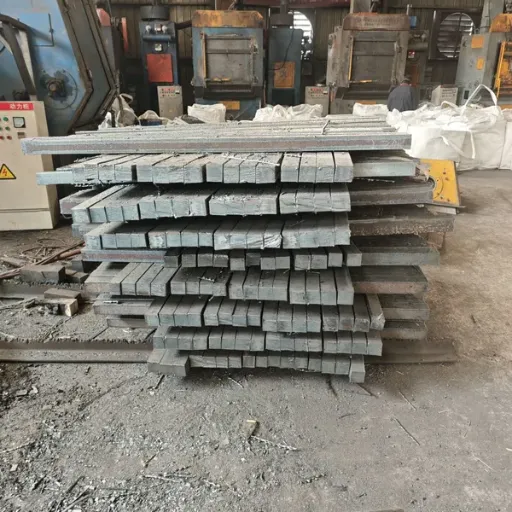
Even the highest-grade soft magnetic alloy underperforms if processing introduces stress, contamination, or dimensional inconsistency.
Annealing and Stress Relief
Cold working, stamping, and machining disrupt the crystalline structure that gives soft magnetic materials their low coercivity. A controlled hydrogen annealing cycle after forming restores optimal magnetic properties by relieving internal stresses and promoting beneficial grain growth. Manufacturers should plan annealing into their process flow rather than treating it as an afterthought.
Lamination Thickness and Stacking Factor
Thinner laminations reduce eddy current losses but increase manufacturing complexity and cost. Transformer designers typically select 0.23mm to 0.35mm silicon steel for premium efficiency units, while motor manufacturers may accept 0.50mm to reduce stamping die wear and improve throughput. Pure iron sheets down to 0.3mm serve relay and small transformer applications where maximum response speed matters.
Surface Quality and Insulation Coatings
Interlaminar insulation prevents eddy currents from circulating across lamination stacks. Modern coatings add micrometers-thin insulating layers without significantly increasing stack thickness or reducing thermal conductivity. Pure iron suppliers increasingly offer pre-coated strips that arrive ready for immediate stacking and core assembly.
Precision Cutting and Slitting
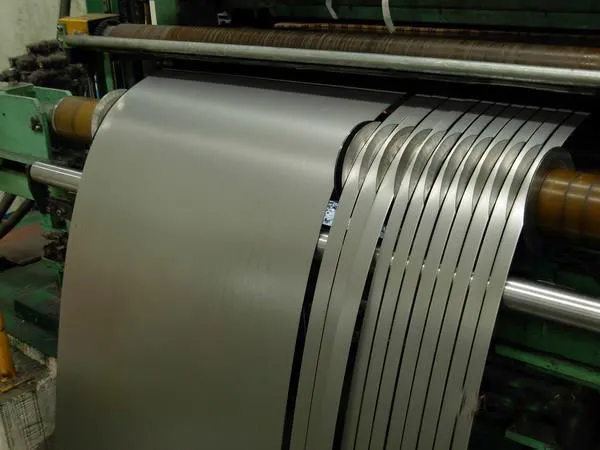
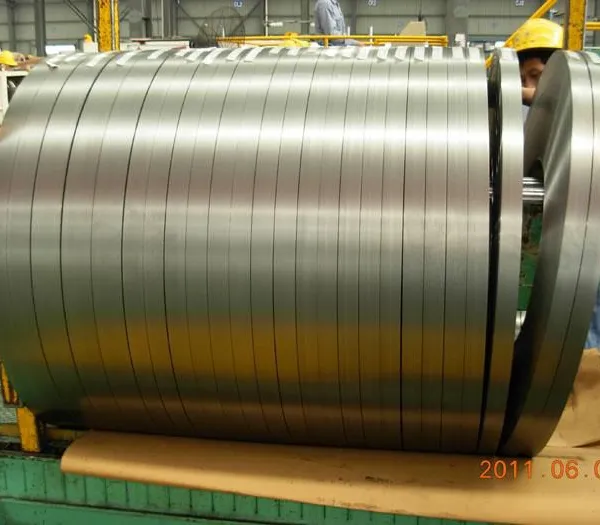
Custom-width slit coils and cut-to-length bars reduce scrap and eliminate secondary processing at the manufacturer facility. Precision slitting of cold-rolled electromagnetic pure iron coils to exact stamping-line widths ensures consistent feed characteristics and minimizes edge burr that can short adjacent laminations.
When Liu Mei, production manager at a Zhejiang relay manufacturer, transitioned from standard mill-width coils to precision-slit pure iron strips matched to her progressive dies, she eliminated a slitting bottleneck that had constrained output for two years. Material utilization improved by 12%, and die maintenance intervals extended because clean edges reduced impact loading.
Conclusion
Soft magnetic alloys form the invisible backbone of efficient electrical systems. From the transformers stepping voltage across continents to the traction motors propelling electric vehicles, these materials determine how much energy reaches its intended destination versus dissipating as waste heat.
Your key takeaways:
Magnetic permeability, coercivity, saturation induction, and resistivity interact to define real-world performance. No single property tells the complete story.
Electromagnetic pure iron offers unmatched permeability and saturation for DC and low-frequency applications, with grades like DT4C providing verified ultra-low carbon content for maximum efficiency.
Silicon steel, nickel-iron alloys, and cobalt-iron alloys each occupy specific niches where their distinct property profiles justify their cost premiums.
Application requirements including frequency, flux density, temperature, and mechanical constraints should drive material selection, not habit or supplier familiarity.
Processing quality including annealing, slitting precision, and surface finish directly impacts whether premium materials deliver premium results.
The manufacturers gaining competitive advantage in 2026 and beyond are those treating magnetic material selection as a strategic engineering decision rather than a routine procurement task. Whether you are optimizing transformer cores, prototyping EV motors, or scaling relay production, the right soft magnetic alloy paired with precision processing transforms component performance.
Ready to upgrade your magnetic materials? Contact our engineering team to discuss your specific application requirements, request samples of our DT4C electromagnetic pure iron, or receive a custom quote for precision-processed soft magnetic materials delivered to your specifications.
Recently Posted
-
Shanxi Jurun Technology: Your Electromagnetic Pure Iron Partner from Taiyuan, China's Pure Iron Prod
August 14, 2026When an international buyer searches for electromagnetic pure iron, they are not just looking for a material. They are looking for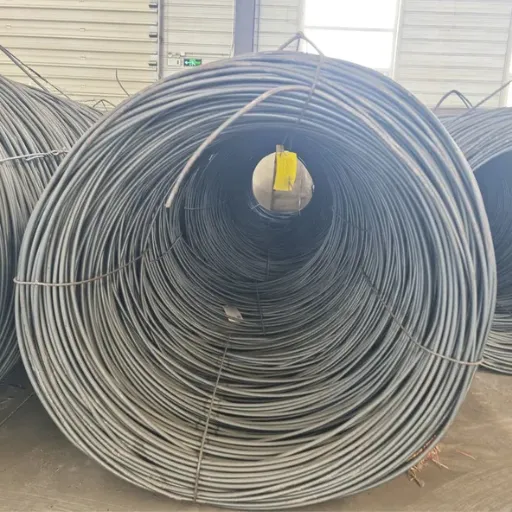 Read More
 -
Cold Drawing Process for Electromagnetic Pure Iron Wire: How Wire Rod Becomes Precision Cold-Drawn W
August 13, 2026Not long ago, a solenoid valve manufacturer in Italy received a shipment of 5.5 mm electromagnetic pure iron cold-drawn wire inten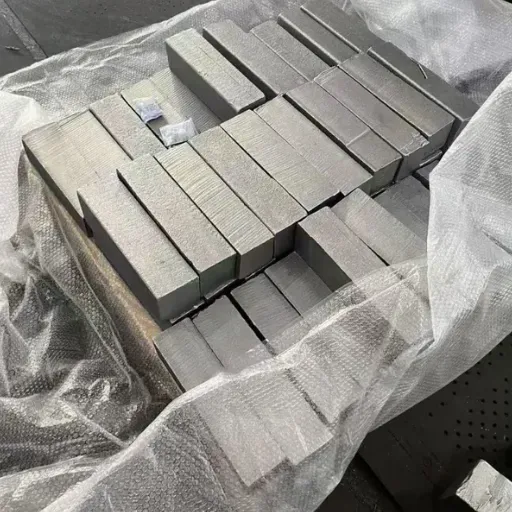 Read More
 -
How to Choose a Food Vacuum Sealer Supplier in China: 8 Evaluation Criteria
August 13, 2026An e-commerce brand owner in the UK contacted us some time ago after a supplier relationship fell apart. They had sourced roughly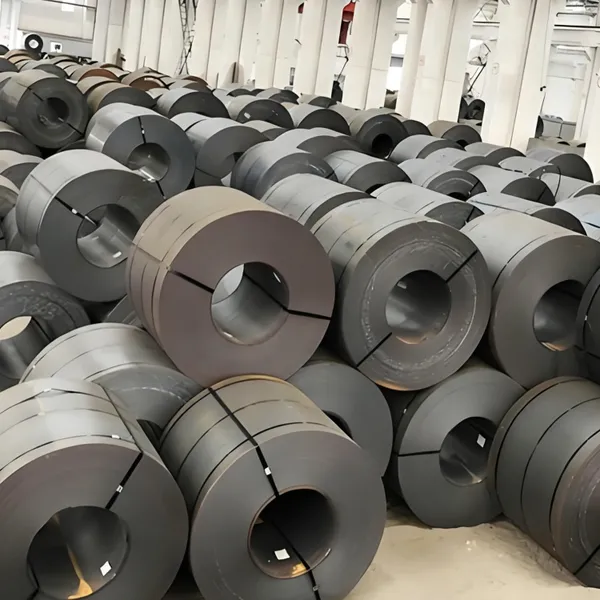 Read More
 -
Electromagnetic Pure Iron for Relay Manufacturing: Material Requirements, Grade Selection, and Case
August 13, 2026Some time ago, a relay production line in Zhejiang province began experiencing a puzzling failure pattern. Roughly 3 out of every
Read More

Contact Us
Recommended Products
-
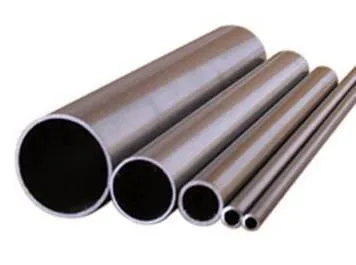
 Seamless Tube With Good Cold Electrical Pure Iron Fittings Hot Workability for Forming Fittings and ConduitsNegotiableMOQ: 1 Ton
 -
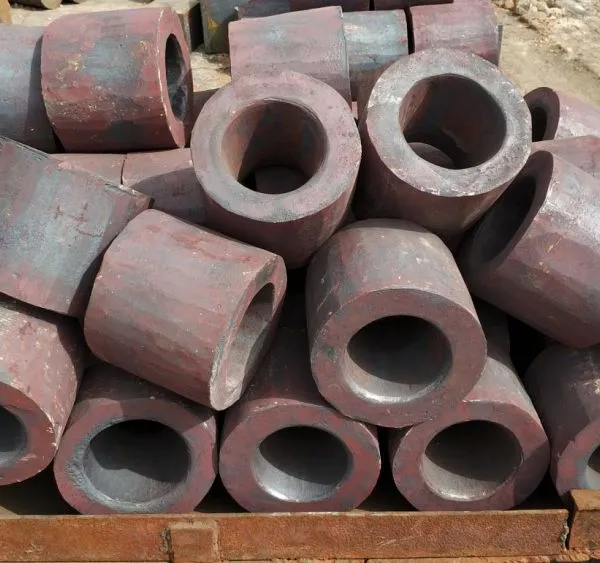
Electromagnetic Pure Iron Forging for Automotive Sensor ManufacturingNegotiableMOQ: 100 Kilograms
-
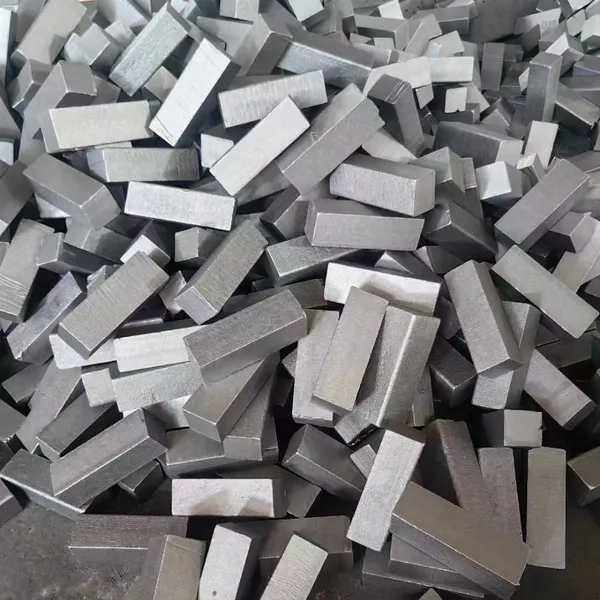
Precision Cut Pure Iron Square Bar High Saturation Induction Raw Material for Generator and RotorNegotiableMOQ: 100 Kilograms
-
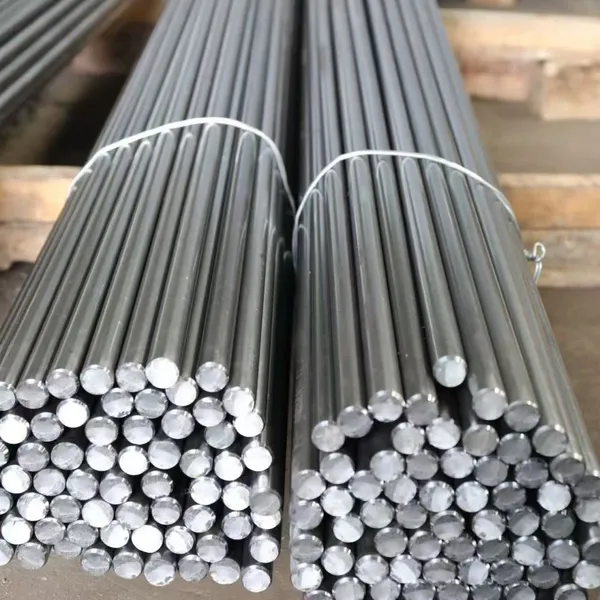
DT4C Super Grade Electromagnetic Pure Iron Bright Bar With Bundle Weight 30-100kg for Easy TransportationNegotiableMOQ: 1 Ton
-
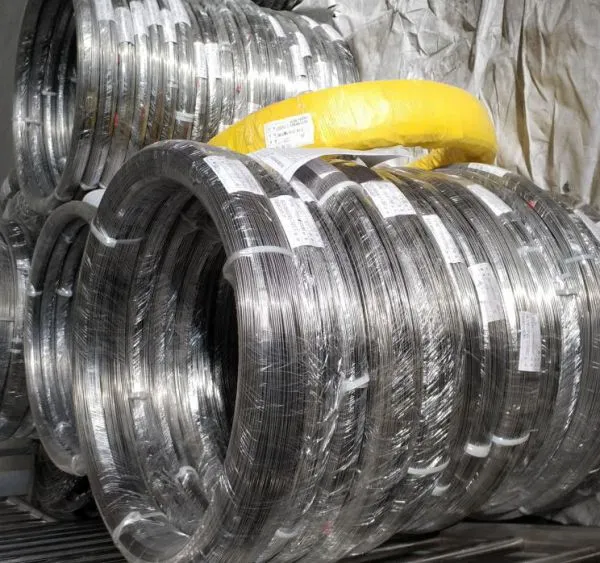
DT4C Electromagnetic Pure Iron Cold-Drawn Wire 0.5mm-6.0mm Diameter for TransformersNegotiableMOQ: 100 Kilograms
-
Industrial Pure Iron Bar for Electromagnetic Relay and Sensor ProductionNegotiableMOQ: 1 Ton
-
Electromagnetic Pure Iron Thin Sheet 0.3mm-0.8mm for Solenoid and Relay ManufacturingNegotiableMOQ: 500 Kilograms
-
Electrical Pure Iron Hot-Rolled Coil for Magnetic Components With Low Iron LossNegotiableMOQ: 1 Ton
-
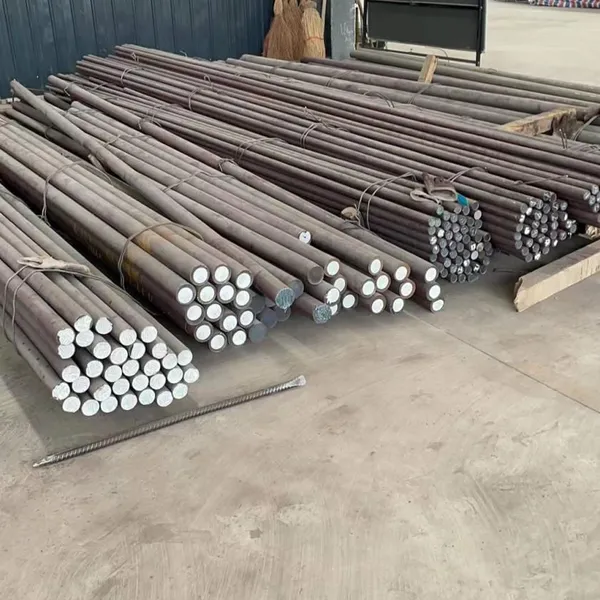
Low Carbon DT4C Pure Iron Round Bar With 99.8% Fe Content for Electrical ApplicationsNegotiableMOQ: 1 Ton
-
Cold Rolled Pure Iron Slit Coil DT4C Grade Ultra Low Carbon ≤0.004% for Magnetic ComponentsNegotiableMOQ: 1 Ton
-
Low Iron Loss Electromagnetic Pure Iron Hot-Rolled Coil DT4C for Transformer CoresNegotiableMOQ: 1 Ton
-
Soft Magnetic Pure Iron Sheet With Minimum Iron Loss for High-Efficiency MotorsNegotiableMOQ: 1 Ton
-
Electromagnetic Pure Iron Cold Rolled Coil DT4C for High Magnetic Permeability ApplicationsNegotiableMOQ: 1 Ton
-
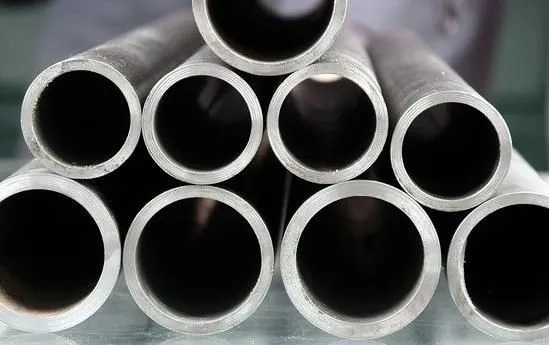
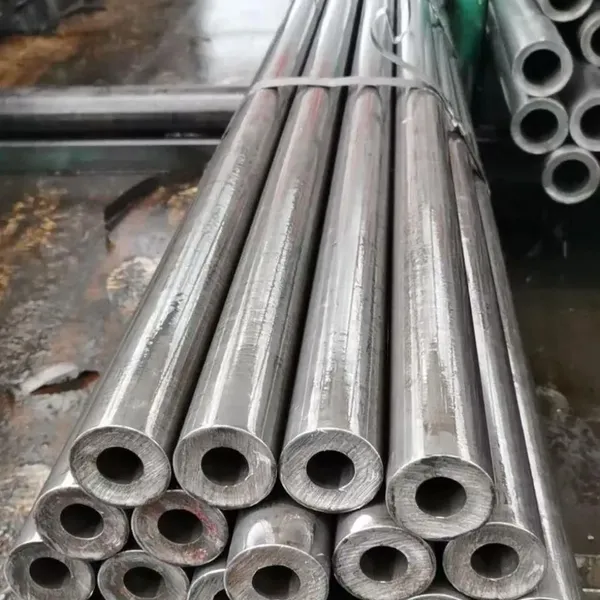
Industrial Pure Iron Tube Superior Surface Quality Electromagnetic Pure Iron Tube for Welding and Plating ProcessesNegotiableMOQ: 1 Ton
-
DT4 Seamless Pure Iron Tubing for High-Performance Electrical Equipment ApplicationsNegotiableMOQ: 1 Ton
-
DT4C Iron Wire Rod for Precision Magnetic Shielding ApplicationsNegotiableMOQ: 100 Kilograms
-
Industrial Pure Iron Fittings DT4 Pure Iron Seamless Tube With Low Hysteresis Loss for Electromagnetic SystemsNegotiableMOQ: 1 Ton
-
DT4C Cold Rolled Coil Slitting for Electrical Enclosure ManufacturingNegotiableMOQ: 1 Ton
-
Anti Rust Coated Pure Iron Square Bar Low Carbon Raw Material for Welding and Forging Magnetic PartsNegotiableMOQ: 100 Kilograms
-
DT4 Pure Iron Cold-Drawn Wire 0.5mm-6.0mm Diameter for Precision EngineeringNegotiableMOQ: 500 Kilograms