
 Business License

Ferromagnetic Materials: A Complete Guide for Industrial Applications
When Liu Wei's engineering team in Shenzhen noticed their new transformer prototypes running 15% hotter than spec, they suspected the cooling system. Three weeks and nearly $8,000 in thermal testing later, the real culprit emerged. The core material's magnetic permeability was nearly 20% below what the supplier's datasheet promised. Switching to a premium DT4C electromagnetic pure iron eliminated the thermal issue entirely and boosted efficiency by 8%.
If you work in electrical manufacturing, you already know that material selection can make or break product performance. You have probably faced pressure to cut costs on raw materials, only to discover hidden expenses in scrap, rework, or warranty claims down the line.
In this guide, you will learn exactly what ferromagnetic materials are, which properties determine real-world performance, and how to match the right material to your application. We will explore the differences between common soft magnetic materials, examine industrial use cases from power transformers to automotive sensors, and explain why high-purity grades like DT4C outperform standard alternatives. Whether you are sourcing materials for transformers, relays, or precision-machined components, this article will help you make informed decisions that protect your margins and your reputation.
What Are Ferromagnetic Materials?

Ferromagnetic materials are substances that exhibit strong magnetic properties in the presence of an external magnetic field and can retain magnetization after the field is removed. Iron, nickel, cobalt, and certain rare-earth alloys all fall into this category. Unlike paramagnetic or diamagnetic materials, ferromagnets contain magnetic domains that align under an applied field, producing a net magnetization far stronger than the applied field alone.
In industrial contexts, engineers rarely work with ferromagnetic materials in the abstract. They work with specific grades engineered for particular behaviors. Soft magnetic materials, for instance, magnetize and demagnetize easily. This makes them ideal for alternating current applications where the magnetic field reverses thousands of times per second. Hard magnetic materials resist demagnetization, which suits permanent magnet applications.
Understanding this distinction matters because choosing the wrong category can destroy product efficiency. A soft magnetic pure iron core in a transformer minimizes hysteresis loss, while a hard magnetic material would waste energy and overheat. For a deeper look at how magnetic materials fit into electrical engineering applications, see our complete selection guide for magnetic materials.
Key Properties That Define Performance
Not all ferromagnetic materials perform equally. Five properties determine whether a material will thrive or fail in your application.
Magnetic Permeability
Magnetic permeability measures how easily a material supports the formation of a magnetic field within it. Higher permeability means the material channels magnetic flux efficiently, which directly impacts the size and efficiency of transformers, motors, and inductors. Industrial pure iron and high-grade silicon steels offer some of the highest permeability values available, making them the default choice for high-performance electromagnetic cores.
Saturation Induction
Every ferromagnetic material has a saturation point where additional external field strength produces no increase in magnetization. Saturation induction, measured in teslas, defines this ceiling. Pure iron reaches saturation at approximately 2.15 teslas, among the highest of any soft magnetic material. Engineers designing compact magnetic components rely on high saturation values to minimize core volume without sacrificing power handling.
Coercivity
Coercivity measures the reverse magnetic field required to demagnetize a material. Soft magnetic materials feature low coercivity, allowing rapid magnetization reversal with minimal energy loss. Low coercivity directly translates to lower hysteresis loss, a critical factor in high-frequency transformers and efficient motor stators.
Iron Loss
Iron loss combines hysteresis loss and eddy current loss into a single performance metric. Hysteresis loss occurs during magnetization cycles, while eddy current loss arises from circulating currents within the core material. Laminated silicon steel and ultra-low carbon pure iron reduce both loss types, enabling the high-efficiency standards modern power systems demand.
Curie Temperature
The Curie temperature marks the threshold above which a ferromagnetic material loses its magnetic properties and becomes paramagnetic. For pure iron, this temperature sits at 770°C. Engineers designing components for high-temperature environments must select materials with Curie points well above operating temperatures.
Types of Ferromagnetic Materials in Modern Industry
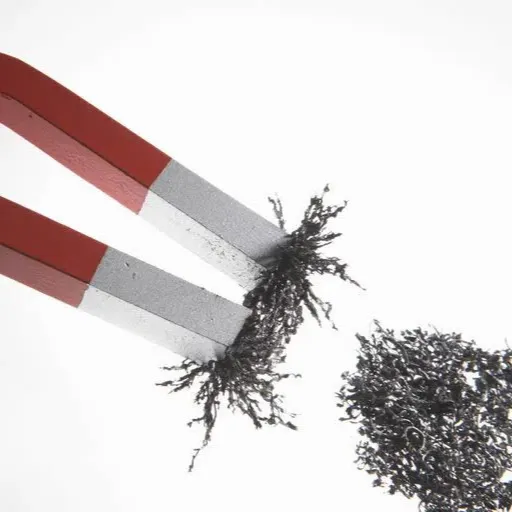
Manufacturers today choose from several families of ferromagnetic materials, each offering distinct trade-offs between cost, performance, and processability.
Iron and Electromagnetic Pure Iron
Industrial pure iron remains the benchmark for soft magnetic applications requiring maximum permeability and minimal coercivity. Grades such as DT4, DT4C, DT8, and DT9 provide progressively refined magnetic properties. DT4C electromagnetic pure iron, with carbon content at or below 0.004%, delivers exceptional magnetic stability for transformer cores and high-sensitivity relays.
Pure iron also machines easily and accepts a variety of surface treatments. This versatility explains its dominance in applications ranging from magnetic shielding to powder metallurgy feedstock.
Silicon Steel
Electrical steel, commonly called silicon steel, contains between 1% and 4% silicon. The silicon content increases electrical resistivity, which suppresses eddy current losses at higher frequencies. Grain-oriented silicon steel dominates power transformer manufacturing, while non-oriented grades serve rotating machinery like motors and generators.
Nickel-Iron Alloys
Alloys such as Permalloy offer extremely high permeability in weak magnetic fields. These materials excel in precision instrumentation, magnetic sensors, and shielding applications where even minute flux variations matter. The trade-off comes in cost and mechanical strength, which limits their use in bulk power applications.
Cobalt Alloys
Cobalt-iron alloys deliver the highest saturation induction of any soft magnetic material, approaching 2.35 teslas. Aerospace and military applications favor these alloys where size and weight constraints outweigh material costs.
Ferrites
Ceramic ferrites provide low-cost, high-resistivity magnetic cores for radio-frequency and switching power supply applications. Their low saturation induction and brittle nature exclude them from heavy industrial power equipment, but they remain essential in consumer electronics.
Industrial Applications and Real-World Performance
Ferromagnetic materials quietly enable nearly every electrical system in modern infrastructure. Here is how they perform across key industries.
Power Transformers and Distribution Systems
Transformer cores rely on laminated silicon steel or high-purity electromagnetic pure iron to channel magnetic flux between primary and secondary windings. The choice of core material directly determines no-load loss, audible hum, and overall efficiency. Modern efficiency regulations in markets worldwide now mandate core materials with ultra-low iron loss, pushing manufacturers toward premium grades.
For a detailed breakdown of how electrical pure iron performs in transformers and motors, explore our guide to electrical pure iron applications in power systems.
Automotive and EV Sensors
The shift toward electric vehicles has intensified demand for precision soft magnetic components. When a Tier 2 supplier in Ningbo began producing position sensors for EV drivetrains, they initially used standard industrial iron. Stator response times varied by 12%, causing erratic sensor readings. After switching to custom-forged electromagnetic pure iron with controlled grain structure, variation dropped below 2%. The material cost increased marginally, but warranty claims fell by nearly 40%.
Electromagnetic Relays and Solenoids
Relays and solenoids require thin, uniform ferromagnetic sheets that stamp cleanly and magnetize instantly. Thickness typically ranges from 0.3mm to 0.8mm for precision relay assemblies. Material consistency matters enormously here. Variations in hardness or thickness create air gaps, slow response times, and generate excess heat during operation.
Motors and Generators
Motor stators and rotors use non-oriented silicon steel or pure iron laminations to create rotating magnetic fields. High saturation induction allows smaller motor packages without sacrificing torque output. Meanwhile, low coercivity reduces energy waste during each rotation cycle, which matters both for industrial efficiency and for battery range in electric vehicles.
Magnetic Shielding
Sensitive electronic equipment requires protection from external magnetic interference. High-permeability ferromagnetic enclosures redirect stray flux around protected components. Pure iron shielding remains the standard for MRI rooms, electron microscopes, and precision measurement instruments.
Ready to optimize your electromagnetic components? Our DT4C electromagnetic pure iron hot-rolled coils and cold-rolled sheets deliver the high magnetic permeability and low iron loss your applications demand. Contact our team to review your specifications.
How to Select the Right Ferromagnetic Material
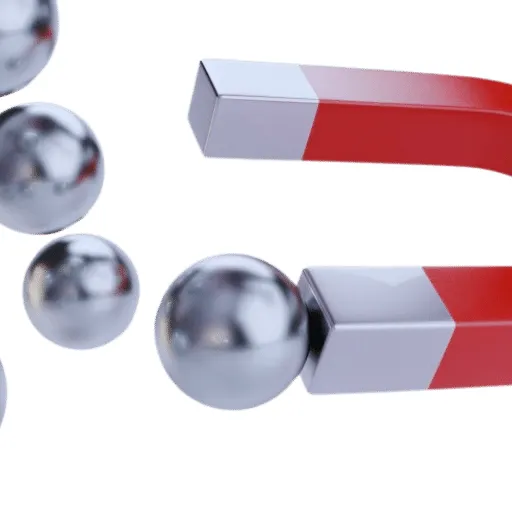
Choosing the correct material requires balancing electrical performance, mechanical requirements, and manufacturing constraints. Use this framework to narrow your options.
Step 1: Define Operating Frequency
Direct current and low-frequency alternating current applications favor pure iron or silicon steel with minimal eddy current loss. As frequency rises into the kilohertz range, resistivity becomes more important. Laminated cores or powdered materials often replace solid metal to break up eddy current paths.
Step 2: Match Saturation Requirements
High-power transformers and heavy motor cores need materials with saturation induction above 2.0 teslas. Pure iron and cobalt alloys satisfy this requirement. Low-power signal transformers and sensors can use nickel-iron alloys or lower-saturation materials where permeability matters more than flux capacity.
Step 3: Evaluate Mechanical and Form Factors
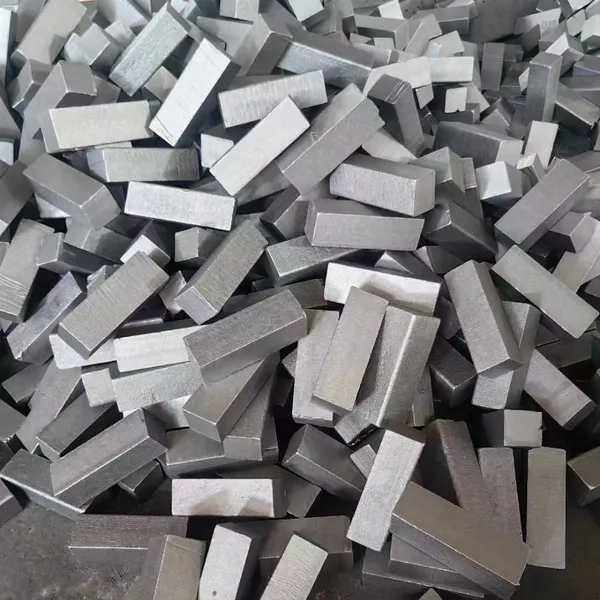
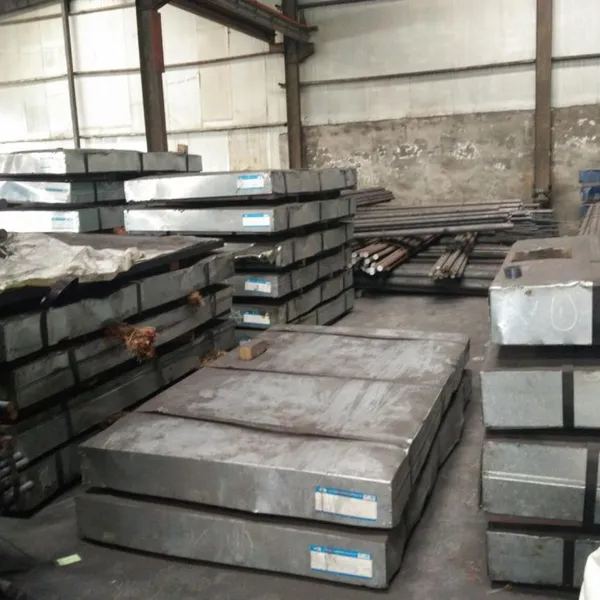
Your manufacturing process dictates material form. Stamping operations need slit coils with precise thickness tolerance. CNC machining requires straight bars or square bars with consistent density and no hard spots. Forging applications need hot-rolled billets with uniform grain structure.
Consider the experience of a precision engineering shop in Dongguan. They machined relay cores from standard round bar stock, but inconsistent material density caused tool chatter and premature insert wear. After switching to cold-drawn pure iron square bars with verified uniformity, tool life doubled and surface finish improved from Ra 3.2 to Ra 1.6. The material arrived cut to length, eliminating preparation time entirely.
Step 4: Verify Grade Specifications
Not all pure iron is created equal. The DT series offers clear gradations:
DT4: Standard electromagnetic pure iron suitable for general applications
DT4C: Ultra-low carbon grade with superior magnetic permeability and minimal iron loss
DT8: High-performance grade for demanding magnetic circuits
DT9: High-density variant for specialized industrial uses
Always request certified mill test reports verifying carbon content, magnetic properties, and dimensional tolerance before committing to bulk orders.
Not sure which grade fits your project? Our engineering team can help you match the right DT grade to your application. Request a custom quote with your technical requirements today.
Processing Ferromagnetic Materials for Precision Manufacturing
Raw ferromagnetic materials rarely reach production lines in their as-delivered state. Most manufacturers require some degree of processing to integrate materials efficiently.
Slitting and Coil Processing
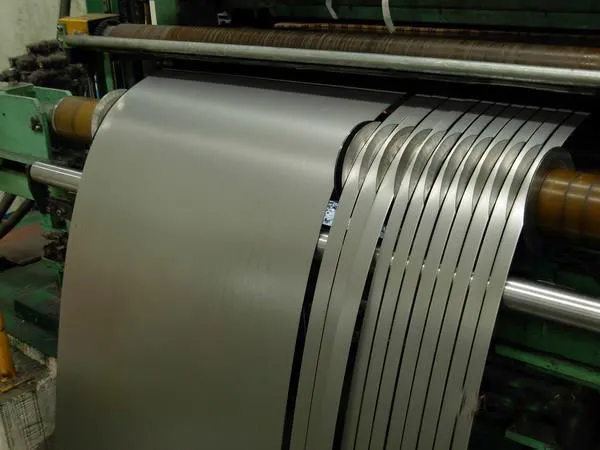
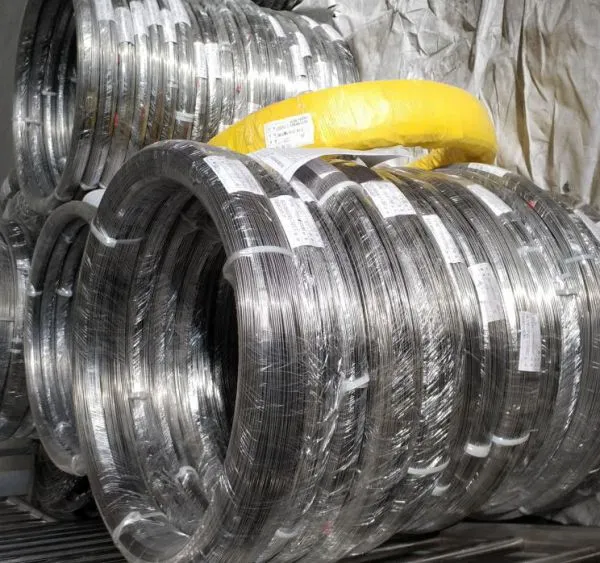
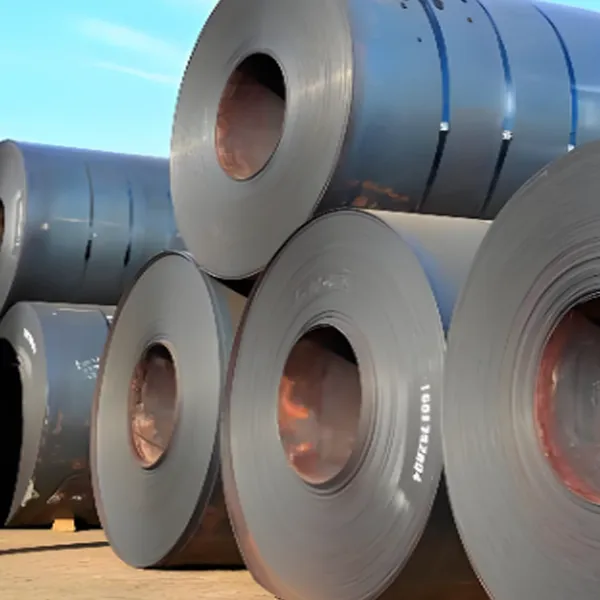
Cold-rolled coils often arrive in standard widths that do not match stamping press requirements. Precision slitting cuts master coils to custom widths while maintaining edge quality and flatness. Poor slitting introduces burrs and camber that jam automated feeders and create gaps in laminated stacks.
Bar and Rod Processing
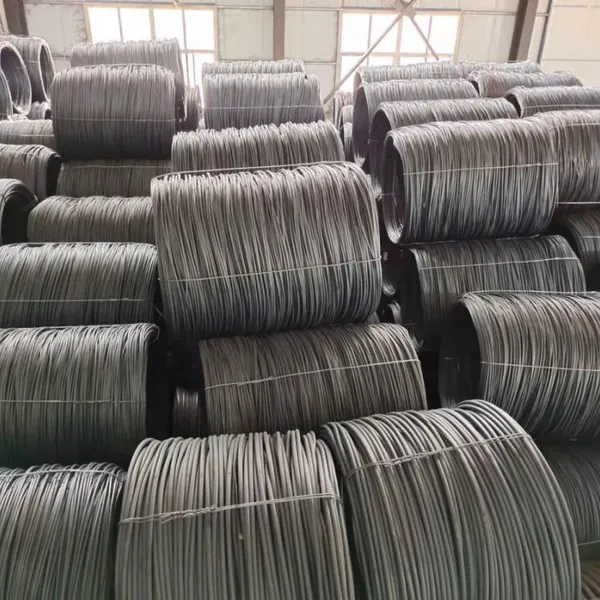
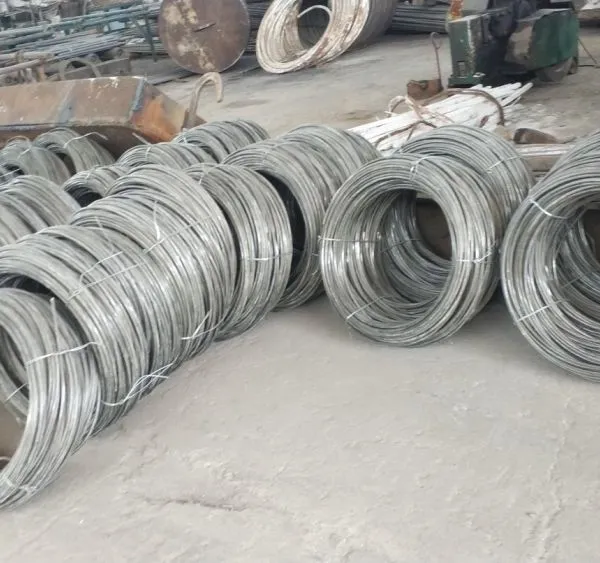
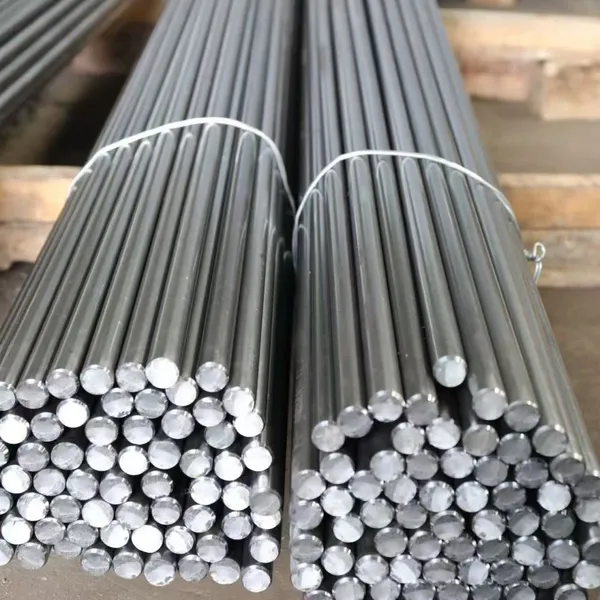
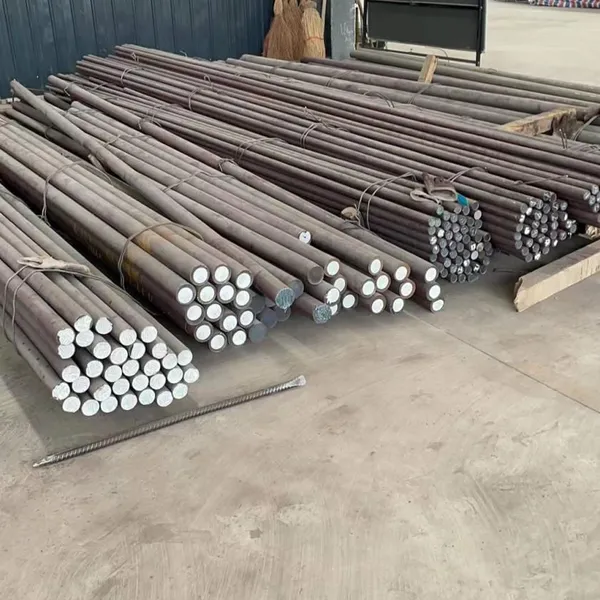
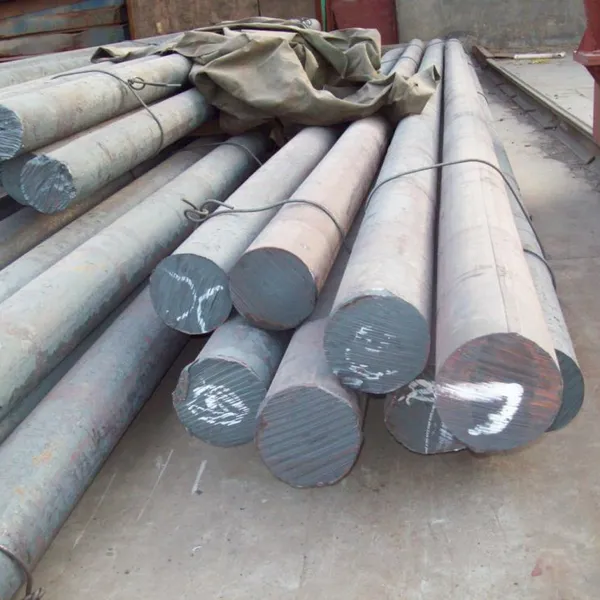
Hot-rolled wire rods require straightening before CNC machining or automatic turning. Cold drawing improves dimensional precision and surface finish while increasing yield strength slightly. For applications demanding exact lengths, cut-to-length services eliminate sawing waste and reduce in-house preparation time.
Custom Machining and Casting
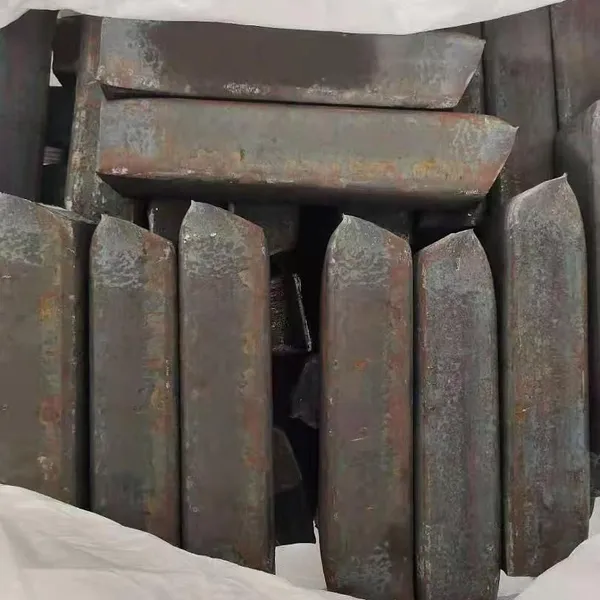
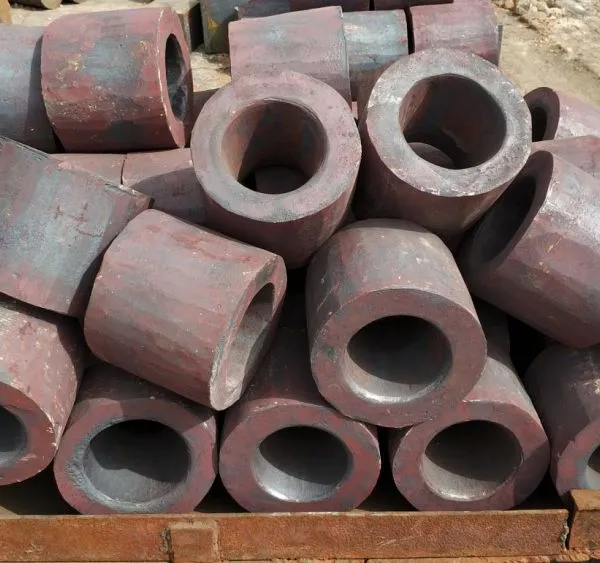
Some components require shapes that cannot be achieved through standard rolling or drawing. Turning, milling, and custom casting produce forged rounds, special profiles, and near-net-shape components. These services prove especially valuable during prototyping, when design changes demand rapid turnaround on small batch sizes.
Conclusion
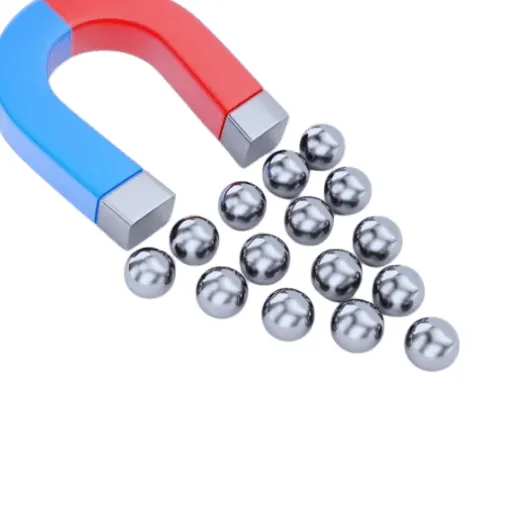
Ferromagnetic materials form the invisible backbone of modern electrical infrastructure. From the transformer stepping down voltage in your facility to the sensor monitoring motor position in an electric vehicle, these materials determine efficiency, reliability, and cost.
Remember the fundamentals. Soft magnetic materials like high-purity pure iron and silicon steel dominate applications requiring rapid magnetization cycling. Key properties including permeability, saturation induction, coercivity, and iron loss dictate real-world performance. Selecting the right grade, whether DT4C for high-efficiency transformers or cold-drawn bar for precision machining, protects both product quality and your bottom line.
As demand grows for efficient power systems and compact electromagnetic components, the margin between standard materials and premium grades continues to widen. Investing in verified, high-specification ferromagnetic materials today prevents costly redesigns tomorrow.
Ready to source premium ferromagnetic materials for your next project? Contact Shanxi Jurun Technology Co., Ltd. to discuss your specifications, request material certifications, or order a sample batch of our precision-processed pure iron products. Our team in Taiyuan is standing by to deliver the high-performance materials your applications require.
Recently Posted
-
Industrial Pure Iron vs. Armco Iron: Terminology, History, and Modern Equivalents
September 2, 2026Not long ago, a European motor manufacturer opened an aging drawing for a magnetic shielding housing and found the material callou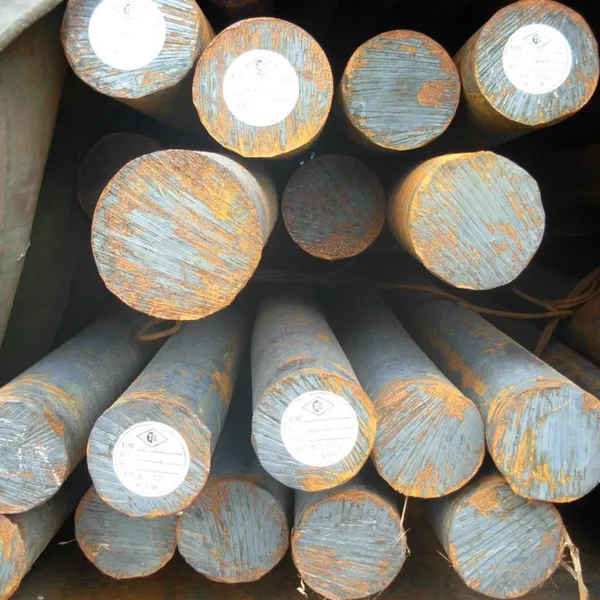 Read More
 -
Shanxi Jurun Technology: Your Electromagnetic Pure Iron Partner from Taiyuan, China's Pure Iron Prod
August 14, 2026When an international buyer searches for electromagnetic pure iron, they are not just looking for a material. They are looking for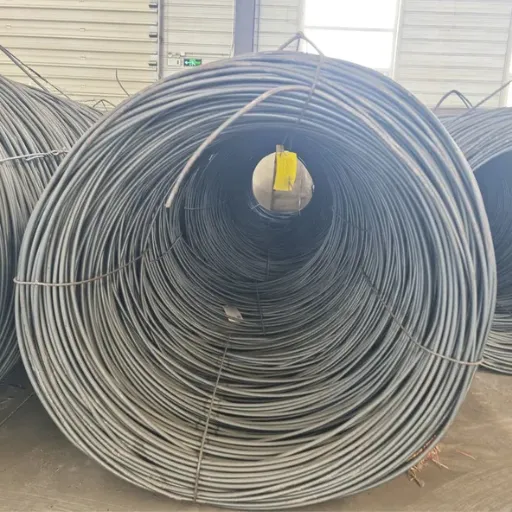 Read More
 -
Cold Drawing Process for Electromagnetic Pure Iron Wire: How Wire Rod Becomes Precision Cold-Drawn W
August 13, 2026Not long ago, a solenoid valve manufacturer in Italy received a shipment of 5.5 mm electromagnetic pure iron cold-drawn wire inten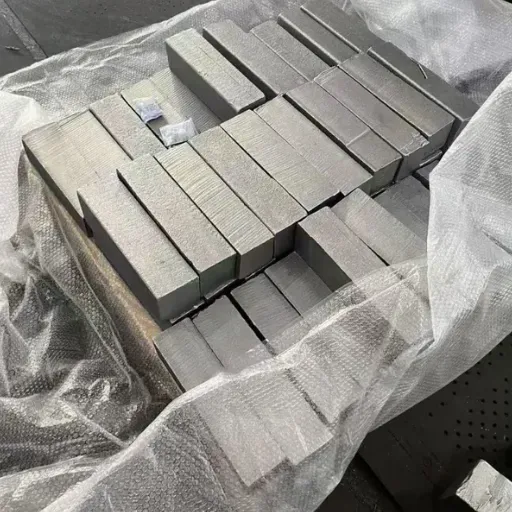 Read More
 -
How to Choose a Food Vacuum Sealer Supplier in China: 8 Evaluation Criteria
August 13, 2026An e-commerce brand owner in the UK contacted us some time ago after a supplier relationship fell apart. They had sourced roughly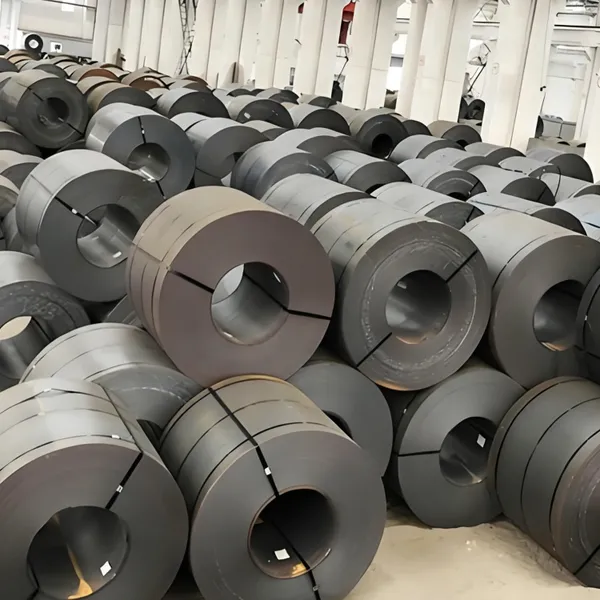 Read More

Contact Us
Recommended Products
-
 Seamless Tube With Good Cold Electrical Pure Iron Fittings Hot Workability for Forming Fittings and ConduitsNegotiableMOQ: 1 Ton
 -
Electromagnetic Pure Iron Forging for Automotive Sensor ManufacturingNegotiableMOQ: 100 Kilograms
-
Precision Cut Pure Iron Square Bar High Saturation Induction Raw Material for Generator and RotorNegotiableMOQ: 100 Kilograms
-
DT4C Super Grade Electromagnetic Pure Iron Bright Bar With Bundle Weight 30-100kg for Easy TransportationNegotiableMOQ: 1 Ton
-
DT4C Electromagnetic Pure Iron Cold-Drawn Wire 0.5mm-6.0mm Diameter for TransformersNegotiableMOQ: 100 Kilograms
-
Industrial Pure Iron Bar for Electromagnetic Relay and Sensor ProductionNegotiableMOQ: 1 Ton
-
Electromagnetic Pure Iron Thin Sheet 0.3mm-0.8mm for Solenoid and Relay ManufacturingNegotiableMOQ: 500 Kilograms
-
Electrical Pure Iron Hot-Rolled Coil for Magnetic Components With Low Iron LossNegotiableMOQ: 1 Ton
-
Low Carbon DT4C Pure Iron Round Bar With 99.8% Fe Content for Electrical ApplicationsNegotiableMOQ: 1 Ton
-
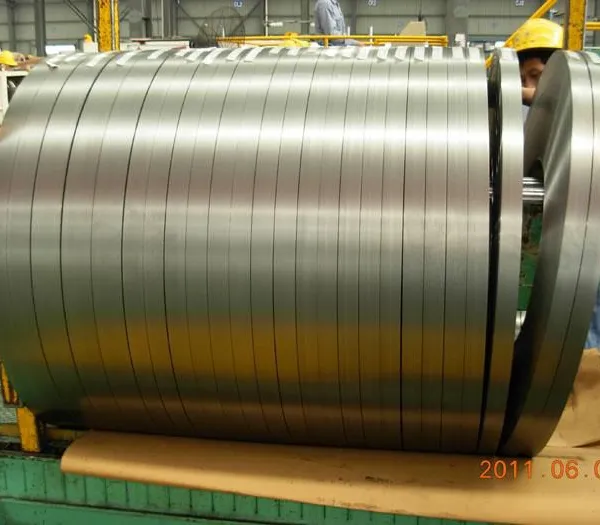
Cold Rolled Pure Iron Slit Coil DT4C Grade Ultra Low Carbon ≤0.004% for Magnetic ComponentsNegotiableMOQ: 1 Ton
-
Low Iron Loss Electromagnetic Pure Iron Hot-Rolled Coil DT4C for Transformer CoresNegotiableMOQ: 1 Ton
-
Soft Magnetic Pure Iron Sheet With Minimum Iron Loss for High-Efficiency MotorsNegotiableMOQ: 1 Ton
-
Electromagnetic Pure Iron Cold Rolled Coil DT4C for High Magnetic Permeability ApplicationsNegotiableMOQ: 1 Ton
-
Industrial Pure Iron Tube Superior Surface Quality Electromagnetic Pure Iron Tube for Welding and Plating ProcessesNegotiableMOQ: 1 Ton
-
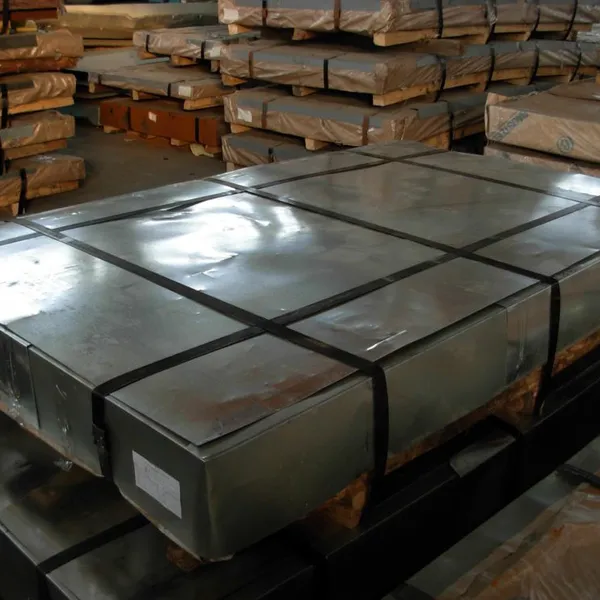
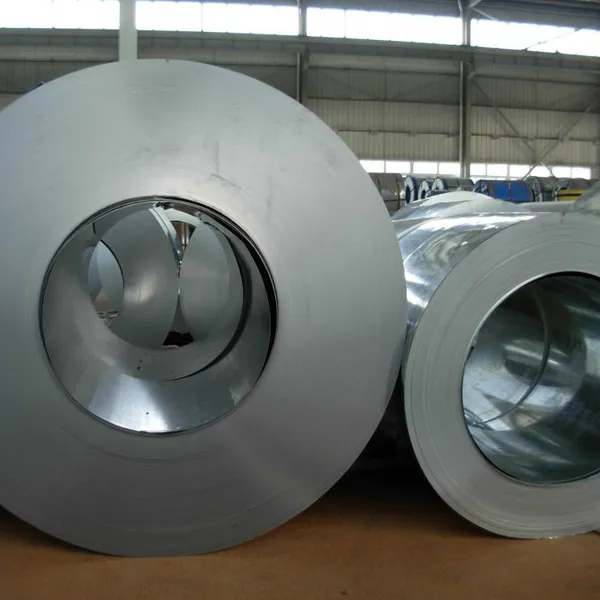
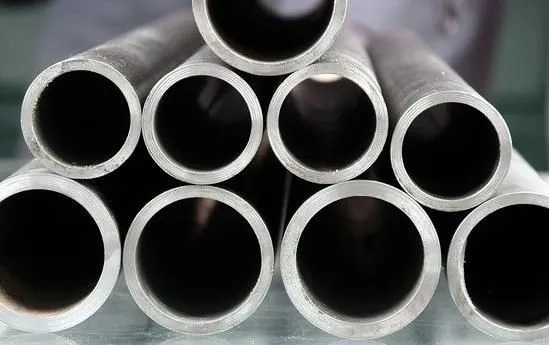
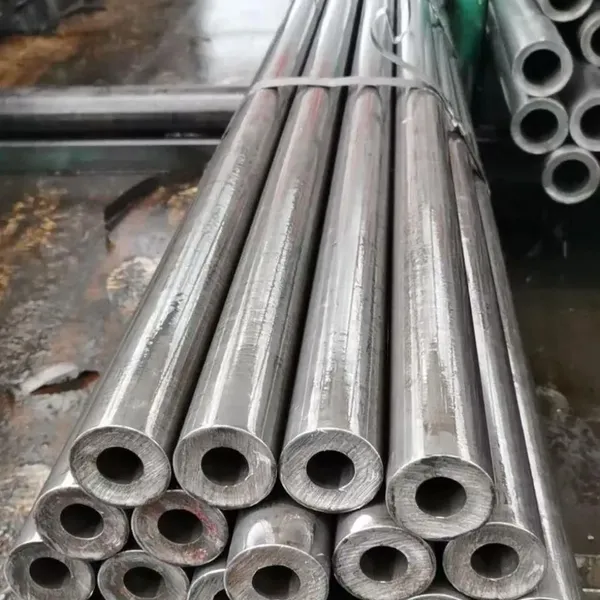
DT4 Seamless Pure Iron Tubing for High-Performance Electrical Equipment ApplicationsNegotiableMOQ: 1 Ton
-
DT4C Iron Wire Rod for Precision Magnetic Shielding ApplicationsNegotiableMOQ: 100 Kilograms
-
Industrial Pure Iron Fittings DT4 Pure Iron Seamless Tube With Low Hysteresis Loss for Electromagnetic SystemsNegotiableMOQ: 1 Ton
-
DT4C Cold Rolled Coil Slitting for Electrical Enclosure ManufacturingNegotiableMOQ: 1 Ton
-
Anti Rust Coated Pure Iron Square Bar Low Carbon Raw Material for Welding and Forging Magnetic PartsNegotiableMOQ: 100 Kilograms
-
DT4 Pure Iron Cold-Drawn Wire 0.5mm-6.0mm Diameter for Precision EngineeringNegotiableMOQ: 500 Kilograms