
 Business License

Soft Magnetic Materials Examples: A Complete Guide for Engineers and Manufacturers
When the engineering team at Precision Power Systems sat down to redesign their transformer line in early 2025, they assumed the material choice was straightforward. Six months and three prototype failures later, they discovered that selecting the wrong soft magnetic material had cost them nearly $180,000 in scrap, delayed their product launch, and nearly cost them a major European distribution contract. The root cause? They had treated all soft magnetic materials as interchangeable when, in reality, the differences between grades can determine whether your electromagnetic component performs flawlessly or fails under load.
If you design transformers, motors, relays, or any electromagnetic device, you already know that material selection sits at the core of your product's performance. Magnetic permeability, coercivity, iron loss, and saturation induction are not abstract specifications on a datasheet. They directly dictate efficiency, heat generation, size constraints, and ultimately, whether your design meets regulatory standards. Yet too many engineers and procurement teams rely on generic material categories without understanding the specific soft magnetic materials examples available to them.
This guide delivers a comprehensive overview of the most important soft magnetic materials examples used in modern industry. You will learn the distinct properties, applications, and selection criteria for each material family. More importantly, you will understand how to match the right material to your specific manufacturing process and end-use requirements.
What Are Soft Magnetic Materials?

Soft magnetic materials are ferromagnetic substances that magnetize strongly under an external magnetic field but retain almost no residual magnetism once that field is removed. This low coercivity and high magnetic permeability make them indispensable for applications involving alternating magnetic fields, where the material must cycle between magnetized and demagnetized states thousands of times per second.
The "soft" designation contrasts these materials with hard magnetic materials, or permanent magnets, which retain magnetization after the external field disappears. In electrical engineering, soft magnetic materials form the backbone of transformer cores, motor stators and rotors, solenoid plungers, relay yokes, magnetic shields, and inductor cores.
When evaluating soft magnetic materials examples, engineers typically prioritize four properties:
High magnetic permeability: The material must amplify the magnetic flux generated by the exciting current, allowing compact component design.
Low coercivity: Minimal energy should be required to reverse the magnetization direction, reducing hysteresis loss.
Low iron loss: The sum of hysteresis loss and eddy current loss must remain minimal at operating frequencies to prevent overheating and energy waste.
High saturation induction: The material should accommodate high flux densities before saturating, enabling higher power throughput in smaller volumes.
No single material optimizes all four properties simultaneously. Trade-offs exist between cost, processing complexity, and performance at different frequencies. Understanding these trade-offs is what separates efficient designs from compromised ones.
Common Soft Magnetic Materials Examples
The industrial landscape offers a broad spectrum of soft magnetic materials examples, each engineered for specific frequency ranges, flux densities, and manufacturing methods. Below are the primary categories that dominate modern electromagnetic component production.
Electromagnetic Pure Iron and Industrial Pure Iron
Electromagnetic pure iron represents one of the most fundamental and widely used soft magnetic materials examples in industrial manufacturing. With carbon content typically at or below 0.004%, grades such as DT4C deliver exceptionally high magnetic permeability and ultra-low coercivity, making them ideal for direct-current and low-frequency alternating-current applications.
In China, the DT series classification organizes electromagnetic pure iron by purity and magnetic performance. DT4 serves as the baseline industrial grade, while DT4C offers enhanced magnetic properties with stricter control over impurities such as carbon, sulfur, and phosphorus. For applications demanding even higher density and performance, DT8 and DT9 grades provide specialized solutions for precision components.
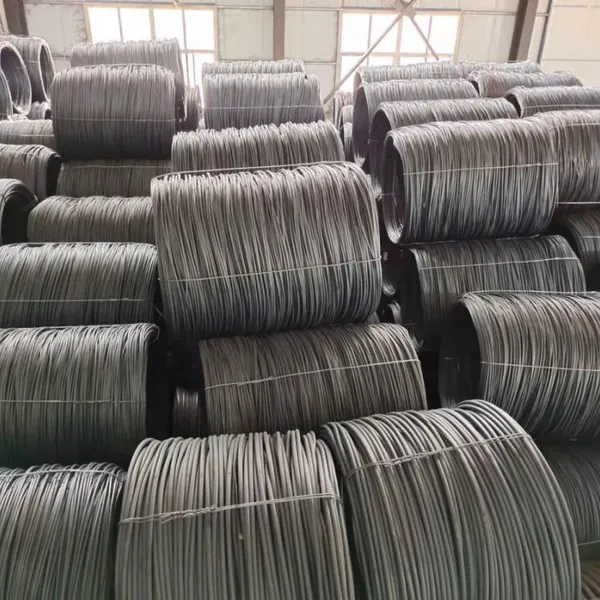
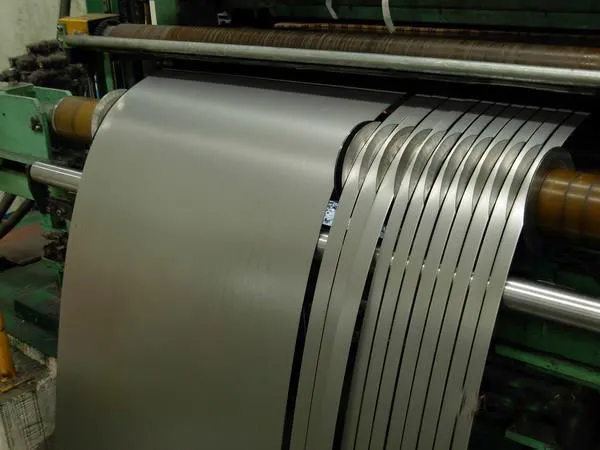
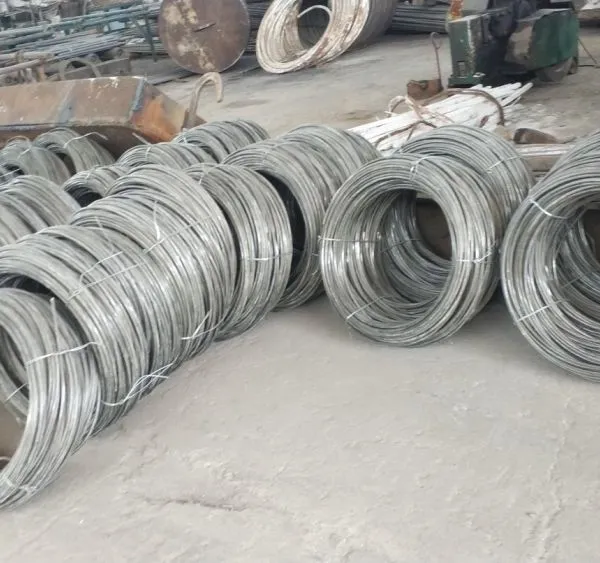
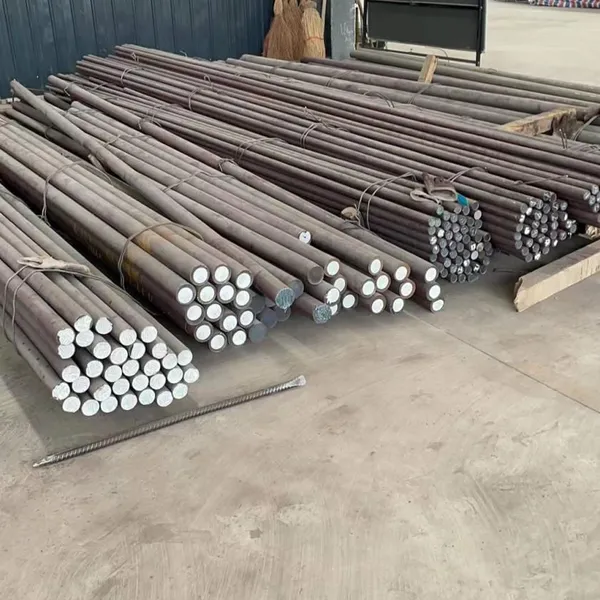
Manufacturers like Shanxi Jurun Technology Co., Ltd. supply electromagnetic pure iron in multiple forms to accommodate diverse production workflows. Hot-rolled coils suit high-volume transformer core manufacturing, while cold-rolled thin sheets in the 0.3mm to 0.8mm range feed directly into stamping lines for relay laminations and solenoid housings. Cold-drawn wire and precision-cut bars support CNC machining operations for custom electromagnetic components.
Pure iron excels in applications where maximum permeability matters more than high-frequency performance. Transformer cores, magnetic shielding enclosures, and high-performance solenoids all benefit from the material's ability to conduct magnetic flux with minimal resistance. However, pure iron exhibits higher eddy current losses than silicon steel at elevated frequencies, so engineers must match the material to the operating frequency of the final component.
Silicon Steel (Electrical Steel)
Silicon steel, also known as electrical steel, ranks among the most consumed soft magnetic materials examples globally. By alloying iron with silicon in concentrations typically ranging from 1% to 4.5%, manufacturers increase electrical resistivity and dramatically reduce eddy current losses compared to unalloyed pure iron.
Two main categories dominate the market: grain-oriented silicon steel and non-grain-oriented silicon steel. Grain-oriented grades, with their crystalline structure aligned along specific directions, deliver superior magnetic properties when the flux path follows the rolling direction. Power transformer cores almost exclusively use grain-oriented silicon steel because the predictable, unidirectional magnetic path exploits this anisotropy.
Non-grain-oriented silicon steel offers more uniform magnetic properties in all directions, making it the preferred choice for rotating machinery such as motors and generators where the magnetic field constantly changes direction. The trade-off comes in slightly lower permeability and higher core losses compared to grain-oriented alternatives.
For manufacturers designing high-efficiency motors or compact transformers, silicon steel laminations provide an excellent balance of performance and cost. The material's widespread availability and mature processing infrastructure make it a safe default choice for many commercial applications.
Nickel-Iron Alloys (Permalloy)
Nickel-iron alloys, commonly known by trade names such as Permalloy and Mu-metal, represent premium soft magnetic materials examples engineered for maximum permeability in weak-field applications. With nickel content ranging from roughly 45% to 80%, these alloys achieve permeability values orders of magnitude higher than silicon steel or pure iron.
Mu-metal, containing approximately 75% nickel with small additions of copper and molybdenum, offers the highest initial permeability of any commercially available alloy. This makes it indispensable for magnetic shielding applications where even minute stray fields must be excluded from sensitive instrumentation. Medical imaging equipment, aerospace sensors, and precision laboratory instruments routinely incorporate Mu-metal shields.
The primary drawback of nickel-iron alloys lies in cost and processing complexity. Nickel prices fluctuate significantly, and the alloys require careful heat treatment in hydrogen atmospheres to develop their full magnetic properties. For high-volume, cost-sensitive applications such as standard power transformers, nickel-iron alloys rarely compete with silicon steel or pure iron on economic grounds.
Cobalt-Iron Alloys
Cobalt-iron alloys occupy a specialized niche among soft magnetic materials examples where both high saturation induction and reasonable permeability matter. With cobalt content typically around 50%, these alloys achieve saturation flux densities approaching 2.4 Tesla, significantly higher than silicon steel or nickel-iron alternatives.
The aerospace and defense industries favor cobalt-iron alloys for applications such as aircraft generators, radar components, and high-performance actuators where minimizing component weight and volume takes priority over material cost. The higher saturation induction allows designers to reduce core cross-sectional area while maintaining power handling capability.
Cobalt-iron alloys also maintain their magnetic properties across wider temperature ranges than many alternatives, an essential characteristic for military and space applications subject to extreme thermal cycling. Like nickel-iron alloys, however, cobalt content drives material costs upward, limiting adoption in commercial and consumer products.
Soft Ferrites
Soft ferrites are ceramic compounds composed of iron oxide mixed with manganese, zinc, or nickel. Unlike metallic soft magnetic materials, ferrites are electrical insulators, which completely eliminates eddy current losses and makes them the dominant choice for high-frequency applications.
Mn-Zn ferrites perform best at frequencies up to approximately 1 MHz, serving applications such as switch-mode power supply transformers, inductor cores, and electromagnetic interference suppression components. Ni-Zn ferrites extend usable frequency ranges into the hundreds of megahertz, supporting radio frequency applications and antenna systems.
The ceramic nature of ferrites brings both advantages and limitations. On the positive side, ferrites can be molded into complex geometries, they resist corrosion, and they operate reliably at high frequencies where metallic materials would overheat from eddy currents. The downside involves lower saturation induction and brittleness, which prevents their use in applications requiring mechanical strength or high flux density.
Amorphous and Nanocrystalline Alloys
Amorphous metal alloys, produced by rapid solidification techniques that freeze atomic structure before crystallization occurs, represent the cutting edge of soft magnetic materials examples. These ribbon-like materials exhibit extremely low coercivity and core losses, often outperforming silicon steel by a factor of three or more in loss metrics.
Metglas and similar amorphous alloys have found growing adoption in distribution transformer cores, where their reduced energy losses translate directly into lower operating costs and compliance with increasingly stringent efficiency regulations. The material's thin ribbon form factor, typically 20 to 30 micrometers thick, naturally suppresses eddy currents even at moderate frequencies.
Nanocrystalline alloys represent a further refinement, combining the low losses of amorphous materials with higher permeability and improved thermal stability. Controlled annealing processes nucleate extremely fine crystalline grains within an amorphous matrix, producing a nanostructure that rivals or exceeds the performance of nickel-iron alloys in many applications.
Both amorphous and nanocrystalline alloys face adoption barriers related to cost, processing complexity, and the mechanical challenges of handling thin, brittle ribbons in high-speed manufacturing environments. Nevertheless, for premium efficiency applications and emerging technologies such as electric vehicle drivetrains, these advanced materials continue gaining market share.
How to Choose the Right Soft Magnetic Material for Your Application
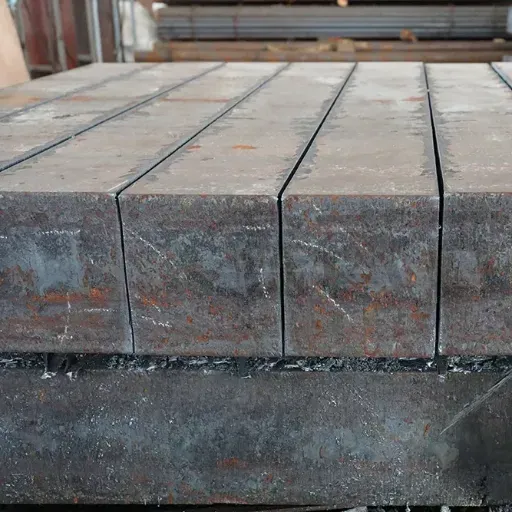
Selecting from the available soft magnetic materials examples requires systematic evaluation of your application's operating conditions, manufacturing constraints, and economic boundaries. The following framework helps structure this decision.
Operating Frequency serves as the primary filter. For DC and line-frequency AC applications at 50 or 60 Hz, electromagnetic pure iron and silicon steel dominate. As frequencies climb into the kilohertz range, ferrites become necessary. At megahertz frequencies, Ni-Zn ferrites or specialized thin-film materials take over entirely.
Flux Density Requirements determine whether saturation induction limits your design. High-power transformers and heavy-duty motors often need the higher saturation of silicon steel or cobalt-iron alloys to minimize core volume. Low-field sensors and shielding applications prioritize maximum permeability, pointing toward nickel-iron alloys or nanocrystalline materials.
Loss Budget defines how much energy dissipation your design can tolerate. Premium efficiency transformers for grid infrastructure increasingly specify amorphous alloys despite their higher material cost, because lifecycle energy savings outweigh initial procurement expenses. Consumer electronics, conversely, often accept higher losses to meet aggressive cost targets.
Manufacturing Process Compatibility cannot be overlooked. If your production line uses stamping, the material must tolerate punching and shearing without excessive tool wear. If you machine solid cores from bar stock, pure iron offers excellent machinability. If you wind cores from ribbon, amorphous alloys may suit your process better than laminations.
When Chen Wei, a procurement manager at a Jiangsu-based relay manufacturer, faced a supplier transition in late 2024, he applied exactly this framework. His company's electromagnetic relays operated at 60 Hz with moderate flux density requirements. After evaluating several soft magnetic materials examples, he determined that cold-rolled DT4C pure iron sheets offered the optimal balance of magnetic performance, stampability, and cost. By switching from a generic steel supplier to a specialized electromagnetic pure iron source that provided precision-slit coils, his company reduced material scrap by 22% and improved lamination consistency across their automated stamping line.
Soft Magnetic Materials in Modern Manufacturing
The transition toward electrification across automotive, renewable energy, and industrial sectors has intensified demand for high-performance soft magnetic materials. Electric vehicle motors require stator and rotor materials that minimize losses at variable frequencies while withstanding mechanical stresses from high-speed rotation. Wind turbine generators need massive volumes of non-grain-oriented silicon steel capable of reliable 20-year operational lifespans.
Power electronics represent another growth driver. As switching frequencies in inverters and converters climb to reduce passive component size, the market for low-loss ferrites and nanocrystalline inductor cores expands accordingly. The push for higher efficiency in data centers and telecommunications infrastructure further amplifies demand.
Even traditional applications such as transformers are experiencing material evolution. Global efficiency standards, including the U.S. DOE efficiency mandates and EU Ecodesign regulations, increasingly favor amorphous alloy transformers over conventional silicon steel designs. China has similarly tightened national standards for distribution transformer losses, accelerating domestic adoption of advanced core materials.
For manufacturers positioned upstream in the supply chain, this evolution creates both opportunities and requirements. Material suppliers must maintain rigorous quality control, provide detailed certification documentation, and offer flexible processing services that accommodate the diverse manufacturing methods their customers employ.
Processing and Form Factors for Soft Magnetic Pure Iron
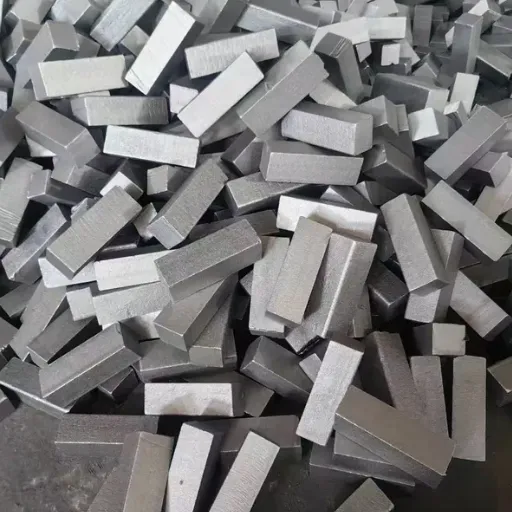
The performance of any soft magnetic material depends not only on alloy composition but also on physical form and surface preparation. For electromagnetic pure iron specifically, manufacturers can choose from several standardized forms depending on their downstream processes.
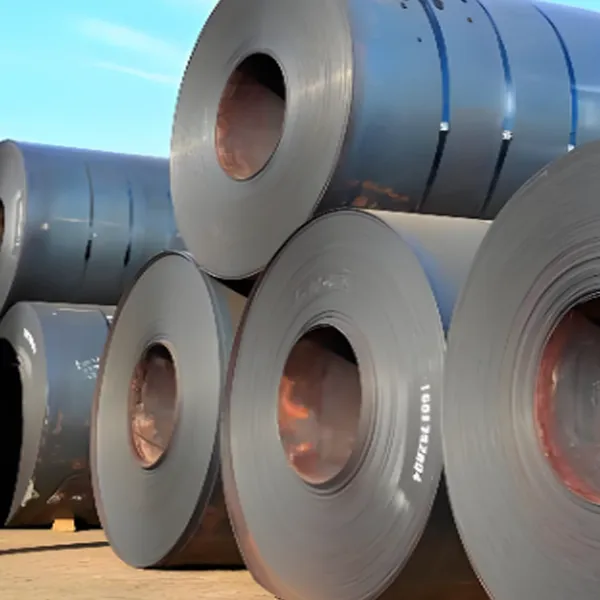
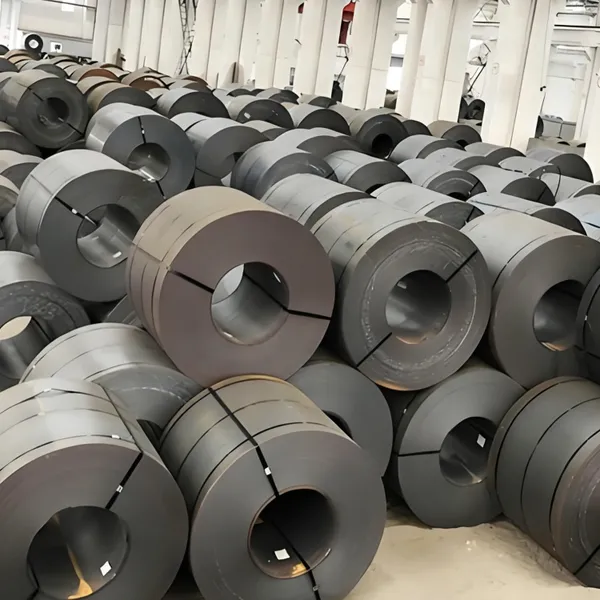
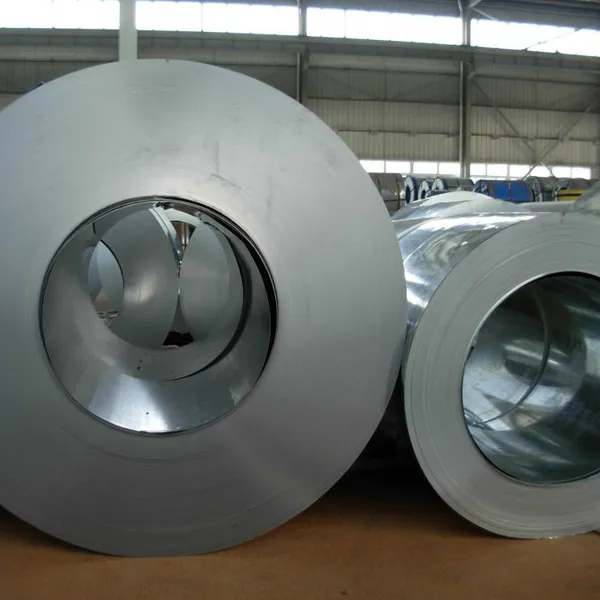
Hot-rolled coils provide the foundational supply format for high-volume applications. These coils undergo rolling at elevated temperatures, producing material with characteristic surface scale and slightly wider dimensional tolerances. Transformer manufacturers often specify hot-rolled DT4C coils for core building because the material's magnetic properties meet efficiency requirements while the coil format simplifies automated cutting and stacking.
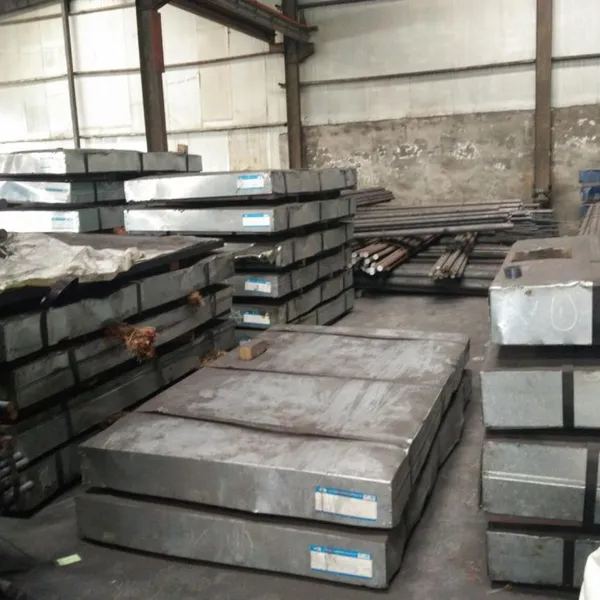
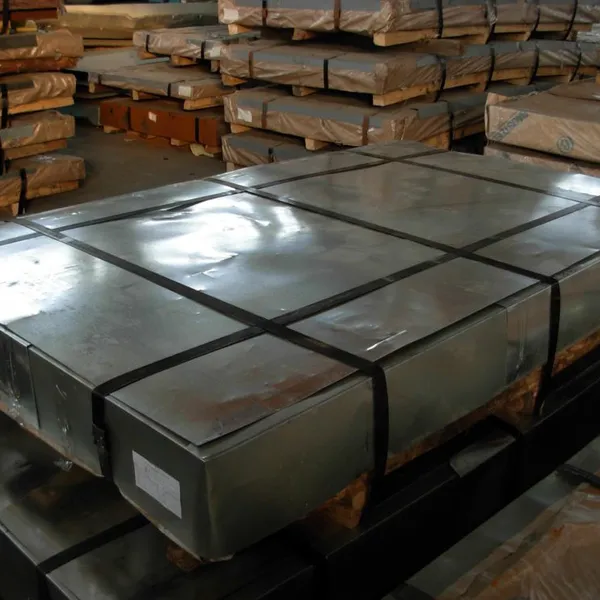
Cold-rolled sheets deliver superior surface finish, tighter thickness tolerances, and enhanced magnetic properties in the rolling direction. Thin sheets in the 0.3mm to 0.8mm range feed directly into progressive die stamping operations for relay laminations, motor stator segments, and solenoid housings. The smooth surface reduces die wear and improves lamination insulation when coatings are applied.
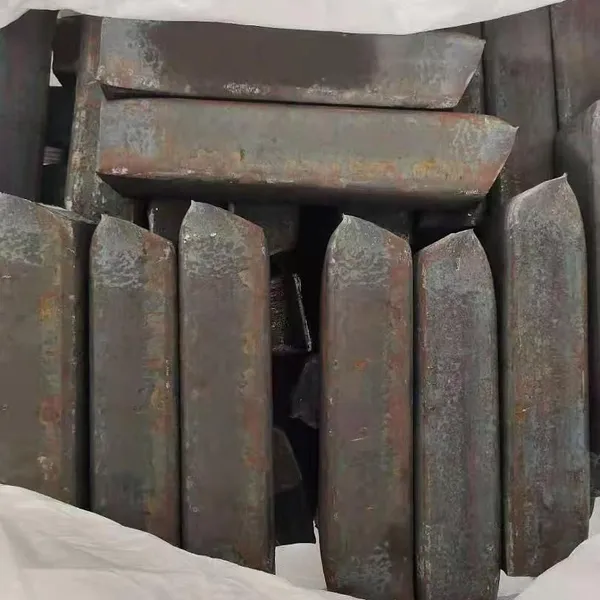
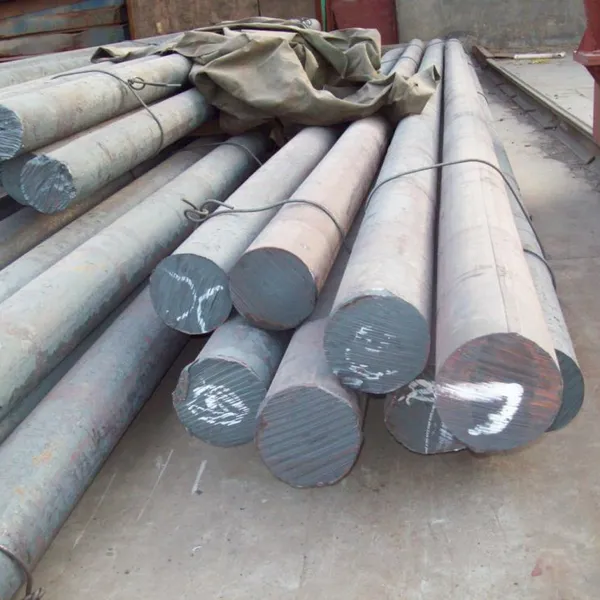
Cold-drawn wire and straightened bars serve manufacturers producing solid-core electromagnetic components, machined sensor housings, or precision pins. Cold drawing improves dimensional accuracy and surface quality while work-hardening the material sufficiently to improve machinability without significantly degrading magnetic performance.
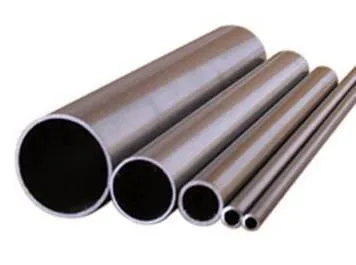
Custom cutting and slitting transform standard mill products into production-ready inputs. Precision slitting divides wide master coils into narrow strips matching specific lamination widths, eliminating customer-side processing and reducing scrap. Cut-to-length bars and tubes arrive dimensioned for immediate CNC machining or welding.
The team at Aurora Magnetic Components learned this lesson during a 2024 capacity expansion. Their existing workflow received full-width cold-rolled coils, which they then slit in-house to feed three stamping presses. After analyzing their true cost per finished lamination, including capital depreciation on slitting equipment, labor, and material edge scrap, they discovered that purchasing precision-slit coils directly from their material supplier reduced total input costs by 14%. The supplier's industrial slitting line achieved tighter width tolerances and better burr control than their in-house equipment, further improving press uptime and reducing die maintenance intervals.
Quality Standards and Specifications
Regardless of which soft magnetic materials examples you evaluate, quality assurance must be non-negotiable. Inconsistent material properties translate directly into inconsistent component performance, field failures, and warranty claims.
For electromagnetic pure iron, Chinese national standards classify grades by chemical composition and magnetic property requirements. The DT series specifies maximum carbon, sulfur, phosphorus, and silicon content alongside guaranteed coercivity and permeability values. Buyers should insist on mill test certificates verifying that each production lot meets the specified grade.
Silicon steel follows international standards such as ASTM A677 and IEC 60404-8-4, which define core loss limits, permeability minima, and insulation coating requirements. When procuring silicon steel laminations, verify that the supplier provides Epstein frame test data or single sheet tester results confirming magnetic performance.
For nickel-iron and cobalt-iron alloys, magnetic properties depend heavily on final heat treatment. Procurement specifications should define not only alloy composition but also required annealing conditions and post-anneal magnetic testing protocols. Suppliers who perform in-house hydrogen annealing under controlled temperature profiles offer greater lot-to-lot consistency than those relying on third-party heat treaters.
Ferrite cores present their own quality challenges, including density uniformity, grain structure, and dimensional tolerances. Power ferrite grades are classified by initial permeability, saturation flux density, and core loss characteristics at specified frequencies and flux densities. Reputable ferrite manufacturers publish comprehensive datasheets and provide sample cores for customer verification testing.
Conclusion
The universe of soft magnetic materials examples spans from basic electromagnetic pure iron to exotic nanocrystalline ribbons, each engineered for specific operational contexts. No single material dominates every application. Your selection should emerge from careful analysis of frequency, flux density, loss budget, and manufacturing compatibility.
For low-frequency, high-permeability applications such as transformers, relays, and solenoids, electromagnetic pure iron in grades like DT4C remains a proven, cost-effective foundation. Silicon steel extends performance into higher frequencies and larger power scales. Ferrites conquer the high-frequency regime. Premium alloys such as Permalloy and amorphous metals address specialized requirements where extreme permeability or minimal losses justify premium costs.
The key takeaway is this: material selection is not a procurement afterthought. It is a core design decision that determines efficiency, reliability, and total cost of ownership. Engineers and procurement professionals who invest time in understanding the full spectrum of soft magnetic materials examples position their products to outperform competitors while meeting the tightening efficiency standards that define modern electromagnetic engineering.
When you are ready to source high-purity electromagnetic pure iron for your next project, contact our engineering team to discuss grade selection, custom processing requirements, and flexible order quantities tailored to your production schedule.
Key Takeaways:
Soft magnetic materials must be selected based on operating frequency, required flux density, acceptable losses, and manufacturing process compatibility.
Electromagnetic pure iron grades such as DT4C provide exceptional magnetic permeability and low coercivity for DC and line-frequency applications.
Silicon steel dominates power frequency transformers and motors, while ferrites are essential for high-frequency power electronics.
Advanced alloys including nickel-iron, cobalt-iron, and amorphous materials serve specialized applications where premium performance justifies higher material costs.
Quality certification, precise processing, and supplier expertise directly impact the consistency and reliability of finished electromagnetic components.
Recently Posted
-
Transformer Calculation: A Practical Guide for Core Design and Material Selection
June 30, 2026A 2-millimeter error in core cross-section can quietly drain thousands of dollars from a transformer production run. That is exact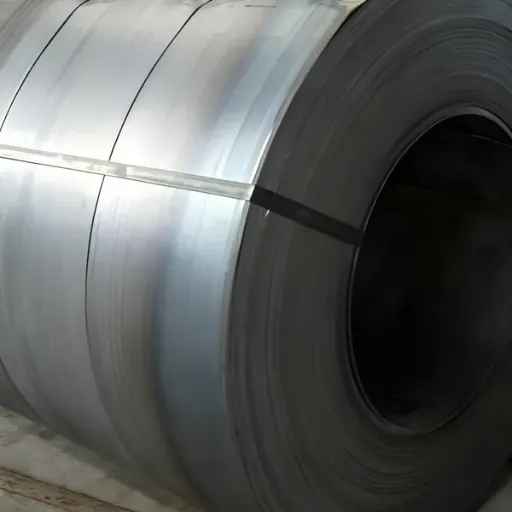 Read More
 -
Magnetic Flux: A Complete Guide for Electrical Engineering Applications
June 30, 2026In late 2024, a power equipment manufacturer in Poland received a shipment of transformer cores that looked perfect on paper. The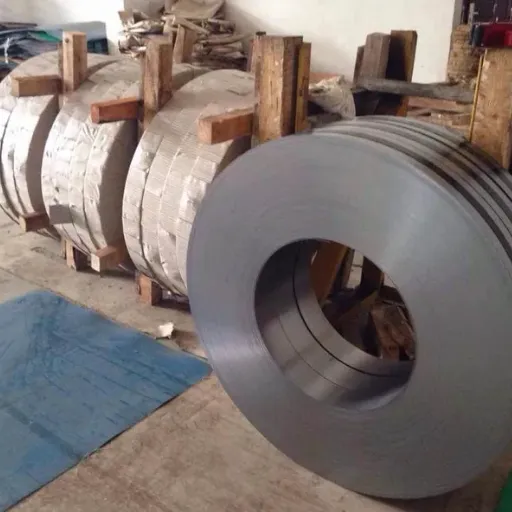 Read More
 -
Magnetic Field Strength: A Practical Guide for Electromagnetic Design
June 30, 2026When Wang Chen's solenoid valve line began missing stroke targets in March 2026, his team suspected the usual suspects: worn s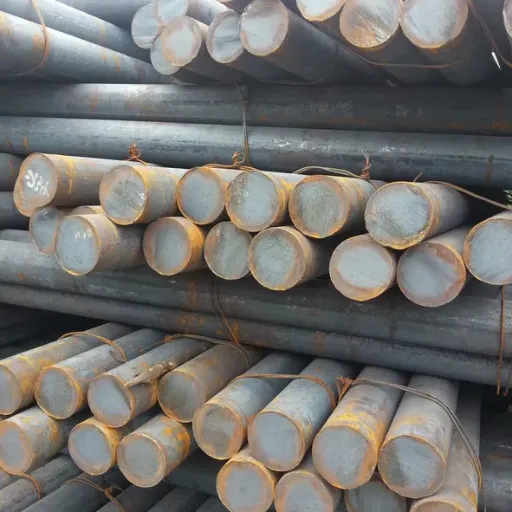 Read More
 -
AC Electromagnet: Design, Applications, and Material Selection Guide
June 30, 2026Last quarter, a relay manufacturer in Dongguan shipped 5,000 solenoid valves to a European automotive client. Two weeks after inst Read More

Contact Us
Recommended Products
-
 Seamless Tube With Good Cold Electrical Pure Iron Fittings Hot Workability for Forming Fittings and ConduitsNegotiableMOQ: 1 Ton
 -
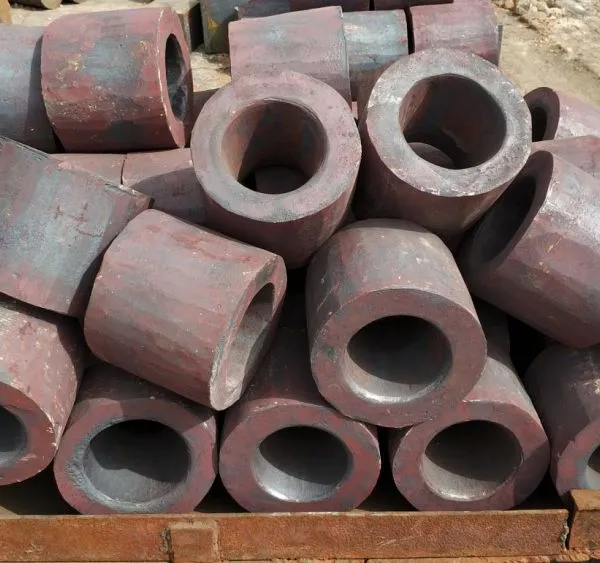
Electromagnetic Pure Iron Forging for Automotive Sensor ManufacturingNegotiableMOQ: 100 Kilograms
-
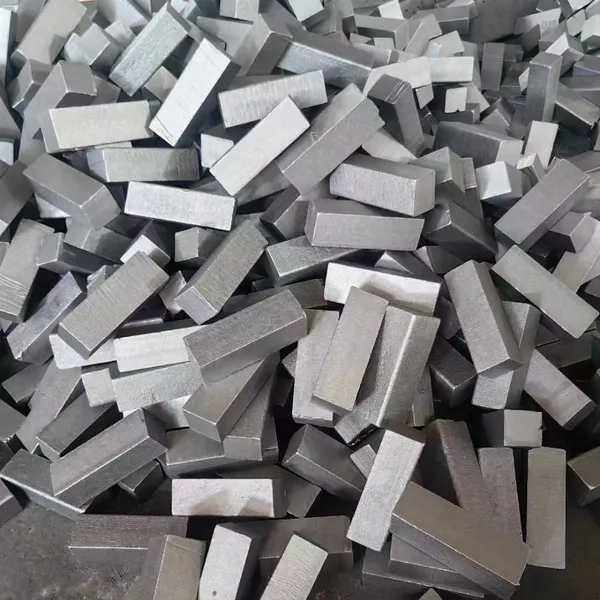
Precision Cut Pure Iron Square Bar High Saturation Induction Raw Material for Generator and RotorNegotiableMOQ: 100 Kilograms
-
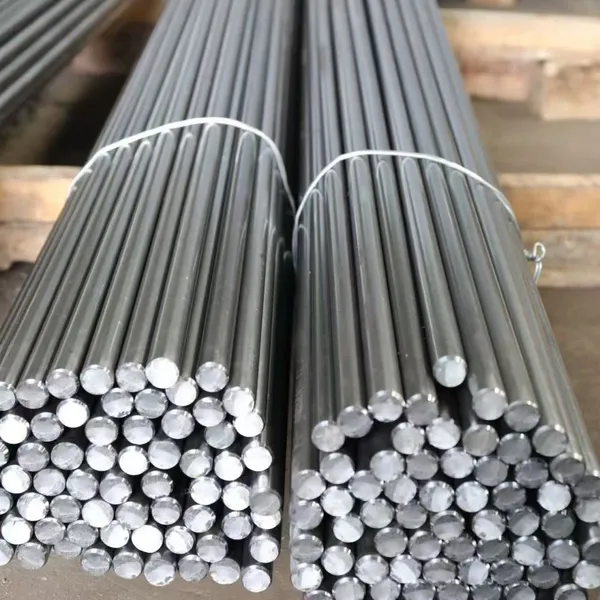
DT4C Super Grade Electromagnetic Pure Iron Bright Bar With Bundle Weight 30-100kg for Easy TransportationNegotiableMOQ: 1 Ton
-
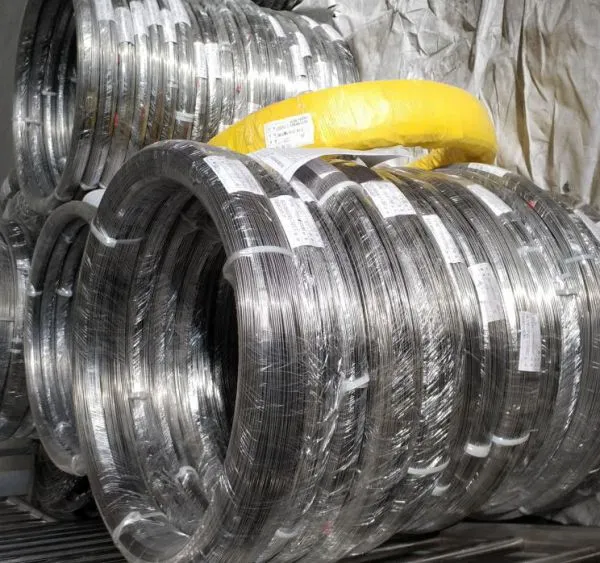
DT4C Electromagnetic Pure Iron Cold-Drawn Wire 0.5mm-6.0mm Diameter for TransformersNegotiableMOQ: 100 Kilograms
-
Industrial Pure Iron Bar for Electromagnetic Relay and Sensor ProductionNegotiableMOQ: 1 Ton
-
Electromagnetic Pure Iron Thin Sheet 0.3mm-0.8mm for Solenoid and Relay ManufacturingNegotiableMOQ: 500 Kilograms
-
Electrical Pure Iron Hot-Rolled Coil for Magnetic Components With Low Iron LossNegotiableMOQ: 1 Ton
-
Low Carbon DT4C Pure Iron Round Bar With 99.8% Fe Content for Electrical ApplicationsNegotiableMOQ: 1 Ton
-
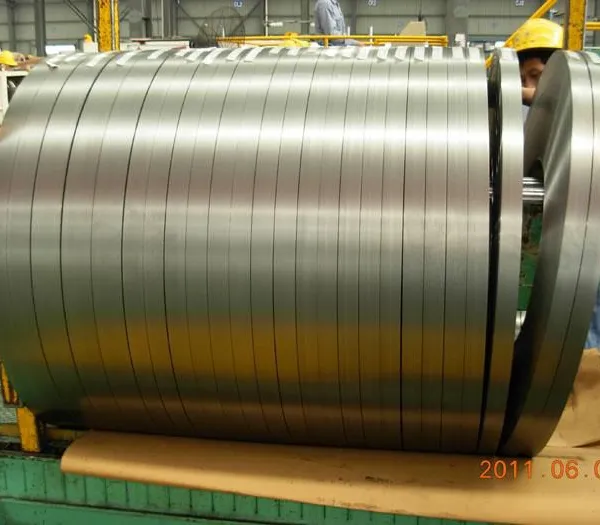
Cold Rolled Pure Iron Slit Coil DT4C Grade Ultra Low Carbon ≤0.004% for Magnetic ComponentsNegotiableMOQ: 1 Ton
-
Low Iron Loss Electromagnetic Pure Iron Hot-Rolled Coil DT4C for Transformer CoresNegotiableMOQ: 1 Ton
-
Soft Magnetic Pure Iron Sheet With Minimum Iron Loss for High-Efficiency MotorsNegotiableMOQ: 1 Ton
-
Electromagnetic Pure Iron Cold Rolled Coil DT4C for High Magnetic Permeability ApplicationsNegotiableMOQ: 1 Ton
-
Industrial Pure Iron Tube Superior Surface Quality Electromagnetic Pure Iron Tube for Welding and Plating ProcessesNegotiableMOQ: 1 Ton
-
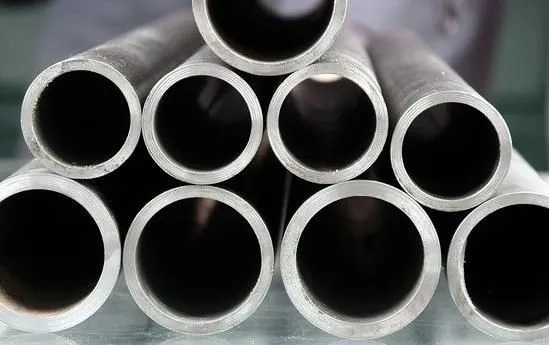
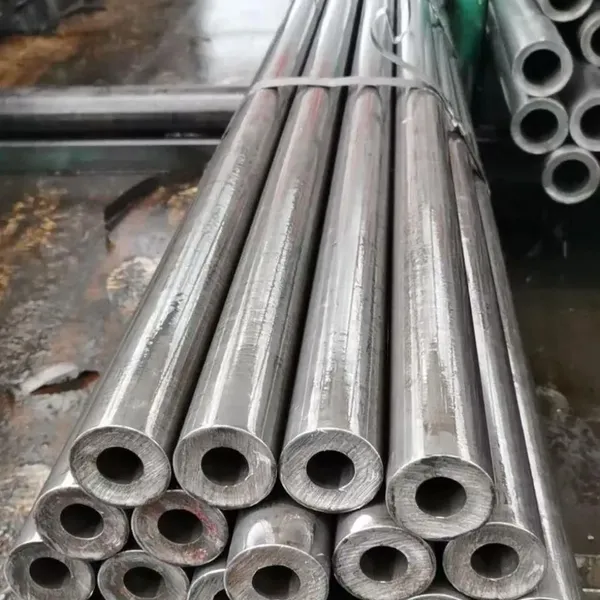
DT4 Seamless Pure Iron Tubing for High-Performance Electrical Equipment ApplicationsNegotiableMOQ: 1 Ton
-
DT4C Iron Wire Rod for Precision Magnetic Shielding ApplicationsNegotiableMOQ: 100 Kilograms
-
Industrial Pure Iron Fittings DT4 Pure Iron Seamless Tube With Low Hysteresis Loss for Electromagnetic SystemsNegotiableMOQ: 1 Ton
-
DT4C Cold Rolled Coil Slitting for Electrical Enclosure ManufacturingNegotiableMOQ: 1 Ton
-
Anti Rust Coated Pure Iron Square Bar Low Carbon Raw Material for Welding and Forging Magnetic PartsNegotiableMOQ: 100 Kilograms
-
DT4 Pure Iron Cold-Drawn Wire 0.5mm-6.0mm Diameter for Precision EngineeringNegotiableMOQ: 500 Kilograms