
 Business License

High Permeability Material: A Complete Selection Guide for Industrial Applications
In 2024, a transformer manufacturer in Shenzhen spent six months troubleshooting unexplained core losses that were pushing their units 12% above efficiency targets. The engineering team rewound coils, adjusted laminations, and tested insulation. The real culprit? Their core material had a magnetic permeability nearly 30% lower than specified. The supplier had substituted a lower-grade alloy without notice.
If you design or source components for transformers, motors, relays, or magnetic shielding systems, you already know that not all soft magnetic materials perform equally. The difference between a high-performing electromagnetic component and an underperforming one often comes down to a single property: magnetic permeability.
In this guide, you will learn what defines a high permeability material, how grades like DT4C pure iron compare to alternatives, and how to select the right material for your specific industrial application. You will also discover the hidden costs of choosing the wrong grade, and what questions to ask your supplier before placing an order.
What Is a High Permeability Material and Why Does It Matter?
A high permeability material is a substance that magnetizes strongly in the presence of a relatively weak external magnetic field. In practical terms, it channels magnetic flux with minimal resistance. This property is quantified as magnetic permeability, typically denoted by the symbol μ.
Materials with high magnetic permeability are essential in any application where efficient magnetization and demagnetization cycles occur. Without them, transformers overheat, relays respond sluggishly, and motors waste energy. Engineers working in power systems, automotive electronics, and precision instrumentation rely on these materials to achieve reliable, repeatable performance.
Understanding Relative Permeability
Relative permeability (μr) compares a material's ability to conduct magnetic flux against a vacuum. Standard construction steels might achieve μr values between 2,000 and 4,000. In contrast, premium electromagnetic pure iron grades like DT4C can exceed μr values of 15,000 in specific processing conditions. This dramatic difference explains why selecting the correct grade is not merely a materials decision. It is a systems performance decision.
The Hidden Cost of Low Permeability in Production Systems
When Li Wei took over procurement for a mid-sized solenoid valve producer in Jiangsu, he inherited a supply contract with a general steel distributor. The distributor's material was labeled "pure iron" and priced attractively. Within three months, Li Wei's production team noticed increased chatter during CNC machining, higher tool wear, and inconsistent magnetic response in finished valves.
A materials audit revealed the truth. The distributor's iron contained carbon levels around 0.02%, well above the threshold for reliable soft magnetic behavior. The seemingly small savings of $200 per ton had translated into 18% higher machining costs and a 7% rejection rate on finished components. Li Wei's team eventually switched to certified DT4C electromagnetic pure iron with verified carbon content below 0.004%. Scrap rates dropped immediately, and tool life returned to expected levels.
This scenario repeats across workshops worldwide. The upfront material cost is easy to measure. The downstream costs of poor magnetic performance, increased scrap, and shorter tool life are often hidden until they erode profitability.
Key Properties That Define High Permeability Materials
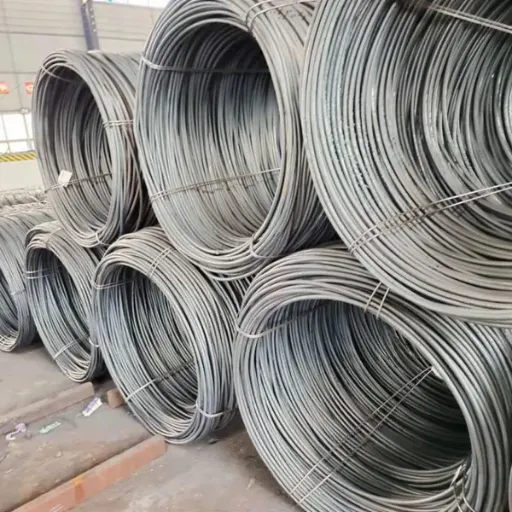
Selecting a high permeability material requires evaluating several interrelated properties. No single metric tells the complete story. Understanding how these properties interact will help you make an informed choice.
Saturation Magnetic Induction
Saturation induction refers to the maximum magnetic flux density a material can carry. Once saturated, additional magnetic field strength yields minimal increases in flux. High purity iron achieves saturation induction around 2.15 Tesla, making it one of the best-performing soft magnetic materials available. For transformer cores operating near capacity, this high ceiling prevents saturation under peak loads.
Coercivity and Hysteresis Loss
Coercivity measures how strongly a material resists demagnetization. Low coercivity is desirable in soft magnetic applications because it means the material releases magnetic energy easily when the external field drops. Materials with low coercivity also exhibit low hysteresis loss. This translates directly into cooler operating temperatures and higher energy efficiency in transformers and motors.
Electromagnetic pure iron grades like DT4C are engineered specifically for low coercivity. In contrast, standard steels with higher carbon or alloying elements trap magnetic domains, increasing energy dissipation with every magnetization cycle.
Carbon Content and Impurity Control
Carbon is the enemy of soft magnetic performance. Even trace amounts above 0.01% can sharply reduce magnetic permeability and increase coercivity. High permeability materials are therefore produced with extreme purity. Premium grades guarantee carbon content at or below 0.004%. This ultra-low carbon level ensures that magnetic domains move freely, maximizing permeability and minimizing losses.
Other impurities such as sulfur, phosphorus, and nitrogen also degrade magnetic properties. Reputable manufacturers control these elements through rigorous melting, refining, and annealing processes.
DT4C Pure Iron: The Industry Benchmark for High Magnetic Permeability
Among the available high permeability materials, DT4C electromagnetic pure iron stands out as the grade most frequently specified by engineers in Asia and increasingly in global markets. It represents a carefully balanced composition optimized for electrical and magnetic applications.
How DT4C Compares to Related Grades
The DT series includes several grades with progressively stricter purity and magnetic requirements. DT4 is the baseline electromagnetic pure iron grade, suitable for general applications. DT4E offers enhanced magnetic properties with lower iron loss. DT4C, sometimes called super-grade electromagnetic pure iron, delivers the highest relative permeability and lowest coercivity in the series.
For manufacturers building high-efficiency transformers, precision relays, or sensitive magnetic sensors, DT4C is often the only grade that meets performance specifications. Its guaranteed maximum coercivity and minimum permeability values provide engineers with confidence during design calculations.
Available Forms and Processing Options
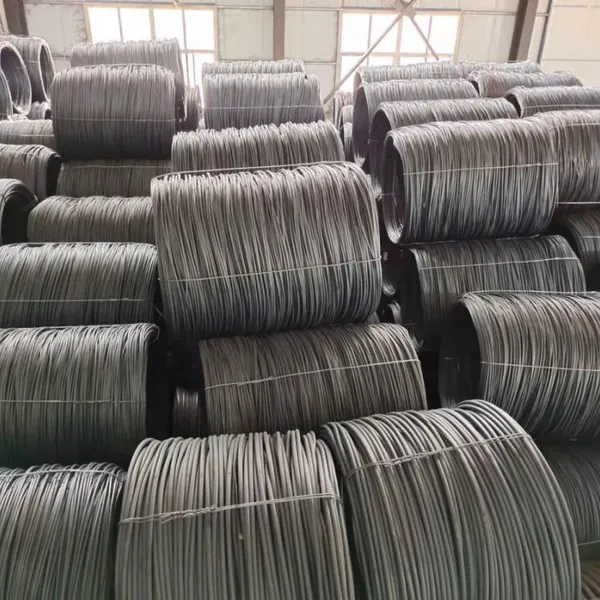
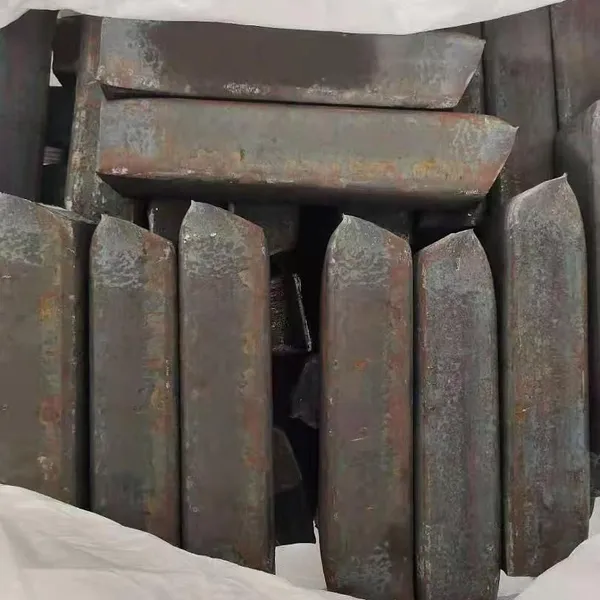
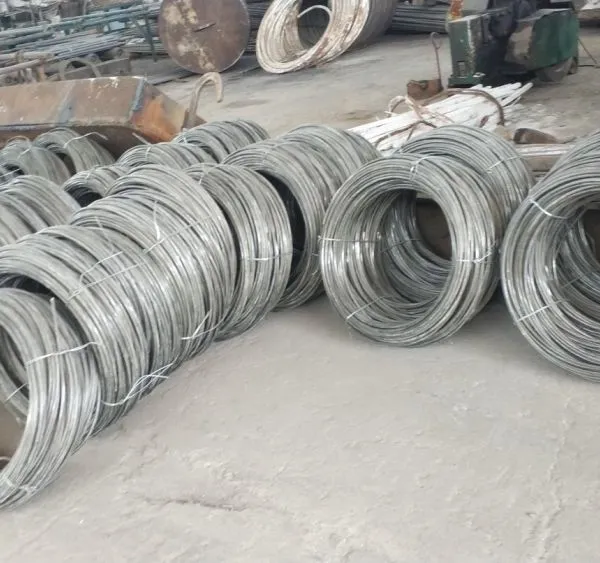
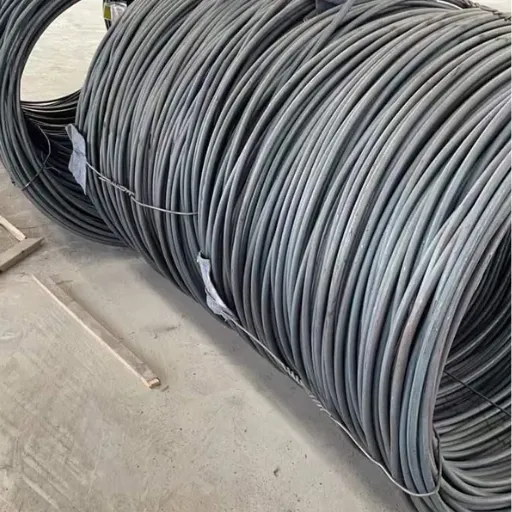
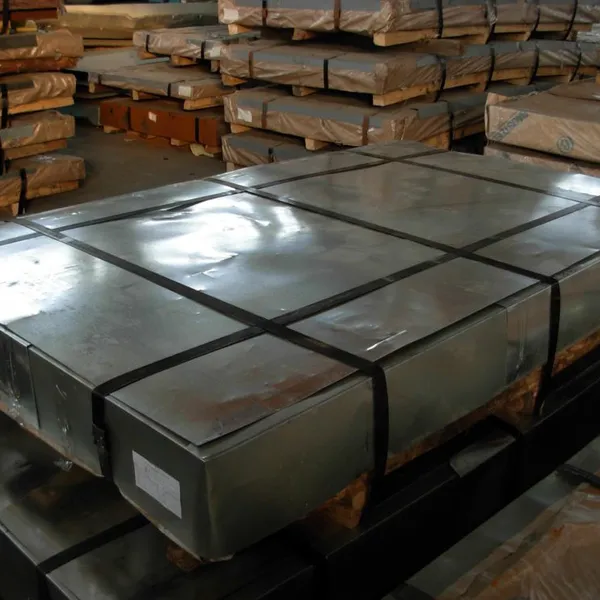
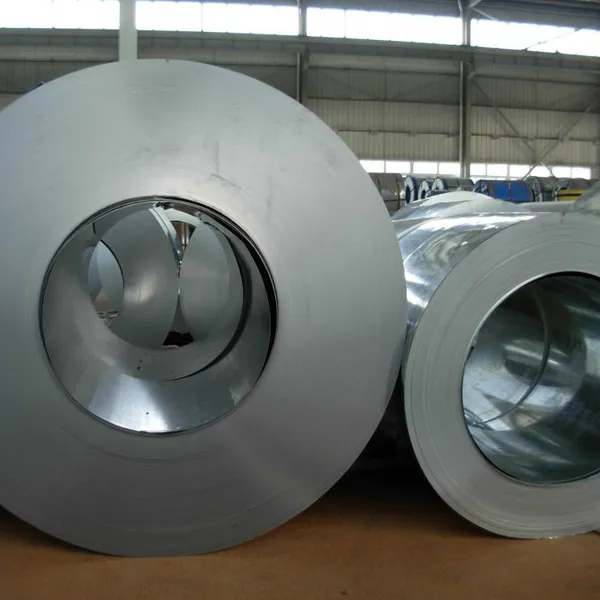
DT4C high permeability material is available in multiple forms to match different manufacturing workflows. Hot-rolled coils and sheets suit stamping operations for laminations. Cold-rolled thin sheets down to 0.3mm enable compact relay and solenoid designs. Cold-drawn bars and wire provide machinable stock for custom components.
Working with a supplier that offers in-house slitting, cutting, and surface preparation adds further value. Materials delivered to exact width and length reduce scrap and eliminate secondary processing steps at your facility.
Looking for precision-cut DT4C pure iron delivered to your exact specifications? Explore our custom processing services to see how ready-to-use materials can streamline your production line.
Common Applications of High Permeability Materials
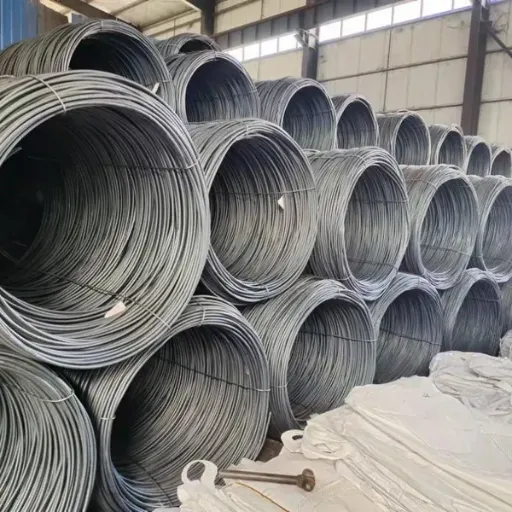
High permeability materials serve as the functional core of countless electromagnetic devices. The following applications illustrate why material selection directly impacts product performance.
Transformer Cores and Power Distribution
Transformer efficiency depends on how easily the core material can be magnetized and demagnetized at the operating frequency. High permeability materials like DT4C electromagnetic pure iron reduce magnetizing current requirements and core losses. In large power transformers, even fractional improvements in core material efficiency translate into substantial energy savings over decades of service life.
Cold-rolled, grain-oriented silicon steel dominates very high-power applications, but for medium-frequency transformers, instrument transformers, and specialty power systems, high purity iron offers advantages in workability and magnetic response.
Electromagnetic Relays and Solenoid Valves
Relays and solenoids require materials that respond instantly to coil energization and release cleanly when de-energized. High permeability materials enable stronger magnetic forces with fewer ampere-turns. This allows designers to use smaller coils, reduce power consumption, or achieve faster actuation times.
Thin pure iron sheets in the 0.3mm to 0.8mm range are commonly stamped into relay yokes, armatures, and solenoid housings. The material's low remanence prevents sticking, while its high permeability ensures reliable pull-in force.
Automotive Sensors and Electric Vehicle Motors
The shift toward electric vehicles has intensified demand for soft magnetic materials that perform reliably under varying temperatures and frequencies. High permeability pure iron is used in position sensors, current sensors, and certain motor components where magnetic precision matters.
Automotive suppliers often require custom-forged or machined pure iron components with tight dimensional tolerances. Working with a manufacturer capable of both material supply and precision processing simplifies supply chain management and ensures magnetic properties are preserved through forming operations.
Magnetic Shielding Applications
Sensitive electronic instrumentation often requires protection from external magnetic fields. High permeability materials divert magnetic flux around protected zones rather than allowing penetration. This principle is used in shielding enclosures for electron microscopes, photomultipliers, and precision measurement equipment.
For magnetic shielding, the absolute highest permeability is desired, often combined with multiple layers of varying permeability to handle both strong and weak interfering fields.
How to Choose the Right High Permeability Material
Selecting the optimal material involves more than comparing datasheets. The following framework will guide your decision process.
Define Your Magnetic Requirements
Start by quantifying the magnetic environment your component will experience. What is the operating flux density? What frequency range applies? How much heat can the design tolerate? Answering these questions establishes the minimum permeability, maximum loss, and saturation requirements your material must satisfy.
For DC or low-frequency applications below 400 Hz, high purity iron like DT4C typically outperforms more expensive alternatives. At higher frequencies, eddy current losses rise, and laminated or powdered structures become necessary regardless of base material choice.
Evaluate Processing and Form Requirements
Consider how the material will be shaped in your facility. Will you stamp laminations from sheet or coil? Machine solid bars? Forge complex shapes? Each process interacts differently with material properties. For example, heavy cold working can reduce permeability unless followed by a proper annealing treatment.
If your supplier can deliver pre-processed material, such as slit coils or cut-to-length bars, you avoid work-hardening effects and preserve as-delivered magnetic properties.
Verify Certification and Testing
Reputable suppliers provide material certificates verifying chemical composition and magnetic properties. Look for test reports that include coercivity, maximum permeability, and iron loss measurements. Some applications may require third-party inspection or conformance to specific national standards.
Do not rely solely on grade names. "Pure iron" is not a protected term, and material quality varies significantly between suppliers. Always request documentation before committing to volume orders.
Need help identifying the right DT grade for your transformer or motor application? Contact our engineering team for a complimentary material selection consultation based on your magnetic requirements.
Why Supplier Specialization Matters More Than You Think
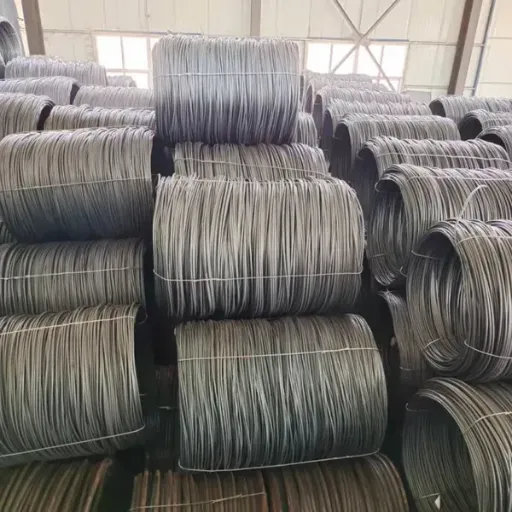
Not all pure iron suppliers are equal. General steel distributors may stock material labeled as pure iron without understanding the magnetic performance implications of specific heat lots. A supplier specializing in electromagnetic pure iron understands that magnetic properties are as critical as dimensional tolerances.
Specialized suppliers also maintain deeper inventories across multiple grades and forms. This availability reduces lead times and allows rapid prototyping when you need to test a new component design. When Chen at a Guangzhou relay manufacturer needed 100 kilograms of 0.5mm cold-rolled sheet for a prototype run, his specialized supplier shipped within five days. His previous general distributor had quoted a twelve-week lead time for an unspecified grade.
Additionally, specialized suppliers located in recognized production hubs like Taiyuan, Shanxi benefit from direct mill relationships and competitive raw material access. This translates into better pricing and more consistent supply than brokers operating far from production centers.
Conclusion: Selecting High Permeability Material With Confidence
Magnetic permeability is not an abstract materials property. It is a direct predictor of how your electromagnetic components will perform in the field. Choosing the right high permeability material means evaluating saturation induction, coercivity, carbon content, and available forms against your application's specific demands.
Key takeaways to remember:
High magnetic permeability minimizes energy loss and maximizes flux concentration in electromagnetic devices.
Carbon content above 0.01% significantly degrades soft magnetic performance, making ultra-low carbon grades essential.
DT4C electromagnetic pure iron offers one of the best combinations of high permeability, low coercivity, and commercial availability for industrial applications.
Supplier specialization matters; a general steel distributor cannot guarantee the magnetic consistency that a dedicated pure iron manufacturer provides.
Pre-processed materials delivered to your exact dimensions reduce scrap, protect magnetic properties, and speed up production.
The material inside your transformer core, relay armature, or motor stator is not a commodity. It is a precision component that determines efficiency, reliability, and total manufacturing cost. Making an informed selection today will save your operation from hidden costs tomorrow.
Ready to source certified DT4C pure iron for your next production run? Request a custom quote specifying your grade, dimensions, and quantity. Our team will respond with pricing, lead times, and material certification details within one business day.
Recently Posted
-
GB/T 6983 Electromagnetic Pure Iron Standard: Key Chemical and Magnetic Requirements
September 4, 2026A quality manager at an Indian relay manufacturer once received a mill test certificate from a Chinese supplier showing "DT4& Read More
 -
Pure Iron for Solenoid Valve Cores: Fast Response, Low Remanence, and Material Selection
September 4, 2026Some time ago, a pneumatic equipment manufacturer in Zhejiang began receiving customer complaints about solenoid valves that faile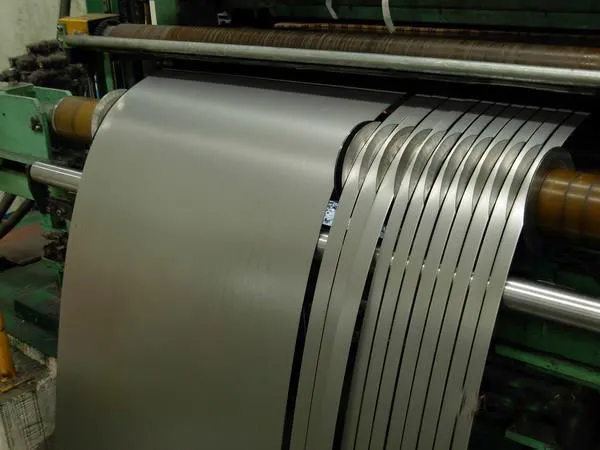 Read More
 -
How to Source Electromagnetic Pure Iron from China: A Step-by-Step Buyer's Guide
September 3, 2026Not long ago, a European automation company sent the same inquiry to six Chinese suppliers: "Need electromagnetic pure iron,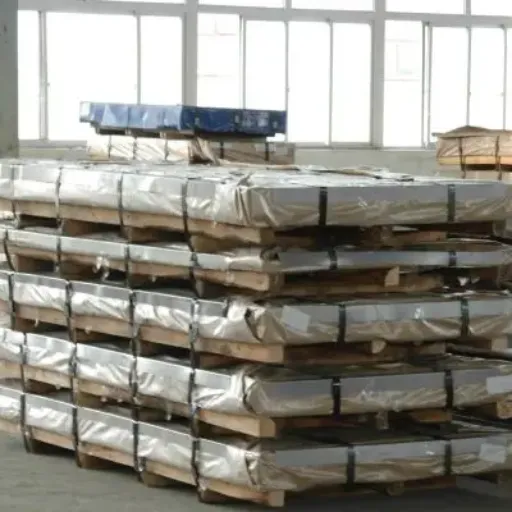 Read More
 -
DT4 vs. DT4C Pure Iron: Magnetic Performance, Cost Differences, and When to Upgrade
September 3, 2026A solenoid valve producer in Jiangsu ordered DT4 cold-drawn bar for a new proportional valve line, reasoning that the grade was &q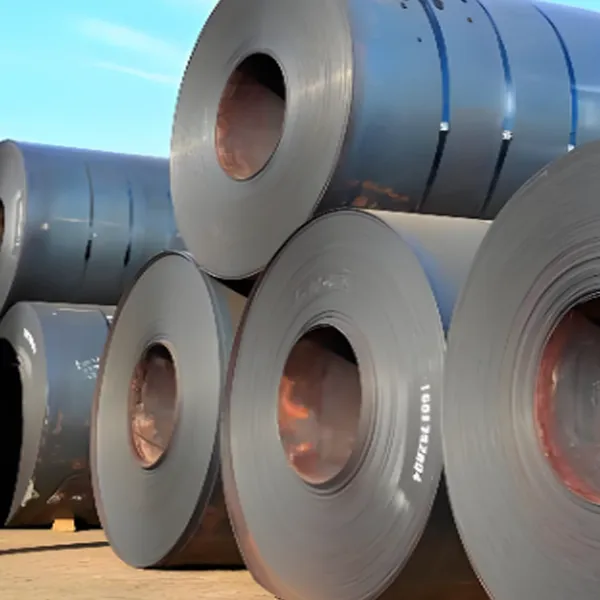 Read More

Contact Us
Recommended Products
-
 Seamless Tube With Good Cold Electrical Pure Iron Fittings Hot Workability for Forming Fittings and ConduitsNegotiableMOQ: 1 Ton
 -
Electromagnetic Pure Iron Forging for Automotive Sensor ManufacturingNegotiableMOQ: 100 Kilograms
-
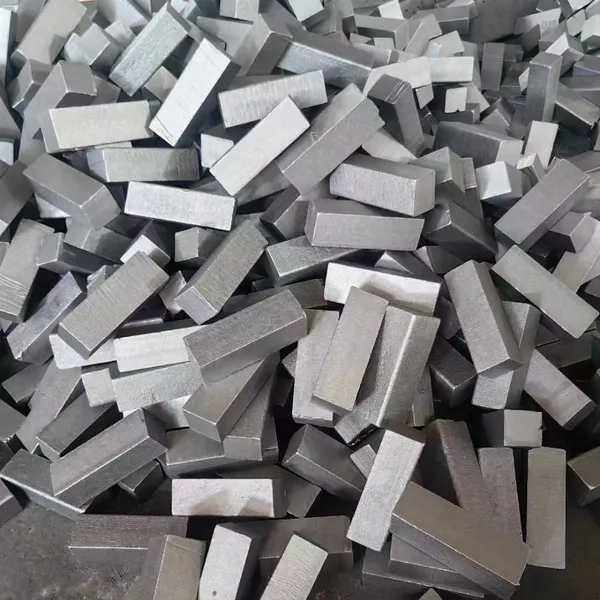
Precision Cut Pure Iron Square Bar High Saturation Induction Raw Material for Generator and RotorNegotiableMOQ: 100 Kilograms
-
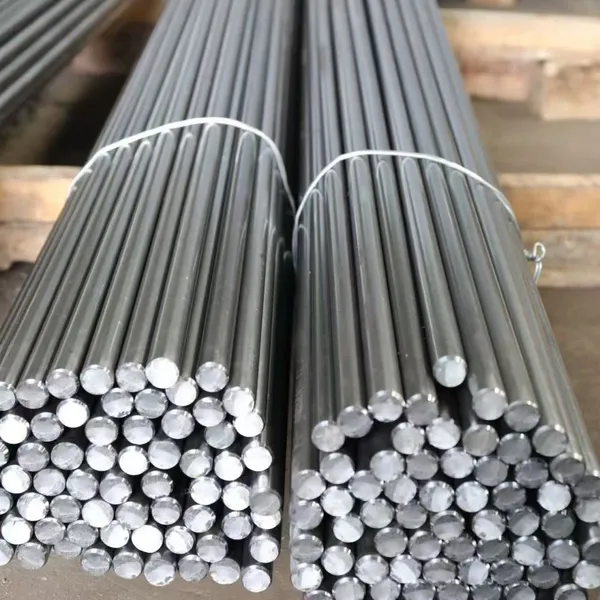
DT4C Super Grade Electromagnetic Pure Iron Bright Bar With Bundle Weight 30-100kg for Easy TransportationNegotiableMOQ: 1 Ton
-
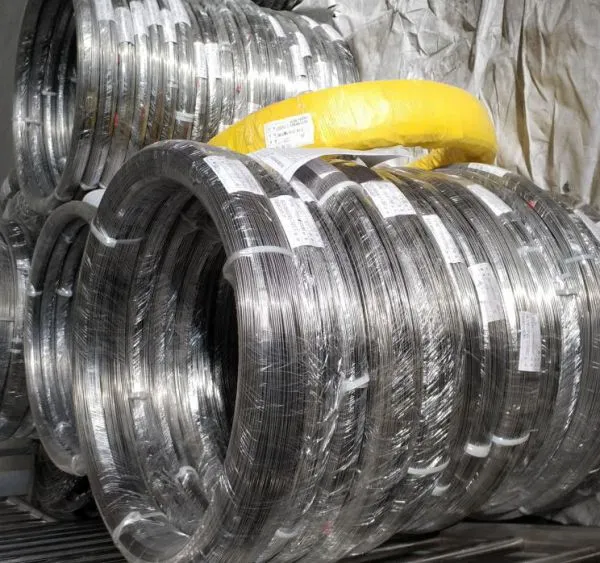
DT4C Electromagnetic Pure Iron Cold-Drawn Wire 0.5mm-6.0mm Diameter for TransformersNegotiableMOQ: 100 Kilograms
-
Industrial Pure Iron Bar for Electromagnetic Relay and Sensor ProductionNegotiableMOQ: 1 Ton
-
Electromagnetic Pure Iron Thin Sheet 0.3mm-0.8mm for Solenoid and Relay ManufacturingNegotiableMOQ: 500 Kilograms
-
Electrical Pure Iron Hot-Rolled Coil for Magnetic Components With Low Iron LossNegotiableMOQ: 1 Ton
-
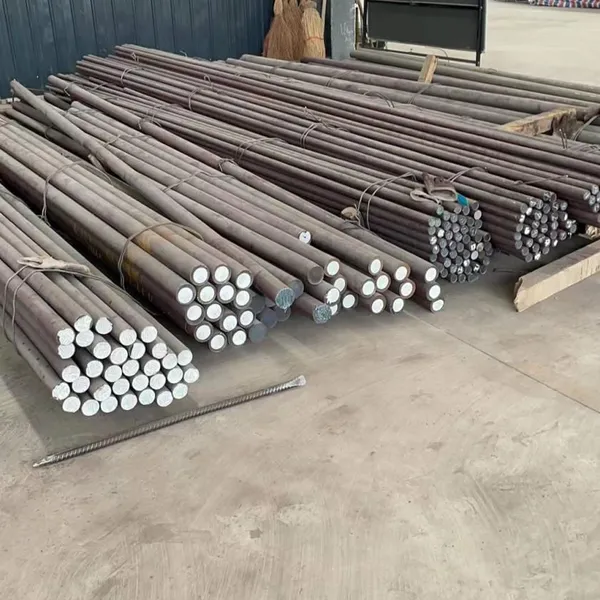
Low Carbon DT4C Pure Iron Round Bar With 99.8% Fe Content for Electrical ApplicationsNegotiableMOQ: 1 Ton
-
Cold Rolled Pure Iron Slit Coil DT4C Grade Ultra Low Carbon ≤0.004% for Magnetic ComponentsNegotiableMOQ: 1 Ton
-
Low Iron Loss Electromagnetic Pure Iron Hot-Rolled Coil DT4C for Transformer CoresNegotiableMOQ: 1 Ton
-
Soft Magnetic Pure Iron Sheet With Minimum Iron Loss for High-Efficiency MotorsNegotiableMOQ: 1 Ton
-
Electromagnetic Pure Iron Cold Rolled Coil DT4C for High Magnetic Permeability ApplicationsNegotiableMOQ: 1 Ton
-
Industrial Pure Iron Tube Superior Surface Quality Electromagnetic Pure Iron Tube for Welding and Plating ProcessesNegotiableMOQ: 1 Ton
-
DT4 Seamless Pure Iron Tubing for High-Performance Electrical Equipment ApplicationsNegotiableMOQ: 1 Ton
-
DT4C Iron Wire Rod for Precision Magnetic Shielding ApplicationsNegotiableMOQ: 100 Kilograms
-
Industrial Pure Iron Fittings DT4 Pure Iron Seamless Tube With Low Hysteresis Loss for Electromagnetic SystemsNegotiableMOQ: 1 Ton
-
DT4C Cold Rolled Coil Slitting for Electrical Enclosure ManufacturingNegotiableMOQ: 1 Ton
-
Anti Rust Coated Pure Iron Square Bar Low Carbon Raw Material for Welding and Forging Magnetic PartsNegotiableMOQ: 100 Kilograms
-
DT4 Pure Iron Cold-Drawn Wire 0.5mm-6.0mm Diameter for Precision EngineeringNegotiableMOQ: 500 Kilograms