
 Business License

Magnetic Shielding Materials: A Complete Guide for Industrial Applications
A single stray magnetic field can corrupt data in a medical scanner, destabilize readings in a precision laboratory, or introduce noise into sensitive aerospace instrumentation. For engineers and procurement managers responsible for electromagnetic compatibility, the consequences of inadequate shielding extend far beyond minor interference. They translate into failed certifications, product recalls, and costly redesigns.
Magnetic shielding materials represent the first line of defense against unwanted magnetic flux. Whether you are designing shielding for an MRI suite, a high-efficiency transformer, or precision measurement equipment, selecting the right material directly determines performance, longevity, and cost-effectiveness. This guide explains how magnetic shielding works, which materials deliver the best results, and how to choose the optimal solution for your specific application.
How Magnetic Shielding Materials Work
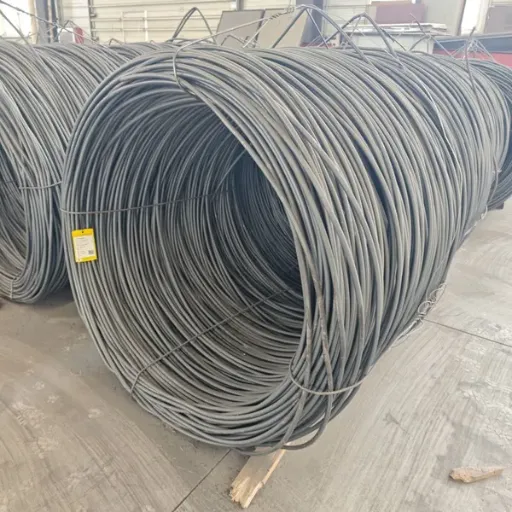
Magnetic shielding operates on a simple yet powerful principle: redirecting magnetic field lines away from protected areas. Unlike electrical shielding, which often relies on reflection, magnetic shielding depends on providing a low-reluctance path that captures and channels magnetic flux around the sensitive component.
When a magnetic field encounters a high-permeability material, the field lines preferentially travel through that material rather than the surrounding air. This occurs because ferromagnetic shielding materials offer substantially lower magnetic resistance. The shield effectively becomes a conduit, guiding flux around the protected zone and significantly attenuating the field strength inside.
Shielding effectiveness depends on several factors: the permeability of the material, its thickness, the geometry of the shield, and the frequency and strength of the interfering field. For static or low-frequency magnetic fields, which are particularly challenging to block, materials with exceptionally high magnetic permeability become essential.
Want to understand the full range of magnetic materials available for industrial use? Explore our complete selection guide for electrical engineering applications to see how different grades compare.
Types of Magnetic Shielding Materials
Engineers can choose from several categories of magnetic shielding materials, each offering distinct advantages and trade-offs. Understanding these differences ensures you match the material to your operational environment.
Ferromagnetic Metals
Ferromagnetic materials, particularly iron and nickel-based alloys, dominate industrial magnetic shielding applications. These materials exhibit high magnetic permeability, making them exceptionally effective at redirecting flux.
Pure iron stands out as a cost-effective and highly efficient option. Unlike standard steel, which contains carbon and other alloying elements that degrade magnetic properties, pure iron offers superior permeability and lower coercivity. This makes it ideal for applications requiring precise magnetic control.
Mu-Metal and Permalloy Alloys
Mu-metal, an alloy composed primarily of nickel and iron with small additions of copper and molybdenum, achieves some of the highest permeability values available. It excels in shielding extremely weak magnetic fields, such as those found in electron microscopy or quantum computing environments.
However, mu-metal comes with significant drawbacks. It is expensive, mechanically soft, and requires careful heat treatment after any forming or machining to restore its magnetic properties. For many industrial applications, these limitations make it impractical despite its exceptional performance.
Ferrites and Ceramic Materials
Ferrites provide shielding solutions for high-frequency applications. These ceramic materials contain iron oxide combined with metallic elements such as manganese, zinc, or nickel. While less effective at low frequencies, ferrites absorb electromagnetic energy rather than redirecting it, making them suitable for specific RF and microwave applications.
Why High Magnetic Permeability Defines Performance
Magnetic permeability measures how readily a material supports the formation of a magnetic field within itself. In shielding applications, higher permeability translates directly into better performance. A material with high magnetic permeability captures more flux lines, creating a more effective barrier against interference.
Not all pure iron grades deliver identical permeability. The presence of carbon, sulfur, phosphorus, and other impurities creates pinning sites that impede domain wall movement, reducing permeability and increasing hysteresis loss. This is why ultra-low carbon pure iron, such as DT4C grade with carbon content at or below 0.004%, performs dramatically better than conventional industrial iron.
When Marcus, a lead engineer at a German precision instrumentation firm, sourced standard steel for a magnetic shield prototype, his team measured 40% higher residual field strength than their specifications allowed. After switching to DT4C electromagnetic pure iron with verified ultra-low carbon content, the same shield geometry reduced interference below target thresholds without any design changes. The material substitution alone solved what had appeared to be an engineering problem.
For manufacturers of transformers, motors, and relays, this distinction matters. High magnetic permeability pure iron does not merely improve shielding. It reduces energy loss, minimizes heat generation, and enables more compact designs. These benefits cascade through the entire product lifecycle.
Electromagnetic Pure Iron: The Optimal Shielding Solution
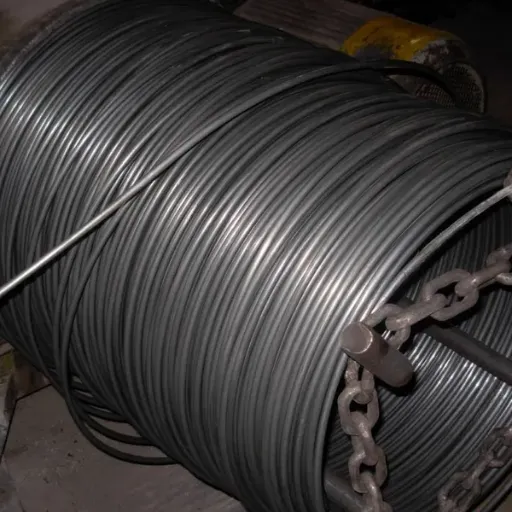
Among magnetic shielding materials, electromagnetic pure iron occupies a unique position. It combines high performance with practical manufacturability, making it accessible for large-scale industrial applications where exotic alloys prove cost-prohibitive.
DT4C Pure Iron for Demanding Applications
DT4C represents the highest grade of electromagnetic pure iron commonly available for commercial magnetic shielding. Its ultra-low carbon content, combined with carefully controlled trace elements, delivers:
High maximum magnetic permeability for efficient flux channeling
Low coercive force for easy magnetization and demagnetization
Minimal hysteresis loss for energy-efficient operation
Excellent ductility for forming complex shield geometries
Consistent batch-to-batch quality for repeatable manufacturing
These properties make DT4C electromagnetic pure iron suitable for transformer cores, magnetic shields, relay components, solenoid housings, and precision sensor enclosures.
Processing Capabilities for Custom Shields
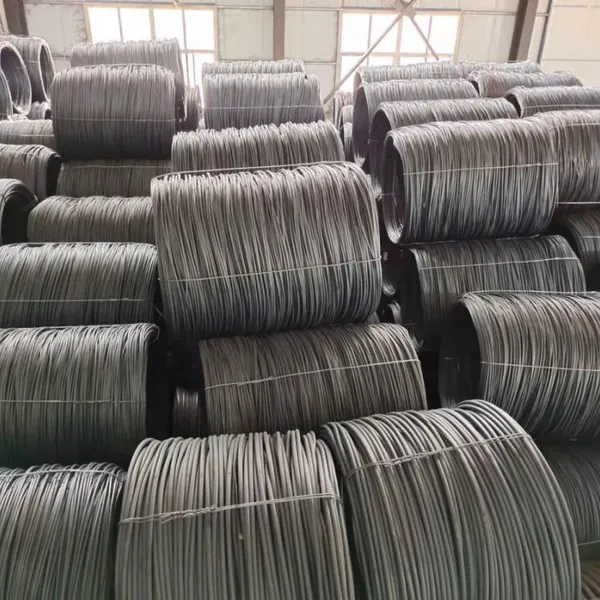
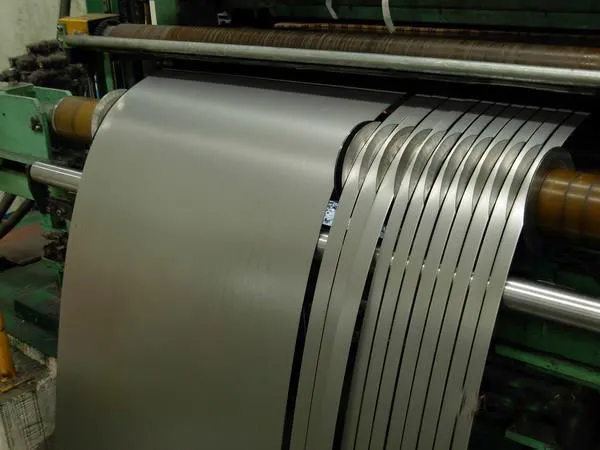
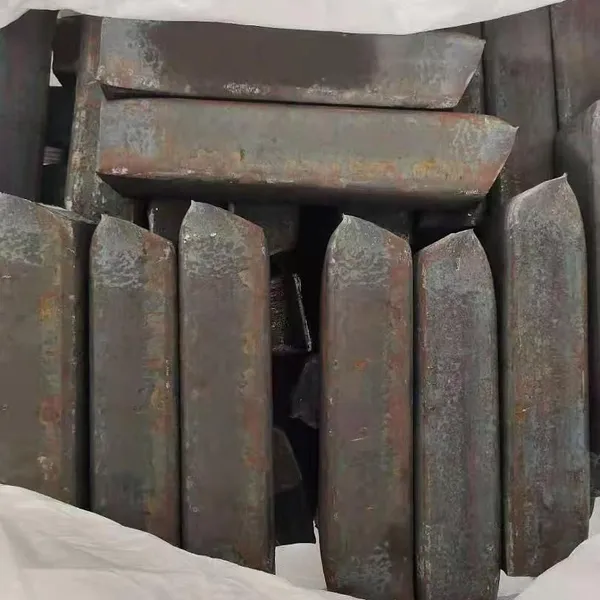
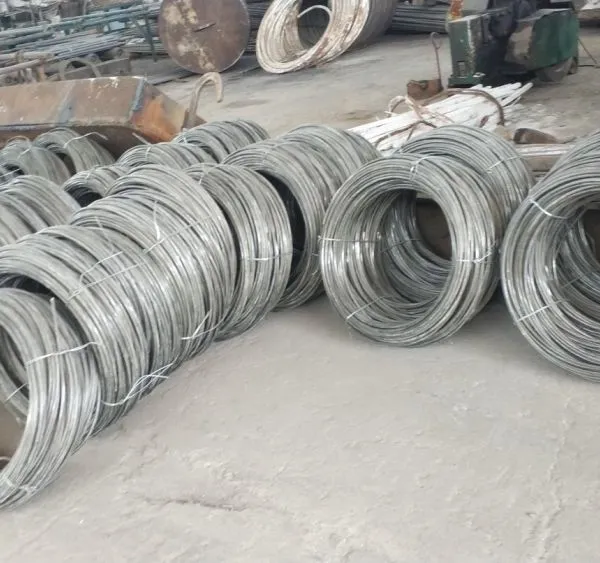
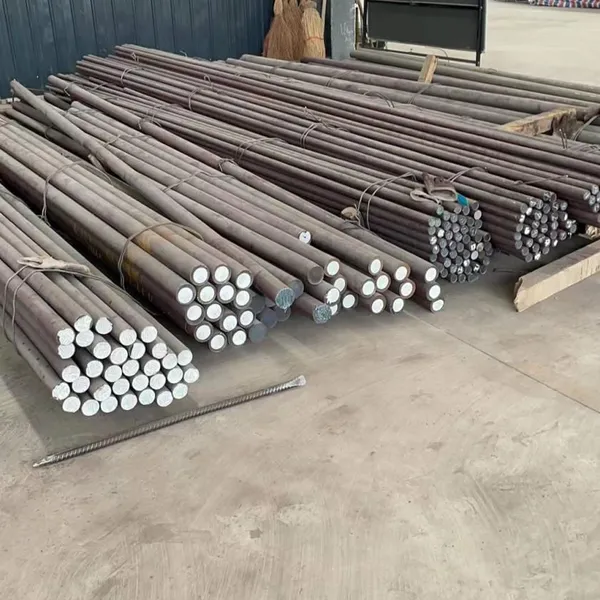
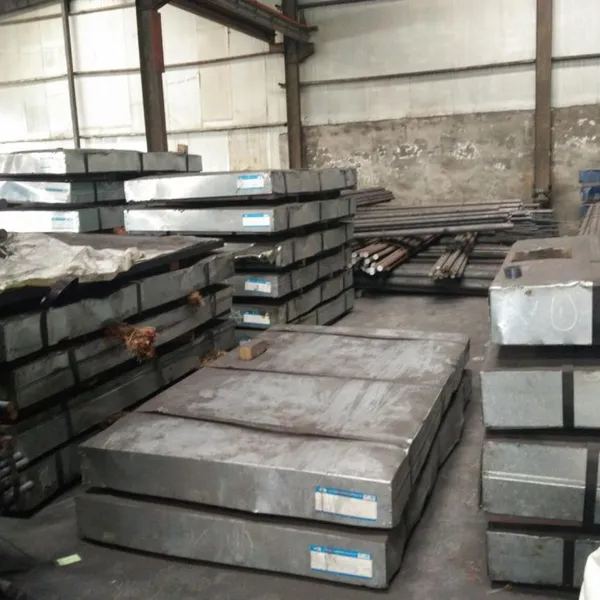
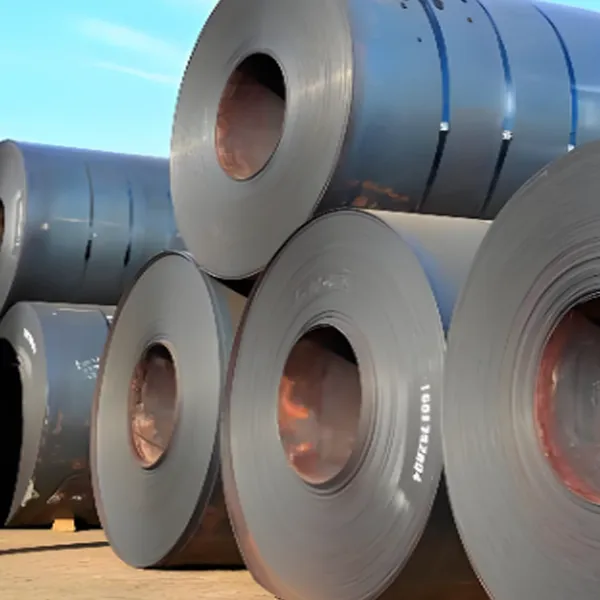
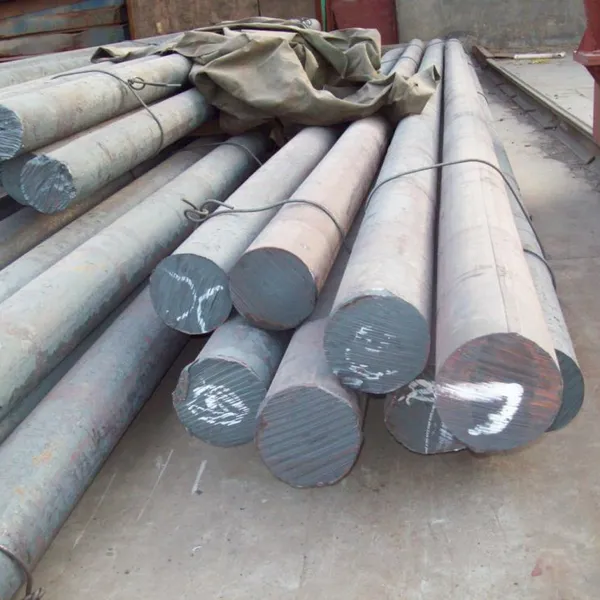
Modern manufacturing demands more than raw material. It requires materials processed to exact specifications. Shanxi Jurun Technology Co., Ltd. supplies electromagnetic pure iron in forms ready for shield fabrication: cold-rolled sheets for stamped laminations, slit coils for continuous production lines, and custom-cut bars for machined enclosures.
Need precision-slit coils or custom-cut pure iron for your shielding project? Contact our engineering team to discuss your specifications and receive a tailored quote.
Industrial Applications of Magnetic Shielding Materials
Magnetic shielding materials serve critical functions across diverse industries. The following applications illustrate the breadth of demand for high-performance shielding solutions.
Medical Equipment and MRI Facilities
Magnetic resonance imaging systems generate powerful static magnetic fields that can interfere with nearby electronic equipment and pose safety risks. Conversely, sensitive medical monitors and diagnostic tools require protection from external magnetic interference. High-permeability shields built from electromagnetic pure iron protect both personnel and equipment in hospital environments.
Power Systems and Electrical Infrastructure
Transformers, generators, and high-current busbars produce substantial magnetic fields. Without proper shielding, these fields induce unwanted currents in adjacent conductors, cause heating in structural metalwork, and create noise in communication lines. Magnetic shielding enclosures fabricated from soft magnetic pure iron contain these fields and improve overall system efficiency.
Aerospace and Defense Systems
Aircraft and spacecraft navigation systems, avionics, and guidance electronics operate in environments where electromagnetic interference can compromise safety. Magnetic shielding ensures reliable performance regardless of external conditions. The defense sector similarly relies on shielding for secure communications equipment and sensor systems.
Scientific Instruments and Metrology
Electron microscopes, mass spectrometers, and precision measurement devices detect extremely small signals. Even nanotesla-level magnetic fluctuations can distort results. Research facilities routinely specify mu-metal or high-grade pure iron shields to create magnetically quiet environments for their instruments.
Automotive and Electric Vehicle Manufacturing
The electrification of vehicles has dramatically increased the number of high-current components in confined spaces. Sensors, control units, and battery management systems all require shielding from the magnetic fields generated by drive motors and power electronics. Soft magnetic pure iron provides manufacturers with a reliable, scalable shielding material.
Selecting the Right Magnetic Shielding Material
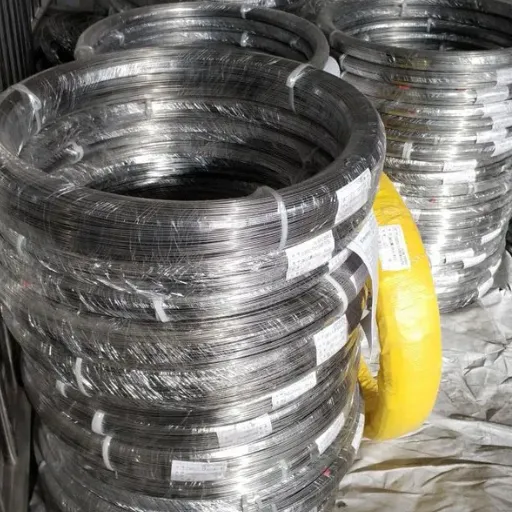
Choosing the appropriate magnetic shielding material requires systematic evaluation of your application requirements. Consider the following criteria during your selection process.
Field Strength and Frequency
Low-frequency and static fields demand high-permeability ferromagnetic materials such as electromagnetic pure iron. High-frequency interference may require conductive materials or ferrites. Understanding your interference spectrum eliminates inappropriate options immediately.
Shield Geometry and Fabrication Method
Complex shield geometries may require deep drawing, welding, or precision machining. Materials must accommodate your manufacturing process without degrading magnetic properties. DT4C pure iron offers excellent formability, and its magnetic characteristics remain stable after proper processing.
Environmental Conditions
Operating temperature, humidity, and exposure to corrosive environments affect material selection and any necessary protective coatings. Pure iron benefits from anti-rust treatments when deployed in humid or outdoor settings.
Cost and Supply Chain Considerations
Exotic alloys such as mu-metal can cost ten to twenty times more than pure iron per kilogram. For large-scale industrial applications, this cost differential becomes prohibitive. Additionally, sourcing from a reliable supplier with consistent inventory ensures your production schedule remains uninterrupted.
When the procurement team at an automotive sensor manufacturer faced a 14-week lead time for nickel alloy sheet, they evaluated electromagnetic pure iron as an alternative. Testing confirmed that DT4C cold-rolled sheet met their shielding effectiveness specifications at roughly one-fifth the material cost. They eliminated the bottleneck entirely by switching to a domestically stocked pure iron supply.
Regulatory and Certification Requirements
Some industries impose specific material standards or testing protocols. Verify that your selected magnetic shielding material complies with relevant certifications before committing to production volumes.
Processing and Fabrication Best Practices
Even the highest-quality magnetic shielding material performs poorly if fabricated incorrectly. Follow these guidelines to preserve material properties during manufacturing.
Avoid Excessive Cold Working
Severe cold deformation, such as aggressive bending or deep drawing beyond material limits, introduces mechanical stress that degrades magnetic performance. Where extensive forming is necessary, consider intermediate annealing to relieve stress and restore permeability.
Welding Considerations
Welding alters the microstructure of pure iron in the heat-affected zone. For critical shielding applications, minimize welding or use specialized low-heat processes. Post-weld annealing often proves necessary to recover magnetic properties near weld seams.
Layered Shielding Designs
For applications demanding exceptional shielding effectiveness, engineers sometimes employ multiple layers of material. An outer layer of moderate-permeability material handles high-field saturation, while an inner high-permeability layer attenuates residual fields. This approach extends the effective range of the shield without requiring exotic single-material solutions.
Proper Grounding and Electrical Continuity
Magnetic shields often serve dual purposes as electrical shields. Ensure all seams, joints, and access panels maintain excellent electrical continuity through welding, conductive gaskets, or overlapping designs.
Conclusion
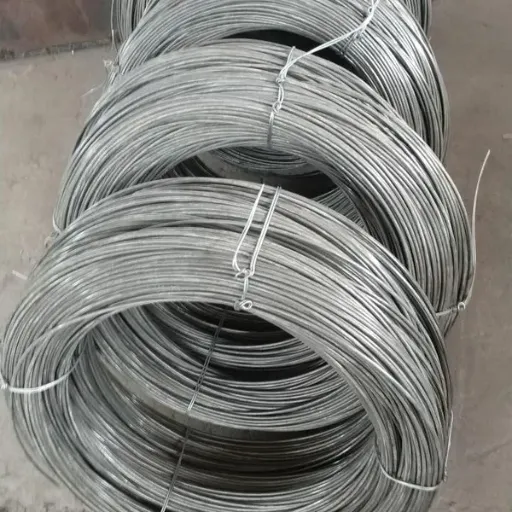
Magnetic shielding materials form an essential component of modern electromagnetic design. From medical scanners to electric vehicles, the ability to control magnetic fields separates functional products from compromised ones.
High magnetic permeability pure iron, particularly ultra-low carbon grades such as DT4C, offers engineers an optimal balance of performance, processability, and cost. Its capacity to channel magnetic flux efficiently makes it suitable for shielding applications across virtually every industrial sector.
Key takeaways from this guide include:
Magnetic shielding works by redirecting flux through high-permeability materials rather than blocking it outright.
Electromagnetic pure iron outperforms standard steel and remains far more practical than exotic alloys for most industrial uses.
Material grade, geometry, and fabrication methods all influence final shielding effectiveness.
Processing capabilities such as precision slitting and custom cutting reduce manufacturing complexity and scrap rates.
If your project requires reliable magnetic shielding materials, start with the right foundation. Source premium electromagnetic pure iron designed specifically for high-permeability applications, and ensure your supplier can deliver it in the exact form your production line demands.
Ready to optimize your magnetic shielding performance? Request a custom quote for DT4C electromagnetic pure iron tailored to your specifications, or explore our guide to electrical pure iron applications in transformers and power systems for additional technical insights.
Recently Posted
-
Industrial Pure Iron vs. Armco Iron: Terminology, History, and Modern Equivalents
September 2, 2026Not long ago, a European motor manufacturer opened an aging drawing for a magnetic shielding housing and found the material callou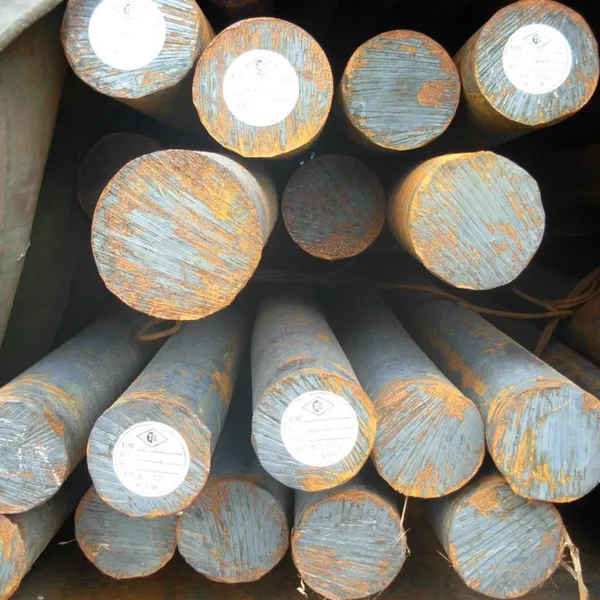 Read More
 -
Shanxi Jurun Technology: Your Electromagnetic Pure Iron Partner from Taiyuan, China's Pure Iron Prod
August 14, 2026When an international buyer searches for electromagnetic pure iron, they are not just looking for a material. They are looking for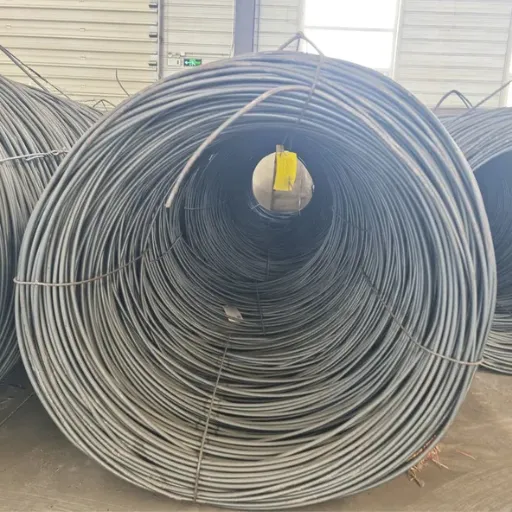 Read More
 -
Cold Drawing Process for Electromagnetic Pure Iron Wire: How Wire Rod Becomes Precision Cold-Drawn W
August 13, 2026Not long ago, a solenoid valve manufacturer in Italy received a shipment of 5.5 mm electromagnetic pure iron cold-drawn wire inten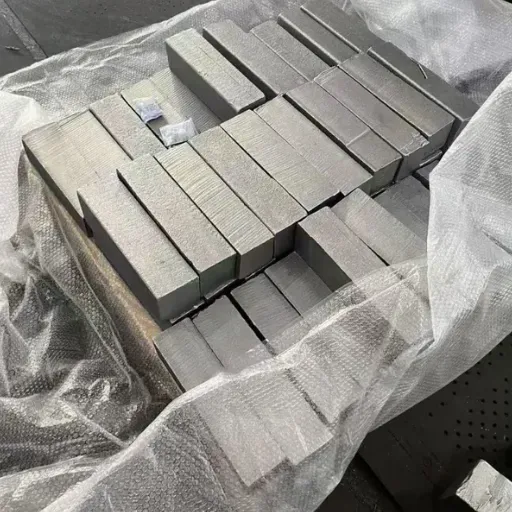 Read More
 -
How to Choose a Food Vacuum Sealer Supplier in China: 8 Evaluation Criteria
August 13, 2026An e-commerce brand owner in the UK contacted us some time ago after a supplier relationship fell apart. They had sourced roughly Read More

Contact Us
Recommended Products
-
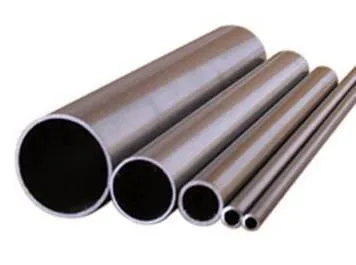
 Seamless Tube With Good Cold Electrical Pure Iron Fittings Hot Workability for Forming Fittings and ConduitsNegotiableMOQ: 1 Ton
 -
Electromagnetic Pure Iron Forging for Automotive Sensor ManufacturingNegotiableMOQ: 100 Kilograms
-
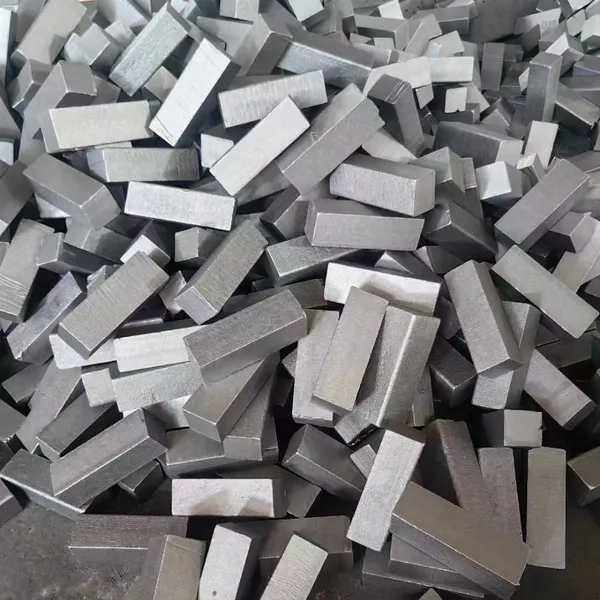
Precision Cut Pure Iron Square Bar High Saturation Induction Raw Material for Generator and RotorNegotiableMOQ: 100 Kilograms
-
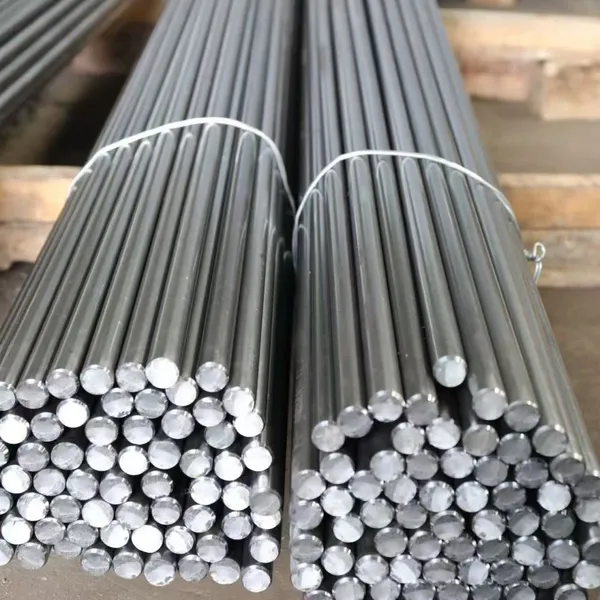
DT4C Super Grade Electromagnetic Pure Iron Bright Bar With Bundle Weight 30-100kg for Easy TransportationNegotiableMOQ: 1 Ton
-
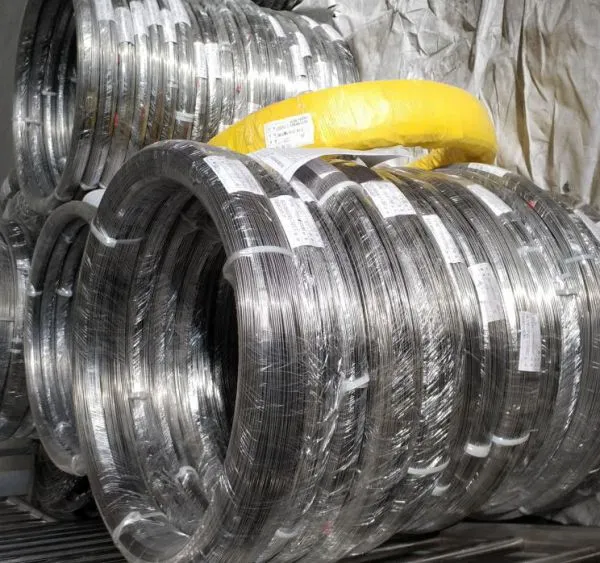
DT4C Electromagnetic Pure Iron Cold-Drawn Wire 0.5mm-6.0mm Diameter for TransformersNegotiableMOQ: 100 Kilograms

-
Industrial Pure Iron Bar for Electromagnetic Relay and Sensor ProductionNegotiableMOQ: 1 Ton
-
Electromagnetic Pure Iron Thin Sheet 0.3mm-0.8mm for Solenoid and Relay ManufacturingNegotiableMOQ: 500 Kilograms
-
Electrical Pure Iron Hot-Rolled Coil for Magnetic Components With Low Iron LossNegotiableMOQ: 1 Ton
-
Low Carbon DT4C Pure Iron Round Bar With 99.8% Fe Content for Electrical ApplicationsNegotiableMOQ: 1 Ton
-
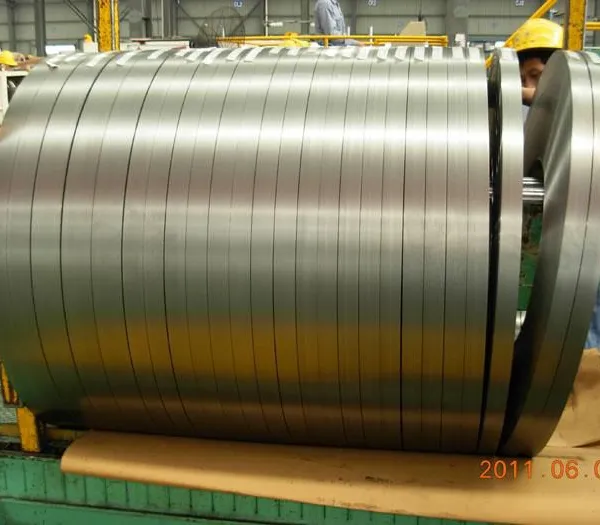
Cold Rolled Pure Iron Slit Coil DT4C Grade Ultra Low Carbon ≤0.004% for Magnetic ComponentsNegotiableMOQ: 1 Ton
-
Low Iron Loss Electromagnetic Pure Iron Hot-Rolled Coil DT4C for Transformer CoresNegotiableMOQ: 1 Ton
-
Soft Magnetic Pure Iron Sheet With Minimum Iron Loss for High-Efficiency MotorsNegotiableMOQ: 1 Ton
-
Electromagnetic Pure Iron Cold Rolled Coil DT4C for High Magnetic Permeability ApplicationsNegotiableMOQ: 1 Ton
-
Industrial Pure Iron Tube Superior Surface Quality Electromagnetic Pure Iron Tube for Welding and Plating ProcessesNegotiableMOQ: 1 Ton
-
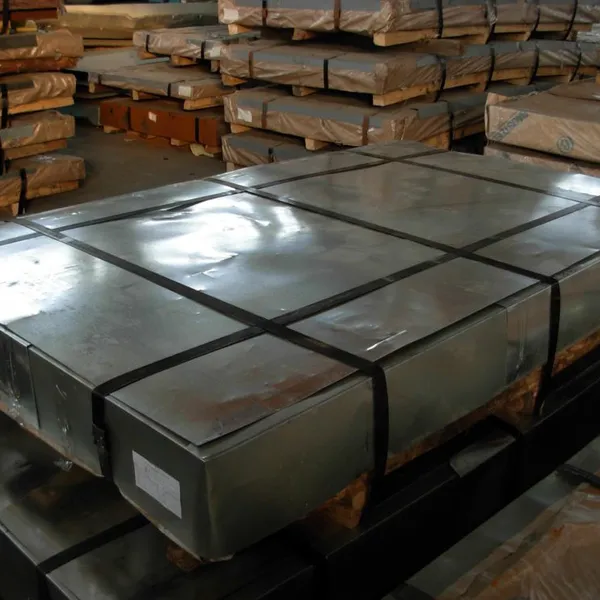
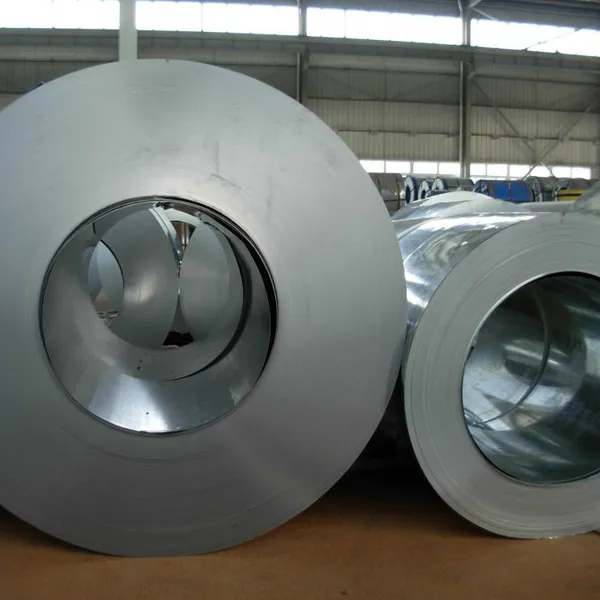
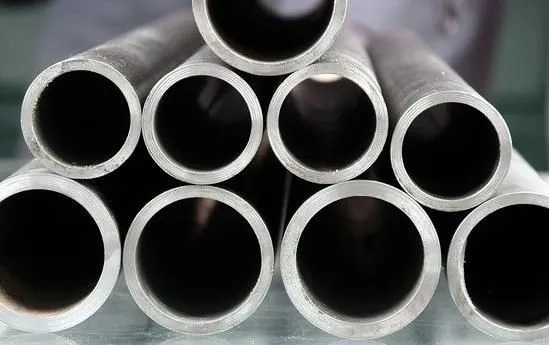
DT4 Seamless Pure Iron Tubing for High-Performance Electrical Equipment ApplicationsNegotiableMOQ: 1 Ton
-
DT4C Iron Wire Rod for Precision Magnetic Shielding ApplicationsNegotiableMOQ: 100 Kilograms
-
Industrial Pure Iron Fittings DT4 Pure Iron Seamless Tube With Low Hysteresis Loss for Electromagnetic SystemsNegotiableMOQ: 1 Ton
-
DT4C Cold Rolled Coil Slitting for Electrical Enclosure ManufacturingNegotiableMOQ: 1 Ton
-
Anti Rust Coated Pure Iron Square Bar Low Carbon Raw Material for Welding and Forging Magnetic PartsNegotiableMOQ: 100 Kilograms
-
DT4 Pure Iron Cold-Drawn Wire 0.5mm-6.0mm Diameter for Precision EngineeringNegotiableMOQ: 500 Kilograms