
 Business License

Transformer Core Material: How to Choose the Right Grade for Maximum Efficiency
A single large power transformer running on suboptimal core material can dissipate enough energy annually to power a small neighborhood. Yet many manufacturers still treat transformer core material as a commodity purchase rather than a strategic engineering decision. They focus on upfront cost per ton while ignoring the long-term cost of iron loss, heat generation, and reduced operational lifespan.
You already know that core material selection determines transformer efficiency. What you might not realize is how dramatically the right grade of electrical pure iron can reduce hysteresis loss and maximize magnetic permeability across varying load conditions. This guide breaks down exactly what to look for in transformer core material, compares the leading options on the market, and shows you how to align material properties with your specific application requirements.
Here is what we will cover: the science behind core energy loss, how electrical pure iron stacks up against silicon steel, the critical material properties engineers must evaluate, how product form impacts manufacturing workflows, common selection mistakes to avoid, and what to prioritize when sourcing from suppliers.
Why Transformer Core Material Directly Impacts Energy Efficiency
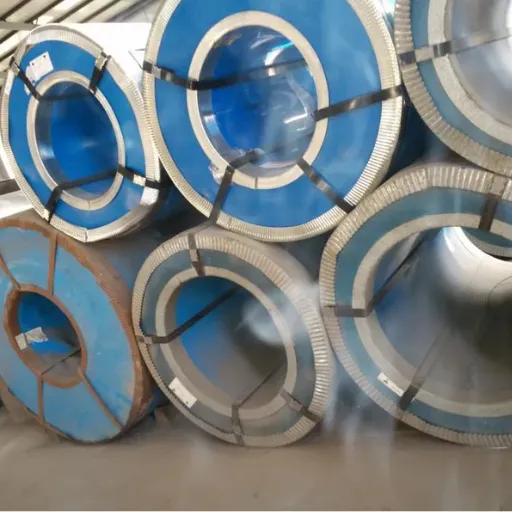
Transformer efficiency hinges on how easily magnetic flux moves through the core and how little energy dissipates during each alternating current cycle. The wrong transformer core material creates resistance at the molecular level. That resistance translates directly into heat, wasted electricity, and premature insulation failure.
Understanding Magnetic Permeability and Iron Loss
Magnetic permeability measures how readily a material supports magnetic field formation. Higher permeability means lower magnetizing current and stronger flux density for a given input. Transformer core material with high magnetic permeability allows engineers to design smaller, lighter cores that deliver the same output as larger conventional designs.
Iron loss comprises two primary components: hysteresis loss and eddy current loss. Hysteresis loss occurs because the magnetic domains within the core resist realignment with each cycle of alternating current. The area inside the B-H loop for a given material directly predicts this loss. Eddy current loss results from circulating currents induced within the core itself. Thinner laminations and higher resistivity reduce eddy currents, but material purity plays the dominant role in controlling hysteresis.
Electrical pure iron grades like DT4C achieve ultra-low carbon content at or below 0.004 percent. This extreme purity minimizes impurities that pin magnetic domain walls, allowing smoother reversal and dramatically shrinking the hysteresis loop. The result is a transformer core material that runs cooler, quieter, and more efficiently under continuous operation.
The Cost of Suboptimal Core Materials
When Beijing Power Components Ltd. switched their distribution transformer line to a lower-grade core material in 2023, the procurement team celebrated a twelve percent reduction in raw material costs. Within eight months, field service reports revealed a disturbing pattern. Transformers were running ten to fifteen degrees hotter than spec. Warranty claims climbed. Energy efficiency certifications failed.
The hidden cost became clear during a quarterly audit. The cheaper transformer core material exhibited higher iron loss under partial load conditions, the exact scenario most distribution transformers face during daily operation. The apparent savings per ton evaporated under the weight of thermal degradation, premature failure, and lost customer trust. They reverted to premium-grade electrical pure iron within the year.
Want to see how core grade impacts your specific efficiency targets? Explore our detailed guide to electrical pure iron in transformers, motors, and power systems →
Electrical Pure Iron vs. Silicon Steel: Which Core Material Wins?
Silicon steel has dominated the transformer industry for decades, and for good reason. Adding silicon to steel increases electrical resistivity, which suppresses eddy current loss. Grain-oriented silicon steel in particular offers strong performance along the rolling direction, making it suitable for large power transformers.
However, silicon steel is not automatically the best transformer core material for every application. The trade-off between silicon content and magnetic permeability creates a decision point that too many engineers overlook.
When Electrical Pure Iron Outperforms Silicon Steel
Electrical pure iron delivers higher magnetic permeability and lower coercive force than silicon steel at moderate induction levels. For applications requiring rapid magnetization and demagnetization, such as instrument transformers, pulse transformers, and certain high-frequency power supplies, pure iron responds faster and with less energy waste.
Additionally, electrical pure iron offers superior ductility and machinability. Manufacturers can cold-roll it to thinner gauges, stamp intricate core shapes, or anneal it to precise magnetic specifications. Silicon steel becomes brittle at higher silicon concentrations, limiting formability and increasing tool wear during punching operations.
For distribution transformers, current transformers, and high-sensitivity magnetic shielding applications, the lower hysteresis loss of electrical pure iron often outweighs the eddy current advantage of silicon steel. The correct choice depends on operating frequency, flux density, core geometry, and thermal constraints.
DT4C Pure Iron Specifications for Power Transformers
DT4C represents the super-grade tier of electromagnetic pure iron, engineered specifically for components where magnetic performance cannot be compromised. The carbon content sits at or below 0.004 percent, with sulfur and phosphorus held to similarly strict minimums. This chemical purity produces a soft magnetic material with exceptionally low coercivity and high maximum permeability.
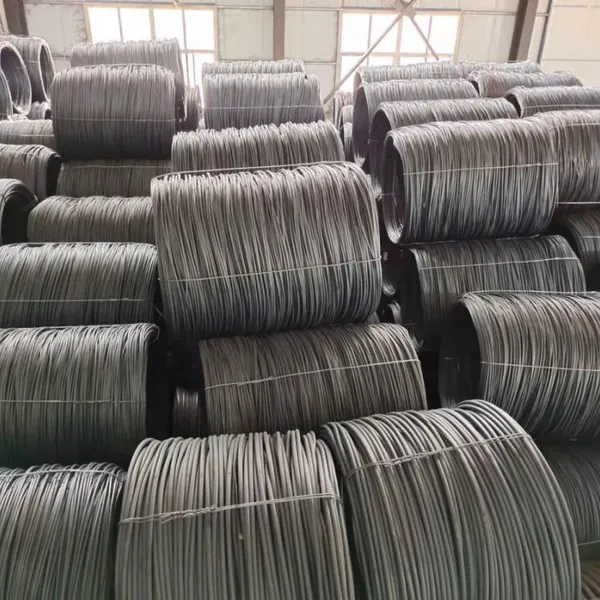
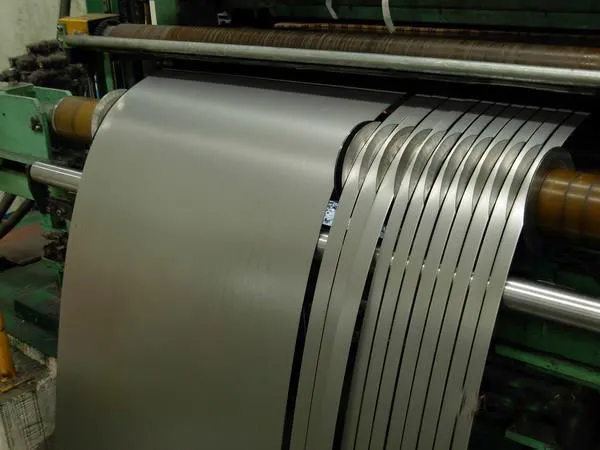
Shanxi Jurun Technology supplies DT4C transformer core material in multiple forms to match different manufacturing workflows. Hot-rolled coils suit large core stacking operations where bulk material feeds lamination presses. Cold-rolled sheets down to 0.3 millimeters serve applications demanding thin laminations for eddy current suppression. Precision-slit coils integrate directly into automated stamping lines, reducing scrap and setup time.
Contact our engineering team to find the right DT grade for your application. Whether you need hot-rolled coils for power transformers or cold-rolled sheets for compact instrument designs, we can match material form and grade to your exact specification.
Key Properties to Evaluate in Transformer Core Material
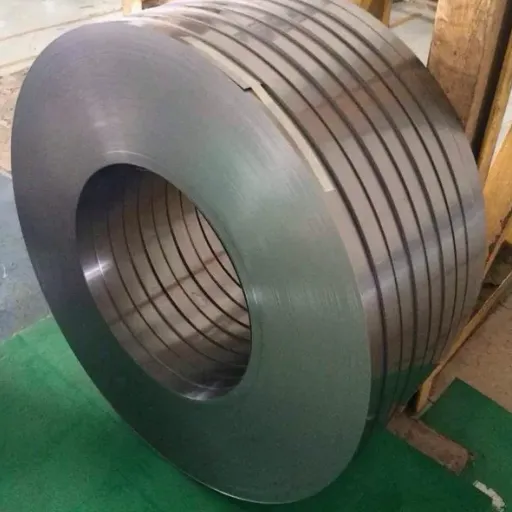
Selecting the right transformer core material requires looking beyond the datasheet headline numbers. Engineers need to understand how specific properties interact under real operating conditions.
Saturation Induction and Hysteresis Loss
Saturation induction defines the maximum flux density a material can carry before magnetic gain plateaus. Higher saturation allows smaller core cross-sections for a given power rating, which reduces copper winding length and overall transformer weight. Electrical pure iron approaches saturation induction levels competitive with the best silicon steels while maintaining superior permeability at lower inductions.
Hysteresis loss per cycle depends on coercive force and the area of the B-H loop. Pure iron grades like DT4C and DT4E exhibit narrow loops because their ultra-low carbon content allows magnetic domains to reverse with minimal resistance. When multiplied across fifty or sixty Hertz operations running twenty-four hours per day, even small per-cycle advantages compound into massive energy savings over a transformer's decades-long service life.
Carbon Content and Its Effect on Magnetic Performance
Carbon acts as a magnetic poison in soft magnetic materials. Even trace amounts above 0.01 percent can severely degrade permeability and increase coercive force. The interstitial carbon atoms distort the iron crystal lattice and pin domain walls, forcing the magnetic field to work harder during each reversal.
This is why DT4C pure iron undergoes rigorous refining to achieve carbon levels at or below 0.004 percent. The payoff appears in consistently high magnetic permeability, stable performance across temperature ranges, and predictable core loss characteristics that engineers can rely on during design calculations. When specifying transformer core material, always verify certified chemical composition rather than assuming generic "pure iron" claims meet your requirements.
For a deeper technical breakdown of selecting magnetic materials for electrical engineering applications, see our complete magnetic materials selection guide →
How Core Material Form Influences Manufacturing Efficiency
The best magnetic properties in the world deliver no value if the material form does not integrate cleanly into your production line. Transformer core material arrives in several standard forms, and each carries distinct advantages for specific manufacturing setups.
Hot-Rolled Coils for Large Transformer Cores
Hot-rolled coils represent the workhorse format for power transformer manufacturers building large distribution and utility-scale units. The thicker gauge material feeds high-speed slitting lines that cut laminations to precise widths before punching. Hot-rolled DT4C coils from Shanxi Jurun offer consistent gauge tolerance and uniform magnetic properties across the full coil length.
Because hot rolling occurs at elevated temperatures, the material retains a softer temper than cold-rolled equivalents. This softness benefits operations where laminations must be punched into complex geometries or where slight forming occurs during core assembly. For manufacturers stacking cores by hand or with semi-automated equipment, hot-rolled transformer core material reduces tooling wear and lamination breakage.
Cold-Rolled Sheets for Compact and Precision Applications
Cold-rolled sheets deliver tighter dimensional tolerances and smoother surface finishes than hot-rolled equivalents. The cold reduction process also aligns grain structure in ways that enhance directional magnetic properties. For instrument transformers, current sensors, and compact power supplies where every millimeter of core cross-section counts, cold-rolled sheets provide the precision required for optimal performance.
Thickness options from 0.3 millimeters to 0.8 millimeters allow engineers to balance lamination count against stacking factor. Thinner laminations reduce eddy current loss but increase manufacturing complexity. Cold-rolled transformer core material from premium suppliers arrives annealed and ready for stamping, eliminating in-house heat treatment steps that add cost and variability.
To learn more about hot-rolled coil specifications and processing recommendations for electromagnetic pure iron, read our electromagnetic pure iron hot-rolled coil processing guide →
Common Mistakes Manufacturers Make When Selecting Core Material
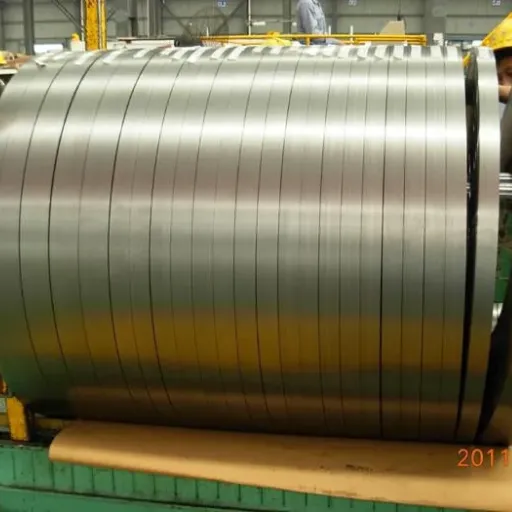
Even experienced procurement teams fall into predictable traps when sourcing transformer core material. Avoiding these mistakes protects both performance and profitability.
Prioritizing price per ton over total cost of ownership. Low-grade core material may save money at purchase but generates higher operating losses across decades of service. Calculate life-cycle cost including no-load loss, cooling requirements, and expected lifespan before making a decision.
Ignoring chemical certification. Not all materials marketed as "pure iron" achieve the carbon and impurity levels required for premium magnetic performance. Demand mill test certificates showing actual composition rather than accepting nominal grade claims.
Mismatching material form to production equipment. Ordering hot-rolled coils when your line is configured for slit sheets creates unnecessary processing steps and dimensional variability. Align material form with your cutting, stamping, and stacking capabilities.
Overlooking supply chain reliability. Core material shortages or quality inconsistency can halt transformer production lines with devastating financial impact. Partner with suppliers who maintain deep inventory at the production source rather than brokers who ship from third-party warehouses.
When Li Wei, a procurement manager at a Jiangsu-based transformer OEM, faced repeated delivery delays from a coastal broker in 2024, his production schedule slipped by three weeks. The broker had no direct mill relationship and simply passed orders through multiple intermediaries. Li Wei switched to sourcing directly from a Taiyuan-based supplier with in-house inventory and processing capabilities. Lead times dropped from six weeks to ten days, and quality consistency improved because the material never changed hands between production and shipment.
Sourcing High-Quality Transformer Core Material from Shanxi Jurun
Shanxi Jurun Technology Co., Ltd. operates from Taiyuan, Shanxi, the established production hub for Chinese pure iron. This location provides direct access to raw material sources, deep inventory holdings, and competitive pricing without middleman markups.
Our electromagnetic pure iron product range covers the grades transformer manufacturers demand most. DT4C super-grade material delivers the ultra-low carbon content and high magnetic permeability required for modern high-efficiency designs. DT8 and DT9 grades serve specialized applications where non-oriented properties or higher density specifications matter. We maintain stock across all major grades to ensure rapid fulfillment of both bulk and precision orders.
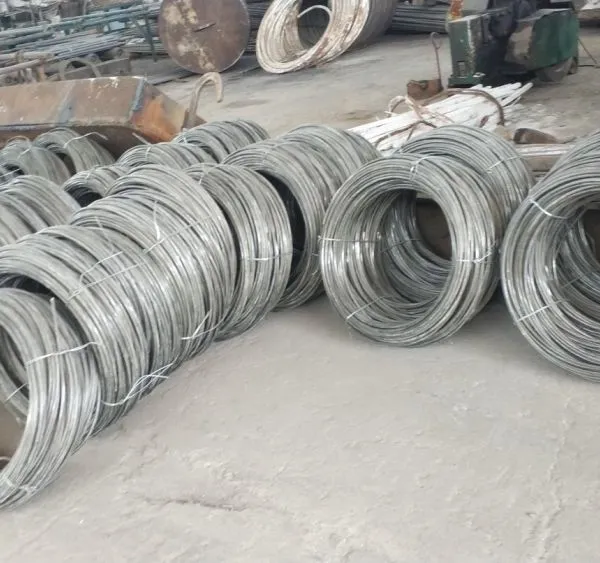
Processing capabilities separate a true manufacturing partner from a simple broker. Shanxi Jurun performs precision coil slitting, cut-to-length bar and tube services, cold drawing, and surface preparation in-house. Your transformer core material arrives ready for immediate integration into lamination presses, stamping machines, or manual stacking operations. Custom dimensions, anti-rust coating, and specialized packaging are available to match your production workflow.
Minimum order quantities remain flexible to support both prototyping and mass production. Standard bulk materials typically start at one ton, while specialty processed items including cold-drawn wire and custom forgings are available from one hundred kilograms. This flexibility lets you validate new transformer designs with small material batches before committing to full production quantities.
Request a custom quote for your specific pure iron requirements today. Our engineering team can recommend the optimal grade, form, and processing options based on your transformer specifications, production equipment, and efficiency targets.
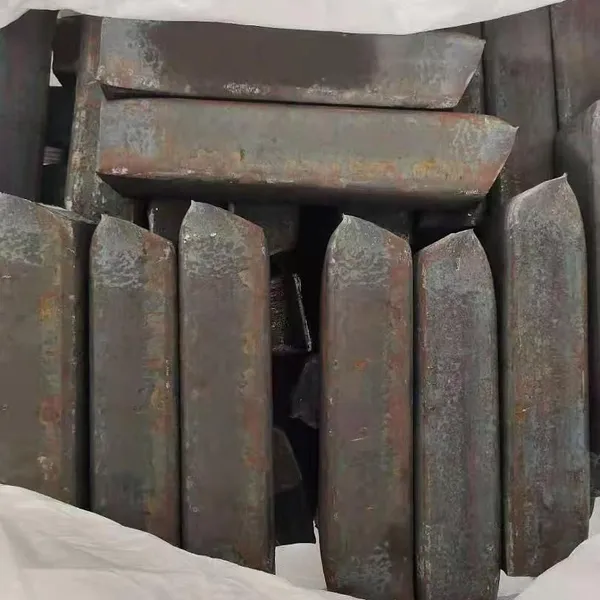
For manufacturers exploring raw material options beyond standard coils and sheets, see our guide to pure iron slabs and industrial applications →
Conclusion
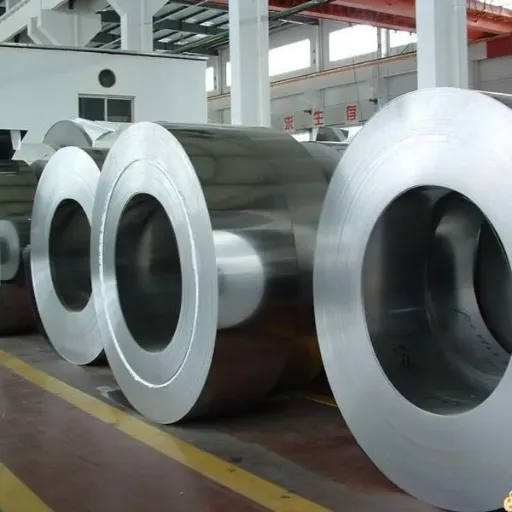
Transformer core material is not a commodity. It is a strategic engineering decision that shapes efficiency, thermal performance, and operational lifespan for decades after installation. The right material grade matched to the correct application can mean the difference between a transformer that runs cool and efficient and one that bleeds energy through excess heat and hysteresis loss.
Here are the key takeaways to remember:
Magnetic permeability and iron loss are the primary metrics governing transformer efficiency. Prioritize materials that minimize hysteresis loss at your operating frequency.
Electrical pure iron outperforms silicon steel in applications requiring high permeability, rapid magnetization, or complex forming operations. DT4C super-grade pure iron offers carbon content at or below 0.004 percent for maximum magnetic stability.
Material form matters. Hot-rolled coils suit large power transformer manufacturing. Cold-rolled sheets and precision-slit coils serve compact and high-precision designs.
Verify certification. Demand actual chemical composition data, not just grade names, to ensure your transformer core material meets specification.
Source strategically. Partner with suppliers who maintain deep inventory and in-house processing at the production source to ensure consistency, flexibility, and reliable delivery.
When Huang Engineering switched their instrument transformer line to precision-slit DT4C cold-rolled sheets sourced directly from Taiyuan, core loss testing showed an immediate eight percent improvement over their previous supplier. More importantly, lot-to-lot variation disappeared. Their stamping tools lasted longer because material hardness remained consistent, and their quality control team stopped rejecting incoming material for thickness deviations. One change in transformer core material sourcing solved three separate production headaches simultaneously.
Get direct pricing from China's pure iron production hub. Contact Shanxi Jurun Technology today to discuss your transformer core material requirements, request samples, or receive a tailored quotation for your next production run.
Recently Posted
-
Industrial Pure Iron vs. Armco Iron: Terminology, History, and Modern Equivalents
September 2, 2026Not long ago, a European motor manufacturer opened an aging drawing for a magnetic shielding housing and found the material callou Read More
 -
Shanxi Jurun Technology: Your Electromagnetic Pure Iron Partner from Taiyuan, China's Pure Iron Prod
August 14, 2026When an international buyer searches for electromagnetic pure iron, they are not just looking for a material. They are looking for Read More
 -
Cold Drawing Process for Electromagnetic Pure Iron Wire: How Wire Rod Becomes Precision Cold-Drawn W
August 13, 2026Not long ago, a solenoid valve manufacturer in Italy received a shipment of 5.5 mm electromagnetic pure iron cold-drawn wire inten Read More
 -
How to Choose a Food Vacuum Sealer Supplier in China: 8 Evaluation Criteria
August 13, 2026An e-commerce brand owner in the UK contacted us some time ago after a supplier relationship fell apart. They had sourced roughly Read More

Contact Us
Recommended Products
-
 Seamless Tube With Good Cold Electrical Pure Iron Fittings Hot Workability for Forming Fittings and ConduitsNegotiableMOQ: 1 Ton
 -
Electromagnetic Pure Iron Forging for Automotive Sensor ManufacturingNegotiableMOQ: 100 Kilograms
-
Precision Cut Pure Iron Square Bar High Saturation Induction Raw Material for Generator and RotorNegotiableMOQ: 100 Kilograms
-
DT4C Super Grade Electromagnetic Pure Iron Bright Bar With Bundle Weight 30-100kg for Easy TransportationNegotiableMOQ: 1 Ton
-
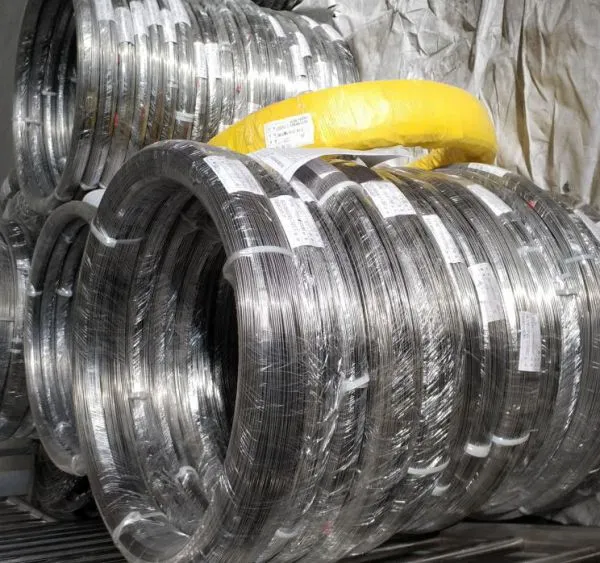
DT4C Electromagnetic Pure Iron Cold-Drawn Wire 0.5mm-6.0mm Diameter for TransformersNegotiableMOQ: 100 Kilograms
-
Industrial Pure Iron Bar for Electromagnetic Relay and Sensor ProductionNegotiableMOQ: 1 Ton
-
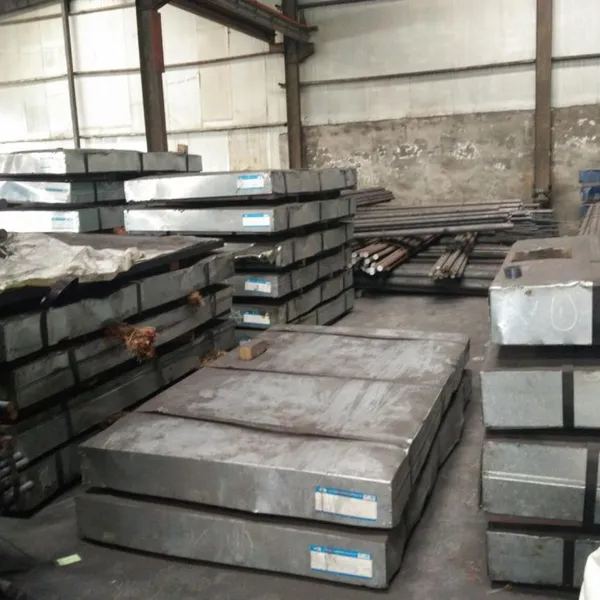
Electromagnetic Pure Iron Thin Sheet 0.3mm-0.8mm for Solenoid and Relay ManufacturingNegotiableMOQ: 500 Kilograms
-
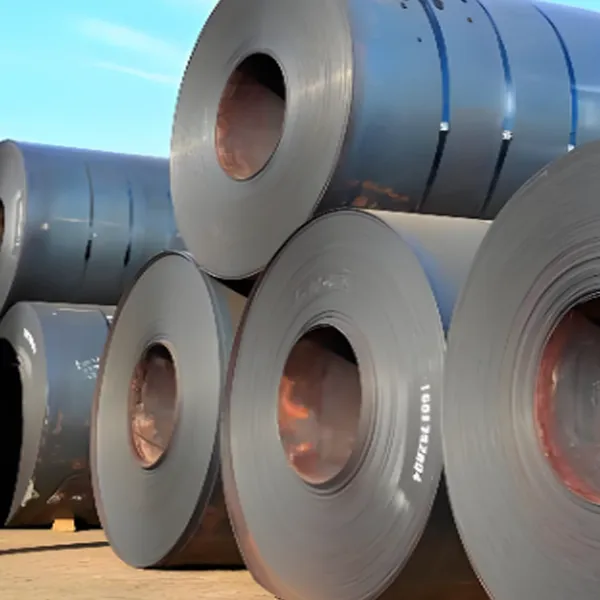
Electrical Pure Iron Hot-Rolled Coil for Magnetic Components With Low Iron LossNegotiableMOQ: 1 Ton
-
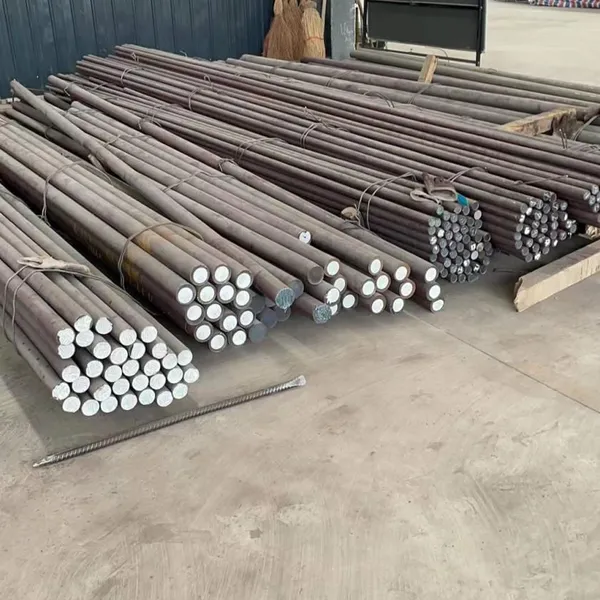
Low Carbon DT4C Pure Iron Round Bar With 99.8% Fe Content for Electrical ApplicationsNegotiableMOQ: 1 Ton
-
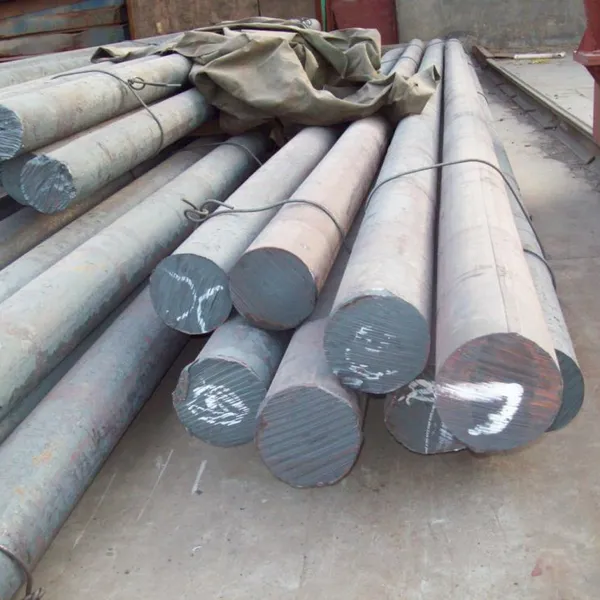
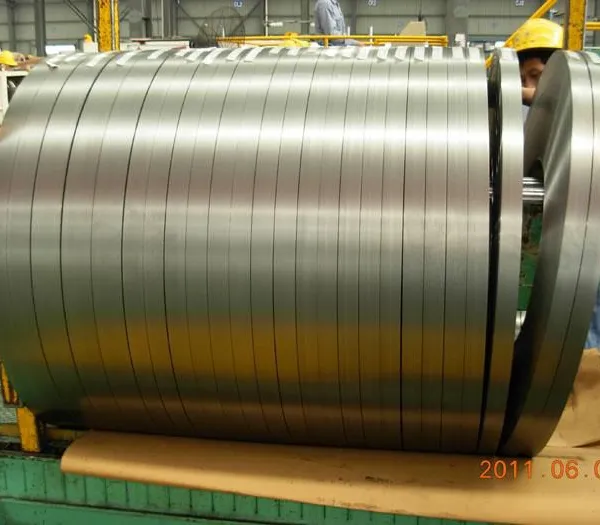
Cold Rolled Pure Iron Slit Coil DT4C Grade Ultra Low Carbon ≤0.004% for Magnetic ComponentsNegotiableMOQ: 1 Ton
-
Low Iron Loss Electromagnetic Pure Iron Hot-Rolled Coil DT4C for Transformer CoresNegotiableMOQ: 1 Ton
-
Soft Magnetic Pure Iron Sheet With Minimum Iron Loss for High-Efficiency MotorsNegotiableMOQ: 1 Ton
-
Electromagnetic Pure Iron Cold Rolled Coil DT4C for High Magnetic Permeability ApplicationsNegotiableMOQ: 1 Ton
-
Industrial Pure Iron Tube Superior Surface Quality Electromagnetic Pure Iron Tube for Welding and Plating ProcessesNegotiableMOQ: 1 Ton
-
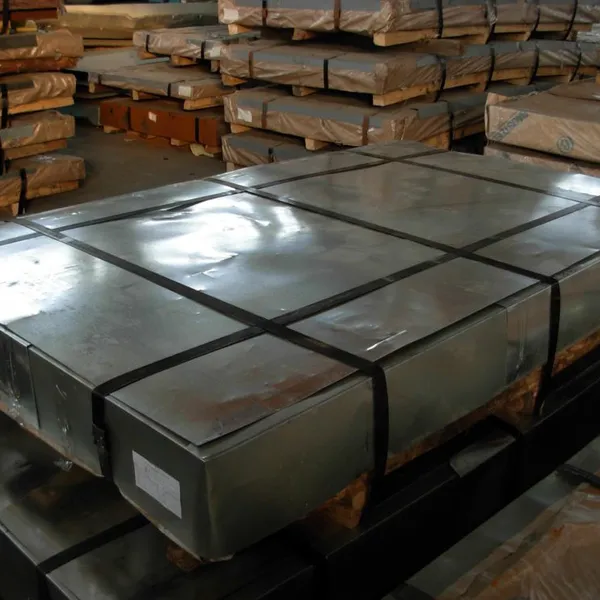
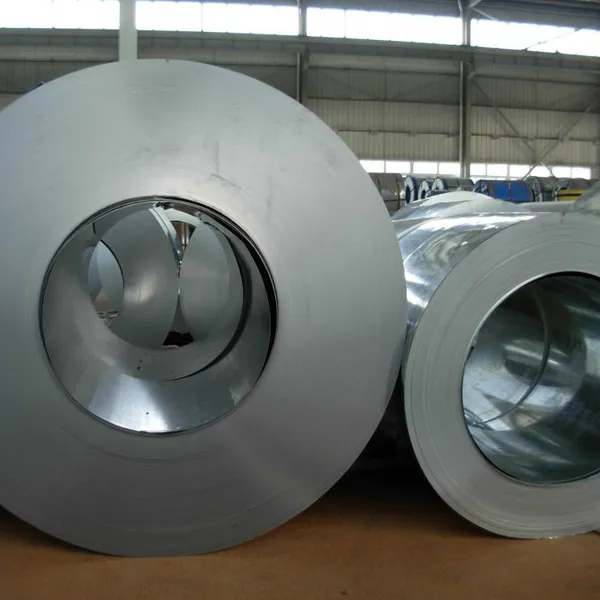
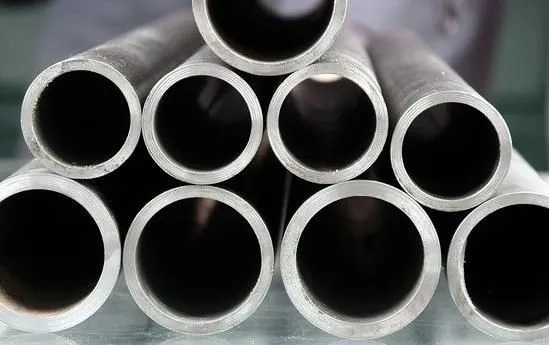
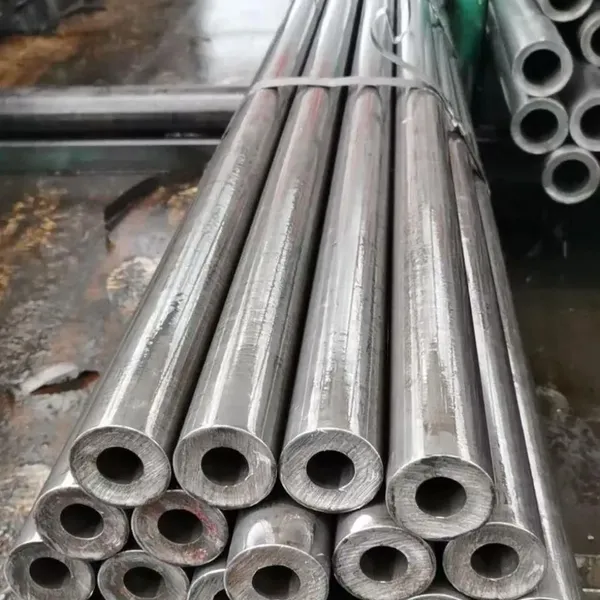
DT4 Seamless Pure Iron Tubing for High-Performance Electrical Equipment ApplicationsNegotiableMOQ: 1 Ton
-
DT4C Iron Wire Rod for Precision Magnetic Shielding ApplicationsNegotiableMOQ: 100 Kilograms
-
Industrial Pure Iron Fittings DT4 Pure Iron Seamless Tube With Low Hysteresis Loss for Electromagnetic SystemsNegotiableMOQ: 1 Ton
-
DT4C Cold Rolled Coil Slitting for Electrical Enclosure ManufacturingNegotiableMOQ: 1 Ton
-
Anti Rust Coated Pure Iron Square Bar Low Carbon Raw Material for Welding and Forging Magnetic PartsNegotiableMOQ: 100 Kilograms
-
DT4 Pure Iron Cold-Drawn Wire 0.5mm-6.0mm Diameter for Precision EngineeringNegotiableMOQ: 500 Kilograms