
 Business License

Electromagnet Core Material: A Complete Guide to Selection and Performance
What if the secret to a more powerful electromagnet was not the coil winding, but the metal hidden inside it? Engineers often spend weeks optimizing copper gauge and turn count, only to discover that the core material limits performance before the design ever reaches production. That realization can derail timelines, inflate costs, and leave teams scrambling for alternatives.
You already know that magnetic flux needs a path. The right electromagnet core material provides that path with minimal resistance and energy waste. In this guide, you will learn how core composition affects magnetic permeability, why hysteresis loss matters more than most datasheets suggest, and how to match specific grades like DT4C electromagnetic pure iron to your application. We will also cover processing options that save time on your shop floor.
Shanxi Jurun Technology Co., Ltd. supplies precision-engineered pure iron products from Taiyuan, the heart of China's pure iron production region. Our DT4C electromagnetic pure iron offers ultra-low carbon content and high magnetic permeability for manufacturers who refuse to compromise on core performance.
Why Core Material Dictates Electromagnet Performance
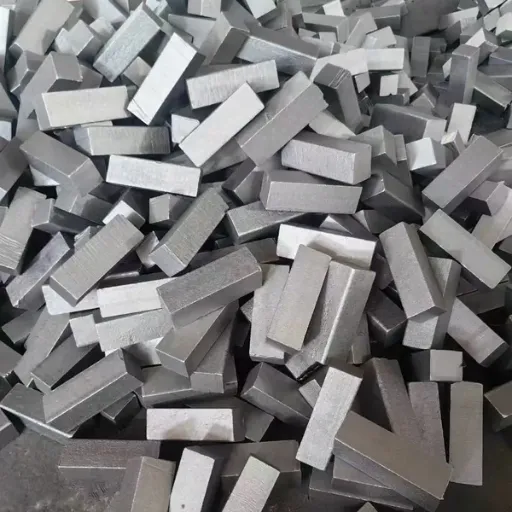
An electromagnet is only as efficient as the path its magnetic field travels. The core concentrates flux lines and amplifies the magnetic force generated by the coil. Without a high-quality core, much of the electrical energy converts to heat rather than useful magnetism.
Magnetic permeability measures how easily a material supports magnetic field formation. Core materials with high permeability require less current to achieve the same field strength. This directly reduces copper losses and operating temperatures. For manufacturers building relays, solenoids, or lifting magnets, higher permeability translates to faster response times and lower energy consumption.
Saturation induction represents another critical limit. Every core material reaches a point where additional current yields diminishing magnetic returns. Once saturation occurs, the core cannot concentrate more flux. Choosing a material with adequate saturation induction prevents this ceiling from crippling your design.
The Physics Behind Magnetic Flux Concentration
When current flows through a coil, it generates a magnetic field in the surrounding space. Air offers poor flux concentration because its permeability is low. Inserting a ferromagnetic core channels those flux lines through a material hundreds or thousands of times more permeable than air.
The shape of the core also influences performance. Closed magnetic circuits, such as toroidal transformer cores, minimize flux leakage. Open circuits, like solenoid plungers, intentionally allow flux to extend beyond the core for actuation. Understanding these geometries helps you specify the right core material and form factor together.
Soft magnetic materials provide the ideal balance for electromagnets. Unlike permanent magnets, soft magnetic materials magnetize quickly under an applied field and demagnetize almost completely when the field drops. This reversibility is essential for alternating-current applications and switching devices.
How Hysteresis Loss Steals Efficiency
Hysteresis loss occurs every time a core material cycles through magnetization and demagnetization. The energy required to reorient magnetic domains dissipates as heat. Over millions of cycles, these losses compound and reduce overall system efficiency.
Materials with narrow hysteresis loops lose less energy per cycle. Pure iron grades such as DT4C exhibit exceptionally narrow loops due to ultra-low carbon content and high crystalline purity. For high-frequency switching applications, minimizing hysteresis loss can mean the difference between a design that runs cool and one that requires active thermal management.
Eddy current losses add another layer of complexity. Changing magnetic fields induce circulating currents within the core itself. Laminated cores and finely divided powder cores reduce eddy currents by interrupting current paths. If your application operates at high frequencies, consider these structural strategies alongside material selection.
Soft Magnetic Materials: The Industry Standard
The electromagnet core material market offers several categories of soft magnetic materials. Each balances cost, performance, and availability differently. Understanding these trade-offs prevents over-specification on one hand and premature failure on the other.
Electrical steel, also called silicon steel, dominates large transformer manufacturing. Silicon additions increase electrical resistivity, which suppresses eddy currents at power frequencies. Grain-oriented electrical steel further improves performance by aligning crystalline structures along the flux path. These steels deliver excellent value for utility-scale transformers and large motors.
Pure iron and low-carbon iron alloys serve applications demanding maximum permeability and minimal hysteresis loss. Unlike silicon steel, pure iron contains no alloying elements that dilute magnetic performance. This makes it the preferred choice for precision relays, sensors, and high-efficiency solenoids where every fraction of permeability counts.
Comparing Electrical Steel and Pure Iron
Electrical steel excels in high-power, line-frequency transformers. Its laminated structure and silicon content keep losses manageable at 50 or 60 hertz. Manufacturers appreciate its widespread availability and established supply chains.
Pure iron, particularly grades like DT4C electromagnetic pure iron, outperforms electrical steel in applications requiring rapid flux changes or extreme permeability. Automotive sensors, particle accelerator components, and magnetic shielding assemblies often specify pure iron because electrical steel simply cannot reach the same magnetic response levels.
Cost differences also influence selection. Electrical steel generally costs less per ton for bulk transformer applications. Pure iron becomes cost-effective when scrap reduction, tighter tolerances, and downstream processing efficiency enter the calculation. A solenoid manufacturer who receives precision-slit pure iron coils may eliminate an entire slitting and inspection step from their line.
Understanding the Role of Carbon Content
Carbon is the enemy of soft magnetic performance. Even trace amounts form iron carbide particles that pin magnetic domain walls. This pinning increases coercivity, widens the hysteresis loop, and reduces permeability.
Industrial pure iron typically contains carbon levels below 0.02 percent. Premium electromagnetic grades like DT4C push carbon content to 0.004 percent or lower. This ultra-low carbon structure allows domain walls to move freely, producing the steep magnetization curves that engineers specify for sensitive instruments.
Nitrogen, sulfur, and oxygen also degrade magnetic properties. Reputable suppliers control these elements through vacuum degassing and careful raw material selection. When evaluating electromagnet core material, request full chemical composition data, not just carbon content alone.
DT4C Electromagnetic Pure Iron: Specifications and Benefits
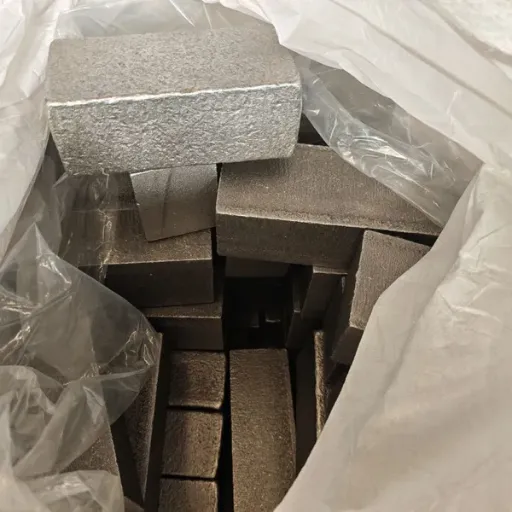
DT4C represents one of the most widely specified grades of electromagnetic pure iron for high-performance core applications. Its composition and processing create a material optimized for low-loss, high-permeability magnetic circuits.
The DT series classifies pure iron by carbon content and magnetic quality. DT4C sits at the premium end of this range, offering guaranteed maximum coercivity and minimum permeability values that exceed standard industrial grades. Manufacturers who specify DT4C know they are receiving material that has been refined and tested for electromagnetic duty.
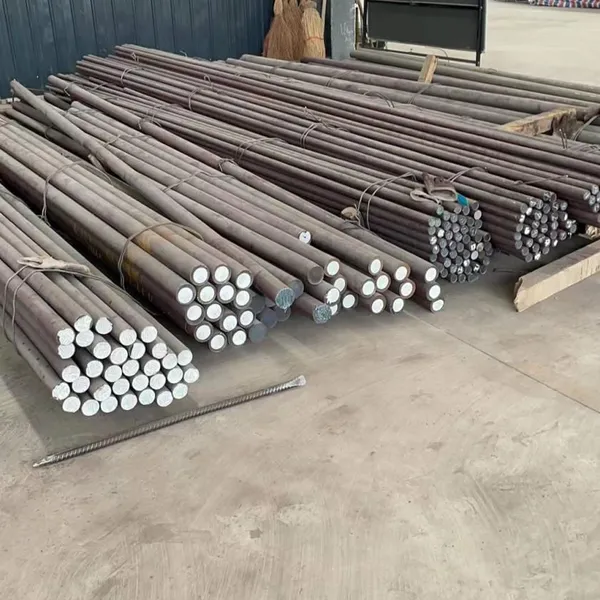
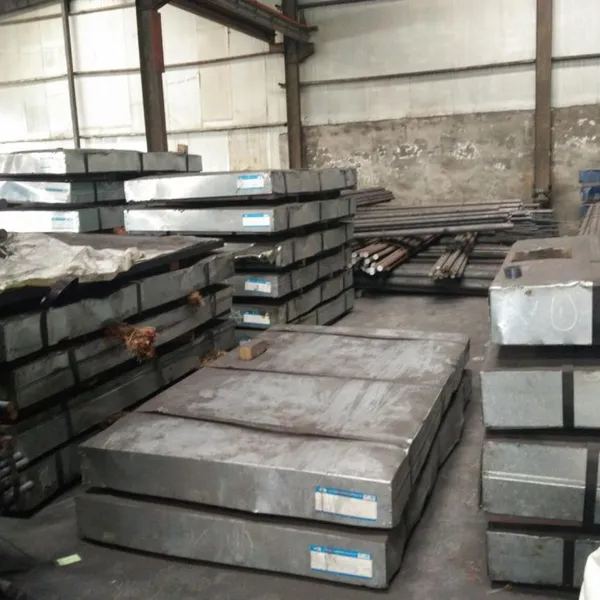
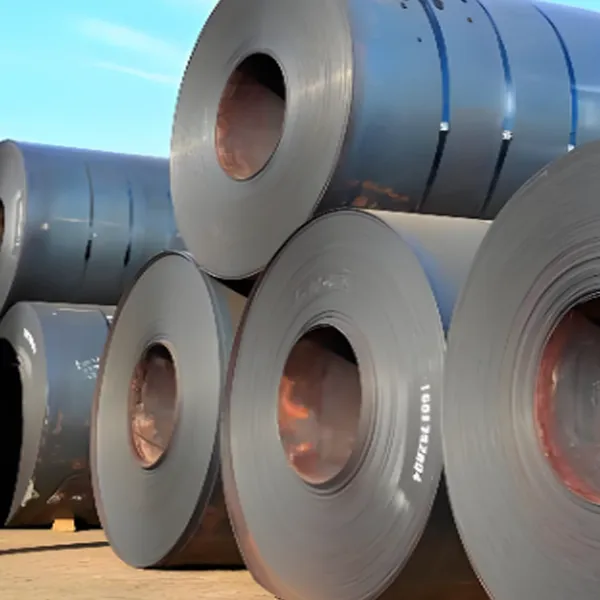
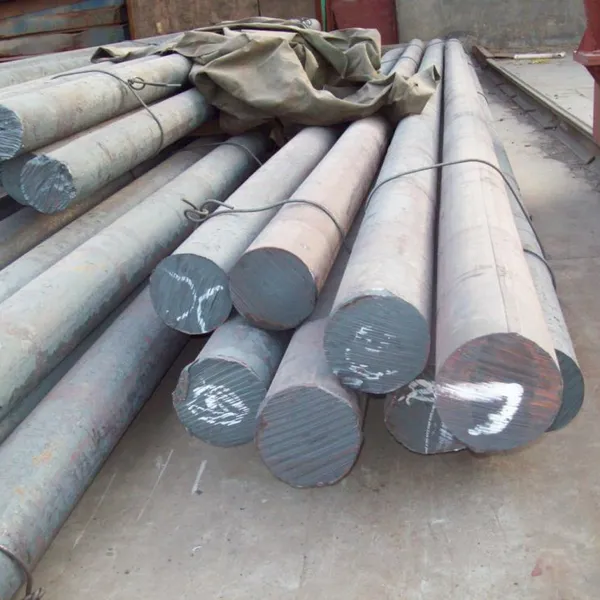
Shanxi Jurun Technology Co., Ltd. maintains substantial inventory of DT4C electromagnetic pure iron in multiple forms. Our hot-rolled coils, cold-rolled sheets, and cold-drawn bars ship directly from Taiyuan with full certification and traceability.
Magnetic Permeability and Saturation Induction
DT4C pure iron delivers initial permeability values significantly higher than ordinary low-carbon steels. This means the material responds rapidly to small applied fields, making it ideal for sensors and sensitive relays. Maximum permeability values reach even higher, supporting efficient flux conduction at operational field strengths.
Saturation induction for DT4C approaches approximately 2.15 tesla, among the highest values available in commercial soft magnetic materials. This high saturation ceiling allows compact core designs that still handle substantial magnetic loads. For manufacturers pushing miniaturization, DT4C provides headroom that lower-grade materials cannot match.
Temperature stability matters too. Magnetic properties shift as cores heat during operation. DT4C maintains stable performance across typical industrial temperature ranges, reducing the need for thermal compensation circuits in precision equipment.
Iron Loss Metrics That Matter
Total iron loss combines hysteresis loss and eddy current loss at a specified frequency and flux density. DT4C achieves remarkably low total iron loss due to its ultra-low carbon content and fine-grained microstructure. Lower iron loss means cooler operating temperatures, reduced cooling requirements, and higher overall system efficiency.
When comparing supplier datasheets, pay attention to test conditions. Loss values measured at 1.0 tesla and 50 hertz may not translate directly to your operating point. Request data at your specific flux density and frequency, or test samples under your actual conditions before committing to a large order.
When Marcus, a design engineer at a German automation firm, switched his solenoid core supplier to DT4C pure iron, his team measured a 12 percent reduction in holding current for the same magnetic force. That improvement allowed them to use smaller driver circuits across their entire product line. The material upgrade paid for itself within the first production run.
Want to see how DT4C performs in your application? Contact our engineering team to request a sample batch of precision-slit DT4C coils for prototype testing.
Matching Core Material to Your Application
Not every electromagnet faces the same demands. A transformer core operates under continuous excitation at line frequency. A solenoid core pulses on and off dozens of times per second. A sensor core measures tiny field variations with minimal distortion. Each scenario places different priorities on core material selection.
Transformer and power inductor cores prioritize low total iron loss at 50 or 60 hertz. Grain-oriented silicon steel dominates here, though high-efficiency designs increasingly specify pure iron for distribution transformers where no-load losses must be minimized.
Solenoid and relay cores demand high permeability at moderate flux densities. Response time depends on how quickly the core magnetizes and demagnetizes. Pure iron grades like DT4C provide the fast magnetic response that rapid-switching applications require.
Solenoid Cores and Relay Components
Solenoids convert electrical energy into linear mechanical force. The core, often called the plunger or armature, must move freely while providing a strong flux path. High permeability ensures strong force generation. Low remanence prevents the plunger from sticking in the energized position after current drops.
DT4C pure iron offers low coercivity, which means low remanence. Solenoid designers appreciate this because it reduces the need for return springs and complex mechanical reset mechanisms. Cold-drawn DT4C bars machine cleanly into precision plungers with consistent magnetic properties from part to part.
For high-speed relays, core material consistency affects switching repeatability. A relay that must open and close ten million times cannot tolerate material variations that shift pull-in voltage over the product life. Specifying certified electromagnetic pure iron with tight compositional control ensures that every relay meets the same electrical timing specifications.
Transformer Cores and Power Systems
Power transformers require cores that handle high flux densities with minimal energy waste. The classic E-I lamination stack, wound tape cores, and toroidal constructions all demand material that performs predictably across decades of service.
While grain-oriented silicon steel remains standard for large power transformers, smaller control transformers and instrumentation transformers increasingly use pure iron. These applications prioritize linearity and low harmonic distortion over absolute cost per kilogram. Pure iron's superior permeability at lower flux densities makes it the logical choice.
Transformer core materials selection also involves form factor decisions. Tape-wound toroidal cores eliminate air gaps and minimize flux leakage. Stacked lamination cores allow simpler winding processes but introduce small gaps at each joint. Your material supplier should offer the right form, whether that means precision-slit coil stock or pre-cut lamination blanks.
Automotive Sensors and EV Motors
The automotive industry pushes electromagnet core materials to new extremes. Electric vehicle motors operate at variable frequencies and high rotational speeds. Position sensors must deliver accurate signals despite vibration and temperature swings. Solenoid valves in fuel injection and transmission systems cycle thousands of times per hour.
Soft magnetic pure iron meets these challenges through a combination of high permeability and mechanical toughness. Forged pure iron components withstand the mechanical stresses of high-speed motor assemblies. Thin pure iron sheets stamp cleanly into sensor laminations with minimal burr formation.
EV motor manufacturers particularly value consistent material properties. Any variation in core loss between production batches can create efficiency differences between vehicles. Working with a supplier who certifies every batch of electromagnetic pure iron eliminates this risk.
Processing and Form Factors for Core Manufacturing
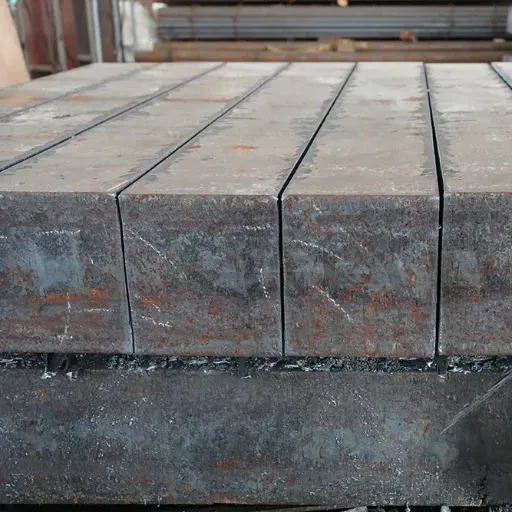
Raw material form matters nearly as much as composition. A transformer manufacturer receiving full-width hot-rolled coils faces slitting, cutting, and stamping operations before a single lamination emerges. A solenoid manufacturer starting with rough forgings must turn, grind, and polish each plunger. The closer the raw material arrives to finished dimensions, the faster and cheaper production becomes.
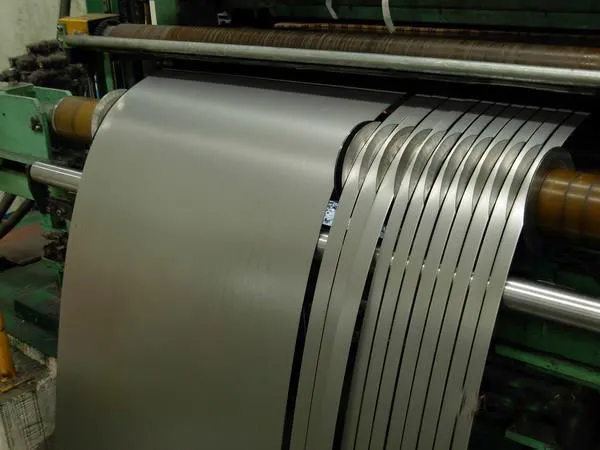
Shanxi Jurun Technology Co., Ltd. offers comprehensive in-house processing services. We slit cold-rolled coils to custom widths, cut bars to exact lengths, straighten wire rods, and perform turning or milling operations. This integrated approach eliminates third-party handling and reduces lead times.
Cold-Rolled Sheets vs. Hot-Rolled Coils
Cold-rolled pure iron sheets deliver superior surface finish and tighter dimensional tolerances than hot-rolled products. The cold rolling process also introduces controlled work hardening, which can improve mechanical strength slightly while maintaining soft magnetic properties through careful annealing.
Thin cold-rolled sheets ranging from 0.3 millimeters to 0.8 millimeters suit stamping operations for relay laminations, sensor plates, and small motor components. These thicknesses feed directly into high-speed progressive dies with minimal setup adjustment.
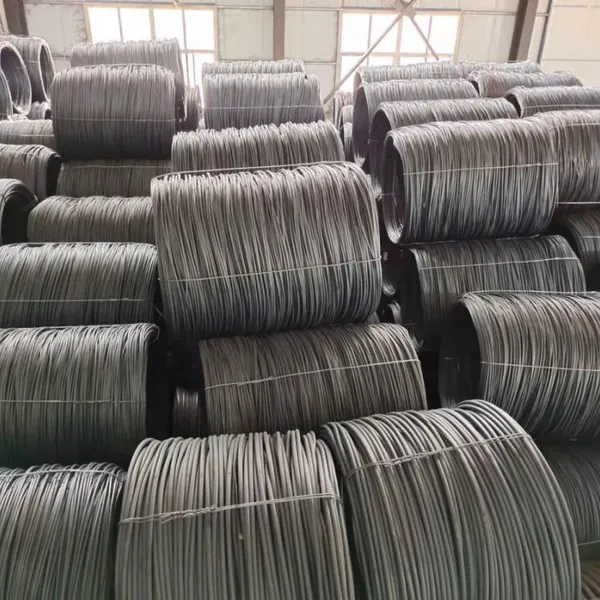
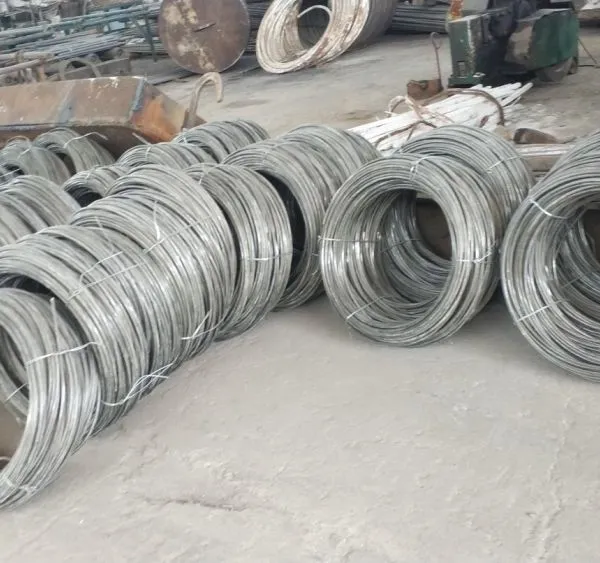
Hot-rolled coils serve applications where thickness exceeds one millimeter or where surface finish requirements are less critical. Large transformer cores, heavy solenoid housings, and structural magnetic components often start as hot-rolled material. Hot rolling also produces the wire rod stock that later becomes cold-drawn bar or wire.
Custom Cutting and Precision Slitting
Standard mill dimensions rarely match your tooling exactly. Excess width means wasted material and extra slitting steps at your facility. Length variations force additional sawing and deburring operations.
Precision slitting reduces coil stock to the exact width your stamping line requires. Narrow slit coils feed directly into automated presses without edge trimming or side scrap. This near-net-shape delivery reduces material waste and labor simultaneously.
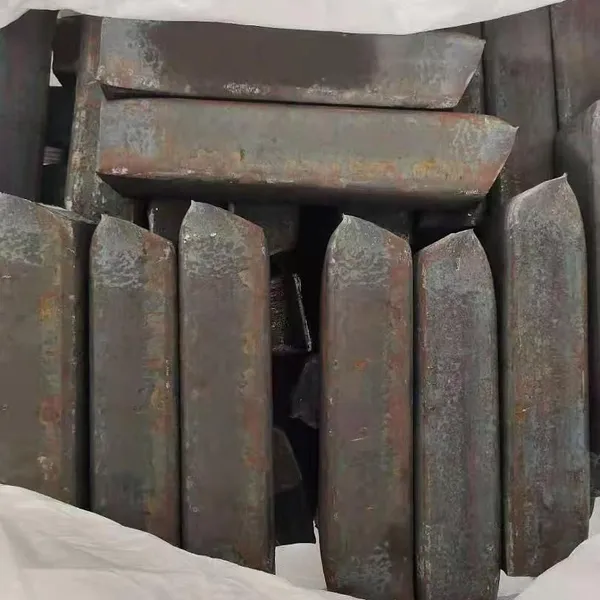
Cut-to-length bars and tubes arrive ready for your CNC machines or assembly stations. Shanxi Jurun processes pure iron square bars, round bars, and seamless tubes to customer specifications. Anti-rust coating options protect material during extended storage or ocean transit.
When the procurement team at an Italian relay manufacturer began ordering custom-cut DT4C bars from Shanxi Jurun, their shop floor scrap rate dropped by nearly 18 percent. Previously, they purchased standard-length bars and cut them in-house. The switch to precision-cut deliveries eliminated sawing time, reduced end scrap, and freed up floor space previously occupied by cutoff equipment.
Ready to streamline your production with precision-cut pure iron? Request a custom quote for slit coils or cut-to-length bars tailored to your exact manufacturing requirements.
How to Evaluate Suppliers and Ensure Quality
Selecting an electromagnet core material supplier involves more than comparing price per kilogram. Consistency, certification, and technical support determine whether your production line runs smoothly or suffers from unexpected material variations.
Start by verifying that the supplier can provide full material certifications with each batch. These certificates should include chemical composition, mechanical properties, and magnetic test results. For electromagnetic pure iron, magnetic permeability and coercivity values matter as much as carbon content.
Verifying Grade Certifications
DT4C and other electromagnetic grades carry specific national or international standards. In China, GB/T 6983 governs electromagnetic pure iron. Reputable suppliers test and certify material against these standards before release.
Request independent third-party test reports when possible. These reports confirm that the supplier's internal testing aligns with external laboratory results. For high-volume contracts, consider specifying witness testing where your quality representative observes sample preparation and measurement.
Magnetic testing requires specialized equipment. Not every metals laboratory can accurately measure initial permeability or coercivity. Verify that your supplier's laboratory, or their designated testing house, maintains calibrated hysteresisgraph equipment and follows standardized test protocols.
Consistency Across Batches
Even certified material can vary slightly from batch to batch. The best suppliers control this variation through tight process control at the melting, rolling, and heat treatment stages. Ask potential suppliers about their process capability indices for key magnetic parameters.
Inventory depth also signals reliability. A supplier who maintains substantial stock of multiple grades can ship quickly and replace non-conforming material without long delays. Shanxi Jurun's Taiyuan facility holds extensive inventory across the DT and YT grade families, ensuring consistent availability for ongoing production programs.
Technical support rounds out the supplier evaluation. Can your supplier recommend the right grade for a new application? Will they provide processing guidance for slitting, stamping, or machining their material? A supplier who understands electromagnet core material applications adds value beyond the physical product.
Conclusion

The electromagnet core material you choose shapes performance, efficiency, and manufacturing cost from the earliest design stages. High-permeability soft magnetic materials like DT4C electromagnetic pure iron deliver the flux concentration, low hysteresis loss, and temperature stability that modern electromagnetic devices demand.
Key takeaways from this guide include:
Magnetic permeability and saturation induction define the upper limits of core performance
Ultra-low carbon content in grades like DT4C minimizes hysteresis loss and maximizes permeability
Pure iron outperforms electrical steel in applications requiring rapid response or extreme sensitivity
Processing services such as precision slitting and cut-to-length delivery reduce scrap and labor
Supplier certification and batch consistency protect your production from material variation
Electromagnetic device manufacturers cannot afford to treat core material as an afterthought. The right material, delivered in the right form, separates products that merely function from products that lead their markets.
Start optimizing your electromagnet designs today. Contact Shanxi Jurun Technology Co., Ltd. to discuss your core material requirements, request DT4C samples, or get a custom quote for precision-processed pure iron delivered directly from Taiyuan.
Recently Posted
-
Industrial Pure Iron vs. Armco Iron: Terminology, History, and Modern Equivalents
September 2, 2026Not long ago, a European motor manufacturer opened an aging drawing for a magnetic shielding housing and found the material callou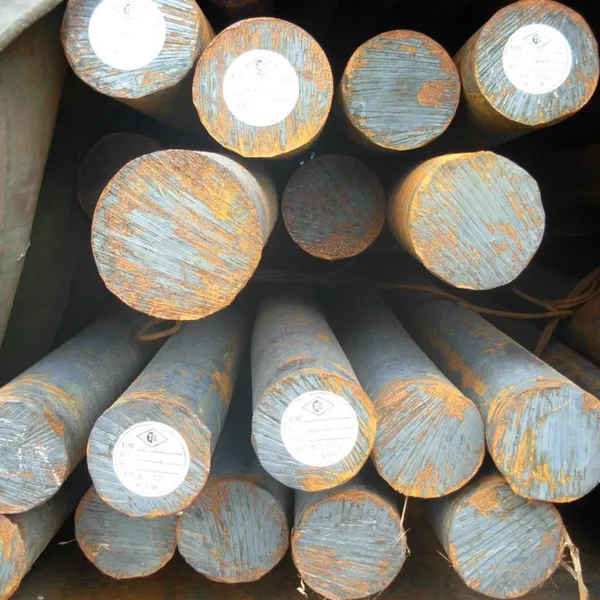 Read More
 -
Shanxi Jurun Technology: Your Electromagnetic Pure Iron Partner from Taiyuan, China's Pure Iron Prod
August 14, 2026When an international buyer searches for electromagnetic pure iron, they are not just looking for a material. They are looking for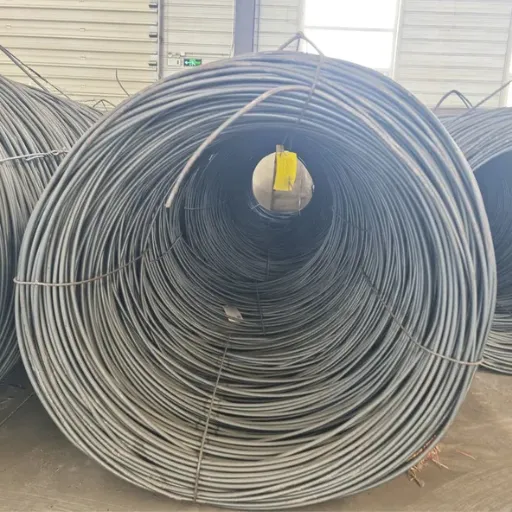 Read More
 -
Cold Drawing Process for Electromagnetic Pure Iron Wire: How Wire Rod Becomes Precision Cold-Drawn W
August 13, 2026Not long ago, a solenoid valve manufacturer in Italy received a shipment of 5.5 mm electromagnetic pure iron cold-drawn wire inten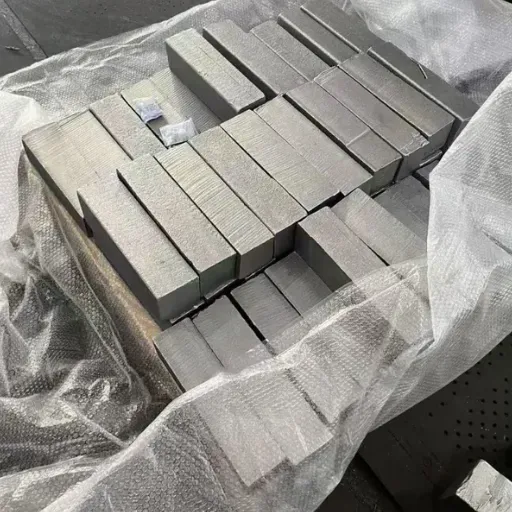 Read More
 -
How to Choose a Food Vacuum Sealer Supplier in China: 8 Evaluation Criteria
August 13, 2026An e-commerce brand owner in the UK contacted us some time ago after a supplier relationship fell apart. They had sourced roughly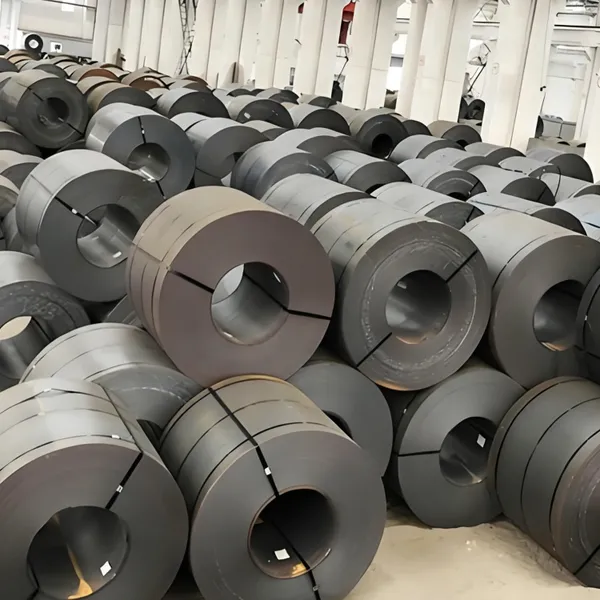 Read More

Contact Us
Recommended Products
-
 Seamless Tube With Good Cold Electrical Pure Iron Fittings Hot Workability for Forming Fittings and ConduitsNegotiableMOQ: 1 Ton
 -
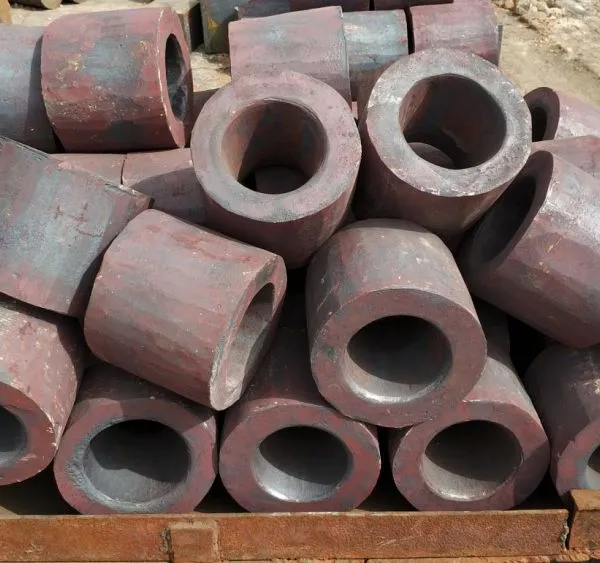
Electromagnetic Pure Iron Forging for Automotive Sensor ManufacturingNegotiableMOQ: 100 Kilograms
-
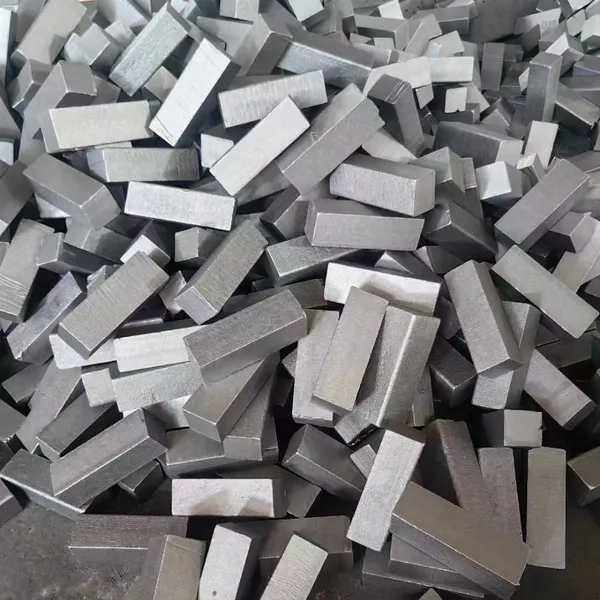
Precision Cut Pure Iron Square Bar High Saturation Induction Raw Material for Generator and RotorNegotiableMOQ: 100 Kilograms
-
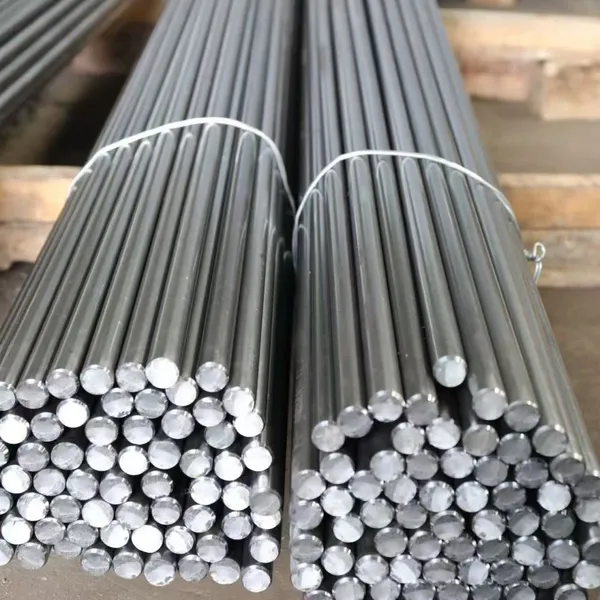
DT4C Super Grade Electromagnetic Pure Iron Bright Bar With Bundle Weight 30-100kg for Easy TransportationNegotiableMOQ: 1 Ton
-
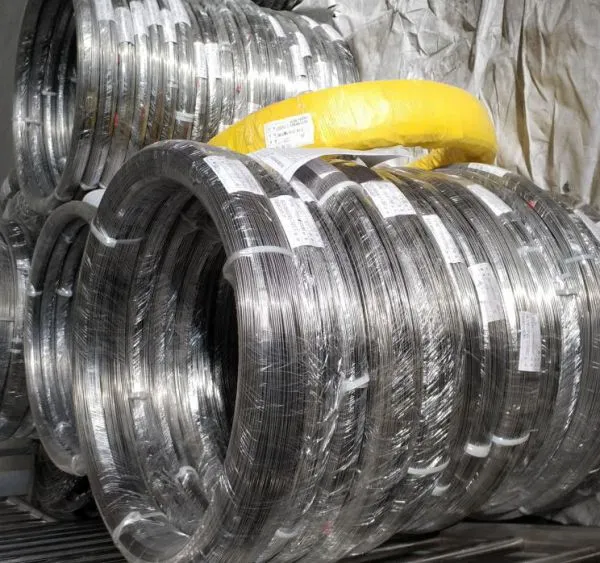
DT4C Electromagnetic Pure Iron Cold-Drawn Wire 0.5mm-6.0mm Diameter for TransformersNegotiableMOQ: 100 Kilograms
-
Industrial Pure Iron Bar for Electromagnetic Relay and Sensor ProductionNegotiableMOQ: 1 Ton
-
Electromagnetic Pure Iron Thin Sheet 0.3mm-0.8mm for Solenoid and Relay ManufacturingNegotiableMOQ: 500 Kilograms
-
Electrical Pure Iron Hot-Rolled Coil for Magnetic Components With Low Iron LossNegotiableMOQ: 1 Ton
-
Low Carbon DT4C Pure Iron Round Bar With 99.8% Fe Content for Electrical ApplicationsNegotiableMOQ: 1 Ton
-
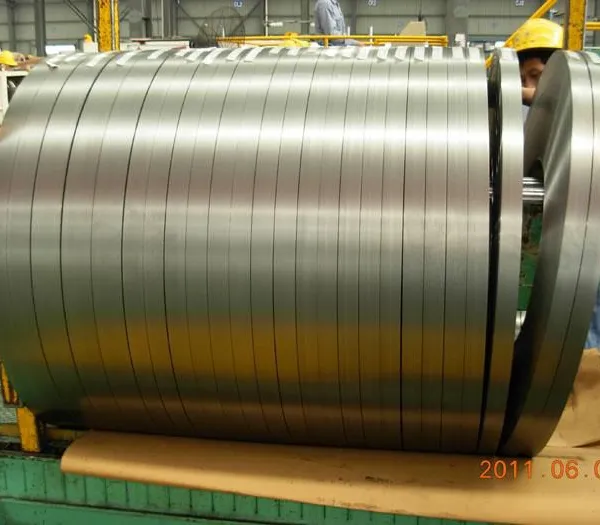
Cold Rolled Pure Iron Slit Coil DT4C Grade Ultra Low Carbon ≤0.004% for Magnetic ComponentsNegotiableMOQ: 1 Ton
-
Low Iron Loss Electromagnetic Pure Iron Hot-Rolled Coil DT4C for Transformer CoresNegotiableMOQ: 1 Ton
-
Soft Magnetic Pure Iron Sheet With Minimum Iron Loss for High-Efficiency MotorsNegotiableMOQ: 1 Ton
-
Electromagnetic Pure Iron Cold Rolled Coil DT4C for High Magnetic Permeability ApplicationsNegotiableMOQ: 1 Ton
-
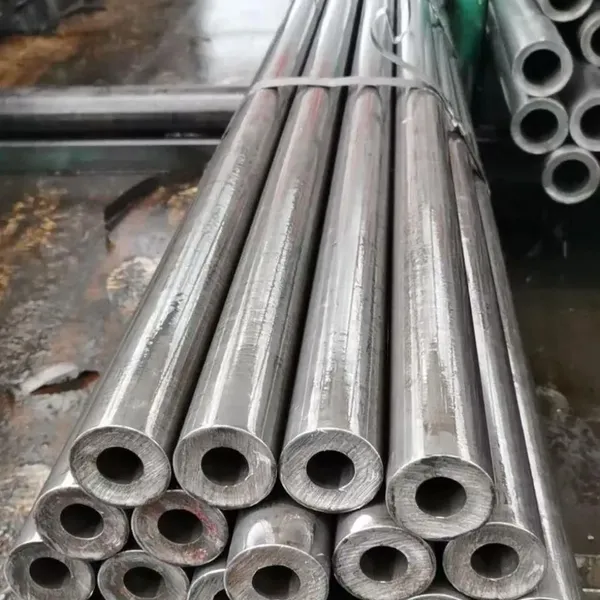
Industrial Pure Iron Tube Superior Surface Quality Electromagnetic Pure Iron Tube for Welding and Plating ProcessesNegotiableMOQ: 1 Ton
-
DT4 Seamless Pure Iron Tubing for High-Performance Electrical Equipment ApplicationsNegotiableMOQ: 1 Ton
-
DT4C Iron Wire Rod for Precision Magnetic Shielding ApplicationsNegotiableMOQ: 100 Kilograms
-
Industrial Pure Iron Fittings DT4 Pure Iron Seamless Tube With Low Hysteresis Loss for Electromagnetic SystemsNegotiableMOQ: 1 Ton
-
DT4C Cold Rolled Coil Slitting for Electrical Enclosure ManufacturingNegotiableMOQ: 1 Ton
-
Anti Rust Coated Pure Iron Square Bar Low Carbon Raw Material for Welding and Forging Magnetic PartsNegotiableMOQ: 100 Kilograms
-
DT4 Pure Iron Cold-Drawn Wire 0.5mm-6.0mm Diameter for Precision EngineeringNegotiableMOQ: 500 Kilograms