
 Business License

Electric Motor Design: Materials & Efficiency Guide
A 2% improvement in motor efficiency can save a mid-sized manufacturing plant tens of thousands of dollars in annual energy costs. Yet many engineering teams still treat core material selection as a final detail rather than a strategic decision. Electric motor design is not just about winding copper wire around a steel core. It is a careful balance of magnetic performance, thermal behavior, mechanical strength, and manufacturing cost.
You already know that better motors reduce operating costs and extend equipment life. This guide will show you how the right electric motor design decisions, especially around core materials and winding strategies, directly improve efficiency and reliability. We will cover material selection, stator and rotor geometry, copper losses, thermal management, and the most common design mistakes we see in the field.
By the end, you will understand how soft magnetic materials like DT4C pure iron can transform motor efficiency and electric motor design outcomes, and how to communicate those requirements clearly to your material supplier.
Want to improve your next motor design? Start by exploring how magnetic materials influence electrical performance.
What Electric Motor Design Really Means for Modern Manufacturers
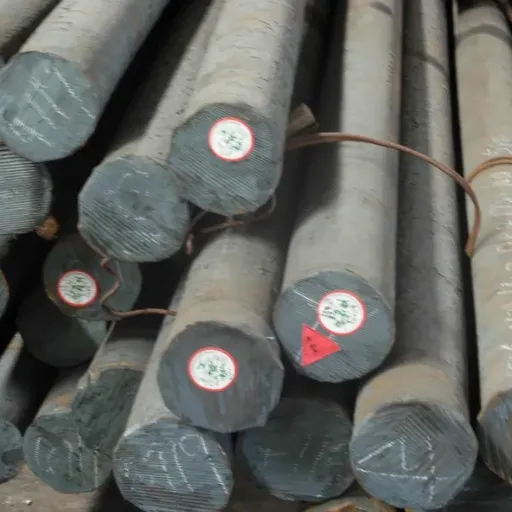
Electric motor design is the process of converting electrical energy into mechanical motion with minimal loss. Every choice in the design stack affects the final outcome. The magnetic circuit, winding pattern, rotor geometry, cooling method, and housing material all interact.
Manufacturers today face pressure from three directions at once. Customers demand higher efficiency to meet energy regulations. Production teams want simpler assembly and fewer defects. Procurement managers need stable supply chains and predictable pricing. A strong electric motor design addresses all three without sacrificing performance.
The U.S. Department of Energy estimates that electric motors consume nearly half of all global electricity. Even small efficiency gains across installed motor populations create massive energy savings. That is why premium efficiency motors now dominate new equipment specifications in markets around the world.
For manufacturers, this means motor design is no longer just an engineering exercise. It is a competitive advantage. A motor that runs cooler, quieter, and with lower losses becomes the preferred choice for buyers who measure total cost of ownership over a 10- or 15-year service life.
Core Material Selection: A Foundation of Electric Motor Design
The magnetic core is the heart of any motor, and motor core materials are one of the first decisions in electric motor design. It channels magnetic flux between the stator and rotor, enabling torque production. The material you choose for laminations determines hysteresis loss, eddy current loss, saturation induction, and overall motor efficiency.
Silicon Steel vs. Pure Iron
Silicon steel is the most common lamination material. It offers low cost, good mechanical strength, and reasonable magnetic properties. Adding silicon increases electrical resistivity, which reduces eddy current losses. However, silicon steel also lowers saturation induction compared to high-purity iron.
Pure iron and low-carbon electrical steel deliver higher magnetic permeability and saturation flux density. These properties matter in electric motor design applications where compact size and high torque density are critical. Soft magnetic materials such as electrical pure iron are especially valuable for high-performance motors, precision instruments, and specialized electromagnetic components.
Why Carbon Content Matters
Carbon is an enemy of soft magnetic performance. Even small amounts of carbon create pinning sites that resist magnetic domain movement. This increases hysteresis loss and reduces permeability. Premium electromagnetic grades like DT4C keep carbon content at or below 0.004%, delivering the ultra-low iron loss values that efficient motors require.
At Shanxi Jurun Technology, we supply DT4C cold-rolled sheets and slit coils specifically for motor lamination applications. Our customers use these materials when standard silicon steel cannot meet efficiency or size targets.
Mini-story: Li Wei led the electric motor design team at a Jiangsu-based appliance manufacturer. His team was struggling to meet a new energy efficiency standard for washing machine motors. After switching the stator laminations from standard silicon steel to DT4C electromagnetic pure iron, the motor efficiency improved by 1.8%. That small change saved the plant an estimated $42,000 in annual energy costs across their production line.
Need better core material for your motor project? Contact our engineering team to discuss DT4C pure iron specifications and sample availability.
Stator and Rotor Design Principles
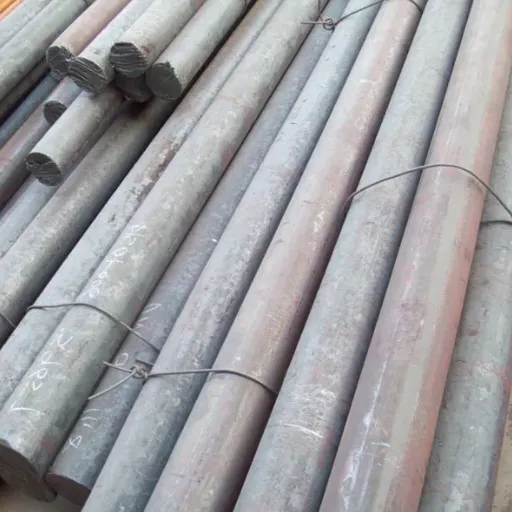
The stator generates a rotating magnetic field. The rotor follows that field and produces mechanical torque. Stator design and rotor design are two of the defining steps in electric motor design because the geometry, slot shape, and air gap between these two components set much of the motor's behavior.
Stator Slot Geometry
Stator slots hold the copper windings. Their shape affects winding fill factor, copper losses, and magnetic flux distribution. Common slot types include open slots, semi-closed slots, and closed slots.
Open slots make winding insertion easier but increase air gap harmonics. Semi-closed slots improve flux distribution and reduce noise. Closed slots offer the best magnetic performance but are harder to manufacture. Most industrial motors use semi-closed slots as a practical compromise.
Rotor Construction Types
There are two primary rotor design approaches in induction motors: squirrel cage and wound rotor. Squirrel cage rotors are simple, rugged, and cost-effective. Wound rotors allow external resistance control for high-starting-torque applications. Choosing the right rotor design is a key lever in electric motor design when torque response and cost must be balanced.
Permanent magnet rotors are common in brushless DC motors and synchronous motors. They eliminate rotor copper losses entirely, which is why permanent magnet motors often reach efficiency levels above IE4. The choice depends on speed range, torque requirements, and cost constraints.
Air Gap Optimization
The air gap between stator and rotor is a magnetic resistance. A smaller air gap improves magnetic coupling and reduces magnetizing current. However, it also increases manufacturing tolerance requirements and the risk of mechanical rubbing. Most industrial motors use air gaps between 0.3 mm and 1.5 mm depending on frame size and speed.
Winding Configurations and Copper Losses
Copper losses, also called I²R losses, often represent the largest single source of inefficiency in a motor. Better winding design reduces these losses without changing the motor core materials, making it a practical refinement in any electric motor design.
Distributed vs. Concentrated Windings
Distributed windings span multiple slots and produce sinusoidal magnetomotive force. They are common in induction motors and deliver smooth torque. Concentrated windings fit around a single tooth and are popular in permanent magnet motors because they offer higher copper fill factor and shorter end turns.
Each approach has trade-offs. Distributed windings reduce harmonic content. Concentrated windings reduce copper length and improve thermal conductivity. The right choice depends on pole count, speed, and control strategy.
Wire Gauge and Fill Factor
Thicker wire reduces resistance but is harder to wind into tight slots. Higher fill factor means more copper in the same slot volume, which lowers losses. Modern manufacturing techniques like hairpin windings and direct winding can push fill factors above 60%, a significant improvement over traditional round-wire windings.
Mini-story: Chen, a senior motor engineer at a Guangdong automation firm, noticed that one motor series ran consistently hotter than expected. After analyzing the winding layout, she replaced the conventional round-wire coils with hairpin-style conductors. The redesigned motor reduced copper losses by 12% and lowered operating temperature by 8 degrees Celsius. The improvement extended bearing life and reduced warranty claims.
Winding Insulation
Insulation protects windings from electrical breakdown and environmental damage. Class F insulation systems, rated for 155°C, are standard in modern industrial motors. Class H systems, rated for 180°C, are used in high-temperature or high-reliability applications. Proper insulation selection prevents premature failure even when motors operate near thermal limits.
Thermal Management and Efficiency Optimization
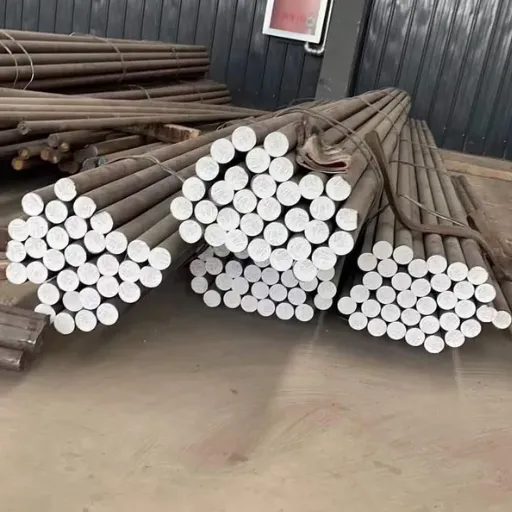
Heat is the byproduct of electrical and mechanical losses in electric motor design. If heat cannot escape, winding temperature rises, resistance increases, and motor efficiency drops further. Effective thermal management breaks this cycle.
Cooling Methods
The most common cooling method is fan-driven self-ventilation. A fan mounted on the rotor shaft pulls air through the motor frame. This works well for constant-speed applications in clean environments.
Forced ventilation adds an external blower for variable-speed drives where shaft-mounted fans may not move enough air at low speeds. Liquid cooling uses water or oil channels in the frame for high-power density motors. Totally enclosed fan-cooled designs protect windings from dust and moisture.
Loss Reduction Strategies
Reducing losses at the source is more effective than removing heat after it is generated. Key strategies include:
Using thinner lamination steel to reduce eddy current losses
Selecting high-permeability core materials to reduce hysteresis losses
Optimizing winding design to minimize copper losses
Using high-quality bearings to reduce friction losses
Applying variable frequency drives to match motor speed to load
The National Electrical Manufacturers Association provides standards and guidelines that help manufacturers compare motor efficiency classes consistently across product lines.
Temperature Monitoring
Modern motor designs increasingly include temperature sensors embedded in windings or bearings. These sensors enable predictive maintenance and protect against thermal overload. For manufacturers building motors into critical systems, temperature monitoring is becoming a standard requirement rather than an option.
Common Electric Motor Design Mistakes
Even experienced teams make predictable errors. Recognizing these mistakes early prevents costly redesigns and field failures.
Ignoring Material Specification Tolerances
Not all silicon steel or pure iron grades perform the same. Variations in thickness, coating, carbon content, and magnetic properties can change motor efficiency by measurable amounts. Always specify magnetic grade, thickness, and insulation coating in your purchase orders. Require mill test certificates that verify magnetic properties.
Overlooking Stray Load Losses
Stray load losses come from harmonic flux, leakage flux, and mechanical imperfections. They are harder to predict than copper or iron losses but can represent 1-2% of total input power. Careful slot design, proper air gap control, and balanced rotor construction reduce these losses.
Mismatched Drive and Motor
A motor designed for sinusoidal mains power may not perform well with a variable frequency drive. Drives produce high-frequency voltage transients that stress insulation and create additional losses. When designing for variable speed applications, specify inverter-duty insulation and consider the drive's switching frequency.
Poor Heat Path Design
Heat must flow from windings to frame to ambient air. Any bottleneck in this path causes hot spots. Ensure adequate contact between the stator core and frame. Use thermal interface materials where needed. Verify cooling airflow with computational fluid dynamics for high-power motors.
Undersizing for the Application
Motors operated continuously near full load run hot and wear quickly. A motor sized with reasonable margin operates more efficiently and lasts longer. Use load duty cycles and service factors from IEEE Standard 112 to guide selection.
Why Soft Magnetic Pure Iron Matters in High-Performance Motors
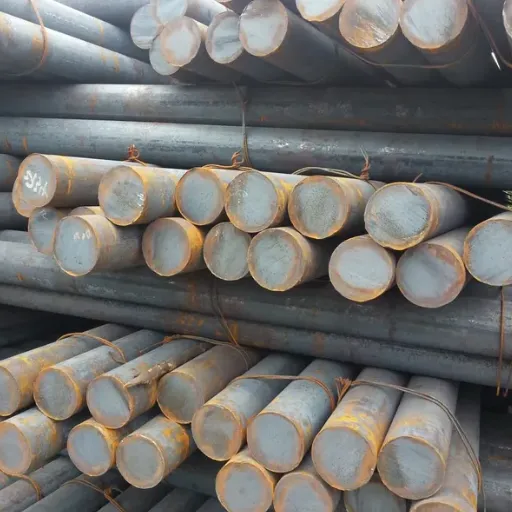
Soft magnetic pure iron offers a unique combination of high saturation induction, high permeability, and low coercivity. These properties make soft magnetic materials like DT4C ideal for electric motor design applications where magnetic response must be strong and immediate.
Where Pure Iron Excels
Pure iron performs exceptionally well in:
High-efficiency motor cores requiring low iron loss
Solenoids and relays needing fast magnetic response
Magnetic shields protecting sensitive electronics
Precision instruments where stable magnetic behavior matters
Prototyping applications where machinability and consistency are important
DT4C electromagnetic pure iron, in particular, balances magnetic performance with cost. Its ultra-low carbon content minimizes hysteresis loss while maintaining excellent formability for stamping and stacking laminations.
Integration into Modern Motor Production
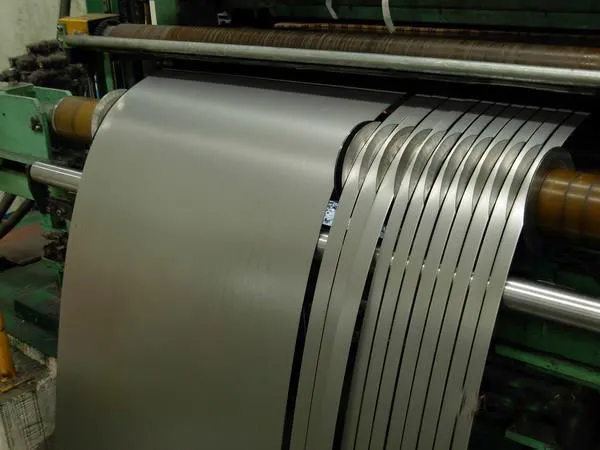
In modern electric motor design, manufacturers typically receive pure iron as cold-rolled sheets, slit coils, or precision-cut laminations. Slit coils feed directly into high-speed stamping lines. Cut-to-length sheets work well for prototyping and low-volume production. Custom dimensions reduce scrap and eliminate secondary processing at the motor plant.
At Shanxi Jurun Technology, located in Taiyuan, Shanxi, we supply soft magnetic pure iron in the formats motor manufacturers need. Our in-house slitting, cutting, and surface preparation services help customers receive material ready for lamination production.
Mini-story: Maria managed procurement for a European motor distributor. Her team had rejected several batches of imported core steel due to dimensional inconsistency. After sourcing precision-slit DT4C coils directly from a Taiyuan-based supplier, lamination scrap dropped by 15% and line downtime fell significantly. The tighter dimensional control made the material ready for automated stamping without additional preparation.
Ready to upgrade your motor core material? Request a sample batch of DT4C electromagnetic pure iron and test the difference in your next design cycle.
Conclusion
Electric motor design is a multi-layered discipline where material selection, geometry, windings, and thermal management all work together. The best designs do not chase one metric. They balance efficiency, cost, reliability, and manufacturability.
Key takeaways from this guide:
Core material selection has an outsized impact on motor efficiency and size.
Soft magnetic pure iron like DT4C offers lower iron loss than many standard steels.
Copper losses dominate in many motors; improved winding design pays off quickly.
Thermal management must be designed in, not added later.
Common mistakes like tolerance ignorance and drive mismatch cause expensive field failures.
If you are designing motors for appliances, industrial equipment, electric vehicles, or automation systems, the material in your stator and rotor cores deserves serious attention. Small upgrades in magnetic material quality can deliver measurable gains in efficiency, temperature, and service life.
Take the next step in your electric motor design project. Contact Shanxi Jurun Technology for a custom quote on motor core materials such as DT4C pure iron sheets, slit coils, and custom-cut laminations tailored to your specifications.
Recently Posted
-
Industrial Pure Iron vs. Armco Iron: Terminology, History, and Modern Equivalents
September 2, 2026Not long ago, a European motor manufacturer opened an aging drawing for a magnetic shielding housing and found the material callou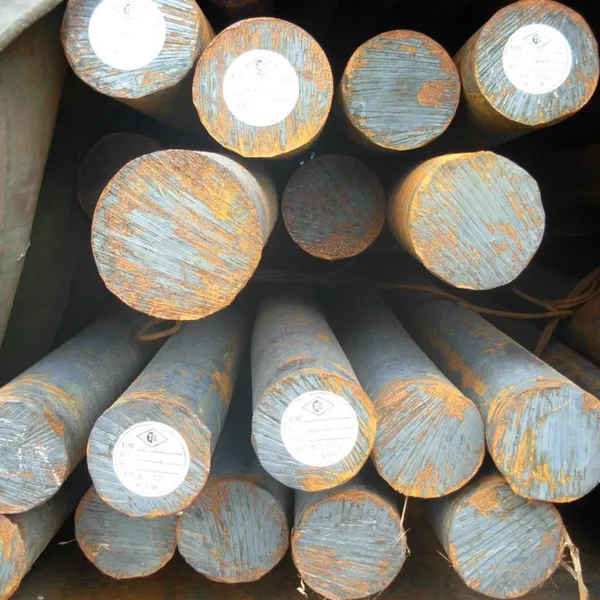 Read More
 -
Shanxi Jurun Technology: Your Electromagnetic Pure Iron Partner from Taiyuan, China's Pure Iron Prod
August 14, 2026When an international buyer searches for electromagnetic pure iron, they are not just looking for a material. They are looking for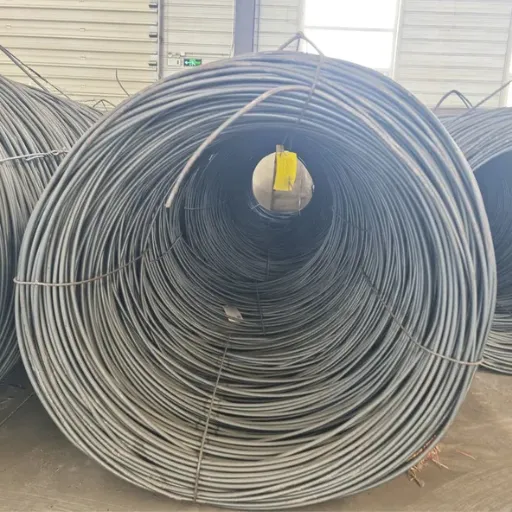 Read More
 -
Cold Drawing Process for Electromagnetic Pure Iron Wire: How Wire Rod Becomes Precision Cold-Drawn W
August 13, 2026Not long ago, a solenoid valve manufacturer in Italy received a shipment of 5.5 mm electromagnetic pure iron cold-drawn wire inten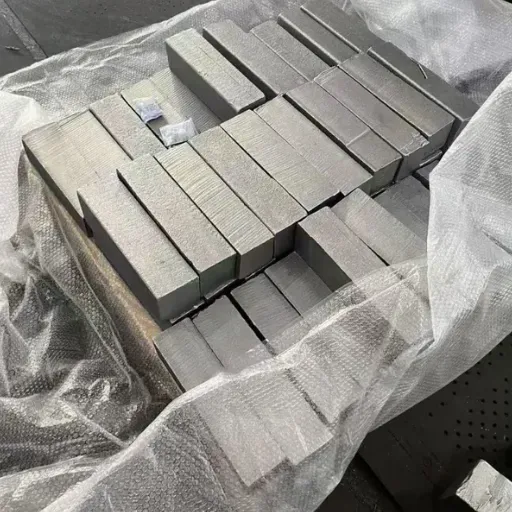 Read More
 -
How to Choose a Food Vacuum Sealer Supplier in China: 8 Evaluation Criteria
August 13, 2026An e-commerce brand owner in the UK contacted us some time ago after a supplier relationship fell apart. They had sourced roughly Read More

Contact Us
Recommended Products
-
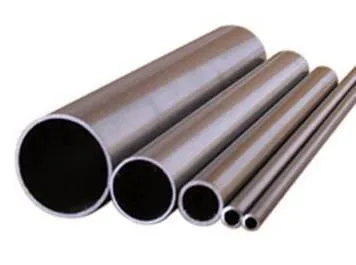
 Seamless Tube With Good Cold Electrical Pure Iron Fittings Hot Workability for Forming Fittings and ConduitsNegotiableMOQ: 1 Ton
 -
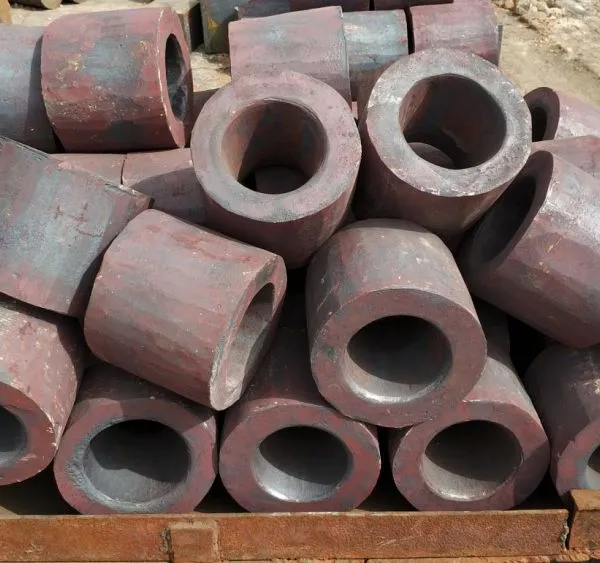
Electromagnetic Pure Iron Forging for Automotive Sensor ManufacturingNegotiableMOQ: 100 Kilograms
-
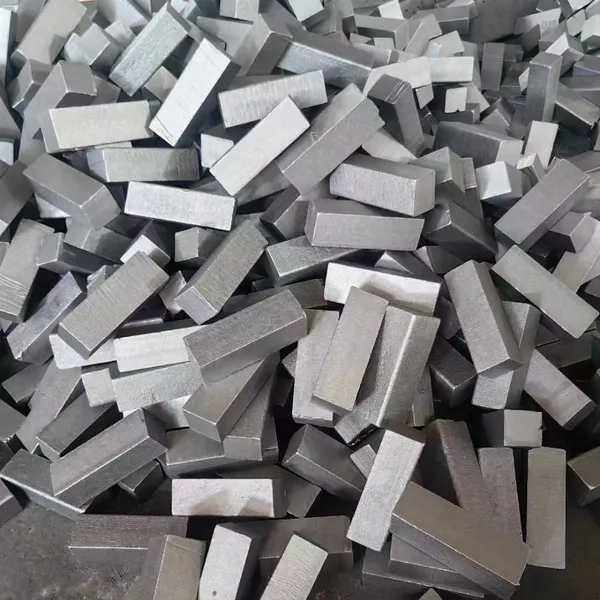
Precision Cut Pure Iron Square Bar High Saturation Induction Raw Material for Generator and RotorNegotiableMOQ: 100 Kilograms
-
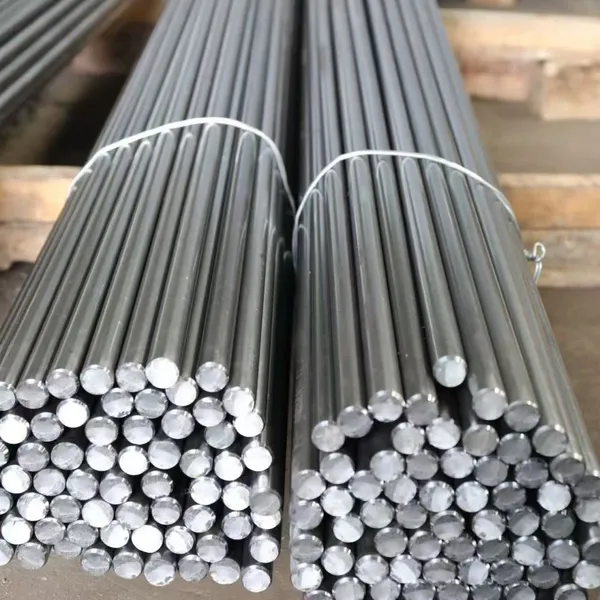
DT4C Super Grade Electromagnetic Pure Iron Bright Bar With Bundle Weight 30-100kg for Easy TransportationNegotiableMOQ: 1 Ton
-
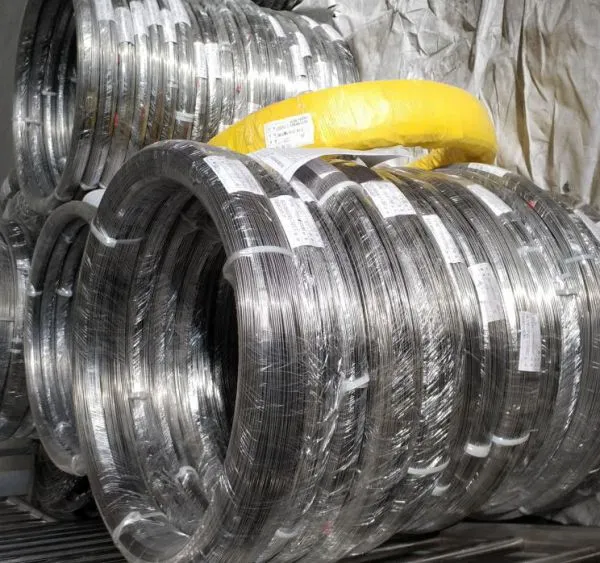
DT4C Electromagnetic Pure Iron Cold-Drawn Wire 0.5mm-6.0mm Diameter for TransformersNegotiableMOQ: 100 Kilograms
-
Industrial Pure Iron Bar for Electromagnetic Relay and Sensor ProductionNegotiableMOQ: 1 Ton
-
Electromagnetic Pure Iron Thin Sheet 0.3mm-0.8mm for Solenoid and Relay ManufacturingNegotiableMOQ: 500 Kilograms
-
Electrical Pure Iron Hot-Rolled Coil for Magnetic Components With Low Iron LossNegotiableMOQ: 1 Ton
-
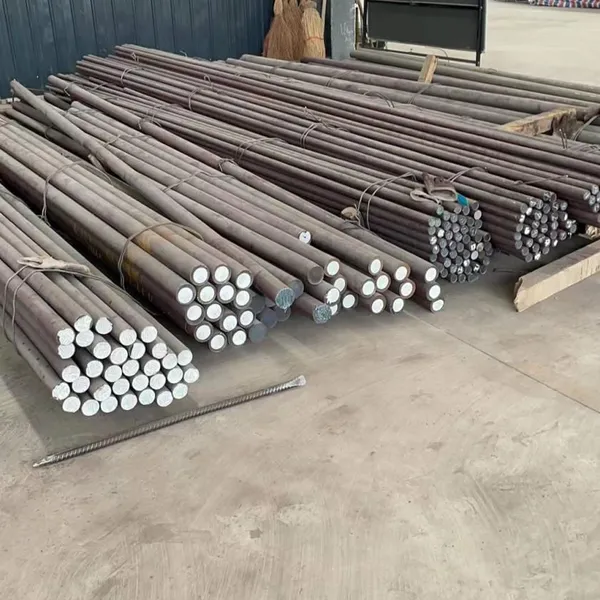
Low Carbon DT4C Pure Iron Round Bar With 99.8% Fe Content for Electrical ApplicationsNegotiableMOQ: 1 Ton
-
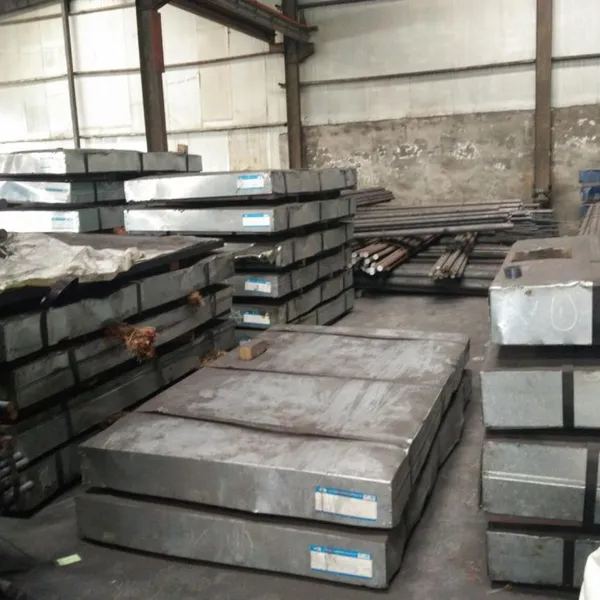
Cold Rolled Pure Iron Slit Coil DT4C Grade Ultra Low Carbon ≤0.004% for Magnetic ComponentsNegotiableMOQ: 1 Ton
-
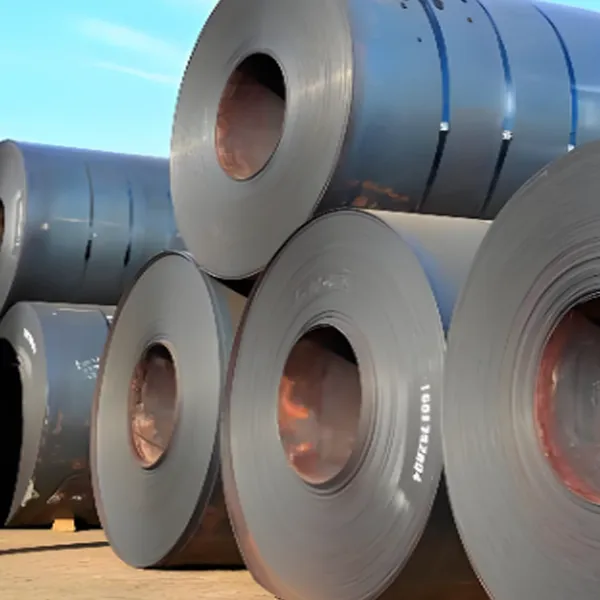
Low Iron Loss Electromagnetic Pure Iron Hot-Rolled Coil DT4C for Transformer CoresNegotiableMOQ: 1 Ton
-
Soft Magnetic Pure Iron Sheet With Minimum Iron Loss for High-Efficiency MotorsNegotiableMOQ: 1 Ton
-
Electromagnetic Pure Iron Cold Rolled Coil DT4C for High Magnetic Permeability ApplicationsNegotiableMOQ: 1 Ton
-
Industrial Pure Iron Tube Superior Surface Quality Electromagnetic Pure Iron Tube for Welding and Plating ProcessesNegotiableMOQ: 1 Ton
-
DT4 Seamless Pure Iron Tubing for High-Performance Electrical Equipment ApplicationsNegotiableMOQ: 1 Ton
-
DT4C Iron Wire Rod for Precision Magnetic Shielding ApplicationsNegotiableMOQ: 100 Kilograms
-
Industrial Pure Iron Fittings DT4 Pure Iron Seamless Tube With Low Hysteresis Loss for Electromagnetic SystemsNegotiableMOQ: 1 Ton
-
DT4C Cold Rolled Coil Slitting for Electrical Enclosure ManufacturingNegotiableMOQ: 1 Ton
-
Anti Rust Coated Pure Iron Square Bar Low Carbon Raw Material for Welding and Forging Magnetic PartsNegotiableMOQ: 100 Kilograms
-
DT4 Pure Iron Cold-Drawn Wire 0.5mm-6.0mm Diameter for Precision EngineeringNegotiableMOQ: 500 Kilograms