
 Business License

Motor Efficiency: How Core Materials and Design Choices Cut Energy Losses
A single one-percentage-point improvement in motor efficiency can return tens of thousands of dollars over a motor's service life. Yet many engineering teams still treat efficiency as a specification to meet rather than a design target to optimize. Motor efficiency is not just a number on a nameplate. It reflects how well a motor converts electrical energy into mechanical work while limiting the five types of losses that turn electricity into wasted heat.
You already know that higher efficiency means lower operating costs and cooler running equipment. This guide will show you how motor efficiency is measured, where energy losses hide, and how material choices like DT4C electromagnetic pure iron can move a design from standard efficiency to premium performance. We will cover efficiency classes, loss mechanisms, core materials, winding strategies, and the practical mistakes that cost manufacturers real money.
By the end, you will understand how to evaluate electric motor efficiency with confidence and how to specify materials that help your supplier deliver better results.
Want to start with the fundamentals of magnetic materials? Explore how magnetic materials influence electrical performance in motors and transformers.
What Motor Efficiency Really Means (and Why It Matters)
Motor efficiency is the ratio of mechanical output power to electrical input power, expressed as a percentage. A motor that draws 100 kW of electricity and delivers 94 kW of mechanical work has an efficiency of 94%. The remaining 6% becomes heat, vibration, and acoustic noise.
That lost energy matters for three reasons. First, it increases operating cost. Industrial motors often run continuously, so even a small loss percentage becomes a large energy bill over time. Second, waste heat stresses insulation, bearings, and lubricants, shortening service life. Third, higher temperatures reduce reliability and increase maintenance requirements.
The U.S. Department of Energy estimates that electric motors account for roughly half of global electricity consumption. Because the installed base of motors is enormous, a small improvement in average motor efficiency creates outsized environmental and economic impact. This is why regulators in major markets continue to raise minimum efficiency requirements.
For manufacturers, efficiency is now a competitive specification. Buyers compare total cost of ownership, not just purchase price. A motor that costs slightly more upfront but consumes less energy and lasts longer often wins the bid. Understanding motor efficiency lets you make those trade-offs with precision.
The Five Losses That Steal Motor Efficiency
No motor converts electricity to motion perfectly. Losses fall into five categories. Understanding each one helps you identify where material and design changes will have the biggest effect.
Copper Losses
Copper losses, also called I²R losses, occur in the stator and rotor windings and directly reduce motor efficiency. Current passing through resistance generates heat. These losses typically represent the largest single loss in induction motors. Thicker wire, better slot fill, and optimized winding patterns all reduce copper losses. Hairpin windings and direct winding techniques can push copper fill above 60%, a significant improvement over traditional round-wire coils.
Iron or Core Losses
Iron losses happen in the magnetic core as it cycles through magnetization. They include hysteresis loss, caused by the friction of magnetic domain movement, and eddy current loss, caused by circulating currents induced in the lamination steel. Thinner laminations reduce eddy currents. Higher-grade motor core materials with lower hysteresis reduce remagnetization losses. This is where material selection has a direct and measurable impact on motor efficiency.
Friction and Windage Losses
Bearings create friction. Cooling fans move air. Both consume mechanical power that never reaches the load. These losses are usually smaller than copper or iron losses but become significant at high speeds. Better bearings, optimized fan design, and proper lubrication all help.
Stray Load Losses
Stray load losses come from harmonic flux, leakage flux, and mechanical imperfections. They are harder to predict than other losses and can represent 1-2% of input power. Careful slot geometry, balanced rotor construction, and tight air gap control reduce them.
Constant Losses vs. Load-Dependent Losses
Some losses, like core losses and friction, stay relatively constant regardless of load. Others, like copper losses, increase with load. The efficiency curve of a motor typically peaks near 75% of rated load. Sizing a motor correctly so it runs in its efficient range is one of the easiest ways to improve real-world motor efficiency.
How Motor Efficiency Standards Work
International efficiency classes give buyers and engineers a common language and a single efficiency rating they can use across product lines. The IEC 60034-30-1 standard defines IE classes from IE1 to IE5, with IE1 being the lowest and IE5 representing ultra-premium efficiency.
IE Class Overview
IE1: Standard efficiency
IE2: High efficiency
IE3: Premium efficiency
IE4: Super premium efficiency
IE5: Ultra-premium efficiency
The National Electrical Manufacturers Association publishes comparable standards in North America, including NEMA Premium. While the labels differ, the intent is the same: make motor efficiency comparisons transparent and push the market toward better designs.
Moving from IE2 to IE3 typically requires better materials and tighter manufacturing tolerances. Moving to IE4 motor efficiency or IE5 usually demands advanced core materials, optimized electromagnetic design, and often permanent magnet or synchronous reluctance topologies. For buyers comparing energy efficient motors, these jumps show why higher IE classes carry higher material and manufacturing costs. A small variation in magnetic properties can mean the difference between passing and failing an efficiency test under IEEE Standard 112.
Mini-story: Zhang Wei managed maintenance for a plastics plant in Zhejiang. His facility ran 200 induction motors around the clock. After auditing motor loading, he found that many motors were oversized and operating below 40% load, well outside their efficient range. By rightsizing 47 motors and upgrading 12 critical units to IE3 efficiency, the plant cut annual electricity use by $38,000. The project paid for itself in 14 months through energy savings alone.
Core Materials: The Biggest Lever for Motor Efficiency
The magnetic core is where much of the efficiency battle is won or lost. Core material determines hysteresis loss, eddy current loss, saturation induction, and the magnetizing current required to establish flux. Choosing the right motor core materials and magnetic core materials is one of the highest-return decisions in electric motor efficiency design.
Silicon Steel Laminations
Silicon steel remains the most common lamination material. Adding silicon increases electrical resistivity, which reduces eddy current losses. It also improves mechanical strength and lowers cost. However, silicon reduces saturation induction compared to high-purity iron. For standard industrial motors and many energy efficient motors, silicon steel offers a good balance of cost and performance.
Electrical Pure Iron for Premium Motors
Where motor efficiency targets are aggressive, electrical pure iron becomes attractive. Grades like DT4C offer high magnetic permeability, high saturation flux density, and ultra-low coercivity. These properties reduce both hysteresis loss and the magnetizing current needed to drive flux through the core.
Soft magnetic materials such as electrical pure iron are especially useful in high-efficiency motor laminations, precision electromagnetic components, and applications where compact size matters. DT4C keeps carbon content at or below 0.004%, which minimizes pinning sites that resist domain wall movement. The result is lower iron loss and more responsive magnetic behavior.
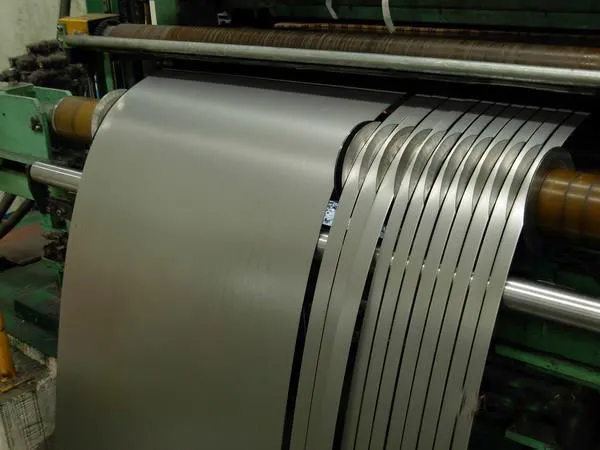
At Shanxi Jurun Technology, we supply DT4C cold-rolled sheets and slit coils specifically for motor lamination applications. Customers choose these materials when standard silicon steel cannot meet efficiency or size targets.
Lamination Thickness and Coatings
Thinner laminations reduce eddy current losses because they restrict the paths circulating currents can follow, directly improving motor efficiency. High-efficiency motors often use 0.35 mm or 0.5 mm laminations instead of thicker 0.65 mm stock. Insulation coatings between laminations also reduce inter-laminar eddy currents. When specifying material, always include thickness, coating type, and magnetic grade in your purchase order.
Need better core material for your motor project? Contact our engineering team to discuss DT4C pure iron specifications and sample availability.
Design Choices That Improve Motor Efficiency
Material selection sets the ceiling, but design execution determines how close a motor gets to that ceiling. Several design levers directly affect motor efficiency.
Slot and Tooth Geometry
Stator slots hold copper windings. Their shape affects fill factor, flux distribution, and stray losses. Semi-closed slots balance manufacturability with magnetic performance. Open slots are easier to wind but increase air gap harmonics. Closed slots offer the best magnetic surface but are harder to assemble. The right choice depends on production volume, pole count, and performance target.
Air Gap Optimization
The air gap between stator and rotor is a magnetic resistance. A smaller air gap improves flux coupling and reduces magnetizing current. However, a gap that is too small increases manufacturing tolerance demands and the risk of rotor-to-stator contact. Most industrial motors use air gaps between 0.3 mm and 1.5 mm depending on frame size and speed.
Winding Strategy
Distributed windings span multiple slots and produce smooth magnetomotive force. Concentrated windings around single teeth offer shorter end turns and higher fill factor, which is why they are common in permanent magnet motors. Hairpin windings reduce resistance and improve thermal performance. Each approach changes the balance between copper loss, harmonic content, manufacturing cost, and overall motor efficiency.
Thermal Management
Heat raises winding resistance, which increases copper losses. If heat cannot escape, motor efficiency drops further. Effective cooling methods include shaft-mounted fans, external blowers, liquid cooling jackets, and totally enclosed fan-cooled designs. Thermal sensors embedded in windings or bearings also help prevent overload and enable predictive maintenance.
Mini-story: Anna, a motor design engineer in Guangdong, was asked to improve efficiency for a new line of industrial pumps. Her team tested three core materials and found that switching from standard silicon steel to DT4C electromagnetic pure iron reduced core losses by 15%. Combined with a hairpin winding redesign, the motor reached IE4 motor efficiency while staying within the same frame size. The customer approved the design for mass production within the quarter.
Common Mistakes That Reduce Efficiency and Reliability
Even experienced teams make predictable errors. Avoiding these mistakes protects both performance and margins.
Ignoring Material Tolerances
Not all steel labeled "silicon steel" or "pure iron" performs the same. Variations in thickness, coating, carbon content, and anisotropy change magnetic properties. Always specify grade, thickness, and coating. Require mill test certificates that verify magnetic properties.
Oversizing the Motor
A motor that runs far below rated load operates inefficiently. Rightsizing to actual load duty cycles improves real-world motor efficiency and reduces purchase cost. This is one of the fastest ways to improve the performance of energy efficient motors already installed in a plant. Use service factors and load profiles from IEEE Standard 112 to guide selection.
Mismatched Drives
A motor designed for sinusoidal mains power may suffer with a variable frequency drive. Drives create high-frequency voltage transients that stress insulation and add losses. For variable speed applications, specify inverter-duty insulation and consider switching frequency effects on motor efficiency.
Poor Heat Path Design
Heat must flow from windings to frame to ambient air. Any bottleneck creates hot spots that degrade motor efficiency. Ensure solid contact between the stator core and frame. Use thermal interface materials where needed. Verify cooling airflow with analysis for high-power motors.
Neglecting Stray Losses
Slot harmonics, unbalanced windings, and rotor eccentricity all increase stray load losses. These losses are easy to overlook during design but measurable during testing. Careful manufacturing control and balanced rotor construction reduce them.
Why Soft Magnetic Pure Iron Matters in High-Efficiency Motors
Soft magnetic pure iron offers a unique combination of properties that make it valuable for premium motor efficiency applications. High saturation induction allows more flux in a smaller volume. High permeability reduces magnetizing current. Low coercivity means less energy is wasted reversing magnetization each electrical cycle.
Where Pure Iron Excels
Pure iron performs well in:
Motor efficiency applications and high-efficiency motor cores requiring low iron loss
Solenoids and relays needing fast magnetic response
Magnetic shields protecting sensitive electronics
Precision instruments where stable magnetic behavior matters
Prototyping applications where machinability and consistency are important
DT4C electromagnetic pure iron balances magnetic performance with cost. Its ultra-low carbon content minimizes hysteresis loss while maintaining excellent formability for stamping and stacking laminations.
Integration Into Motor Production
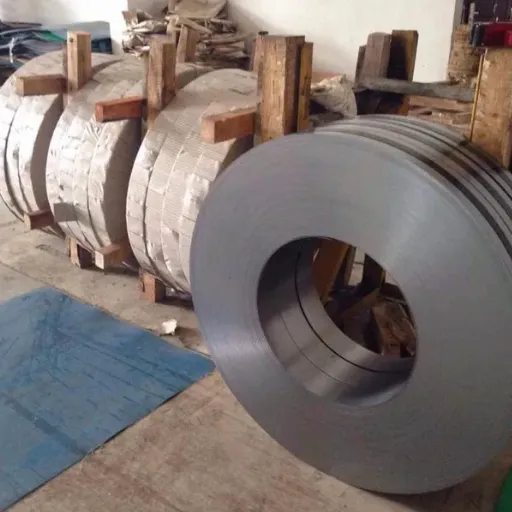
In modern manufacturing, pure iron arrives as cold-rolled sheets, slit coils, or precision-cut laminations for motor laminations production. Slit coils feed directly into high-speed stamping lines. Cut-to-length sheets work well for prototyping and low-volume production. Custom dimensions reduce scrap and eliminate secondary processing at the motor plant.
At Shanxi Jurun Technology, located in Taiyuan, Shanxi, we supply soft magnetic materials in the formats motor manufacturers need. Our in-house slitting, cutting, and surface preparation services help customers receive material ready for lamination production.
Mini-story: Michael handled procurement for a European motor distributor. His team had rejected several batches of imported core steel due to dimensional inconsistency. After sourcing precision-slit DT4C coils directly from a Taiyuan-based supplier, lamination scrap dropped by 15% and line downtime fell significantly. The tighter dimensional control made the material ready for automated stamping without additional preparation.
Ready to upgrade your motor core material? Request a sample batch of DT4C electromagnetic pure iron and test the difference in your next design cycle.
Conclusion
Motor efficiency is the result of material selection, electromagnetic design, winding strategy, and thermal management working together. The best designs do not optimize one factor in isolation. They balance efficiency, cost, reliability, and manufacturability.
Key takeaways from this guide:
Motor efficiency is measured as the ratio of mechanical output to electrical input.
Copper losses, iron losses, friction, windage, and stray losses all reduce efficiency.
IE efficiency classes provide a common framework for comparing motors.
Core material selection has an outsized impact on iron loss and overall performance.
Soft magnetic pure iron like DT4C offers lower iron loss than many standard steels.
Rightsizing, proper drive matching, and good thermal design prevent common efficiency losses.
If you are designing motors for appliances, industrial equipment, electric vehicles, or automation systems, the material in your stator and rotor cores deserves serious attention. Small upgrades in magnetic material quality can deliver measurable gains in efficiency, temperature, and service life.
Take the next step in your motor efficiency project. Contact Shanxi Jurun Technology for a custom quote on motor core materials such as DT4C pure iron sheets, slit coils, and custom-cut laminations tailored to your specifications. Our engineering team can help you improve electric motor efficiency from the first prototype.
Recently Posted
-
Shanxi Jurun Technology: Your Electromagnetic Pure Iron Partner from Taiyuan, China's Pure Iron Prod
August 14, 2026When an international buyer searches for electromagnetic pure iron, they are not just looking for a material. They are looking for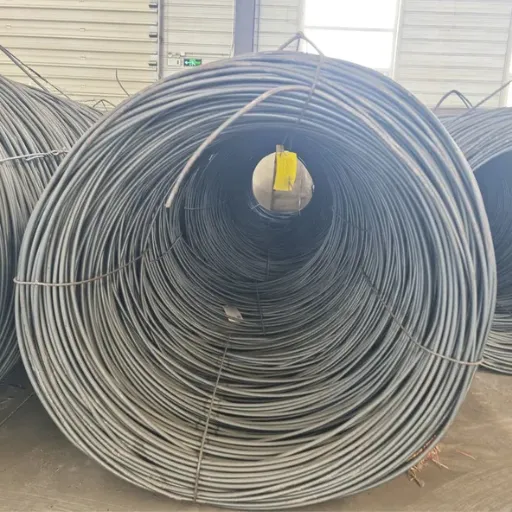 Read More
 -
Cold Drawing Process for Electromagnetic Pure Iron Wire: How Wire Rod Becomes Precision Cold-Drawn W
August 13, 2026Not long ago, a solenoid valve manufacturer in Italy received a shipment of 5.5 mm electromagnetic pure iron cold-drawn wire inten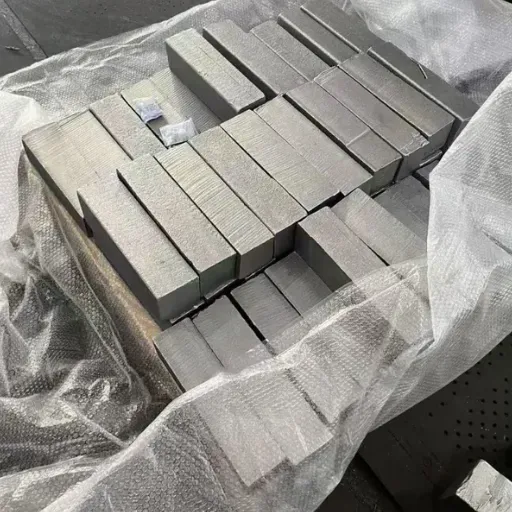 Read More
 -
How to Choose a Food Vacuum Sealer Supplier in China: 8 Evaluation Criteria
August 13, 2026An e-commerce brand owner in the UK contacted us some time ago after a supplier relationship fell apart. They had sourced roughly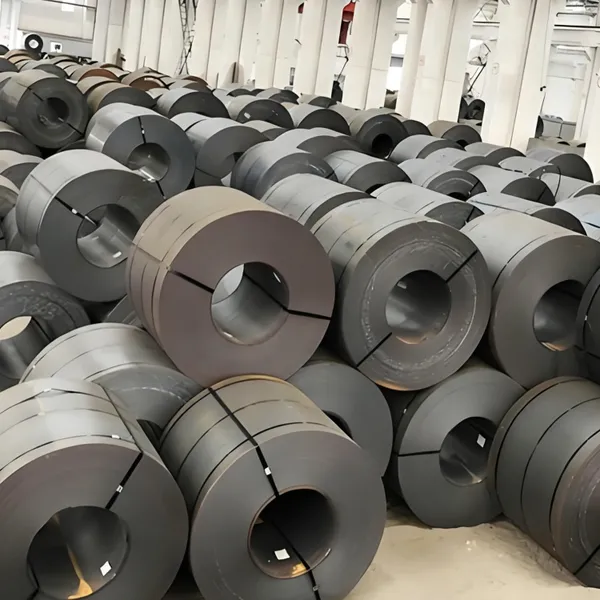 Read More
 -
Electromagnetic Pure Iron for Relay Manufacturing: Material Requirements, Grade Selection, and Case
August 13, 2026Some time ago, a relay production line in Zhejiang province began experiencing a puzzling failure pattern. Roughly 3 out of every
Read More

Contact Us
Recommended Products
-
 Seamless Tube With Good Cold Electrical Pure Iron Fittings Hot Workability for Forming Fittings and ConduitsNegotiableMOQ: 1 Ton
 -
Electromagnetic Pure Iron Forging for Automotive Sensor ManufacturingNegotiableMOQ: 100 Kilograms
-
Precision Cut Pure Iron Square Bar High Saturation Induction Raw Material for Generator and RotorNegotiableMOQ: 100 Kilograms
-
DT4C Super Grade Electromagnetic Pure Iron Bright Bar With Bundle Weight 30-100kg for Easy TransportationNegotiableMOQ: 1 Ton
-
DT4C Electromagnetic Pure Iron Cold-Drawn Wire 0.5mm-6.0mm Diameter for TransformersNegotiableMOQ: 100 Kilograms
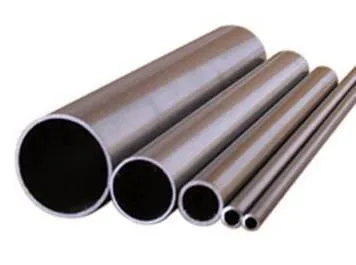
-
Industrial Pure Iron Bar for Electromagnetic Relay and Sensor ProductionNegotiableMOQ: 1 Ton
-
Electromagnetic Pure Iron Thin Sheet 0.3mm-0.8mm for Solenoid and Relay ManufacturingNegotiableMOQ: 500 Kilograms
-
Electrical Pure Iron Hot-Rolled Coil for Magnetic Components With Low Iron LossNegotiableMOQ: 1 Ton
-
Low Carbon DT4C Pure Iron Round Bar With 99.8% Fe Content for Electrical ApplicationsNegotiableMOQ: 1 Ton
-
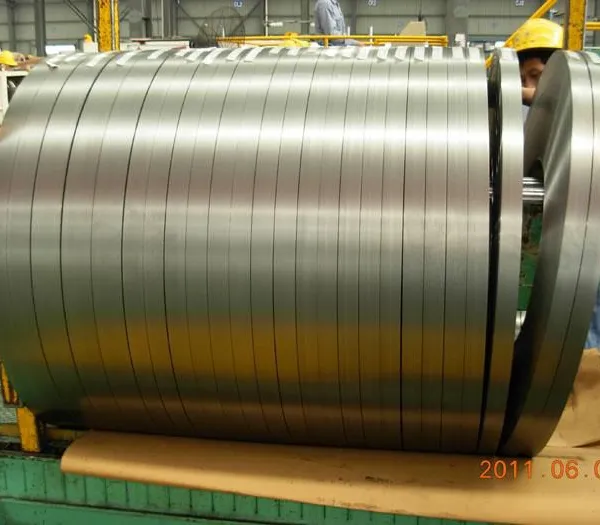
Cold Rolled Pure Iron Slit Coil DT4C Grade Ultra Low Carbon ≤0.004% for Magnetic ComponentsNegotiableMOQ: 1 Ton
-
Low Iron Loss Electromagnetic Pure Iron Hot-Rolled Coil DT4C for Transformer CoresNegotiableMOQ: 1 Ton
-
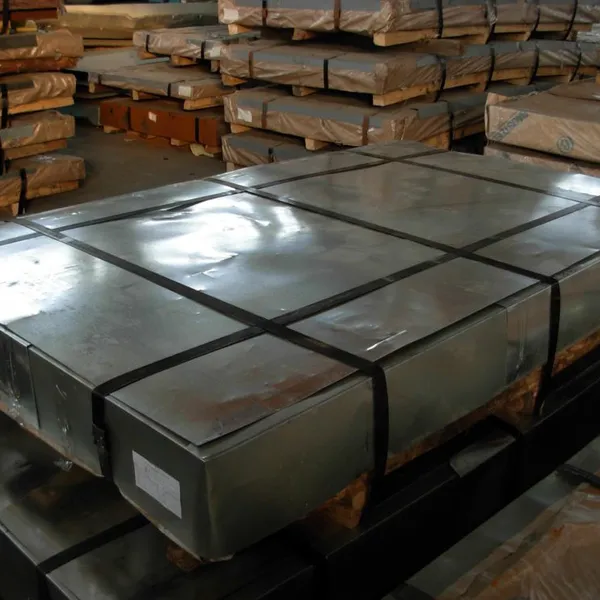
Soft Magnetic Pure Iron Sheet With Minimum Iron Loss for High-Efficiency MotorsNegotiableMOQ: 1 Ton
-
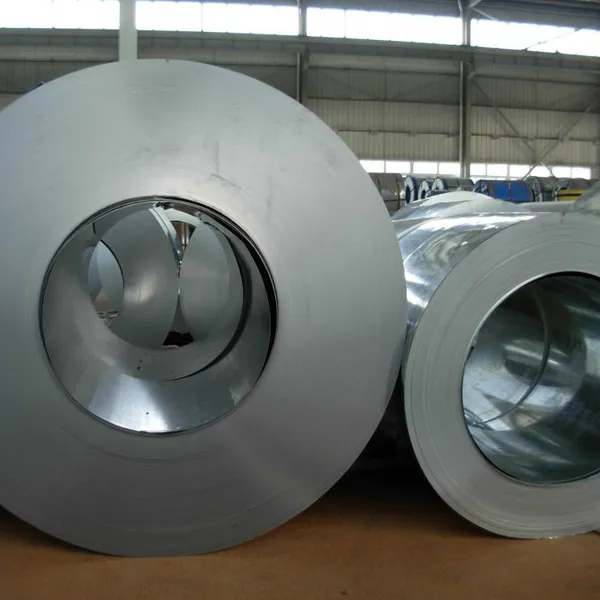
Electromagnetic Pure Iron Cold Rolled Coil DT4C for High Magnetic Permeability ApplicationsNegotiableMOQ: 1 Ton
-
Industrial Pure Iron Tube Superior Surface Quality Electromagnetic Pure Iron Tube for Welding and Plating ProcessesNegotiableMOQ: 1 Ton
-
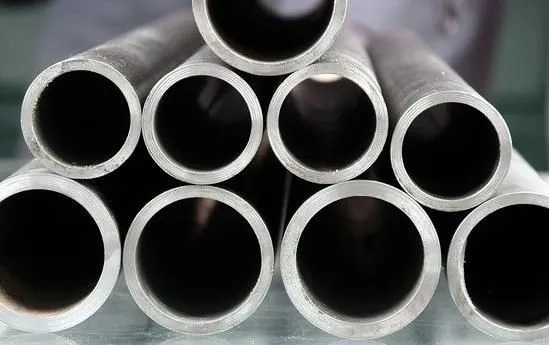
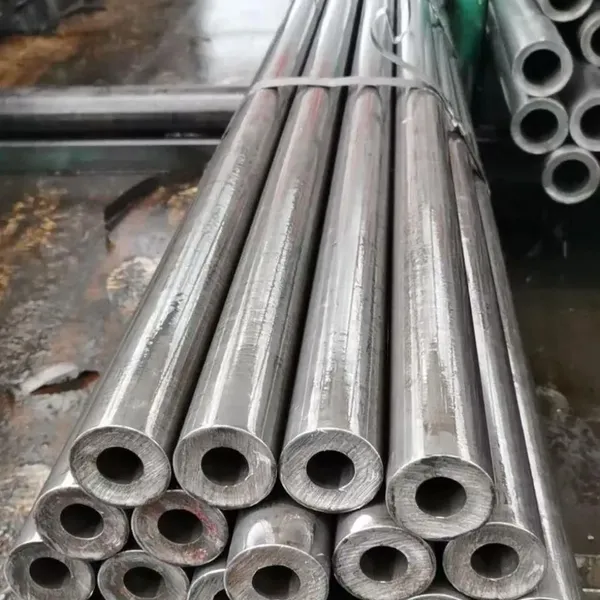
DT4 Seamless Pure Iron Tubing for High-Performance Electrical Equipment ApplicationsNegotiableMOQ: 1 Ton
-
DT4C Iron Wire Rod for Precision Magnetic Shielding ApplicationsNegotiableMOQ: 100 Kilograms
-
Industrial Pure Iron Fittings DT4 Pure Iron Seamless Tube With Low Hysteresis Loss for Electromagnetic SystemsNegotiableMOQ: 1 Ton
-
DT4C Cold Rolled Coil Slitting for Electrical Enclosure ManufacturingNegotiableMOQ: 1 Ton
-
Anti Rust Coated Pure Iron Square Bar Low Carbon Raw Material for Welding and Forging Magnetic PartsNegotiableMOQ: 100 Kilograms
-
DT4 Pure Iron Cold-Drawn Wire 0.5mm-6.0mm Diameter for Precision EngineeringNegotiableMOQ: 500 Kilograms