
 Business License

Ferrite Core: Materials, Types and Industrial Applications Guide
A power supply engineer once spent three weeks debugging switching noise that disappeared the moment he swapped the transformer core. The original core was the wrong ferrite grade for the frequency. That single change saved the project schedule and avoided a costly redesign. Choosing the right ferrite core is often the difference between a magnetic component that performs quietly and one that becomes the weakest link in your design.
You already know that magnetic cores channel flux, shape inductance, and determine losses. This guide will show you how soft ferrite cores are made, which ferrite core materials suit which applications, and how they compare with metal cores like electrical pure iron. We will cover MnZn and NiZn ferrites, common core shapes, key specifications, and the mistakes that catch even experienced teams.
By the end, you will understand how to specify a ferrite core with confidence and when a soft magnetic metal such as DT4C pure iron may be the better choice.
Want to compare magnetic materials broadly? Start with our magnetic materials selection guide for transformers, motors, and power systems.
What Is a Ferrite Core?
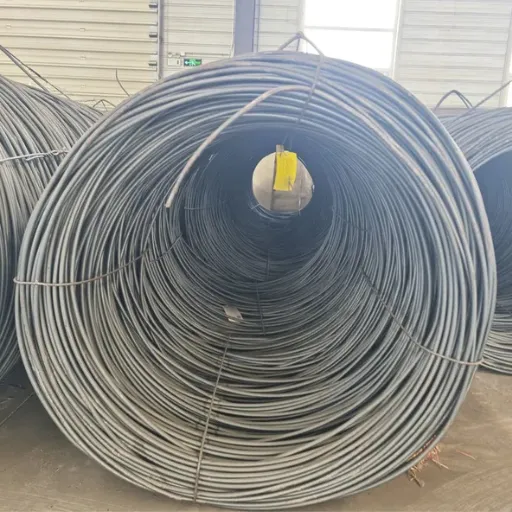
A ferrite core is a magnetic body made from ceramic ferrimagnetic material. It is produced by pressing and sintering iron oxide with metallic elements such as manganese, zinc, or nickel. The result is a hard, brittle component with high electrical resistivity and low eddy current losses at high frequencies.
Ferrite cores are used in inductors, transformers, chokes, antennas, and electromagnetic interference filters. Their main job is to increase inductance and confine magnetic flux while keeping losses manageable. Because ferrite has high resistivity, it performs well at frequencies from kilohertz to megahertz, where laminated metal cores would overheat from eddy currents.
The U.S. Department of Energy notes that efficient magnetic components are critical to power electronics, motor drives, and renewable energy systems. Ferrite cores play a central role in these applications because they enable compact, high-frequency designs.
For engineers, the choice is not simply ferrite versus metal. It is about matching the core material to the frequency, flux density, temperature, and cost requirements of the application.
The Two Main Ferrite Core Materials
Most soft ferrite cores fall into two ferrite core material families: manganese-zinc ferrite and nickel-zinc ferrite. Each has distinct magnetic and electrical properties.
MnZn Ferrite
Manganese-zinc ferrite combines high permeability with moderate resistivity. It is the workhorse material for power transformers, inductors, and chokes operating below 2 MHz. MnZn ferrite offers high saturation flux density compared with NiZn grades, which allows smaller cores at a given power level.
Common applications include switch-mode power supplies, pulse transformers, and common-mode chokes. The material is also used in some electromagnetic compatibility filters where high permeability is needed to suppress low-frequency noise.
MnZn ferrite is not ideal for very high frequencies because its lower resistivity allows more eddy current loss as frequency rises. It is also more sensitive to temperature than NiZn grades. Designers must check the core loss curves across the operating temperature range.
NiZn Ferrite
Nickel-zinc ferrite has lower permeability but much higher resistivity than MnZn. This makes it the preferred ferrite core material for high-frequency applications from 1 MHz to hundreds of megahertz. NiZn ferrite is common in RF transformers, baluns, antenna rods, and high-frequency EMI suppression cores.
The higher resistivity of NiZn means lower eddy current losses at radio frequencies. However, the lower permeability and saturation flux density limit its use in high-power conversion. For signal-level work and noise suppression, NiZn is usually the better choice.
Some specialized ferrites blend properties of both families or add other elements to extend temperature range or improve mechanical strength. The table below summarizes how the two main ferrite core materials compare for practical selection.
| Property | MnZn Ferrite | NiZn Ferrite |
|---|---|---|
| Permeability | High | Moderate to low |
| Resistivity | Moderate | Very high |
| Typical frequency range | Up to ~2 MHz | 1 MHz to hundreds of MHz |
| Saturation flux density | Higher | Lower |
| Best suited for | Power transformers, inductors, SMPS | RF transformers, baluns, EMI suppression |
Always request the material datasheet and loss curves before committing to a grade.
Common Ferrite Core Shapes and Applications
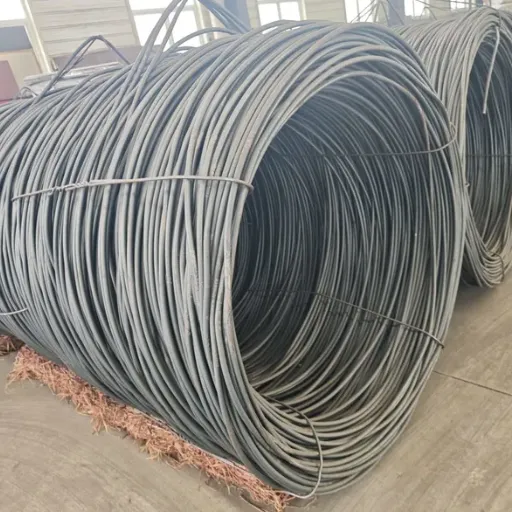
Ferrite cores are manufactured in many geometries. The shape determines winding convenience, flux path, leakage, and thermal behavior.
E Cores and EI Cores
E cores are widely used in transformers and inductors for power supplies. The two halves form a closed magnetic path with a window for the winding bobbin. EI cores include a separate I-shaped piece to close the path. These shapes are popular because they are easy to wind and assemble.
Toroidal Cores
Toroidal ferrite cores offer low leakage flux and low electromagnetic interference because the flux path is fully closed. They are common in high-efficiency inductors, current transformers, and filters. The main drawback is that winding toroids is slower and more expensive than winding bobbins.
RM and PQ Cores
RM and PQ cores are designed for high-frequency power conversion. They provide a good balance of winding area, magnetic path length, and heat dissipation. These shapes are common in compact switch-mode supplies where size and efficiency matter.
Pot Cores
Pot cores enclose the winding inside a ferrite pot, providing excellent shielding and low stray fields. They are used in precision inductors and transformers where EMI must be minimized. The shielding comes at the cost of poorer heat removal from the winding.
Rods and Bars
Ferrite rods are used in antennas, RFID readers, and some low-frequency inductors. They concentrate magnetic flux along the rod axis without forming a closed magnetic circuit. These are common in consumer electronics and sensing applications.
When Ferrite Cores Win
A ferrite core excels in situations where high frequency, high resistivity, and low eddy current loss are required. Key advantages include:
Very high electrical resistivity, which minimizes eddy currents
Low core loss at frequencies above tens of kilohertz
Stable, predictable magnetic properties over wide temperature ranges
Low cost per unit in high-volume production
Wide range of standard shapes and sizes
For switch-mode power supplies operating at 100 kHz or more, ferrite is usually the default choice. The same applies to RF circuits, noise filters, and many consumer electronics applications.
When Metal Cores May Be Better
Despite their advantages, ferrite cores are not always the right answer. At power frequencies of 50 Hz or 60 Hz, and in applications requiring high saturation flux density, metal cores often outperform ferrite.
Electrical pure iron and silicon steel laminations can operate at much higher flux density than ferrite. This means a smaller physical core can carry more power at line frequency. Motor laminations, distribution transformers, and large power inductors typically use metal cores rather than ferrite. Correct electric motor design depends on choosing laminations that balance saturation flux density, iron loss, and cost for the target speed and load.
Soft magnetic materials such as electrical pure iron offer high permeability and high saturation induction. DT4C electromagnetic pure iron, with carbon content at or below 0.004%, delivers low hysteresis loss and responsive magnetic behavior. For high-efficiency motors, solenoids, and precision magnetic components, these metal cores can be the better fit.
Mini-story: Lin, a power electronics engineer in Shenzhen, was designing a 50 kHz DC-DC converter for an industrial controller. His first prototype used a powdered iron core because it was available from stock.
The core ran hot and the efficiency was 4% below target. After switching to an MnZn ferrite core matched to the switching frequency, losses dropped, efficiency met the specification, and the thermal design became simpler. The project shipped on time.
Key Properties to Specify
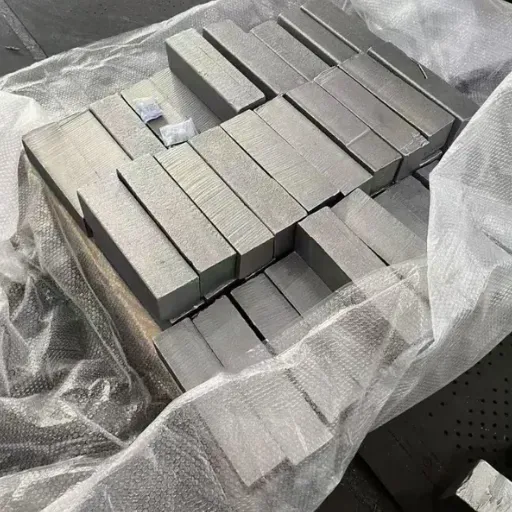
Selecting a ferrite core requires more than choosing a shape. These ferrite core properties affect performance and should appear on every purchase specification.
Permeability
Permeability measures how easily the core supports magnetic flux. High-permeability ferrites are used in filters and signal transformers. Lower-permeability grades are used in power inductors where controlled inductance and energy storage matter.
Saturation Flux Density
Saturation flux density is the maximum flux the material can carry before its permeability collapses. Power ferrites need higher saturation flux density to handle large currents without saturating. Signal ferrites can operate at lower flux levels.
Core Loss
Core loss combines hysteresis loss and eddy current loss. Core loss density depends on frequency, flux density, and temperature. Manufacturers provide loss curves that let engineers compare ferrite core grades under specific operating conditions.
Curie Temperature
The Curie temperature is the point where the material loses its magnetic properties. Operating well below this temperature is essential for reliability. Most power ferrites have Curie temperatures above 200°C, but self-heating from core loss must be considered.
Resistivity
Higher resistivity reduces eddy current losses. NiZn ferrites have resistivity orders of magnitude higher than MnZn grades, which is why they dominate RF applications.
Ferrite Core Applications by Industry
Ferrite cores appear across many industries. Understanding these ferrite core applications helps buyers and engineers choose the right material and geometry.
Power Electronics
Switch-mode power supplies, DC-DC converters, and inverters rely on ferrite transformers and inductors. MnZn ferrite is the dominant material because it combines high permeability with acceptable loss at switching frequencies.
Telecommunications
RF transformers, baluns, and impedance matching networks use NiZn ferrite. The high resistivity and stable properties at high frequency make NiZn ideal for communication equipment.
Automotive Electronics
Ferrite cores suppress electromagnetic interference in vehicles. They are found in charging systems, motor drives, sensors, and infotainment electronics. As electric vehicles add more power electronics, demand for reliable ferrite components continues to grow.
Consumer Electronics
Power adapters, chargers, and LED drivers contain ferrite transformers and common-mode chokes. The low cost and compact size of ferrite cores support high-volume manufacturing.
Industrial Controls
Variable frequency drives, motor controllers, and uninterruptible power supplies use ferrite cores in filtering and isolation stages. These applications often operate at high frequency and require cores with predictable temperature behavior. Ferrite cores and soft magnetic metals also appear in motion-control systems such as electromagnetic brakes, where material selection affects response time and heat dissipation. Improving motor efficiency in these systems starts with matching the core material to the operating frequency and flux level.
Common Ferrite Core Selection Mistakes
Even experienced teams make predictable errors when specifying ferrite cores. Avoiding these mistakes saves time and cost.
Ignoring Frequency
Choosing a ferrite grade optimized for 100 kHz and running it at 1 MHz will produce excessive losses. Always match the material to the operating frequency range.
Overlooking Temperature Rise
Core loss increases with temperature in many ferrites. A design that looks efficient at room temperature may overheat in operation. Always calculate temperature rise and verify with thermal testing.
Wrong Core Shape
A core shape that is easy to wind may have higher leakage or poorer thermal performance than an alternative. Consider winding automation, heat removal, and magnetic coupling together.
Neglecting Gap Requirements
Some inductor designs need a deliberate air gap to prevent saturation and control inductance. Gapped ferrite cores must be specified with tight tolerance to maintain consistent inductance.
Forgetting About Datasheet Conditions
Ferrite datasheets show performance under specific test conditions. The core may behave differently under your actual flux density, frequency, and temperature. Request application-specific loss data when possible.
Ferrite Cores and Pure Iron: Complementary Choices
Ferrite cores and soft magnetic metals are not direct competitors for every application; choosing the right ferrite core means matching material to frequency and flux requirements. They solve different problems. Ferrite dominates high-frequency, low-loss electronics. Soft magnetic metals dominate power-frequency and high-flux applications.
At Shanxi Jurun Technology, we focus on soft magnetic materials such as DT4C electromagnetic pure iron for motors, transformers, solenoids, and precision electromagnetic components. Our customers often work with both ferrite and metal cores across their product lines. Knowing when each material wins helps them specify components that deliver the best performance and total cost of ownership.
Mini-story: Maria led a team at a Guangdong manufacturer building both LED drivers and industrial motors. For the LED drivers, she specified MnZn ferrite cores to handle the 150 kHz switching frequency. For the motor laminations, she switched to DT4C electrical pure iron to achieve higher flux density and lower hysteresis loss. Using the right core material for each product line improved efficiency in both applications and simplified procurement.
Need help choosing the right soft magnetic material? Contact our engineering team to discuss DT4C pure iron specifications, sample availability, and custom processing options.
Conclusion
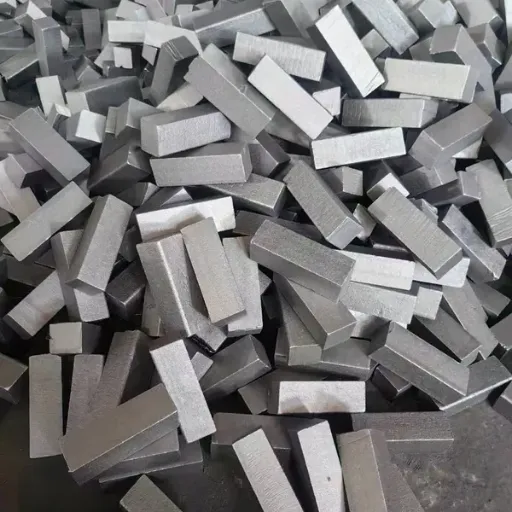
The ferrite core is a foundational component in modern electronics. Its high resistivity, low high-frequency loss, and wide range of shapes make it indispensable for ferrite core applications such as power supplies, RF circuits, and EMI filters. Choosing between MnZn and NiZn ferrite, and selecting the right geometry, requires attention to frequency, flux density, temperature, and application requirements.
Key takeaways from this guide:
Ferrite cores are ceramic magnetic materials with high resistivity and low high-frequency loss.
MnZn ferrite suits power transformers and inductors below a few megahertz.
NiZn ferrite suits RF and high-frequency EMI applications.
Core shape affects winding, leakage, thermal performance, and cost.
Metal cores such as electrical pure iron outperform ferrite at line frequency and high flux density.
Always specify permeability, saturation flux density, core loss, Curie temperature, and resistivity.
If your designs include motors, power inductors, or high-flux transformers, the core material deserves careful evaluation. Small changes in material selection can improve efficiency, reduce size, and extend service life.
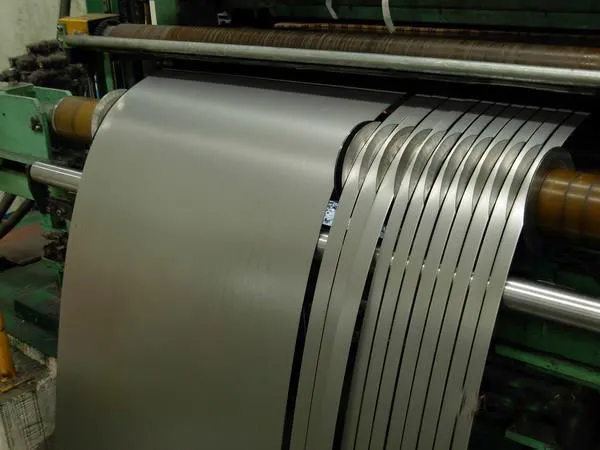
Take the next step in your magnetic component project. Contact Shanxi Jurun Technology for a custom quote on soft magnetic materials such as DT4C pure iron sheets, slit coils, and custom-cut laminations tailored to your specifications.
Recently Posted
-
Shanxi Jurun Technology: Your Electromagnetic Pure Iron Partner from Taiyuan, China's Pure Iron Prod
August 14, 2026When an international buyer searches for electromagnetic pure iron, they are not just looking for a material. They are looking for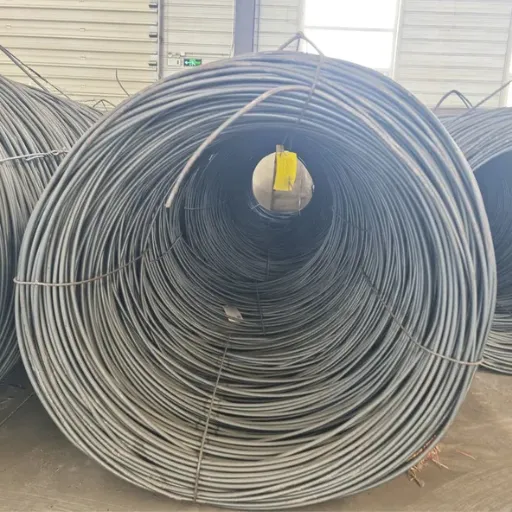 Read More
 -
Cold Drawing Process for Electromagnetic Pure Iron Wire: How Wire Rod Becomes Precision Cold-Drawn W
August 13, 2026Not long ago, a solenoid valve manufacturer in Italy received a shipment of 5.5 mm electromagnetic pure iron cold-drawn wire inten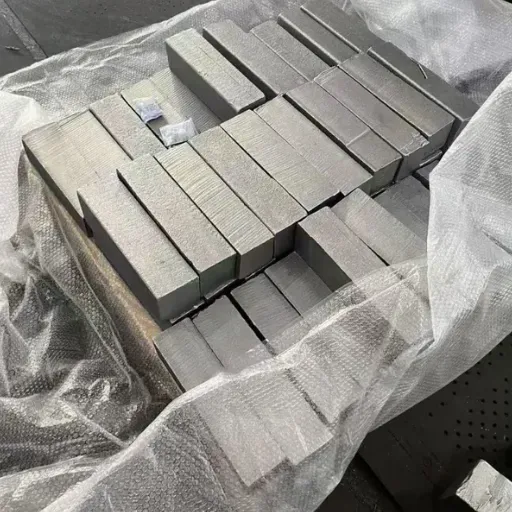 Read More
 -
How to Choose a Food Vacuum Sealer Supplier in China: 8 Evaluation Criteria
August 13, 2026An e-commerce brand owner in the UK contacted us some time ago after a supplier relationship fell apart. They had sourced roughly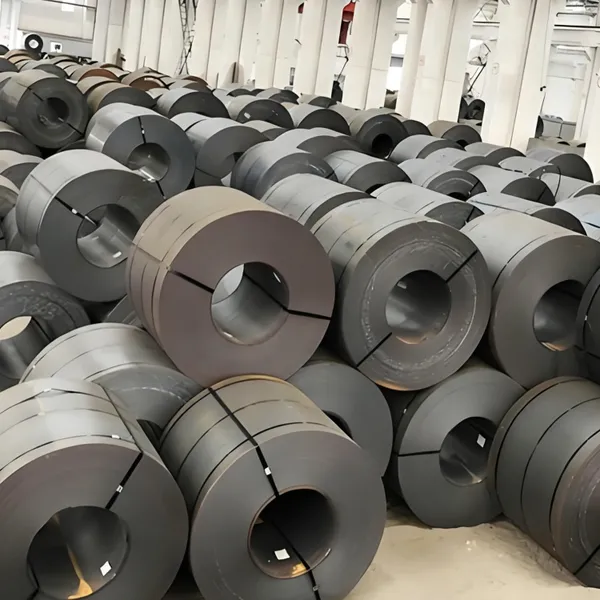 Read More
 -
Electromagnetic Pure Iron for Relay Manufacturing: Material Requirements, Grade Selection, and Case
August 13, 2026Some time ago, a relay production line in Zhejiang province began experiencing a puzzling failure pattern. Roughly 3 out of every
Read More

Contact Us
Recommended Products
-
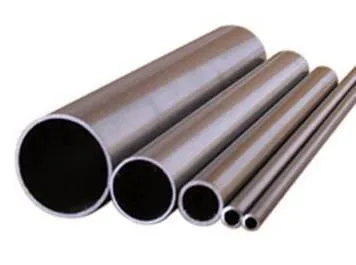
 Seamless Tube With Good Cold Electrical Pure Iron Fittings Hot Workability for Forming Fittings and ConduitsNegotiableMOQ: 1 Ton
 -
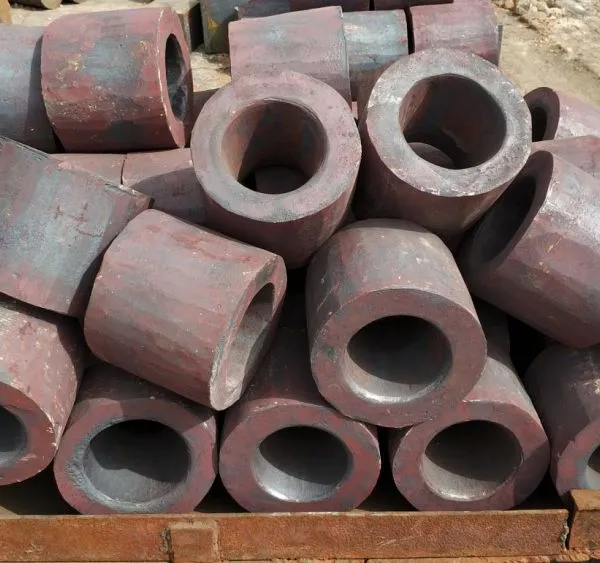
Electromagnetic Pure Iron Forging for Automotive Sensor ManufacturingNegotiableMOQ: 100 Kilograms
-
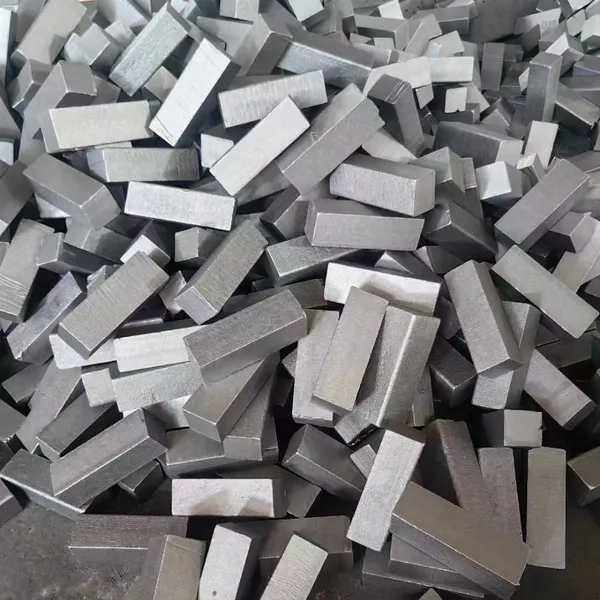
Precision Cut Pure Iron Square Bar High Saturation Induction Raw Material for Generator and RotorNegotiableMOQ: 100 Kilograms
-
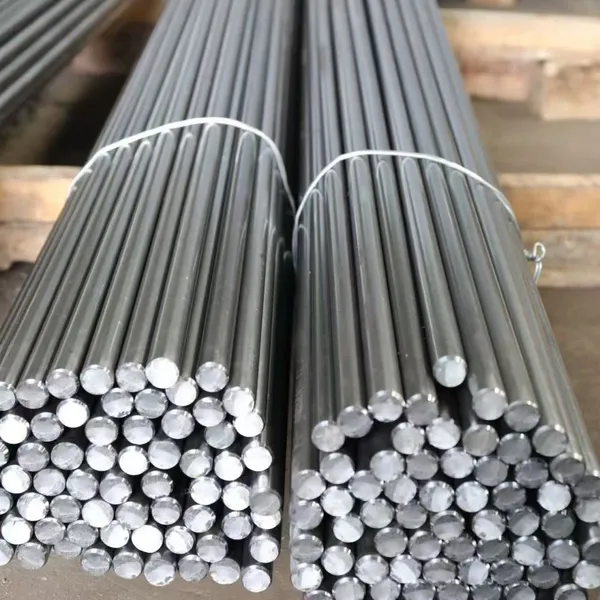
DT4C Super Grade Electromagnetic Pure Iron Bright Bar With Bundle Weight 30-100kg for Easy TransportationNegotiableMOQ: 1 Ton
-
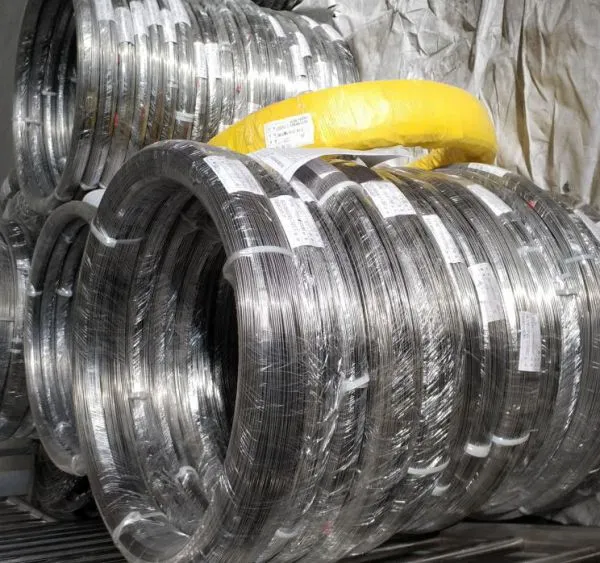
DT4C Electromagnetic Pure Iron Cold-Drawn Wire 0.5mm-6.0mm Diameter for TransformersNegotiableMOQ: 100 Kilograms
-
Industrial Pure Iron Bar for Electromagnetic Relay and Sensor ProductionNegotiableMOQ: 1 Ton
-
Electromagnetic Pure Iron Thin Sheet 0.3mm-0.8mm for Solenoid and Relay ManufacturingNegotiableMOQ: 500 Kilograms
-
Electrical Pure Iron Hot-Rolled Coil for Magnetic Components With Low Iron LossNegotiableMOQ: 1 Ton
-
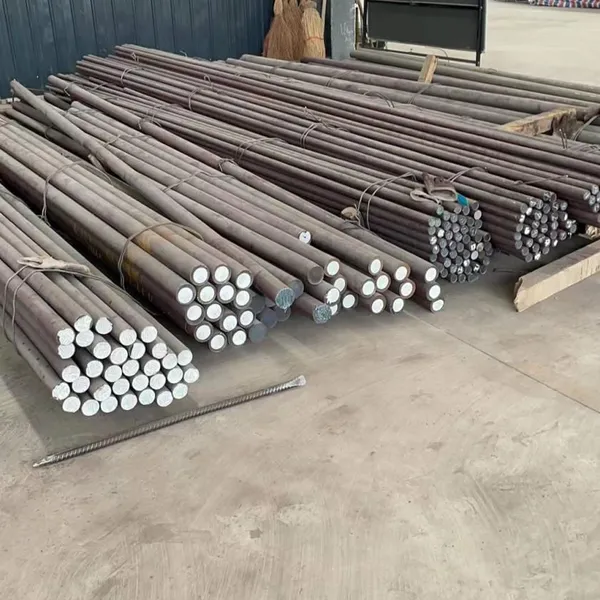
Low Carbon DT4C Pure Iron Round Bar With 99.8% Fe Content for Electrical ApplicationsNegotiableMOQ: 1 Ton
-
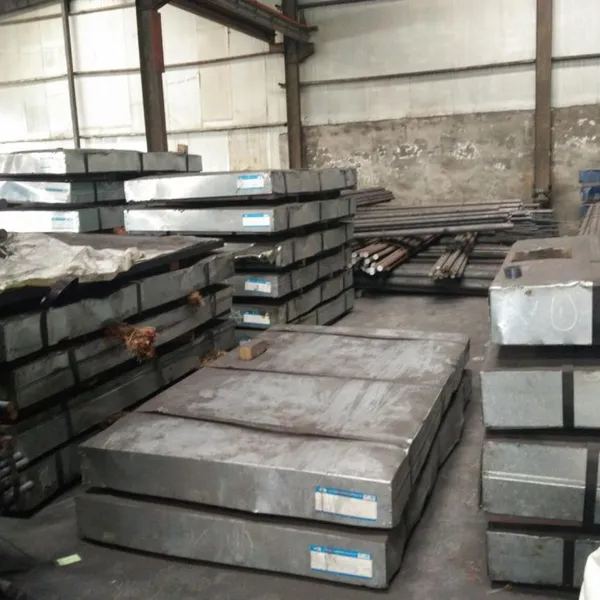
Cold Rolled Pure Iron Slit Coil DT4C Grade Ultra Low Carbon ≤0.004% for Magnetic ComponentsNegotiableMOQ: 1 Ton
-
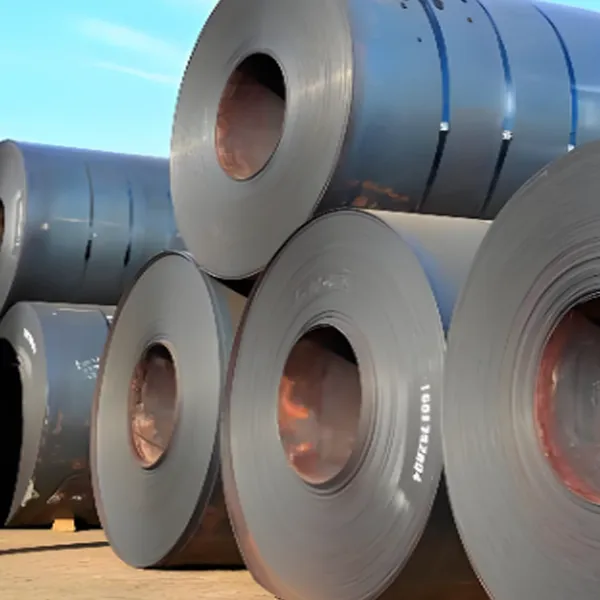
Low Iron Loss Electromagnetic Pure Iron Hot-Rolled Coil DT4C for Transformer CoresNegotiableMOQ: 1 Ton
-
Soft Magnetic Pure Iron Sheet With Minimum Iron Loss for High-Efficiency MotorsNegotiableMOQ: 1 Ton
-
Electromagnetic Pure Iron Cold Rolled Coil DT4C for High Magnetic Permeability ApplicationsNegotiableMOQ: 1 Ton
-
Industrial Pure Iron Tube Superior Surface Quality Electromagnetic Pure Iron Tube for Welding and Plating ProcessesNegotiableMOQ: 1 Ton
-
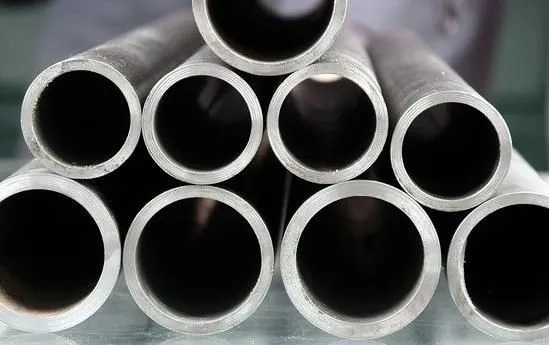
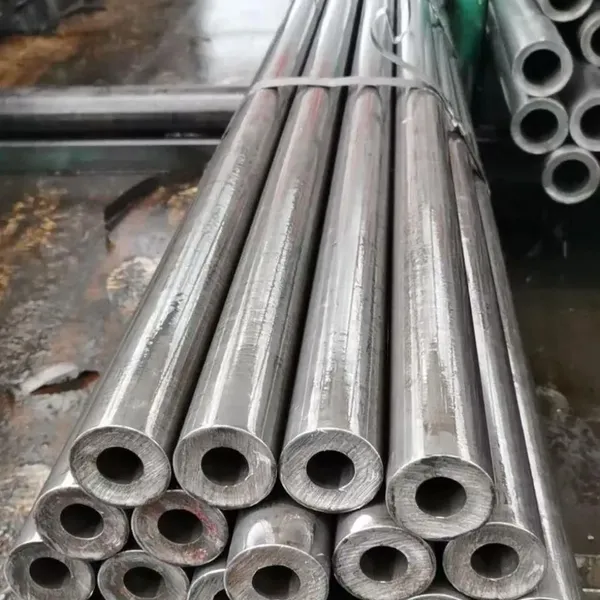
DT4 Seamless Pure Iron Tubing for High-Performance Electrical Equipment ApplicationsNegotiableMOQ: 1 Ton
-
DT4C Iron Wire Rod for Precision Magnetic Shielding ApplicationsNegotiableMOQ: 100 Kilograms
-
Industrial Pure Iron Fittings DT4 Pure Iron Seamless Tube With Low Hysteresis Loss for Electromagnetic SystemsNegotiableMOQ: 1 Ton
-
DT4C Cold Rolled Coil Slitting for Electrical Enclosure ManufacturingNegotiableMOQ: 1 Ton
-
Anti Rust Coated Pure Iron Square Bar Low Carbon Raw Material for Welding and Forging Magnetic PartsNegotiableMOQ: 100 Kilograms
-
DT4 Pure Iron Cold-Drawn Wire 0.5mm-6.0mm Diameter for Precision EngineeringNegotiableMOQ: 500 Kilograms