
 Business License

Electrical Steel: A Complete Guide for Transformers, Motors, and Generators
What if the material inside your transformer core was quietly wasting enough energy to power a small factory? That is the reality engineers face when they choose the wrong electrical steel for magnetic cores. Core material selection directly controls efficiency, heat generation, and operating cost across transformers, motors, and generators.
If you design or specify electrical components, you already know that not all magnetic materials perform the same way. Electrical steel sits at the center of modern electromagnetic design because it offers the low iron loss and high magnetic permeability needed for efficient energy conversion. In this guide, you will learn what this material is, how it differs from pure iron, which grades suit which applications, and how to select the right option for your next project.
At Shanxi Jurun Technology Co., Ltd., we supply high-purity electromagnetic pure iron that complements electrical steel in specialized applications. While electrical steel dominates high-frequency and high-power transformer cores, our DT4C pure iron offers advantages for precision components, research magnets, and applications requiring ultra-low carbon content. Understanding both materials helps engineers and procurement teams make better sourcing decisions.
Consider the experience of Li Wei, a design engineer at a transformer manufacturer in Jiangsu. In 2024, his team noticed that one transformer model was running 8°C hotter than competitors' units. After testing the core material, they discovered that the original supplier had substituted a lower-grade electrical steel without updating the datasheet.
Switching to a domain-refined grain-oriented grade reduced core loss by 15% and brought operating temperature back within specification. The incident cost three months of redesign, but it taught the team to verify magnetic properties with every incoming coil.
Want to understand how pure iron complements electrical steel in precision components? Read our guide to electrical pure iron applications.
What Is Electrical Steel?
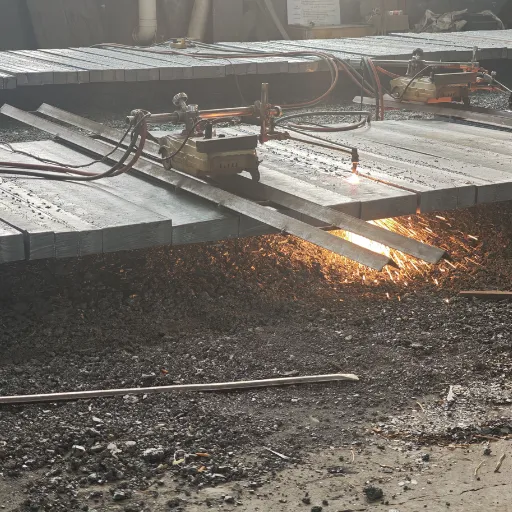
Electrical steel, also known as silicon steel or transformer steel, is a specialty ferromagnetic alloy designed for use in electromagnetic cores. Manufacturers add silicon to low-carbon steel to improve magnetic properties, reduce iron loss, and increase electrical resistivity. The result is a material that channels magnetic flux efficiently while minimizing energy wasted as heat.
The term covers two main categories: grain-oriented electrical steel and non-grain oriented electrical steel. Grain-oriented steel has a crystal structure aligned in one direction, giving it superior magnetic properties along that rolling direction. Non-grain oriented steel has randomly oriented grains, making it suitable for applications where magnetic flux travels in multiple directions.
Electrical steel sheets are typically produced as thin laminations. Stacking insulated silicon steel laminations reduces eddy current losses in transformer cores and motor stators. Without these thin layers, alternating magnetic fields would induce large circulating currents, turning the core into an inefficient heating element.
The material is essential in power distribution, electric vehicles, industrial motors, and household appliances. From large power transformers that step down grid voltage to small motors inside pumps and fans, this steel enables efficient magnetic circuits. Its importance grows as industries push for higher efficiency standards and lower energy consumption.
Types and Properties of Magnetic Core Materials
Choosing the right grade starts with understanding the two main types and their performance characteristics. Each type is optimized for different magnetic field patterns and manufacturing processes.
Grain-Oriented Electrical Steel
Grain-oriented electrical steel is processed so that its grains align along the rolling direction. This alignment gives the material very low iron loss and high magnetic permeability when the magnetic flux travels parallel to the rolling direction. For this reason, it is the preferred choice for transformer cores, where the magnetic field follows a predictable path.
Manufacturers grade grain-oriented electrical steel by core loss and magnetic flux density. Common designations include conventional grades, high-permeability grades, and domain-refined grades. Domain-refined material undergoes additional processing to reduce hysteresis loss further, making it suitable for high-efficiency power transformers.
Because grain-oriented steel performs best in one direction, designers must cut laminations carefully. Core designs such as wound cores, stacked laminations, and step-lap configurations all aim to keep flux aligned with the grain direction. Misalignment increases loss and reduces efficiency.
Non-Grain Oriented Electrical Steel
Non-grain oriented electrical steel has similar magnetic properties in all directions within the sheet plane. This isotropic behavior makes it ideal for rotating machines such as motors and generators, where magnetic flux changes direction constantly as the rotor turns.
Non-grain oriented grades are classified by silicon content, core loss, and mechanical strength. Higher silicon content generally improves magnetic properties but makes the material more brittle and harder to punch. Automotive traction motors, especially in electric vehicles, often use advanced non-grain oriented grades that balance magnetic performance with mechanical durability.
This type of electrical steel also appears in smaller motors for appliances, compressors, pumps, and power tools. Its versatility comes from the ability to perform well regardless of flux direction, simplifying lamination design and manufacturing.
Key Magnetic Properties
Several properties define electrical steel performance:
Iron loss, often called core loss, measures energy lost as heat in the material. It combines hysteresis loss and eddy current loss. Lower iron loss means higher efficiency.
Magnetic permeability indicates how easily the material magnetizes. High permeability allows strong magnetic flux with small magnetizing currents.
Electrical resistivity affects eddy current loss. Silicon increases resistivity, which is why electrical steel contains more silicon than ordinary carbon steel.
Saturation flux density sets the maximum magnetic flux the material can carry. Designers must avoid saturation because it causes rapid loss increase and performance degradation.
How It Works in Magnetic Cores
Magnetic cores serve two main purposes in electromagnetic devices. They guide magnetic flux along a controlled path, and they increase the magnetic field strength produced by a given current. Silicon steel performs both roles efficiently because of its combination of high permeability and low loss.
When alternating current flows through a coil wound around a core, the magnetic field reverses direction many times per second. Each reversal causes the magnetic domains inside the steel to flip. Hysteresis loss is the energy consumed by this domain movement. Eddy current loss comes from small circulating currents induced by the changing magnetic field.
Electrical steel minimizes hysteresis loss through careful alloying and processing. Silicon reduces the energy needed to move magnetic domains. Grain orientation further reduces hysteresis by aligning domains in the direction of flux.
Eddy current loss is controlled by thin laminations and insulating coatings. Each sheet is typically between 0.23mm and 0.65mm thick. The thinner the lamination, the lower the eddy current loss, especially at high frequencies. Insulating layers between laminations prevent currents from flowing between sheets.
For designers, this means trade-offs. Thinner laminations reduce loss but increase material cost and manufacturing complexity. Higher silicon content improves magnetic properties but reduces punchability. Selecting the right electrical steel grade requires balancing efficiency targets, operating frequency, mechanical requirements, and total cost.
Industrial Applications
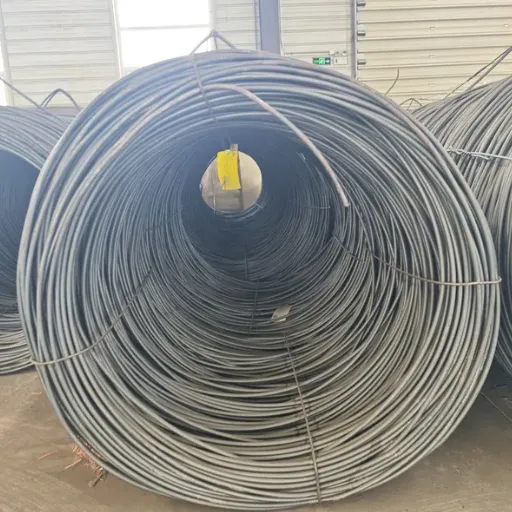
This material appears in almost every device that converts electrical energy to mechanical energy or changes voltage levels. Its applications span power generation, distribution, transportation, and consumer products.
Power Transformers
Large power transformers use grain-oriented transformer steel in their cores. These transformers step up voltage for efficient long-distance transmission and step it down for distribution. Because transformers operate continuously, even small improvements in core efficiency translate to large energy savings over the equipment lifetime.
Amorphous metal cores compete with electrical steel in some distribution transformers, but electrical steel remains dominant for larger power transformers due to its higher saturation flux density and proven reliability. Domain-refined grain-oriented grades help utilities meet strict efficiency regulations.
Electric Motors
Non-grain oriented electrical steel is the standard material for motor stators and rotors. Industrial motors, HVAC compressors, washing machines, and pumps all rely on stacked laminations made from this material. The global push for higher motor efficiency has driven development of advanced non-grain oriented grades with lower core loss.
Electric vehicle motors represent one of the fastest-growing applications. Traction motors operate at variable speeds and frequencies, requiring electrical steel that performs well across a wide range of conditions. Automotive grades must also withstand mechanical stress during high-speed rotation.
Generators
Generators in power plants, wind turbines, and vehicles use electrical steel in their stator and rotor cores. Like motors, generators experience rotating magnetic fields, so non-grain oriented steel is common. Large turbine generators may use specialized grades that combine low loss with high mechanical strength.
Wind turbine generators are a notable growth area. The intermittent nature of wind power means generators start and stop frequently, putting thermal and mechanical stress on core materials. High-quality electrical steel helps improve reliability and efficiency in these demanding conditions.
Small Appliances and Electronics
Many small motors and transformers in household appliances contain electrical steel. Refrigerator compressors, vacuum cleaners, microwave oven transformers, and computer power supplies all use thin laminations to control magnetic fields efficiently. Even though individual devices are small, the total energy saved across millions of units is significant.
Electrical Steel vs. Pure Iron: When to Choose Each
Electrical steel and pure iron both serve electromagnetic applications, but they excel in different situations. Understanding the differences helps engineers select the most cost-effective and performant option.
This steel is optimized for alternating magnetic fields. Its silicon content and lamination structure minimize core loss at power frequencies. It is the default choice for transformers, motors, and generators operating at 50 or 60 Hertz.
Pure iron, particularly high-purity electromagnetic grades like DT4C, offers extremely high magnetic permeability and very low coercivity. It magnetizes and demagnetizes easily, making it valuable for applications requiring sensitive magnetic response. Pure iron is often used in relays, solenoids, magnetic shielding, research magnets, and specialized sensors.
Cost also influences the decision. Electrical steel is produced in large volumes for mass-market applications, making it economical for high-volume transformer and motor production. Pure iron is more specialized and may be chosen when magnetic performance requirements exceed what standard electrical steel can deliver.
Consider the operating environment as well. Electrical steel laminations are designed for stable, continuous operation. Pure iron may be preferred when components experience varying loads, require anti-rust coatings, or need custom machining before assembly.
For manufacturers who need both materials, Shanxi Jurun supplies DT4C electromagnetic pure iron in coils, sheets, bars, and custom-cut forms. Explore our electromagnetic pure iron products to see how they complement electrical steel designs.
How to Select the Right Grade
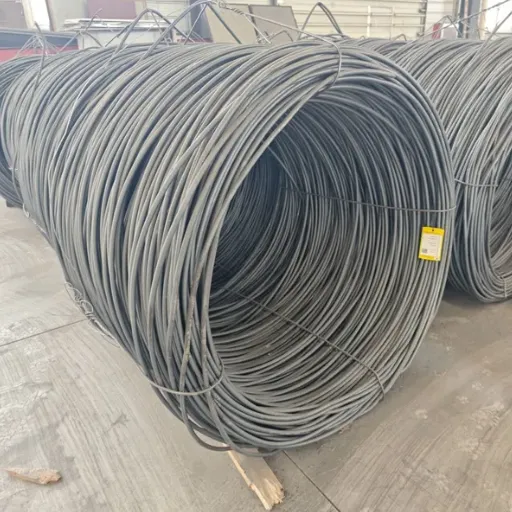
Material selection involves more than picking a grade from a catalog. Engineers must match the steel's properties to the application's magnetic, mechanical, and economic requirements.
Define the Magnetic Requirements
Start by determining the operating frequency and flux density. Low-frequency transformers at 50 or 60 Hertz can use standard grain-oriented electrical steel. Higher-frequency applications such as switching power supplies or high-speed motors may need thinner laminations to control eddy current loss.
Next, set a target for core loss. ASTM International and IEC test methods define how core loss is measured, while efficiency standards from regional regulators often specify maximum allowable losses. Choose a grade that meets these requirements with margin for manufacturing variation.
Consider Mechanical and Manufacturing Needs
Punchability matters for motor laminations with complex slot shapes. Higher silicon content improves magnetic properties but can cause tooling wear and cracking. For intricate shapes, a grade with moderate silicon content and good formability may be preferable.
Coating type also affects manufacturing. Electrical steel carries insulating coatings that prevent inter-lamination conduction. Some coatings withstand high-temperature annealing, while others are designed for room-temperature assembly. Match the coating to your annealing and assembly process.
Evaluate Total Cost
Raw material cost is only part of the equation. Processing cost, scrap rate, energy savings, and equipment lifetime all affect total cost. A more expensive grade with lower core loss may pay for itself quickly in continuous-duty transformers. For short-duty or cost-sensitive applications, a standard grade may be the better choice.
Sarah Chen, a materials engineer at an EV startup in Shenzhen, faced exactly this trade-off in early 2025. Her team needed electrical steel for a new traction motor, and two grades were under review. One grade had 12% lower core loss but cost 30% more.
By modeling the motor over a 10-year vehicle lifetime, Sarah showed that the premium grade would save enough battery range to justify the material cost within two years of production. Procurement approved the higher-grade steel, and the motor met its efficiency target on the first prototype.
Procurement teams should also consider supply reliability. Working with suppliers who maintain consistent inventory and quality documentation reduces the risk of production delays or material rejections.
Processing and Quality Control
Turning this material into finished cores requires several processing steps. Each step affects final magnetic performance, so quality control is critical.
Cutting and Punching
Laminations are cut from coils by punching, laser cutting, or mechanical shearing. The cutting process creates burrs and mechanical stress along edges, which can increase iron loss. Proper tooling maintenance and deburring help preserve magnetic properties.
For grain-oriented electrical steel, cutting direction matters. Laminations should be oriented so that the main flux path aligns with the rolling direction. Step-lap and mitered joint designs reduce flux deviation at core corners.
Annealing and Stress Relief
Punching and cutting introduce mechanical stress that degrades magnetic properties. Annealing relieves this stress and restores low-loss behavior. The annealing atmosphere, temperature, and time must be controlled carefully to avoid oxidation or over-grain growth.
Some grades require final annealing after core assembly. Others come fully processed from the mill and need only low-temperature stress relief. Follow the steel manufacturer's recommendations for each grade.
Insulation and Stacking
Laminations receive insulating coatings before stacking. The insulation must withstand handling, punching, and annealing while maintaining high electrical resistance between sheets. Core clamping force must be sufficient to prevent vibration and noise but not so high that it creates mechanical stress.
Quality control tests include core loss measurement, permeability testing, dimensional inspection, and coating resistance checks. Manufacturers often use Epstein frames or single-sheet testers specified by ASTM International and IEEE standards to verify magnetic properties against specifications.
Common Mistakes When Specifying Materials
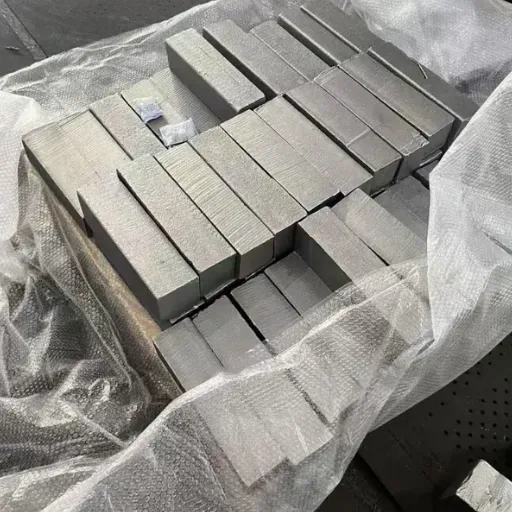
Even experienced engineers can make costly mistakes when specifying this steel. Avoiding these errors improves performance and reduces risk.
Ignoring core loss at operating temperature. Iron loss increases as temperature rises. Always verify that published loss data matches your actual operating temperature range.
Using the wrong steel orientation. Applying grain-oriented steel with flux perpendicular to the rolling direction eliminates its main advantage. For rotating machines, use non-grain oriented grades.
Overlooking lamination thickness. Thinner laminations reduce eddy current loss but cost more. Choose thickness based on frequency and efficiency targets, not habit.
Neglecting mechanical requirements. Motor laminations need adequate strength for high-speed rotation. A grade with excellent magnetic properties may fail mechanically if tensile strength is too low.
Forgetting about supply consistency. Switching steel suppliers frequently can introduce variation in magnetic properties and coating quality. Work with reliable suppliers who provide detailed mill test reports.
Conclusion
Electrical steel is one of the most important magnetic core materials in modern electromagnetic design. Its ability to carry magnetic flux with low energy loss makes it essential for transformers, motors, generators, and countless electronic devices. By choosing the right type, grade, and processing method, engineers can significantly improve efficiency, reduce operating costs, and extend equipment life.
The key takeaways from this guide are clear:
Electrical steel is an iron-silicon alloy engineered for magnetic cores.
Grain-oriented electrical steel excels in transformers with predictable flux direction.
Non-grain oriented electrical steel suits motors and generators with rotating fields.
Core loss, permeability, resistivity, and saturation flux density drive grade selection.
Pure iron remains valuable for specialized applications requiring maximum permeability and low coercivity.
If you are sourcing magnetic materials for transformers, motors, or precision electromagnetic components, evaluate both electrical steel and high-purity pure iron. The right choice depends on frequency, efficiency targets, mechanical requirements, and total cost.
Marcus Turner, a procurement manager at a European distributor, learned this lesson when sourcing magnetic materials for relay manufacturers in 2025. His initial RFQ focused entirely on electrical steel, but several customers reported that the material was too brittle for small, intricate relay stampings.
After consulting with Shanxi Jurun, Marcus added DT4C electromagnetic pure iron to his product line. The pure iron's higher ductility and ultra-low carbon content solved the stamping problem, and customers reported lower tool wear and better magnetic response in their relays.
Contact our team today to discuss your material requirements, request a quote, or learn how our DT4C electromagnetic pure iron can support your electrical steel designs. We are ready to help you source reliable, high-performance magnetic materials with the specifications and delivery schedule your production line demands.
Recently Posted
-
Industrial Pure Iron vs. Armco Iron: Terminology, History, and Modern Equivalents
September 2, 2026Not long ago, a European motor manufacturer opened an aging drawing for a magnetic shielding housing and found the material callou Read More
 -
Shanxi Jurun Technology: Your Electromagnetic Pure Iron Partner from Taiyuan, China's Pure Iron Prod
August 14, 2026When an international buyer searches for electromagnetic pure iron, they are not just looking for a material. They are looking for Read More
 -
Cold Drawing Process for Electromagnetic Pure Iron Wire: How Wire Rod Becomes Precision Cold-Drawn W
August 13, 2026Not long ago, a solenoid valve manufacturer in Italy received a shipment of 5.5 mm electromagnetic pure iron cold-drawn wire inten Read More
 -
How to Choose a Food Vacuum Sealer Supplier in China: 8 Evaluation Criteria
August 13, 2026An e-commerce brand owner in the UK contacted us some time ago after a supplier relationship fell apart. They had sourced roughly Read More

Contact Us
Recommended Products
-
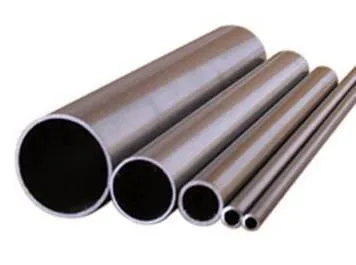
 Seamless Tube With Good Cold Electrical Pure Iron Fittings Hot Workability for Forming Fittings and ConduitsNegotiableMOQ: 1 Ton
 -
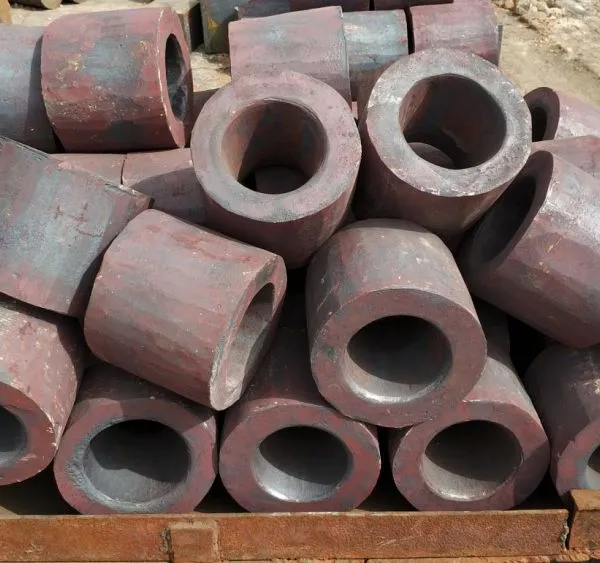
Electromagnetic Pure Iron Forging for Automotive Sensor ManufacturingNegotiableMOQ: 100 Kilograms
-
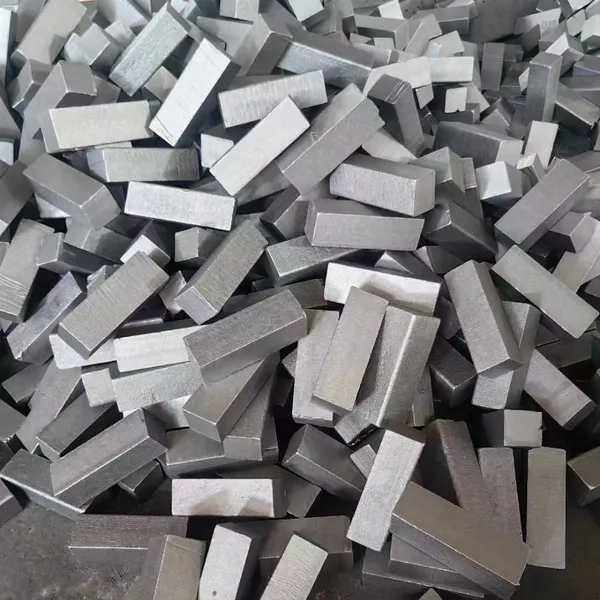
Precision Cut Pure Iron Square Bar High Saturation Induction Raw Material for Generator and RotorNegotiableMOQ: 100 Kilograms
-
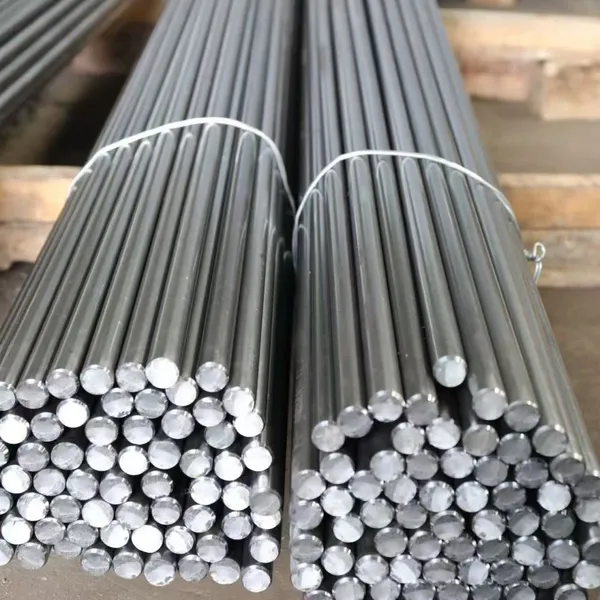
DT4C Super Grade Electromagnetic Pure Iron Bright Bar With Bundle Weight 30-100kg for Easy TransportationNegotiableMOQ: 1 Ton
-
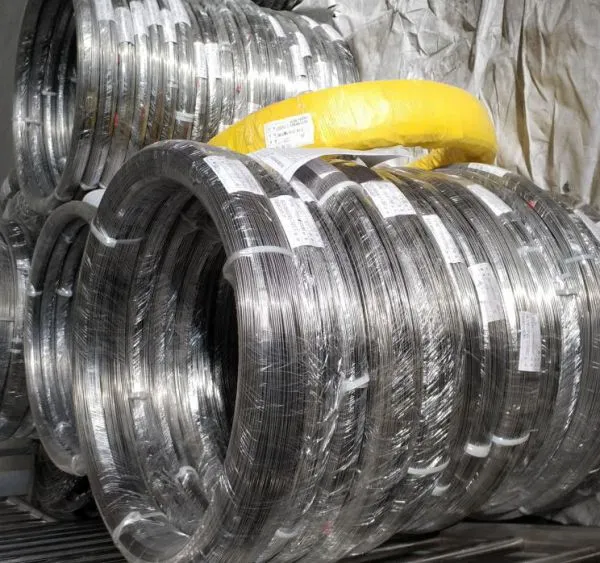
DT4C Electromagnetic Pure Iron Cold-Drawn Wire 0.5mm-6.0mm Diameter for TransformersNegotiableMOQ: 100 Kilograms
-
Industrial Pure Iron Bar for Electromagnetic Relay and Sensor ProductionNegotiableMOQ: 1 Ton
-
Electromagnetic Pure Iron Thin Sheet 0.3mm-0.8mm for Solenoid and Relay ManufacturingNegotiableMOQ: 500 Kilograms
-
Electrical Pure Iron Hot-Rolled Coil for Magnetic Components With Low Iron LossNegotiableMOQ: 1 Ton
-
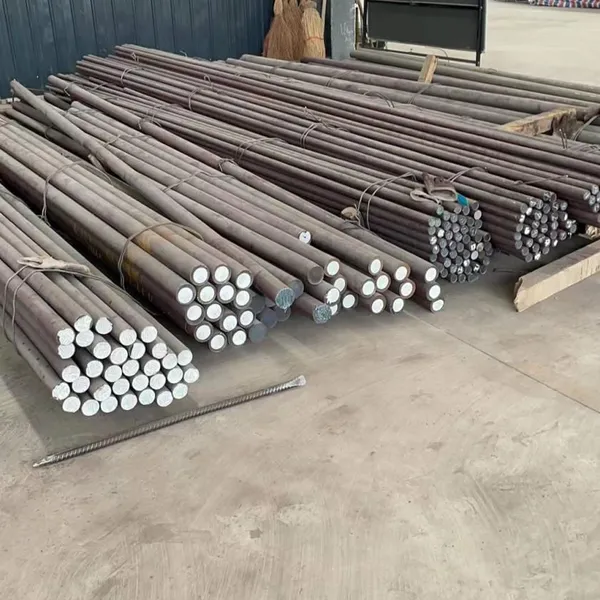
Low Carbon DT4C Pure Iron Round Bar With 99.8% Fe Content for Electrical ApplicationsNegotiableMOQ: 1 Ton
-
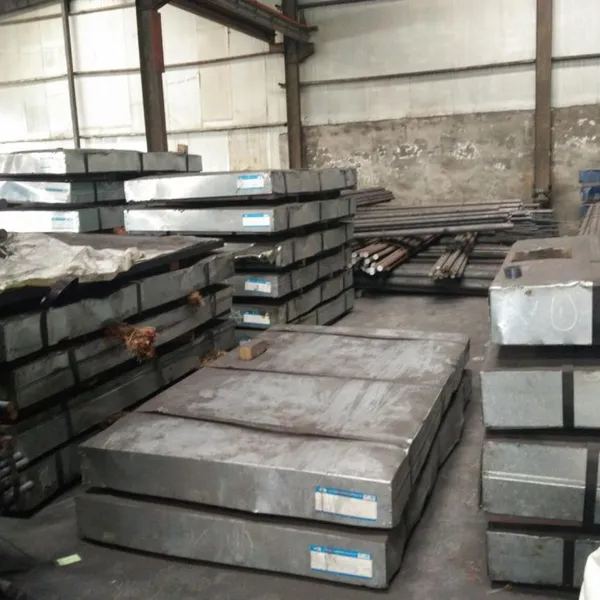
Cold Rolled Pure Iron Slit Coil DT4C Grade Ultra Low Carbon ≤0.004% for Magnetic ComponentsNegotiableMOQ: 1 Ton
-
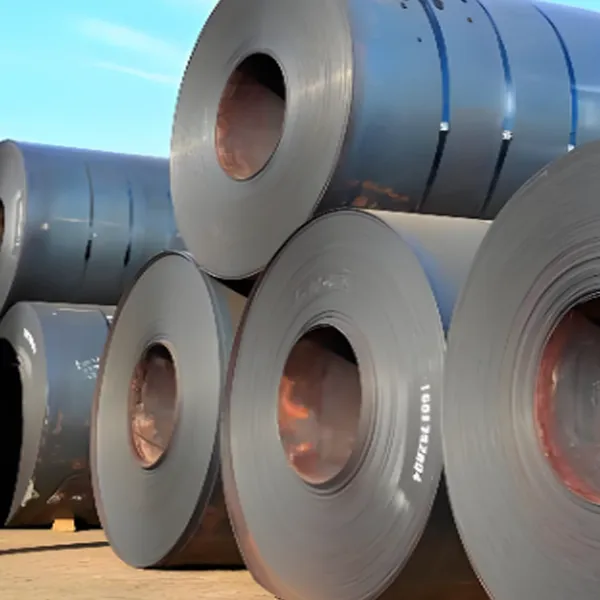
Low Iron Loss Electromagnetic Pure Iron Hot-Rolled Coil DT4C for Transformer CoresNegotiableMOQ: 1 Ton
-
Soft Magnetic Pure Iron Sheet With Minimum Iron Loss for High-Efficiency MotorsNegotiableMOQ: 1 Ton
-
Electromagnetic Pure Iron Cold Rolled Coil DT4C for High Magnetic Permeability ApplicationsNegotiableMOQ: 1 Ton
-
Industrial Pure Iron Tube Superior Surface Quality Electromagnetic Pure Iron Tube for Welding and Plating ProcessesNegotiableMOQ: 1 Ton
-
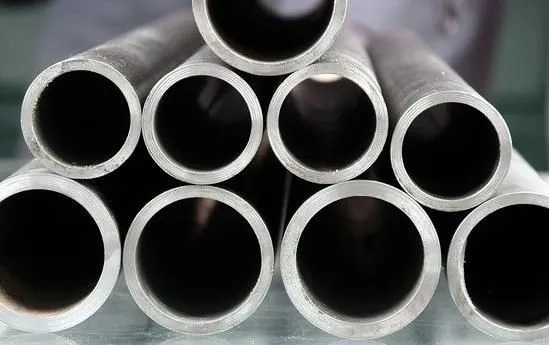
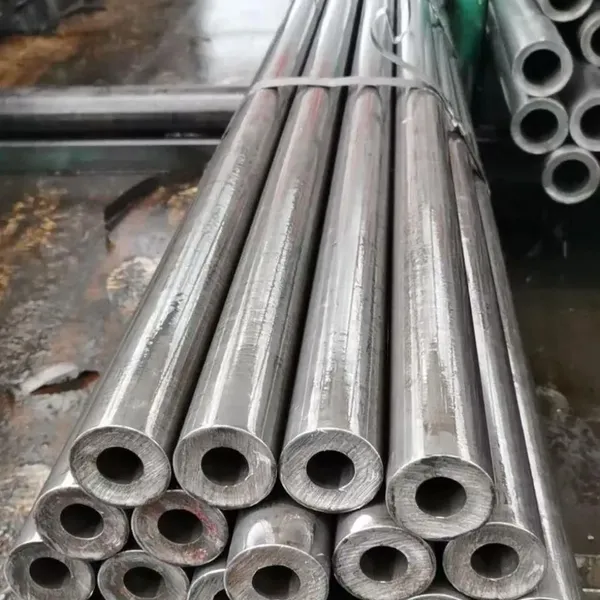
DT4 Seamless Pure Iron Tubing for High-Performance Electrical Equipment ApplicationsNegotiableMOQ: 1 Ton
-
DT4C Iron Wire Rod for Precision Magnetic Shielding ApplicationsNegotiableMOQ: 100 Kilograms
-
Industrial Pure Iron Fittings DT4 Pure Iron Seamless Tube With Low Hysteresis Loss for Electromagnetic SystemsNegotiableMOQ: 1 Ton
-
DT4C Cold Rolled Coil Slitting for Electrical Enclosure ManufacturingNegotiableMOQ: 1 Ton
-
Anti Rust Coated Pure Iron Square Bar Low Carbon Raw Material for Welding and Forging Magnetic PartsNegotiableMOQ: 100 Kilograms
-
DT4 Pure Iron Cold-Drawn Wire 0.5mm-6.0mm Diameter for Precision EngineeringNegotiableMOQ: 500 Kilograms