
 Business License

Soft Iron vs Steel: Key Differences in Magnetic, Mechanical, and Chemical Properties
A procurement manager at a relay factory in Suzhou recently shared a costly mistake. His team had been ordering low carbon steel bars for solenoid cores for two years before a quality audit revealed their coercivity readings were four times higher than spec. The cores were magnetizing fine, but they would not release cleanly. Relays were sticking. Warranty claims were climbing. The fix turned out to be straightforward: switch from mild steel to DT4C electromagnetic pure iron. Coercivity dropped from 600 A/m to under 48 A/m, and the sticking problem vanished overnight.
That story illustrates why understanding the difference between soft iron and steel matters. These two materials share the same base element, iron, yet behave in fundamentally different ways once carbon enters the picture. If you design, source, or manufacture electromagnetic components, choosing the wrong one wastes energy, reduces performance, and drives up costs.
This guide breaks down soft iron vs steel across magnetic, mechanical, and chemical properties. You will find side-by-side data tables, real-world application examples, and a clear decision framework to help you pick the right material for your specific use case.
Explore our complete guide to magnetic materials for electrical engineering to see how pure iron grades compare against silicon steel and nickel alloys.
What Is Soft Iron?
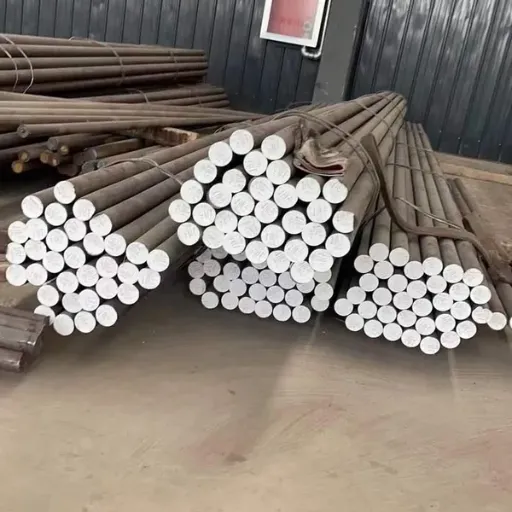
Soft iron, also called soft magnetic iron or electromagnetic pure iron, is a ferromagnetic material with iron purity between 99.5% and 99.95% and carbon content at or below 0.025%. The term "soft" does not describe mechanical hardness. It describes magnetic behavior: a soft magnetic material magnetizes and demagnetizes with minimal energy input, producing a narrow B-H hysteresis loop.
This property makes soft iron the material of choice for any application requiring repeated magnetization cycles. Electromagnet cores, relay armatures, solenoid valves, and magnetic shielding enclosures all rely on soft iron's ability to switch magnetic states quickly and efficiently.
Chemical Composition of Soft Iron
| Element | Typical Content |
|---|---|
| Iron (Fe) | 99.5% - 99.95% |
| Carbon (C) | ≤ 0.025% (as low as 0.002% in premium grades) |
| Silicon (Si) | ≤ 0.02% - 0.20% |
| Manganese (Mn) | ≤ 0.03% - 0.30% |
| Sulfur (S) | ≤ 0.015% - 0.020% |
| Phosphorus (P) | ≤ 0.015% - 0.020% |
The near-absence of carbon is what defines soft iron. Carbon atoms and iron carbide (Fe3C) precipitates act as pinning sites for magnetic domain walls. Remove them, and domains align and release with almost no resistance.
The Chinese DT Grade System
China's national standard GB/T 6983 defines four grades of electromagnetic pure iron, ranked by magnetic quality:
| Grade | Coercivity (Hc) | Magnetic Quality | Typical Use |
|---|---|---|---|
| DT4 | ≤ 120 A/m | Standard | General electromagnetic components |
| DT4A | ≤ 96 A/m | Improved | Relay cores, solenoid bodies |
| DT4E | ≤ 72 A/m | High | Precision magnetic shielding |
| DT4C | ≤ 48 A/m | Premium | High-performance transformers, sensors |
"DT" stands for "dian tie" (electrical iron). The suffix indicates increasing purity and performance. DT4C represents the highest commercially available grade, with carbon content below 0.025% and coercivity less than half that of standard DT4.
International equivalents include ASTM A848 (Low-Carbon Magnetic Iron), AISI 1006/1010, and ARMCO Pure Iron (~99.85% Fe).
Want to see how DT4C performs in real applications? Read our guide on electrical pure iron in transformers, motors, and power systems.
What Is Steel?
Steel is an alloy of iron and carbon, with carbon content ranging from 0.02% to 2.1% by weight. Additional alloying elements such as manganese, chromium, nickel, and molybdenum are added to achieve specific mechanical and chemical properties. The carbon content is the primary factor distinguishing steel from pure iron, and even small increases in carbon dramatically alter both mechanical strength and magnetic behavior.
Types of Steel
Carbon Steel is classified by carbon content:
Low carbon (mild steel): 0.05-0.25% C. Ductile, weldable, formable. Used in structural beams, rebar, car bodies.
Medium carbon: 0.25-0.60% C. Balanced strength and ductility. Used in gears, shafts, axles.
High carbon: 0.60-1.0% C. Hard, strong, less ductile. Used in cutting tools, springs, wire.
Ultra-high carbon: 1.0-2.1% C. Very hard, brittle. Used in punches, masonry tools.
Alloy Steel contains intentional additions of chromium, nickel, molybdenum, vanadium, or tungsten for enhanced strength, toughness, and wear resistance.
Stainless Steel contains a minimum of 10.5% chromium for corrosion resistance. Austenitic grades (304, 316) are non-magnetic, while ferritic (430) and martensitic (410) grades retain magnetic properties.
Electrical Steel (Silicon Steel) adds 1-6.5% silicon to iron, raising electrical resistivity and suppressing eddy currents. This is the standard material for AC transformer cores and motor laminations.
Soft Iron vs Steel: Magnetic Properties
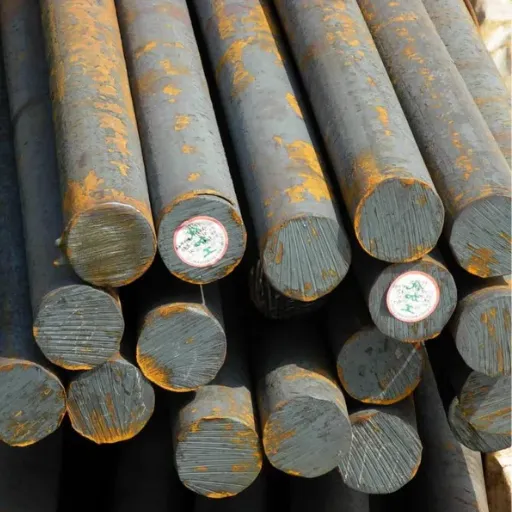
This is where the two materials diverge most dramatically. A piece of mild steel with 0.15% carbon behaves nothing like pure iron with 0.01% carbon when exposed to a magnetic field.
Side-by-Side Magnetic Comparison
| Property | Soft Iron (Pure Iron) | Low Carbon Steel | High Carbon Steel |
|---|---|---|---|
| Coercivity (Hc) | 50-100 A/m | 200-800 A/m | 1,000-10,000+ A/m |
| Max Permeability (μmax) | 5,000-200,000 | 2,000-4,000 | 100-500 |
| Saturation Flux Density (Bs) | ~2.15 T | ~2.1 T | ~1.8-2.0 T |
| Residual Induction (Br) | ~1.2 T (low) | Moderate | High |
| Hysteresis Loss | Very Low | Moderate | Very High |
| B-H Loop Shape | Narrow and tall | Moderate width | Wide |
| Ease of Magnetization | Very Easy | Moderate | Difficult |
| Ease of Demagnetization | Very Easy | Moderate | Difficult |
Why Carbon Destroys Magnetic Performance
The numbers tell a stark story. Soft iron with ≤0.025% carbon has a coercivity of 50-100 A/m. Low carbon steel, which most engineers consider "pretty pure," contains 0.05-0.25% carbon and exhibits coercivity of 200-800 A/m. That is a 4-8x increase in the energy required to demagnetize the material.
The mechanism is straightforward. Carbon atoms dissolve into the iron lattice and form iron carbide (cementite, Fe3C) precipitates during cooling. These precipitates act as obstacles, or pinning sites, for magnetic domain walls. When you try to reverse the magnetization, domain walls must break free from these pinning sites, which requires extra energy. That extra energy manifests as heat, known as hysteresis loss.
Consider this: even 0.05% carbon, the lower boundary for what standards call "low carbon steel," is still 2-10 times the carbon content of electromagnetic pure iron. That seemingly tiny difference transforms the material's magnetic behavior.
When Li Jian, an engineer at a Ningbo-based sensor manufacturer, tested samples of DT4C pure iron against the AISI 1010 steel his company had been using, the permeability readings surprised the entire team. DT4C showed maximum permeability above 15,000. The 1010 steel topped out at 3,200. For their flux gate sensors, that difference translated to a 40% improvement in signal-to-noise ratio.
Soft Iron vs Steel: Mechanical Properties
While soft iron dominates in magnetic performance, steel wins decisively on mechanical strength. The same carbon that degrades magnetic properties strengthens the crystal lattice and increases hardness.
Side-by-Side Mechanical Comparison
| Property | Soft Iron (Annealed) | Low Carbon Steel | High Carbon Steel |
|---|---|---|---|
| Tensile Strength | 260-310 MPa | 350-550 MPa | 850-1,500+ MPa |
| Yield Strength | 120-180 MPa | 200-350 MPa | 550-1,000+ MPa |
| Elongation | 30-40% | 15-30% | 5-15% |
| Hardness | 70-90 HRB | 120-200 HB | 350-600+ HB |
| Weldability | Excellent | Good | Poor |
| Machinability | Good (can be gummy) | Excellent | Moderate |
Soft iron has roughly 40-60% of the tensile strength of low carbon steel. It will not work for structural beams, load-bearing frames, or high-stress mechanical components. However, its high ductility (30-40% elongation) makes it easy to stamp, punch, and form into complex electromagnetic core shapes without cracking.
This is a critical tradeoff. If your component needs to carry a magnetic field, soft iron delivers superior performance. If it needs to carry a mechanical load, steel is the only viable option.
Soft Iron vs Steel: Chemical Composition
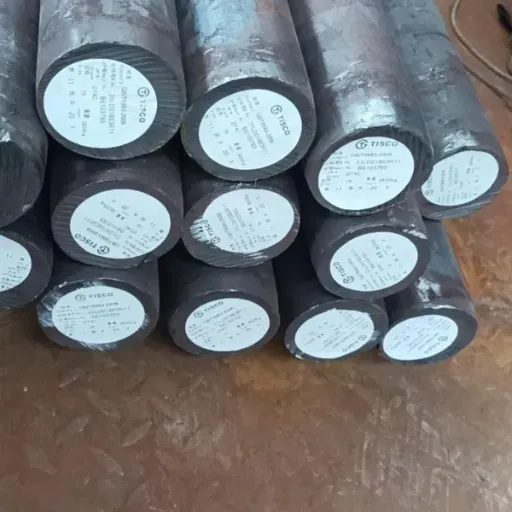
The defining difference between soft iron and steel comes down to a single element: carbon.
Composition Comparison
| Component | Soft Iron | Low Carbon Steel | High Carbon Steel |
|---|---|---|---|
| Iron (Fe) | 99.5-99.95% | 98.5-99.5% | 95-98% |
| Carbon (C) | ≤ 0.025% | 0.05-0.25% | 0.60-1.0%+ |
| Silicon (Si) | ≤ 0.02-0.20% | 0.10-0.30% | 0.15-0.35% |
| Manganese (Mn) | ≤ 0.03-0.30% | 0.30-1.0% | 0.30-0.90% |
| Sulfur (S) | ≤ 0.015-0.020% | ≤ 0.05% | ≤ 0.05% |
| Phosphorus (P) | ≤ 0.015-0.020% | ≤ 0.04% | ≤ 0.04% |
Beyond carbon, soft iron maintains tighter controls on sulfur, phosphorus, and other trace impurities. These elements also degrade magnetic performance, though to a lesser extent than carbon. Premium grades like DT4C specify maximum sulfur and phosphorus at 0.015% each, compared to 0.05% and 0.04% respectively for standard mild steel.
The iron purity difference matters too. At 99.5-99.95% Fe, soft iron has fewer grain boundary inclusions and non-metallic particles that can impede domain wall motion. Steel at 98.5-99.5% Fe contains more of these magnetic obstacles simply because more alloying elements are present.
When to Choose Soft Iron
Soft iron excels in any application where the primary function is magnetic and the field is static or unidirectional (DC). Its high permeability concentrates magnetic flux efficiently, and its low coercivity means the material releases that flux cleanly when the field is removed.
Best Applications for Soft Iron
Electromagnet cores: Easily magnetized when energized, releases cleanly when powered off. No residual magnetism to interfere with operation.
DC relay cores: Fast switching response. Low coercivity means the armature releases instantly when the coil de-energizes.
Solenoid valves and actuators: High permeability concentrates flux into a strong, predictable pulling force.
Magnetic shielding: High saturation (2.15 T) handles strong fields. Redirects flux around sensitive equipment without saturating.
Particle accelerator magnets: CERN uses pure iron for dipole and quadrupole magnets requiring precise, repeatable field shapes.
MRI shimming components: Predictable magnetic behavior ensures field homogeneity across the imaging volume.
DC motor pole pieces: Strong flux concentration in the DC field gap.
Neodymium magnet precursor material: High-purity iron serves as the base for NdFeB permanent magnet production.
Learn more about how electromagnetic pure iron is used in brakes and safety systems to see application-specific performance data.
When to Choose Steel
Steel is the right material when the primary function is structural, mechanical, or requires permanent magnetism. Different steel grades cover an enormous range of applications.
Best Applications for Steel
Structural construction: Beams, frames, and reinforcement bars require high tensile strength and load-bearing capacity.
Automotive bodies: High-strength low-alloy steel provides formability combined with crash resistance.
Cutting tools and blades: High carbon and tool steel hold a sharp edge under repeated stress.
Springs: Spring steel combines elasticity with fatigue resistance over millions of cycles.
Transformer cores (AC): Silicon steel with 3% silicon minimizes eddy current and hysteresis losses at 50/60 Hz.
Pipelines and pressure vessels: Alloy steel handles internal pressure, temperature extremes, and corrosive media.
Gears, shafts, and bearings: Alloy steel provides the wear resistance and toughness these components demand.
Permanent magnets: High carbon steel and specialized alloys (Alnico, NdFeB) retain magnetization permanently.
Soft Iron vs Silicon Steel: The AC vs DC Distinction
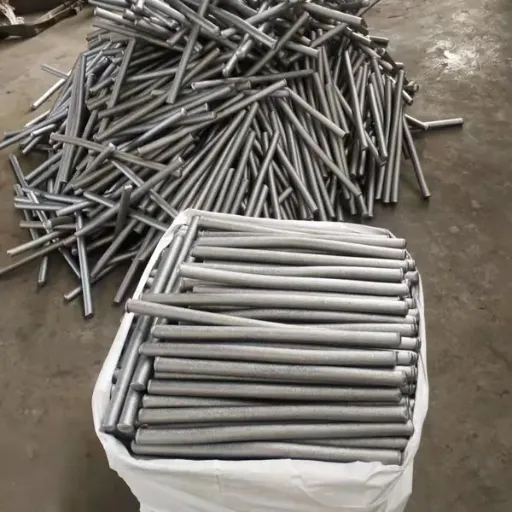
Many engineers confuse soft iron with silicon steel because both serve electromagnetic applications. The distinction is critical and comes down to the type of magnetic field.
Comparison Table
| Property | Soft Iron (Pure Iron) | Silicon Steel (3% Si) |
|---|---|---|
| Silicon Content | ~0% | ~3% |
| Saturation (Bs) | ~2.15 T (higher) | ~2.0 T |
| Permeability (μmax) | 5,000-200,000 | ~7,000 |
| Coercivity (Hc) | 80-100 A/m | 10-50 A/m (lower) |
| Electrical Resistivity | ~10 μΩ·cm | ~45-50 μΩ·cm (5x higher) |
| Eddy Current Loss | High | Low |
| Core Loss (W/kg at 1.5T, 50Hz) | ~10+ | ~1-2 |
| Best For | DC applications | AC applications |
| Cost | Lower | Higher |
Pure iron has very low electrical resistivity (about 10 μΩ·cm). In AC applications, where the magnetic field reverses 50 or 60 times per second, this low resistivity allows large eddy currents to circulate within the material. These eddy currents generate heat and waste energy. Silicon steel, with five times higher resistivity, suppresses eddy currents and runs much cooler in AC service.
However, for DC applications, eddy currents are not a concern. The field does not reverse, so there is no driving force for circulating currents. In this regime, soft iron's higher saturation flux density (2.15 T vs 2.0 T) and lower cost make it the superior choice.
The rule is simple: DC applications use soft iron. AC applications use silicon steel. Do not substitute one for the other without understanding the frequency and field direction your component will experience.
How to Decide: A Practical Framework
Use this decision process when selecting between soft iron and steel for your next project:
Step 1: Is the primary function magnetic?
If no, use steel. Soft iron lacks the mechanical strength for structural or load-bearing roles.
Step 2: If yes, is the field DC (static or unidirectional)?
If yes, use soft iron (pure iron). Its high saturation, high permeability, and low coercivity deliver the best performance for electromagnets, relays, solenoids, and magnetic shielding.
Step 3: Is the field AC (alternating)?
If yes, use silicon steel (electrical steel). Its high resistivity suppresses eddy currents that would otherwise waste energy as heat.
Step 4: Is the goal permanent magnetism?
If yes, use high carbon steel or specialized permanent magnet alloys (Alnico, NdFeB, SmCo). These materials retain magnetization by design.
Step 5: Consider the grade.
For soft iron applications, DT4C pure iron offers the best magnetic properties with coercivity at or below 48 A/m. If your application is less demanding, DT4 or DT4A provides adequate performance at lower cost.
See our specifications for electromagnetic pure iron hot-rolled coils to match the right grade to your application requirements.
Frequently Asked Questions
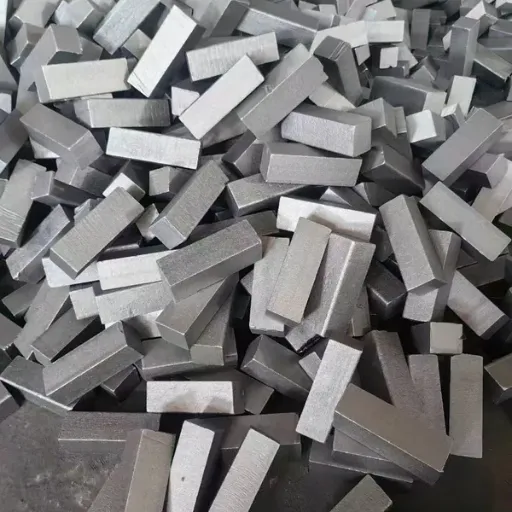
Is soft iron the same as pure iron?
Yes, in industrial contexts the terms are used interchangeably. "Soft" refers to magnetic behavior (easy to magnetize and demagnetize), not mechanical hardness. Electromagnetic pure iron, electrical pure iron, and soft magnetic iron all describe the same family of high-purity, low-carbon iron materials.
Can I use mild steel instead of soft iron for an electromagnet?
You can, but performance will suffer significantly. Mild steel (0.15% carbon) has 4-8 times higher coercivity than pure iron, meaning it retains more residual magnetism when you de-energize the coil. For a lifting electromagnet, this may be acceptable. For a relay or solenoid that must switch cleanly, the residual magnetism will cause sticking and unreliable operation.
What is the difference between DT4 and DT4C?
Both are grades of electromagnetic pure iron under China's GB/T 6983 standard. DT4 is the base grade with coercivity at or below 120 A/m. DT4C is the premium grade with coercivity at or below 48 A/m. DT4C has tighter controls on carbon, sulfur, and phosphorus content, resulting in superior magnetic permeability and lower hysteresis loss.
Why not use silicon steel for everything?
Silicon steel excels in AC applications but costs more than pure iron. For DC applications where eddy currents are not a concern, pure iron's higher saturation flux density (2.15 T vs 2.0 T) and lower cost make it the better choice. Using silicon steel in a DC electromagnet adds cost without performance benefit.
Where is electromagnetic pure iron manufactured?
China's Shanxi province, particularly the city of Taiyuan, is the recognized production hub for Chinese pure iron. The region hosts multiple mills specializing in DT-series grades, maintaining deep inventory and offering competitive direct-source pricing to global buyers.
Key Takeaways
The soft iron vs steel decision comes down to understanding what your component needs to do:
Magnetic performance: Soft iron wins with 5,000-200,000 permeability versus 2,000-4,000 for mild steel. The carbon content difference (0.025% vs 0.05-0.25%) drives this gap.
Mechanical strength: Steel wins with 350-550 MPa tensile strength versus 260-310 MPa for soft iron. If the part carries a load, steel is the only option.
The DC rule: For static or unidirectional magnetic fields, soft iron delivers higher saturation and lower cost than any steel alternative. For AC fields, silicon steel is necessary to control eddy current losses.
Grade selection matters: Within soft iron, DT4C provides the best magnetic properties (Hc ≤ 48 A/m). Within steel, the carbon content and alloy additions determine whether the material serves a structural, tool-making, or permanent magnet role.
Total cost of ownership: The cheapest material rarely delivers the lowest lifetime cost. A relay core made from mild steel may cost less per kilogram, but warranty claims from sticking armatures will far exceed the material savings.
Choosing the right material for electromagnetic applications requires balancing magnetic performance, mechanical requirements, and cost. If your project demands high-permeability, low-coercivity material for DC electromagnetic components, sourcing verified DT4C-grade pure iron from a manufacturer with direct mill access ensures consistent quality and competitive pricing.
Ready to discuss your pure iron requirements? Contact our engineering team to find the right DT grade for your application and request a custom quote tailored to your specifications.
Recently Posted
-
Industrial Pure Iron vs. Armco Iron: Terminology, History, and Modern Equivalents
September 2, 2026Not long ago, a European motor manufacturer opened an aging drawing for a magnetic shielding housing and found the material callou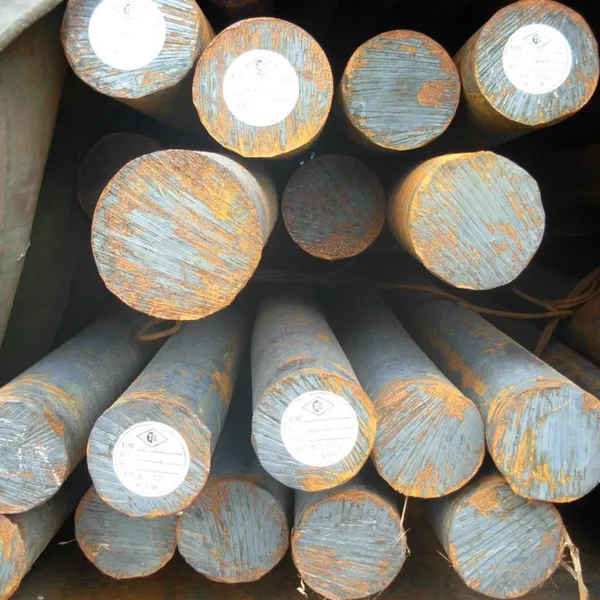 Read More
 -
Shanxi Jurun Technology: Your Electromagnetic Pure Iron Partner from Taiyuan, China's Pure Iron Prod
August 14, 2026When an international buyer searches for electromagnetic pure iron, they are not just looking for a material. They are looking for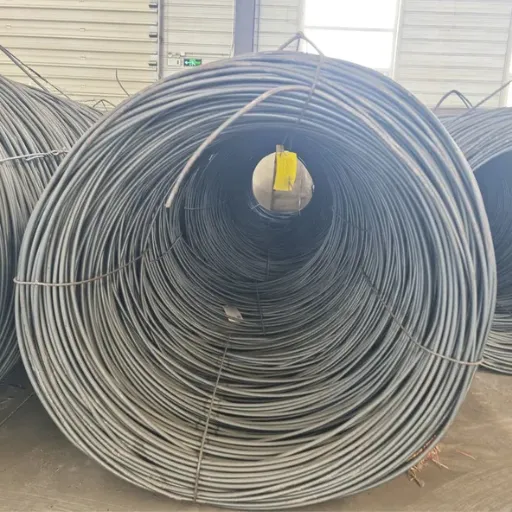 Read More
 -
Cold Drawing Process for Electromagnetic Pure Iron Wire: How Wire Rod Becomes Precision Cold-Drawn W
August 13, 2026Not long ago, a solenoid valve manufacturer in Italy received a shipment of 5.5 mm electromagnetic pure iron cold-drawn wire inten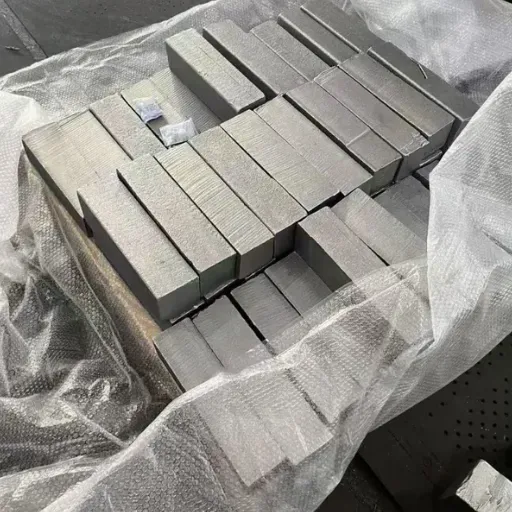 Read More
 -
How to Choose a Food Vacuum Sealer Supplier in China: 8 Evaluation Criteria
August 13, 2026An e-commerce brand owner in the UK contacted us some time ago after a supplier relationship fell apart. They had sourced roughly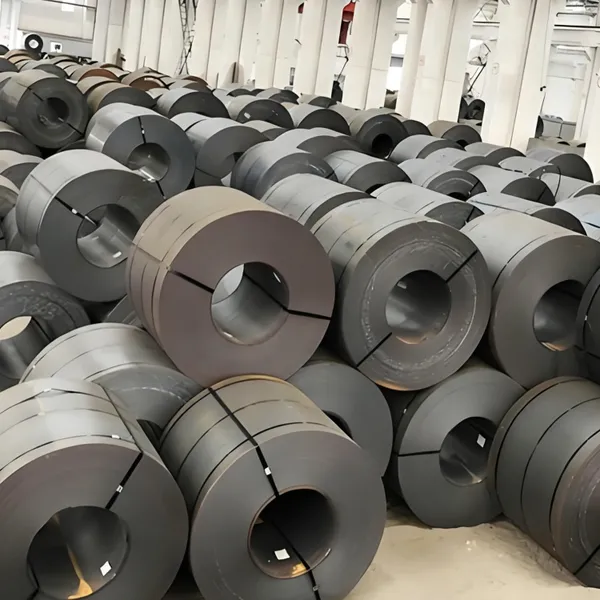 Read More

Contact Us
Recommended Products
-
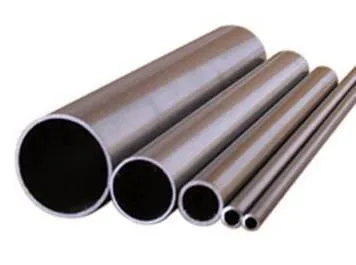
 Seamless Tube With Good Cold Electrical Pure Iron Fittings Hot Workability for Forming Fittings and ConduitsNegotiableMOQ: 1 Ton
 -
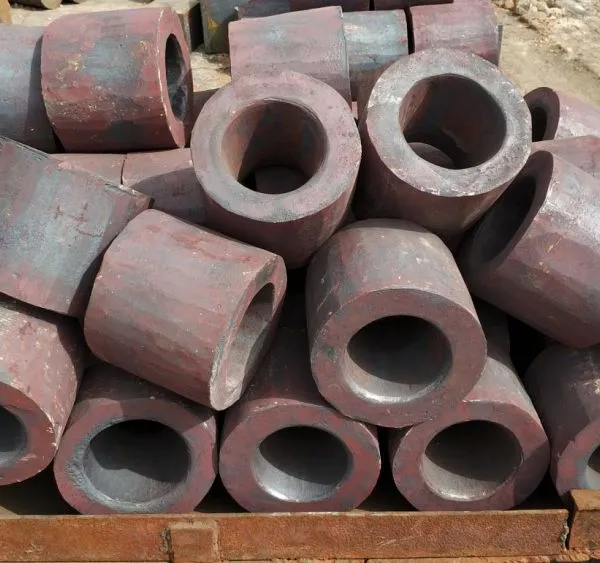
Electromagnetic Pure Iron Forging for Automotive Sensor ManufacturingNegotiableMOQ: 100 Kilograms
-
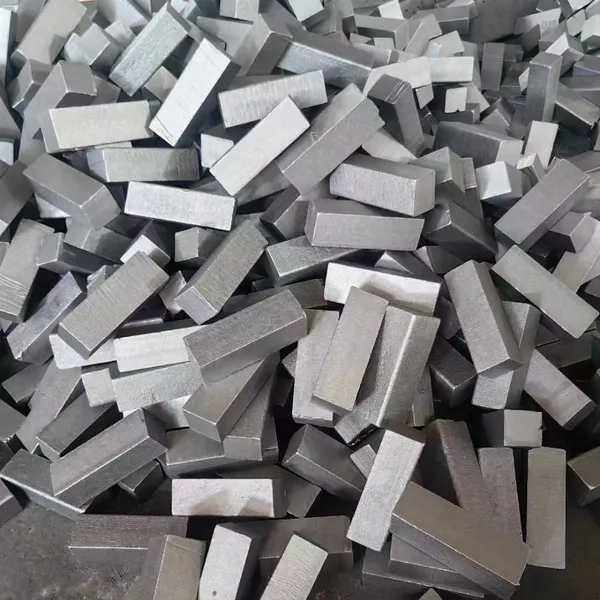
Precision Cut Pure Iron Square Bar High Saturation Induction Raw Material for Generator and RotorNegotiableMOQ: 100 Kilograms
-
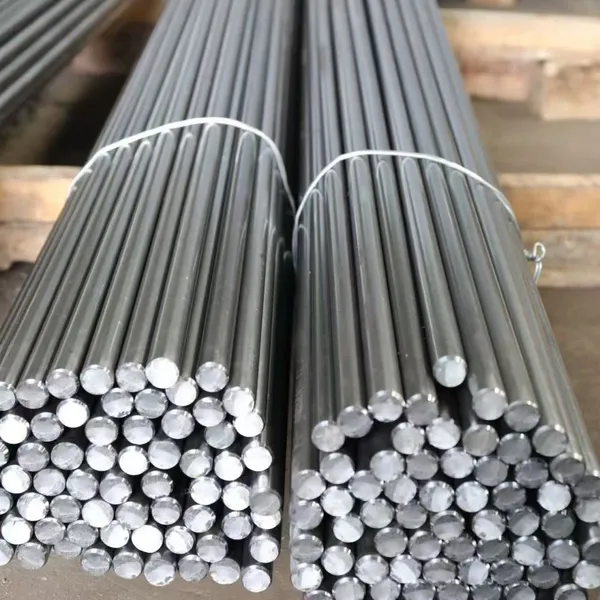
DT4C Super Grade Electromagnetic Pure Iron Bright Bar With Bundle Weight 30-100kg for Easy TransportationNegotiableMOQ: 1 Ton
-
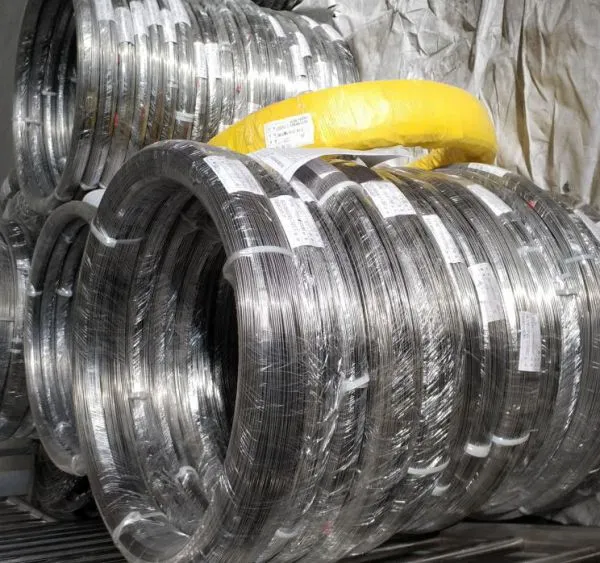
DT4C Electromagnetic Pure Iron Cold-Drawn Wire 0.5mm-6.0mm Diameter for TransformersNegotiableMOQ: 100 Kilograms
-
Industrial Pure Iron Bar for Electromagnetic Relay and Sensor ProductionNegotiableMOQ: 1 Ton
-
Electromagnetic Pure Iron Thin Sheet 0.3mm-0.8mm for Solenoid and Relay ManufacturingNegotiableMOQ: 500 Kilograms
-
Electrical Pure Iron Hot-Rolled Coil for Magnetic Components With Low Iron LossNegotiableMOQ: 1 Ton
-
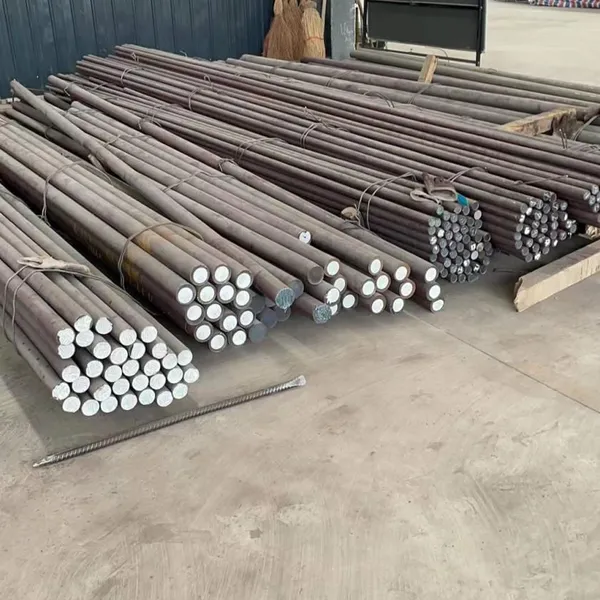
Low Carbon DT4C Pure Iron Round Bar With 99.8% Fe Content for Electrical ApplicationsNegotiableMOQ: 1 Ton
-
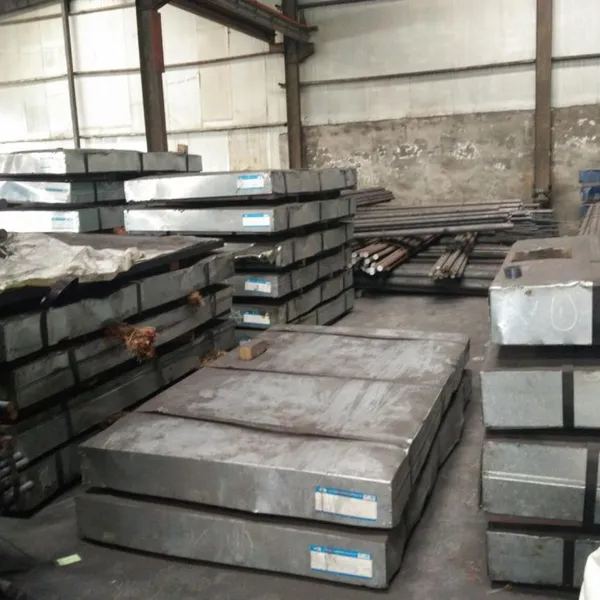
Cold Rolled Pure Iron Slit Coil DT4C Grade Ultra Low Carbon ≤0.004% for Magnetic ComponentsNegotiableMOQ: 1 Ton
-
Low Iron Loss Electromagnetic Pure Iron Hot-Rolled Coil DT4C for Transformer CoresNegotiableMOQ: 1 Ton
-
Soft Magnetic Pure Iron Sheet With Minimum Iron Loss for High-Efficiency MotorsNegotiableMOQ: 1 Ton
-
Electromagnetic Pure Iron Cold Rolled Coil DT4C for High Magnetic Permeability ApplicationsNegotiableMOQ: 1 Ton
-
Industrial Pure Iron Tube Superior Surface Quality Electromagnetic Pure Iron Tube for Welding and Plating ProcessesNegotiableMOQ: 1 Ton
-
DT4 Seamless Pure Iron Tubing for High-Performance Electrical Equipment ApplicationsNegotiableMOQ: 1 Ton
-
DT4C Iron Wire Rod for Precision Magnetic Shielding ApplicationsNegotiableMOQ: 100 Kilograms
-
Industrial Pure Iron Fittings DT4 Pure Iron Seamless Tube With Low Hysteresis Loss for Electromagnetic SystemsNegotiableMOQ: 1 Ton
-
DT4C Cold Rolled Coil Slitting for Electrical Enclosure ManufacturingNegotiableMOQ: 1 Ton
-
Anti Rust Coated Pure Iron Square Bar Low Carbon Raw Material for Welding and Forging Magnetic PartsNegotiableMOQ: 100 Kilograms
-
DT4 Pure Iron Cold-Drawn Wire 0.5mm-6.0mm Diameter for Precision EngineeringNegotiableMOQ: 500 Kilograms