
 Business License

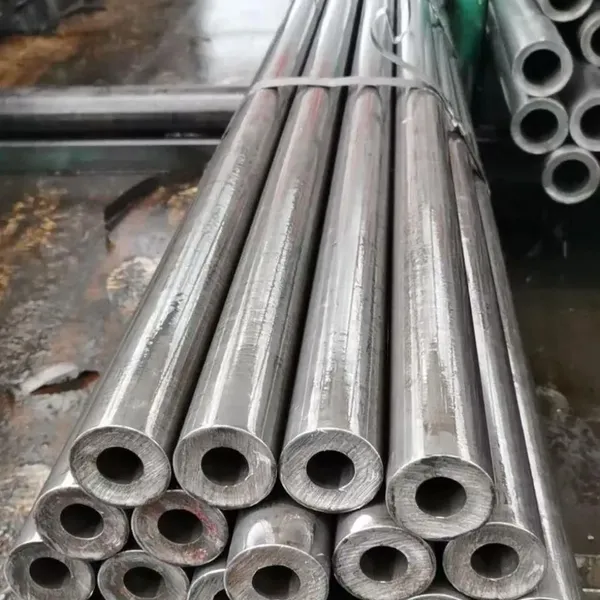
Electrical Pure Iron Tubes: Industrial Applications
The role of pure iron in standard metal industries is often considered unnoticed. The product is a critical material for various applications due to its unique properties. However, from the different forms of pure iron in existence, electrical pure iron tubes, typical of Armco Pure Iron, start to stand out for their versatile performance. Why are these tubes so expensive? This blog gives an insight into the unique properties of Armco Pure Iron, with reference to its superb magnetic quality, optimum tensile strength, and how it is a trailblazer in the field of industry from power generation to highly advanced engineering. You can hope to get a better understanding of how this material meets the demands of up-to-date technology to forge prosperous solutions for the future.
Introduction
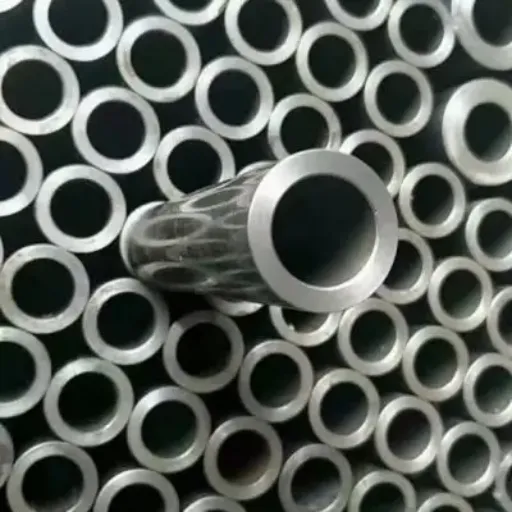
Overview of Electrical Pure Iron
One very well-regarded material to peruse through both magnetic and electrical characteristics and scope of importance in a plethora of industrial cases is electrical pure iron, such as corresponded by Armco Pure Iron. This material gets credited for its structural imperative to consist of the most basic form of iron, wherein the minimal measure of its reported purity is 99.85 percent. Their wonderful properties are a phenomenal avenue of high electrical conductivity and magnetic permeability that make it very favorable to be employed at the highest order in those transformers and inductors functioning at their utmost efficiency.
The pure iron boasts low carbon content, which is a very amazing fact. The metal is one of the lowest loss metals used in magnetic applications. Another factor contributing to the metal loss is its low coercivity and saturation magnetization, which provides an ideal system for an electromagnetic application. The most recent research suggests that these so-called ARMCO pure irons produce a particular relative magnetic permeability that may exceed 200,000-law of typical materials in that category.
Such material is good for advanced engineering and power generation applications because of its excellent chemical composition for machining and temperature endurance. Everyday commercial electrical pure irons are utilized in some of today's most advanced energy-saving technologies and developments.
Importance of High-Quality Magnetic Materials
For their efficient use in almost all sectors -- such as renewable energies, automotive, medical, and electronic sectors-- good magnetic materials must be available. Magnetic properties of materials influence the performances and effectiveness of wind turbines, electric vehicles, and transformers greatly. The use of high magnetic materials with very good magnetic permeability and low core-losses has translated into higher efficiency in transformers and motors and promises to assist in achieving the ultimate sustainability goals.
Based on the latest market research, the worldwide magnetic materials market size is forecasted to arrive at $54.31 billion by 2030, registered with an 8.8 percent CAGR from 2023 to 2030. The underlying foundation of this growth is the increasing reliance upon magnetic material technology either in promoting clean energy sources like EV and wind energy technologies. This growth segment is largely dominated by permanent magnets, and especially NdFeBR, due to their exemplary magnetic strength and durability.
Properties of Pure Iron

Electromagnetic Properties of Pure Iron
Not a single iron can be found in the world with the ferromagnetic and diamagnetic crystallographic as well as its properties at an ambient temperature that is similar in every aspect. All these phenomena fall under the natural mineralogical statute. Depending on the way they crystallized, the two magnetic paths in pure iron behavior become altered. The magnetization in iron particles is oriented by granularly directed magnetic particles. For each relaxed association in forming different iron particle shapes, these combinations of changes are being aggregated. These changes of time are induced control by temperature, or by imposed pressure, giving to the immediately turbulent and spontaneous responses that provide a hypothesis regarding the loss of magnetization. Not at this time; indiscriminate use will never result.
A pure iron mass with saturation magnetization is around 2.2 T. This high value secretly suggests that such materials have the capability to hold very strong magnetic fields without much energy loss which is why they are very much used in stronger applications requiring thick magnetic fields. However, pure iron also has roughly a resistivity of about 10 μΩ·cm at room temperature, which indicates limited resistance to electrical flow while put in use.
Over the time, further developments into the usability of pure iron make its magnetism- a much radical approach to be taken in various arenas of electromagnetism. For example, polishing and chemical cleaning remove from it specific impurities that retard magnetic performance. The present drive to achieve more energy efficiency offers the option of reducing losses from eddy currents and increasing efficiency during operation by changing the fine grain orientation of the pure iron.
Comparison of Different Grades of Pure Iron: 99.5%, 99.9%, and 99.99%
99.5% Pure wholly hot iron
A high degree of 99.5% pure wholly hot iron is rated a good level against other forms of pure iron, yet it may suffer and be affected to the electromagnetic industry by more or less undesired elements such as losses effect from hysteresis and eddy current. Typically it is used in construction for general manufacturing where a certain level of cost is a matter of concern rather than high performance. High-end Performance Component Applications are usually those for construction of structural components and low-grade cores.
99.9% Pure Iron (Electrolytic Iron)
Vague is the confirmation of predominantly 99% pure iron to save electric processes instead of those containing 99.9%; works functionally magnetically, no less than 99.5%, with relatively reduced energy losses. That level of purity is particularly useful because of its high magnetic permeability, as well as for low-coercivity requirements. Analysis confirms that if the purity level of 99.9% pure iron is decreased, efficiency enhancement for electromagnetic systems would come within the neighborhood of 10-15%.
99.99% Pure Iron (Ultra-Pure Iron)
In this sense, the grade 99.99% class is nothing less than a purity class or performance class in iron. This total absence of impurities denotes the maximum permeability in magnetic strength followed by the extremely low coercivity and slight core losses. The class sees applications in cutting edge technology demanding high-performance scientific instruments, particularly precision electromagnetism and sophisticated sensor devices.
Applications of Electrical Pure Iron Tubes
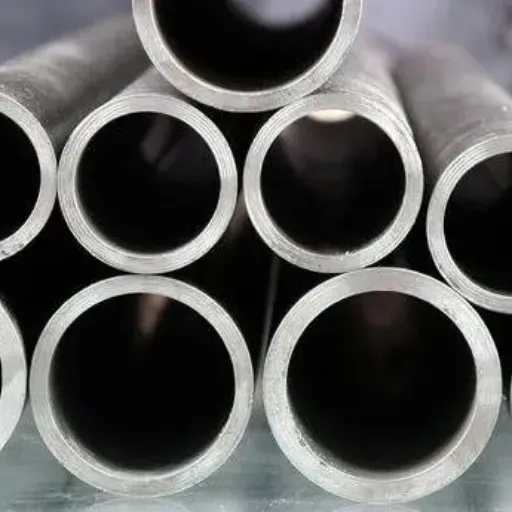
Use in Electromagnetic Shielding
A magnetic shield of such magnetic permeability will clearly absorb electromagnetism waves and shield against electromagnetic waves, so this shield is ideal for protecting sensitive electronic equipment from electromagnetic interferences and the operations and efficiency of state-of-the-art systems that are primarily for telecommunications, aerospace, and medical thermal applications.
As per a recent data point, man-made materials exhibiting strong magnetic permeability, such as electrical pure iron, yields an SE slightly in excess of 80 db at frequencies in the range of 100KHz to 1 GHz, which is highly favored in modern-day EMP (Electromagnetic Protection). On the contrary, the electrical pure iron offers an ability to just as steadfastly work in hard-usage environments as in steady-condition instances of temperature and environmental changes. For example, the tubes kill electrical interferences by being part of MRI systems where field containment demands ultra preciseness.
The Interlacing in Solenoids and Relays
The basic operation of solenoids and relays needs electrical pure iron tubes because these tubes deliver exceptional magnetic properties. The motion of solenoids occurs through their magnetic fields because pure iron possesses both high permeability and low coercivity. The properties enable devices to conduct magnetic flux with high efficiency which results in reduced energy waste and better performance for systems that require fast and exact movement. The superior magnetic responsiveness of electrical pure iron tubes enables relays to perform essential electrical circuit switching tasks with both accuracy and speed.
Electrical pure iron materials enable magnetic flux densities between 1.6 and 2.0 Tesla while their energy losses remain low according to data from recent studies. The automotive and consumer electronics and industrial automation industries will experience growing demand for solenoids and relays which will reach a compound annual growth rate above 7% from 2023 through 2030. The market will expand through pure iron tube implementation in solenoids and relays because industries demand dependable and efficient operation from their electromechanical systems.
Technical Benefits of Pure Iron Over Alternatives
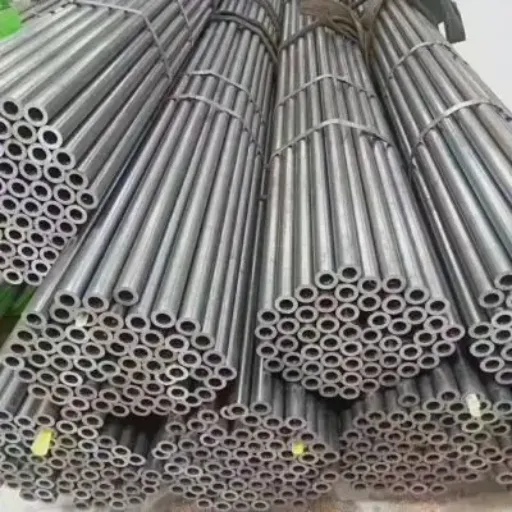
Advantages of Using Armco Pure Iron
Armco pure iron offers numerous extremely beneficial qualities for use in electrical counterparts such as solenoids and relays. Eminent among its magnetic properties are high magnetic permeability, low coercivity and thus efficient energy conversion and good energy conservation. All these aspects of having high beneficial consequences are inestimably indispensable for valuing magnetic performance with impeccable precision.
Yet, Armco Pure Iron uniquely enjoys uniqueness to other magnetic material in a way that makes the alloy holder still more appealing: extreme electrical conductivity coupled with minimal losses make for highly efficient devices. Such economic savings and reliability are mainly related to a minimum of eddy-current hysteresis and loss exhibited in Armco Pure Iron components. These allow materials to have a very interesting degree of low loss in high-frequency applications.
Industry literature and research findings indicate that the use of yarns in electromechanical components, involving Armco pure iron, brings about an energy efficiency increase by a staggering 20% as compared with ordinary iron or steel. This makes them unequaled for corrosion and fashioned by hardship, whereas they embody the strength and ease of manufacturing with a more modest long-term) expense for operating and maintenance for industry. Armco pure iron is the present paradigm as it adequately provides what ought to be given by any material for an electrical engineer at a feasible cost.
Comparative Steel and Other Materials
Armco pure iron has several possible benefits over conventional steel and more common materials used for electromechanical applications. The first major advantage of pure iron is that energy losses are lower primarily because of very high carrier mobility and very high magnetic quality. Specifically, the magnetic permeability of Armco pure iron extends well beyond 90,000 Gauss/Oe, certainly multiples higher than the electrical steels' values, 4,000 to 10,000. What this means is that more effective working of electromagnetic devices like transformers and electric motors is experienced immediately with this kind of material.
Furthermore, Armco pure iron is corrosion-resistant in comparison to standard steel, thanks in part to ultra-low carbon content also present in the material. While mild steel requires an expensive surface coating and treatments to protect against corrosion, the natural corrosion resistance of Armco pure iron means that it is relatively low maintenance and cost-saving into the future.
Armco pure iron is one of the few metal materials that are up to the scratch to bear a comparison with other metals in general in operating versatility, possessing specified formability. It is possible to shape this iron readily and transform into complex configurations, options which are required in the cases of parts that are more complicated. The converse is true for creep-resistant alloys: highly corrosion-resistant, but difficult to machine and form owing to their hardness and brittleness.
Manufacturing Specifications of Pure Iron Tubes
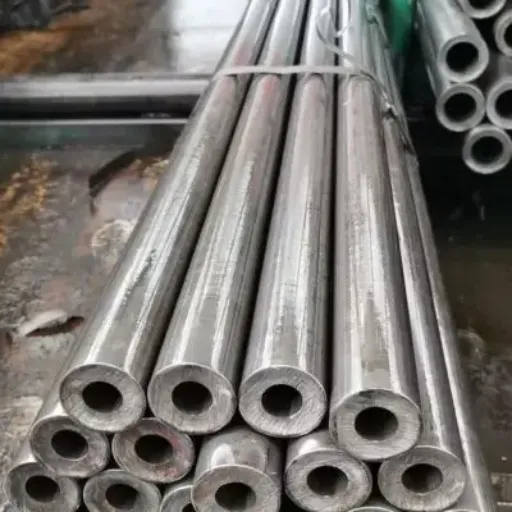
Industry Standards and Quality Assurance
Armco's negligible iron conforms to the most advanced standards offered in the present world. It is therefore compliant with a number of assistance known as standards before-mentioned as ASTM A848 and DIN 50450-2 that set limits to the content of impurities, at the maximum permissible impurity levels allowable, mechanical properties, and other trace elements. With a high quality of purity in excess of 99.85% for its iron in it, the presence of only minimal levels of impurities such as carbon, sulfur, and phosphorus ranks it one of the highest in the order of suitability for application in the highest possible industrial plants.
Throughout its processes of manufacture and marketing, the high purity of Armco depends on serious quality control checks. Different technical checks from widely respected processes: spectrometry, eddy current, and ultrasonic inspection subclasses are employed to attest to the presence of a satisfying chemical composition, microstructure, and homogeneity. Furthermore, our quality management process gains further recognition owing to its ISO 9001 certification.
For instance, investigations show that iron materials exceeding 99.8 purities yield enhanced magnetic efficacy rates affirmed at 10-15 percent, making itself a leading choice for use in electronic apparatus such as transformers or relays. Its performance is consistently best under the most advanced techniques of industralization, due to a profound level of stringency material quality control benchmarks that have since become the cornerstones of these technologic-driven industrial sectors.
Levels of Pureness
Impurities and Quality Control
The standard for the control of impurities like sulfur, phosphorus, or even manganese in pure iron has been much increased. This is why more often than not, the iron grades are not permitted to have less than 0.005% of sulfur or 0.01% of phosphorus and that is the minimum standard even for the smallest impurity, whereas both are otherwise detrimental for maximum electrical and magnetic output. The manufacturer needs to deploy higher standards of technology such as vacuum degassing or electroslag refining for such high purity requirements. In sum, by controlling the impurities, a constant consistency of quality and property in the final standard of the item is ensured.
Processing and Grading Techniques
Capable of bestowing ductility and softening on the structure, thereby becoming indispensable for application experiencing losses during eddy current regions, for example, transformer cores, and from the standpoint of application, up to some time to grow during the annealing. Tests are expected to be demanded in order to analyze the conformation of the materials and to document the compliance with the various industrial norms. Data and a few communications are appearing more frequently between the parties involved.
Frequently Asked Questions (FAQs)
What does the name "pure iron wire" refer to and how does it contrast with other forms of iron?
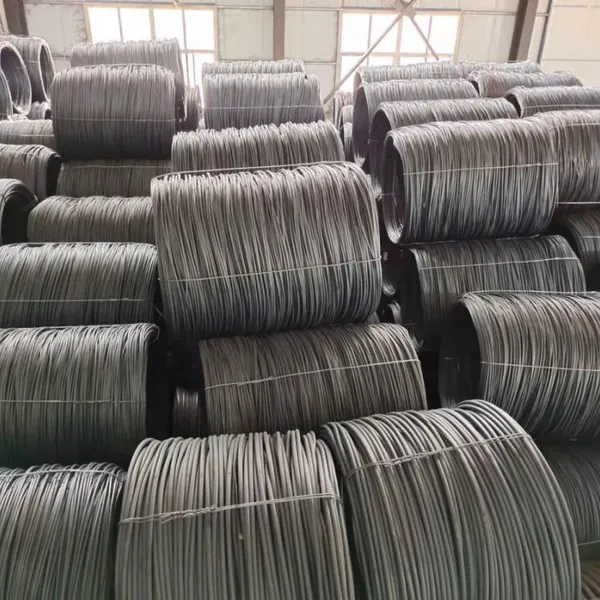
The term "pure iron wire" is usually applied to wires made by iron rods or thin filaments from high-purity iron. such iron may additionally contain a minimum amount of alloy content. compared with steel castings, or laminated sheets, this type of iron has very low carbon content during its production processes. This produces low coercive force making it susceptible to magnetization for an inductor or speaker application. Thus, pure iron wires are used where electrical resistance to magnetic flux during high permeability is of great importance.
What is the method for manufacturing pure iron plates, and how are they used?
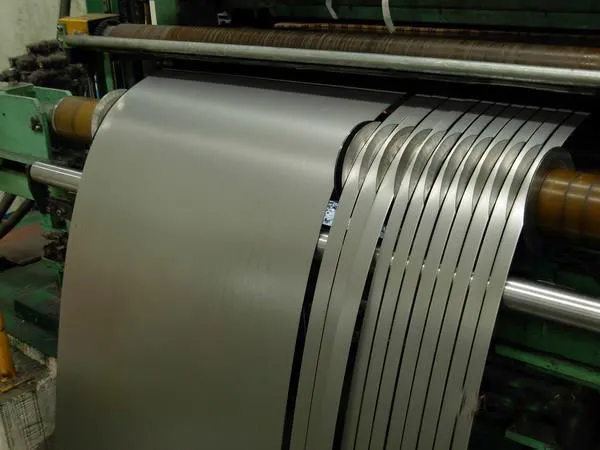
Pure iron plate is made by remelting high-purity iron and rolling it on the rolling mill to produce a flat. Industrial pure iron plates are sometimes referred to as electromagnetic pure iron. They are used in heat exchangers, pipes of iron, and magnetic components in electronics due to their very good thermal conductivity and an excellent electromagnetic performance-all of which make them compatible for induction equipment, induction and electromagnetic measuring instruments, and components that necessitate stable magnetic flux in motors.
What are some of the basic features of a pure iron rod that justify its application as cores and poles in magnet systems?
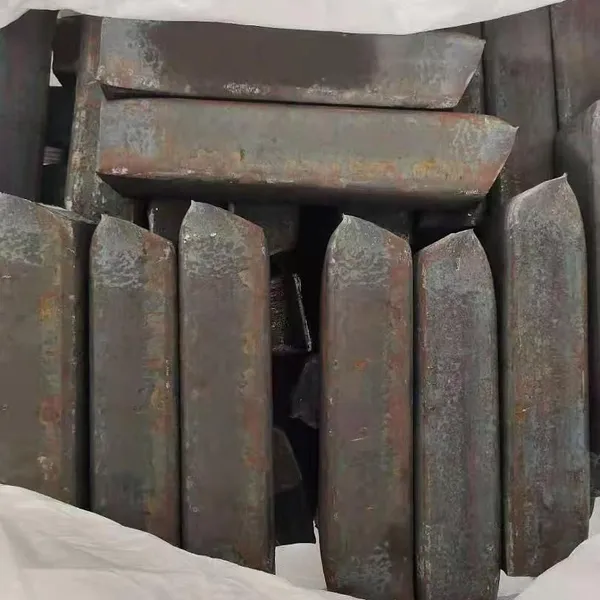
Pure iron bar is a softly magnetic material with virtually no alloying elements—hence, it offers low hysteresis losses, high permeability, and high saturated magnetic flux density—not the least being the fact that pure iron provides a sound material for the iron cores and magnetic poles. Those bars produced from pure metals or 99.5% or higher purity sources are much in use for remelting in the final stages of the manufacture of electromagnetic systems or in Armco-type iron production to be used in DC fields and very fine magnetic/material assemblies.
How high a purity level is needed for the good-performance electrical pure iron tube to meet the requirements?
When a tube called pure iron 99.5 has been occupied, it would typically embrace 99.5% iron with 0.5% combined impurities or alloying features. Steel normally verified by this purity will have good soft magnetism, permissibly imaging for many industrial use, and it will have excellent thermal conductivity. The high-end of magnetic components or research worth 99.9 or higher is typically favored by customers to reduce losses and raise magnetic flux and saturation.
When else would someone choose 99.9 or 99.99 pure iron over lower grades for electromagnetic components?
Choosing a 99.9% or 99.99% purity implies cutting back on the addition of alloying elements, such as nickel, or trace contaminants which contribute to lowering the magnetic loss and add to the importance of bulk homogeneity. As a rule, such an end is highly beneficial to electronic tube parts, high performing iron cores, and precision magnetic sensors by virtue of the qualities of the electromagnetic performance and reduced domain pinning in the 99.9–99.99% pure version of metals. These are all so very useful in induction, magnetic flux in motors, and unique induction and electromagnetic measuring instruments.
Recently Posted
-
Shanxi Jurun Technology: Your Electromagnetic Pure Iron Partner from Taiyuan, China's Pure Iron Prod
August 14, 2026When an international buyer searches for electromagnetic pure iron, they are not just looking for a material. They are looking for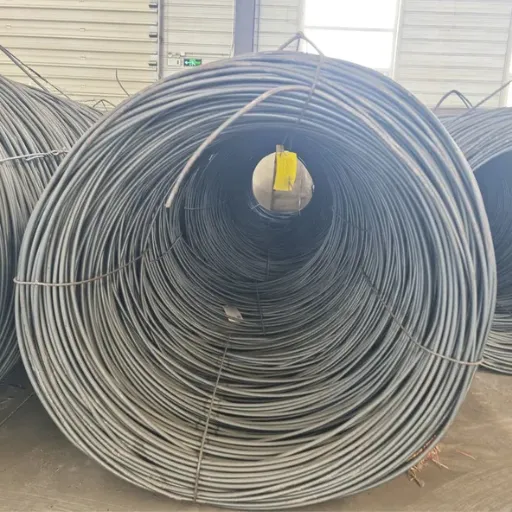 Read More
 -
Cold Drawing Process for Electromagnetic Pure Iron Wire: How Wire Rod Becomes Precision Cold-Drawn W
August 13, 2026Not long ago, a solenoid valve manufacturer in Italy received a shipment of 5.5 mm electromagnetic pure iron cold-drawn wire inten Read More
 -
How to Choose a Food Vacuum Sealer Supplier in China: 8 Evaluation Criteria
August 13, 2026An e-commerce brand owner in the UK contacted us some time ago after a supplier relationship fell apart. They had sourced roughly Read More
 -
Electromagnetic Pure Iron for Relay Manufacturing: Material Requirements, Grade Selection, and Case
August 13, 2026Some time ago, a relay production line in Zhejiang province began experiencing a puzzling failure pattern. Roughly 3 out of every
Read More

Contact Us
Recommended Products
-
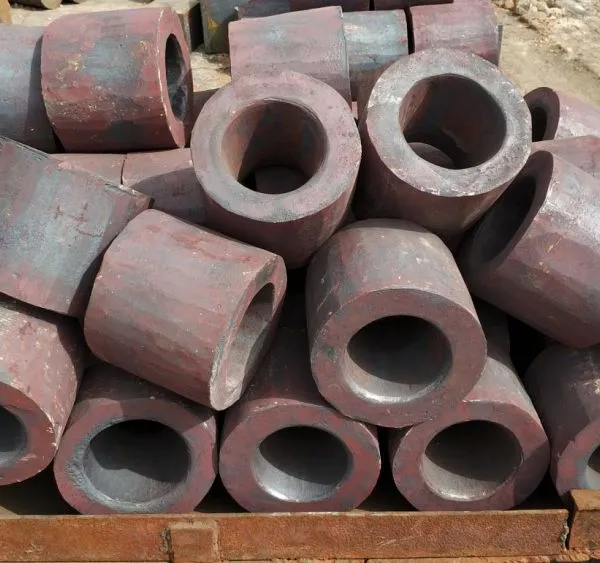
 Seamless Tube With Good Cold Electrical Pure Iron Fittings Hot Workability for Forming Fittings and ConduitsNegotiableMOQ: 1 Ton
 -
Electromagnetic Pure Iron Forging for Automotive Sensor ManufacturingNegotiableMOQ: 100 Kilograms
-
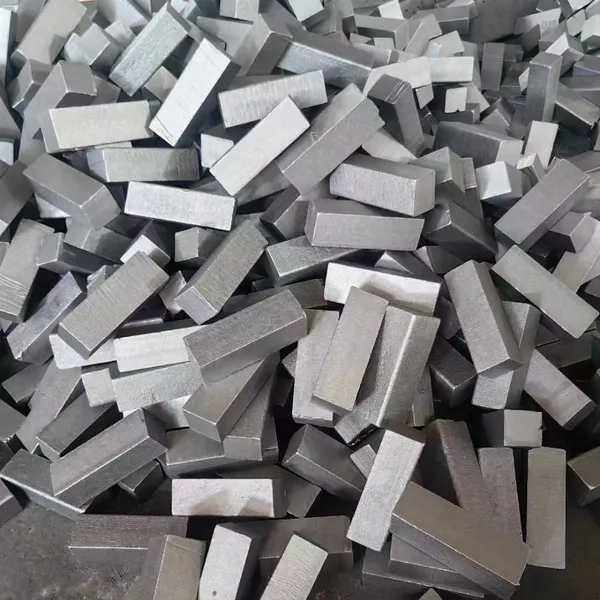
Precision Cut Pure Iron Square Bar High Saturation Induction Raw Material for Generator and RotorNegotiableMOQ: 100 Kilograms
-
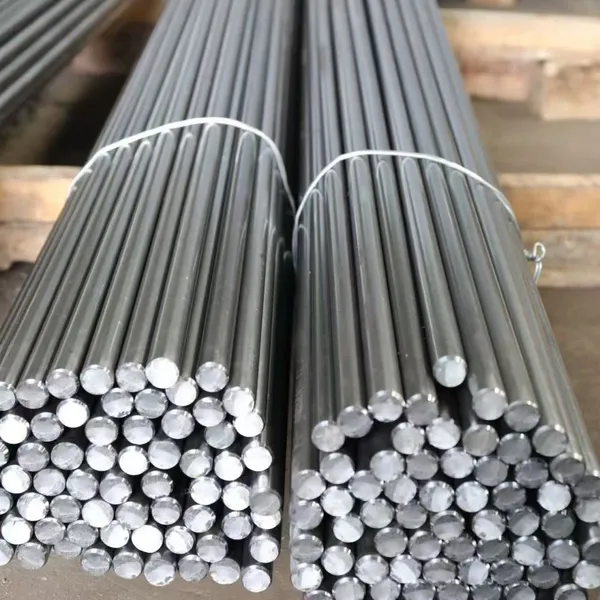
DT4C Super Grade Electromagnetic Pure Iron Bright Bar With Bundle Weight 30-100kg for Easy TransportationNegotiableMOQ: 1 Ton
-
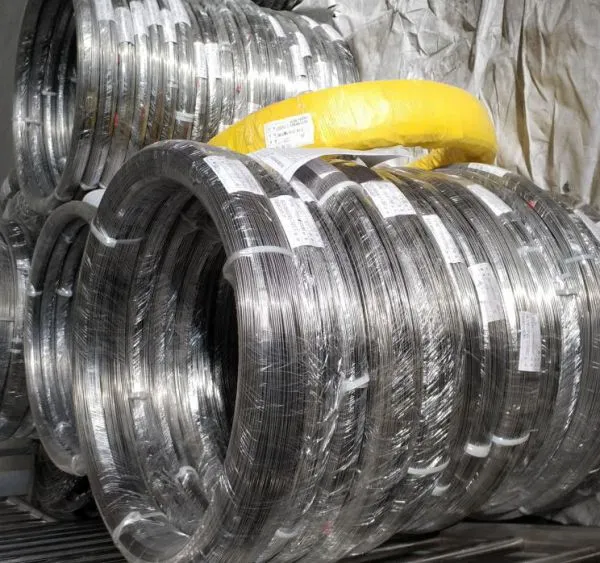
DT4C Electromagnetic Pure Iron Cold-Drawn Wire 0.5mm-6.0mm Diameter for TransformersNegotiableMOQ: 100 Kilograms
-
Industrial Pure Iron Bar for Electromagnetic Relay and Sensor ProductionNegotiableMOQ: 1 Ton
-
Electromagnetic Pure Iron Thin Sheet 0.3mm-0.8mm for Solenoid and Relay ManufacturingNegotiableMOQ: 500 Kilograms
-
Electrical Pure Iron Hot-Rolled Coil for Magnetic Components With Low Iron LossNegotiableMOQ: 1 Ton
-
Low Carbon DT4C Pure Iron Round Bar With 99.8% Fe Content for Electrical ApplicationsNegotiableMOQ: 1 Ton
-
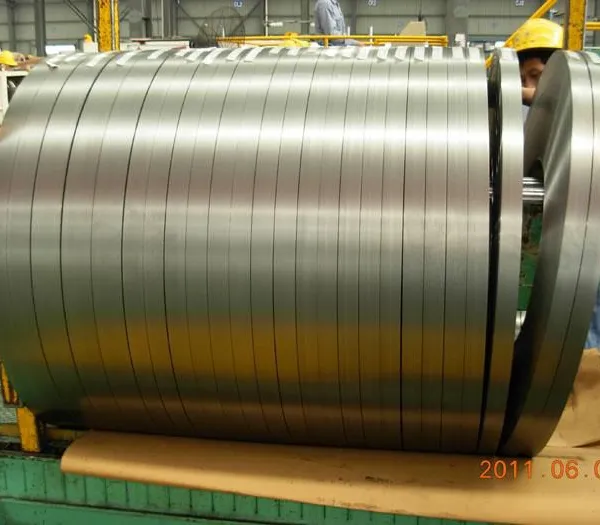
Cold Rolled Pure Iron Slit Coil DT4C Grade Ultra Low Carbon ≤0.004% for Magnetic ComponentsNegotiableMOQ: 1 Ton
-
Low Iron Loss Electromagnetic Pure Iron Hot-Rolled Coil DT4C for Transformer CoresNegotiableMOQ: 1 Ton
-
Soft Magnetic Pure Iron Sheet With Minimum Iron Loss for High-Efficiency MotorsNegotiableMOQ: 1 Ton
-
Electromagnetic Pure Iron Cold Rolled Coil DT4C for High Magnetic Permeability ApplicationsNegotiableMOQ: 1 Ton
-
Industrial Pure Iron Tube Superior Surface Quality Electromagnetic Pure Iron Tube for Welding and Plating ProcessesNegotiableMOQ: 1 Ton
-
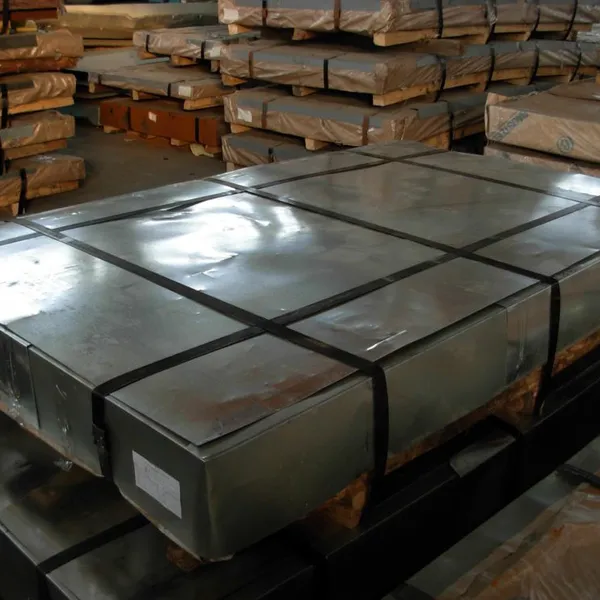
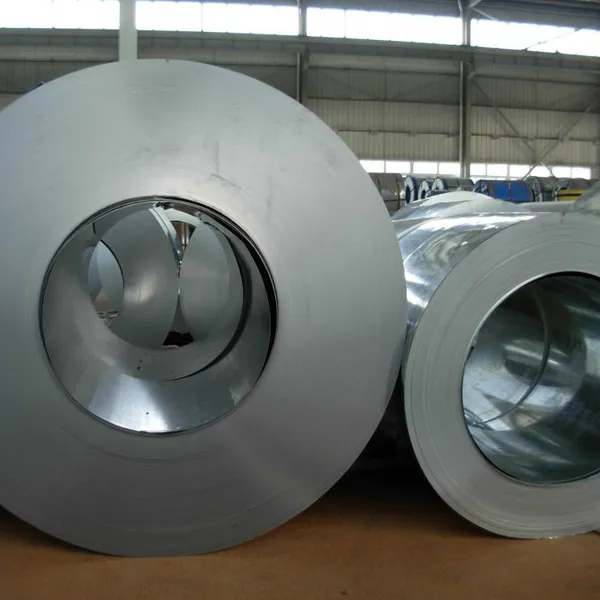
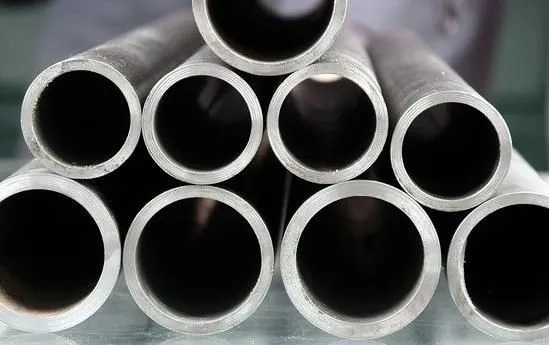
DT4 Seamless Pure Iron Tubing for High-Performance Electrical Equipment ApplicationsNegotiableMOQ: 1 Ton
-
DT4C Iron Wire Rod for Precision Magnetic Shielding ApplicationsNegotiableMOQ: 100 Kilograms
-
Industrial Pure Iron Fittings DT4 Pure Iron Seamless Tube With Low Hysteresis Loss for Electromagnetic SystemsNegotiableMOQ: 1 Ton
-
DT4C Cold Rolled Coil Slitting for Electrical Enclosure ManufacturingNegotiableMOQ: 1 Ton
-
Anti Rust Coated Pure Iron Square Bar Low Carbon Raw Material for Welding and Forging Magnetic PartsNegotiableMOQ: 100 Kilograms
-
DT4 Pure Iron Cold-Drawn Wire 0.5mm-6.0mm Diameter for Precision EngineeringNegotiableMOQ: 500 Kilograms