
 Business License

Pure Iron Solutions for Electromagnetic Iron Removers: Material Selection and Performance Optimizati
The maintenance crew at a coal-fired power plant in Shanxi had checked everything. The excitation coils were within spec. The conveyor belt tension was correct. Yet their electromagnetic iron removers were pulling 15% more power than rated, and stray tramp iron was still damaging the downstream ball mills.
The hidden culprit? Q235 structural steel yokes that leaked magnetic flux like a sieve. When the plant switched to DT4C electromagnetic pure iron, excitation current dropped. Field strength stabilized. The crusher damage stopped.
If you design, operate, or source electromagnetic iron removers, you have probably faced a version of this problem. The material inside the magnetic yoke determines whether your separator captures ferrous contaminants efficiently or wastes electricity generating heat. This guide explains why pure iron for electromagnetic iron removers is not a luxury specification, it is an engineering decision that directly affects separation efficiency, energy consumption, and equipment lifespan. You will learn how DT4C grade properties translate to real-world separator performance, which material forms match different iron remover designs, and what to specify when sourcing yoke components from your supplier.
How Electromagnetic Iron Removers Work
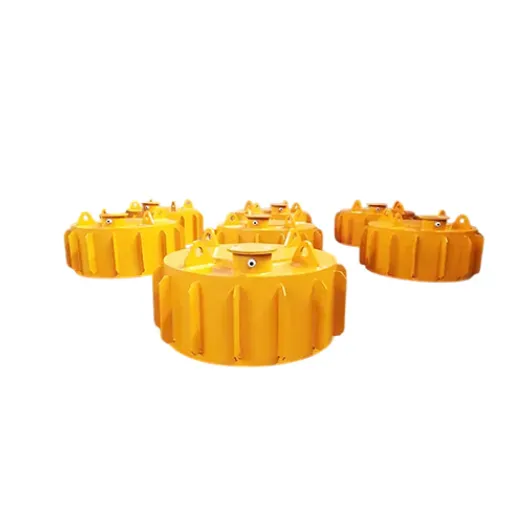
Electromagnetic iron removers use a controlled magnetic field to extract ferrous contaminants from bulk material streams. The basic architecture is straightforward: an excitation coil generates magnetic flux, a ferrous yoke channels that flux into a capture zone, and tramp iron adheres to the separator surface until the field is de-energized or a cleaning mechanism removes it. For a deeper look at magnetic separation principles across industries, see Bunting Magnetics' guide to tramp iron removal.
The Role of Magnetic Yokes and Cores
The yoke is the unsung hero of every electromagnetic separator. It forms the magnetic circuit that carries flux from the coil to the working face. A well-designed yoke minimizes reluctance, the magnetic equivalent of electrical resistance. High-reluctance materials force the coil to draw more current to achieve the same field strength, which increases energy consumption and operating temperatures.
This is where pure iron becomes critical. Electromagnetic pure iron offers magnetic permeability an order of magnitude higher than standard structural steels. In practical terms, a DT4C yoke conducts magnetic flux with minimal opposition, allowing the separator to achieve rated field strength at lower excitation power.
Types of Electromagnetic Iron Removers Using Pure Iron
Different separator configurations place unique demands on yoke material:
Overband suspension magnets require deep, uniform magnetic fields across wide conveyor belts. The yoke must carry high flux densities without saturation.
Drum separators rely on rotating electromagnetic cores to release captured tramp iron at the discharge point. Low coercive force ensures rapid field collapse when de-energized.
Magnetic pulleys integrate the separator into the conveyor drive. Compact yoke designs demand high saturation induction to maximize field strength in limited space.
High-gradient magnetic separators (HGMS) use finely divided ferromagnetic matrices in intense background fields. Yoke material directly determines the maximum achievable background field intensity.
Each of these designs benefits from electromagnetic pure iron, though the optimal grade and form factor varies by application. Similar magnetic circuit principles apply to pure iron for transformer cores, where DT4C minimizes iron loss and maximizes permeability in laminated core assemblies.
Want to see how grade selection affects other electromagnetic systems? Explore our guide to pure iron for electromagnetic brakes and learn how the same magnetic principles apply to safety-critical braking applications.
Why Pure Iron Grade Matters for Separator Performance
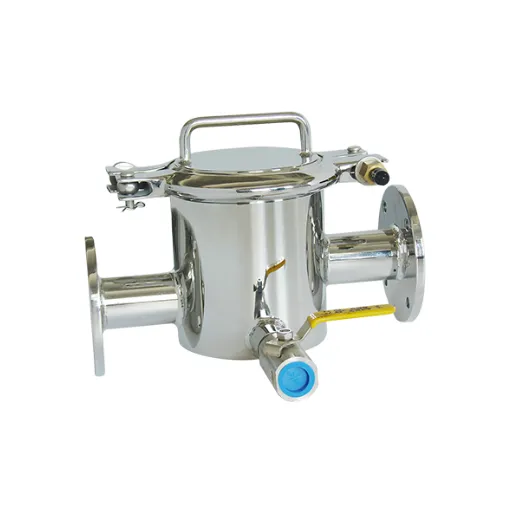
Not all soft magnetic materials perform equally in separator duty. The difference between Q235 structural steel and DT4C electromagnetic pure iron is not marginal, it is transformative. Three magnetic properties govern separator efficiency: permeability, coercive force, and saturation induction.
Magnetic Permeability and Field Intensity
Permeability measures how easily a material conducts magnetic flux. DT4C pure iron achieves maximum permeability of 0.015 H/m or higher under GB/T 6983, compared to roughly 0.002 H/m for Q235 steel. This six-fold difference means a DT4C yoke delivers a stronger capture field for the same coil excitation.
A 2024 study published in Minerals Engineering quantified this effect in high-gradient magnetic separators. Researchers found that using optimized high-permeability pure iron as the magnetic yoke material increased background field intensity by 6.85% to 14.64% compared to standard materials under identical excitation current. For separator operators, that translates directly to better capture of fine ferrous particles and reduced losses to downstream equipment.
Coercive Force and Energy Efficiency
Coercive force (Hc) measures the magnetic field required to demagnetize a material after magnetization. Low Hc means easy magnetization and demagnetization, which reduces hysteresis loss, the energy dissipated as heat during each magnetization cycle.
DT4C specifies Hc ≤ 32 A/m. Q235 structural steel exceeds 200 A/m. This six-fold difference in coercive force has real consequences for separator operating costs.
A yoke with high Hc wastes excitation power overcoming internal magnetic friction. Over a year of continuous operation, that wasted energy adds up to measurable electricity costs and excess thermal load on coils.
Saturation Induction and Heavy-Duty Separation
Saturation induction (Bs) defines the maximum flux density a material can carry. Once saturated, additional coil current produces negligible field strength gain. DT4C achieves Bs around 2.15 T, well above the operating flux densities of most industrial separators. This headroom ensures the yoke never becomes the limiting factor in separator performance, even during peak load conditions or startup transients.
Ready to improve your separator efficiency? Contact our engineering team to discuss which DT grade matches your magnetic circuit requirements. We supply DT4C pure iron specifications with certified magnetic test data for every batch.
DT4C vs Other Grades: Which Pure Iron for Your Separator Design?
The DT4 series includes four commonly available grades, each suited to different performance and cost requirements. For electromagnetic iron removers, grade selection balances magnetic performance against material cost and processing requirements.
Grade Comparison for Iron Remover Applications
Grade | Hc (A/m) | μ (H/m) | Carbon (%) | Best For |
|---|---|---|---|---|
DT4 | ≤ 48 | ≥ 0.012 | ≤ 0.025 | General separator yokes, cost-sensitive designs |
DT4A | ≤ 40 | ≥ 0.013 | ≤ 0.020 | Moderate-performance drum separators |
DT4C | ≤ 32 | ≥ 0.015 | ≤ 0.020 | High-efficiency electromagnetic iron removers, HGMS |
DT4E | ≤ 24 | ≥ 0.018 | ≤ 0.015 | Ultra-high-response precision separators |
DT4C occupies the sweet spot for most electromagnetic iron remover applications. Its permeability and coercive force specifications deliver substantial performance gains over DT4 and DT4A without the premium cost of DT4E. For standard tramp iron removal in mining, coal handling, and recycling, DT4C provides the optimal balance of magnetic performance and economic value.
When to Specify DT4C for Electromagnetic Iron Removers
Specify DT4C when your application demands:
Heavy-duty mining and coal-handling tramp iron removal with high throughput
High-gradient magnetic separators where energy efficiency is a design priority
Systems requiring consistent magnetic field strength over millions of operational cycles
Applications where operating cost reduction justifies a modest material premium
When Alternative Grades May Be Appropriate
DT4 suits large fixed yokes in applications where the magnetic circuit is oversized and the marginal gain from higher permeability does not justify the cost differential. DT4E becomes relevant only for specialized separators requiring near-instantaneous field collapse, such as pulse-duty mineral processing systems where rapid field switching is essential.
For most separator OEMs and plant operators, DT4C is the practical choice. It delivers measurable performance improvements without pushing material costs into diminishing returns.
Material Form and Processing for Separator Manufacturing
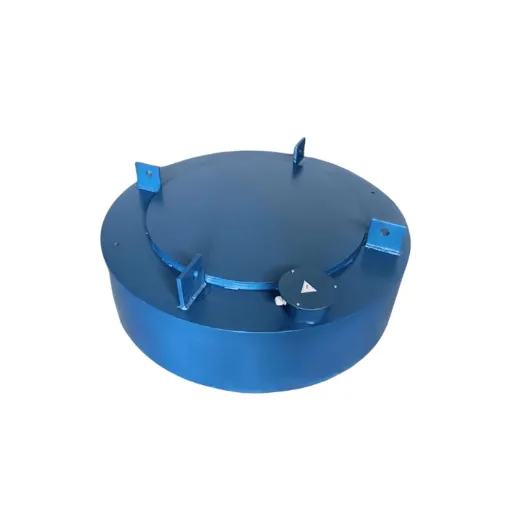
The magnetic properties of pure iron depend not only on grade but also on material form and post-processing. Separator manufacturers must match the raw material form to their fabrication method and magnetic circuit design.
Forged Rounds and Yoke Assemblies
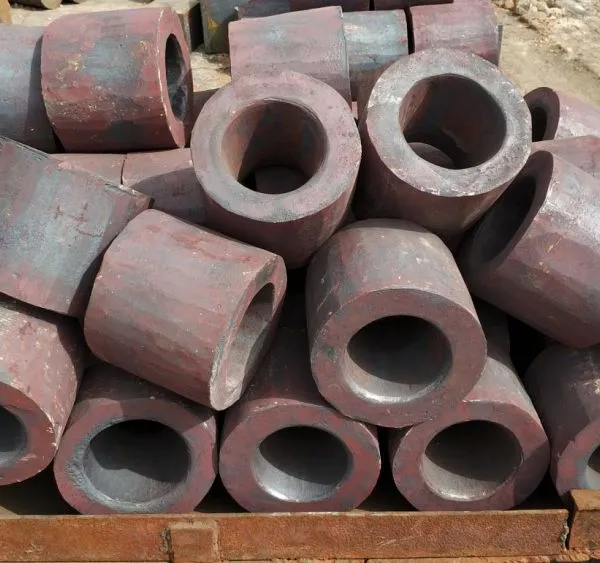
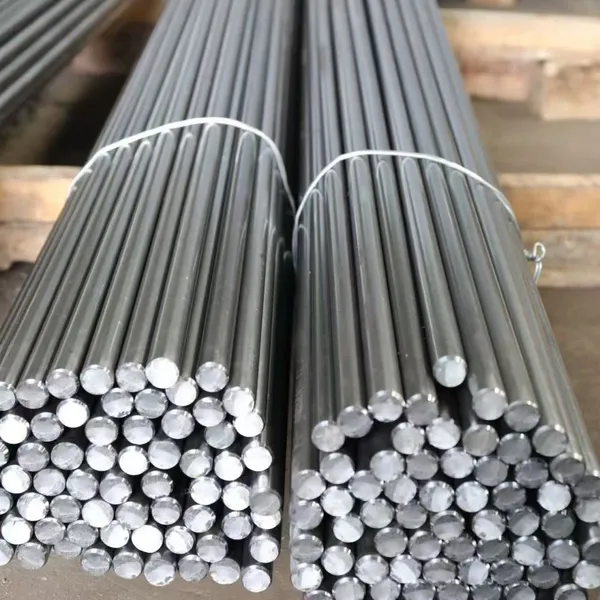
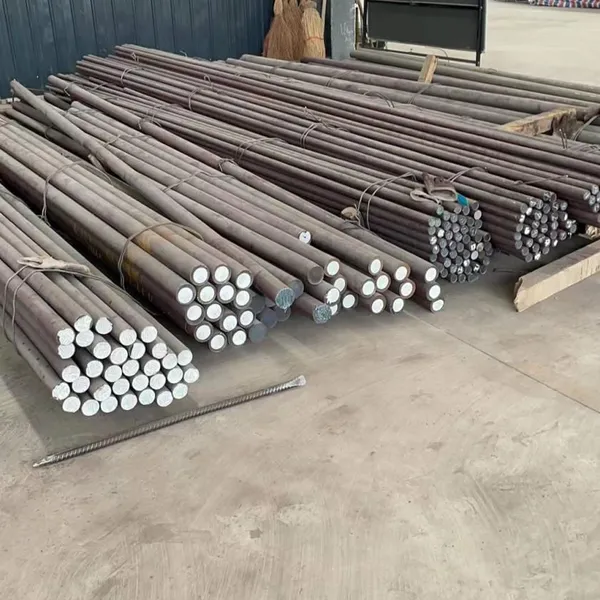
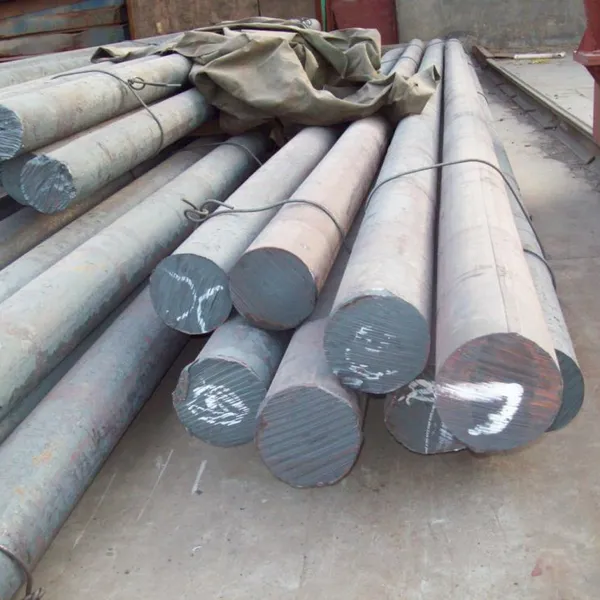
Forged round bars are the most common starting stock for overband magnet yokes and drum separator cores. Forging aligns the grain structure and produces uniform density, both of which support consistent magnetic properties. Forged rounds are typically machined to final yoke dimensions before assembly.
We supply custom-forged pure iron rounds in DT4C grade, machined to OEM blueprints with verified magnetic properties. Our Taiyuan facility can deliver forged yoke components with diameters from 80 mm to 500 mm, tailored to your magnetic circuit geometry.
Cold-Rolled Sheets for Laminated Cores
Some electromagnetic separators, particularly those operating with alternating or pulsed excitation, benefit from laminated yoke construction. Thin laminations insulated from one another reduce eddy current losses that would otherwise occur in solid cores. Cold-rolled pure iron sheets in the 0.3 mm to 0.8 mm range are stamped into laminations and stacked to form the yoke assembly.
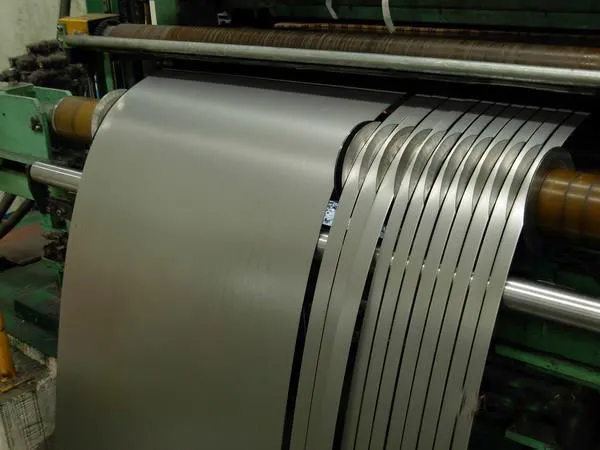
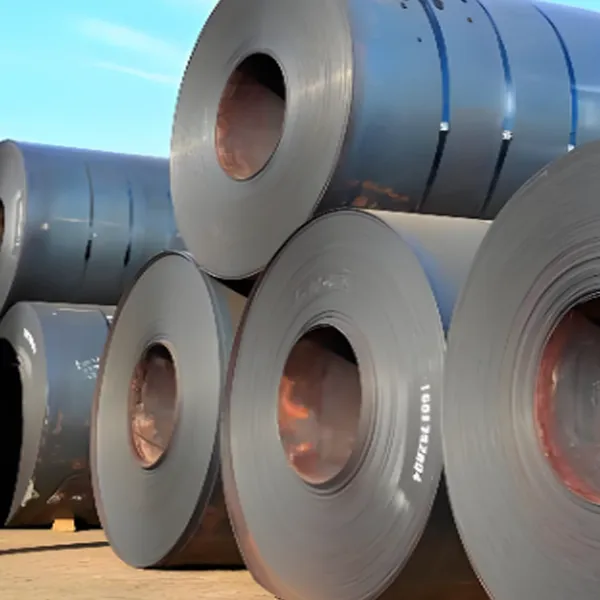
Our precision-slit cold-rolled coils feed directly into lamination stamping lines. We supply slit widths tailored to your stamping die specifications, reducing scrap and setup time at your facility.
Hot-Rolled Bars and Plates for Structural Yokes
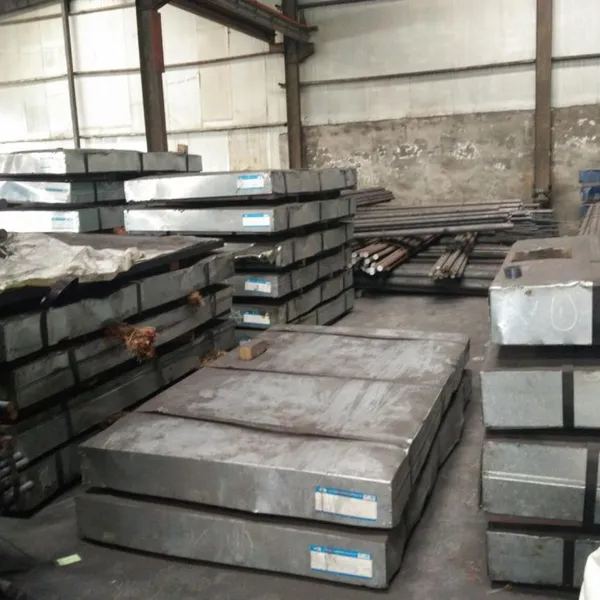
Large stationary separator frames and supporting magnetic structures often use hot-rolled bars or medium-thick plates. These components carry magnetic flux but do not require the extreme permeability of active yoke elements. Hot-rolled DT4 plate in 6 mm to 180 mm thickness provides adequate performance at lower cost for structural magnetic circuits.
Annealing Requirements for Maximum Performance
Here is a detail many separator manufacturers overlook: DT4C requires protective atmosphere annealing after machining to achieve its rated magnetic properties. Cold working, machining stress, and surface deformation from cutting operations disrupt the crystalline structure and degrade permeability.
Standard practice involves hydrogen or inert gas annealing at 900°C to 1100°C for several hours. This recrystallization anneal restores the ultra-low coercive force and high permeability that make DT4C valuable. Separator OEMs should either perform this anneal in-house or source from suppliers who understand post-processing requirements.
When Chen Wei, a separator design engineer at a mining equipment manufacturer in Hebei, switched to pre-annealed DT4C yoke forgings from our facility, his team eliminated the variability they had struggled with when annealing in-house. Magnetic test data showed Hc values consistently below 28 A/m, well within the DT4C specification and 15% better than their previous supplier's material.
Common Material Failures in Electromagnetic Iron Removers
Using the wrong yoke material or grade leads to predictable failure modes. Understanding these patterns helps separator designers and maintenance engineers diagnose performance issues correctly.
Weak Magnetic Field and Poor Capture Rates
The most visible symptom of inadequate yoke material is poor tramp iron capture. When Q235 or similar structural steel forms the yoke, high reluctance limits the achievable field strength. The separator may appear to function, but fine ferrous particles escape capture, accumulating in crushers, grinding mills, and processing equipment downstream.
Excessive Energy Consumption
High coercive force materials waste excitation power as hysteresis heat. Plant operators notice elevated coil temperatures and higher than expected electricity bills. The separator draws rated current but delivers less magnetic field than designed, creating a hidden inefficiency that persists until the yoke material is upgraded.
Thermal Degradation and Coil Damage
The heat generated by hysteresis loss in poor yoke materials raises local temperatures. Over time, elevated temperatures degrade coil insulation and accelerate component aging. Separator reliability drops, maintenance intervals shorten, and premature coil failure becomes common.
Magnetic Aging and Performance Drift
Materials with higher carbon content and impurities experience magnetic aging, a gradual degradation of permeability and increase in coercive force over time. A separator that performed adequately when new may show declining capture rates after months or years of service. DT4C's ultra-low carbon content (≤0.020%, typically ≤0.004% in practice) eliminates this aging mechanism.
Inconsistent Separation Across Production Batches
When separator OEMs source yoke material from suppliers without magnetic property certification, batch-to-batch variation causes field strength inconsistency. Two separators of identical design may perform differently because one yoke has Hc of 45 A/m and another has Hc of 25 A/m. Consistent sourcing from certified suppliers eliminates this variability.
Specifying and Sourcing Pure Iron for Separator Production
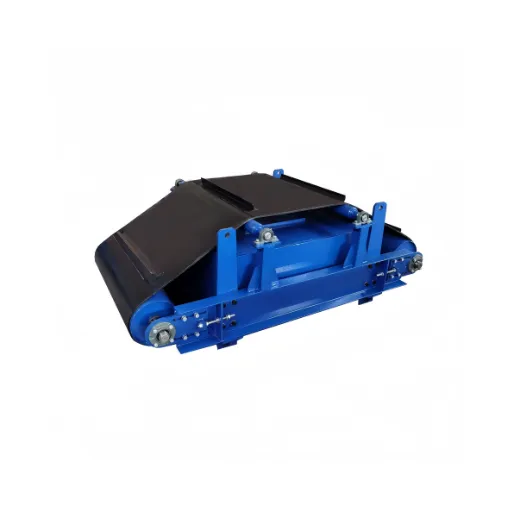
Procurement engineers and separator designers need clear specifications to ensure yoke material performs as expected. The following checklist provides a framework for pure iron sourcing in electromagnetic iron remover applications.
What to Request on a Material Certificate
Every pure iron delivery for separator yokes should include:
Coercive force (Hc) in A/m, measured after final annealing
Maximum permeability (μmax) in H/m
Saturation magnetic induction (Bs) in Tesla
Carbon content by weight percentage
Chemical composition for residual elements (Si, Mn, P, S, Al)
Grain size classification
Compliance statement with GB/T 6983 or equivalent standard
Why Shanxi-Origin Material Matters
Shanxi Province produces the majority of China's electromagnetic pure iron. TISCO and Baosteel, the two primary mills, operate integrated production facilities that control every stage from iron ore to finished pure iron billet. Proximity to these mills ensures fresh stock with verified properties, not material that has degraded during extended storage or multiple handling steps.
Our facility in Taiyuan sits at the center of this production ecosystem. We maintain year-round inventory of DT4C in forged rounds, hot-rolled bars, cold-rolled coils, and medium-thick plates. For separator OEMs, this means shorter lead times and consistent material quality backed by mill test reports. Learn more about our electromagnetic pure iron grades and processing capabilities.
Processing Services for Separator Manufacturers
Beyond raw material supply, we offer value-added processing that reduces manufacturing complexity at your facility:
Custom forging to yoke geometry, eliminating rough machining steps
Precision slitting of cold-rolled coils to your lamination width
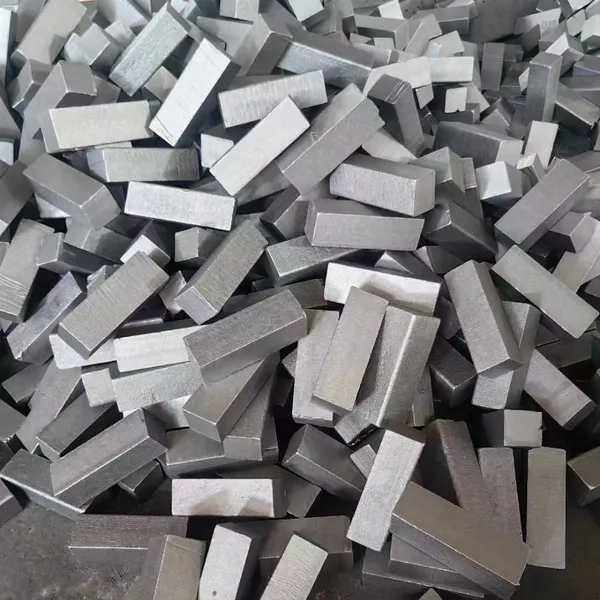
Cut-to-length bars and tubes, reducing material waste
Turning and milling to finished dimensions with magnetic property verification
Protective atmosphere annealing to restore full DT4C magnetic performance after machining
Flexible minimum order quantities support both prototype separator development and volume production. Specialty forgings and cold-drawn wires are available from 100 kg, while standard bulk materials typically start at 1 ton.
GB/T 6983 Compliance for International Markets
Separator manufacturers exporting to international markets should verify that pure iron suppliers provide material certified to recognized standards. GB/T 6983-2008 is the Chinese national standard for electromagnetic pure iron, widely accepted in Asian, African, and Middle Eastern markets. For European and North American markets, equivalent compliance to IEC 60404-8-6 may be required. We provide comprehensive test data and can arrange third-party certification when needed.
Conclusion
Electromagnetic iron remover performance is not determined by coil design alone. The magnetic yoke material fundamentally limits how efficiently flux reaches the capture zone, how much energy the separator consumes, and how consistently it removes tramp iron over years of operation.
Choosing the right pure iron for electromagnetic iron removers is an engineering decision with measurable operational impact. DT4C electromagnetic pure iron offers the optimal combination of high permeability, low coercive force, and high saturation induction for separator applications. Compared to Q235 structural steel, DT4C yokes deliver stronger magnetic fields, lower energy consumption, and stable performance without magnetic aging. For separator OEMs and plant operators, specifying the correct pure iron grade is a direct path to improved separation efficiency and reduced operating costs.
Here are the key takeaways:
Grade matters: DT4C provides the best balance of magnetic performance and cost for most electromagnetic iron removers
Form follows function: Match forged rounds, laminated sheets, or hot-rolled plates to your separator design and manufacturing process
Annealing is essential: Machined DT4C requires protective atmosphere annealing to achieve rated magnetic properties
Certification counts: Always request magnetic test data (Hc, μ, Bs) on your material certificates
Source strategically: Shanxi-origin material from TISCO and Baosteel mills ensures consistent quality and competitive pricing
Ready to upgrade your separator yoke material? Contact Shanxi Jurun Technology for custom-forged DT4C pure iron components and precision-slit coils engineered for electromagnetic iron remover designs. Request a custom quote or sample batch today, and our engineering team will help you select the right grade and form for your magnetic circuit requirements.
Shanxi Jurun Technology Co., Ltd. supplies DT3, DT4, DT4A, DT4E, DT4C, DT8, DT9, and YT-series pure iron products from Taiyuan, Shanxi. We offer custom forging, rolling, slitting, cutting, and annealing services for electromagnetic equipment manufacturers worldwide.
Recently Posted
-
Shanxi Jurun Technology: Your Electromagnetic Pure Iron Partner from Taiyuan, China's Pure Iron Prod
August 14, 2026When an international buyer searches for electromagnetic pure iron, they are not just looking for a material. They are looking for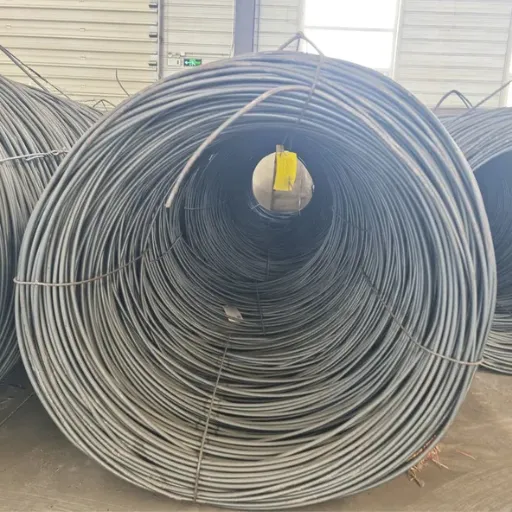 Read More
 -
Cold Drawing Process for Electromagnetic Pure Iron Wire: How Wire Rod Becomes Precision Cold-Drawn W
August 13, 2026Not long ago, a solenoid valve manufacturer in Italy received a shipment of 5.5 mm electromagnetic pure iron cold-drawn wire inten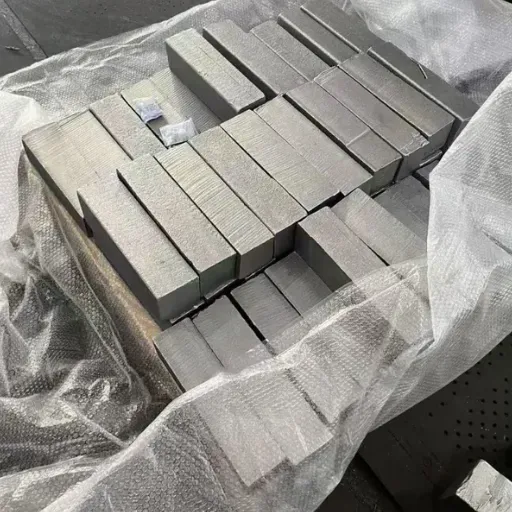 Read More
 -
How to Choose a Food Vacuum Sealer Supplier in China: 8 Evaluation Criteria
August 13, 2026An e-commerce brand owner in the UK contacted us some time ago after a supplier relationship fell apart. They had sourced roughly Read More
 -
Electromagnetic Pure Iron for Relay Manufacturing: Material Requirements, Grade Selection, and Case
August 13, 2026Some time ago, a relay production line in Zhejiang province began experiencing a puzzling failure pattern. Roughly 3 out of every
Read More

Contact Us
Recommended Products
-
 Seamless Tube With Good Cold Electrical Pure Iron Fittings Hot Workability for Forming Fittings and ConduitsNegotiableMOQ: 1 Ton
 -
Electromagnetic Pure Iron Forging for Automotive Sensor ManufacturingNegotiableMOQ: 100 Kilograms
-
Precision Cut Pure Iron Square Bar High Saturation Induction Raw Material for Generator and RotorNegotiableMOQ: 100 Kilograms
-
DT4C Super Grade Electromagnetic Pure Iron Bright Bar With Bundle Weight 30-100kg for Easy TransportationNegotiableMOQ: 1 Ton
-
DT4C Electromagnetic Pure Iron Cold-Drawn Wire 0.5mm-6.0mm Diameter for TransformersNegotiableMOQ: 100 Kilograms
-
Industrial Pure Iron Bar for Electromagnetic Relay and Sensor ProductionNegotiableMOQ: 1 Ton
-
Electromagnetic Pure Iron Thin Sheet 0.3mm-0.8mm for Solenoid and Relay ManufacturingNegotiableMOQ: 500 Kilograms
-
Electrical Pure Iron Hot-Rolled Coil for Magnetic Components With Low Iron LossNegotiableMOQ: 1 Ton
-
Low Carbon DT4C Pure Iron Round Bar With 99.8% Fe Content for Electrical ApplicationsNegotiableMOQ: 1 Ton
-
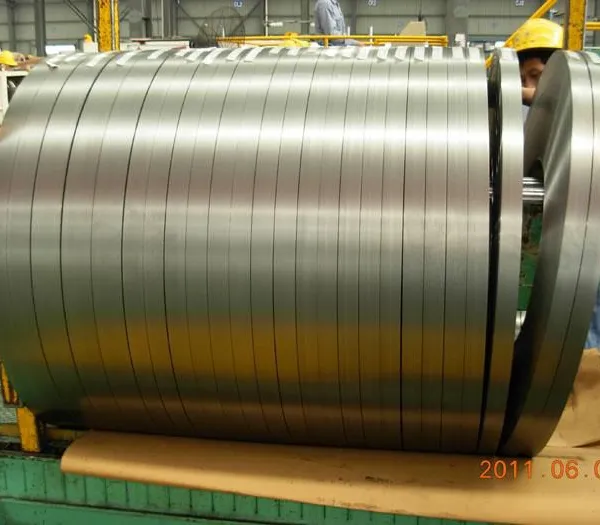
Cold Rolled Pure Iron Slit Coil DT4C Grade Ultra Low Carbon ≤0.004% for Magnetic ComponentsNegotiableMOQ: 1 Ton
-
Low Iron Loss Electromagnetic Pure Iron Hot-Rolled Coil DT4C for Transformer CoresNegotiableMOQ: 1 Ton
-
Soft Magnetic Pure Iron Sheet With Minimum Iron Loss for High-Efficiency MotorsNegotiableMOQ: 1 Ton
-
Electromagnetic Pure Iron Cold Rolled Coil DT4C for High Magnetic Permeability ApplicationsNegotiableMOQ: 1 Ton
-
Industrial Pure Iron Tube Superior Surface Quality Electromagnetic Pure Iron Tube for Welding and Plating ProcessesNegotiableMOQ: 1 Ton
-
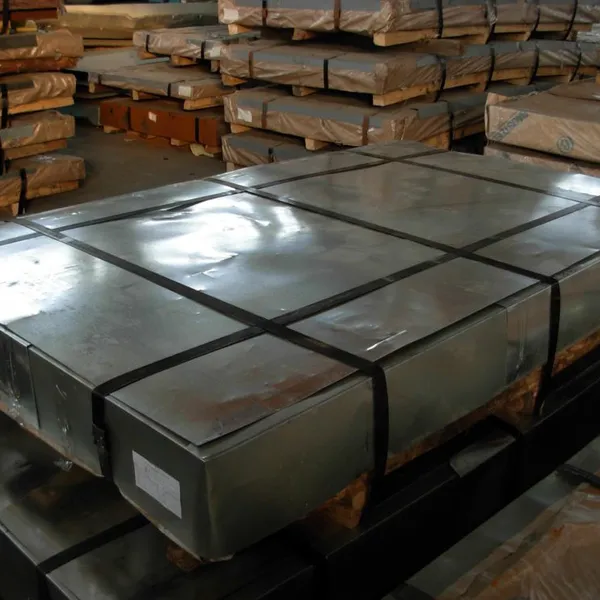
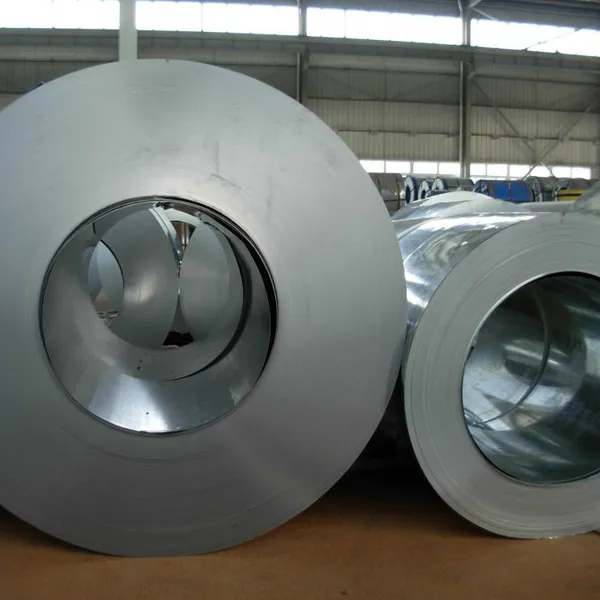
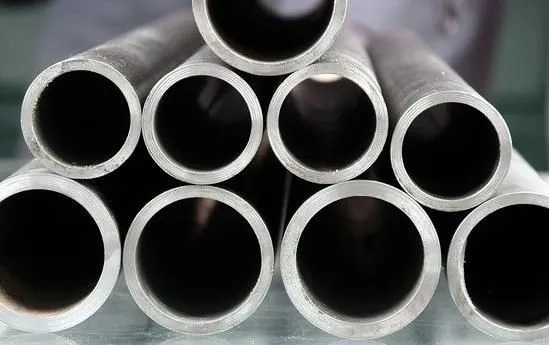
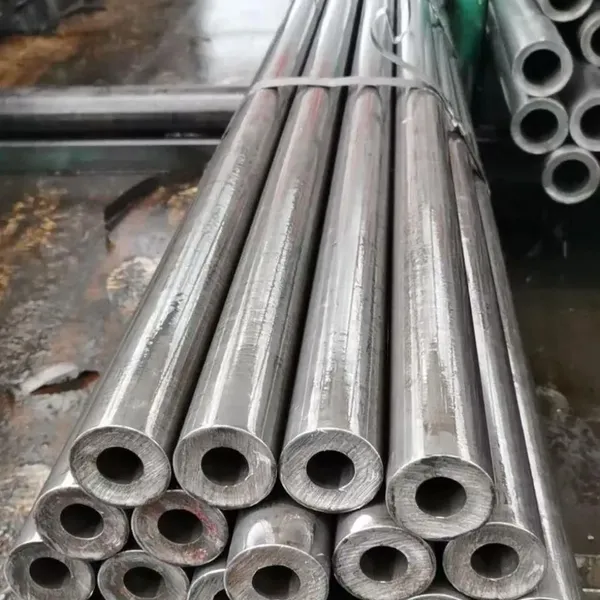
DT4 Seamless Pure Iron Tubing for High-Performance Electrical Equipment ApplicationsNegotiableMOQ: 1 Ton
-
DT4C Iron Wire Rod for Precision Magnetic Shielding ApplicationsNegotiableMOQ: 100 Kilograms
-
Industrial Pure Iron Fittings DT4 Pure Iron Seamless Tube With Low Hysteresis Loss for Electromagnetic SystemsNegotiableMOQ: 1 Ton
-
DT4C Cold Rolled Coil Slitting for Electrical Enclosure ManufacturingNegotiableMOQ: 1 Ton
-
Anti Rust Coated Pure Iron Square Bar Low Carbon Raw Material for Welding and Forging Magnetic PartsNegotiableMOQ: 100 Kilograms
-
DT4 Pure Iron Cold-Drawn Wire 0.5mm-6.0mm Diameter for Precision EngineeringNegotiableMOQ: 500 Kilograms