
 Business License

Electrolytic Pure Iron vs. Industrial Pure Iron: What's the Difference?
Last March, a procurement manager named Li Wei sat across from our sales team in Taiyuan with a problem that costs manufacturers millions every year. His engineering department had specified 4N electrolytic pure iron for a new line of AC relay cores. The purchase order was ready. The price was 30% higher than expected. And nobody on his team could explain why electrolytic was necessary for a standard electromagnetic application.
Li Wei's story is not unique. Buyers researching electrolytic pure iron vs industrial pure iron often face the same confusion. The difference between these two grades remains one of the most misunderstood topics in materials procurement. Many buyers assume "pure iron" is a single category. It is not. Choosing the wrong grade either wastes money on over-specification or risks component failure from under-specification.
This guide will give you a clear decision framework for the electrolytic pure iron vs industrial pure iron question. You will learn exactly how these two types of pure iron differ in manufacturing, purity, magnetic properties, and cost. You will know which grade to choose for transformers, semiconductors, relays, and precision instruments. And you will understand why, for most electromagnetic applications, properly graded industrial pure iron delivers virtually identical performance to electrolytic iron at a significantly lower cost.
Ready to source the right grade? Browse our full pure iron inventory or contact us for a custom quote tailored to your specifications.
What Is Industrial Pure Iron?
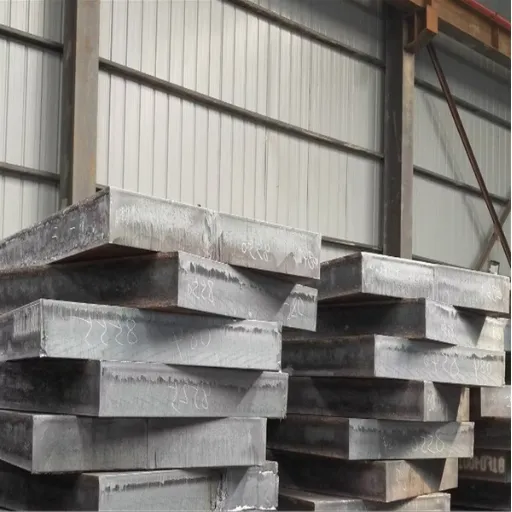
Industrial pure iron is a high-purity ferrous material and one of the most widely used soft magnetic materials in industry. It is produced through conventional pyrometallurgical processes. It typically contains more than 99.5% iron, with tightly controlled levels of carbon, sulfur, phosphorus, and other residual elements. In China, industrial pure iron falls under two major standard categories: the YT series for general industrial and raw material applications, and the DT series for electromagnetic applications.
How Industrial Pure Iron Is Made
Manufacturers produce industrial pure iron through blast furnace smelting followed by multi-stage refining. Molten iron undergoes basic oxygen or electric arc furnace processing to reduce carbon content below 0.04%. Subsequent vacuum degassing, ladle refining, and controlled rolling or forging yield a soft, ductile material with excellent magnetic responsiveness.
The process is energy-intensive but highly scalable. Major Chinese mills like TISCO and Baosteel produce thousands of tons monthly. This scale keeps costs manageable and supply consistent for global buyers.
Purity Range and Classification
Industrial pure iron generally falls within the 2N to 3N purity range. That means 99.0% to 99.9% iron content. Within this category, electromagnetic grades like DT4C achieve carbon levels at or below 0.015%, while general industrial grades like YT0 maintain carbon at or below 0.005%. The distinction matters because even small variations in interstitial elements dramatically affect magnetic performance.
For most engineering and electromagnetic applications, this purity level is entirely sufficient. Transformer cores, motor laminations, relay housings, and deep-drawn structural components all perform excellently with properly specified industrial pure iron.
Need help selecting the right industrial grade? Our technical team can match your application to the optimal YT or DT specification. Contact our engineers for guidance.
What Is Electrolytic Pure Iron?
What is electrolytic pure iron? It represents the highest commercially available purity tier, produced through electrochemical refining rather than conventional smelting. Typical purity ranges from 4N (99.99%) to 5N (99.999%) iron content, with total impurities below 100 parts per million.
If you are asking what is electrolytic pure iron in simple terms, think of it as industrial pure iron taken through one additional purification step. The result is a material with roughly ten times fewer impurities than even the best industrial grades.
The Electrolytic Refining Process
The process begins with industrial pure iron serving as the soluble anode in an electrolytic cell. A ferrous sulfate or ferrous chloride electrolyte bath carries iron ions from the anode to a stainless steel or titanium cathode plate. Most impurities either remain in the anode mud or stay dissolved in the electrolyte solution. The deposited iron flakes are harvested, washed, and consolidated into briquettes or powder.
A 2025 study published in Metals confirmed that raising electrolyte temperature to 75 degrees Celsius improves current efficiency to 96.8% while achieving 4N1 purity with smooth macrostructure. This research, using industrial pure iron DT4 as the anode material, underscores an important relationship: industrial pure iron is literally the feedstock for electrolytic iron production.
Purity and Impurity Profiles
Electrolytic pure iron contains negligible carbon, typically below 0.001%. Gas elements like oxygen, nitrogen, and hydrogen each register below 10 ppm. Metallic impurities such as copper, cobalt, and nickel are reduced to sub-ppm levels in premium grades.
This extreme purity delivers the highest possible magnetic permeability and the lowest coercivity of any commercially available iron. It also makes electrolytic iron indispensable for applications where trace contamination causes failure.
Electrolytic vs. Industrial Pure Iron: Side-by-Side Comparison
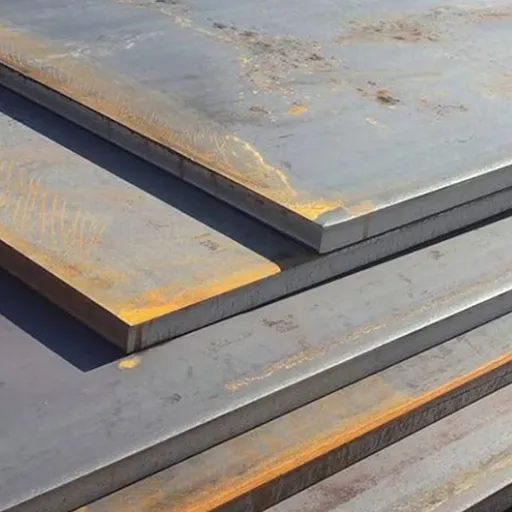
The fastest way to understand these materials is through a direct pure iron grades comparison across the specifications that matter most to buyers and engineers.
Property | Industrial Pure Iron | Electrolytic Pure Iron |
|---|---|---|
Typical Purity | 99.5% - 99.9% Fe (2N - 3N) | 99.99% - 99.999% Fe (4N - 5N) |
Carbon Content | <= 0.025% (DT4); <= 0.015% (DT4C); <= 0.005% (YT0) | <0.001% |
Total Impurities | 1,000 - 5,000 ppm | <100 ppm |
Production Method | Pyrometallurgy (smelting, refining, rolling) | Electrochemical deposition |
Max Coercivity (DT4C) | <= 32 A/m | Even lower (<20 A/m in annealed state) |
Max Permeability | >= 15,000 (DT4C) | > 20,000 |
Tensile Strength | 230 - 300 MPa | 150 - 250 MPa (very soft) |
Hardness | 60 - 80 HB | Very low |
Relative Cost | Baseline | 20% - 30% premium over industrial |
Scalability | High (thousands of tons/month) | Limited (specialty batches) |
When buyers evaluate high purity iron 4N vs 3N, they are really choosing between electrolytic and industrial grades. The 3N range (99.9%) covers most DT-series electromagnetic irons, while 4N and above requires electrolytic refining.
Magnetic Properties: The Surprising Truth
Here is where many buyers make expensive mistakes when weighing electromagnetic pure iron vs industrial pure iron. For standard electromagnetic applications, the magnetic performance gap between electrolytic and high-grade industrial pure iron is far smaller than the purity gap suggests.
DT4C electromagnetic pure iron, an industrial grade, achieves maximum coercivity of 32 A/m and maximum permeability of 15,000 or higher. These specifications satisfy the overwhelming majority of transformer, relay, motor, and solenoid applications. A manufacturer switching relay laminations from standard DT4 to DT4C industrial pure iron achieved a 15% improvement in contact response time without touching electrolytic material.
Electrolytic iron does offer measurably lower coercivity and higher permeability. But the performance advantage only becomes critical in specialized applications like precision magnetic shielding, high-frequency instrumentation, or semiconductor processing equipment.
Electrolytic Pure Iron vs Industrial Pure Iron: Application Guide
The right choice depends on what you are building. Below are the most common industrial pure iron applications and when electrolytic grades become necessary.
Choose Industrial Pure Iron For:
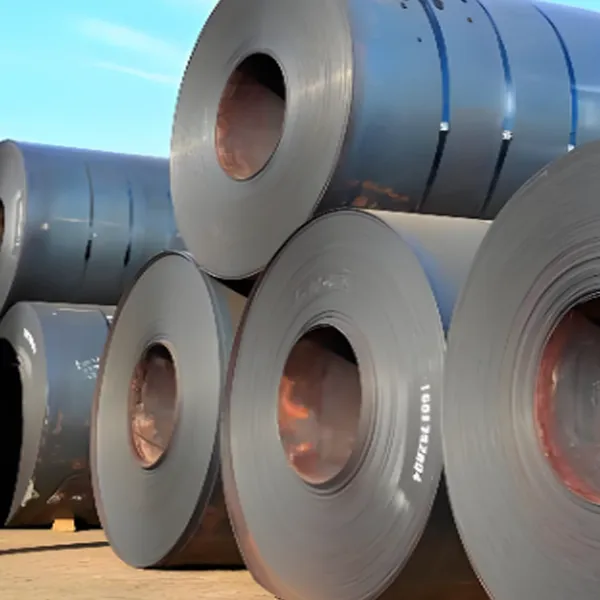
Transformer cores and power equipment. DT4 and DT4C grades provide the low iron loss and high saturation induction that transformer manufacturers need. Our DT4C hot-rolled coils feed directly into core winding operations with minimal preparation. These are among the most common industrial pure iron applications in the electromagnetic sector.
Electromagnetic relays and solenoid valves. The ultra-low carbon content of DT4C (<= 0.015%) delivers fast magnetic response and low hysteresis loss at a price point that supports high-volume production.
Electromagnetic relays and solenoid valves. The ultra-low carbon content of DT4C (<= 0.015%) delivers fast magnetic response and low hysteresis loss at a price point that supports high-volume production.
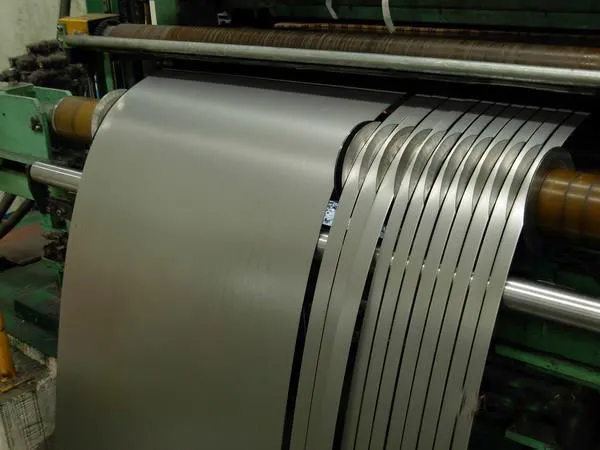
Motor laminations and armatures. Industrial pure iron offers excellent punchability and consistent magnetic properties across large production runs. Custom-slit coils in 0.3mm to 0.8mm thicknesses integrate directly into automated stamping lines.
Alloy smelting and steelmaking feedstock. YT-series industrial pure iron serves as the raw material for stainless steel production, precision casting, and superalloy manufacturing. Its controlled chemistry makes it predictable in the melt shop.
Structural and deep-drawn components. YT0 and YT01 grades offer exceptional ductility for pressure vessels, chemical equipment, and food-processing machinery where weldability and formability matter more than magnetic response.
Cost-sensitive magnetic applications. When your design does not require sub-100-ppm purity, industrial pure iron delivers identical functional results at significantly lower cost per kilogram.
Choose Electrolytic Pure Iron For:
Semiconductor sputtering targets. Thin-film deposition processes demand 4N+ purity. Any metallic contamination ruins wafer yield. Electrolytic iron is the standard feedstock for PVD target manufacturing.
High-precision magnetic shielding. MRI enclosures, electron microscope housings, and sensitive instrumentation require the absolute lowest coercivity. Electrolytic iron, properly annealed, provides superior shielding effectiveness.
Scientific instruments and calibration standards. NIST traceability and research-grade reproducibility require the homogeneous microstructure that only electrolytic refining produces.
Pharmaceutical and food-grade iron powder. Nutritional supplements, cereal fortification, and anemia treatments require iron with strict limits on heavy metal contamination. Electrolytic iron powder meets pharmacopeia standards.
Rare-earth magnet production. Premium neodymium-iron-boron magnets for electric vehicle motors and wind turbines benefit from ultra-pure iron feedstock. The purity of the starting material directly affects the magnetic performance of the finished magnet.
Superalloys and aerospace components. Aircraft turbine blades and nuclear reactor components require iron with total impurities below 100 ppm. Industrial pure iron simply cannot meet these specifications.
Pure Iron Grades Comparison: Chinese Standards Explained
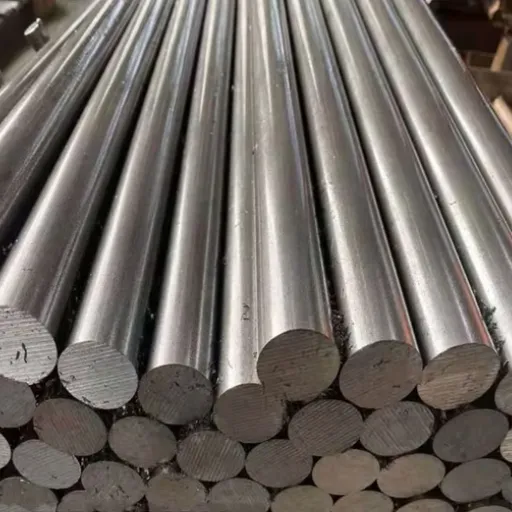
Chinese national standards organize pure iron into distinct series that correspond closely to the electrolytic versus industrial divide.
Industrial Pure Iron Grades (YT Series)
The YT series covers raw material and general industrial pure iron under standards like GB/T 9971. Common grades include:
YT1: Basic industrial pure iron for general applications
YT3: Higher purity industrial grade for alloy production
YT0: Ultra-low carbon industrial pure iron (C <= 0.005%) for precision applications
YT01: Premium industrial grade with tighter impurity control
YTNC1 and YTND1: Specialized grades for stainless steel smelting
These grades typically serve as feedstock for alloy production, precision casting, or as the anode material in electrolytic refining cells. They are not optimized for electromagnetic applications but excel as engineering materials and metallurgical inputs.
Electromagnetic Pure Iron Grades (DT Series)
The DT series, governed by GB/T 6983, classifies electromagnetic pure iron by magnetic performance level:
DT4: Standard electromagnetic grade (Hc <= 96 A/m)
DT4A: Advanced grade with improved magnetic properties (Hc <= 72 A/m)
DT4E: Super grade for high-efficiency applications (Hc <= 48 A/m)
DT4C: Ultra-grade with the best standard commercial performance (Hc <= 32 A/m, permeability >= 15,000)
DT8 / DT9: Premium grades for military and aerospace applications with even stricter specifications
All DT-series grades are industrial pure irons. They are not electrolytic. Yet their magnetic properties rival those of electrolytic material for the vast majority of commercial electromagnetic devices. This is why the electromagnetic pure iron vs industrial pure iron comparison often surprises buyers: DT4C performs nearly as well as electrolytic grades at a fraction of the cost.
The Critical Distinction
If your specification calls for electromagnetic performance, choose a DT grade. If your specification calls for extreme purity (4N+) or semiconductor-grade cleanliness, choose electrolytic. If your application requires general industrial properties like ductility, weldability, or alloy feedstock quality, choose a YT grade.
Procurement Guide: Pricing, MOQs, and Lead Times
Understanding the material is only half the battle. Sourcing it efficiently requires knowledge of market dynamics.
Price Premium for Electrolytic Iron
Electrolytic pure iron consistently commands a 20% to 30% price premium over industrial grades. This gap reflects the energy-intensive electrochemical process, lower production volumes, and specialty market positioning. In 2025, high-purity electronics-grade iron benchmarked at approximately 2,800to2,800to3,500 per ton, while comparable industrial electromagnetic grades traded at roughly 30% below that range.
For buyers, the question is whether that premium delivers measurable value. In semiconductor sputtering targets, it absolutely does. In standard relay cores, it typically does not.
Minimum Order Quantities
At Shanxi Jurun, we maintain flexible MOQs to support diverse manufacturing needs:
Standard bulk industrial pure iron: 1 ton minimum for hot-rolled coils, round bars, and wire rods
Precision processed materials: Custom slitting and cut-to-length services available at standard bulk minimums
Specialty electrolytic and small-batch items: 100kg minimum for cold-drawn wire, custom forgings, and specialty castings
This flexibility matters for prototyping. An R&D team testing a new solenoid design can order 100kg of DT4C wire rather than committing to a full ton of unproven material.
Lead Time Considerations
Industrial pure iron benefits from continuous large-scale production. Standard grades like DT4C and YT0 typically ship from our Taiyuan warehouse within 5 to 10 business days. Electrolytic pure iron, being a specialty product, often requires 3 to 6 weeks lead time depending on the refiner's production schedule.
For time-sensitive projects, industrial pure iron offers a significant logistical advantage.
Verifying Purity Claims
Not all suppliers label their materials accurately. Protect your procurement process by demanding:
Mill test certificates showing chemical composition and magnetic properties
Compliance documentation with GB/T 6983 (for DT grades) or GB/T 9971 (for YT grades)
Supplier certifications such as ISO 9001 or IATF 16949
Sample testing for critical applications before committing to bulk orders
At Jurun, every shipment includes full mill test documentation traceable to TISCO or Baosteel production batches. Our direct agency relationships with these mills eliminate the risk of counterfeit or mislabeled material.
Frequently Asked Questions
What is the difference between electrolytic and industrial pure iron?
The difference between electrolytic and industrial pure iron is primarily purity and production method. Industrial pure iron contains 99.5% to 99.9% iron (2N-3N) and is made through pyrometallurgical smelting and refining. Electrolytic pure iron contains 99.99% to 99.999% iron (4N-5N) and is produced by electrochemical deposition. For standard electromagnetic devices, the performance gap is smaller than the price gap suggests.
What is electrolytic pure iron used for?
Electrolytic pure iron is essential for semiconductor sputtering targets, high-precision magnetic shielding, scientific calibration standards, pharmaceutical-grade iron powder, rare-earth magnet production, and aerospace superalloys. Any application requiring total impurities below 100 ppm demands electrolytic refining.
Which pure iron grade is best for transformer cores?
For transformer cores and power equipment, DT4C industrial electromagnetic pure iron is the optimal choice. It delivers maximum coercivity of 32 A/m and permeability of 15,000 or higher at a significantly lower cost than electrolytic iron. DT4C hot-rolled coils integrate directly into core winding operations.
Is DT4C industrial pure iron as good as electrolytic iron for relays?
For standard electromagnetic relays and solenoid valves, yes. DT4C industrial pure iron achieves magnetic performance that is virtually identical to electrolytic iron in these applications. One manufacturer switching relay laminations to DT4C achieved a 15% improvement in contact response time. Electrolytic iron only becomes necessary for sub-ppm contamination limits or extreme precision shielding.
Why does electrolytic pure iron cost more than industrial pure iron?
Electrolytic pure iron commands a 20% to 30% premium because the electrochemical refining process is energy-intensive, lower in volume, and requires specialty equipment. Production is limited to specialty batches rather than the thousands of tons per month that major steel mills produce. The premium is justified for semiconductors and aerospace but rarely for standard magnetic components.
How do I verify the purity claims of a pure iron supplier?
Always demand mill test certificates showing chemical composition and magnetic properties, compliance documentation with GB/T 6983 or GB/T 9971, ISO 9001 or IATF 16949 supplier certifications, and sample testing for critical applications. Every Jurun shipment includes full mill test documentation traceable to TISCO or Baosteel production batches.
Electrolytic Pure Iron vs Industrial Pure Iron: Final Verdict
The difference between electrolytic and industrial pure iron comes down to a simple principle. Industrial pure iron is the workhorse. Electrolytic pure iron is the specialist.
For transformer cores, relays, motors, and general electromagnetic devices, industrial pure iron, specifically the DT4C grade, delivers the magnetic performance you need at the price point your budget demands. For semiconductors, scientific instruments, pharmaceutical applications, and aerospace superalloys, electrolytic pure iron provides the extreme purity that these critical applications require.
The costly mistake is assuming higher purity always means better performance. It does not. It means different performance suited to different tasks. Li Wei, the procurement manager from our opening story, eventually switched his relay core specification from 4N electrolytic to DT4C industrial pure iron. His components performed identically. His material costs dropped by nearly 30%. And his engineering team finally had a clear framework for future specifications.
Key takeaways:
Industrial pure iron (2N-3N, 99.5-99.9% Fe) covers most electromagnetic and engineering applications at lower cost
Electrolytic pure iron (4N-5N, 99.99-99.999% Fe) is reserved for semiconductor, scientific, pharmaceutical, and aerospace applications
DT4C industrial electromagnetic pure iron achieves coercivity <= 32 A/m and permeability >= 15,000, matching the needs of most magnetic devices
Industrial pure iron ships faster, scales larger, and costs 20-30% less than electrolytic grades
Always verify supplier claims with mill test certificates and traceability documentation
Ready to specify the right pure iron for your next project? Contact Shanxi Jurun Technology for technical guidance, custom quotes, and direct-source pricing from China's pure iron production hub in Taiyuan. Whether you need industrial YT-series feedstock, electromagnetic DT4C coils, or specialty electrolytic iron, we stock the grades your application demands with the processing services your production line requires.
Recently Posted
-
Shanxi Jurun Technology: Your Electromagnetic Pure Iron Partner from Taiyuan, China's Pure Iron Prod
August 14, 2026When an international buyer searches for electromagnetic pure iron, they are not just looking for a material. They are looking for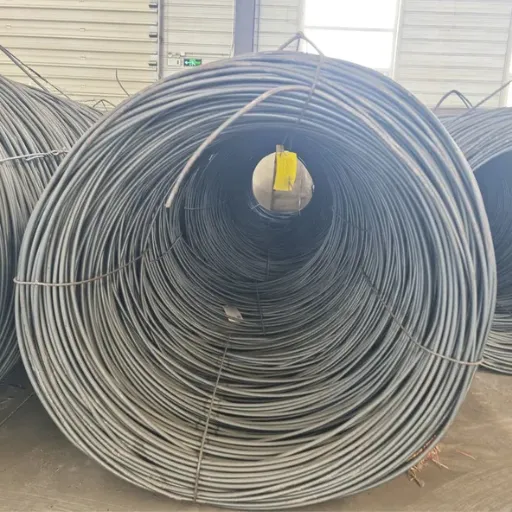 Read More
 -
Cold Drawing Process for Electromagnetic Pure Iron Wire: How Wire Rod Becomes Precision Cold-Drawn W
August 13, 2026Not long ago, a solenoid valve manufacturer in Italy received a shipment of 5.5 mm electromagnetic pure iron cold-drawn wire inten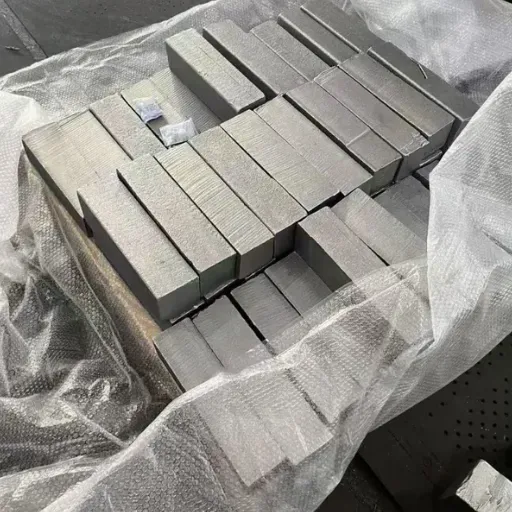 Read More
 -
How to Choose a Food Vacuum Sealer Supplier in China: 8 Evaluation Criteria
August 13, 2026An e-commerce brand owner in the UK contacted us some time ago after a supplier relationship fell apart. They had sourced roughly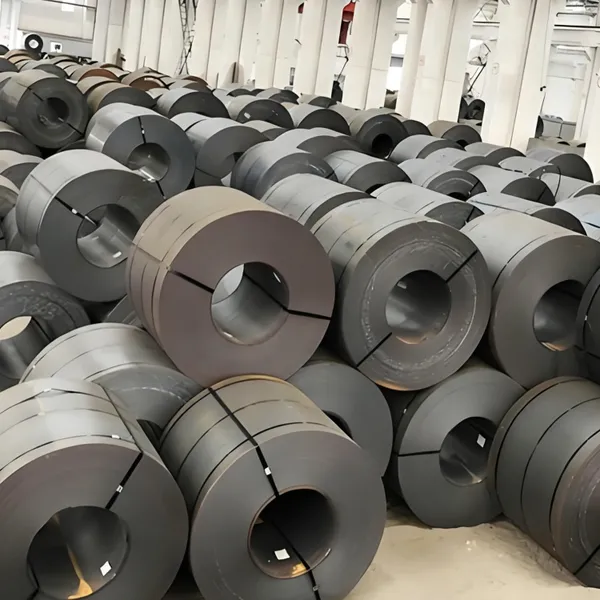 Read More
 -
Electromagnetic Pure Iron for Relay Manufacturing: Material Requirements, Grade Selection, and Case
August 13, 2026Some time ago, a relay production line in Zhejiang province began experiencing a puzzling failure pattern. Roughly 3 out of every
Read More

Contact Us
Recommended Products
-
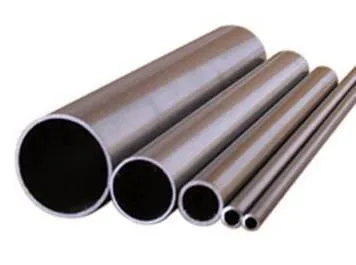
 Seamless Tube With Good Cold Electrical Pure Iron Fittings Hot Workability for Forming Fittings and ConduitsNegotiableMOQ: 1 Ton
 -
Electromagnetic Pure Iron Forging for Automotive Sensor ManufacturingNegotiableMOQ: 100 Kilograms
-
Precision Cut Pure Iron Square Bar High Saturation Induction Raw Material for Generator and RotorNegotiableMOQ: 100 Kilograms
-
DT4C Super Grade Electromagnetic Pure Iron Bright Bar With Bundle Weight 30-100kg for Easy TransportationNegotiableMOQ: 1 Ton
-
DT4C Electromagnetic Pure Iron Cold-Drawn Wire 0.5mm-6.0mm Diameter for TransformersNegotiableMOQ: 100 Kilograms
-
Industrial Pure Iron Bar for Electromagnetic Relay and Sensor ProductionNegotiableMOQ: 1 Ton
-
Electromagnetic Pure Iron Thin Sheet 0.3mm-0.8mm for Solenoid and Relay ManufacturingNegotiableMOQ: 500 Kilograms
-
Electrical Pure Iron Hot-Rolled Coil for Magnetic Components With Low Iron LossNegotiableMOQ: 1 Ton
-
Low Carbon DT4C Pure Iron Round Bar With 99.8% Fe Content for Electrical ApplicationsNegotiableMOQ: 1 Ton
-
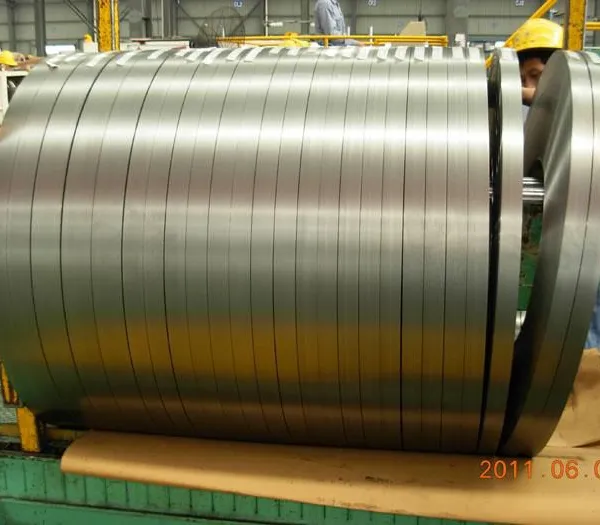
Cold Rolled Pure Iron Slit Coil DT4C Grade Ultra Low Carbon ≤0.004% for Magnetic ComponentsNegotiableMOQ: 1 Ton
-
Low Iron Loss Electromagnetic Pure Iron Hot-Rolled Coil DT4C for Transformer CoresNegotiableMOQ: 1 Ton
-
Soft Magnetic Pure Iron Sheet With Minimum Iron Loss for High-Efficiency MotorsNegotiableMOQ: 1 Ton
-
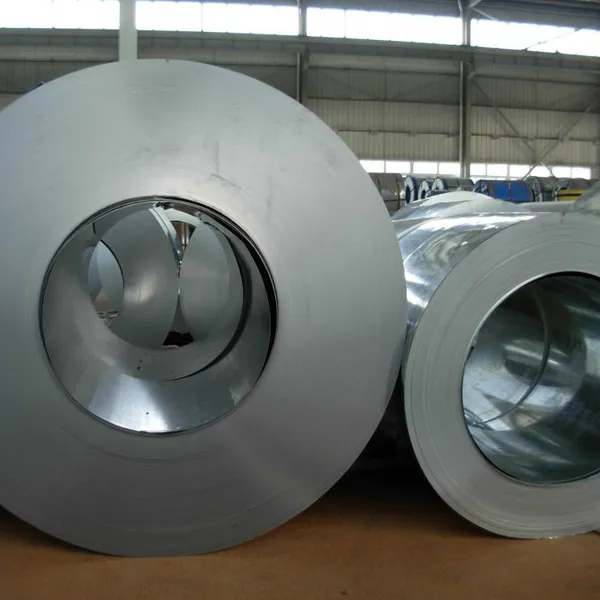
Electromagnetic Pure Iron Cold Rolled Coil DT4C for High Magnetic Permeability ApplicationsNegotiableMOQ: 1 Ton
-
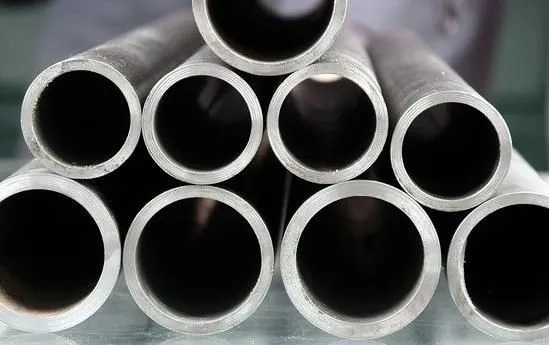
Industrial Pure Iron Tube Superior Surface Quality Electromagnetic Pure Iron Tube for Welding and Plating ProcessesNegotiableMOQ: 1 Ton
-
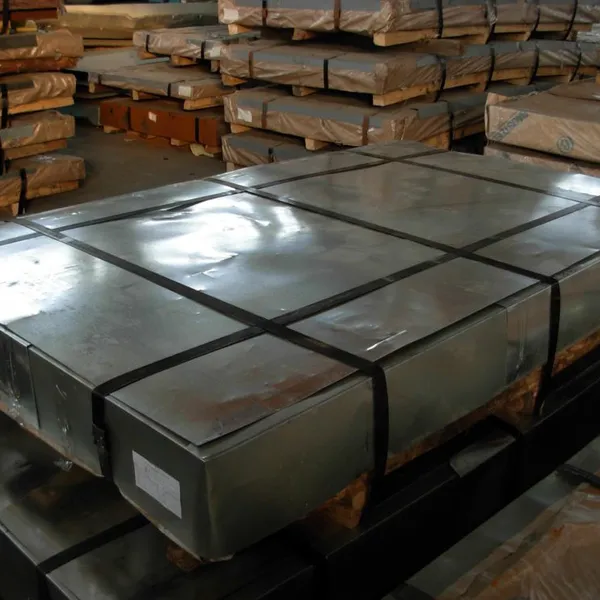
DT4 Seamless Pure Iron Tubing for High-Performance Electrical Equipment ApplicationsNegotiableMOQ: 1 Ton
-
DT4C Iron Wire Rod for Precision Magnetic Shielding ApplicationsNegotiableMOQ: 100 Kilograms
-
Industrial Pure Iron Fittings DT4 Pure Iron Seamless Tube With Low Hysteresis Loss for Electromagnetic SystemsNegotiableMOQ: 1 Ton
-
DT4C Cold Rolled Coil Slitting for Electrical Enclosure ManufacturingNegotiableMOQ: 1 Ton
-
Anti Rust Coated Pure Iron Square Bar Low Carbon Raw Material for Welding and Forging Magnetic PartsNegotiableMOQ: 100 Kilograms
-
DT4 Pure Iron Cold-Drawn Wire 0.5mm-6.0mm Diameter for Precision EngineeringNegotiableMOQ: 500 Kilograms