
 Business License

DT4 Pure Iron in High-Voltage Switchgear: The Industry Standard for Relays, Shielding, and Electroma
In March 2024, a protective relay in a 110 kV substation failed to trip during a fault condition. The investigation took three weeks. The root cause was not a software bug or a wiring error. It was the relay core material. The OEM had substituted DT4C electromagnetic pure iron with a lower-grade carbon steel to cut costs. The steel retained too much residual magnetism. The relay armature stuck. The delay cost the utility nearly $200,000 in equipment damage and downtime.
If you design, specify, or procure materials for high-voltage switchgear, you already know that enclosure steel and busbar copper get all the attention. But the DT4 pure iron switchgear components inside, the relay cores, solenoid actuators, instrument transformer magnetic circuits, and shielding plates, are what actually control and protect the power flowing through those enclosures. And the material inside those components determines whether your switchgear operates flawlessly for thirty years or fails when it matters most.
This guide explains why DT4 grade pure iron is the industry standard for switchgear electromagnetic components. You will learn exactly which grade to specify for each application, why magnetic permeability and coercive force directly impact power system reliability, and how to avoid the material failures that cause switchgear to degrade or fail prematurely. By the end, you will know how to source verified DT4C material with the right form and processing for your switchgear manufacturing needs.
How DT4 Pure Iron Switchgear Components Power Electromagnetic Relays and Shielding
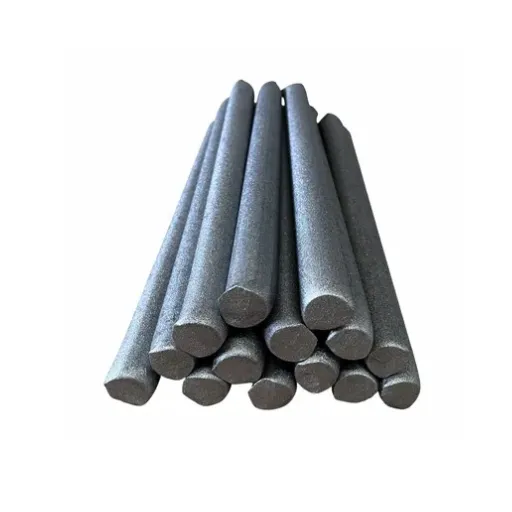
DT4 pure iron in switchgear refers to high-purity, ultra-low-carbon soft magnetic iron used for relay cores, solenoid actuators, instrument transformer magnetic circuits, and electromagnetic shielding plates. It provides high magnetic permeability, low coercive force, and thermal stability, enabling protective relays to trip reliably within milliseconds across decades of service.
High-voltage switchgear enclosures are built from structural steel, stainless steel, or aluminum. The conductors are copper or aluminum. But the intelligence and protection inside depend on soft magnetic pure iron switchgear materials that most specifications barely mention.
DT4 electromagnetic pure iron is a high-purity, ultra-low-carbon soft magnetic alloy with an iron content of 99.5% or higher. Chinese national standard GB/T 6983 classifies it into grades including DT4, DT4A, DT4E, and DT4C. Each grade offers progressively lower coercive force and higher magnetic permeability. DT4C, the super grade, delivers the best magnetic performance and is the material most commonly specified for precision electromagnetic components in power distribution equipment.
Inside switchgear assemblies, DT4 pure iron serves four critical functions:
Electromagnetic pure iron relay cores. These devices detect overcurrent, ground faults, and other abnormal conditions. They must trip within 20 to 100 milliseconds. The core material must magnetize instantly and demagnetize completely on command.
Control relay armatures and yokes. These manage circuit switching, interlocking, and automation sequences. Reliable engagement and release depend on consistent magnetic response across millions of operations.
Instrument transformer magnetic circuits. Current transformers and voltage transformers require core materials with stable, predictable magnetization curves to maintain accuracy classes over decades of service.
Magnetic shielding plates. Electromagnetic fields from buswork and breakers can interfere with sensitive control electronics or exceed exposure limits. High-permeability pure iron shunts this flux away from protected areas.
Switchgear operates in demanding environments. Temperatures cycle from below freezing to above 50 degrees Celsius. Vibration from busbar forces and circuit breaker operation shakes every component. Electromagnetic stresses from fault currents create intense magnetic fields. The materials inside must handle all of this without magnetic degradation. DT4 pure iron meets these demands because it exhibits no magnetic aging. Its properties remain stable across the entire service life of the equipment.
Want to see how DT4C performs in real switchgear relay applications? Explore our electromagnetic pure iron specifications to review certified magnetic property data for each grade.
Why Magnetic Properties Determine DT4 Pure Iron Switchgear Reliability
Not all soft magnetic materials perform equally in DT4 pure iron switchgear applications. The difference between a relay that trips in 30 milliseconds and one that sticks for 300 milliseconds often comes down to three magnetic properties.
High Magnetic Permeability Enables Fast Response
Magnetic permeability measures how easily a material concentrates magnetic flux. DT4C pure iron achieves maximum permeability of 0.015 H/m or higher. For relay designers, this means compact cores that generate strong magnetic forces with modest coil ampere-turns. A high-permeability core pulls in the armature faster. In protective relaying, those saved milliseconds can mean the difference between isolating a fault cleanly or watching it cascade through the network.
Low Coercive Force and Hysteresis Loss Guarantees Clean Release
Coercive force, measured in amperes per meter, indicates how much reverse magnetic field is required to demagnetize a material after the coil de-energizes. DT4C specifies Hc at 32 A/m or lower. Standard low-carbon steels often exceed 200 A/m. The practical difference is stark. A relay core made from DT4C releases its armature the instant power drops. A core made from ordinary steel may retain enough magnetism to keep the armature partially engaged. This phenomenon, called residual drag or sticking, is a documented cause of relay failure in power systems. It can prevent contact opening, delay subsequent operations, or cause contact welding under load.
Saturation Induction and Thermal Stability
Saturation magnetic induction determines how much flux a core can carry before it saturates and loses effectiveness. DT4 pure iron achieves high saturation induction, allowing compact core geometries even in applications with significant flux densities. Equally important, DT4 maintains its magnetic characteristics across the wide temperature ranges typical of switchgear installations. Standard steels can exhibit magnetic drift as temperature cycles. DT4 does not. This stability is essential for instrument transformers where accuracy class certification depends on consistent core performance across operating conditions.
Chen Wei, a senior relay design engineer at a Jiangsu switchgear OEM, learned this lesson the hard way. In 2023, his team prototyped a new line of vacuum circuit breaker controls using generic low-carbon steel for the relay yokes. During type testing, the relays passed at room temperature. But at 70 degrees Celsius, the dropout voltage drifted by nearly 15 percent. Three units failed to release within specification. The team traced the problem to thermal degradation of the steel's magnetic properties. Switching to DT4C pure iron eliminated the drift entirely. The revised design passed extended temperature cycling with dropout variation under 2 percent. Chen now specifies DT4C on every new relay platform.
DT4 Grade Comparison: Selecting the Right Material for Each Switchgear Component
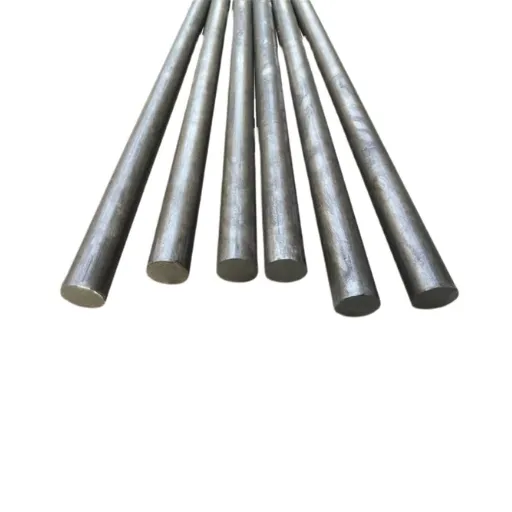
Choosing the correct DT4 grade is not simply a matter of buying the best material available. It is about matching magnetic performance to application requirements while controlling cost.
Grade | Coercive Force Hc (A/m) | Max Permeability (H/m) | Carbon Content (%) | Best Switchgear Application |
|---|---|---|---|---|
DT4 | 48 or lower | 0.012 or higher | 0.025 or lower | General control relays, cost-sensitive contactors |
DT4A | 40 or lower | 0.013 or higher | 0.020 or lower | Moderate-performance industrial relays |
DT4C | 32 or lower | 0.015 or higher | 0.020 or lower | Protective relays, instrument transformers, precision shielding |
DT4E | 24 or lower | 0.018 or higher | 0.015 or lower | Ultra-high-response aerospace or nuclear-grade relays |
When to Specify DT4C for Switchgear
DT4C is the sweet spot for most critical DT4 pure iron switchgear electromagnetic components. Its combination of low coercive force and high permeability delivers the fast, predictable magnetic response that protective relays and instrument transformers demand. If your design requires precise timing, consistent accuracy, or operation across wide temperature ranges, DT4C is the appropriate specification.
Common DT4C pure iron applications in switchgear include microprocessor-based protective relay cores, electromechanical auxiliary relay armatures, current transformer cores for metering and protection classes, voltage transformer magnetic circuits, and magnetic shielding plates for switchgear enclosures and substation rooms.
When DT4 or DT4E May Be More Appropriate
Standard DT4 offers adequate performance for large AC contactors and non-critical control relays where cost sensitivity outweighs marginal magnetic gains. The difference in material cost between DT4 and DT4C is modest for small components but becomes significant for large forged cores or heavy shielding plates.
DT4E represents the premium tier. Its ultra-low coercive force and exceptionally high permeability suit applications where near-zero remanence is mandatory. Nuclear power plant switchgear, aerospace electrical systems, and certain medical equipment power distribution systems may specify DT4E. For standard industrial and utility switchgear, DT4E is generally over-specified. The performance improvement over DT4C is small for most relay designs, while the cost increase is substantial.
Ready to specify DT4C for your next switchgear project? Request a custom quote with certified magnetic property data and mill test reports for the grade and form you need.
Material Forms and Processing for Switchgear Manufacturing
The performance of DT4 pure iron switchgear components depends not only on grade selection but also on the form in which material is supplied and how it is processed before assembly.
Cold-Rolled Sheets for Stamped Laminations
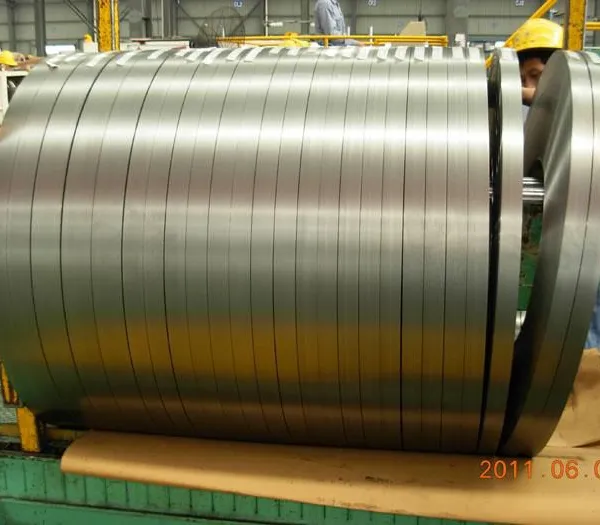
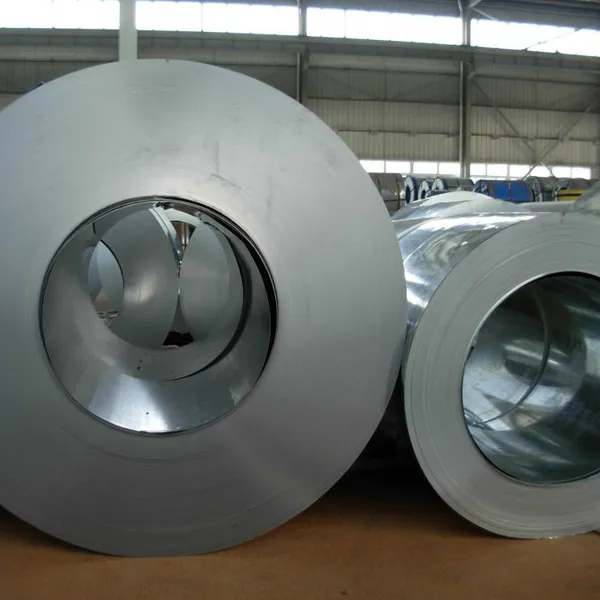
Most AC relay cores and instrument transformer magnetic circuits use laminated constructions to limit eddy current losses at 50 or 60 Hz. Thin laminations, typically 0.3 to 0.8 millimeters thick, are stamped from cold-rolled pure iron sheet and then insulated and stacked. The quality of the raw sheet directly affects the final core loss and magnetic properties. Surface cleanliness, thickness uniformity, and freedom from non-metallic inclusions are critical. Cold-rolled DT4C sheet from reputable mills like TISCO and Baosteel delivers the consistency that high-volume stamping lines require.
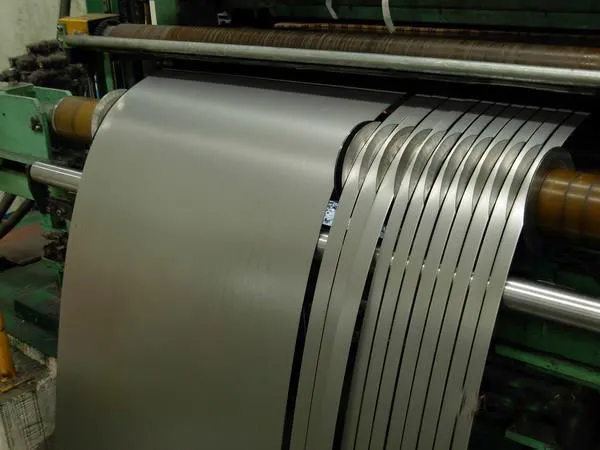
For switchgear manufacturers, sourcing precision-slit coils reduces scrap and improves stamping efficiency. Coils slit to the exact width of the lamination strip eliminate edge trimming on the press line. This is where Jurun's in-house slitting capability adds value. We supply cold-rolled DT4C coils slit to custom widths, ready to feed directly into high-speed lamination stamping operations.
Forged Rounds and Solid Cores
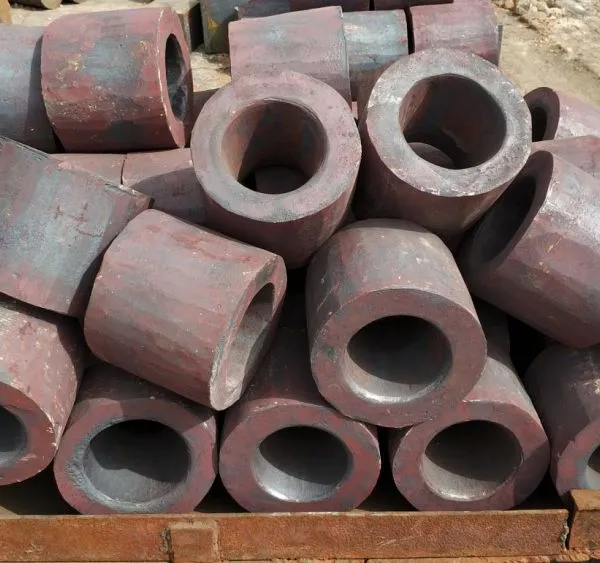
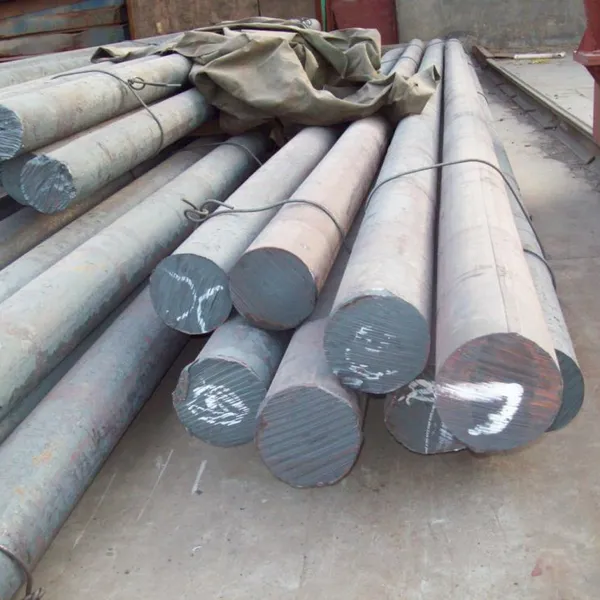
DC solenoid actuators, large electromagnetic contactors, and certain specialty relay designs use solid magnetic cores rather than laminations. Forged rounds of DT4 pure iron provide the mechanical strength and magnetic uniformity these applications need. Custom forging allows near-net-shape production of complex core geometries, reducing machining time and material waste.
Precision Bars for CNC-Machined Components
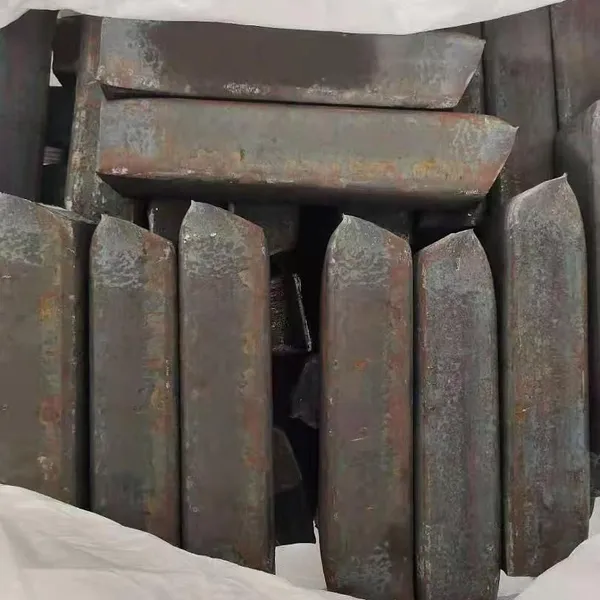
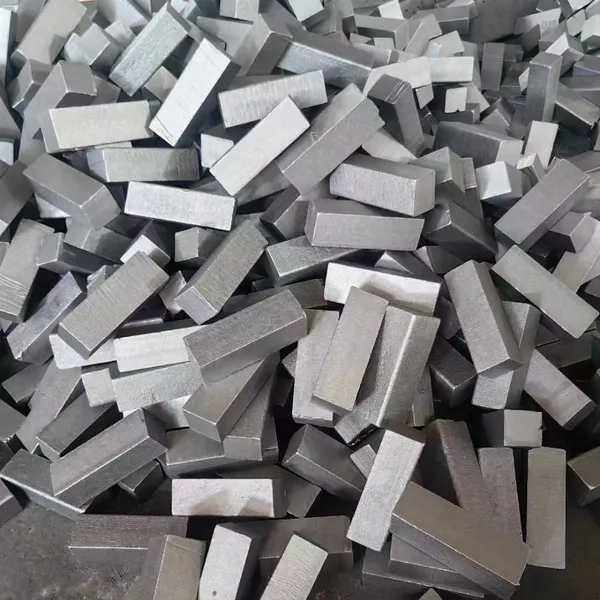
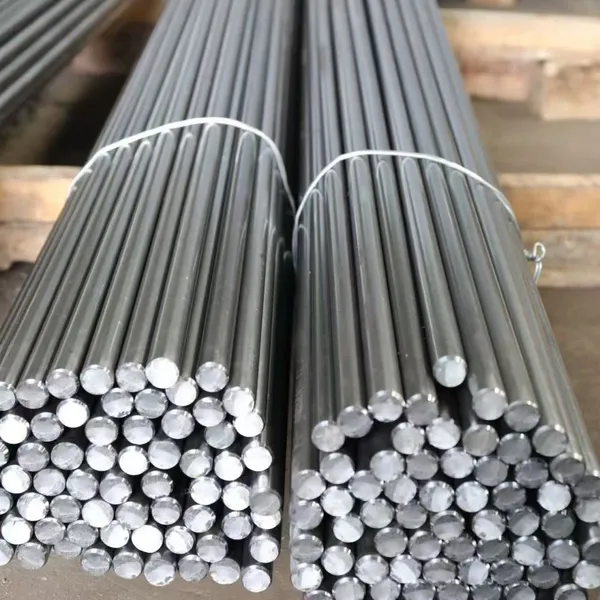
Some switchgear designs require custom core shapes that cannot be stamped or forged economically. Square and round bars of DT4 pure iron, supplied in cut-to-length pieces, allow CNC machining of precise core geometries. The material must be free of hard spots and inclusions that would damage cutting tools or create magnetic irregularities in the finished part.
Surface Quality and Protective Coatings
Pure iron surfaces must be clean and free of oxide scale to achieve optimal magnetic contact in laminated stacks. For components that will be stored before assembly, an anti-rust coating extends shelf life without interfering with subsequent welding or plating operations. Jurun supplies bars and coils with optional surface preparation and protective coating to meet your production schedule requirements.
Magnetic Shielding Switchgear Design: Protecting Equipment and Personnel
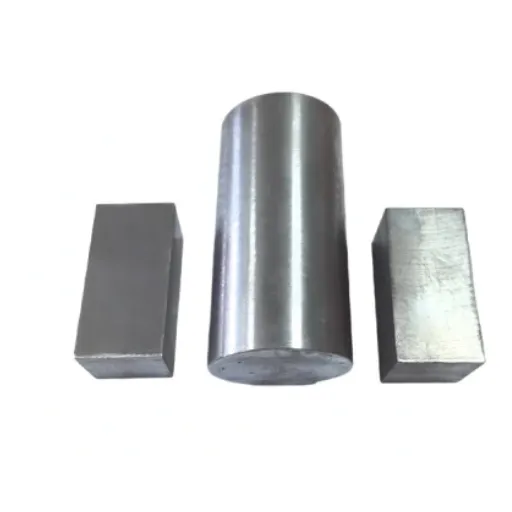
High-voltage switchgear generates strong electromagnetic fields. At 50 or 60 Hz, these fields penetrate standard building materials and can interfere with sensitive control electronics, communication systems, and even biological tissue. Magnetic shielding is an essential design element for many DT4 pure iron switchgear installations.
Why Pure Iron Excels at Power-Frequency Shielding
Magnetic shielding works by providing a low-reluctance path that diverts magnetic flux around the protected volume rather than letting it pass through. The effectiveness of a shield depends on its permeability and saturation induction. DT4 pure iron offers both. Its high permeability channels flux efficiently, while its high saturation induction allows it to handle strong fields before saturating.
Research published in MDPI's Materials journal demonstrated that manufactured pure iron achieved a maximum relative permeability of 7,818 and delivered shielding effectiveness competitive with more expensive alloys. For 50 and 60 Hz applications typical of power distribution, pure iron provides an excellent balance of performance and cost.
Shielding Applications in Switchgear and Substations
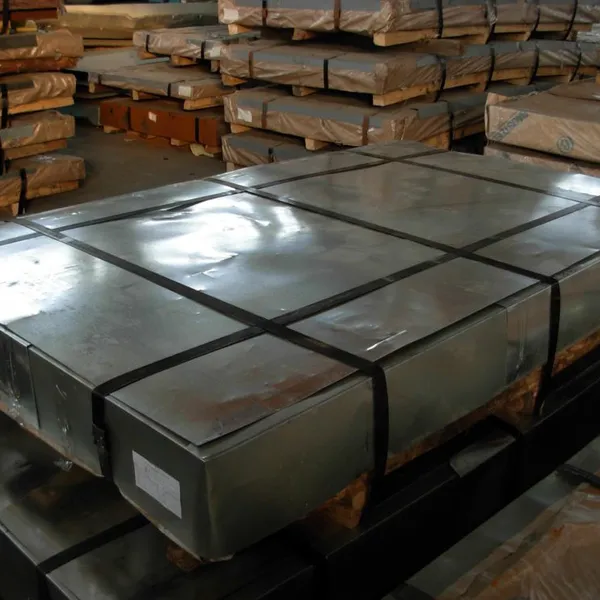
DT4 pure iron switchgear shielding is used in three primary configurations within power distribution environments. Switchgear room wall panels use modular pure iron sheets to attenuate magnetic fields to levels compliant with ICNIRP exposure guidelines. Cabinet-level shielding plates protect control and protection electronics mounted inside or adjacent to switchgear assemblies. Cable tray and busbar shields limit field emission from high-current conductors running through buildings.
For broadband shielding spanning power frequencies through higher harmonics, multilayer designs combine pure iron with conductive aluminum or copper layers. The pure iron shunts low-frequency magnetic flux, while the conductive layer cancels higher-frequency fields through eddy current generation. A one-millimeter pure iron layer combined with one millimeter of copper can achieve shielding effectiveness exceeding 40 decibels across a broad frequency range.
Design and Installation Considerations
Shielding effectiveness degrades rapidly at seams and gaps. Proper panel overlap, continuous welding, or conductive gasket joints are essential. For switchgear room installations, the shield must form a continuous six-sided enclosure, including floor and ceiling, to achieve rated performance. Jurun supplies precision-cut pure iron plates and slit strips to exact dimensions, simplifying installation and minimizing field leakage at panel joints.
North Grid, a regional power utility in northern China, faced elevated magnetic field readings in a control room adjacent to a 35 kV switchgear hall. Field levels near the shared wall measured 12 microtesla, above the 10 microtesla guideline for continuous occupational exposure. The utility installed a wall panel system using 0.5-millimeter DT4 pure iron sheets with overlapping seams and conductive edge bonding. Post-installation measurements showed peak fields reduced to 3.2 microtesla, well within compliance limits. The project cost was approximately one-third of a mu-metal alternative quote, with comparable shielding performance at power frequencies.
Common Material Failures and How to Prevent Them
Even when the correct grade is specified, DT4 pure iron switchgear material can fail if processing, handling, or sourcing practices compromise the magnetic properties. Common failures include:
Relay sticking from excessive coercive force, causing delayed or failed contact opening
Thermal drift in instrument transformers, leading to accuracy degradation at temperature extremes
Eddy current losses from improperly laminated or oversized solid cores, causing overheating
Inconsistent material from unverified suppliers, resulting in magnetic property variation across batches
Relay Sticking from Excessive Coercive Force
The most dangerous failure mode is relay armature sticking caused by core materials with insufficiently low coercive force. When the coil de-energizes, residual magnetism keeps the armature partially engaged. The contacts may not open fully, or they may open with delayed timing. In protective relaying, this can prevent fault isolation or cause unwanted sequential tripping. Specifying DT4C with certified Hc values of 32 A/m or lower eliminates this risk for virtually all industrial relay designs.
Thermal Drift in Instrument Transformers
Current transformer accuracy depends on the stability of the core magnetization curve. If the core material degrades magnetically at elevated temperatures, the ratio error and phase angle displacement drift out of specification. This leads to incorrect metering readings or misoperation of protection schemes. DT4 pure iron's thermal stability and absence of magnetic aging ensure that instrument transformers maintain their accuracy class across the full operating temperature range and throughout their service life.
Eddy Current Losses in Improperly Processed Cores
Using solid cores in AC applications, or laminations that are too thick, creates excessive eddy current losses. The core overheats, insulation degrades, and magnetic performance suffers. For 50 and 60 Hz switchgear applications, laminations should be 0.3 to 0.8 millimeters thick, with appropriate interlaminar insulation. Cold-rolled DT4C sheet from Jurun is available in these thicknesses, with tight dimensional tolerances that ensure consistent stacking factors.
Inconsistent Material from Unverified Sources
Perhaps the most common source of failure is simply inconsistent material. Not every supplier claiming to sell DT4C actually delivers material that meets GB/T 6983 specifications. Carbon content may be higher than stated. Inclusions and segregations may create local magnetic hard spots. Material may have been improperly annealed, leaving residual stresses that degrade permeability. The only reliable protection is to require mill test certificates with every delivery, verifying chemical composition, magnetic properties, and mechanical characteristics against the standard.
Liu Mei, a procurement manager at a Zhejiang electrical equipment manufacturer, encountered this problem in 2024. Her supplier delivered DT4C coils at a price 8 percent below the market rate. The stamped relay laminations looked fine. But during routine testing, the relays showed a 12 percent variation in pickup voltage across production lots. Investigation revealed carbon content averaging 0.028 percent, above the 0.020 percent maximum for DT4C. The material was actually off-grade DT4A. Liu switched to Shanxi Jurun as a direct source, with certified TISCO and Baosteel mill test reports. Variation dropped to under 3 percent, and her scrap rate fell by nearly half.
Specifying and Sourcing DT4 Pure Iron for Switchgear Production
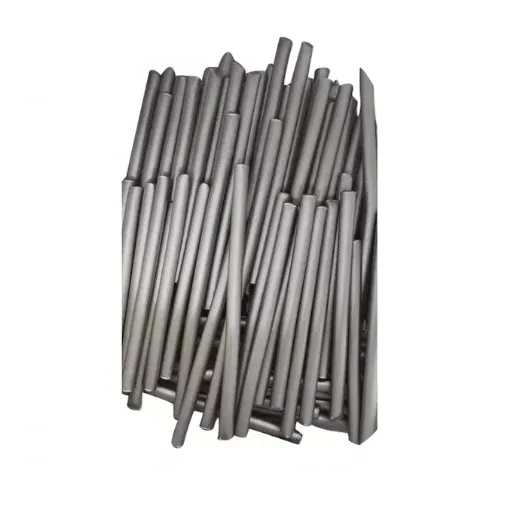
Getting the right DT4 pure iron switchgear material starts with a clear specification and ends with a trusted supplier.
What to Include in Your Material Specification
A complete purchase specification for DT4 pure iron should reference GB/T 6983-2008 or the applicable revision. It should state the required grade, DT4C for most critical switchgear components. It must require a mill test certificate with actual measured values for coercive force, maximum permeability, and magnetic induction at specified field strengths. Chemical composition should be certified, with particular attention to carbon, sulfur, and phosphorus content. For sheet products, specify thickness, width, surface quality, and any required edge conditioning. For bars and forgings, specify dimensional tolerances and straightness.
Why Origin Matters
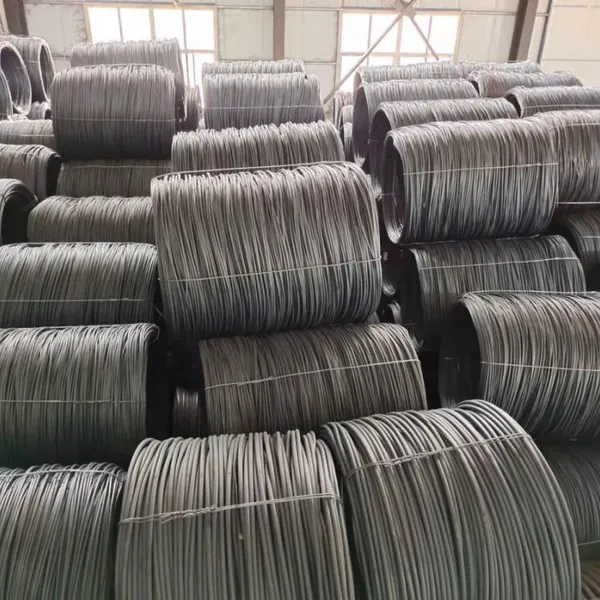
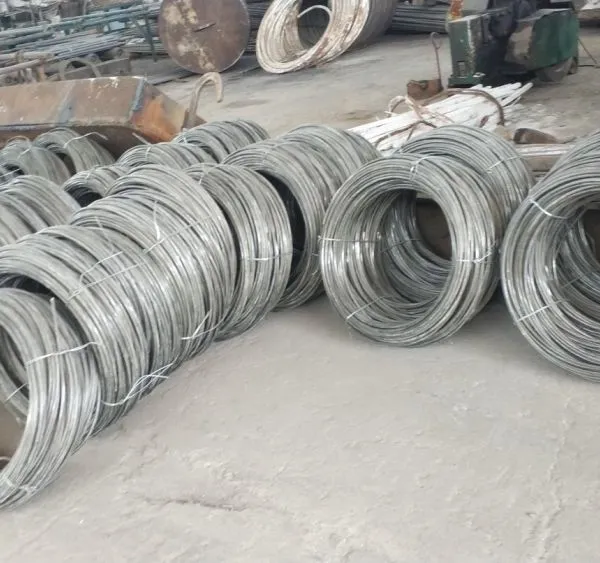
Shanxi Province is the recognized production hub for Chinese electromagnetic pure iron. TISCO and Baosteel, located in this region, are the primary producers of premium DT4 series material. Sourcing from suppliers located in Shanxi provides logistical advantages, fresher stock with shorter warehouse times, and direct access to mill production schedules. Jurun Technology is headquartered in Taiyuan, Shanxi, with direct agency relationships to both TISCO and Baosteel. Our standing inventory includes wire rods, round bars, coils, sheets, and tubes across all major DT and YT grades.
Processing Value for Switchgear Manufacturers
Switchgear production lines run most efficiently when raw materials arrive ready for immediate use. Jurun provides precision slitting of cold-rolled coils to custom widths for lamination stamping, cut-to-length bars and tubes for CNC machining operations, surface preparation and anti-rust coating for extended storage, and custom forging and casting for specialized core geometries. Our minimum order quantities start at 100 kilograms for DT4 pure iron switchgear specialty wires and forgings, making us accessible for prototype development and small-batch production alongside full-scale manufacturing.
Conclusion
High-voltage switchgear protects power systems worth billions of dollars and serves millions of people. The reliability of that protection depends heavily on materials that most specification sheets mention only in passing. DT4C electromagnetic pure iron is the industry standard for DT4 pure iron switchgear components because it delivers the magnetic properties that relays, instrument transformers, and shielding systems require. High permeability ensures fast, sensitive response. Low coercive force guarantees clean release without sticking or drag. Thermal stability and absence of magnetic aging maintain performance across decades of service.
Here are the key takeaways to apply in your next switchgear project:
Specify DT4C for protective relays, instrument transformers, and precision magnetic shielding where performance and reliability are critical.
Match the material form to your manufacturing process: cold-rolled sheet for laminated cores, forged rounds for solid actuators, precision bars for machined components.
Always require mill test certificates with certified magnetic property data. Generic material claims are not enough for safety-critical electrical equipment.
Source from suppliers with verified mill relationships and in-house processing capabilities to ensure consistent quality and responsive delivery.
The switchgear industry demands materials that perform without compromise. At Shanxi Jurun Technology, we supply DT4 pure iron switchgear material, DT4C electromagnetic pure iron with full mill certification, custom processing, and direct sourcing from China's premier pure iron production region. Whether you need precision-slit coils for lamination stamping, custom-cut bars for machined cores, or shielding plates for substation installations, we deliver material that meets your exact specification.
Contact our engineering team today to discuss your DT4 pure iron requirements. Request a custom quote, sample batch, or mill test report review. We will help you specify the right grade, form, and processing for your switchgear electromagnetic components.
Recently Posted
-
Industrial Pure Iron vs. Armco Iron: Terminology, History, and Modern Equivalents
September 2, 2026Not long ago, a European motor manufacturer opened an aging drawing for a magnetic shielding housing and found the material callou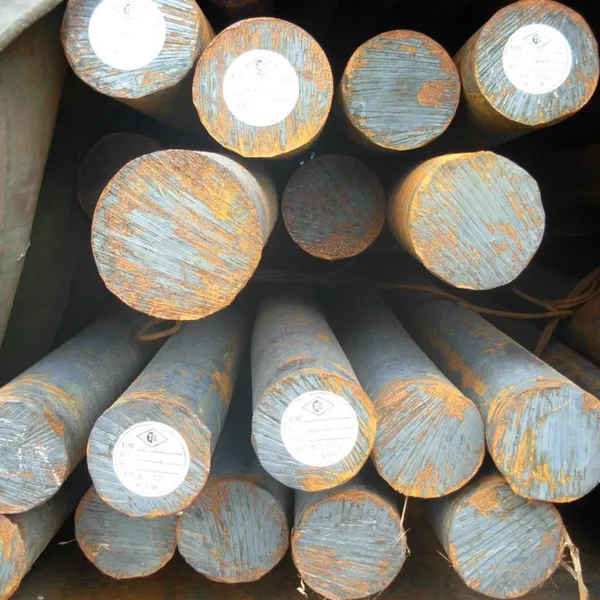 Read More
 -
Shanxi Jurun Technology: Your Electromagnetic Pure Iron Partner from Taiyuan, China's Pure Iron Prod
August 14, 2026When an international buyer searches for electromagnetic pure iron, they are not just looking for a material. They are looking for Read More
 -
Cold Drawing Process for Electromagnetic Pure Iron Wire: How Wire Rod Becomes Precision Cold-Drawn W
August 13, 2026Not long ago, a solenoid valve manufacturer in Italy received a shipment of 5.5 mm electromagnetic pure iron cold-drawn wire inten Read More
 -
How to Choose a Food Vacuum Sealer Supplier in China: 8 Evaluation Criteria
August 13, 2026An e-commerce brand owner in the UK contacted us some time ago after a supplier relationship fell apart. They had sourced roughly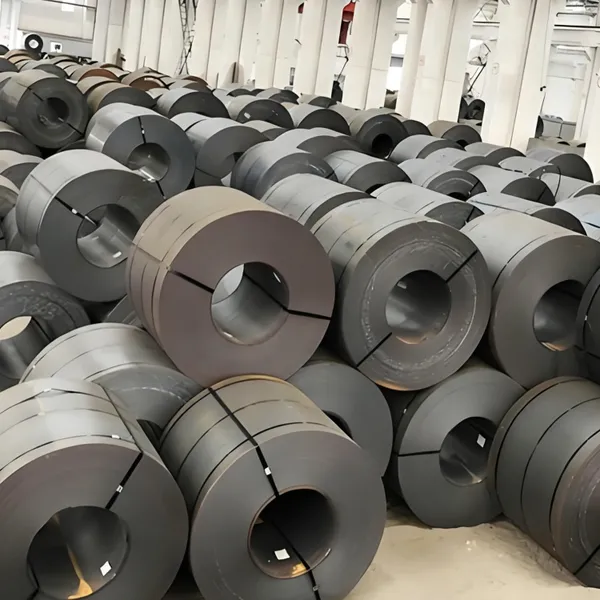 Read More

Contact Us
Recommended Products
-
 Seamless Tube With Good Cold Electrical Pure Iron Fittings Hot Workability for Forming Fittings and ConduitsNegotiableMOQ: 1 Ton
 -
Electromagnetic Pure Iron Forging for Automotive Sensor ManufacturingNegotiableMOQ: 100 Kilograms
-
Precision Cut Pure Iron Square Bar High Saturation Induction Raw Material for Generator and RotorNegotiableMOQ: 100 Kilograms
-
DT4C Super Grade Electromagnetic Pure Iron Bright Bar With Bundle Weight 30-100kg for Easy TransportationNegotiableMOQ: 1 Ton
-
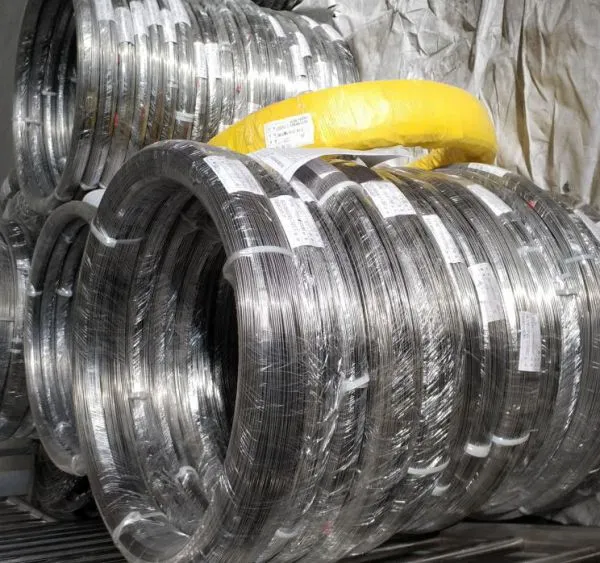
DT4C Electromagnetic Pure Iron Cold-Drawn Wire 0.5mm-6.0mm Diameter for TransformersNegotiableMOQ: 100 Kilograms
-
Industrial Pure Iron Bar for Electromagnetic Relay and Sensor ProductionNegotiableMOQ: 1 Ton
-
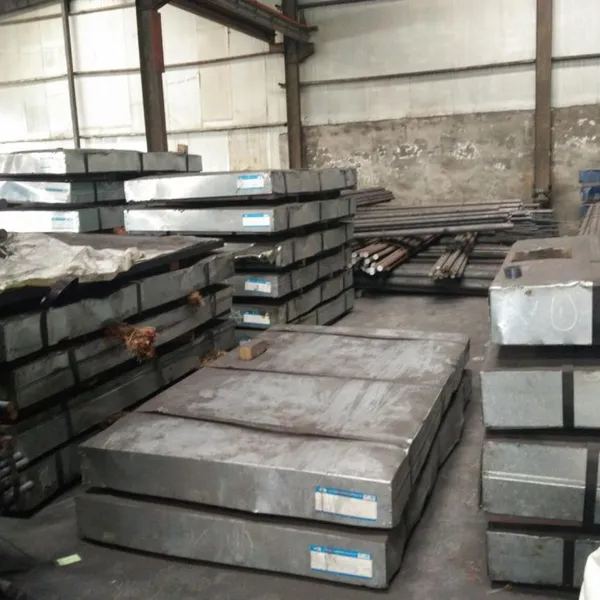
Electromagnetic Pure Iron Thin Sheet 0.3mm-0.8mm for Solenoid and Relay ManufacturingNegotiableMOQ: 500 Kilograms
-
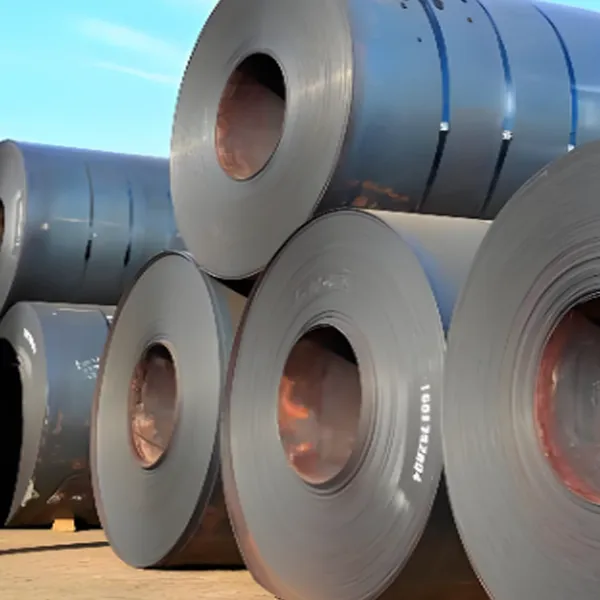
Electrical Pure Iron Hot-Rolled Coil for Magnetic Components With Low Iron LossNegotiableMOQ: 1 Ton
-
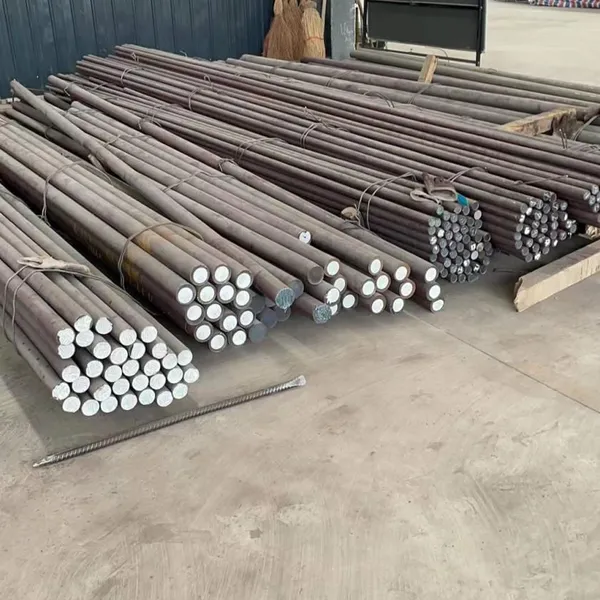
Low Carbon DT4C Pure Iron Round Bar With 99.8% Fe Content for Electrical ApplicationsNegotiableMOQ: 1 Ton
-
Cold Rolled Pure Iron Slit Coil DT4C Grade Ultra Low Carbon ≤0.004% for Magnetic ComponentsNegotiableMOQ: 1 Ton
-
Low Iron Loss Electromagnetic Pure Iron Hot-Rolled Coil DT4C for Transformer CoresNegotiableMOQ: 1 Ton
-
Soft Magnetic Pure Iron Sheet With Minimum Iron Loss for High-Efficiency MotorsNegotiableMOQ: 1 Ton
-
Electromagnetic Pure Iron Cold Rolled Coil DT4C for High Magnetic Permeability ApplicationsNegotiableMOQ: 1 Ton
-
Industrial Pure Iron Tube Superior Surface Quality Electromagnetic Pure Iron Tube for Welding and Plating ProcessesNegotiableMOQ: 1 Ton
-
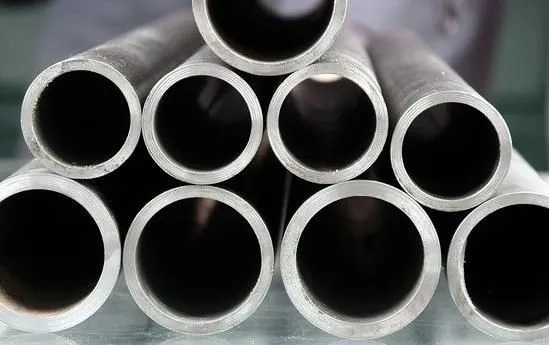
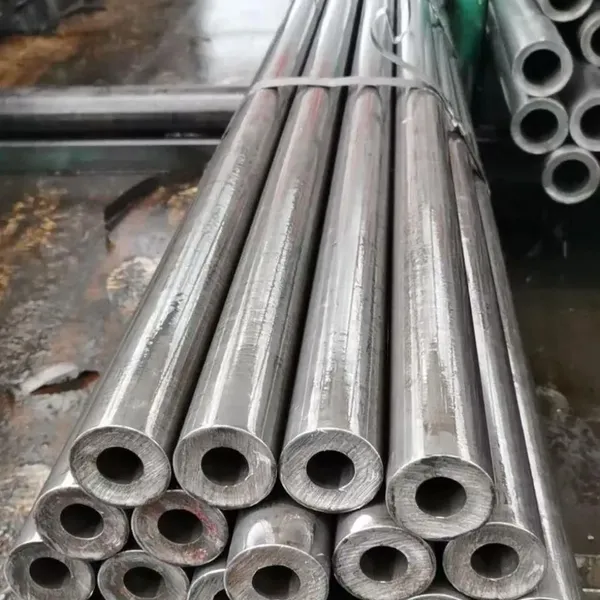
DT4 Seamless Pure Iron Tubing for High-Performance Electrical Equipment ApplicationsNegotiableMOQ: 1 Ton
-
DT4C Iron Wire Rod for Precision Magnetic Shielding ApplicationsNegotiableMOQ: 100 Kilograms
-
Industrial Pure Iron Fittings DT4 Pure Iron Seamless Tube With Low Hysteresis Loss for Electromagnetic SystemsNegotiableMOQ: 1 Ton
-
DT4C Cold Rolled Coil Slitting for Electrical Enclosure ManufacturingNegotiableMOQ: 1 Ton
-
Anti Rust Coated Pure Iron Square Bar Low Carbon Raw Material for Welding and Forging Magnetic PartsNegotiableMOQ: 100 Kilograms
-
DT4 Pure Iron Cold-Drawn Wire 0.5mm-6.0mm Diameter for Precision EngineeringNegotiableMOQ: 500 Kilograms