
 Business License

Pure Iron Cold Rolled Steel Coil: Understanding Its Magnetic Properties and Applications
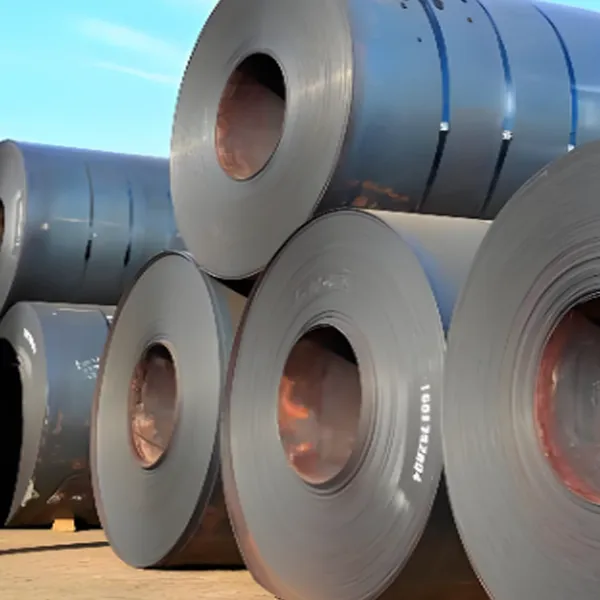
Cold-rolled steel coils made from pure iron have gained more attention than any other steel form, largely because of substantial magnetism and the range of commercial utilization. From industry production to sophisticated technology, pure iron cold-rolled steel coils are a key part of many applications, though the aspects in which these present themselves are normally overshadowed. This blog was written to illuminate the magnetic characteristics of pure iron cold-rolled steel coils, their significance, and how they are applied in different industries. Whether attempting to break into the professional world or simply emphasizing individual interest, this readable informational guide aims to leave an indelible impression in the user's mind concerning this outstanding commodity and its role in today's dispensation.Find more info now.
Introduction
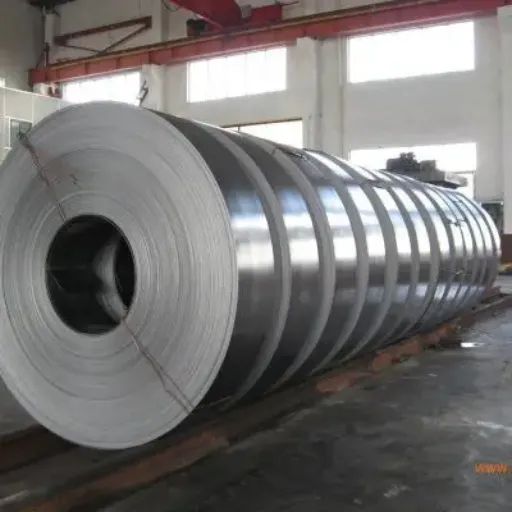
The Importance of Pure Iron in Electrical Applications
Wrought iron is extensively used for its excellent properties of magnetic material and electrical conductionability. It acts as the primary initial material in building up magnetic circuits. In its high magnetic magnetism and low force loss in the lines of magnetic foridity, it is an ideal substance: tempos and material in transformers, inductors, and some motors. Through working with wrought iron, there is less loss of carbon energy; hence, the low-loss energy efficiency is dramatically raised to reduce operating expenses drastically.
Another point that makes this alloy especially attractive for electrical applications is the saturation flux density of the alloy, which is usually above 2 Teslas. The high value of this parameter gives ferromagnetic grade wrought irons an advantage when dealing with quite high amounts of magnetic flux without any appreciable amplification required due to saturation. Further, the electrical resistivity is about 10 μΩ cm, in which extremely low values help in minimizing heat generation and energy loss when some current passes.
In the field of renewable energy technologies, absolutely new uses for pure iron could come into play. For instance, highly powerful wind-generator machines would be constructed with a pure iron core, the main aim of this iron being to enhance the magnetic properties of the materials used in wind-generating machines to produce the optimal performance in renewable energy installation. This can prove the pure iron's importance as a commodity, while acceptable towards appealing considered aims. These benefits can sustain the industries to gain reasonable advantages in terms of increased efficiency, energy savings, and better performances for a wide range of applications in electrical and industrial realms.
Insight into Cold-Rolled Coil
Cold rolled steel is a high-grade steel item which is used across various applications due to its fine surface finish and high precision, also possessing oriented mechanical properties that are unmatched in nature. It is produced via cold rolling process; the steel is passed through rollers below its recrystallization temperature, which is around 1450° F, with high tensile strength, high-grade surface finish, and extreme precision in dimensions all being induced into the strip. Consequently, this material is preferred for use in missions that require highest precision and aesthetics.
Among other salient features of cold-rolled steel, good surface finish for good plating and coating applications, high tensile strength for excellent endurance, and its suitability for thickness and size modifications need mention. It is in great demand in the automotive sector for car bodies, used in appliances to manufacture exterior paneling, construction for structural parts and roofing materials.
According to Credence Research, cold rolled steel coil's global market is estimated to reach almost $120 Billion by the year 2022, with an annual growth rate of 4.5% to be expected for the next seven years. The prospects for the steel coil market are indeed set to be ultimately bolstered by a convergence of developments such as urbanization and industrial sophistication within the construction and automobile industry, particularly constantly increasing specifications for "green" material certification for very many more manufacturers. Moreover, many environmental concerns ranging about the effects from smelting, and such technologies not only speak in favor of the viability of cold-rolled steel coil but further as a beginning towards industrial construction.
Technical Specifications of Pure Iron Cold Rolled Steel Coil
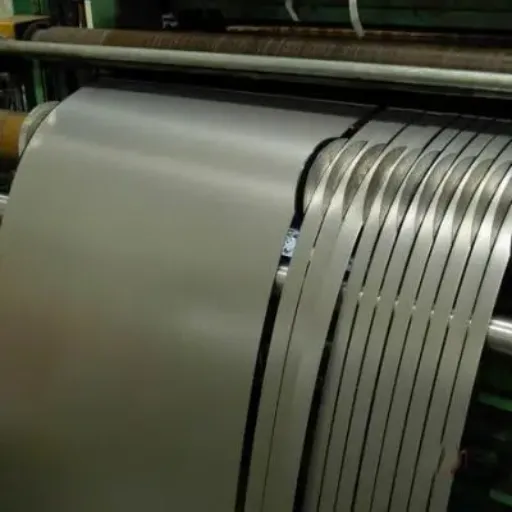
Magnetic Properties of Pure Iron
Iron remains as the most known metal with an advanced-enhanced magnetic susceptibility. Indeed, iron came to sustain a glorified existence for that it gave rise to multifarious industrial as well as most vitally economically significant applications. It is bestowed merely by its magneto-mechanical features-it can be magnetized promptly and also supports electromagnetic fields in terms of easy conduction. It maintains vital importance in applications where minimal energy loss is taken to accept just one magnetic hysteresis in case such occurrence becomes permissible, for example, the transformers' cores, inductors, and magnetic shields.
Studies demonstrate that pure iron can potentially exhibit a maximum relative magnetic permeability above 200,000 under the ideal circumstances. In this case, its high retentivity, typically anywhere between 0.1 to 0.5 A/m, confirms that the substance draws much less energy in order to be magnetized and demagnetized and results in the wastage of even less energy over time per unit. Thus, the saturation magnetization for iron is 2.15 Tesla, which allows iron to endure high magnetic flux densities without losing its usefulness, making it superior to most iron alloys and other materials.
The pure iron material is stronger magnetically and energy efficient if formed in a particular manner; however, thin iron, such as laminated iron, is used to reduce huge losses from eddy currents. Pure iron is thus exclusively applied for most advanced applications with utmost preference. Coming advances in material science will find other usages of this magic material called plain iron. Consider its exceptional magnetic qualities that lead to discoveries in renewable energy and advanced electronics.
What is Cold Rolled Versus Hot Rolled?
Hot Rolled Steel: Steel processed at a temperature above the recrystallization temperature of the material, which can be in the region of greater than 1700 °F. It further gets shaped and molded to become malleable due to the elevation of the functioning temperature. Hardening the soft molten steel is achieved through quick cooling, hence the perfect utility of this kind of steel. Quick cooling on casting inserts roughness to the surface; therefore, finishing is reckoned to be irrelevant; for this reason, it can be readily applied in civil engineering applications and for rail track construction in addition to various automotive applications where brilliance in surface finish is not required. From the industry standards, hot rolled steel has a yield strength of between 36,000-40,000 psi for a given grade with a ±0.03 in thickness.
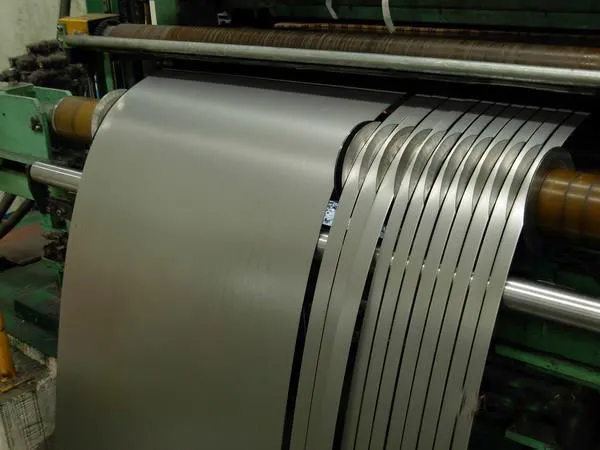
Cold Rolled Steel: Cold rolled steel is rolled at room temperature, so it hardens within the material and increases its strength, which is distinguished by the fact that it has a superior surface finish. The cold rolled steel, therefore, is endowed with superior surface finish. Dimensional tolerance is also inherited by cold rolled steel, which is one more reason it is so commonly adopted. This is due to the need for high precision for used products related to machine parts, automotive components, and construction materials requiring a proper fit and the least tolerance. In general, cold rolled steel offers a yield point from around 50,000 to 70,000 psi and a good sheet thickness tolerance somewhere around ±0.001.
Common Industrial Applications of Pure Iron Cold Rolled Steel Coil
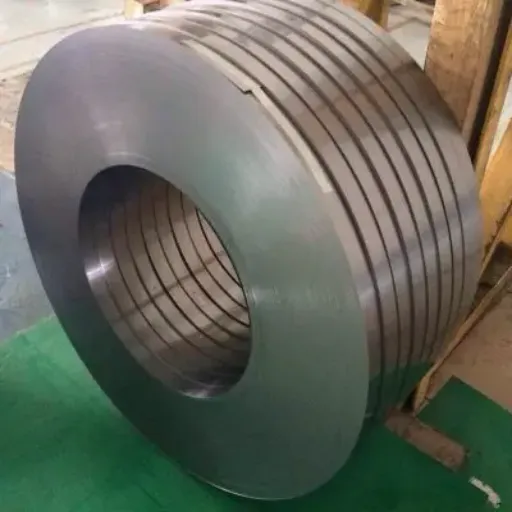
Use in Electrical Transformers
It is a basic necessity to have cold rolled or grain-oriented steel for manufacturing transformer core as it has good magnetic properties. This includes very low energy loss when magnetized in part due to high permeability and low coercivity. So, cold-rolled, high-quality steel would, if used to replace a traditional material, reduce energy losses by up to 30%.
Cold-rolled grain-oriented steel has been studied for building transformers. It has phenomenally low losses due to the core (heat-energy loss resulting from magnetic cycles), making it incredibly attractive for the transformer industry in terms of efficient production. The advancement of cold-rolled steel steels this kind would still demand that core losses should site anywhere near 0.90 W/Kg at 1.7 T and 50 Hz. Cold-rolled, if having these properties, and 90 standard will be the best material for modern, energy-efficient transformers.
In addition, a low-loss, slender, and homogenous structure can provide a stable lamination in showdowns against profit-killer eddy currents, and continuously increasing energy efficiency. Innovations in magnetic performance with a reduction in the operating noise area, such as the cost-effective laser-engraved GRAIN-ORIENTED steel materials, are aiding in pushing paradigms beyond what industries would ever need to go with the rising tendency toward energy-efficient solutions, addressing ENABLING SUSTAINABILITY targets-accompanied by reducing carbon footprints-while ensuring that power distribution and transmission-system-related facilities work under optimal conditions.
Application in Electromagnetic Devices
Materials science and technology have a strong interest in the electromagnetic devices of the power system, especially in the regard of magnetic cores used in power distribution systems. One possible application of this technology is in electric motors with the core where better core laminations have quite a significant effect. The reduction of energy losses thus enhances performance of the motors, and the most recent use of non-oriented electrical steels in motors has led to up to a 30% reduction of this loss, enhancing motor efficiency and saving energy as well.
World over, these technologies are speeding through breakthroughs in superconductors, looking for zero-energy-loss resistance to build up in quick detail. Much of the expectation thus hinges on the marvel they promise to work in tandem in the forefront of power saving and production in the organized world of technology. Some of the interesting asides are now coming out in thinking about superconductor roles in this age-for wind power backup generators, fusion plasma physicists, energy storage and supermagnetic energy storage-and these darling projects find no practical skepticism one should encounter.
Market Trends and Buying Guide for Pure Iron Cold Rolled Steel Coil
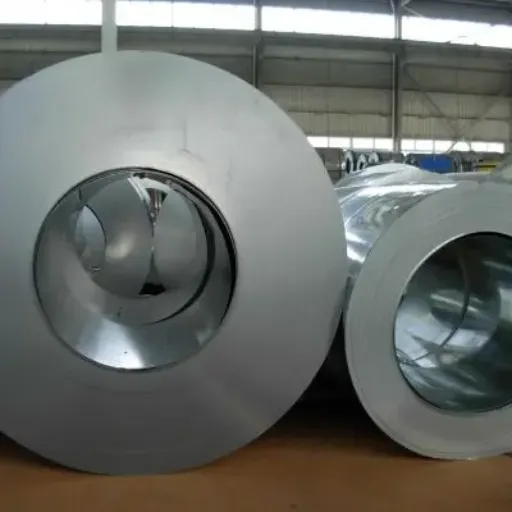
What to Look for When Sourcing Pure Iron Coils
Material Purity
The coils made of the purest iron will have high purity levels. In principle, they required purity levels in excess of 99.9 percent together with proper magnetic properties. In future, these materials will have the least probable carbon content and prevent core loss while maintaining wonderful magnetic flux values. Whenever you buy material to use, if the material certificates are not available, ask for recorded purity test reports from the supplier.
Dimensional Precision
The objectivity of thickness and width tolerances is crucial in applications requiring a degree of precision if there is any consideration to push to the final state. Transformer core and electromagnetic applications are those that need the intolerance and precision. The deviations in void tolerance are specified from ±0.01mm for machinery.
Surface Finish
Diminishing any kind of hysteresis losses is something which must be kept in mind for developing high efficiency. So, it is crucial that the surface finish has no defects and is suitable for the intended application.
Supplier's credibility
The one who has a strong reputation in supplying high-quality pure iron should be considered a reliable supplier. These companies are Thyssenkrupp, Nippon Steel, and Voestalpine. They are renowned because of their high-level manufacturing processes and quality materials. Reviews from past customers can help you determine if the suppliers are genuine.
Current Trend of Electrical Steel
The global electrical steel market is growing steadily because of the demand for energy-efficient solutions in various industrial segments. The conclusions made from most of the report show that the global market is projected as a worth of about $45 billion by the year 2030. The development will be increasing by the way of an 7.9% compound annual growth rate from 2023 and to 2030. These rises in the market are connected with increased EVs, renewable energy systems, and more advanced transformers that have been developing.
One major global trend that supports this is the increasing awareness of environmental issues in both governments and industry, manifest in the promotion of NGO and GOES products that are greener. For example, GOES, by which transformers decrease core losses, is in keeping with global sustainability aspirations.
The demand for electrical steel in the automotive sector, which implies an increased orientation toward electric mobility worldwide, is growing. Electric motors in the electric vehicles are leveraging the magnetic properties of electrical steel for better performance and efficiency. China and India are at the forefront in the trend, each with their own set of production and infrastructure development processes.
Conclusion

The Future of Pure Iron Cold Rolled Steel in Industry
By 2030, the pure iron cold rolled versus cold-rolled electrical steel market might register stupendous increases within renewable energy, white goods, construction, petrochemicals, and other industries. By up to that year, the penetration of cold-rolled steel will triumph over dipping, emerging, and bemoaning times. Without the development design of an electric powertrain, the future of the cold-rolled marketplace (fresh from the pack) is sheer elucidation.
The eternally societal core of smelted steel, caused specifically for industrial purposes, is again in the queue of industrial users all over the world. In either North America or Europe, the potential path to decarbonization is laden with green tech innovations, many of which are based on state-of-the-art steel elements. Recent advancements in power grid infrastructure and wind turbine technology are also further drawing interest towards the need for electrical steel. The prime industrial market reports theme out the idea that by the year 2030, the world's renewable energy installations would comprise over 60% of the total growth in demand for electrical steel.
Frequently Asked Questions (FAQs)
Pure iron strip: What process is used to make pure-iron strip and how is cold-rolled sheet produced?
Raw-material pure iron strips are manufactured from pure iron raw material, involving several processes such as melting, casting, hot-rolling, anneal, cold-rolling to required thickness, and final annealing or magnetic annealing, depending on use Greatly! Cold-rolled process offers great advantage over small pure iron sheet in achieving smaller grain size and good surface finish, both contributing to better magnetic properties required for different products. Pure iron embosses the ideal material for playing a major role in large transformers, for it can be made in many forms, be it the cold-rolled coil, pure iron, or the cold-rolled strip, employing many annealing stages corresponding to finishing the recrystallization anneal for an excellent magnetic domain structure.
Material properties: What are the main properties of the material (resistivity, grain size, and physical properties) that we must look for in order to procure the electrical pure iron-cold-rolled coil?
Significant magnetic properties can include low coercivity, high permeability, and high saturation flux. Electrical resistivity is lower than silicon steel but can be controlled by using either purity or alloying; decreased impurities lessen the hysteresis loss but cause an increase in eddy current losses unless the laminations are thin. The size of the grain that occurs following annealing affects the behavior of magnetic domain wall motion; larger grains that are well oriented generally improve soft magnetostrictive behavior. Such properties as tensile strength, workability, and formability are worked in either cold-rolling or stress relief into stamping; or drawing.
The composition of materials: How is electrical resistivity and iron losses influenced by impurities and alloying materials such as silicon?
The electrical resistivity and magnetic losses are influenced by trace impurities (C, S, P, Mn) and intentional alloying (such as silicon in silicon steel). Silicon increases resistivity and decreases eddy current loss but reduces saturation flux. On the other hand, electromagnetic pure iron minimizes silicon and other impurities to maximize saturation flux and permeability; however, the material may have a lower value for electrical resistivity, necessitating the use of thinner laminations to control iron loss. The chemical composition must be finely balanced for the specific electromagnetic application under consideration.
Recently Posted
-
Shanxi Jurun Technology: Your Electromagnetic Pure Iron Partner from Taiyuan, China's Pure Iron Prod
August 14, 2026When an international buyer searches for electromagnetic pure iron, they are not just looking for a material. They are looking for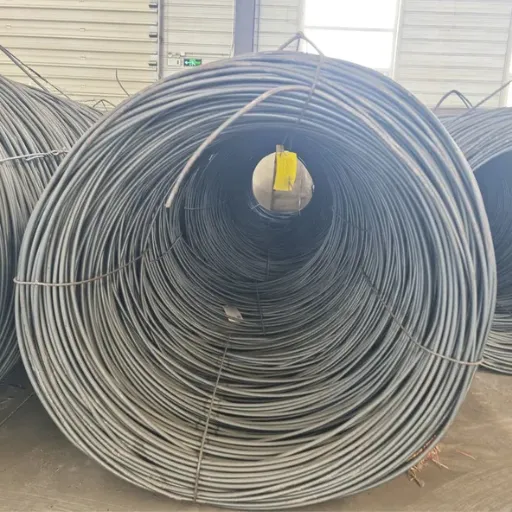 Read More
 -
Cold Drawing Process for Electromagnetic Pure Iron Wire: How Wire Rod Becomes Precision Cold-Drawn W
August 13, 2026Not long ago, a solenoid valve manufacturer in Italy received a shipment of 5.5 mm electromagnetic pure iron cold-drawn wire inten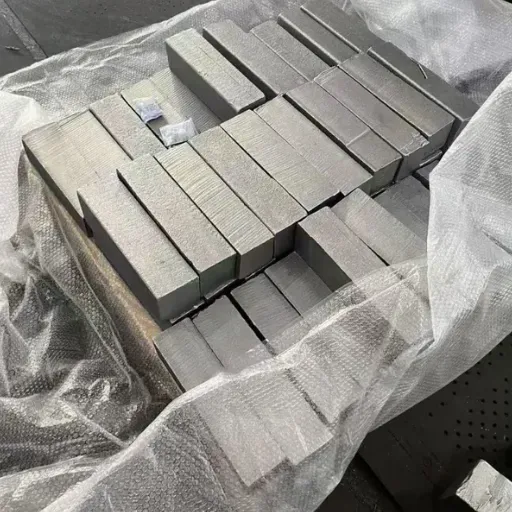 Read More
 -
How to Choose a Food Vacuum Sealer Supplier in China: 8 Evaluation Criteria
August 13, 2026An e-commerce brand owner in the UK contacted us some time ago after a supplier relationship fell apart. They had sourced roughly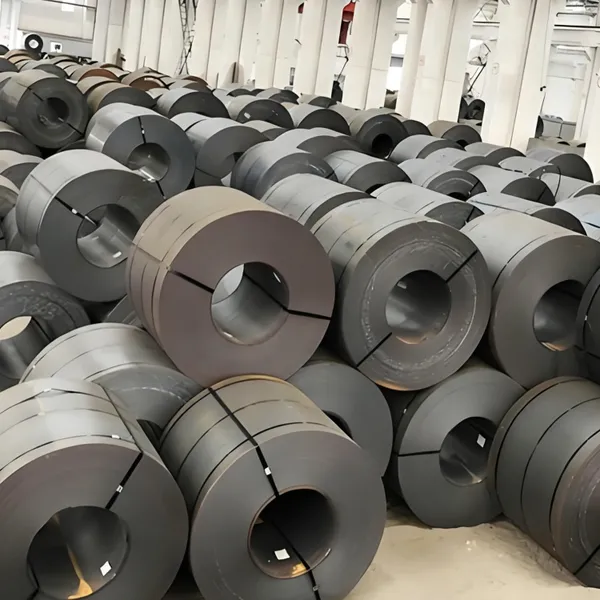 Read More
 -
Electromagnetic Pure Iron for Relay Manufacturing: Material Requirements, Grade Selection, and Case
August 13, 2026Some time ago, a relay production line in Zhejiang province began experiencing a puzzling failure pattern. Roughly 3 out of every
Read More

Contact Us
Recommended Products
-
 Seamless Tube With Good Cold Electrical Pure Iron Fittings Hot Workability for Forming Fittings and ConduitsNegotiableMOQ: 1 Ton
 -
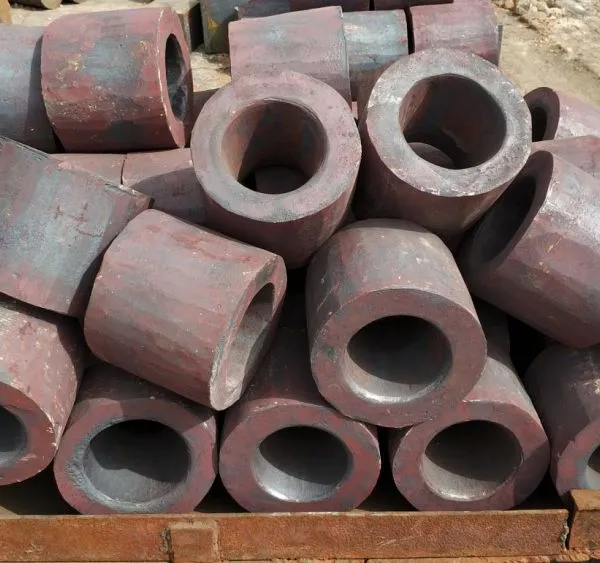
Electromagnetic Pure Iron Forging for Automotive Sensor ManufacturingNegotiableMOQ: 100 Kilograms
-
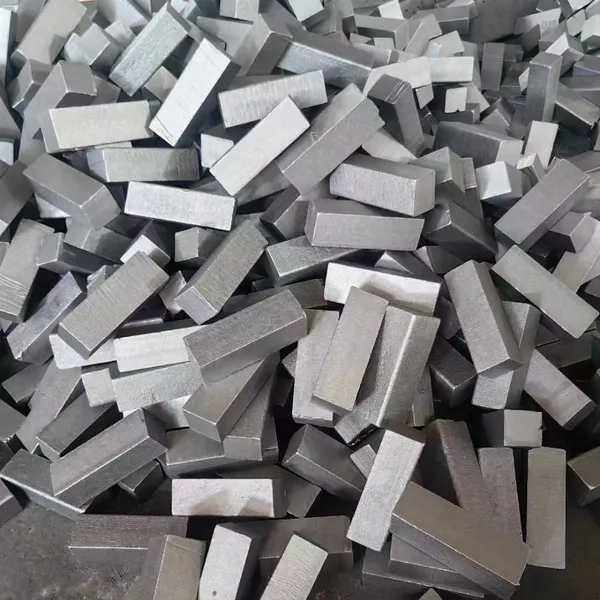
Precision Cut Pure Iron Square Bar High Saturation Induction Raw Material for Generator and RotorNegotiableMOQ: 100 Kilograms
-
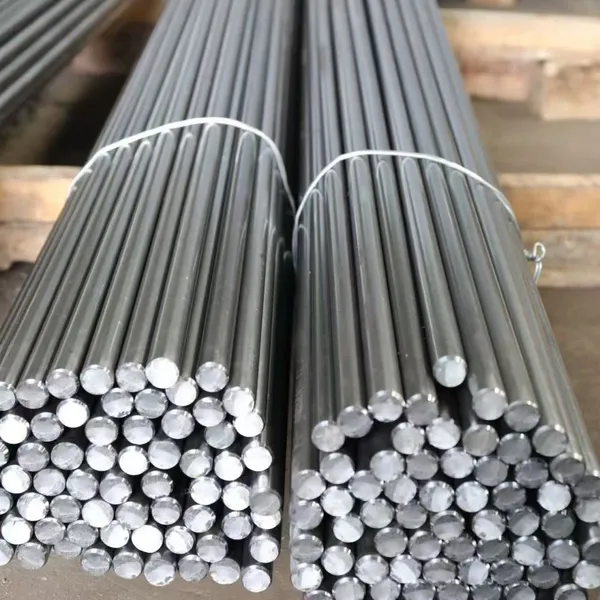
DT4C Super Grade Electromagnetic Pure Iron Bright Bar With Bundle Weight 30-100kg for Easy TransportationNegotiableMOQ: 1 Ton
-
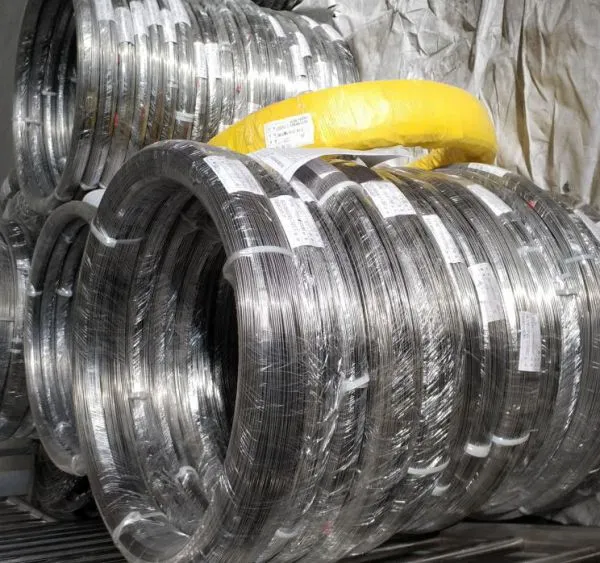
DT4C Electromagnetic Pure Iron Cold-Drawn Wire 0.5mm-6.0mm Diameter for TransformersNegotiableMOQ: 100 Kilograms
-
Industrial Pure Iron Bar for Electromagnetic Relay and Sensor ProductionNegotiableMOQ: 1 Ton
-
Electromagnetic Pure Iron Thin Sheet 0.3mm-0.8mm for Solenoid and Relay ManufacturingNegotiableMOQ: 500 Kilograms
-
Electrical Pure Iron Hot-Rolled Coil for Magnetic Components With Low Iron LossNegotiableMOQ: 1 Ton
-
Low Carbon DT4C Pure Iron Round Bar With 99.8% Fe Content for Electrical ApplicationsNegotiableMOQ: 1 Ton
-
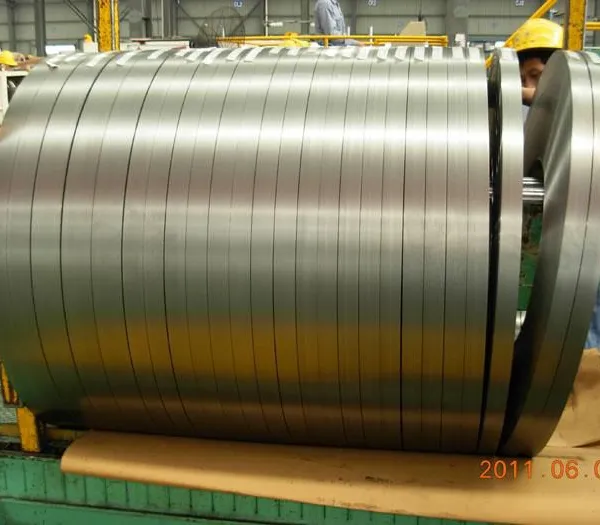
Cold Rolled Pure Iron Slit Coil DT4C Grade Ultra Low Carbon ≤0.004% for Magnetic ComponentsNegotiableMOQ: 1 Ton
-
Low Iron Loss Electromagnetic Pure Iron Hot-Rolled Coil DT4C for Transformer CoresNegotiableMOQ: 1 Ton
-
Soft Magnetic Pure Iron Sheet With Minimum Iron Loss for High-Efficiency MotorsNegotiableMOQ: 1 Ton
-
Electromagnetic Pure Iron Cold Rolled Coil DT4C for High Magnetic Permeability ApplicationsNegotiableMOQ: 1 Ton
-
Industrial Pure Iron Tube Superior Surface Quality Electromagnetic Pure Iron Tube for Welding and Plating ProcessesNegotiableMOQ: 1 Ton
-
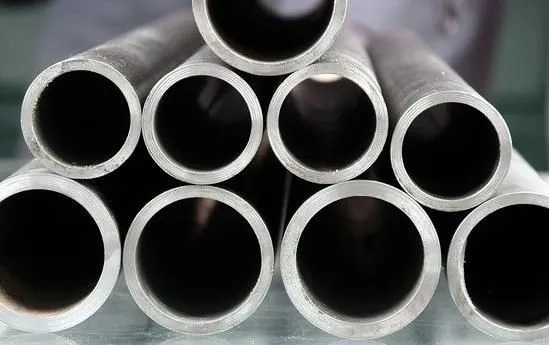
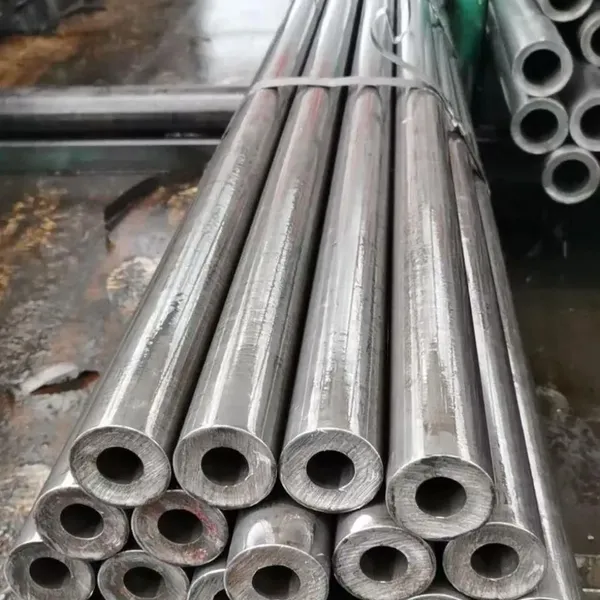
DT4 Seamless Pure Iron Tubing for High-Performance Electrical Equipment ApplicationsNegotiableMOQ: 1 Ton
-
DT4C Iron Wire Rod for Precision Magnetic Shielding ApplicationsNegotiableMOQ: 100 Kilograms
-
Industrial Pure Iron Fittings DT4 Pure Iron Seamless Tube With Low Hysteresis Loss for Electromagnetic SystemsNegotiableMOQ: 1 Ton
-
DT4C Cold Rolled Coil Slitting for Electrical Enclosure ManufacturingNegotiableMOQ: 1 Ton
-
Anti Rust Coated Pure Iron Square Bar Low Carbon Raw Material for Welding and Forging Magnetic PartsNegotiableMOQ: 100 Kilograms
-
DT4 Pure Iron Cold-Drawn Wire 0.5mm-6.0mm Diameter for Precision EngineeringNegotiableMOQ: 500 Kilograms