
 Business License

Electrical Pure Iron Coil Slitting: Precision Solutions for Modern Metal Processing
Modern metal processing industries depend on precision and efficiency to achieve their operational requirements. The handling process of electrical pure iron coils demands precise operational performance because this situation requires special attention. The specialized metalworking process of slitting enables industries that include automotive, energy and electronics to create customized materials that meet their specific requirements. The article investigates the complex process of electrical pure iron coil slitting which demonstrates the importance of precise measurement and the various difficulties encountered and the way cutting-edge methods establish new benchmarks for product performance and reliability. The blog post helps manufacturers and engineers and technology enthusiasts who want to understand how to improve material performance for high-performance uses.Find more info now.
Introduction
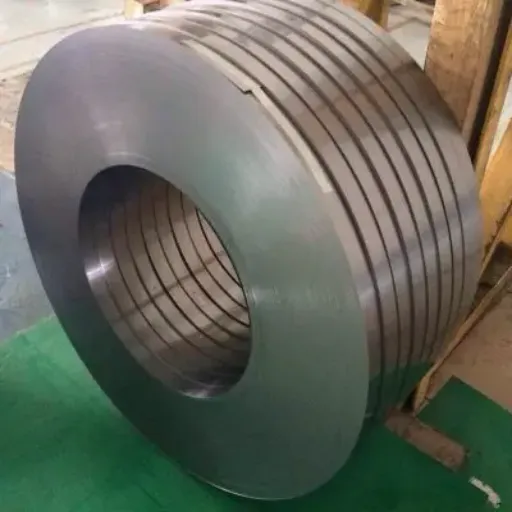
Understanding the Importance of Coil Slitting
In the sphere of metal processing, coil slitting is inevitable, as it is almost indispensable in the processing of high-performance electrical pure iron materials. The procedure starts with a wide coil, which operators cut into several strips exceeding the term of length requirements. Metal products after this process are used in automotive, aerospace and electronics industries. Coil slitting calls for strict attention to precision since the tiniest width, trim or anything at all may spoil the intermediate stages of production and lead to defects in the final products.
The latest industry data points to ever-increasing global demand for precision slitting services with an annual growth rate of around 5.2%. This is associated with the advancement of manufacturing methods and the increasing performance specifications in various sectors. The consideration of minimizing burr, reducing camber, and ensuring that the dimensions meet the prescribed tolerances consistently now happen to be the basic performance indicators. When manufacturing electrical steel, the tolerances that the manufacturers have to maintain range around the bracket of ±0.01mm; this would, of course, obtain maximum energy efficiency while diminishing operating losses.
Introduction of the state-of-the-art computer-controlled Slitting Lines and Laser-based Inspection Systems has revolutionized the entire coil-slitting operation. This technological system enables manufacturers to monitor products' quality in real-time, experencing a lesser machine setup time and enhanced material recovery efficiency. The use of these advanced systems allows companies to improve their production efficiency by 15-20 percent at less waste production.
Identifying Challenges in Electrical Pure Iron Processing
The purity of the material is a structural concern even in the very process of obtaining material, and therefore it is necessary for one to be able to maintain a special purity throughout the production process. Electrically pure iron is purified of all residual impurities and demands a great deal of concern to avoid contamination during the times of refinery operations or molding or rolling. Minor impurity inclusion in any small amounts relative to base materials can bring about degradation and also magnetic properties--a very desirable feature of electrical and electronic incidents.
Problems might involve dealing with this material. As a soft and ductile material, electro-pure iron could become deformed and fractured under extremely high levels of mechanical stress during processing. Advanced methods, such as vacuum annealing or high temperature heat treatments, are used to introduce improvements in mechanical properties without corrupting the purity, albeit leading to higher production costs and complication in the processes.
Properties and Applications of Electrical Pure Iron
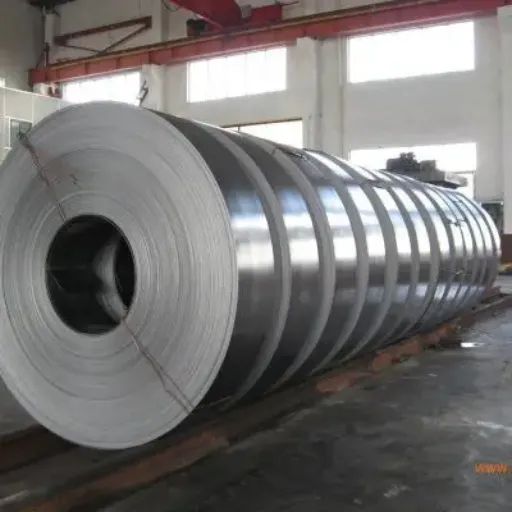
Key Characteristics of Electrical Pure Iron
High Magnetic Permeability
Electrical pure iron showcases a high magnetic permeability. Thus, it can be regarded as a good material for electromagnetics applications, such as transformers, generators, and motors. Also, with an effective magnetic flux flow provided, a lot of electrical energy is saved from being dissipated by the electrical machines at the same level.
Low Coercive Force
Electrical pure iron has low resistance to magnetization or demagnetization with almost no energy loss. Iron possessing a high coercive force can be used in applications that involve efficient AC magnetization (reduced heat dissipation and much higher energy efficiencies).
Great Electrical Conductivity
Even though the electrical conductivity of pure iron is lower than that of copper or silver, the nonelectric quality is not compromised. The principal application for this metal is to provide a good degree of conductivity, as in magnetic-deploying materials used to supplement shields or cores where conduction is of utmost importance, particularly at high frequency.
Measure of Site Induction
The material is applied with very high induction, almost around 21,500 Gauss, and yet very low saturation does not disrupt the chance for high magnetic densities. It is crucial in systems running at a significant magnetic flux requirement.
Corrosion Resistance (With Various Surface Treatments)
If the matter is just pure iron, the resistance to oxidation could be very less, but different kinds of surface treatments in the manufacturing process, or alloying mechanisms often incorporated in them, can make them give some degree of stability against corrosion such that an iron-based product can last long without problems in extreme conditions.
Applications in Electromagnetic Components
Transformers
Iron of commercial grade is widely used in transformer cores to cut energy losses. It helps in the transformation of electrical energy from one higher voltage level to another. Low coercivity enables a higher saturable magnetization that permits smooth conduction of magnetic flux, thereby reducing hysteresis and eddy current losses. Such properties are generally improved by new developments in grain-oriented electrical steels, and this can aid in increasing transformer efficiency by about 30%.
Electric Motors
High-performance electric motors depending on electrical-grade pure iron mainly in stator and rotor components for industries like automotive and renewable power can be understood only by considering its properties regarding magnetic behavior at high frequencies, which help give the motor more torque when the material is induced in the saturation region. Specifically, the cutting-edge efficiencies and the long distance extending capacity of the new electric vehicles are all derived from these low iron loss characteristics of the pure iron cores.
Generators
In all power plants, materials with very low magnetic loss and good operational stress stability are demanded. Electric pure iron determines this and is therefore the right material for large turbine generators as well as for smaller mobile machinery. Also, pure iron contains a minimal percentage of carbon impurities that thereby propel limited core losses; this results in energy conservation because there is added efficiency in the process of generation of energy.
Electromagnets and Actuators
With respect to iron's ferromagnetic condition, the state of obtaining only pure iron gives the material a much superior magnetically responsive intensity which is called to perform its best when used in linear motors, relays, and electromagnet operated equipment. Such attributes relate directly to precise, directed-to applications for varied commercial fields such as industrial automation and modern robotic technologies. Using a high-purity iron core can, as far as possible, optimize the force-to-weight ratio, reinforcing thereby the efficient, small-on-space end design of these components.
The Technical Process of Precision Coil Slitting

Overview of the Coil Slitting Process
Slitting raw coil is indispensable when making high-performance electromagnetic components; braw slitting is the process of ware slit into narrow strips which are designed and sized to fit precisely certain dimensional tolerances and specifications for specific applications. Direct slitting remains a critical puzzle-piece in producing a final item that is geared for work under extremely narrow width and edge quality tolerances.
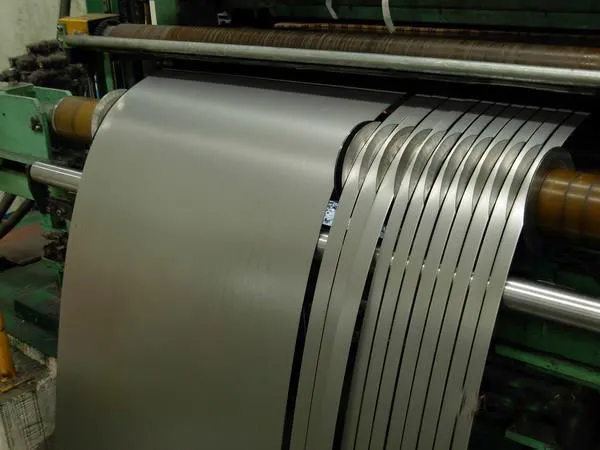
The metal coil moves from the centerline fed up through the rotating razor slitting knives before the coil is fed out through the slitting knives very neatly. The slitting knives can now split a broad variety of raw materials, such as; pure iron used in electrical purposes, stainless steel, aluminum, or copper. All other slitting operations involve pure electrical quality iron slit according to its electromagnetic core application or is for use in modern-day energy systems on account of low carbon content and outstanding magnetic qualities.
The latest data pertaining to the industry pinpoint the fact that the state-of-the-art precision slitting machines give tolerances as tight as 0.005 inches (0.127 mm). Edge trimming is integral to this process, especially with the material being tensioned very tightly to nullify the possibilities of burr formation and material distortion. This is an enhancement for quality in the coil. In this modern era, the role of automation and diagnostics in slitting systems has never been larger. This control is real time and prevents the wastage of articles while increasing throughput in order to maintain the quality of the delivered sheets.
Types of Slitter Machines in Use for Metal Processing
1. Rotary Slitter Machines
Rotary slitting machines are widely used in the slitting industry because of their capacity to operate at extremely high speeds accompanied by perfect precision in cutting. The inserts are round and carefully tailored at precise angles to make cuts in metals such as steel, aluminum, and copper. The leading rotary slitting machines come with automatic loading and the ability to process speeds of up to 1,500 feet per minute. Their operational modes are also quick and error-free. Going above and beyond the requirement for lockdown, they work on varying thicknesses, generally from less than 0.1mm to over 10mm.
2. Sheet Slitting Machines
These machines are designed particularly for cutting metal sheets into smaller pieces for further manufacturing purposes. They offer the facility of PLC programming and hydraulic systems, which allows simple setup and swift adjustments to enable feed speeds on a variety of tensile strengths of materials, and adaptability to cater for various industrial requirements.
3. Looper-Type Slitting Machines
Looper slitters adapted to control tension keep distortion at bay while feeding slits to the strip, hence representing one of the very efficient choices to process metals with soft, ductile properties and obtain excellent, extremely sharp edge making. Except for the extra toughness, advanced techniques involving real-time monitoring and sensor-based alterations result in high precision which in turn minimizes housekeeping.
4. High Precision Slitting Machines
While some slitting applications require slitters best for their narrowest possible tolerance, the high-precision slitters are peculiar machines in their own right. They, with the same air in air supply, find a wide range of markets, and the production of the highest quality cutting levels via computer-controlled laser slitting and precision measuring. All research points correctly to this-being the most suitable solution yet studied for absolutely high-precision slitting; these machines allow slitting tolerances to be tightened after down to ±0.01 mm.
Quality Standards and Tolerances for Electromagnetic Components
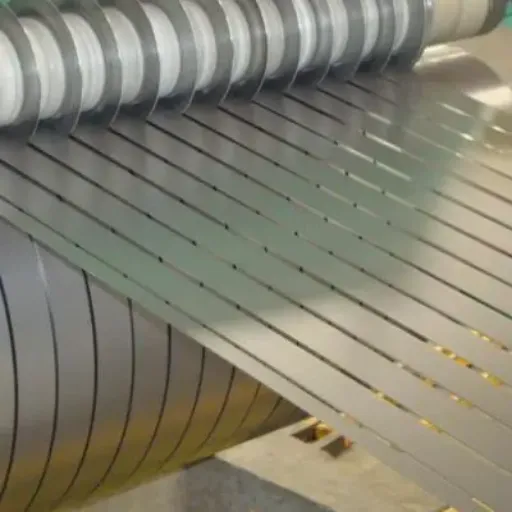
Industry Standards for Coil Slitting
Dimensional Tolerances
One of the prerequisites for slitting is that the slitting machine maintains nicely-toleranced strip steel. When measured to slitting slit-on-tolerance codes, width of slit coils ranges generally from ±0.0005-±0.0015 inches depending on application and grade of material. These tolerances are guaranteed by sophisticated state-of-the-art machines, which, when correctly utilized, do save costly materials from the slag and are compatible downstream.
Edge quality-Burr control
Different burrs can exist in standards; these come within the allowed range. A burr is an extra piece of metal that is cut loose in shearing. The height of the burr is important for certain operations and safe handling of the product. A general market burr is found in the range of <= 10% of the thickness dimension of the stock.
Flatness and surface quality
The flatness and surface appearance of the slit coils are its most rudimentary requirement. Industrial best practices emphasize the need for fast control of any kind of waviness, camber, or any other forms of flatness defects. A super-finish of the surface, which must comply with the stipulated requirements in specific industries, mainly for aesthetic or functional reasons (for example- in manufacturing consumer electronics).
Critical Tolerances for Electrical Pure Iron Components
Dimensional tolerances
The recent technological developments place high demands on hardware and material requirements; therefore, tolerance levels manufacturers are likewise embracing are usually very tight. For instance, in iron-molding cores, this tolerance could be as tight as +0.01 mm for flatness...or with respect to laminations it would be +0.005 mm for thickness for instance. Smaller air gaps within the core would be attractive after assembly and hence reduce magnetic leakage flux-energy dissipation.
Material Purity and Magnetization Properties
Another very important point to be considered is purity of iron. For electric pure iron, a percentage of 99.9% and above is required for low eddy current loss and increased magnetic properties. Impurities-like carbon, sulphur, and oxygen-must definitely be controlled otherwise these will affect both magnetizing iron and hysteresis. Due to the ongoing progress in refining technology, it is now possible to remove all those harmful impurities; thus, the carbon content can be 0.005%, or even less, and the sulfur content can be brought down to the level below 0.003%.
Practice to Improve Heat Treatment and Surface Treatment
Important surface treatments like the ways of tempering will generate the desired type approvals in the production of CRGO steps. The anneal is used to relieve the internal stress and to enhance the alignment of the grain to strengthen the magnetic features. The surface treatment with a layer of insulation as lamination to a scanty thickness of 3-5 microns can be utilized to suppress the eddy current and this will yield a higher electrical efficiency in an electric system.
Key Considerations When Selecting a Slitting Partner

Evaluating Magnetic Properties Retention
Preservation of magnetic properties for electrical steels is a top requirement with all slitting suppliers to guarantee the optimum performance for those steels in the particular application. Without proper slitting methods, these steels undergo changes in properties as internal stresses are produced and core loss grows. However, it is comparatively simple to rectify this in some sense, by focusing on precision and annulling stress during the slitting process.
If excessive mechanical tension is put upon the slitting material by either of these kinds of machines, we witness that the core loss can be jacked up with as much as 20-30%. Advanced machines coupled with sharp-edged blades, however, together with the optimized slit clearances, will go some way toward nullifying this, preventing any significant burr production or retention of magnetic characteristics in the material. Another thing about this is to consider lowering the velocity of the slitting operation to control the heat effect that might alter the steel structure.
In the case of up-to-date slitting factories that are generally equipped with affixed stress-relief annealing techniques to lessening properties in the materials undergone in slitting the stock, based upon technical data from special studies, stress relief annealing can achieve as much as 90% of restorative durability, which makes its operation of key importance to high-efficiency electrical systems operating in applications such as transformers and motors.
Burr formation and the effects caused thereby
Burr height in electric steel slitting processes can refer to the raised edges that appear along the surface of the cut material, that can sometimes be one or even more microns high. These burrs can disturb significantly the working efficiency and working ability of electric systems, which are working under high precision operation required by transformers and motors. To prevent potential damage to its magnetic properties as well as to enable smooth operation with various electrical components, burr height should be properly controlled and, to some extent, the least provoked.
Common tools on that list include measurements of siahe, also known as blemishes or machine marks, and thickness measures. A burr or a blade with a metal removal tool on one of the primary sides of the steel's major plane will limit its stacking level if not buff-the presence of which must not hold execution or risk. That burr will increase core losses by provoking uneven heating and frictional engagement. The 10, 5, or 20 µm burr height increase has resulted in an up to 10% rise in power system efficiency as shown in certain literature.
Not only the development of advanced technologies, but also through the advent of technologies in laser and fine cutting tools. Simultaneously, when taking credit for reducing burr dimensions is rightly attributed to an excellent pattern of dimensional consistency, tighter brief control, and bare minimum thickness right beneath a supremely efficient automatic control system upon actual implementation of a particular product, the return could be as much as 25% increase in material consumption on the parts of the companies that play expensive. All pointed instruments appear to emerge from these realities, thereby imposing the necessity of closely steering the dimensions of burrs in the modern context of manufacturing activity.
Assessing the Efficiency of Slitting Line Solutions
Efficiency in manufacturing is representative of modernity in machine operation, particularly in advanced precision-material forms aimed at high quality and quantity for the automotive, aerospace, and electronics industries. An advanced slitting equipment helps streamline work, delivering the highest performance along with material yield and consistency in quality. At times where the tooling is fully automated, the use of the most advanced servo motors, and AI for monitoring are significantly increasing effectiveness by minimizing set-up times, increasing precision, and maximizing other efficiencies.
Many assessments result in considerable reductions in setup times, with as much as a +20 OEE of 30% when the latest state-of-the-art slitting lines are used. Furthermore, high-speed slitting lines are designed with the capability to operate at speeds of up to 400-500 m/minute for materials and allow companies both meeting strict production schedules and maintaining high quality. It appears that the last industry reports have shown that utilizing the latest trimming technology leads to a 20% reduction in scrap parts: there is a huge return on investment in this respect.
Frequently Asked Questions (FAQs)
Pure iron coil slitting line: What does electrical pure iron coil slitting line mean and how does it work?
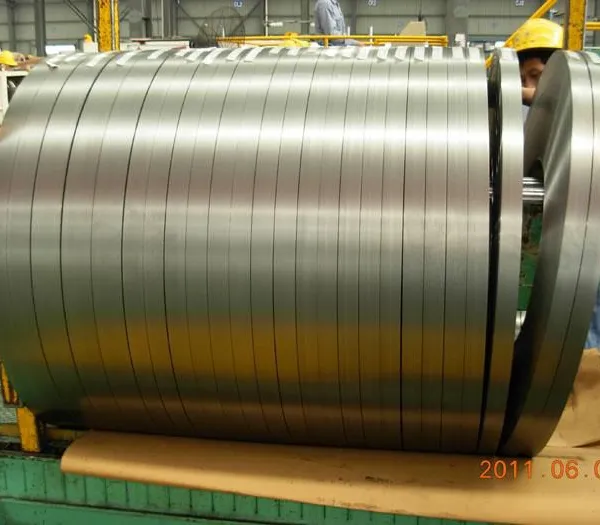
When we talk about electrical pure iron coil slitting line, it can be defined as being a type of coil slitting line. This coil slitting line is used to slit wide metal coils like jumbo coils such as electrical pure iron; galvanized steel coils or other ferrous or non-ferrous coils into narrower coils or strips of thicknesses as required. The slitting line comprises a coil car or an uncoiler, a slitter knife/slitting head with rotary knives, slitting recoiler winding stations, and various electronic controls. The large mother coil is uncoiled and fed into the leveling cage. Many modern machines are equipped with automatic feeding and intelligent control to ensure safe operation and allow high throughput to quickly process large volumes of metal.
Slitting line: What are the main components of a metal slitting line?
In a slitting line machine, the necessary components are decoiler or coil car, coil handling equipment, slitting head with rotary knives, tension control equipment, trim removal equipment, and spacers and mandrels, and rewinding or winding devices. Additionally, either a cut to length machine or a roll forming station can be included. The slitting lines are designed to deliver high precision slitting along with constant string processing and maintenance of their quality without much manual intervention.
The coil slitting line: Which are the possible types of coil slitting for a steel coil slitting machine application?
Types of slitting include single-loop slitting, center slitting, multi-knife slitting, and tandem slitting in a continuous production line. There are sheet metal slitting machines and metal coil slitting machines for different thicknesses, widths, and materials such as electrical pure iron, steel coil, and galvanized steel coils. The right slitting solution depends on the required strip widths, production volumes, and if cut-to-length or roll forming processes are required downstream.
metal slitting: Which metal slitting solutions are provided to work with electrical pure iron and other thin sheet metals?
Working on solutions for slitting particular kinds of electrical pure iron with exact control required in tension in order to avoid the formation of edge burrs, scratches, and magnetic property disadvantage. It is vital to design certain high precision slitter heads using correctly selected rotary knives and slitters. Slitting lines designed for thin sheet metal pose even greater challenges, and this requires the use of state-of-the-art controls, auto handling of coils, and slitters, all of which involve minimum manual intercourse, thereby ensuring a hard restriction of uniform slit widths and surface quality.
Recently Posted
-
Shanxi Jurun Technology: Your Electromagnetic Pure Iron Partner from Taiyuan, China's Pure Iron Prod
August 14, 2026When an international buyer searches for electromagnetic pure iron, they are not just looking for a material. They are looking for Read More
 -
Cold Drawing Process for Electromagnetic Pure Iron Wire: How Wire Rod Becomes Precision Cold-Drawn W
August 13, 2026Not long ago, a solenoid valve manufacturer in Italy received a shipment of 5.5 mm electromagnetic pure iron cold-drawn wire inten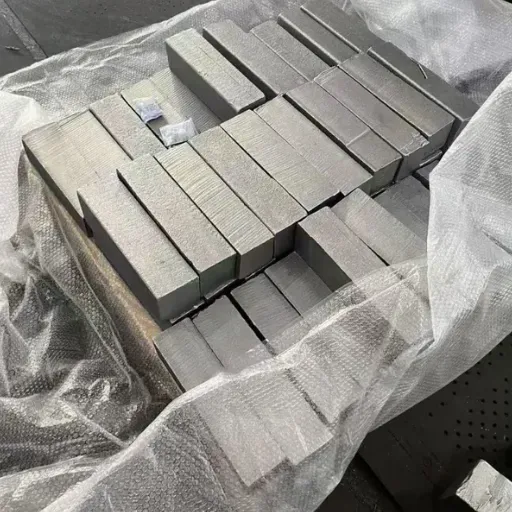 Read More
 -
How to Choose a Food Vacuum Sealer Supplier in China: 8 Evaluation Criteria
August 13, 2026An e-commerce brand owner in the UK contacted us some time ago after a supplier relationship fell apart. They had sourced roughly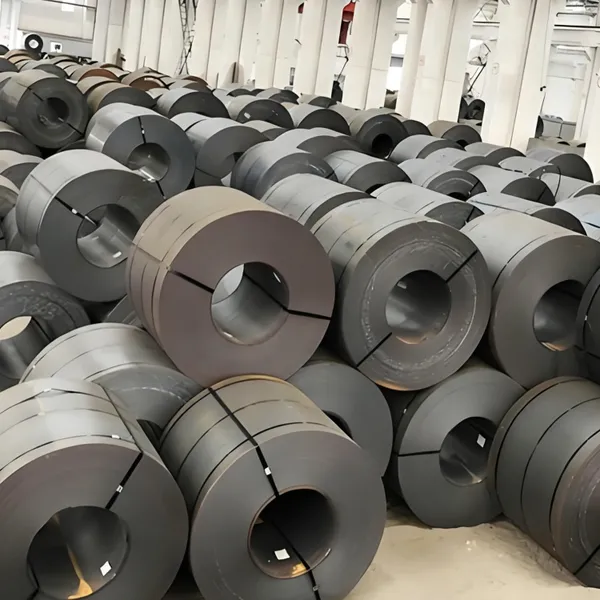 Read More
 -
Electromagnetic Pure Iron for Relay Manufacturing: Material Requirements, Grade Selection, and Case
August 13, 2026Some time ago, a relay production line in Zhejiang province began experiencing a puzzling failure pattern. Roughly 3 out of every
Read More

Contact Us
Recommended Products
-
 Seamless Tube With Good Cold Electrical Pure Iron Fittings Hot Workability for Forming Fittings and ConduitsNegotiableMOQ: 1 Ton
 -
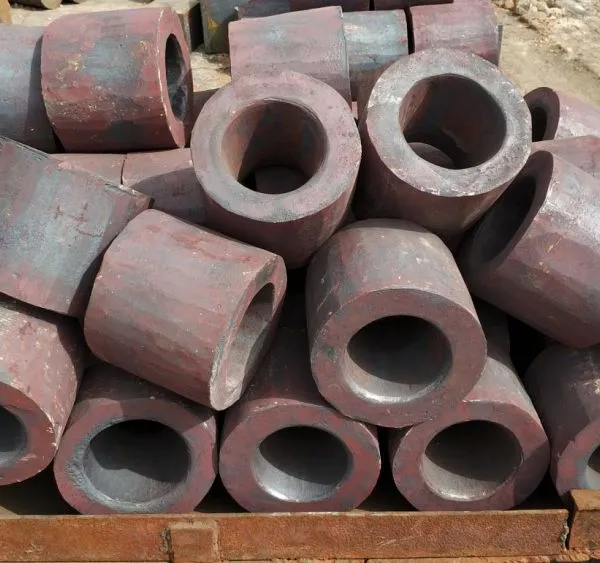
Electromagnetic Pure Iron Forging for Automotive Sensor ManufacturingNegotiableMOQ: 100 Kilograms
-
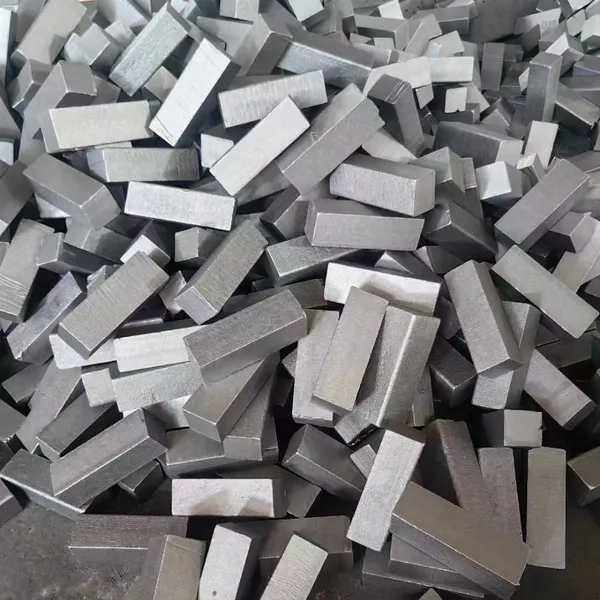
Precision Cut Pure Iron Square Bar High Saturation Induction Raw Material for Generator and RotorNegotiableMOQ: 100 Kilograms
-
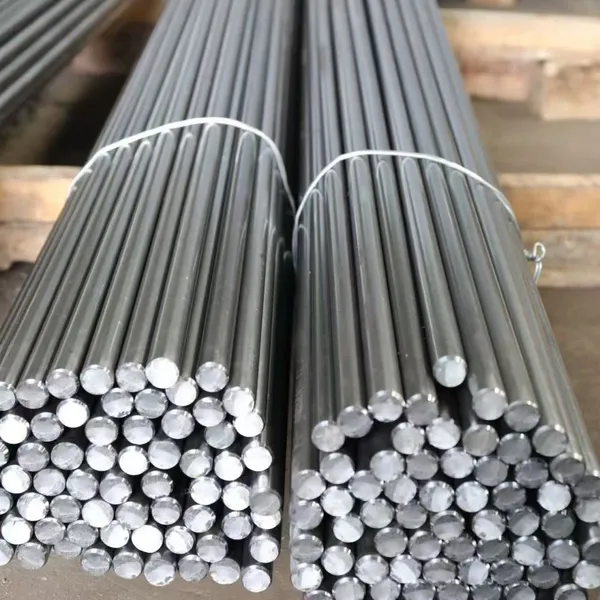
DT4C Super Grade Electromagnetic Pure Iron Bright Bar With Bundle Weight 30-100kg for Easy TransportationNegotiableMOQ: 1 Ton
-
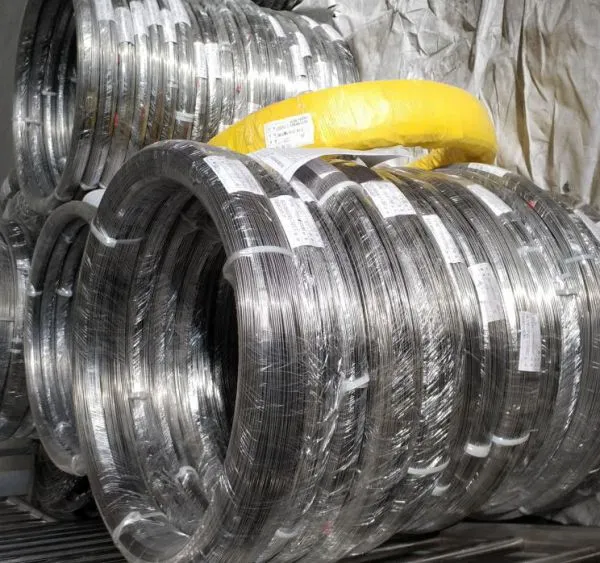
DT4C Electromagnetic Pure Iron Cold-Drawn Wire 0.5mm-6.0mm Diameter for TransformersNegotiableMOQ: 100 Kilograms
-
Industrial Pure Iron Bar for Electromagnetic Relay and Sensor ProductionNegotiableMOQ: 1 Ton
-
Electromagnetic Pure Iron Thin Sheet 0.3mm-0.8mm for Solenoid and Relay ManufacturingNegotiableMOQ: 500 Kilograms
-
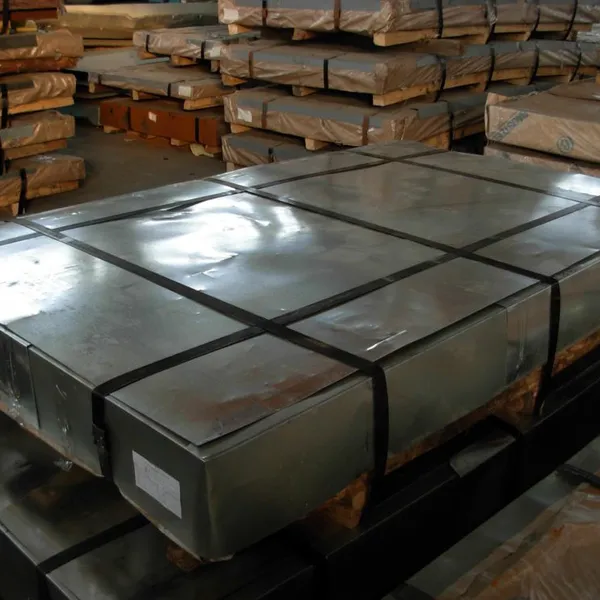
Electrical Pure Iron Hot-Rolled Coil for Magnetic Components With Low Iron LossNegotiableMOQ: 1 Ton
-
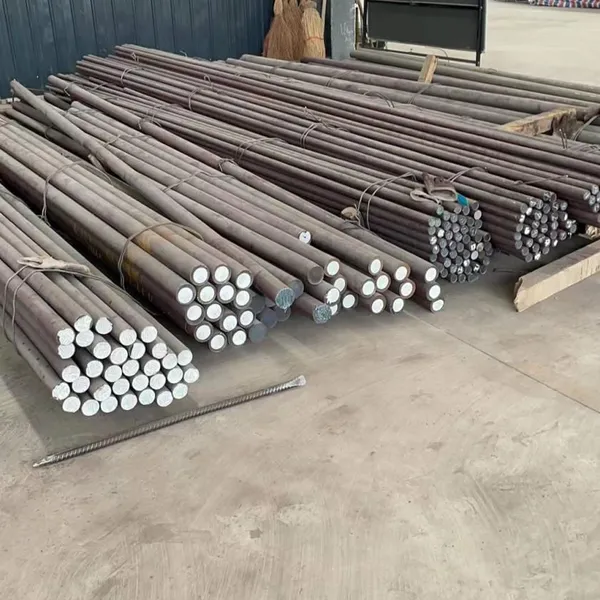
Low Carbon DT4C Pure Iron Round Bar With 99.8% Fe Content for Electrical ApplicationsNegotiableMOQ: 1 Ton
-
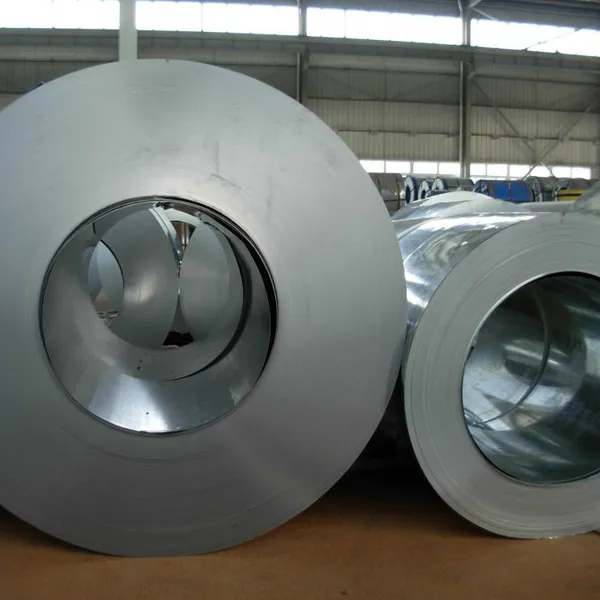
Cold Rolled Pure Iron Slit Coil DT4C Grade Ultra Low Carbon ≤0.004% for Magnetic ComponentsNegotiableMOQ: 1 Ton
-
Low Iron Loss Electromagnetic Pure Iron Hot-Rolled Coil DT4C for Transformer CoresNegotiableMOQ: 1 Ton
-
Soft Magnetic Pure Iron Sheet With Minimum Iron Loss for High-Efficiency MotorsNegotiableMOQ: 1 Ton
-
Electromagnetic Pure Iron Cold Rolled Coil DT4C for High Magnetic Permeability ApplicationsNegotiableMOQ: 1 Ton
-
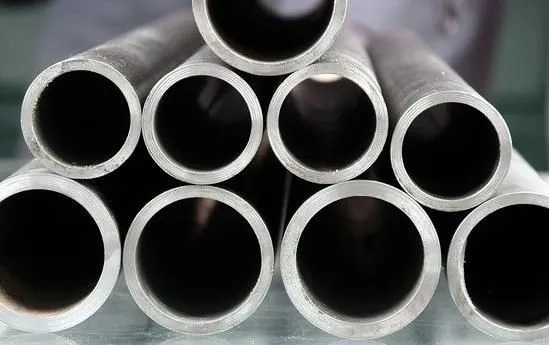
Industrial Pure Iron Tube Superior Surface Quality Electromagnetic Pure Iron Tube for Welding and Plating ProcessesNegotiableMOQ: 1 Ton
-
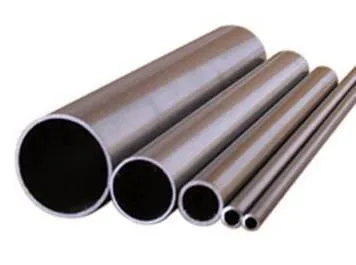
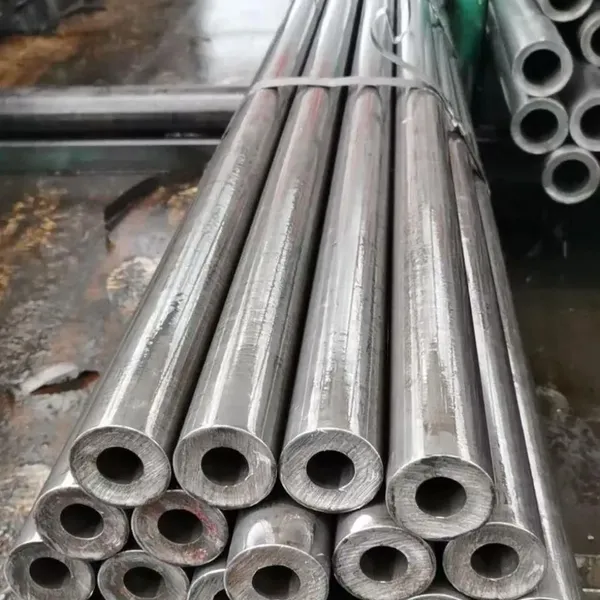
DT4 Seamless Pure Iron Tubing for High-Performance Electrical Equipment ApplicationsNegotiableMOQ: 1 Ton
-
DT4C Iron Wire Rod for Precision Magnetic Shielding ApplicationsNegotiableMOQ: 100 Kilograms
-
Industrial Pure Iron Fittings DT4 Pure Iron Seamless Tube With Low Hysteresis Loss for Electromagnetic SystemsNegotiableMOQ: 1 Ton
-
DT4C Cold Rolled Coil Slitting for Electrical Enclosure ManufacturingNegotiableMOQ: 1 Ton
-
Anti Rust Coated Pure Iron Square Bar Low Carbon Raw Material for Welding and Forging Magnetic PartsNegotiableMOQ: 100 Kilograms
-
DT4 Pure Iron Cold-Drawn Wire 0.5mm-6.0mm Diameter for Precision EngineeringNegotiableMOQ: 500 Kilograms