
 Business License

Electrical Pure Iron Cold Rolled Sheet: Understanding Properties and Sourcing
Understanding the unique materials that drive modern industrial applications is critical for manufacturing engineers, manufacturers, and sourcing professionals. Among such materials, electrical pure iron cold rolled sheet happens to be one interesting material for all those outstanding property features and applications. This blog post delves into all the facts there are about this specialized material, from its specific characteristics to detailed specific industrial roles performed by the material. This is the article that would come in handy for you if you happen to be seeking to work on the betterment of products, smooth operation of sourcing, or would just want to know more about modern materials. And please, gently begin to know how electrical pure iron cold rolled sheets are being innovative to meet the stringent performance expectations.Find more info now.
Introduction
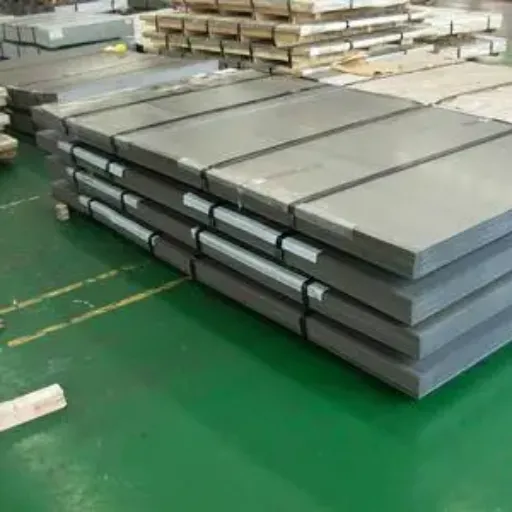
Defining Electrical Pure Iron Cold Rolled Sheets
High-quality electrical pure iron cold rolled sheets are active materials meant for exclusive applications that require extraordinary magnetic properties, absolute purity, and uninterrupted performance. The basic material usually consists of iron exceeding beyond 99.9 percent purity in order to minimize the presence of any impurities that might be detrimental to electrical or magnetic applications. The maximum surface finish and good dimensional accuracy are ensured in the case of cold-rolled iron and are ideal for precise manufacturing applications.
One major quality of the electrical pure iron is their high soft magnetic properties-high permeability and low coercivity, and one can quote this character as essential when making magnetic core components for transformer cores, electromagnet cores, and magnetic shielding. In these qualities, the carbon content is very low (less than 0.005%) reducing hysteresis losses and therefore increasing the power delivery/electrical device efficiency.
Improvement in Engineering Today
One of the most important subjects in advanced engineering is pure iron sheet cold-rolled for electrical application on account of its marvelous magnetic characteristics and high purity. It is very crucially positioned in the essential materials for further sophisticated technologies. Such technologies demand efficiency and precision. For example, the energy sector makes wide use of pure iron in transformers and electric motors, as the high permeability would allow better delivery of power with the low coercive force, minimizing energy losses. It has been observed that using high-purity iron has seen operational efficiencies of around 15% in transformers and contributed to sustainable energy solutions.
The automobile sector also sees possible utility of such sheets. Let's take, take for example, electric vehicles (EVs). They will greatly enhance the EV motor performance due to the way in which they control magnetic flux with precision and adjust vehicle range and power output. The 2021 reports signal a global electric motor market will inflate at a CAGR of 6.9% in 2021-2028, with electrical-grade pure iron being a major material in ensuring the same.
Heavy use of the power converters hinges on such supernormal alloys in specialty applications and electric power generation commodities. The energy sector will benefit from this in support of performance boost. With the need for high-precision equipment in various markets, it finds as an essential element in the medical area. Besides enabling clearer imaging to a resolution extent in diagnostics, these materials are most relevant for making these parts to function with customer requirements as per current needs, broadening the gap between design and final product in cutting-edge engineering applications.
Technical Specifications and Electromagnetic Properties
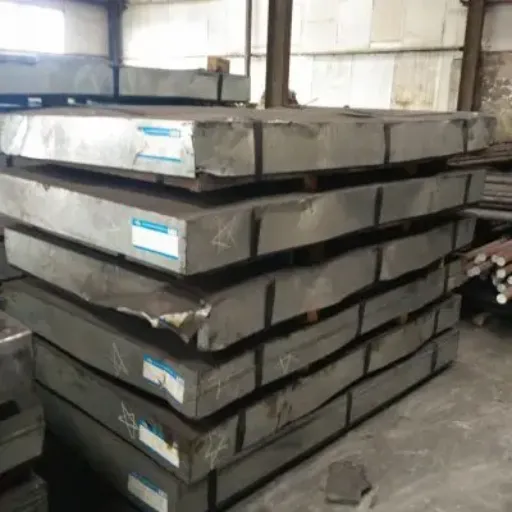
Magnetic Permeability of Pure Iron
Iron with an orientation of an atomic magnetic domain along the lines of magnetic field is also responsible for very high magnetic permeability of the material. However, because of this reason, pure iron is of low coercivity yet of high saturation magnetization, just like that of almost all magnetic materials. Specifically, iron has a saturation magnetic field of about 2.15 tesla, one of the highest values among the whole lot of soft magnetic materials.
The magnetoresistive properties of pure iron are exactly the property of major significance for applications, such as transformers, inductors, and magnetic shields, used for high efficiency combined with efficient work. Since the magnetic properties are influenced significantly by its composition and processing conditions, they can be closely tuned according to requirements for their specific applications.
Effects of Coercivity and their Implications
Coercivity is an incredibly crucial property in the correspondence to magnetism and defines the magnetic material's strength against demagnetization. High coercivity indicates that the material, if with saturation could still exist within a magnetic field, having its net magnetization canceled. Coercivity is highly vital in distinguishing materials into "soft" or "hard." In general, soft magnetic materials like pure iron have a weakly coercive field, which typically lies between a range of 0.1 and 10 A/m, and is popular for practical uses or, rather technologies needing ephemeral magnetization and demagnetization.
Additionally, hard magnetic materials like neodymium magnet can provide strong magnetization with a higher coercive force above 10 ^4 A/m, making them permanent magnets, once magnetized, and will hold the magnetization permanent indefinitely even in the presence of strong opposing magnetic fields, Neodymium-Iron-Boron (NdFeB) magnets exhibit coercivity values ranging from 800 to 2300kA/m in applications like wind turbines and electric vehicles, high-end audio equipment design.
The possibility of altering coercivity to tailor designs for specific applications in industry and provide value in huge sectors has made its study and control rather important. Grain size, impurities, crystallographic structure, and other things could be inputs that modify coercivity. With some microstructural engineering--by adding certain alloying elements or with appropriate heat treatment techniques--coercivity can be changed to quite remarkable extents without demise of other magnetic properties. The energy for manipulating such control has a plethora of various opportunities in sectors like renewable energy, space, and electronics.
Common Industrial Applications
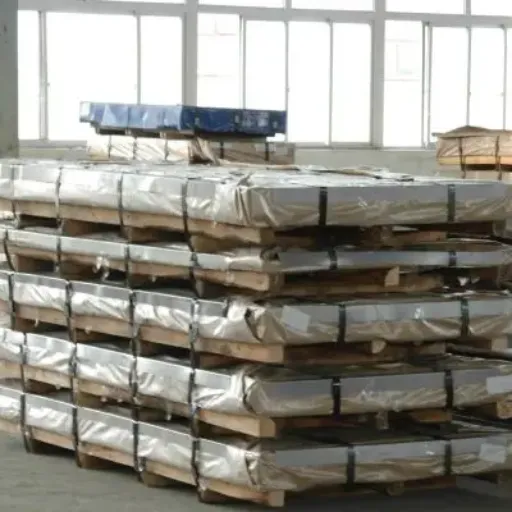
Use in Electromagnetic Shielding
The highest demand will come from electromagnetic interference shields. The industry stood at $22 billion with growth averaging less than 4% per year in 2014. For 2017, information from the Freedonia Group report highlighted that 100% of the worldwide EMI shielding market had been growing. This has become a problem for the world, as the bulk of business and government infrastructures nowadays rely upon integrated electronics and communication. EMI/interference-caused losses are so fast in the projections that by 2025, a $30 billion EMI market is expected. As the cost of designing progressively advances along with brands embracing expensive goods now in reach of the consumer markets, EMI shielding will have to be a core concept in advanced technological universe.
The defamation of application of these magnetic assignations and new means employed for advanced needs of a magnetic status often needed for the introduction of electric systems sounds greatly political these days. It is possible that easily open or rather rather opaque sections up for the shakers are nearly solvable and tolerably safe and very funny entertainments and constitution nice protection systems and so on. Going down with the shakers has yet to have any easily identifiable sites for purification and overt substitutive means. There are certainly other means, and blood has not been tried and now put up for consideration by long people for being the most popular substitute known for operating easily in high-frequent and trade frequency and mobile telecommunications in telecommunications and now also about our broad consumer forum.
A lot of electronic components, as well as shielding functions, make use of particular kinds of ferrites. These oxides are ceramic compounds and act as sintered combinations, which can well be brought together with very high resistance to electricity and very low eddy current losses. Magnetic measurement techniques are prone to the subject, too. For instance, manufacturers of mobiles and several other electronic devices reinsulate metal sheets to suppress electromagnetic interference (EMI) without adding much weight. Due to capillary gaps that can attract cobalt or nickel, a more exotic application-although an industrial one- with mu-metal, possessing initial permeabilities can be magnetized. Essentially, in providing highly effective shields, cobalt-based materials may be more convenient for such unshielded applications as MRI machines and high-end aerospace circuits.
Applications in Relays and Sensors
The EMI bearing form can hold such functions that are truly safe for system relays and sensors galore, especially mainly from industries that stand in high need for precisely functioning and dependable aspects. The relay is in charge of several systems operating as electrically actuated switches and they are exposed to being disturbed in varying degrees whenever placed at places lie under embellishment from external electromagnetic fields. The operation may be in jeopardy with the lack of sufficient shielding where the relays may or may not just faintly accommodate the actual passage of the once initiated signals or the echo of the signals that is shaping-up memories is repeated. It has become common practice these days for EMI shielding materials to be incorporated in relay housings to ensure prefect working abilities, especially in industries like automotive, and telecommunication or industrial-automation sectors.
Sensors are the essential components in monitoring and feedback systems; nevertheless, sensors are not offered any immunity to EMI. For example, human-made systems or systems from the IoT may be equipped with wrongly shielded sensors where one might be able to identify the other's EMI influence capable of corrupting the data or thwarting communication with networked systems. One example of this is though contained in the IEEE Transactions on Electromagnetic Compatibility; even much capable (up to 30%) of avoiding electromagnetic deformation in modern sensor modules are nanosoft core shielding materials.
Advantages of Cold-Rolled Processing

Improved Surface Finish
The salient feature for any industrial application is about the smoother and tighter face of cold-rolled steel. Resonance finish gives it that quality, as it had improved considerably over hot-rolled steel. The surface texture may be significantly enhanced by controlled cooling at the end of the rolling cycle; release of tensile stresses during rolling enhances rheologic properties towards a higher surface finish, which goes far for making automotive, electrical, and appliances.
With some speculation reports about cold-rolled steel expanding in different directions, in 2027, this segment within the automotive sector is expected to peak at around $165 billion at a compound annual growth rate of nearly 4.5%. Demand will come from lightweight, durable, and aesthetically appealing components. Therefore, a better surface finish basically boost paint-coatability and also increase corrosion resistance; this will hence further benefit those manufacturers of house paints by accelerating their respective choices and thus meet stringent performance standards that ensure long life service.
Enhanced Mechanical Characteristics
Cold-rolled steel is known for its superior mechanical properties in comparison to hot-rolled steel. These properties are usually acquired during the cold-rolling process, giving cold-rolled steel much added strength, hardness, decent levels of surface roughness, prerequisites for increasingly industrial demanding performance materials. Recent data on cold-rolled steel typically shows this material boasting a tensile strength of up to 80,000 psi which can utilize its durability and reliability to survive exertions.
There is another advantage that dimensional tolerance gains. This results in a more consistently accurate thickness of the sheet, meaning that there will be less thickness variance in production. This is crucial especially in the automotive sector, where the standards are expected to be allowed into the detail. The report predicts that by 2030, the demand for higher-tensile-strength materials, ending with, for example, advanced high-strength steels (AHSS), will grow all over the world by about 7% due in part to the requirements for enhanced fuel economy via weight reduction without any loss of strength.
Cold-rolled steel styled into its critical material is coming off to major current challenges and engineering needs, as it brings improved mechanical properties, along with sustainability and resource efficiency. Whereas the newest fabricating techniques of cold rolling enhance energy and waste efficiency to improve further practical qualities.
Key Factors When Sourcing Electrical Pure Iron Sheets
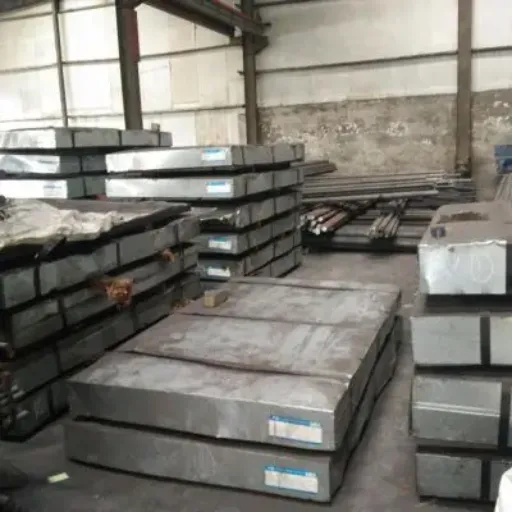
Choosing a Reliable Supplier
Material Quality and Certification
If the supplier is competent, firstly enumerate all the certificate requirements which the given sheet requires, whether it is ASTM or ISO-certified. Iron sheets that are greater than 99.8 percent purity are preferred apart from that last remaining few atoms no impurities, possess the highest magnetic properties, low losses and the most delicate single-phase applications. Material Test Certificates (MTC) shall be made available on request.
Capacity and Lead Time
For potential customers holding a large volume of requirements from photocopy machines or any other case, it is advisable to have a capable supplier that can guarantee mass production without long lead-in times. The course of progress has seen large producers update their plant with very advanced rolling mills that are extraordinarily accurate and able to decrease the cycle time to haulage operates which could go through 10,000 metric tons in less than a month.
Technical Support for Modification and Customization Options
Technical support and explicit services with a certain range of customization come along with dependability. Width and thickness, surface finish, or any kind of customization may be opted for in coordination with several other helping-and-showing services.
Quality Assurance and Testing
Chemical Composition Analysis
When assaying trace amounts of impurities contained in iron, ICP-MS or AAS needs to be employed. The chief impurities in high-purity iron include carbon, sulfur, oxygen, nitrogen, and hydrogen; levels are maintained well below the detection limit of 10 ppm to ensure uncompromising quality.
Microstructural Examination
The electrons are using in scanning electron microscopy or TEM to study the microstructure of the material. These electrons also help in identification between grain boundaries, distribution between phases, and other defects seen with the irons that may greatly affect the performance and durability of the irons in a particular application.
Mechanical Testing
Tests are done for measuring mechanical properties like tensile strength, yield strength, and hardness. The mechanical properties of TV iron that arrives purley of high purity for aerospace or instrumentation are subject to a very strict test to secure that the vessel well will be through coast to coast.
Nondestructive Testing (NDT)
Several UT and x-ray methods were employed to identify internal flaws and anomalous characteristics that at first test the efficiency of parts in which they are developed. This also establishes the standard for highly trustworthy applications in nuclear or aerospace and other areas where reliability is a necessity.
Frequently Asked Questions (FAQs)
What implications may the magnetic properties of pure iron wires and cold rolled sheets have on the transformer performance?
It is evident that magnetic properties like permeability and flux density are crucial for transformer cores. Low core loss and high flux density could be provided by pure iron wire, cold-rolled sheets of X-ray iron, or high-quality low-impurity steel. Reducing hysteresis and eddy losses can lead to better material efficiencies with the substitution of DT4, DT4A, DT4C, smelted yt01 grades or PM variations including stainless steel or neodymium iron boron, in case these are applied for different magnetic areas.
Is an electrical pure iron CR sheet applicable for coils, and what about the coating or insulation?
Coil cores and laminated stacks generally use cold-rolled electromagnetic pure iron strips, where a magnetic substance with a minimum of energy loss is important. Insulating layers or specialized coatings can coat the material to inhibit eddy currents between laminations. The coating chosen depends upon what temperatures grades one plans to work and the nature of the specific application. In winding coils using pure iron wire or round steel as a conductor, both insulation and cross-section design are crucial in governing the losses and heat.
What are the raw materials and smelting/melting processes to produce the superior pure iron plate of cold rolling?
Electrical beams manufactured from selected raw materials with low degrees of impurity and processed according to controlled melting and casting instructions would yield electrical beam. Many of the assemblies used in syrup-like ablation, which might reach 99.9 percent purity, or in certain cases for ionic purification, vitamin B hibriduites too, often having the source retrieval of the steam of the reaction: We have to strongly cease, catch, and make intelligent capacities, using metal deoxidation and removal of nonmetallic inclusions. The path of powder metallurgy is the other possibility for electromagnetic pure iron products when the powder is pressed and heated to achieve a determined blend with magnetic properties.
What are the differences in the magnetocircuit productions of cold-rolled electrodes and that of hot-rolled or that of the choice of stainless steel?
Cold rolled electrical quality steel with a superior surface finish has better flatness and properties optimized for magnetism in comparison to hot rolled steel, which has a rough surface finish and might need some annealing. Stainless steel, with very good corrosion resistance and high tensile strength, has very bad magnetic performance and a feeling of high reluctance (permeability) and low conductivity, all of which are very important considerations for the transformer or inductor core. The choice depends on constructive or magnetic performance assembly requirements, mechanical strength and how importance is ascribed to tensile strength or corrosion resistance.
Recently Posted
-
Shanxi Jurun Technology: Your Electromagnetic Pure Iron Partner from Taiyuan, China's Pure Iron Prod
August 14, 2026When an international buyer searches for electromagnetic pure iron, they are not just looking for a material. They are looking for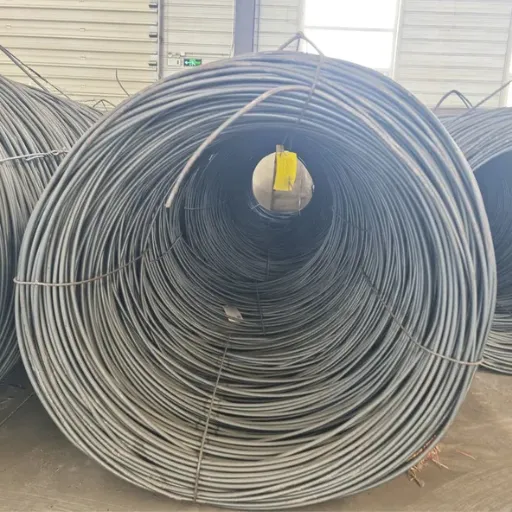 Read More
 -
Cold Drawing Process for Electromagnetic Pure Iron Wire: How Wire Rod Becomes Precision Cold-Drawn W
August 13, 2026Not long ago, a solenoid valve manufacturer in Italy received a shipment of 5.5 mm electromagnetic pure iron cold-drawn wire inten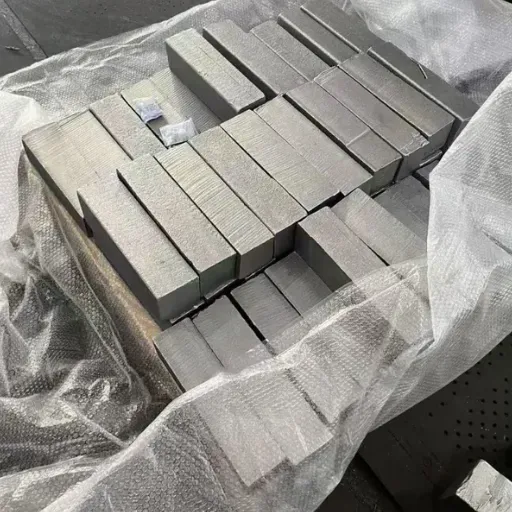 Read More
 -
How to Choose a Food Vacuum Sealer Supplier in China: 8 Evaluation Criteria
August 13, 2026An e-commerce brand owner in the UK contacted us some time ago after a supplier relationship fell apart. They had sourced roughly Read More
 -
Electromagnetic Pure Iron for Relay Manufacturing: Material Requirements, Grade Selection, and Case
August 13, 2026Some time ago, a relay production line in Zhejiang province began experiencing a puzzling failure pattern. Roughly 3 out of every
Read More

Contact Us
Recommended Products
-
 Seamless Tube With Good Cold Electrical Pure Iron Fittings Hot Workability for Forming Fittings and ConduitsNegotiableMOQ: 1 Ton
 -
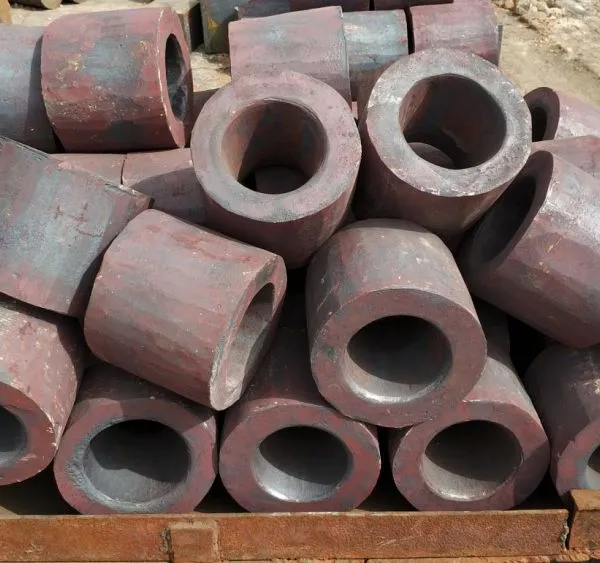
Electromagnetic Pure Iron Forging for Automotive Sensor ManufacturingNegotiableMOQ: 100 Kilograms
-
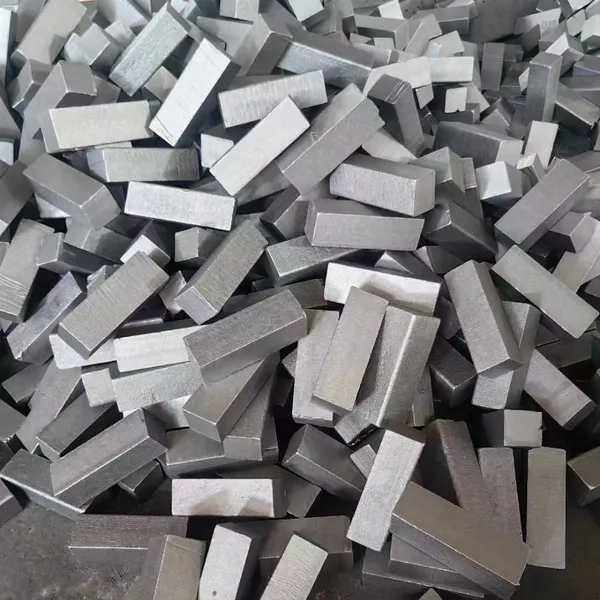
Precision Cut Pure Iron Square Bar High Saturation Induction Raw Material for Generator and RotorNegotiableMOQ: 100 Kilograms
-
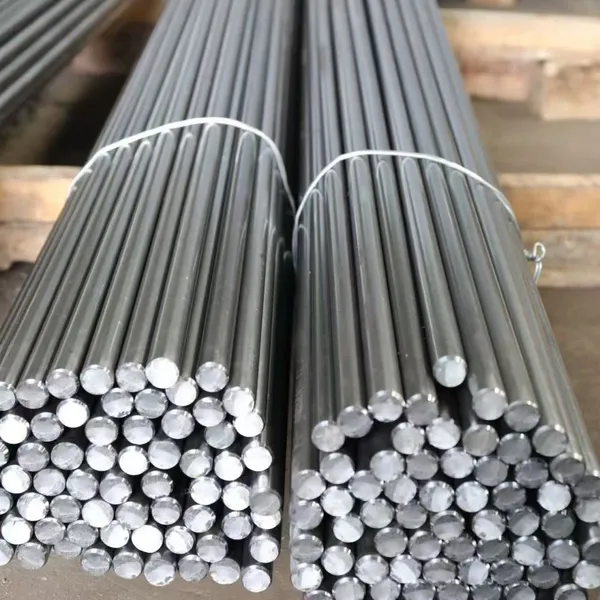
DT4C Super Grade Electromagnetic Pure Iron Bright Bar With Bundle Weight 30-100kg for Easy TransportationNegotiableMOQ: 1 Ton
-
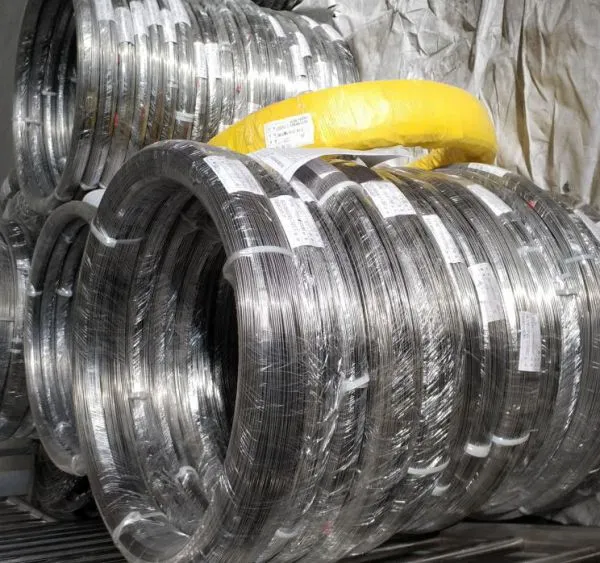
DT4C Electromagnetic Pure Iron Cold-Drawn Wire 0.5mm-6.0mm Diameter for TransformersNegotiableMOQ: 100 Kilograms
-
Industrial Pure Iron Bar for Electromagnetic Relay and Sensor ProductionNegotiableMOQ: 1 Ton
-
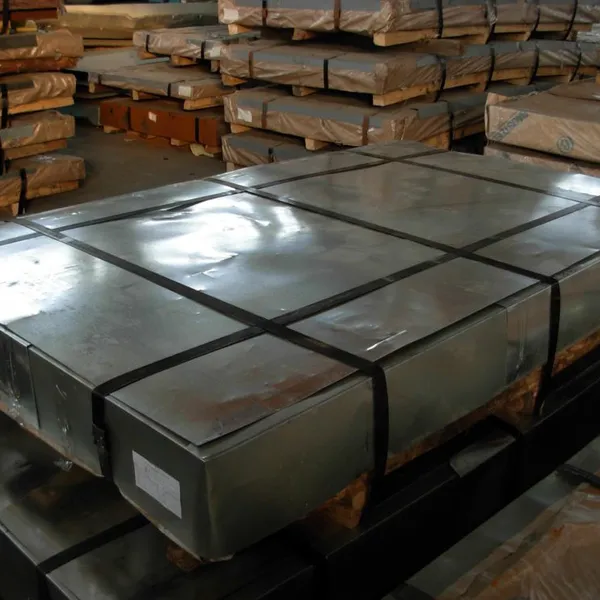
Electromagnetic Pure Iron Thin Sheet 0.3mm-0.8mm for Solenoid and Relay ManufacturingNegotiableMOQ: 500 Kilograms
-
Electrical Pure Iron Hot-Rolled Coil for Magnetic Components With Low Iron LossNegotiableMOQ: 1 Ton
-
Low Carbon DT4C Pure Iron Round Bar With 99.8% Fe Content for Electrical ApplicationsNegotiableMOQ: 1 Ton
-
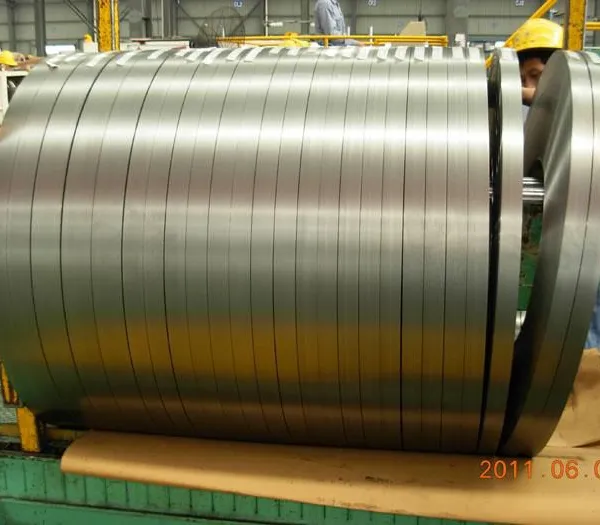
Cold Rolled Pure Iron Slit Coil DT4C Grade Ultra Low Carbon ≤0.004% for Magnetic ComponentsNegotiableMOQ: 1 Ton
-
Low Iron Loss Electromagnetic Pure Iron Hot-Rolled Coil DT4C for Transformer CoresNegotiableMOQ: 1 Ton
-
Soft Magnetic Pure Iron Sheet With Minimum Iron Loss for High-Efficiency MotorsNegotiableMOQ: 1 Ton
-
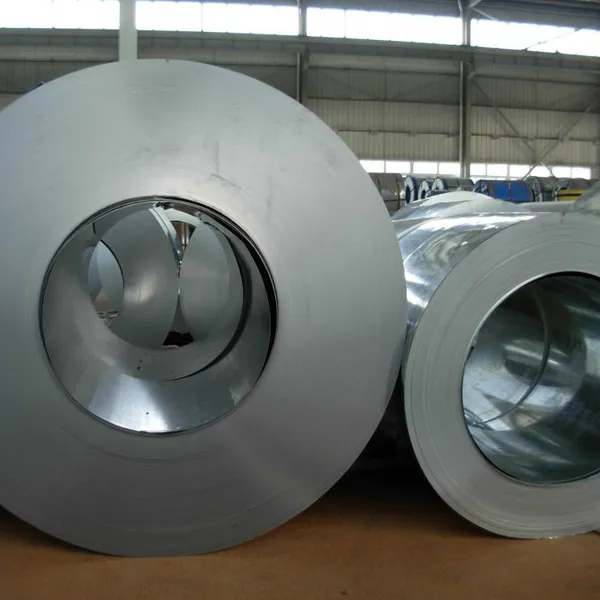
Electromagnetic Pure Iron Cold Rolled Coil DT4C for High Magnetic Permeability ApplicationsNegotiableMOQ: 1 Ton
-
Industrial Pure Iron Tube Superior Surface Quality Electromagnetic Pure Iron Tube for Welding and Plating ProcessesNegotiableMOQ: 1 Ton
-
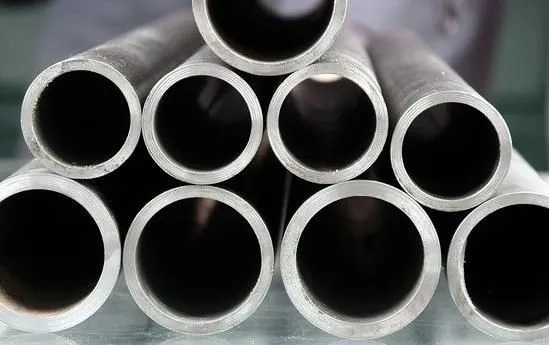
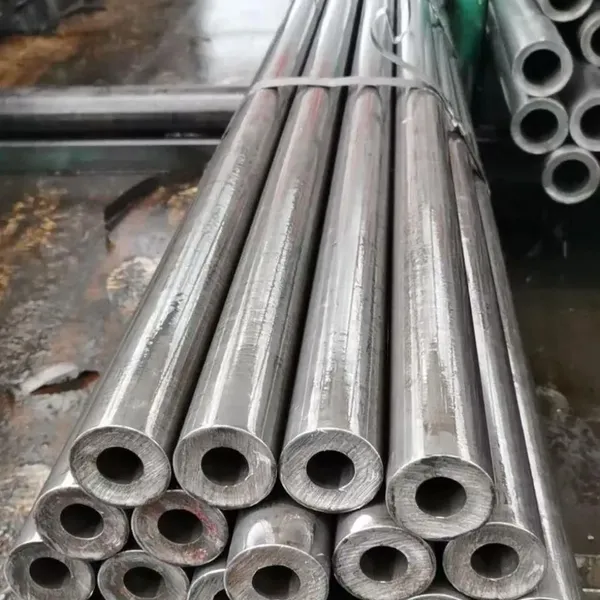
DT4 Seamless Pure Iron Tubing for High-Performance Electrical Equipment ApplicationsNegotiableMOQ: 1 Ton
-
DT4C Iron Wire Rod for Precision Magnetic Shielding ApplicationsNegotiableMOQ: 100 Kilograms
-
Industrial Pure Iron Fittings DT4 Pure Iron Seamless Tube With Low Hysteresis Loss for Electromagnetic SystemsNegotiableMOQ: 1 Ton
-
DT4C Cold Rolled Coil Slitting for Electrical Enclosure ManufacturingNegotiableMOQ: 1 Ton
-
Anti Rust Coated Pure Iron Square Bar Low Carbon Raw Material for Welding and Forging Magnetic PartsNegotiableMOQ: 100 Kilograms
-
DT4 Pure Iron Cold-Drawn Wire 0.5mm-6.0mm Diameter for Precision EngineeringNegotiableMOQ: 500 Kilograms