
 Business License

Electromagnetic Pure Iron Hot-Rolled Coil: Understanding its Properties and Applications
For most sectors, hot-rolled coil has always constituted the principal material used, but in electromagnetics, the stakes are higher. Electromagnetic pure iron hot-rolled coils were produced--vertically and inimitable size are almost addictive in terms of generation of unique advantages for various applications in fields such as automotive manufacturing, electrical engineering, and renewable energy. This article presents an in-depth exploration of the properties that make this specialist material so crucial and studies in general a large number of applications from high-efficient transformers to advanced motor technologies. If you're a manufacturer, an engineer, or just one interested to know about the innovations giving shape to the modern industrial world, this blog will give you a lot of input on how pure iron hot-rolled coils for electromagnetic fields are really changing the landscape.Find more info now.
Introduction to Electromagnetic Pure Iron

The Importance of Pure Iron in Modern Industry
Electromagnetic pure iron makes this the starting constituent for the aspiring technological network in diverse industries due to its incredible magnetic properties combined with purity and ductility features. In effect, even when it is all just about the electromagnetic practice, it is this very application of extreme nature that is still needed. Being the conductors of electromagnetic performance, the transformers, generators, and electric motors now demonstratively bear clues reminding the way how electricity has changed the most for the better. The benefactors of the electromagnetic so-and-tos are nothing else but more efficacious energy optimization. High magnetic permeability, low coercivity, and high efficiency are the features that provide this material with efficient energy transfer and extremely high coil efficiency-the two paramount factors in moving for green, renewable energy solutions.
The data available today indicates a global high-purity iron demand thrust related mainly to rising steel power requirements; by 2028 the CAGR market was expected to fix itself at more than $45 billion i.e. it was very much closely caught in the power sector by renewable energy and EV industry outgrowth. For instance, EV manufacturers now urgently need electromagnetic pure iron to prepare motor cores so as to increase the electrical system's efficiency and performance.
The advancement in the hot strip rolling process should allow the attainment of high-purity iron more significantly, guaranteeing the best materials uniformity which all spell out reduced material cost. Current rolling practices result in an output whose finish is one step better; a good thickness uniformity, as well as other improved mechanical qualities. This, quite evidently, is a corollary to industrial efforts to meet stringent protective standards and foster global trend in energy efficiency.
3.0 Electromagnetic Properties Overview
Usually vain characteristics of electromagnetic pure iron display at their full extent an advancement of magnetic efficiency with very little energy loss; here is the main gift one keeps from it-a great magnetic field energy, supplying it with much lesser energy for its manifestation. This manner shall support the ultimate application of the magnetic material itself in some of the applications it may find.
Furthermore, the potential for a slight application of magnetic force to magnetize it in opposite direction after being in saturation is due to low coercivity. This enables a minimal hysteresis, which means higher efficiency in applications dealing with higher frequency. Recent studies showed that electromagnetic-pure iron has the lowest amount of hysteresis losses (as low as Dy) going only 0.35 Watt/kg at 50 Hz and 1.5-Tesla, which makes it outperform traditional silicon steel on a certain level.
Core Sections on Electromagnetic Pure Iron Hot-Rolled Coil
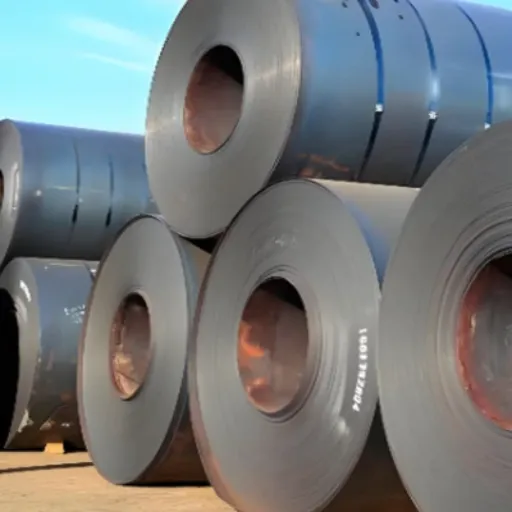
Technical Properties of Electromagnetic Pure Iron
High Magnetic Permeability
The electromagnetic pure iron has very good magnetic permeability to conduct magnetic flux efficiently. The numerical values right from the study have shown relative permeability of over 5,000. Consequently, it boosts up its magnetic induction ability.
Low Coercivity
Interestingly, furnishing iron with low coercivity status beneficially attenuates energy dissipation during the magnetization/demagnetization cycles in a manner relevant to high-powered energy systems. As indicated, a negligible Hysteresis loss in the ballpark of 1.2 W/kg would occur in practical operation as recorded using some standard frequency levels.
High Electrical Conductivity
Electrical conductivity on pure iron is excellent relative to metallic magnetic materials like it. Electrical resistivity generally does not go beyond 10-12 micro ohm centimeters. The reduction in eddy current losses is very important, especially in high-efficiency applications.
Saturation magnetization
Slightly exceeded saturation magnetization standard of magnitude 2.15 T (Teslas) provides better means of transferring as well as converting magnetic energy, with greater tribulational effects at saturation than other soft magnetic materials.
Optimizing Grain Size
Modern manufacturing standards target the development of grain size within pure iron for enhancing magnetic performance. Coordinating grain size effectively determines high permeability with the addition of 10%–15% reduction in core loss through recent research trial in material science.
Thermal Stability
Pure iron retains an even grasp with a much extended temperature range-thereby enabling it to be utilized effectively at temperatures ranging from -40°C up to 500°C, with consistent outcomes maintained on performance levels.
Advantages of the Hot-Rolling Method
Improve Workability.
If metals are hot-rolled, their ductilities and malleability are significantly enhanced, simplifying the shaping and forming of the material into the required geometries, especially needed for manufacturing monumental components or intricate geometries.
Reduced Energy Costs
After hot rolling, the hot metal doesn't heat; unlike cold rolling, it does not need to be reheated, but cold-rolling does. This ensures a great deal of energy saved, which in turn brings down the cost of operation tools for factories.
Refined Microstructure
The high-temperature process leads to a finer grain structure, which alters certain mechanical properties such as toughness and strength of the metal. At this point, otherwise difficult-to-work electromagnetic-grade iron gets its grain-refined to enhance its magnetic quality that further cements its utility in the likes of transformers for electric motors.
Scalability on the surface.
The process gets rid of the impurities and surface defects naturally, leaving dross for a fresh surface layer. Consequently, the surface of practical work in the form of hot-rolled material is normally more rough compared to cold-rolled ones. This method is more acceptable in those cases where aesthetics of the surface is not a priority.
Cost effectiveness
Comparatively, the process of hot rolling is faster and cheaper when related to a vast majority of the other processes than may be used for metal formation. Presently, the production of hot-rolled steel is 20–30 % quicker because of less manipulation of the materials and more streamlined sequences.
Target Industry Insights
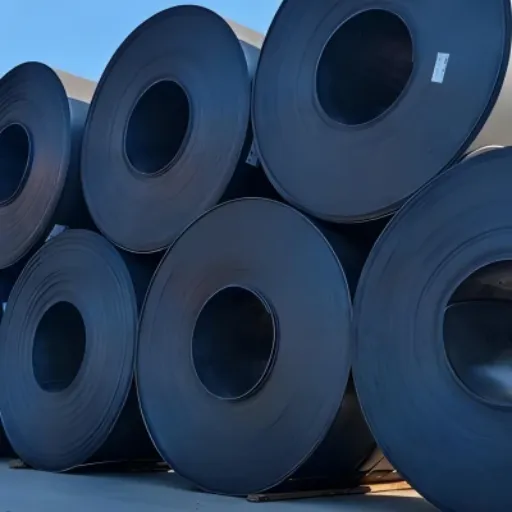
Applications in the Automotive Sector
Hotrolled steel has become a very important commodity to the automotive sector because of those factors that combine with their good malleability, strength and cost effectiveness when it encounters heavier duty in construction or safety systems. The frame, wheels, and chassis are a few examples where it is deemed feasible. These heavy-usage applications have been exposed to strict standards and the loads generated by industrial requirements while remaining dependable and durable among aggressive capacities.
The report contends that in 2022, the global automotive steel market will be worth over $110 billion; largely hot-rolled steel components rule this market. This is another positive contribution from strong and lighter-weight autobody parts in better fuel saving and emission control incentives to the automakers, that which could cause the lighter variant of hot-rolled steels capable of wielding high strength to quite thin panels—provided it fulfills safety regulations for the desired fuel-saving effect
Electric vehicles (battery housings and electrical motor components), require hot-rolled steel, an indispensable factor in the industry. As the EV market is inevitably expected to go up by 23.1% between 2023 and 2030 in growing demand, hot-rolled steel needed for manufacturing EVs is forecast to experience a noteworthy increase in demand. Furthermore, innovations in the hot-rolling process for AHSS have ensured that parts of stronger performance and less weight start to form. It has positioned hot-rolled steel as an essential necessity for the automobile design of tomorrow.
Impact on Telecommunications
In the telecom industry, the hot-rolled type of steel is essential as it provides a very strong backbone in tough conditions for some other crucial infrastructures. Telco towers that carry wireless communications require hot-rolled steel in order to keep those towers standing for the immense aspects of strength, longevity, and cost-effectiveness it embodies. Steel members can be seen in beams, piled mastinsky, power poles, or even mobile telephone base stations, which will make sure the network will go down only at minus 40 degrees centigrade.
On the path of expansion, macrosections in the global telecom industry are again up. The most interesting aspect has been the shift in infrastructure as world operators invest heavily in 5G networks. A huge sawing-off of 5G infrastructure was made just last year with the global market siz floating at about 50 percent. The 2021 valuation of the global 5G infrastructure market is an optimistic figure equivalent to almost US$9.26 billion; it is tipped to enjoy even more expansions with evaluation of the average annual growth rate beginning from 2022 through 2030. In the 5G era, the steel plate with its clamps for tall cell towers and other network infrastructure gives us such a warm romantic feeling on the cutting edge of technology.
Technical Specifications
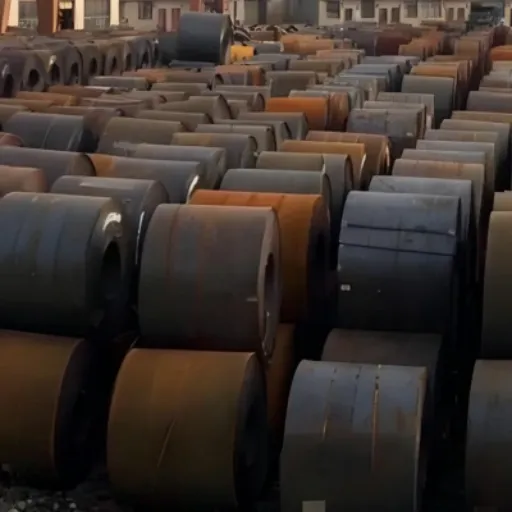
Magnetic Permeability and Coercivity
Magnetic coercive force and the permeability, fundamental to the working of materials in a transformer, an electric motor, sensors and renewable energy production systems, fall within the much-discussed magnetic materials pou-pourri. The permeability factor attaches itself to the material's ability to create a magnetic field within itself and in most situations literally acts as a "field enhancement medium." The observation here is that any conventional conductors of magnetic flux such as hot-rolled steel, with deliberately tailored-insert atoms, tend to going to such high limit where the ascending magnetic flux might further be increased by dragging higher field intensities in.
Moreover, coercivity stands for resistance in a magnetic material to being demagnetized. The materials with very low coercivity are suited for applications demanding many cycles of magnetization and demagnetization, such as in the cores of transformers or wind generators. For instance, non-oriented electrical steels used in renewable-energy technologies may be listed in the range of 100 A/m for coercivity. Its magnetic permeability ranges around 2,000 H/m, which reflects its good performance against hysteresis losses.
Advancements in steel processing-making use of low crystalizes and amorphous steel structures-can optimize these special characteristics for energy efficiency. Now, thanks to the advanced measures on the alloy doping regime, modern amorphous metallic alloys showed coercivity levels below 0.4 A/m with high permeability values in the range of 10,000 H/m. These improvements are of critical importance in the design and implementation of renewable energy technologies, which, in turn, help promote a more sustainable environment and reduce carbon production.
Conductivity and Performance Metrics
Armco Pure Iron has the additional benefit of higher electrical conductivity. This ensures the reduction of flux losses during operation and reduces stress from energy dissipation. Further, the resistivity, about 9.71 μΩ·cm at room temperature, assures that, when using low-loss components, the power efficiency shall be better, particularly at high frequencies. Among other benefits, this material presents a high value of magnetic permeability, mostly above 5000 μH/m, for rapid magnetization and demagnetization. That is why Armco Pure Iron is the most sought-after alloy in transformer cores and magnetic actuation.
Though not zero, the coercivity value contained in this material is extremely low; typically 0.3 A/m. This minimal loss of hysteresis makes this material especially efficient in a low-energy-loss environment. Blessedly pure Armco Iron has the lowest eddy current losses so it works well in the AC condition and hence relates as a plus point in the sectors of telecom, energy storage, and automotive.
Selection and Buying Guide for Suppliers
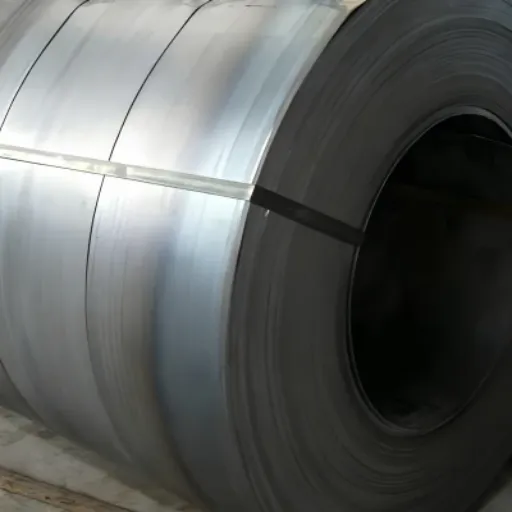
Key Factors to Consider When Sourcing Armco Pure Iron
Purety and Compliance to Standards
The purity of Armco Pure Iron is paramount in achieving the best magnetic and electrical performance. Ensure that the supplier strictly adheres to internationally accepted quality norms such as ASTM A848, formally called 'standard specification for steel forgings, commercial iron', which defines the chemical composition and performance for commercially pure iron. Purity levels of 99.85% and higher are usually required by highly precise applications.
Magnetic Properties
'Needless to say, the coercivity and magnetic permeability of the material must be checked, they determine the quality of its application in electromagnetic or transformer application.' Irons possessing the highest magnetic permeability and low coercivity-the typical characteristics of the best grades of Armco Pure Iron-hold high amounts of energy with less loss.
Dimensions and Tolerances
The level of dimensional accuracy may vary from application to application. So, having the supplier provide for customization of dimensions, shapes, and thicknesses according to the project needs becomes one of the options to consider. Check to see if the manufacturer has a provision for cutting specific shapes or versatile milling to achieve tight fits.
Logistics and the Supply Chain's Reliability
A trustworthy supply chain is a must in adhering to the given production timelines. Evaluate the inventory control capabilities, shipment time, and logistics of your supplier. Combining several distribution centres or forming partnerships gives the supplier more flexibility in circumstances of large or urgent orders when needed.
Pricing and Cost Efficiency
Although the cost fluctuates depending on the supplier and prevailing market conditions of Armco Pure Iron, there are likely volume discounts or long-term contract discounts. Balance between costs and quality not to sacrifice either but to align with your budget and operational needs for this material.
Sustainability Standards
Increasingly, industries are focused on eco-friendly practices. Therefore, confirm whether the supplier utilizes sustainable sourcing and manufacturing processes to keep the environmental footprint of producing pure iron in check.
Understanding Pricing and Market Trends
The environmental concerns from the production stage are forces that force the automotive manufacturing industry to embrace environmental paint protocols. The players in the industry should correct their ecological footprints in order to adapt and progress the green manufacturing across their sites under any kind of activity. According to the survey, at the consumer-corporation level, growing into an ecologically friendly manufacturing base, automated energy processes must, in due time, beat energy usage listing as an activity. This shows an alteration by propping the initial seed germinated towards environmental protection and conservation ineffective by the very practices that production systems undertake to strengthen market pacts to improve the competitive standard of the industry in many ways.
Courage and uncertainty are intricately related around the time stakeholders make a decision over any key questions to divert to other messy very hectic questions. A rapidly dropping supply of scarce raw materials and an increasing exchange rate for local money are a few of the hindrances to financial restructuring, competition and innovation-upgrading. With evolving levels of weighty reliability.
Frequently Asked Questions (FAQs)
How do pure iron wire and wire rod associate with hot-rolled coils for electromagnetic use?
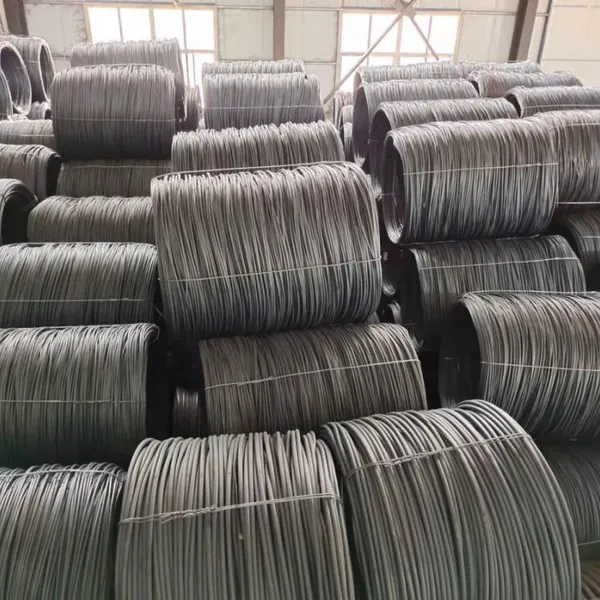
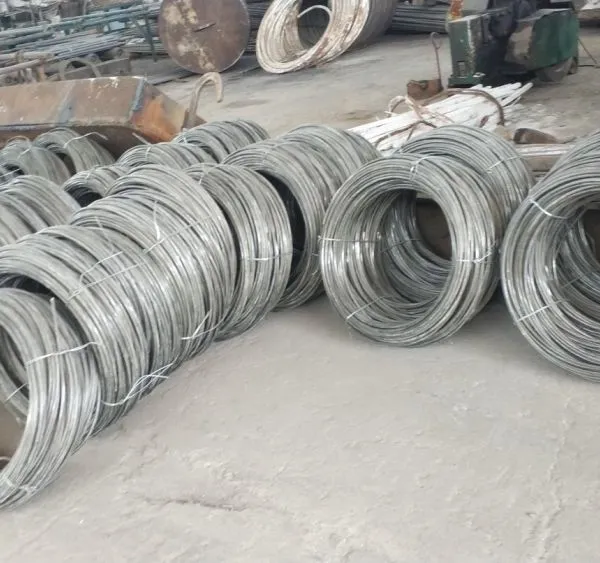
Pure iron and hot roll wire bar are derived downstream products commonly drawn from the process of hot-roll coils. Cold-drawn pure iron wire typically begins as a hot-rolled coil that is first pickled and annealed and then drawn to achieve specific diameters or round bars. Its internal structure too is conducive to the pure iron wire without gas and having high purity, but this very material has also exhibited fair electrical and thermal conductivity, low magnetic hysteresis, and is suitable for electromagnetic relays, armco iron substitute, and high precision electrical appliances.
Which material grades are used for electromagnetic pure iron hot-roll coil (dt4, dt4c, dt4a, dt4e) and their respective differences?
Commonly designated as pure iron or low iron in grades for electromagnetic applications are grades from DT4 series (dt4, dt4c, dt4a, dt4e). DT4 variants of impurity limits, carbon content ratios, and heat-treatment requirements. Usually, a cleaner chemistry or somehow modified processing for lesser gas content is represented by the grade dt4c from the DT4 line; the grades dt4a or that dt4e may present tailored-anneal schedules for even better magnet stability. Material selection is driven by desired magnetic permeability, coercivity, and production techniques like smelt control and age-softening post-cooling techniques for relays and magnets.
Might there be a possibility that electromagnetic pure iron hot-rolled coil could be used for production of magnets as well as magnetic shields, including iron plate or pure iron sheet?
Hot-rolled pure iron electromagnetic coils are rolled up to pure iron sheet or plate. They find extensive usage in magnet manufacturing, bending and focusing magnets, and other magnetic shielding applications. Their large purity loading and low-C content gives the material good electrical characteristics and reduces magnetic age so that the material is suitable for the magnetic core of a transformer, electric relay, or magnetic separation equipment. Adequate heat treatment and annealing are required in obtaining the desired magnetic state, be it a magnetized or demagnetized form.
Which are the most critical manufacturing steps-smelting, annealing, and cold drawing-that affect the properties of electromagnetic pure iron coils?
With smelting and refining, the manufacturing process gives rise to pure iron that is very low in gas content woith high purity iron. After this, the third process includes hot-rolling the iron into coils, followed by annealing in controlled atmospheres to refine the grain structure and cut down the internal stresses. The coils are then cold-drawn for wire product; wire manufactured by cold drawing from hot-rolled wire produced are pickled and further processed. Heat treating and magnetic age hardening are applied to establish the stability of the electromagnetic performance. Every process affects the internal structure, thermal conductivity, and magnetic characteristics.
Recently Posted
-
Shanxi Jurun Technology: Your Electromagnetic Pure Iron Partner from Taiyuan, China's Pure Iron Prod
August 14, 2026When an international buyer searches for electromagnetic pure iron, they are not just looking for a material. They are looking for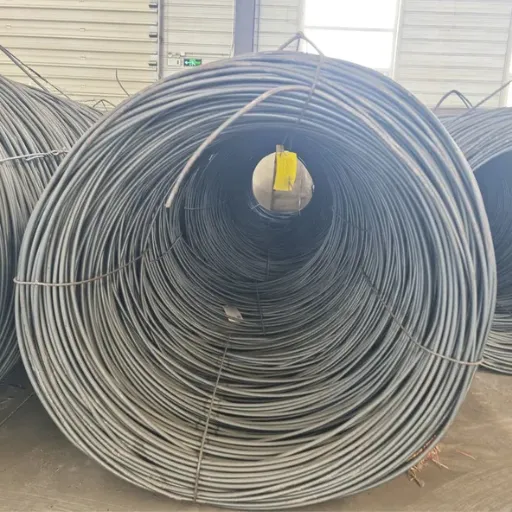 Read More
 -
Cold Drawing Process for Electromagnetic Pure Iron Wire: How Wire Rod Becomes Precision Cold-Drawn W
August 13, 2026Not long ago, a solenoid valve manufacturer in Italy received a shipment of 5.5 mm electromagnetic pure iron cold-drawn wire inten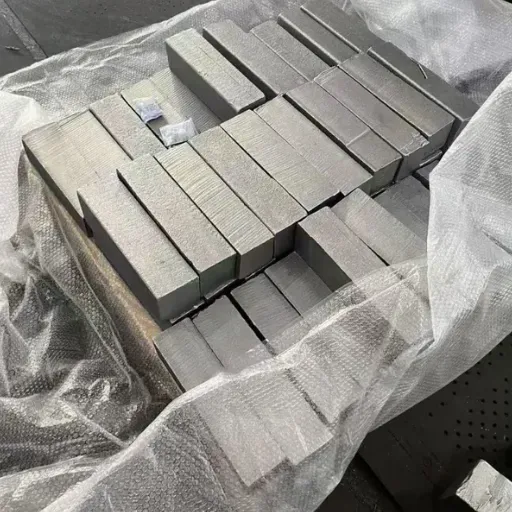 Read More
 -
How to Choose a Food Vacuum Sealer Supplier in China: 8 Evaluation Criteria
August 13, 2026An e-commerce brand owner in the UK contacted us some time ago after a supplier relationship fell apart. They had sourced roughly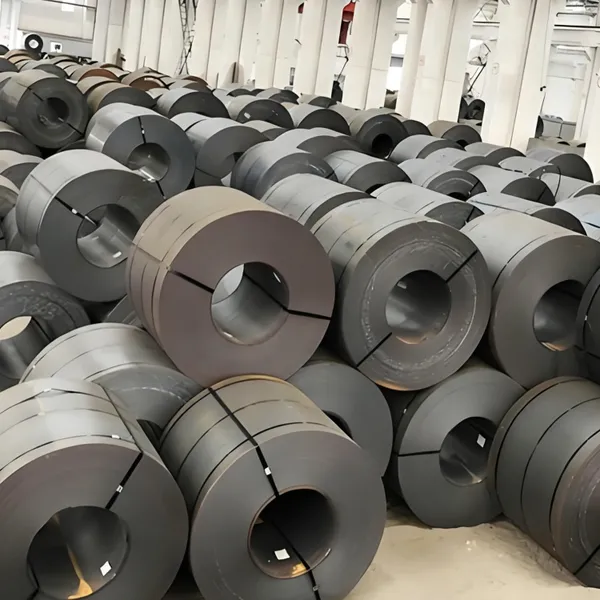 Read More
 -
Electromagnetic Pure Iron for Relay Manufacturing: Material Requirements, Grade Selection, and Case
August 13, 2026Some time ago, a relay production line in Zhejiang province began experiencing a puzzling failure pattern. Roughly 3 out of every
Read More

Contact Us
Recommended Products
-
 Seamless Tube With Good Cold Electrical Pure Iron Fittings Hot Workability for Forming Fittings and ConduitsNegotiableMOQ: 1 Ton
 -
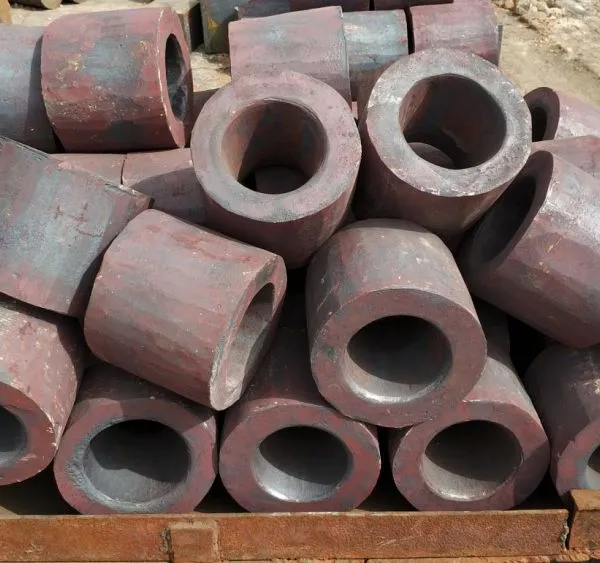
Electromagnetic Pure Iron Forging for Automotive Sensor ManufacturingNegotiableMOQ: 100 Kilograms
-
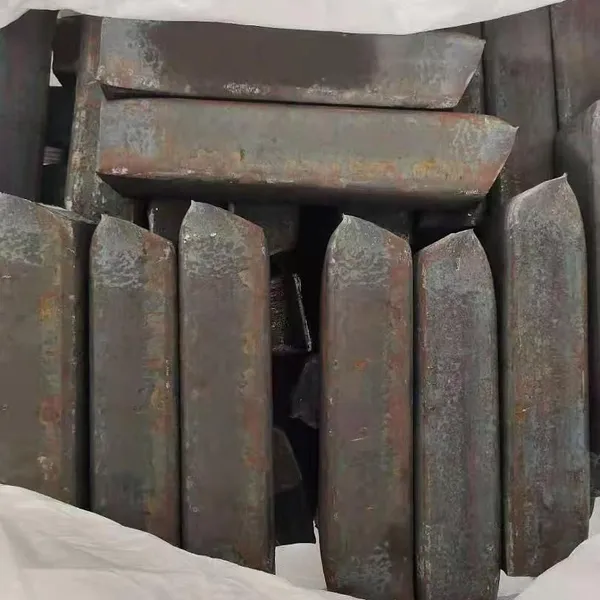
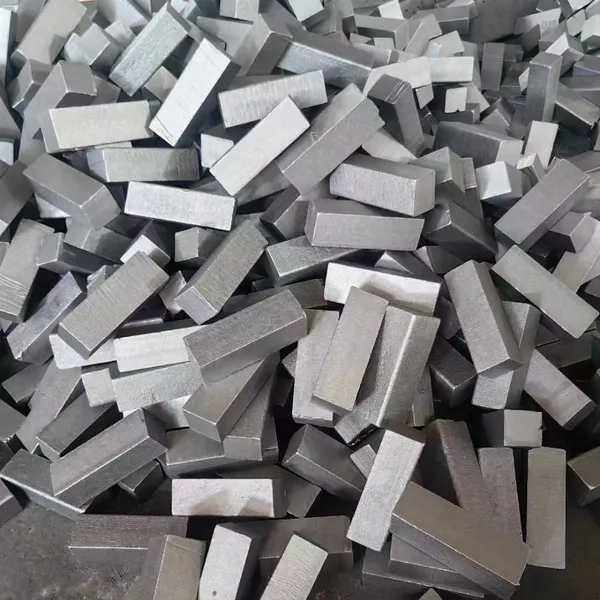
Precision Cut Pure Iron Square Bar High Saturation Induction Raw Material for Generator and RotorNegotiableMOQ: 100 Kilograms
-
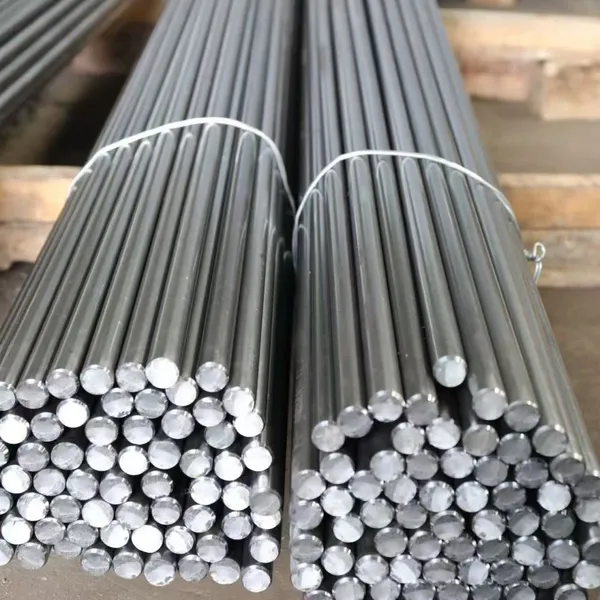
DT4C Super Grade Electromagnetic Pure Iron Bright Bar With Bundle Weight 30-100kg for Easy TransportationNegotiableMOQ: 1 Ton
-
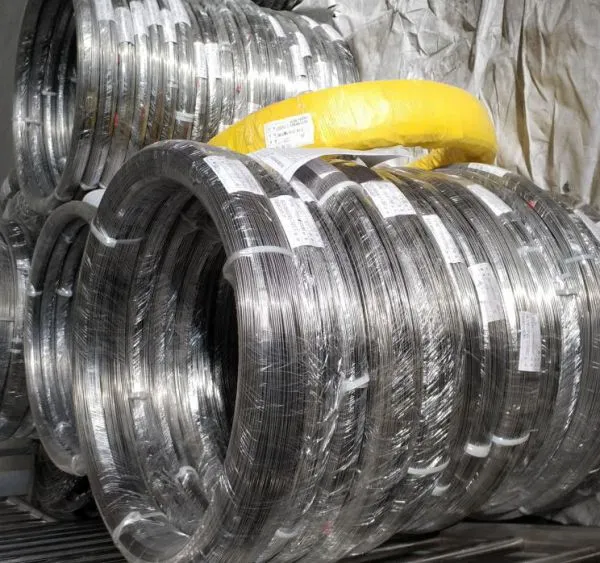
DT4C Electromagnetic Pure Iron Cold-Drawn Wire 0.5mm-6.0mm Diameter for TransformersNegotiableMOQ: 100 Kilograms
-
Industrial Pure Iron Bar for Electromagnetic Relay and Sensor ProductionNegotiableMOQ: 1 Ton
-
Electromagnetic Pure Iron Thin Sheet 0.3mm-0.8mm for Solenoid and Relay ManufacturingNegotiableMOQ: 500 Kilograms
-
Electrical Pure Iron Hot-Rolled Coil for Magnetic Components With Low Iron LossNegotiableMOQ: 1 Ton
-
Low Carbon DT4C Pure Iron Round Bar With 99.8% Fe Content for Electrical ApplicationsNegotiableMOQ: 1 Ton
-
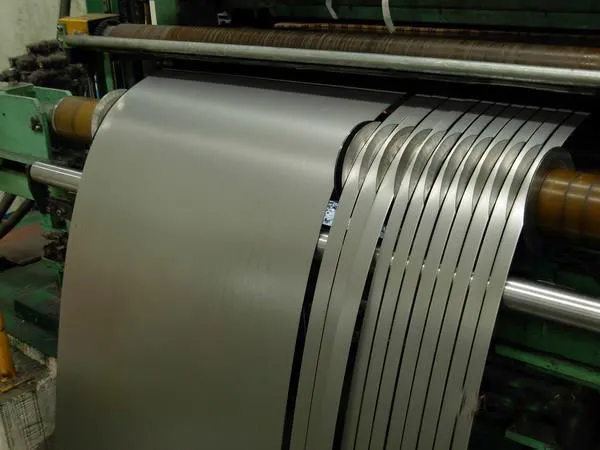
Cold Rolled Pure Iron Slit Coil DT4C Grade Ultra Low Carbon ≤0.004% for Magnetic ComponentsNegotiableMOQ: 1 Ton
-
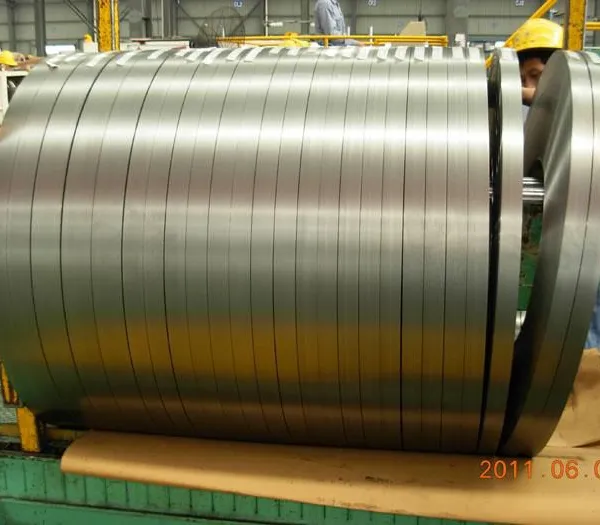
Low Iron Loss Electromagnetic Pure Iron Hot-Rolled Coil DT4C for Transformer CoresNegotiableMOQ: 1 Ton
-
Soft Magnetic Pure Iron Sheet With Minimum Iron Loss for High-Efficiency MotorsNegotiableMOQ: 1 Ton
-
Electromagnetic Pure Iron Cold Rolled Coil DT4C for High Magnetic Permeability ApplicationsNegotiableMOQ: 1 Ton
-
Industrial Pure Iron Tube Superior Surface Quality Electromagnetic Pure Iron Tube for Welding and Plating ProcessesNegotiableMOQ: 1 Ton
-
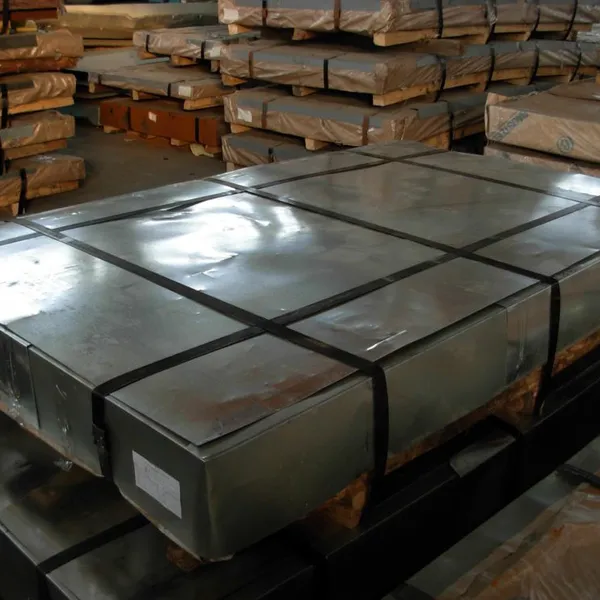
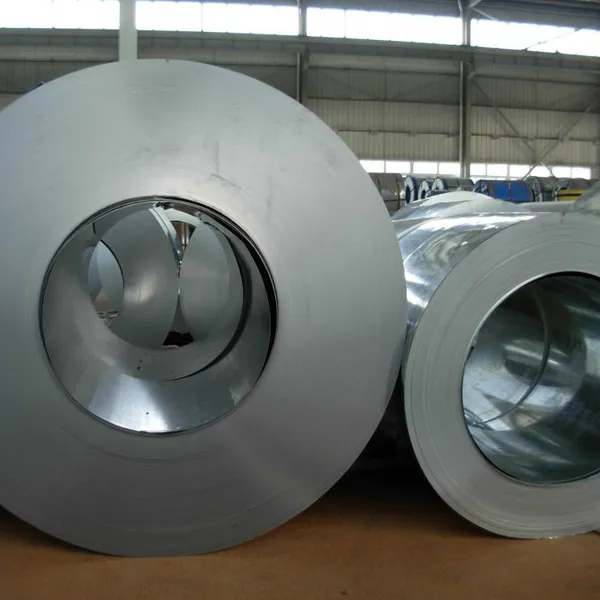
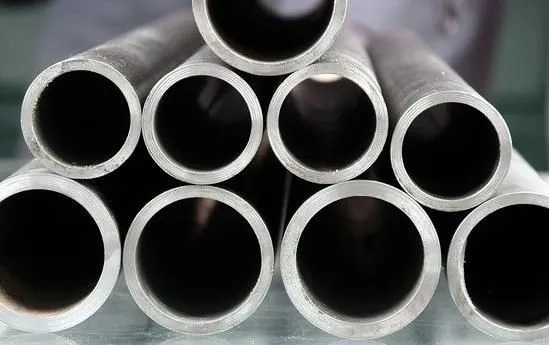
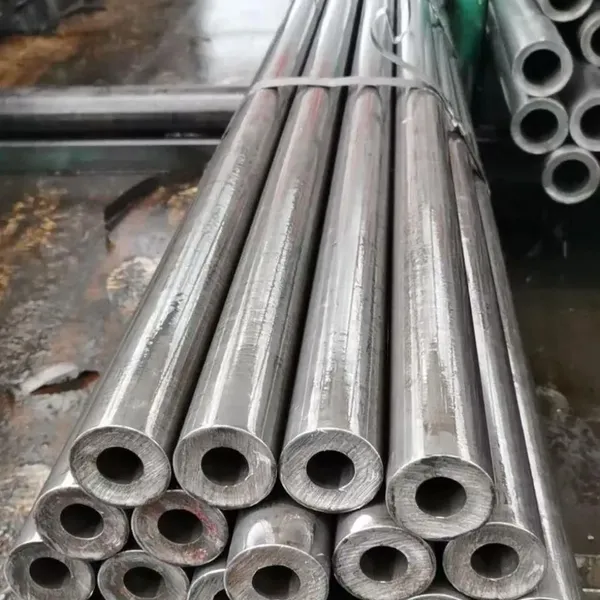
DT4 Seamless Pure Iron Tubing for High-Performance Electrical Equipment ApplicationsNegotiableMOQ: 1 Ton
-
DT4C Iron Wire Rod for Precision Magnetic Shielding ApplicationsNegotiableMOQ: 100 Kilograms
-
Industrial Pure Iron Fittings DT4 Pure Iron Seamless Tube With Low Hysteresis Loss for Electromagnetic SystemsNegotiableMOQ: 1 Ton
-
DT4C Cold Rolled Coil Slitting for Electrical Enclosure ManufacturingNegotiableMOQ: 1 Ton
-
Anti Rust Coated Pure Iron Square Bar Low Carbon Raw Material for Welding and Forging Magnetic PartsNegotiableMOQ: 100 Kilograms
-
DT4 Pure Iron Cold-Drawn Wire 0.5mm-6.0mm Diameter for Precision EngineeringNegotiableMOQ: 500 Kilograms