
 Business License

High-Purity Iron: Soft Magnetic Core for Electromagnetic Steel
High-purity iron functions as a vital component in contemporary electromagnetic technologies since it provides the essential material for high-efficiency soft magnetic core construction used in electromagnetic steel applications. The growing need for reliable electrical devices which operate at optimal efficiency requires all engineers and manufacturers to understand high-purity iron's properties and advantages. The article investigates high-purity iron's distinct characteristics which establish its value for achieving maximum electromagnetic efficiency and its increasing importance in technological development that depends on soft magnetic materials. Designers of advanced transformers and electric motor systems will find high-purity iron research useful because it provides insights that will help them create better products.Find more info now.
Introduction
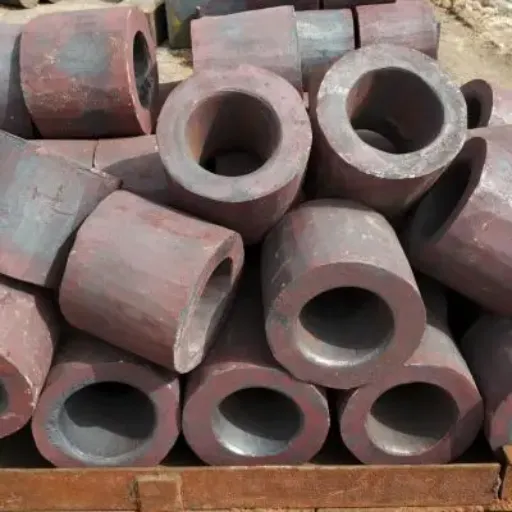
Importance of Material Purity in Electromagnetic Applications
Material purity plays an important role in determining electromagnetics in every manufacturing activity, specifically in high-end applications with high performance and precision. High-quality iron in most applications is key to soft magnetic material owing to its excellent magnetic properties with low coercive forces, high permeability, and minimal core losses. Impurities in the material tend to die the magnetic domain structure, causing energy losses and thus a decrease in efficiency.
That high-purity iron above and beyond 99.9 percent purity, inter alia, has found an increasing use in enhancing the performance of devices such as transformers, electrical motors, and electrical generators. By way of example, electrical steel made from high-purity iron is found to suffer lower energy losses sized between 20 and 40 percent compared to steel; high-purity iron became an unavoidable choice for energy-efficient designs. Furthermore, with technology like vacuum-melting with core induction and electro-melt electrowinning making them easier to produce and sustain these purity levels, this undoubtedly adds to the reliability and performance of this material.
The intensification of renewable energy systems and the global push towards energy efficiency have led to higher demand for high-purity materials. This has also taken its toll on the usable soft magnetic materials for wind turbine generators and electric vehicle motors, further becoming exceedingly lauded due to their positive performance in application. Research also states that installation of high-purity iron for electric vehicle motors is likely to improve the overall performance by up to 5%. Which bluntly translates into an ability for electric cars to run much further on the same amount of energy consumption.
Begin in the Production of High-Purity Iron
High-purity iron is to be forged which needs directions for alloy elements and conditions, yielding a flow of equilibrium with the object, so as to realize the quality of a material used in electric vehicle motors, aerospace parts, or in certain electromagnetic systems. Careful segregation and pressing of steel under high pressure and controlled conditions are the dynamics of how it is done. This would ensure a better texture of grains, less porosity, and improved strength with ductility to C purity limits.
This has enhanced forging techniques to improve efficiency, ensuring that the purity of the material improves further. One example of the contributions of this endeavor, so far as expected for further purity development in the course of precision forging, is a situation of the bounds ultimately being set on the magnet properties of the iron due to purity in sulfur, phosphorus, and oxygen. Marked as assisting standardization and quintessential knowledge on the subject, vacuum treatment of steel, during the forging process, reduces exponentially the impurities in steel. As seen from this perspective, the industry "knows" that purity can be achieved after some steel products are amalgamated after the industrially accepted sulfur levels are limited to 0.002% by weight and phosphorus to 0.015% by weight.
Besides this, the consistency that helps all the material depart, thereby retaining the physical properties of the iron throughout the structure. Included in these studies is an increase of about 25% in the magnetic property of high-purity forged iron, an indication of the improved efficiency and performance of electric motors in which this is an essential parameter. Similarly, high consistency contributes demonstrably to low energy losses attributed to hysteresis and eddy currents, which are very important in electromagnetic processes.
Properties of Electromagnetic Pure Iron
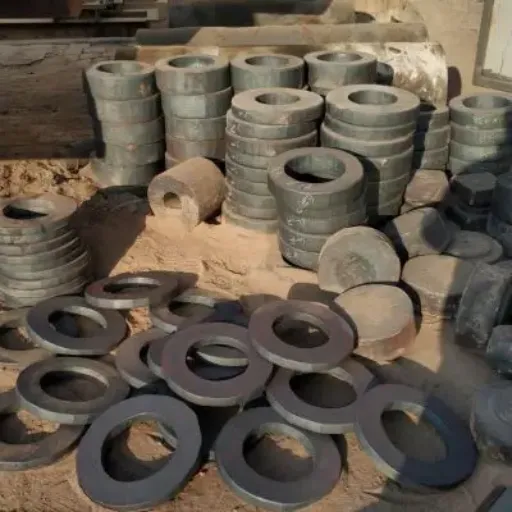
Characteristics of High-Purity Iron
Excellent Magnetic Permeability
Unlike every common array of iron, high-purity iron exhibits excellent magnetic permeability. Thus, making it an ideal candidate for various electrical applications in transformers, generators, and magnetic shields. Apart from this element, now, it also has the highest magnetic saturation of greater than 2.15 Tesla that greatly helps in carrying energy efficiently.
Low Coercivity
Less than 10 A/m is the valued approximate coercivity of high purity iron thus making for reduced hysteresis losses and low dissipation of energy during the magnetic cycle; an aspect that will largely increase its efficiency in case of bulk materials that are cyclically magnetized.
High Electric Conduction
High-purity iron resistance is 9.71×10⁻⁸ ohm-meters which can constitute a very high level of electric conductivity while still being at room temperature. This is instrumental in reducing energy losses resulting from eddy currents. Thus, its application could save substantial energy and also highly promote overall performance leading to a practical saving in effort.
Magnetic Properties and Their Importance
The sort of impurities makes a difference in achieving high-grade quality of material for application. They give the material unique magnetic properties as well and thereby manage the advancement of science. High magnetic permeability means magnetic flux can affect it, which is useful in the production of electromagnets, transformers, and motors. Novell, on the other hand, it is notable in that high-purity iron, in its low coercivity, ensures less energy converts in the form of heat during magnetization/de-magnetization processes and thus one can expect, that is, double energy conversion.
The use of even more pure iron-core cuts down core loss, adding a further notch to efficiency, precisely for those systems that come into play for renewable energy. Compared to normal electric steels, transformer materials made of 99.99% pure will keep others in the shade by dropping coreloss by 30%, as per the industry. This is particularly important towards the high-frequency application, as is common with aerospace technologies and high-tech communication devices, where precision and reliability are front-of-mind.
The Forging Process in Manufacturing Pure Iron
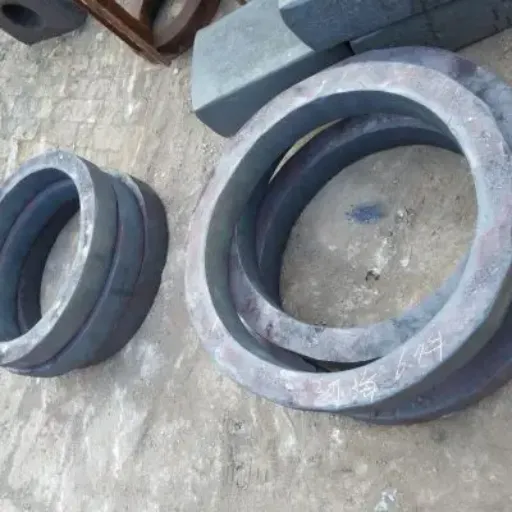
Advantages of Forging Over Other Manufacturing Methods
High Tensile and Toughness
Frorn the metallurgical point of view, forging has been known to strengthen the grain sructure of the metal thus increasing its mechanical and fatigue properties up to 25 to 30 percent if compared to precision casting. Also, the value goes up to 37% in crack formation and fatigue strength. No doubt, forging is the ideal choice in applications of high-stress levels needing performance and longevity, viz. automotive/aerospace/ construction industries.
Material Efficiency
In the majority of cases, waste materials are prone to be generated during the process of machining, being on the higher side in the neighborhood of 50 percent in some cases, whereas forging leads to lesser machining material thereby being cost-effective and environmentally friendly particularly in the dear metals-like titanium and high-grade steel.
Shapes and Sizes Variability
The forging methods of today, especially closed-die and open-die forging, favor a bit of variety concerning part sizes and types. The technique allows companies to forge parts starting from small precision tools for light weight, up to heavy industrial parts weighing in at 500 tons or well beyond. Such flexibility means that total client satisfaction is never compromised irrespective of industrial demand.
Heat and Corrosion Resistance
Forging changes the material's microstructure such that it is much more thermally stable and corrosion-resistant as compared to when it is cast or welded. Hence, forged parts are best suited for extreme environmental conditions such as oil and gas pipeline or high-temperature machinery applications.
Process of Direct Reduction–Melting Separation
Direct reduction: This phase involves converting iron ore into solid metal by using a reducing agent-like coke or natural gas-for the elimination of traditional blast furnaces initiative, which results in notably less carbon and energy consumption. Reports say that DRI emits 40% less CO₂ as compared to traditional processes.
Melting Separation: By the time the solid metal undergoes direct reduction, it is then melted in a specialized furnace. In the present step, the impurities(slag) are separated from the molten metal-related to differences in their densities. A good amount for energy use occurs by the melting techniques used for induction or plasma furnaces whereby up to 20% energy can be saved compared with conventional practice.
Industrial Applications of Electromagnetic Pure Iron
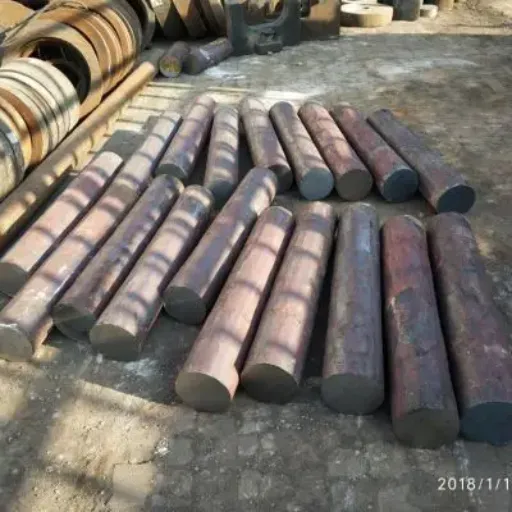
Utilization in Magnetic Flux Shielding
Cold sprayed pure iron has very unique features, making it an ideal material for use as a shielding layer against magnetic flux. Pure iron, which has very high magnetic permeability and at the same time little coercivity, soaks in and confines magnetic flux nicely. This is important in various industries such as electronics, automotive, and energy-where electromagnetic interference (EMI) is a big issue.
Recent findings of an argument are that cold-sprayed pure iron emerges with higher mechanical strength and structural integrity compared to the conventionally produced pure iron. Phenomenal here is that this method is mainly known to benefit from the increment in over 20% of the density with low porosity, ultimately shielding capacitors for efficient utilization of magnetic shielding. Cold-sprayed iron, applied in electric vehicle motor housings, diminishes magnetic-field lines' leakage and results in an improved energy efficiency, leading to a 5% to 10% energy gain. It is important to extend unto the studies implemented into affirming EMI displacement by 15% when applied to the shielding of sensitive electronic equipment.
Applications in Relays and Solenoids
The use of modern electromagnetic shielding materials for cold spraying has especially been effective when working with relays and solenoids for electrical output and reliability reasons. The pain of relays or the solenoids usually gets much worse in electrically noisy environments, where electromagnetic interference (EMI) disrupts functionality and reduces its performance or causes their failure. Refining and conditioning materials from which to derive cold-sprayed coatings have ensured that they are less influenced by and more stable noiselessly compared to the past.
However, the electromagnetic coating of cold spray is quite appealing with its conventional coverage and finishing along conferring expertise over geometries; the novelty of the corresponding paradigm lies in its usefulness for two-dimensional relay and solenoid designs in the process. Recent observations have shown that smooth or even nano-coating with a thickness of the order of less than a micron may reduce EMI with a margin of at least 20% to enhance signal fidelity and decrease chisel cut losses-both analysts guess in millions. Consistently, in view of the phenomenal applications blooming in recent times in chip linkage environments, coatings, thus, might prove to be more economical compared to just having the latter being corrupted as corrosion and wear go through the same natural course, hence increasing the lifecycling intended for such high slope signal-carrying commodity.
The automotive, aerospace, and industrial automation sectors utilize an increasing number of state-of-the-art relays and solenoids. Innovations have made the use of such devices more beneficial than ever before. Let us take a battery-management system installed in electric vehicles (EV), where the relay's operation needs to be precise and crucially electromagnetic shielding is a protective mechanism for safety and high performance. The solenoids in fuel systems in aircraft and on manufacturing lines equally lean heavily toward these protection mechanisms needed for continuous strong performance in rough environments.
Quality Standards and Material Grades
Quality Control Measures in Manufacturing
1. Advanced & Rigorous Material Selection
The manufacturing process begins with material selection under optimal conditions concerning quality and cleanliness in the strictest sense. The primary interest lies in spotting materials with fewer impurities or none at all, validated by highly advanced spectroscopy for their purity. A reduction in impurity levels by about 85% could be attained by selecting the right material even before additional refining.
2. Real-Time Monitoring of the Process
Sensor technology and automated control systems are harnessed in conjunction with sophisticated signaling algorithms, and clever real-time monitoring ensures they deliver real-time feedback on the actual system behavior. The setup ensures a continuous monitoring of pressure, temperature, product characteristics, and whatever major variables they need to try to prevent the development of deviations. Real-time process control has been found to enable a good product quality consistency approximately 22% of the time.
3. Refining Techniques in the Real Sense
For example, vacuum arc remelting (VAR) and electron beam melting (EBM) are some of the highly sophisticated methods used to achieve the unavoidably required 99.99% purity concerning the removal of these essential technologies. These methods are used to remove the impurities of sulfur and phosphorus from the material, which may affect the material's quality. It was noticed that elimination of the minor elements with the help of these vacuum-type methods was to exhibit a 95% plus figure.
4. Nondestructive Testing (NDT)
Nondestructive test methods are monitoring their properties so as to evaluate the physical structure of pure iron without altering the material. One common set of methods is the ultrasonic and X-ray process of testing. For example, ultrasonic scanning is sensitive enough to detect flaws even as small as 0.1 mm deep into the material's structure, which is undoubtedly a sure test of the highest-quality products.
Standards for Electromagnetic Applications
ASTM Standard A848
ASTM A848 contains provisions which are applicable to recrystallized low-carbon magnetic iron, a special material of exceptionally high magnetic permeability and extremely low hysteresis loss. It is essential that material qualities comply with these standards to exhibit a full value of 20,000 G (2T) magnetic saturation, together with a tenth or less of 0.2 Oe (16 A/m) coercive force Hc. In a specific environment and application experiments, such possible industrial applications might include microminiature electromagnetic systems of high sensitivity.
IEC 60404
The International Electrotechnical Commission (IEC) prepared IEC 60404, a series about "Magnetic materials." Therefore, the IEC 60404 series applies to electrical steel strip and sheet used for magnetic cores. Many parameters are considered, each spotlighted in assortment; permeability is used as the standard for measuring magnetic losses and the thickness of laminations, and other numerous attributes. For instance, special grades like M-0 have core losses lower than 0.8 W/kg at 1.5 T at 50 Hz, a commendable quality for the vast majority of energy-saving applications within the electrical equipment sector.
Material Purity and Performance
Direct experiments showed that nanofibers in fact turn into nanorods. It was seen that the material can become superconducting even at moderately high temperatures and magnetic fields. It is interesting to note that our group noted supercurrent ratios as high as 200 in a special kind of high-resolution scanning electron microscope (HRSEM) as a consequence of obtaining high-resolution, detailed images.
Frequently Asked Questions (FAQs)
core: How does forging affect the core properties of pure iron for an electromagnetic application?
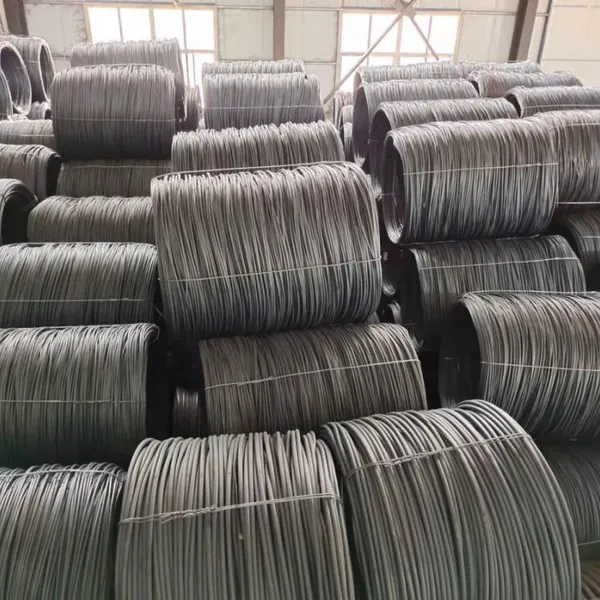
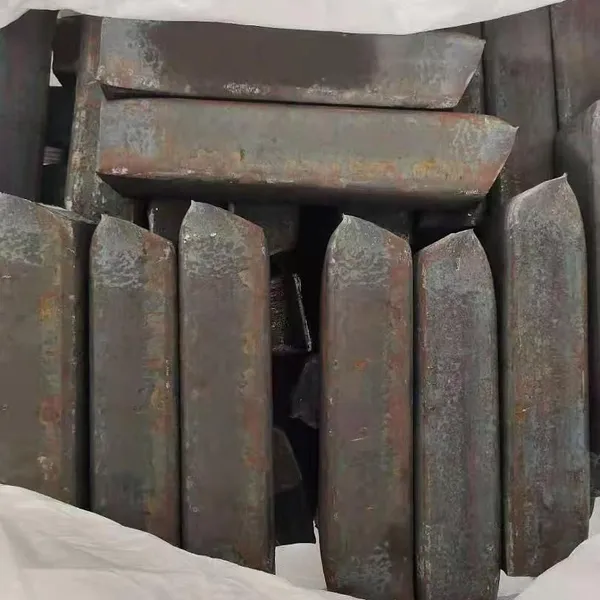
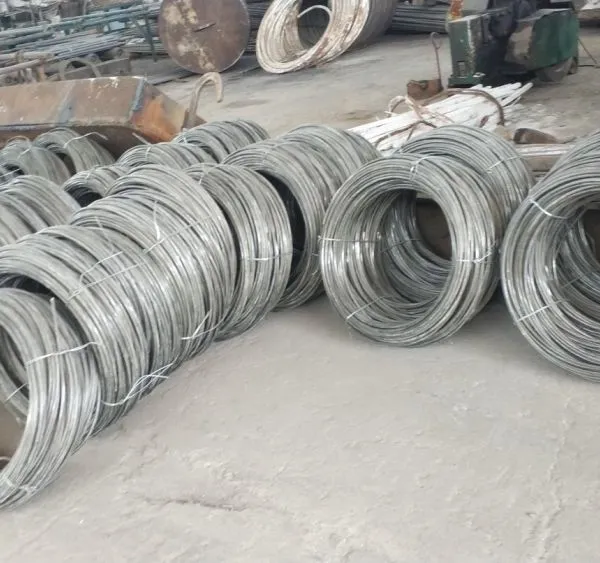
Cold or hot forging treatments performed by refining the crystal structure of pure iron wire, strip or ingot and formation or increasing of directional grains in respect to magnetic flux thickness. Heat treatment and annealing stages applied to pure iron relieve the stresses that might result from working the metal, thereby increasing permeability and B while cutting down loss. Alloying additions or even oxide-forming oxygen will drastically change the properties, hence, wrought iron or armco grades are the metal of choice in low impurity cases for electromagnetic cores.
pure iron strip: What is the use of pure iron strip in the shielding of magnetic flux and cores?
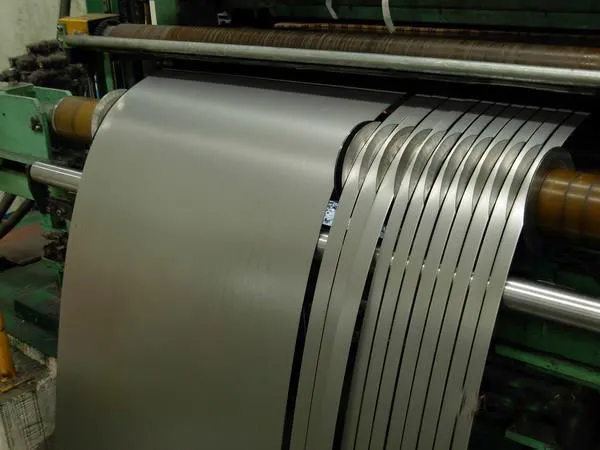
Both pure iron strip and electromagnetic pure iron are used for magnetic flux shielding and transformer cores since they can carry out magnetic flux efficiently and protect it due to highly saturated magnetic strip iron characteristics and for being soft. The magnetic flux-satisfied process towards a strip is often subject to subsequent rolling or melting and subsequent thinning; under those conditions process annealing, there occurs formation of the lowest coercivity accompanied by the possibility of low iron loss, respectively, as these respects depend on high levels of control over chemical composition.
electromagnetic pure iron forging: how important is its chemical composition for the same?
The chemical composition does matter: even impurities, say Si, C, S, and O2 are all going to alter the magnetic properties of a pure metal-or intentionally alloying elements may do so. Centers were high in purity specs at 99.99% pure or more so as to keep down the alloy elements in order to heighten the magnetic flux density while decreasing the iron losses. Certainly, control of reduction of iron ore, the melting process, and the following forging/heat treatment is required for the formation of a very pure deposit of iron with the desired properties.
Recently Posted
-
Shanxi Jurun Technology: Your Electromagnetic Pure Iron Partner from Taiyuan, China's Pure Iron Prod
August 14, 2026When an international buyer searches for electromagnetic pure iron, they are not just looking for a material. They are looking for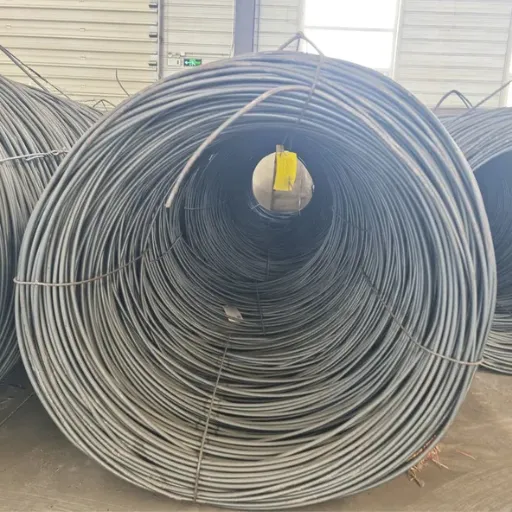 Read More
 -
Cold Drawing Process for Electromagnetic Pure Iron Wire: How Wire Rod Becomes Precision Cold-Drawn W
August 13, 2026Not long ago, a solenoid valve manufacturer in Italy received a shipment of 5.5 mm electromagnetic pure iron cold-drawn wire inten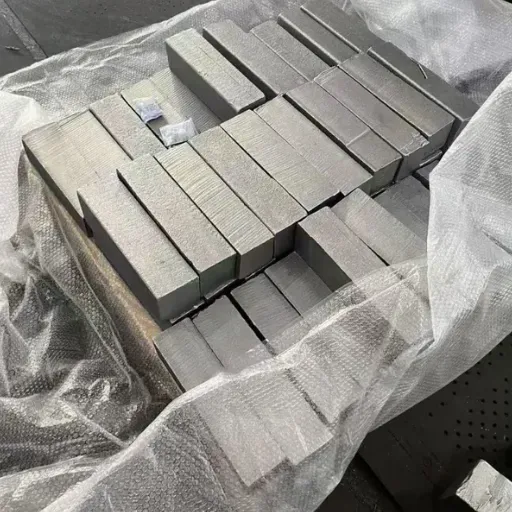 Read More
 -
How to Choose a Food Vacuum Sealer Supplier in China: 8 Evaluation Criteria
August 13, 2026An e-commerce brand owner in the UK contacted us some time ago after a supplier relationship fell apart. They had sourced roughly Read More
 -
Electromagnetic Pure Iron for Relay Manufacturing: Material Requirements, Grade Selection, and Case
August 13, 2026Some time ago, a relay production line in Zhejiang province began experiencing a puzzling failure pattern. Roughly 3 out of every
Read More

Contact Us
Recommended Products
-
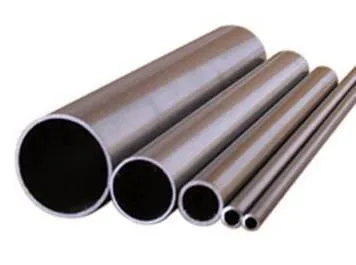
 Seamless Tube With Good Cold Electrical Pure Iron Fittings Hot Workability for Forming Fittings and ConduitsNegotiableMOQ: 1 Ton
 -
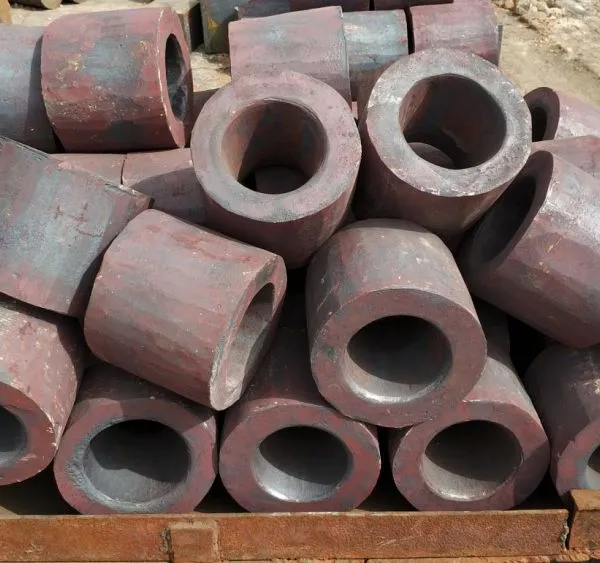
Electromagnetic Pure Iron Forging for Automotive Sensor ManufacturingNegotiableMOQ: 100 Kilograms
-
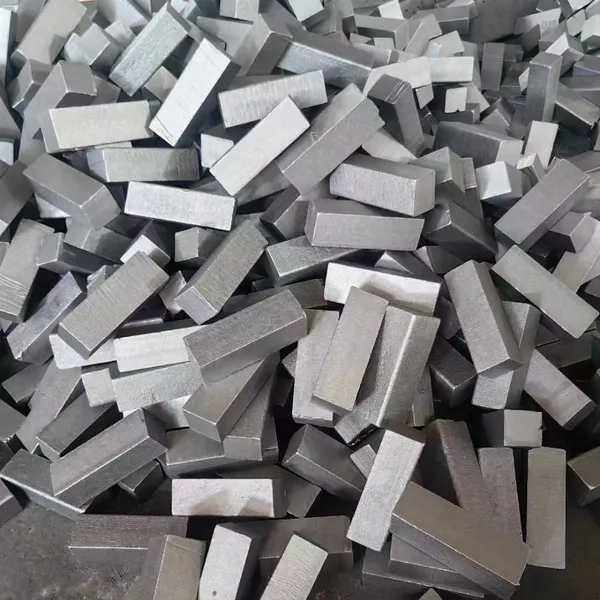
Precision Cut Pure Iron Square Bar High Saturation Induction Raw Material for Generator and RotorNegotiableMOQ: 100 Kilograms
-
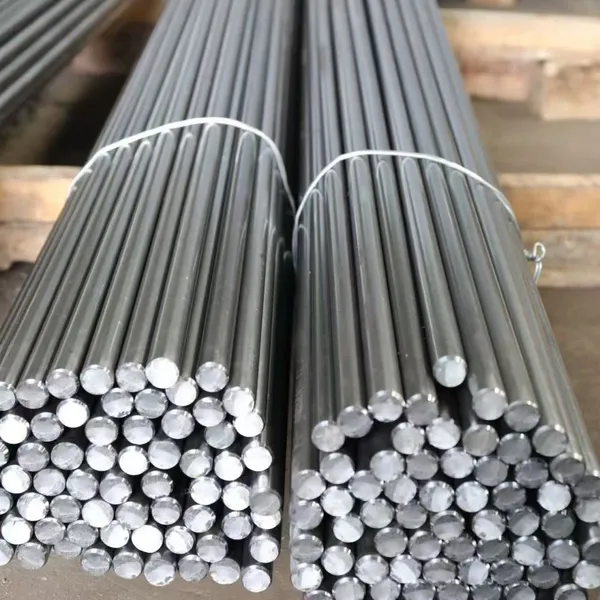
DT4C Super Grade Electromagnetic Pure Iron Bright Bar With Bundle Weight 30-100kg for Easy TransportationNegotiableMOQ: 1 Ton
-
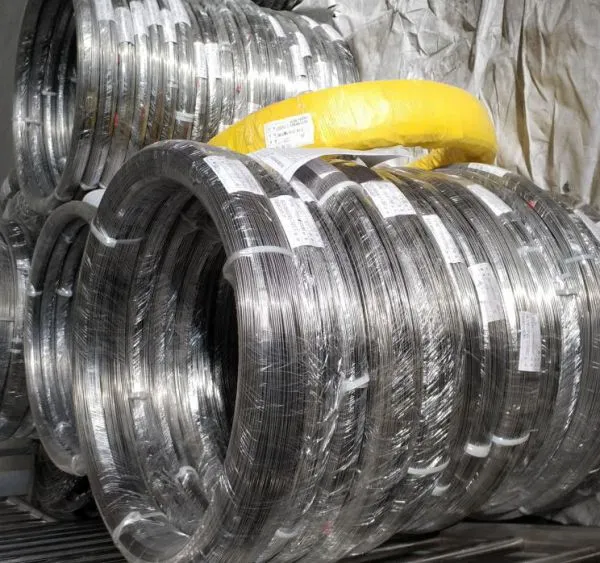
DT4C Electromagnetic Pure Iron Cold-Drawn Wire 0.5mm-6.0mm Diameter for TransformersNegotiableMOQ: 100 Kilograms
-
Industrial Pure Iron Bar for Electromagnetic Relay and Sensor ProductionNegotiableMOQ: 1 Ton
-
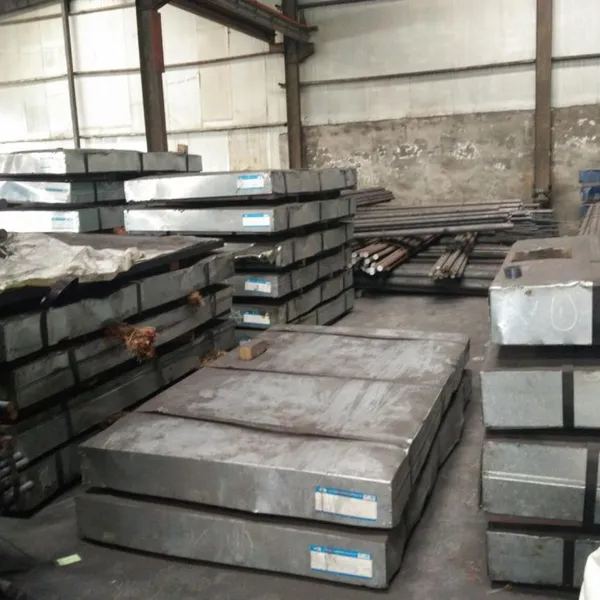
Electromagnetic Pure Iron Thin Sheet 0.3mm-0.8mm for Solenoid and Relay ManufacturingNegotiableMOQ: 500 Kilograms
-
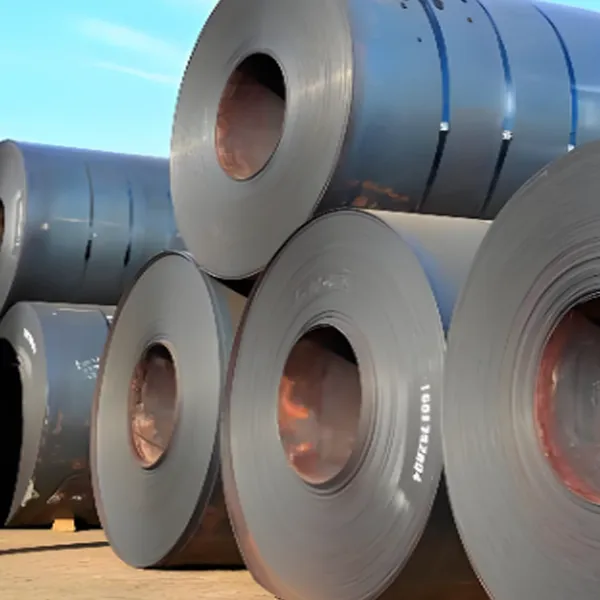
Electrical Pure Iron Hot-Rolled Coil for Magnetic Components With Low Iron LossNegotiableMOQ: 1 Ton
-
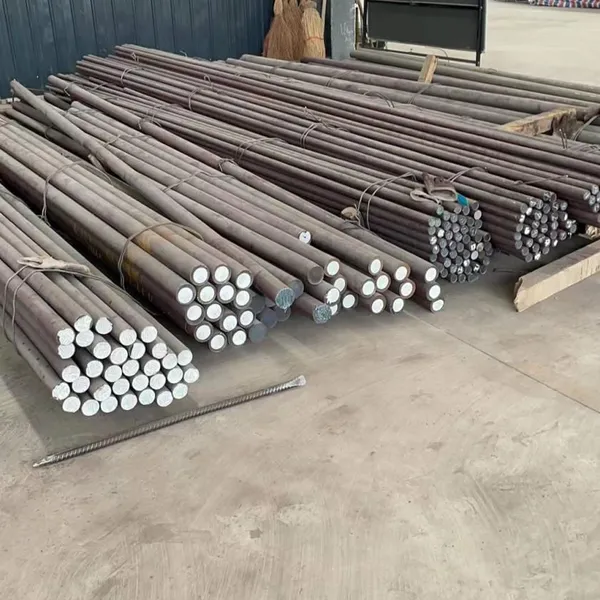
Low Carbon DT4C Pure Iron Round Bar With 99.8% Fe Content for Electrical ApplicationsNegotiableMOQ: 1 Ton
-
Cold Rolled Pure Iron Slit Coil DT4C Grade Ultra Low Carbon ≤0.004% for Magnetic ComponentsNegotiableMOQ: 1 Ton
-
Low Iron Loss Electromagnetic Pure Iron Hot-Rolled Coil DT4C for Transformer CoresNegotiableMOQ: 1 Ton
-
Soft Magnetic Pure Iron Sheet With Minimum Iron Loss for High-Efficiency MotorsNegotiableMOQ: 1 Ton
-
Electromagnetic Pure Iron Cold Rolled Coil DT4C for High Magnetic Permeability ApplicationsNegotiableMOQ: 1 Ton
-
Industrial Pure Iron Tube Superior Surface Quality Electromagnetic Pure Iron Tube for Welding and Plating ProcessesNegotiableMOQ: 1 Ton
-
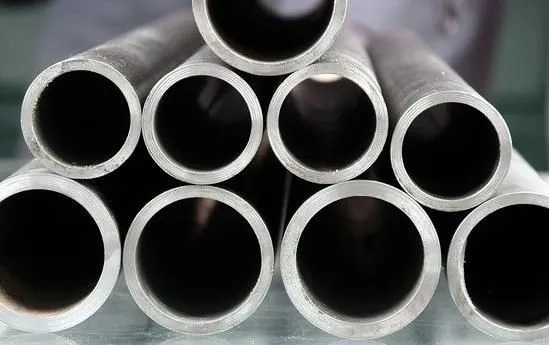
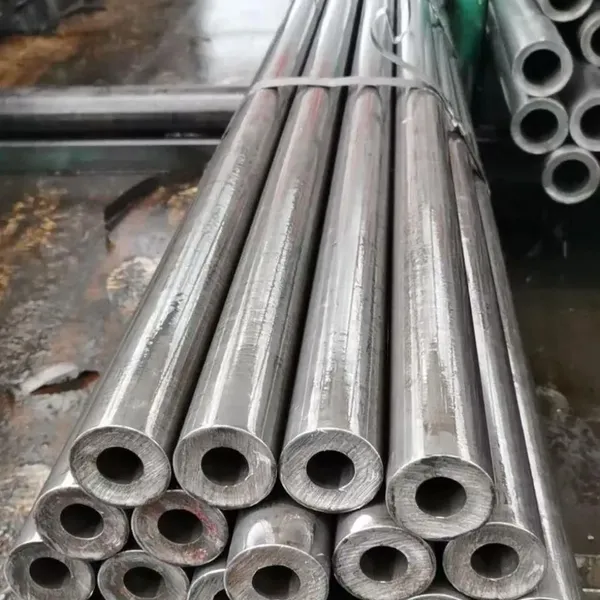
DT4 Seamless Pure Iron Tubing for High-Performance Electrical Equipment ApplicationsNegotiableMOQ: 1 Ton
-
DT4C Iron Wire Rod for Precision Magnetic Shielding ApplicationsNegotiableMOQ: 100 Kilograms
-
Industrial Pure Iron Fittings DT4 Pure Iron Seamless Tube With Low Hysteresis Loss for Electromagnetic SystemsNegotiableMOQ: 1 Ton
-
DT4C Cold Rolled Coil Slitting for Electrical Enclosure ManufacturingNegotiableMOQ: 1 Ton
-
Anti Rust Coated Pure Iron Square Bar Low Carbon Raw Material for Welding and Forging Magnetic PartsNegotiableMOQ: 100 Kilograms
-
DT4 Pure Iron Cold-Drawn Wire 0.5mm-6.0mm Diameter for Precision EngineeringNegotiableMOQ: 500 Kilograms