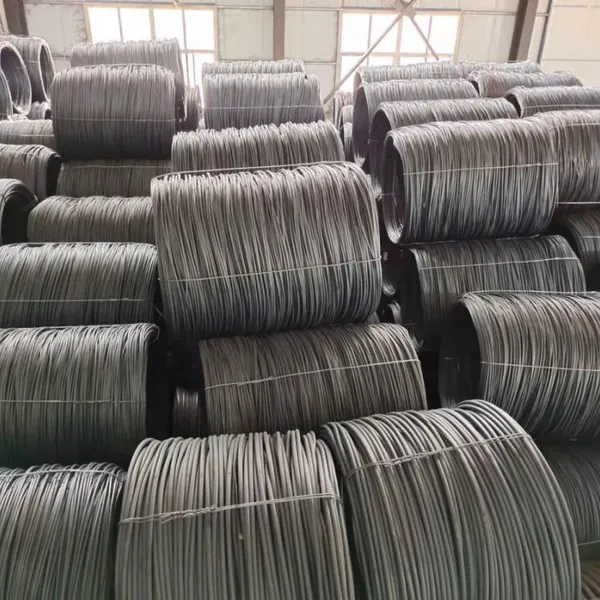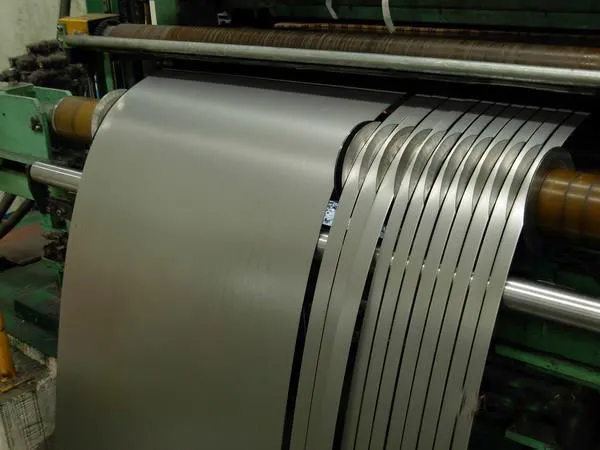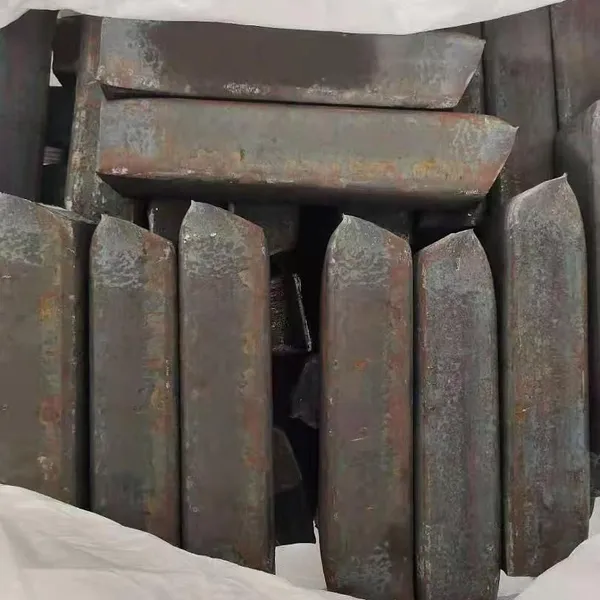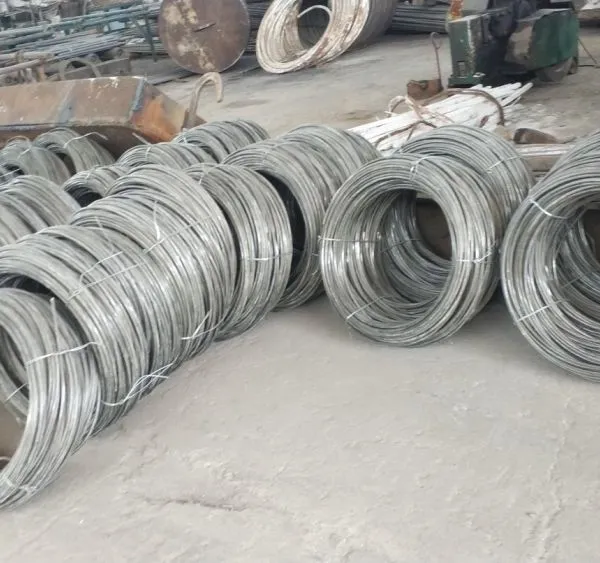

 Business License

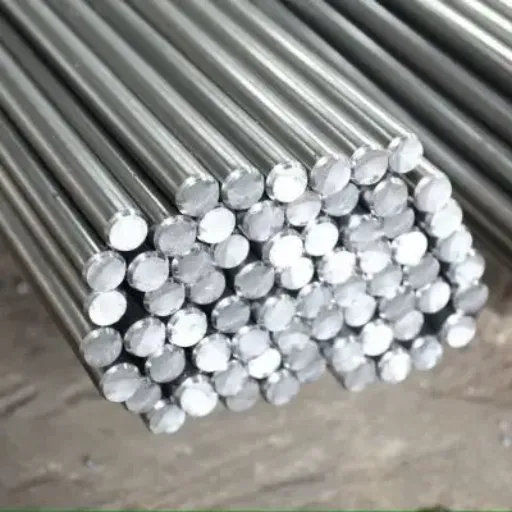
Electromagnetic Pure Iron Cold-Drawn Bar - Magnetic Steel
In comparison to non-magnetic media, which exhibit inferior magnetic properties as well as unacceptable level of purity, cold-drawn pure iron can be excellent in design, cost-effective, and no denying that they are practically exceptional. In many ways, electromagnetic pure iron cold-drawn bars are more than just a basic building block for the energy, automotive, and electronic sectors. So what is it that makes them so special, and why are they considered to be the essence of modern technology? This article would delve into the distinguished characteristics, benefits, and versatile applications of electromagnetic pure iron cold-drawn bars, providing a complete sense of the role and impact of the components. And the building of innovative schemes across the disciplines has added—to the onlooking engineer, industry professional, and curious observer—alternative angles to the role of the material for the aid of the discussion.Find more info now.
Introduction to Electromagnetic Pure Iron
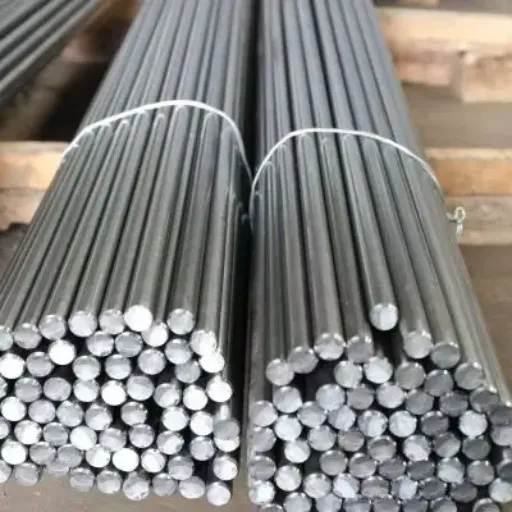
Definition of Pure Iron
Pure iron is an extremely pure material, made up mainly of iron with almost no impurities and less than 0.008% carbon. Pure iron has very high magnetic permeability, high electric conductivity, and soft magnetic qualities. This places it in high demand for manufacturing electromagnetic components due to the very low carbon content holding off hysteresis and considerably improving the efficiency of energy-related systems.
Numerous scientific studies and industry reports have been used to highlight the unique mechanical properties of pure iron. A tensile strength of around 200-220 MPa would be recorded, in addition to the density 7.87 g/cm3, relatively streamlined for its target applications in precision and longevity. The saturation magnetization of pure iron (effector for the solid iron) rises to around 2.15 T (Tesla). This unique set of traits spells out pure iron's popularity within various spheres that include automotive, electronics, and clean energy technology.
Significance in Electromagnetic Applications
Pure iron is a material that greatly benefits electromagnetic applications because of its outstanding magnetic properties. Thanks to its saturation magnetization, approximately 2.15 T (Tesla), pure iron proves suitable for transformers, inductors, and motors when a highly efficient magnetic-flux conduction system is needed. Its low coercivity, moreover, will contribute to a reduction in energy loss during magnetization and demagnetization cycles and help increase such energy efficiency in electromagnetic devices.
The latest breakthroughs in electromagnetics have elevated the status of pure iron. Utilizing pure iron cores in power grid transformers greatly reduces losses created by hysteresis and eddy currents, thus enhancing overall human consumption. High-purity iron cores are estimated to augment the efficiency of transformers by approximately 30% as opposed to other materials. Pure iron designs also provide far superior magnetic permeability to the electric motor. Hence, they can afford more torque and hence imply smoother functioning.
Technical Overview of Pure Iron
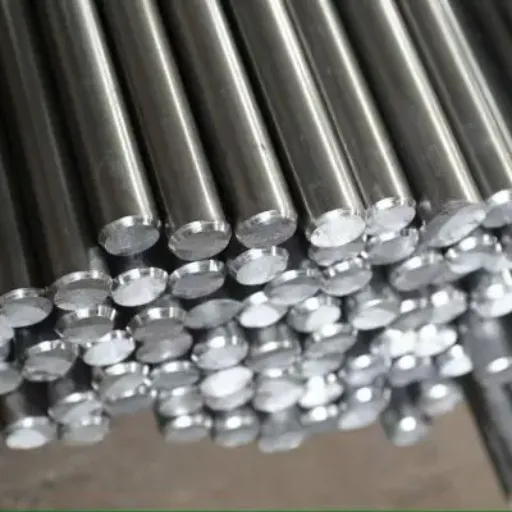
Properties of Pure Iron
Underlaid with loads of properties that anomaly the material world, namely, iron has peculiar captivating abilities. These properties are derived from the high magnetic permeability of iron. A piece of iron, or an iron magnet, in far-east village parlance, can easily polarize into a magnetic flux with the expenditure of minimal energy. This property actually makes it useful for transformers, electric motors, and generators, where it is necessary for highly efficient transfer of electromagnetic energy.
Appended at the end of submissive columns all the same, a notable trait of iron is the ductility and malleability it displays. In response to this, a metal offering great workability from sheets to wires with favorable ductility or one that serves extreme engineering purposes is strongly recommended. The best of all properties present, yet another worth mentioning is that upon whose foundation restiki coverage. Pure iron has sat uration induction values in excess of 2.15 Teslas, ensuring efficient performance in electromagnetic applications.
Between the thermal properties, pure iron has melting point that so high, it comes nearly at 2,795°F ≈ 1,535°C, being the stability that favours its own existence in a way that is magnetically obnoxious. Owing to the latter, virtually, it is a pure material for many industries and construction, manufacturing, and installation of much equipment that had to face the rigors of direct heat.
The Benefits of Cold Drawing Processes
The cold drawing technique offers a wide range of benefits, establishing it as the method of choice for the production of precision-engineered items. Drawing a metal through a die at ambient temperatures allows the process to enhance a metal's mechanical properties dramatically along with its strength, hardness, and surface finish. Besides, cold drawing produces dimensions with tighter tolerances compared to even machining, setting this method of processing for use wherever a high degree of accuracy, as in automobile and aerospace manufacturing, is demanded. Now, because of cold drawing, elements' tolerances are being ranged from ±0.05 mm. This is well suited for considerable performance in critical applications.
The image of the processes that drawing is synonymous with is one of incredibly higher surface quality. It is seen that at level; defects present in the surface have been all but eradicated, resulting in an exceptionally high-class finish, reducing even the meager requirement for subsequent processing. Equitization is also said to enhance the tensile strength of a metal up to 30 percent after the cold-drawing can stage its metal with more strength for greater sustainability, taking advantage of the strain-hardening phenomenon during the formation of the drawing workprocess.
From metals and alloys, the ultimate point of view in terms of cold drawing has another important independent character: lower costs. A blank part that already starts close to the finished geometry experiences minimal wastage of material, greatly decreasing gun-time for the machinist. Drawing represents one of the most environment-friendly and energy-efficient hot-work processes. Cost gets just a perk on the side from that, but CAD/CAM programs already existed so it's quite amazing what development can attest. Looking into the fastener industry or attempting to compare every market and application, drawing is, although finding some use, a key concept that ensures that the highest quality, fitting and dependable products for industrial advances are produced in many ways.
Key Applications of Pure Iron Bars
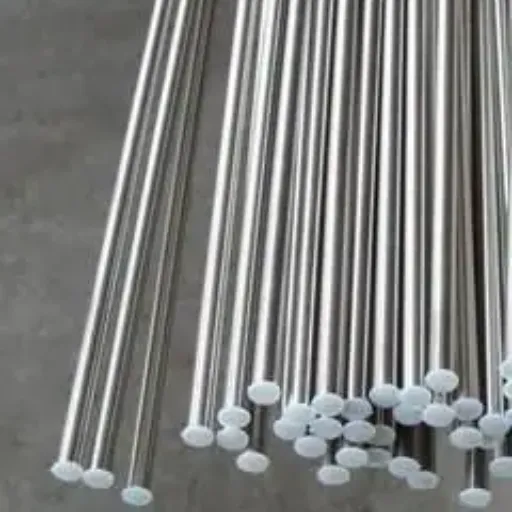
Use in Electromagnetic Components
Highly important for any magnetic component to evolve owing to the fact that pure iron gives impressive magnetic properties. The low carbon in them brings about the best permeability in order to act as high-induction magnetic material for the production of transformers, coils, or solenoids. In some sector studies, pure iron has a saturation density of approximately 2.15 T, with effectually forming an optimized performance electromagnetic circuit.
The soft magnetic character of pure iron decreases eddy current or core losses in an alternating magnetic field, making it quite resourceful for use within the high-efficiency transformer, motors core applications. Modern material processing techniques for high-purity iron grades have been developed to bulk up the impurities hence giving perfectly uniform performance in other applications that demand high degrees of sensitivity.
There is an actual example in today's culture where improving energy transfer efficiency is done using silicon cores or cores made almost pure of iron. Some studies have shown that purifying the iron core would reduce the energy loss of the iron core by about 10 to 15%, thus supporting the goals of sustainable modern industry. Furthermore, pure iron is ductile and relatively malleable and can be easily formed into into rigid configurations that might be suitable for certain strict design requirements of advanced electromagnetic systems.
Industrial Applications
Pure iron and its alloys and pure iron processing is of significant value-in benefit to all iron-fed industries due to the incredible combination of the properties of magnetism, ductility, and thermal and electrical conductivity. Among the important sectors are power production and distribution in which it is processed into magnetic cores of transformers: electric motors, or generators. The recent implementation of exclusive high-purity iron in transformer cores has significantly increased efficiency by translating into cost-saving benefits for the energy loss, better environmental efficacy. According to another study, the inherent characteristics favor the high permeability of transformer cores.
In terms of additional uses for cars, automotive engineers are exploring myriad iron and silicon-steel-bound-alloy potentials to cater for various electrical vehicle (EV) components. Again, it is a correct observation to note that the use of iron and silicon-steel blend metals for EV motor components will result in up to 20% energy gain-as the world goes green adopting ever-advancing transport systems to save the planet.
The medical field shelters a quarter of the human iron objects to bioferrous objects scientific and surgical implants and drug deliverance systems. It is being increasingly proved that iron nanoparticles can become a bust in medicine, particularly when doors open to studying their tremendous potential in cancer therapy and drug delivery in order to diminish as much as possible the side effects of treatment against cancer.
Importance in Magnetic Shielding
High purity iron offers unique permeability indispensable in magnetic shielding. It works almost like a shield for magnetic fields by absorbing and directing them efficiently in whatever direction needed. The need to shield magnetic fields is thereby linked to the effective use of any high-quality measurement and e.g. MRI needs to shield magnetic fields along with the processes of imaging.
Over the recent years, there has been a substantial increase in the demand for high-grade magnetic shielding materials with wider applications in healthcare, aerospace, renewable energy, etc. Several studies showed that the application of pure iron as raw material could reduce magnetic interference up to 95% thereby enhancing safety and the equipment employed. With evolving technological advancements in electric vehicles and quantum computing, the need for an operative magnetic shielding solution is eminent. High-purity iron effectively incorporates the drive for developing sustainable goods to work towards enhancing forward technology.
Advantages Over Alternative Materials
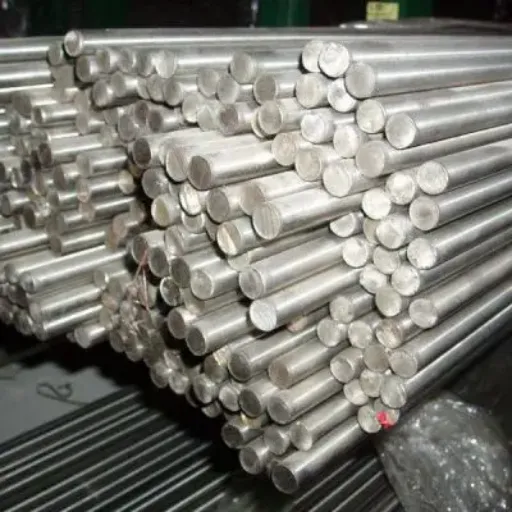
Electromagnetic Performance Benefits
High-purity iron excels in this field owing to its excellent magnetic properties. It has a very high magnetic permeability, thus carrying the magnetic flux far more effectively than any other substance or silicon steel or ferrites. Permeability values for high-purity iron such as those reaching 200,000μ at times are practically advantageous in reducing energy losses in applications that require optimal adjustment of the magnetic field.
A low coercivity translates into lower hysteresis losses, heat generation, and energy dissipation in electromechanical systems, which leads to direct better performance. Current research results suggest that, by using high-purity iron for shielding applications, a shielding effectiveness of up to 100 dB can be achieved, and thus effectively neutralizing EMI over an extremely wide range of frequencies. This kind of performance is of the utmost importance in emergent fields such as 5G communications, medical imaging equipment, and cutting-edge robotic technology, since even a minor shift in the electromagnetic environment could deprive the equipment of functionality.
Accessibility And Durability
High-purity iron has a high efficacy and operational life for use in various industrial cases over its competitors with one major advantage-it provides the facility for these features at an economical price compared to those alternatives. While initial costs of high-purity raw materials, like iron, can be more burdensome than classic-grade materials, high-purity products' long-term advantages frequently at least make up for it right from the start. Durability and wear resistance-Purity refunds Iron materials are high since this particular aspect has been documented at several forums. The implementation of high-purity iron mainly in wind turbine generators stands to reduce part-way operational energy loss and extend the operational life of the equipment-an act of cost saving in maintenance and trouble-shooting.
Studies shown that life of a component can be prolonged by 20-30 percent whenever pure materials are used. For large factories, the resultant savings could be on the order of hundreds of thousands of dollars each year. These are the two perspectives behind the sense and appreciation of pure materials for higher performance. Consequently, industries in question are non-major players in automotive, aerospace, etc., sectors. To stress the point, here is another information: the global scenario is moving into the stretches of recycling lately, big time, so that re-manufacturing could serve as a really crucial domain and could plug in large quantities of ironization, filling the landfill and increasing the wasteful given the nature of sustainability with regards to recycling initiatives.
Selection and Buying Guide
Specifications to Consider
Purity Level
The purity of the iron greatly impacts the iron's performance and its validity for specific industries. High-purity iron grades typically contain an iron content that is equal to or greater than 99.9%. For instance, 4N (99.99%) and 5N (99.999%) purity grades are used in specialized applications like electronics and medical devices, where even trace impurities can affect performance.
Mechanical Properties
Key mechanical properties involve tensile strength, yield strength, and hardness that should be understood in terms of operational demands. To illustrate, the tensile strength of high-purity iron grades falls in the 200- to 300-MPa range, depending on form and processing treatment. Such high tensile strength renders iron, especially in engineering applications, an ideal base material for structural components and load-bearing parts.
Thermal Conductivity
High-purity iron offers substantial thermal conductivity, typically 70 to 80 W/m·K at room temperature. Consequently, its utilization extends to the application for the most difficult-to-dissipate heat.
Corrosion Resistance
Iron tends to rust readily, but through protective coatings or forming alloys, the resistance to corrosion can be improved. In environments with known moisture and chemicals, additional treatments must be considered as well as alloying for any enhanced durability.
Form and Dimensions
High-purity iron has forms such as sheets, rods, powders and ingots. Precise dimensional tolerances are required to match with any manufacturing systems.
Industry Standards and Certification
ASTM Standards
The Society of Ironwork under the American Society for Testing and Materials (ASTM) has that one come up with some standards for high-purity Iron. A good example where the purity standards must be strictly adhered to is ASTM-A848 under the borrowing title, "Standard Specification for Soft Magnetic Ferrite Core Materials for Telecommunications." The boundaries and limits set forth by the standards advocate a broader transfer of iron for which a confirmative matching of the standard has practically been achieved.
ISO Certifications
A series of standards set up as a means of adopting guidelines guaranteeing the establishment and certification for the quality of the management systems: those certification primarily designate conformity of processes, which assure that quality approved publications are compliant, such as the ISO 9001 regulations promulgated by the fact that the organization remains in par with them.
European Works of Standardization
European standards include EN 10088 for the necessary chemical, physical, and mechanical properties and resistance to corrosions and are essential in cases of durability under a wide array of factors
Assessment of Purity Grades and Descriptions
Iron purity usually bases the examination on the amount of trace content provided already. High-purity iron must fourth standard purity of 99.9% (3N) or above. In the analysis of purity, advanced techniques of testing and rapid methods that are comfortable for chemical verification of purity are usually in techniques carried out by analytical readouts. Minute traces of elements, however, may be harmful through application devices and electronics.
Frequently Asked Questions (FAQs)
How is a cold-drawn pure bar or round product different from hot rolled or annealed products?
Cold-drawn pure iron bars and round steel undergo mechanical work performed at room temperature in order to refine dimensions and microstructures to yield better surface finish, tolerances, and magnetic properties than the former hot-rolled or standard cold-rolled items. Hot-rolling induces higher residual stresses with larger grain size, while cold-rolling or cold-drawing of pure iron can require anneal in order to restore deformability and optimize the microstructure for use in electromagnetic applications of pure iron cold-drawn bar or wire.
Concrete, sound, what grades such as DT4, DT4A, DT4C and DT4E are used of electromagnetic pure iron wire?
DT4, DT4A, DT4C, and DT4E are grades describing structural changes in electrically or electromagnetically pure iron (commonly cold-drawn) with small changes in practices: limits of impurities, mechanical tensile strength and anneal cycles. Commonly, DT4 and DT4A are designated for magnetic components and alternative steel series for transformers. The DT8, DT9, and related series may refer to some other modifications such as bondability, higher purity, for instance, high purity aforementioned at 99.85%, for limiting pole pieces or making much softer iron.
Can electromagnetically pure iron wire cold-drawn be used as a replacement for Armco iron or steel/alloy in magnetic applications?
Where high magnetic permeability and low coercivity are needed, modern equivalents of Armco iron and wrought iron are cold-drawn and cold-rolled pure iron. Anyone who is familiar with Pig Iron would easily recognize Armco iron, which represents a benchmark for high-purity iron; industrial pure iron made form the smelt and refining process describes the SMR process which could fulfill or exceed Armco-like properties inappropriately annealed and cold-worked specimens.
What is the magnetic property and density of pure iron used in electromagnetic components?
The high-purity electromagnetic pure iron usually does have an exceptional magnetic permeability, a high saturation magnetization, and a low hysteresis loss and hence finds utility in transformer cores and magnetic elements. The density of pure iron is about 7.87 g/cm3. Commercial purities for electrical pure iron cold drawn wire are typically found in the range of 99.85% or better and in some cases can be higher, thus providing a reduction of impurity such as nickel or residual carbon which tends to compromise the magnetic behavior.
Recently Posted
-
Shanxi Jurun Technology: Your Electromagnetic Pure Iron Partner from Taiyuan, China's Pure Iron Prod
August 14, 2026When an international buyer searches for electromagnetic pure iron, they are not just looking for a material. They are looking for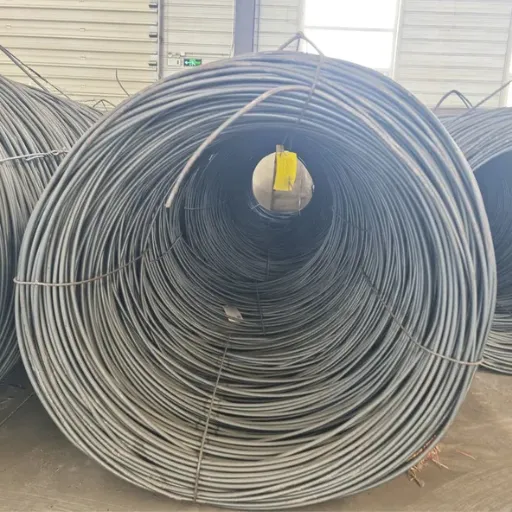 Read More
 -
Cold Drawing Process for Electromagnetic Pure Iron Wire: How Wire Rod Becomes Precision Cold-Drawn W
August 13, 2026Not long ago, a solenoid valve manufacturer in Italy received a shipment of 5.5 mm electromagnetic pure iron cold-drawn wire inten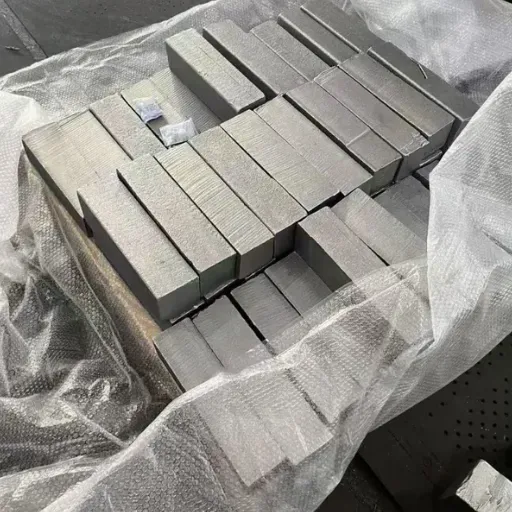 Read More
 -
How to Choose a Food Vacuum Sealer Supplier in China: 8 Evaluation Criteria
August 13, 2026An e-commerce brand owner in the UK contacted us some time ago after a supplier relationship fell apart. They had sourced roughly Read More
 -
Electromagnetic Pure Iron for Relay Manufacturing: Material Requirements, Grade Selection, and Case
August 13, 2026Some time ago, a relay production line in Zhejiang province began experiencing a puzzling failure pattern. Roughly 3 out of every
Read More

Contact Us
Recommended Products
-
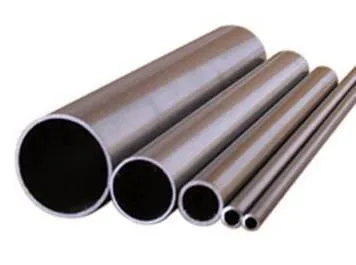
 Seamless Tube With Good Cold Electrical Pure Iron Fittings Hot Workability for Forming Fittings and ConduitsNegotiableMOQ: 1 Ton
 -
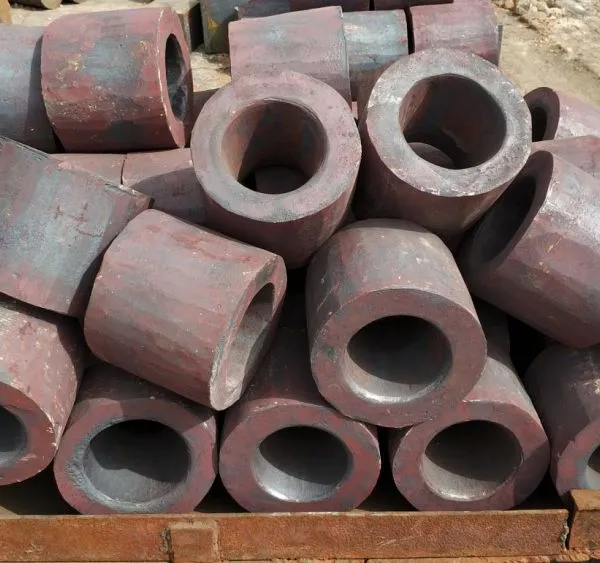
Electromagnetic Pure Iron Forging for Automotive Sensor ManufacturingNegotiableMOQ: 100 Kilograms
-
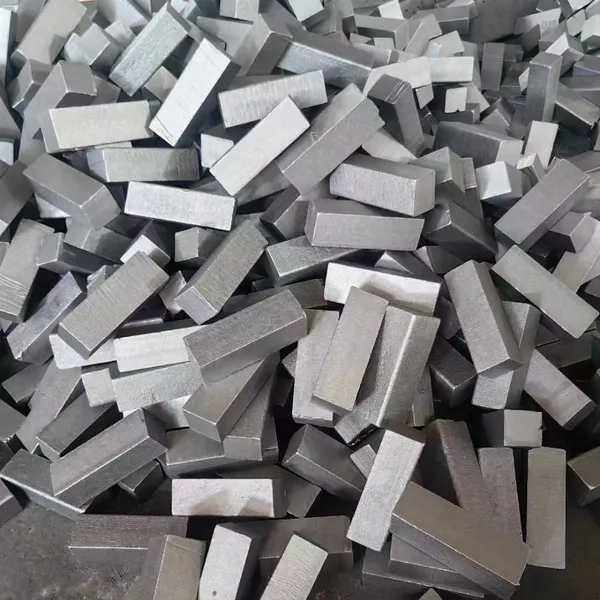
Precision Cut Pure Iron Square Bar High Saturation Induction Raw Material for Generator and RotorNegotiableMOQ: 100 Kilograms
-
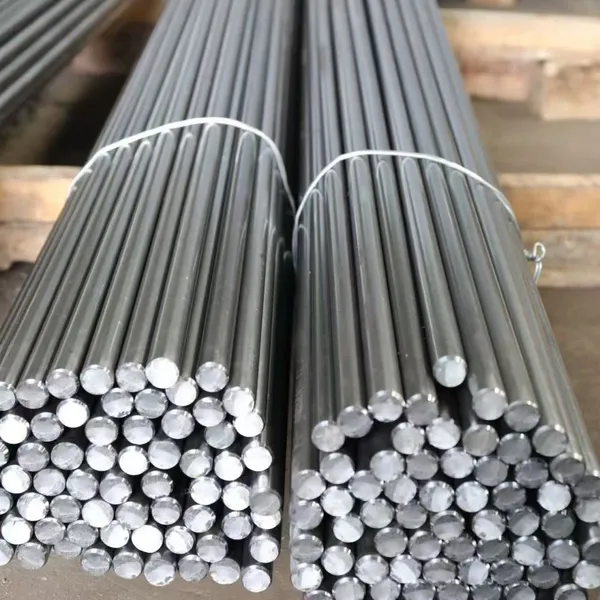
DT4C Super Grade Electromagnetic Pure Iron Bright Bar With Bundle Weight 30-100kg for Easy TransportationNegotiableMOQ: 1 Ton
-
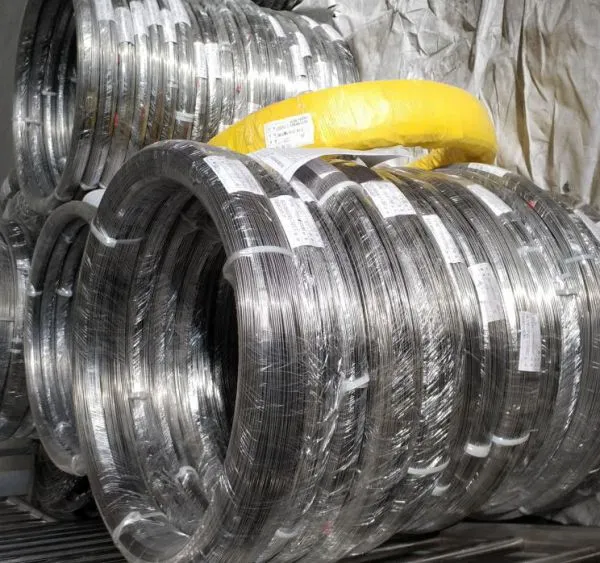
DT4C Electromagnetic Pure Iron Cold-Drawn Wire 0.5mm-6.0mm Diameter for TransformersNegotiableMOQ: 100 Kilograms
-
Industrial Pure Iron Bar for Electromagnetic Relay and Sensor ProductionNegotiableMOQ: 1 Ton
-
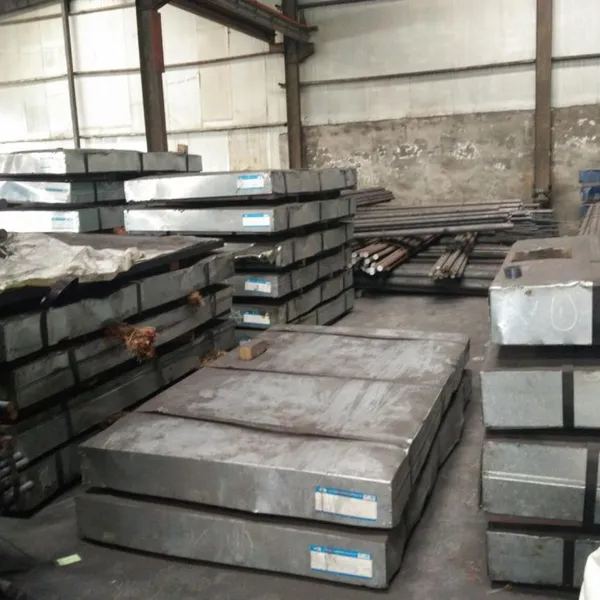
Electromagnetic Pure Iron Thin Sheet 0.3mm-0.8mm for Solenoid and Relay ManufacturingNegotiableMOQ: 500 Kilograms
-
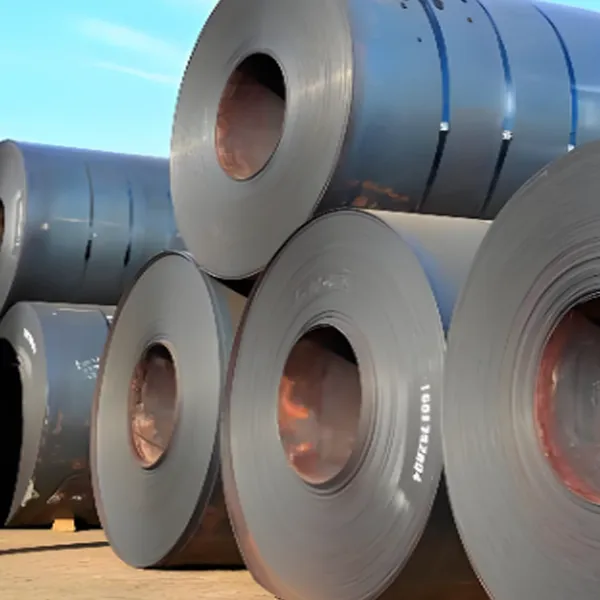
Electrical Pure Iron Hot-Rolled Coil for Magnetic Components With Low Iron LossNegotiableMOQ: 1 Ton
-
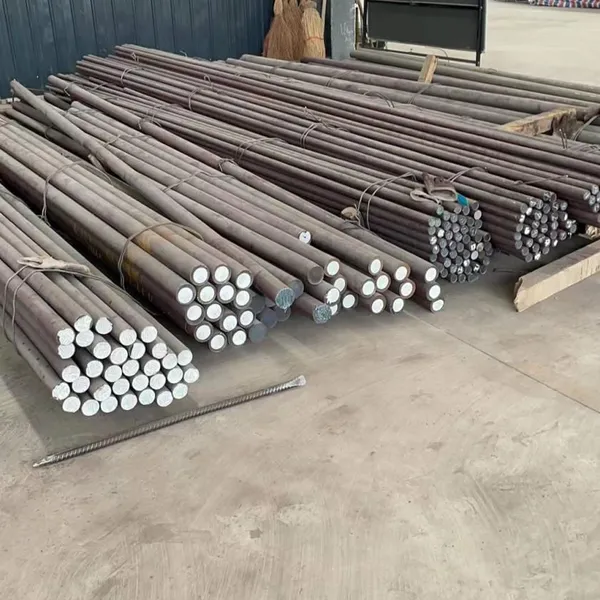
Low Carbon DT4C Pure Iron Round Bar With 99.8% Fe Content for Electrical ApplicationsNegotiableMOQ: 1 Ton
-
Cold Rolled Pure Iron Slit Coil DT4C Grade Ultra Low Carbon ≤0.004% for Magnetic ComponentsNegotiableMOQ: 1 Ton
-
Low Iron Loss Electromagnetic Pure Iron Hot-Rolled Coil DT4C for Transformer CoresNegotiableMOQ: 1 Ton
-
Soft Magnetic Pure Iron Sheet With Minimum Iron Loss for High-Efficiency MotorsNegotiableMOQ: 1 Ton
-
Electromagnetic Pure Iron Cold Rolled Coil DT4C for High Magnetic Permeability ApplicationsNegotiableMOQ: 1 Ton
-
Industrial Pure Iron Tube Superior Surface Quality Electromagnetic Pure Iron Tube for Welding and Plating ProcessesNegotiableMOQ: 1 Ton
-
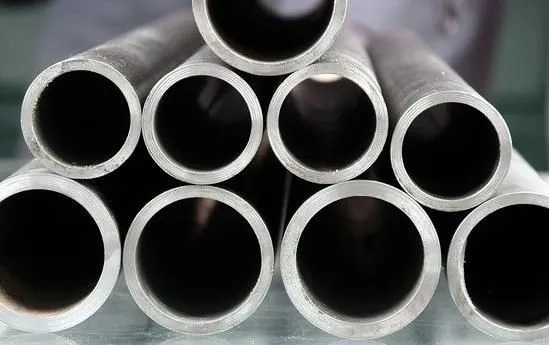
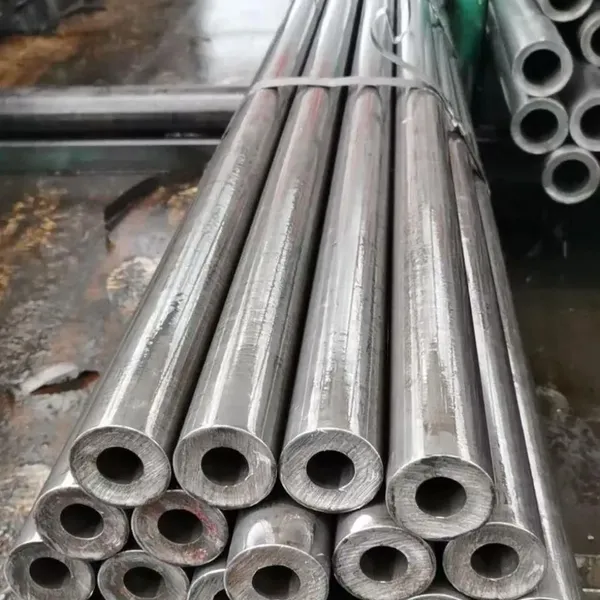
DT4 Seamless Pure Iron Tubing for High-Performance Electrical Equipment ApplicationsNegotiableMOQ: 1 Ton
-
DT4C Iron Wire Rod for Precision Magnetic Shielding ApplicationsNegotiableMOQ: 100 Kilograms
-
Industrial Pure Iron Fittings DT4 Pure Iron Seamless Tube With Low Hysteresis Loss for Electromagnetic SystemsNegotiableMOQ: 1 Ton
-
DT4C Cold Rolled Coil Slitting for Electrical Enclosure ManufacturingNegotiableMOQ: 1 Ton
-
Anti Rust Coated Pure Iron Square Bar Low Carbon Raw Material for Welding and Forging Magnetic PartsNegotiableMOQ: 100 Kilograms
-
DT4 Pure Iron Cold-Drawn Wire 0.5mm-6.0mm Diameter for Precision EngineeringNegotiableMOQ: 500 Kilograms