
 Business License

Hot Rolled Steel Round Bar - Steel Rounds & Bars
Steel rounds are broadly utilized all over the world and are becoming more popular as more industries realize the benefits these rounds offer. The qualities of steel round bars distinguish them from other types of material used in construction, fabrication, and manufacturing. In this blog post, we will probe into the preferred characteristics and mechanisms of hot rolled round bars. We can further analyze their required applications in various sectors and how they ensure continued trustworthiness in all scales of project development. You may now be in a position to determine whether durability and stainless-steel-grade material used for each project serve your purpose.Find more info now.
Introduction to Hot Rolled Steel Round Bar
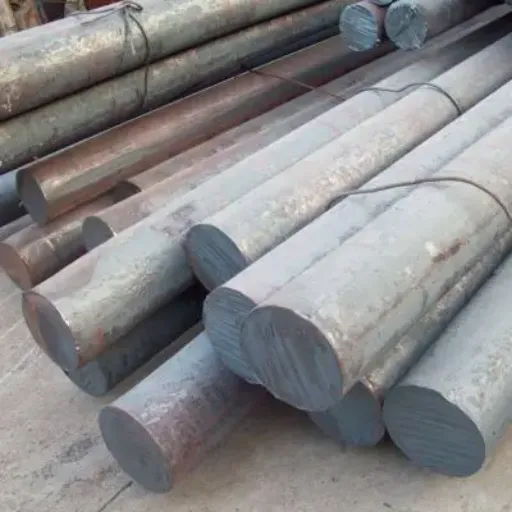
The Importance of Hot Rolled Steel in Industry
Round bars are widely used in construction for the hot bar steel rolling industry. The projected rise of steel remains relatively in harmony with predicted growth in construction activity at the APEC market level during the 2013 to 2020 time period, and a potentially larger part from 2023 to 2030 underlined by uneven demand for stable and durable construction materials. Hot-rolled steel comes a long way in being manufactured, making whatever it takes to withstand the rest of its life.
With its automotive uses and the heavy machinery industry, hot-rolled steel becomes even more viable. Very good weldability and machinability render hot-rolled steel the ideal raw material from which simple components-shafts, axles, and so on-can be created. Its ability to stand up well in the presence of residual stresses and wear means that the components will ultimately persist in rugged terrains or extremely rugged conditions.
Hot Rolled Steel Round Bar
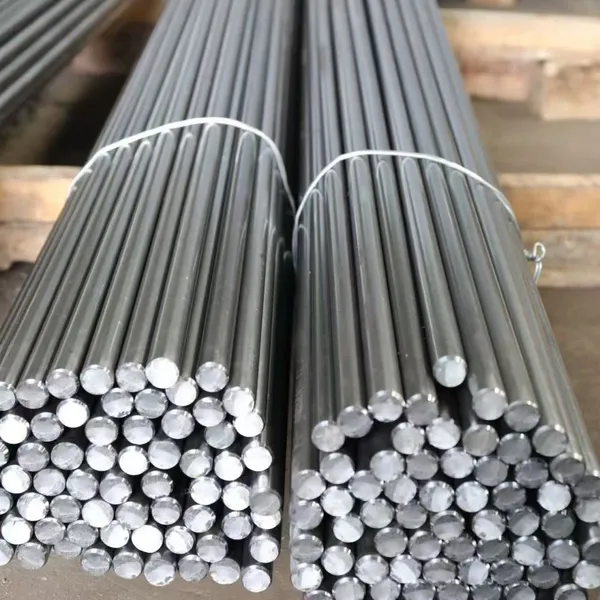
Hot rolled steel round bars are tubular steel products of the hot rolling process, which take place when steel is heated up to above its recrystallization temperature and then shaped into the required dimension. These bars are supremely useful in various industries due to their specific properties of superior mechanical behavior, wear resistance, and multiple uses freely available in engineering projects.
The diameters of the same can vary significantly, lying usually between 6 mm - 120 mm depending on the intended usage. Their main achievement lies in ease of machinability; that's why they are the preferred choice to fabricate precision bolts, bearing rings, and other precision components.
Key Technical Specifications of Hot Rolled Round Steel
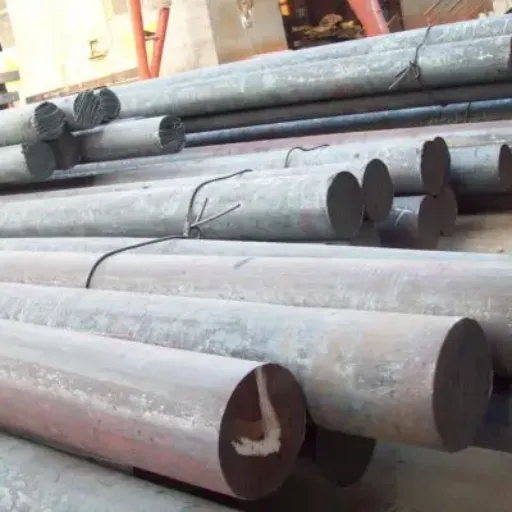
Common Grades of Hot Rolled Steel
A36 Steel
A36 being viewed as one of the highest hot-product grades is attributed to its good weldability as well as solid mechanical properties. This type of steel gives a trade-off between strength and ductility; in the industry that is around the tensile of, let's say, 400-500 MPa, and a 250 MPa yield. This is the general use of A36, in building, structural application, and fabrication.
Grade 1018
1018 steels not only yield high benefit due to their mild physical properties but a highly favorable surface finish and good machinability; they are used mainly in jobs requiring the utmost precision. Seen rather as plain mild structural steel, 1018 (like A36) is being obtained with a high tensile strength measuring 440 MPa typical and yielding directly at 370 MPa, and for this reason this grade finds favor for the creation of shafts, rods, and mechanisms that require near perception.
S235JR Steel
S235JR is a widely used structural steel in Europe with a yield strength of 235 N/mm2, making it well-suited for welding, bolting, and riveting. This grade is not so much useful for various applications except for vast applications in bridge and building structure projects.
S355JR Steel
S355JR is liked by many industrialists for structural steel in comparison to S235JR. This grade can boast of a minimum yield strength of 355 N/mm2, coupled with tensile strength anywhere between 470 and 630 N/mm2. As a result, it is great for heavy metal, stringent structural applications like frameworks and oil rig construction offshore.
Width and Diameter for Steel Round Bars
The steel round bars are well-known for their wide variety of sizes and dimensions to suit every need of industrial and construction applications. That said, the arbitrary diameters set for bars will be somewhere between 6mm and 128 mm, making the 6-120 mm range a more preferable choice in general. Variations in size coming with much smaller or larger diameter will be subject to special orders. Length will have to be either extreme or a stipulated range depending on desperate need for such an additional option.
Among industry standards such as ASTM, EN, or JIS, diameter tolerances are usually ±0.005 mm to ±0.50 mm. Tolerance thus has the ability to be put to use in applications requiring either a critical tolerance or tight dimensional requirements, ensuring an accurate component. It is of interest to note that aluminum solids come in a rafter of surface finishes in extrusion and casting situations, namely Hot rolled, Pickled, or Polished for its end-use.
Core Benefits and Applications of Hot Rolled Round Steel
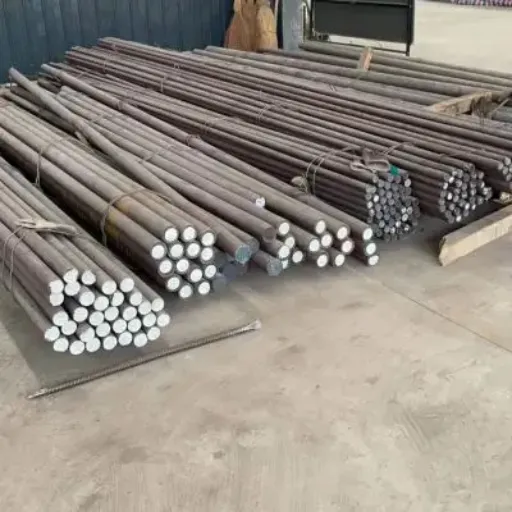
Advantages Over Alternatives
Economical efficiency
Plain rounds also own a significant cost advantage over cold rolled steel or similar materials since they are easier to manufacture. Hot-ambling process is simple and thus reduces raw materials' end production unit cost. They are sometimes 20-30 percent cheaper to buy against cold-rolled steel.
Exceptional Strength and Longevity
Being very hardy, hot-rolled round steel is intended to bear heavy loads in a heavy-duty environment because it is designed especially to increase in strength. For example, hot-rolled tamper steel will be able to handle tensile strengths ranging from 400MPa up to 550 MPA, depending on class, which outstrips many other materials in terms of load-bearing.
Use
Unlike others, hot-rolled round steel is found to be used in a variety of industries, such as automotive, agriculture, and heavy equipment. The superb feature of the material-grades of uniform size makes it a material that can be shaped to almost any requirement of the day whichever it may be, construction of a pipeline, or making of the heavy gears of industry.
Primary Use Cases pertaining to Manufacture and Construction
Structure Framework
round steel, hot-rolled, which finds application in the construction industry and is used for creating pillars, beams, and girders that are made to withstand greater loading, thereby possessing extremely favourable strength-to-weight ratios, save building under all criteria for easiness in safety. Modern steel accounts for 50%, and leaves concrete on a higher percentage of the masses in today's most modern skyscrapers that basically employ steel structures.
Automobile Industry
Primary body manufacturers use hot-rolled steel in major applications, such as the chassis, suspension mechanisms, wheel rims, etc. Since steel is comparatively robust, it can handle much mechanical load with little or no damage. Normally, steel makes up 60% of the weight of an average vehicle.
Pipeline Construction
The hot-rolled round steel type is strong as one with a large tensile strength that can bear many external pressures; lots of gas, oil as well as water pipelines are continuously build. The gas and oil pipelines industry will expand by 5.3% every year to strengthen the broad consensus for the steel construction oriented toward the pipelines.
Machinery and Equipment
Industrial machinery, harvest tools, and other heavy equipment emerge and flourish at the onslaught or middle of round hot steel stock quality for some components. The material is designed to withstand even the harshest conditions, which provides reliable functionality. Global machinery market reached USD 3.1 trillion in 2021, which presents the majority of the components where high-quality steel is of paramount importance.
Manufacturing Process of Hot Rolled Steel Round Bar
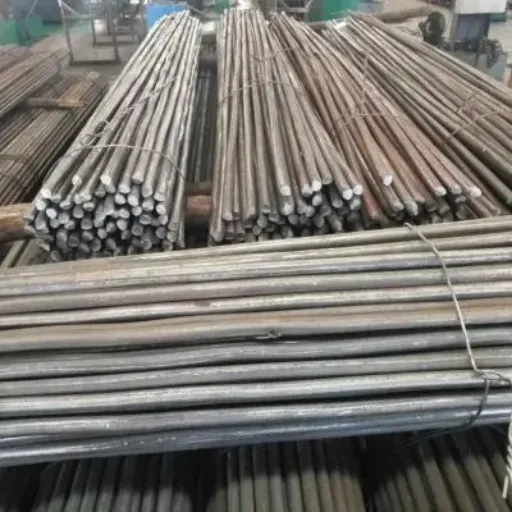
Overview of the Hot Rolling Process
The hot rolling process is vital, where shaping is done for the conversion of steel into numerous shapes, including round bars, plates and sheets. In this process, steel is heated by heating conduction up to a temperature exceeding its recrystallization temperature, which usually lies anywhere between 1,200°F to 1,300°F (650°C to 700°C). Such heating renders steel to be shaped and rolled.
The hot rolling offers many advantages: enhanced workability, so that the final product develops the best mechanical properties; and a marked volume of production can be achieved. The global hot rolled steel market size recently calculated to $210 billion for the year 2022, growing at a CAGR of about 4% through 2023-30. The aspect of growth in the sector was due to rise of demand of market concerned with construction, automobile industry and infrastructure projects across the globe.
Quality Control Measures in Production
Quality planning plays a central role in modern hot-rolling production. All the demands of steel requirements are met through adequate care in planning, using technology and a system of procedural checks to control the material all the way through each phase in sustaining this level of quality.
One of the established ways to work on this is through automation inspection systems. These systems are made in such a way that they are capable of identifying several issues starting from surface cracks, dimensional discontinuity, and internal roundness using laser and ultrasonic ray techniques. Given a complete halt of production line, the sensor data and PLC data across the new line are interconnected and provide just-in-time adjustments to reduce wastage and standardize the further product.
Another means is to control and maintain temperature during the rolling process. It is compromising the mechanical properties of the material by any means by temperature changes. Infrared ray sensors, IR pyrometers, etc., are put to use for this reason in order to ensure that steel remains in a particular temperature range. So it helps in eliminating issues like low output due to low strength (to mention some), warpage of shape, or any other material defect.
Comparison: Hot Rolled vs. Cold Rolled Round Steel
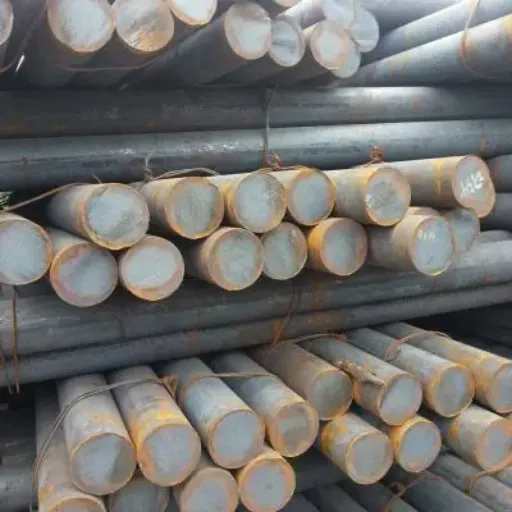
Key Differences in Properties
Surface Condition
Hot-rolled steel is typically rough in surface condition, and air cooling is not controlled, which results in scales on the surface due to the high air cooling temperature. It is an acceptable surface finish when one does not actually place a highcy on the aesthetics. Cold-rolled steel is much smoother and left in an attractive form because it was processed at temperatures low enough for further manipulation: annealing or temper rolling. The aesthetic surface finish actually makes cold-rolled steel the most apt material for any product where the best face is required.
Dimensional Reproducibility
In comparisons with hot rolled steel, cold rolled steel provides a lot more dimensional accuracy with respect to fewer tolerant intervals. For instance, cold rolled steel even has tolerances as tight as ± 0.001 inch, which is a luxury that hot rolled steel cannot boast of because it has general high tolerances due to its shear-and-contract cooling.
Mechanical Properties
The mechanical strength varies from hot rolling to cold rolling. In cold rolling process, the rolling of hot steel is followed by the cooling of hot steel. The steel is put through the normalizing process in hot steel rolling; being cooled naturally allows it to be less hardened but to have much more malleability, which is helpful for the cutting beams or laying of the rail. However, the load increases the hold on the steel being cold rolled thus further strengthening it, thus increasing in some hardness and in tensile strength. However, in general, if cold rolled steel contains temperature zones, the tensile strength is about 20-30% higher than the same in hot rolled steel, with some variation for different grades.
Comparison when Hot Rolled Steel Vs. Cold Rolled Steel Is Used
Hot Rolled Steel:
Cold-drawn steel is of a superior order than hot-formed steel in the sense that strength is of relative unimportance when the material is applied to those specifications that require a better finish. Structural application types that make use of cold drawing/cold rolling are automotive components, metal doors, heavy furnishings, among many other applications. One major use is in construction for very good reason: because rolling allows the user to choose from the following great variety... shape straightness, brittle strength, rigidity, gauge thickness, etc., from quite a number of aspects. In conclusion, a user can benefit from cold drawing due to its ease of manufacture and its low cost, benefiting from the reels and manufacture often used in experiments.
Cold Rolled Steel:
Cold-rolled steel is used to achieve the accuracy and finish of a job. It allows for tolerances of very close dimensions. Unlike hot rolled sheets, which are not manufactured with such a particular tight tolerance, cold-rolled steel has high strength and good surface finish. Cold-rolled steel is appropriate for the manufac-turing of household appliances, auto bodies, and furniture items. From a quality control point of view, the strength of cold-rolled steel is said to rise by close to 20% due to strain hardening during the cold rolling. Other systems might perform favorably in this respect, but for these, however, lowers-paying pretreatment-induced coatings need consideration.
Frequently Asked Questions (FAQs)
1018 hot rolled: what is a 1018 hot rolled?
Available as bar 1018 hot rolled steel refers to low carbon, mild steel into rounds or steel bars of hot rolling. It possesses the properties of a low carbon hot rolled 1018 steel that have been served as good for general-purpose applications especially requiring high machinability and weldability. This material is a low carbon iron alloy with somewhat porosity-raw surface, which is much rougher when compared with any cold rolling product, yet closer in size tolerances to the common sizes of steel round bars in hot rolling.
steel round bar: What sizes and patterns do hot rolled round bars are available in?
One can get hot-rolled round steel bars in a variety of size ranges and can be supplied in lengths of unspecified imperial or metric dimensions; small these include hot-rolled round bars 4" or less or larger hot-rolled round bars. Most suppliers that trade in bars will also be having square, hot rolled round, and other forms of mild steel. It may be possible to get any size and shape of piece by placing a custom cut or cut to size order.
astm a36: How does A36 hot rolled steel compare to 1018 hot rolled?
A36 hot rolled steel and 1018 are both carbon steels but they serve different purposes. A36 within ASMT allows for structural applications with good strength and weldability, whereas 1018 for hot rolled is a low carbon mild steel suited for machining and finishing works. The machinability of A36 hot rolled steel is usually lower than that of 1018; however, the products are widely used when structural performance matters.
tolerance: What is the expected tolerance in terms of straightness and surface finishes of hot rolled round bar?
The cold-finished steel bar normally features the tightest tolerances and the smooth finish. On the other hand, with just a minor variation, the willow-callback steel bar falls into hot stock with a somewhat looser tolerance. If you are making a cautious batch where tight loss engagement or smooth finish is a must, the manufacture of cut-to-length or square is just the right application.
Recently Posted
-
Shanxi Jurun Technology: Your Electromagnetic Pure Iron Partner from Taiyuan, China's Pure Iron Prod
August 14, 2026When an international buyer searches for electromagnetic pure iron, they are not just looking for a material. They are looking for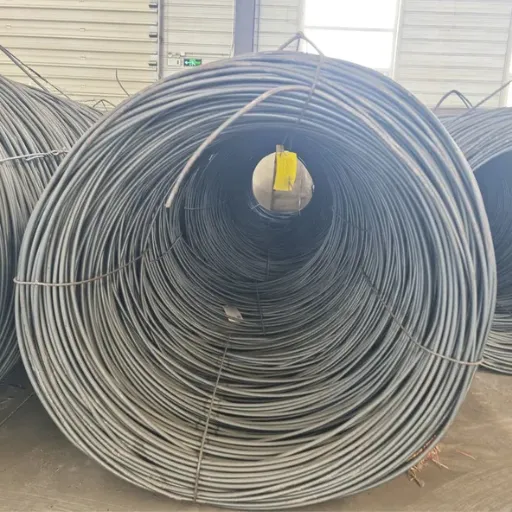 Read More
 -
Cold Drawing Process for Electromagnetic Pure Iron Wire: How Wire Rod Becomes Precision Cold-Drawn W
August 13, 2026Not long ago, a solenoid valve manufacturer in Italy received a shipment of 5.5 mm electromagnetic pure iron cold-drawn wire inten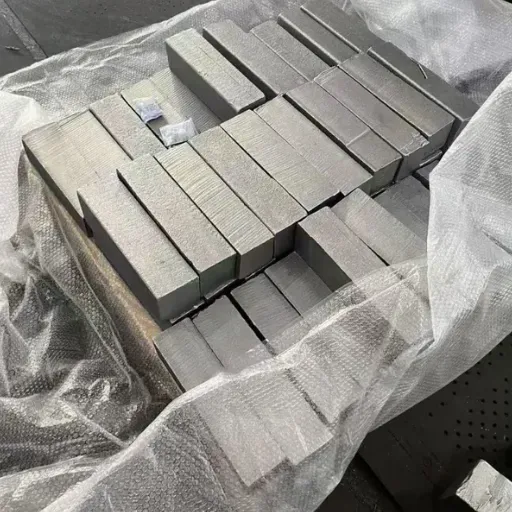 Read More
 -
How to Choose a Food Vacuum Sealer Supplier in China: 8 Evaluation Criteria
August 13, 2026An e-commerce brand owner in the UK contacted us some time ago after a supplier relationship fell apart. They had sourced roughly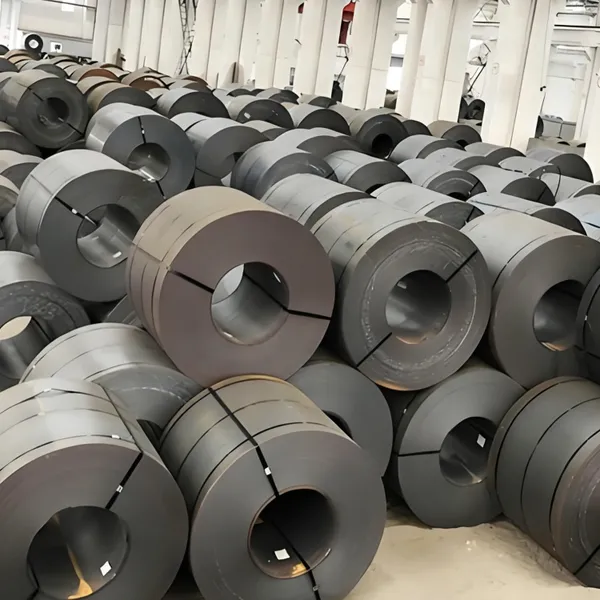 Read More
 -
Electromagnetic Pure Iron for Relay Manufacturing: Material Requirements, Grade Selection, and Case
August 13, 2026Some time ago, a relay production line in Zhejiang province began experiencing a puzzling failure pattern. Roughly 3 out of every
Read More

Contact Us
Recommended Products
-
 Seamless Tube With Good Cold Electrical Pure Iron Fittings Hot Workability for Forming Fittings and ConduitsNegotiableMOQ: 1 Ton
 -
Electromagnetic Pure Iron Forging for Automotive Sensor ManufacturingNegotiableMOQ: 100 Kilograms
-
Precision Cut Pure Iron Square Bar High Saturation Induction Raw Material for Generator and RotorNegotiableMOQ: 100 Kilograms
-
DT4C Super Grade Electromagnetic Pure Iron Bright Bar With Bundle Weight 30-100kg for Easy TransportationNegotiableMOQ: 1 Ton
-
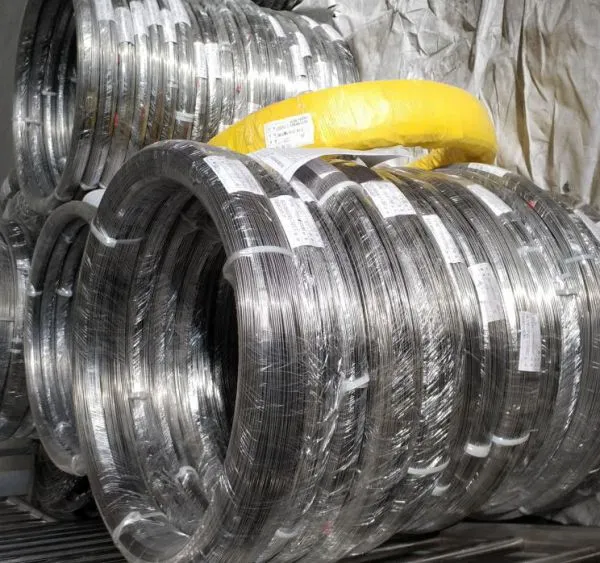
DT4C Electromagnetic Pure Iron Cold-Drawn Wire 0.5mm-6.0mm Diameter for TransformersNegotiableMOQ: 100 Kilograms
-
Industrial Pure Iron Bar for Electromagnetic Relay and Sensor ProductionNegotiableMOQ: 1 Ton
-
Electromagnetic Pure Iron Thin Sheet 0.3mm-0.8mm for Solenoid and Relay ManufacturingNegotiableMOQ: 500 Kilograms
-
Electrical Pure Iron Hot-Rolled Coil for Magnetic Components With Low Iron LossNegotiableMOQ: 1 Ton
-
Low Carbon DT4C Pure Iron Round Bar With 99.8% Fe Content for Electrical ApplicationsNegotiableMOQ: 1 Ton
-
Cold Rolled Pure Iron Slit Coil DT4C Grade Ultra Low Carbon ≤0.004% for Magnetic ComponentsNegotiableMOQ: 1 Ton
-
Low Iron Loss Electromagnetic Pure Iron Hot-Rolled Coil DT4C for Transformer CoresNegotiableMOQ: 1 Ton
-
Soft Magnetic Pure Iron Sheet With Minimum Iron Loss for High-Efficiency MotorsNegotiableMOQ: 1 Ton
-
Electromagnetic Pure Iron Cold Rolled Coil DT4C for High Magnetic Permeability ApplicationsNegotiableMOQ: 1 Ton
-
Industrial Pure Iron Tube Superior Surface Quality Electromagnetic Pure Iron Tube for Welding and Plating ProcessesNegotiableMOQ: 1 Ton
-
DT4 Seamless Pure Iron Tubing for High-Performance Electrical Equipment ApplicationsNegotiableMOQ: 1 Ton
-
DT4C Iron Wire Rod for Precision Magnetic Shielding ApplicationsNegotiableMOQ: 100 Kilograms
-
Industrial Pure Iron Fittings DT4 Pure Iron Seamless Tube With Low Hysteresis Loss for Electromagnetic SystemsNegotiableMOQ: 1 Ton
-
DT4C Cold Rolled Coil Slitting for Electrical Enclosure ManufacturingNegotiableMOQ: 1 Ton
-
Anti Rust Coated Pure Iron Square Bar Low Carbon Raw Material for Welding and Forging Magnetic PartsNegotiableMOQ: 100 Kilograms
-
DT4 Pure Iron Cold-Drawn Wire 0.5mm-6.0mm Diameter for Precision EngineeringNegotiableMOQ: 500 Kilograms