
 Business License

Electromagnetic Pure Iron: Magnetic Steel vs. Pure Iron Uses
The selection of materials for electromagnetic applications affects both performance and efficiency of the system. The discussion centers around magnetic steel and pure iron because both materials provide distinct characteristics which meet different operational needs. But how do you determine which is best suited for your needs? This article investigates the complex field of electromagnetic pure iron through its comparison with magnetic steel by examining their fundamental characteristics and beneficial features and their actual uses. This guide provides essential information for engineers designers and materials science enthusiasts who want to know which materials are suitable for their projects.Find more info now.
Introduction to Electromagnetic Pure Iron
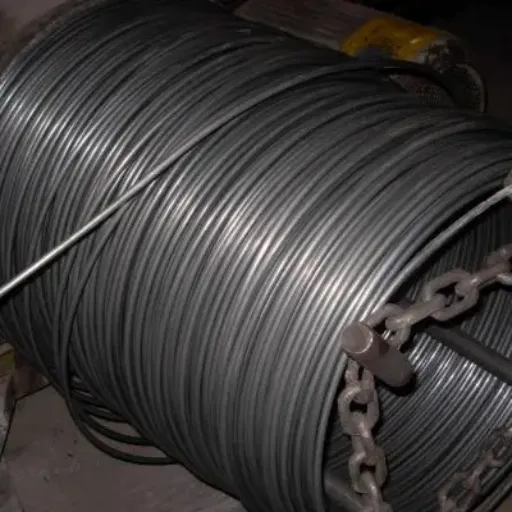
Importance of Electromagnetic Properties
Electromagnetic properties have a great effect on the efficacies and functionalities of materials, for example, in the case of component design, administration, and control operations. Electromagnetic pure iron furnishes a desirable combination of magnetic properties: high magnetic permeability, low coercivity, and low core losses suitable for applications that demand power, such as transformers, relays, or electric motors that are expected to offer both life enhancement and lower energy rates.
For example, pure iron has a theoretical magnetic permeability of 200,000, whereas the results for magnetic steel reach 20,000. High permeability makes the flow of magnetic flux more convenient. Less energy will be wasted, thereby making substantial improvements in efficiency. On the contrary, magnetic steel, though having a high magnetic property, usually causes greater core loss when frequencies are set higher. This is mainly due to its relatively lower permeability and intense eddy currents.
Apart from improving the purity of electromagnetic pure grades of iron, that is, by reducing the level of inorganic impurities, specification levels involving limiting of carbon and sulphur could influence the magnetic properties of the material. Modern manufacturing usually includes purities at 99.8% or even greater, due to the demand originating with stricter rules for the homologation of the necessary characteristics. Unfortunately, some areas in which magnetic properties are seriously impacted are wear resistance and strength provision through such treatments, as alloying with additional additives results in the overall debasement of the magnetic properties.
The essence of modern production in the industrial sector
Because transformers are essential elements in everyday technological equipment, the transformer iron core based on the pure magnetic characteristics of iron is more desirable in many modern industrial applications. Furthermore, the material is sought after in renewable energy systems like wind generators and solar inverters because they are targets in obtaining energy efficient ways to keep their operations sustainable. Forecasts for global renewable energy markets, as provided by Ambient Insight, dictate that the Renewables Market is going to register a 8.4 percent CAGR from 2023 to 2030, reinforcing the need for high-efficiency transformer cores to help in energy production and distribution optimization.
In conclusion, it was seen that industries, especially the automotive industry, have significant benefits from the use of electromagnetic pure iron with low core loss properties in manufacturing electric vehicles (EVs). High-frequency transformers utilized in EV power electronics and charging infrastructure rely mainly on materials that cause minimal energy loss and heat production, with a resultant increase in efficiency and service life. Industry data from the year 2023 indicates a rapid increase in demand for EV-related components, with the EV market expected to peak at 44 million units by the year 2030, following copious innovation in transformer materials.
Definition and Core Properties of Pure Iron
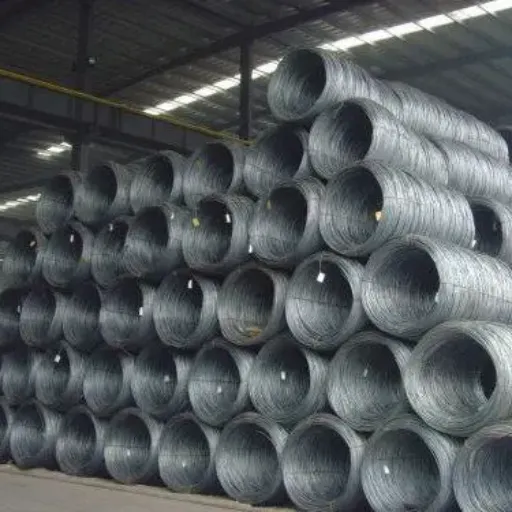
Understanding Magnetic Permeability
Permeability is perhaps the single most salient characteristic of materials and quantifies the capacity to induce magnetic fields within them. The symbol for it is μ, and its units are H/m (henries per meter). It should therefore be able to explain the interaction of materials with magnetic fields, hence being defined as one of the essential material properties in various applications of the power industry, such as in transformers, inductors, and EM shielding.
Not surprisingly, the relative permeability of pure iron lends itself best to the aforementioned application, magnified by the value it is given in a situation like this. The circumstances at work reveal values of pure iron sometimes given either by magnetic or relative permeabilities (μr) ranging from 200,000 to 500,000, which rather dwarfs others somewhat. Such a high figure refers to how much these materials facilitate the path and enhancers of magnetic fields: the quicker, the better. For reference, the relative permeability of a vacuum is always 1, much less aluminum and glasses and almost all nonmagnetic materials, as they hover around 1.
When coupled with low coercivity and having a saturation magnetization of about 2.16 Tesla, pure iron becomes critically important for a category in which the necessity identifies itself by way of the clearly least possible energy loss or such other requirement through its stages of magnetization, followed by demagnetization. Modern research now offers the hope that purity and the direction of the grain in iron might together be made advantageous in improving the magnetic inducement of this metal, albeit in opposing manners and within ever-widening frequencies and with losses due to eddy current. This is otherwise the area which traditionally limited the performance for more than one reason.
What is meant by Low Coercivity?
Let us try to explain this clearly: compounds whose magnetization curves are termed 'soft,' depart totally from the saturation line. Soft magnetic materials find applications in a host of industries, since methods for controlling them have been developed. They are utilized in transformers, DC motors, and generators, where magnetization and demagnetization necessitate quick cycles.
The coercivity of a material is mostly expressed in the units of oersteds (Oe) or(1 A/m) amperes per meter. Practically speaking, soft magnetic material shows values of coercivity equal to less than 1000 A/m. It is favorable for high-frequency applications because of the reduction in eddy current losses. Recent material science innovations have made way for the alloys in the nanocrystalline size and amorphous metals, where the coercivities have been greatly decreased to values in the range of 0.5 to 10 A/m. In this order, the minimum coercive force appears to be a very useful property to permit reduction in hysteresis losses and thereby to save energy while running the systems.
Comparison of 99.5% and 99.99% Pure Iron
Magnetic Properties
The presence of the minuteness of impurities stands in the way of this kind of avoiding effect, and this is the reason that low levels of impurities have a desirable influence on it. These increases in the magnetic properties come together with a still higher level of purity: Anythings around 99.99% purity, for instance, free of structural defects and impurities wherever one can find them, automatically becomes a high-yield material in good design for magnetic circuits and devices on the way. If we just take iron with a 99.99% purity, it may give a permeability of about 150,000 to 200,000 for many very simple magnetic circuits and devices with great efficiency, such as transformers and inductors, respectively, and, with iron 99.5% pure, a permeability of 50,000 to 100,000 H/m, since we would assume that additional energy loss might be encountered due to just a little more amount of impurities.
Electrical Resistivity
The higher purity of Iron is held with the higher electric current it facilitates. The electric resistivity of 99.99-percent pure iron, of the order of 9.71 × 10⁻⁸Ω·m, is greater, though, and nearly of 10.0 × 10⁻⁸ Ω·m for 99.5-percent purity iron (which is, in fact, greater than 9.5% greater). The lesser resistivities help to avoid losses of energy from eddy current-which, as a consequence, boost the present operational efficiency of the so-high-purity iron as e.g. during working in fast changing magnetic fields.
Mechanical Properties
Whereas the breathtaking tenderness and ductility in question produce minimal impurity from 99.99% pure iron, 99.5% purity ensures a bit greater benefit in the mechanical strength. The little additives inside the 99.5% iron add an incremental measure to tensile strength, making it more preferred in structural applications because they are more durable. There might still, at least to some extent, present some flaws in the 99.5% pure iron as regards holding in place some beneficial properties required in precision machinery or energy-hungry systems.
Common Grades and Standards
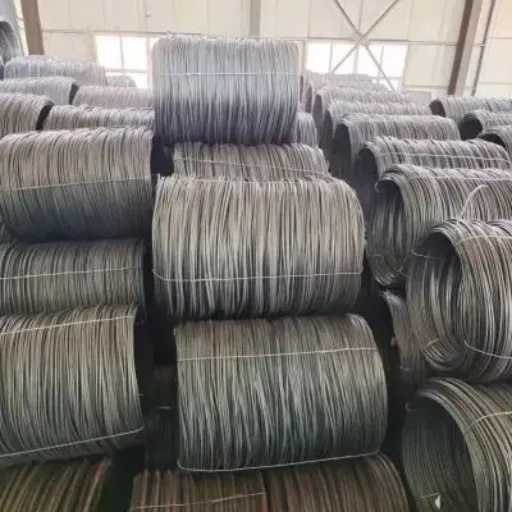
Introduction to DT4 Specifications
The FT4 configuring dispersible iron is a mostly pure-iron industrial alloy for a diverse range of applications. It was thought that it has high saturation and low impurity content, so, thus, very preponderantly iron-trace impurity or an ideal material of specific magneter and any type of transformer. The chemical composition of the DT4 iron is a guarantee that it must contain a minimum of 99.50% iron and balance carbon, sulphur, and phosphorus trace. If the doping layer is set to a much smaller magnetic layer, high magnetism may result.
The ancient material will at least have a density of about 7.85 g/cm3 with very good electrical conductibility, making the material perfect for green applications. Taken from a theoretical perspective, it is only likely to have an efficacy level sufficient to complete powers of the order of 1.65 T values (which should mean approximately T) Bmax, thus at last defining the prerequisites of the material to deliver dissipative performance for an electrical device in this modern age.
In view of the varied applications available, grades within the hardened materials DT4 are designed and subdivided based on quality, in keeping with personal requirements of service, followed by names, such as DT4C and DT4E, with difference of mechanical properties like thermal characteristics and therefore to match tailor made application which is all about wear resistance, hardness and conductivity. The DT4 definitions with such capability specifications are an extreme flexibility and reliability measure in massive and stubborn applications toward green energy and sustainable technologies.
Electromagnetic Pure Iron Regulatory Standardsodable
Electromagnetic pure iron regulatory standards are required for safety, efficiency, and effectiveness in various applications like transformers, motors, and electronic components, as is their need for the basic standards of design and engineering. Typically, organizations such as ISO are internationally involved in international standards.
E.g., the ASTM A848 standard talks about requirements for almost pure soft magnetic iron references and is used as magnetic components for electromagnetic devices. Those soft magnetic iron materials are well-known for good magnetic permeability and properties for well magnetization with minimum eddy current losses. The specification sets a range for the acceptable amounts of carbon, sulfur, and phosphorus in the materials; high impurities have a negative effect on the magnetic properties of the material.
In the framework of the IEC 60404 series, a significant scope is available for measuring as well as classifying electromagnetic materials, among which pure iron is one key. These standards prescribe the ferromagnetic tests like the magnetic properties and characteristics, demanding values for, say, maximum saturation flux density (of the order of 1.65 T), coercivity values, and behavior while operating under some standard conditions.
Key Industrial Applications
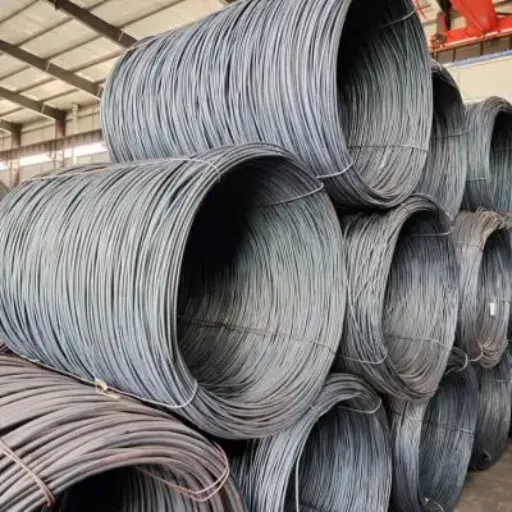
Use in Relays and Solenoids
DT4 is a type of soft iron that is well-suited for magnetics; it is, in particular, a newcomer to relay and solenoid production. Due to the type of flux that can easily pass through its hinged portion, DT4 would not function steadily if produced from another type of soft iron. It is demanded that the solenoid should have material for making relays, which actually works on the concept of switching by an electromagnet. It must be a very low coercivity and residual magnetism, and this is achieved when DT4 is chosen and not any other types of iron. In this way, the relay, when it operates more frequently and perfectly, does ensure that the switching-off action works better and thus helps the circuit to function properly.
Solenoids use materials with rather high saturation magnetization in developing magnetic fields required to complete their tasks. DT4 is an exemplary material for this application as it has a saturation flux density (Bs) of 1.92-2.1T with very low magnetic core loss, which makes it particularly attractive for use in high-frequency industrial applications. All this means that it is performance at multiple temperature ranges distinguishes it from other negative properties that insurance benefits in real practice and reliability when the solenoid is operated.
Applications in Magnetic Shields
The properties pertaining to NiFe alloy DT4, unique in their own Mitchell, make it the best choice of a material for magnetic shielding, that is, creating havoc for electromagnetic interference (EMI) when it faces it under conditions dominated by the latter. Magnetic shield materials, like the DT4, are greatly employed on MRI machines, telecommunication gadgets, and precision instruments among the many that are exposed to ambient magnetic fields. Recent works have also pointed that the high purity DT4 alloy is additionally very good for shielding because of high permeability, low coercitivity-coefficient pair, and relatively good absorption efficiency through field manipulation.
An evaluation showed that the DT4-based block attenuation in the proximity of EMI in controlled settings was consisted a reduction in emissions up to 98% against silicon steel. For the excellent machinability and ease while working, DT4 has started taking the preference of being IL design material in custom made EMI-shielding structures of advanced technology systems like aerospace and defense. The material has certification and accords to the major safety and engineering requirements-motivating features that make it an all-time favorite in the shielding world. International compliance would then signify strictly enforced performance standards, thus dependable performance that has been in close scrutiny when undertaking critical shielding issues.
Comparison with Other Magnetic Materials
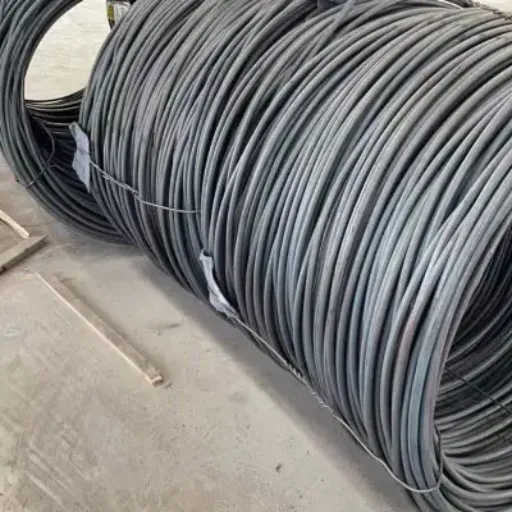
Pure Iron vs. Magnetic Steel
The special properties of pure iron and magnetic steel within different applications of electromagnetic gadgets, determining factors in other applications, produce unitary true orientations toward the selection of those raw materials. Pure iron or soft steel represents such materials with such extraordinary properties. Accelerated, almost incredible magnetic permeability accompanies very low coercivity in soft steel (feW). Auxiliary effects of these two constants-immediate magnetizability on the one hand, and residual magnetism-drastically turn it into the preferred material for said applications. Hence, pure iron serves the basic needs of transforming the magnetic flux, necessary for a working mode of e.g. transformer assemblies and other standard electromagnetic-gadget parts. Pure iron boasts a relative magnetic permeability more than 200,000, a quality that exemplifies a first-rate material for magnetic field management.
The introduction of different elements into magnetic steel besides carbon leads to modification of the magnetic properties and strengths. Silicon happens to be the noble element given its high resistivity, so one common utilization in the production of superior magnetic steels is in the production of silicon steel, particularly with low electrical resistivity as well as energy loss during the magnetism. Silicon steel is particularly recommended for use as a grain-oriented material in applications that depend on low hysteresis loss and high saturation flux. Silicon steel demonstrates high permeability to carry the relative permeability varying from 4,000 to 30,000, controlled mainly by composition and grain orientation.
Advantages of Electromagnetic Pure Iron
Pure electromagnetic iron is quite special for how fully it provides service in needed application areas. In very general terms, the biggest tool that the metals field perceives is its magnetic permeability, which is after all a category in which the commodified material can engage magnetic flux for some un-tinyly little amount of effort in reluctance. Every piece of real-life material, such as transformers, relays, and magnetic shielding, in which efficient magnetic flux could be conducted, could be made in total from pure iron.
A further feature not hard to notice is very low coercivity of magnetic pure iron that makes it too easy for magnetizing or, un-magnetizing; nearly some minute magnetic efforts are all that is required compared to the elephantine ones steel demands. This behavior of pure iron iron drastically reduces energy loss (heat loss) of hysteresis. Pure iron shows xn=0.6 W/k B at 1.0 T and 50.0 Hz whereas much greater losses are common in many magnetic steels.
Pure iron is designed with a high retention level, making it a very powerful medium which can permit a maximum saturation flux density of about 2.2 T, allowing it to work at high magnetic fields without saturation and hence suitable for high magnetic field energy applications. In addition to that, its rapid response to applied magnetism becomes highly desired in terms of enhanced energy efficiency and rapid action, all of which are necessary for systems with a high-variation dynamic range of varying magnetic-field parameters.
Frequently Asked Questions (FAQs)
Is electromagnetic pure iron a good Permeable magnet and in what way does its magnetic flux densities compare?
Electromagnetic pure iron serves as no permanent magnet but functions instead as a soft magnetic iron providing an excellent core material for the manufacture of electromagnets to generate a high magnetic flux density under the influence of a low coercive force that makes the iron borne to apply where high magnetic permeability is required under low-frequency conditions. The qualities may go more high with higher purity such as advanced electrical pure iron or armco pure iron. Lower carbon content and a smaller amount of nonmetallic inclusions help to raise magnetic properties and lower magnetic aging.
What is 99.5 purity with regard to electromagnetic pure iron, and is there iron in excess of 99.5 purity?
The 99.5 designation means that iron is over 99.5% iron with minimal amounts of an alloy like carbon or nickel; ultra-pure cleanup (almost at 99.5 or 99.85) slightly weakens the coercivity and enhances the magnetic quality. Iron products containing more than 99.5% iron are best suited for the creation of advanced magnetic cores and the creation of articles where soft magnetic iron and back-to-bell magnetic response are needed.
How does 99.99 or 99.999 purity affect electromagnetic and magnetic aging performance?
At 99.99 or higher, the extreme purity of iron will eliminate other types of impurities like nitrogen, sulfur, and non-metallic inclusions. This will produce high gas content in iron and very dense iron that shows excellent qualities for magnetic aging and magnetic performance over time. It enhances thermal conductivity, ductility, and magnetic response of low-frequency low-purity types and is particularly used in applications for precision magnetics and high-vacuum applications.
Recently Posted
-
Shanxi Jurun Technology: Your Electromagnetic Pure Iron Partner from Taiyuan, China's Pure Iron Prod
August 14, 2026When an international buyer searches for electromagnetic pure iron, they are not just looking for a material. They are looking for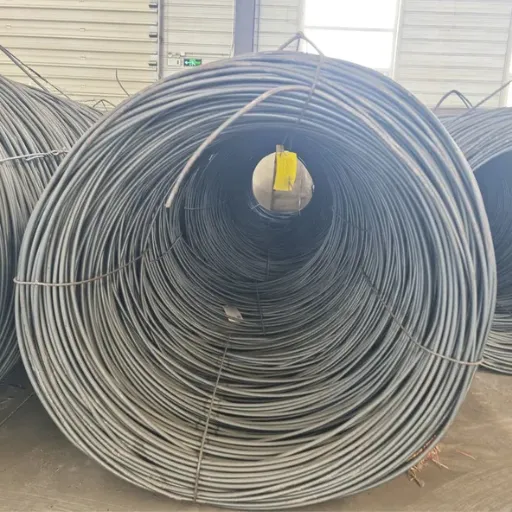 Read More
 -
Cold Drawing Process for Electromagnetic Pure Iron Wire: How Wire Rod Becomes Precision Cold-Drawn W
August 13, 2026Not long ago, a solenoid valve manufacturer in Italy received a shipment of 5.5 mm electromagnetic pure iron cold-drawn wire inten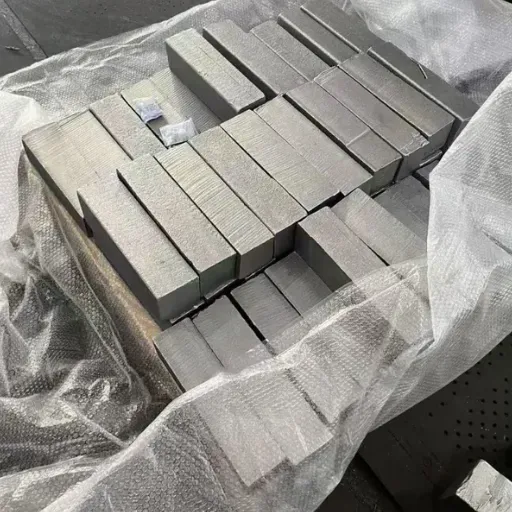 Read More
 -
How to Choose a Food Vacuum Sealer Supplier in China: 8 Evaluation Criteria
August 13, 2026An e-commerce brand owner in the UK contacted us some time ago after a supplier relationship fell apart. They had sourced roughly Read More
 -
Electromagnetic Pure Iron for Relay Manufacturing: Material Requirements, Grade Selection, and Case
August 13, 2026Some time ago, a relay production line in Zhejiang province began experiencing a puzzling failure pattern. Roughly 3 out of every
Read More

Contact Us
Recommended Products
-
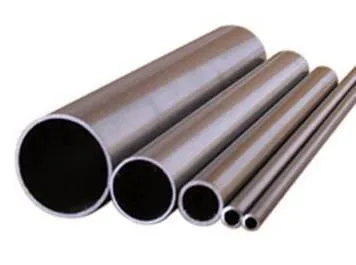
 Seamless Tube With Good Cold Electrical Pure Iron Fittings Hot Workability for Forming Fittings and ConduitsNegotiableMOQ: 1 Ton
 -
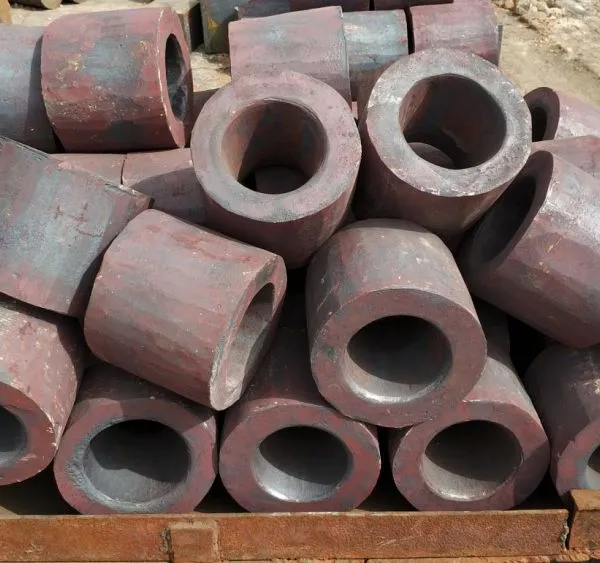
Electromagnetic Pure Iron Forging for Automotive Sensor ManufacturingNegotiableMOQ: 100 Kilograms
-
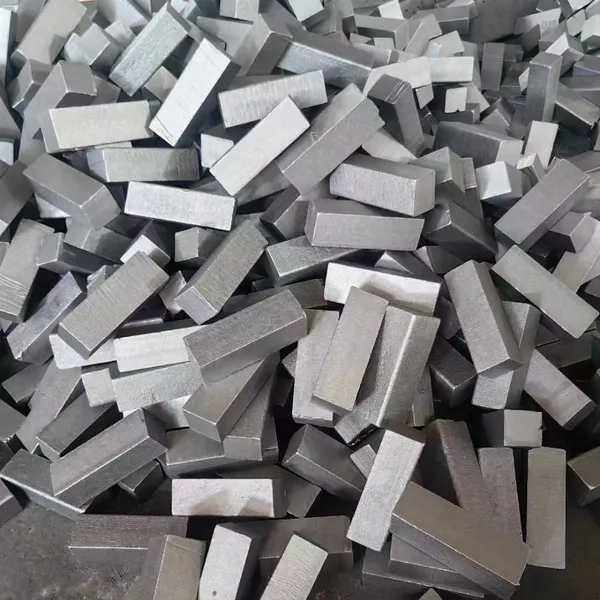
Precision Cut Pure Iron Square Bar High Saturation Induction Raw Material for Generator and RotorNegotiableMOQ: 100 Kilograms
-
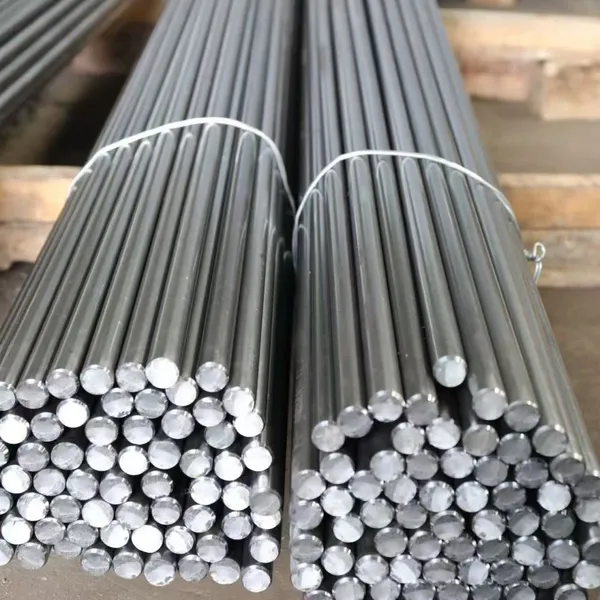
DT4C Super Grade Electromagnetic Pure Iron Bright Bar With Bundle Weight 30-100kg for Easy TransportationNegotiableMOQ: 1 Ton
-
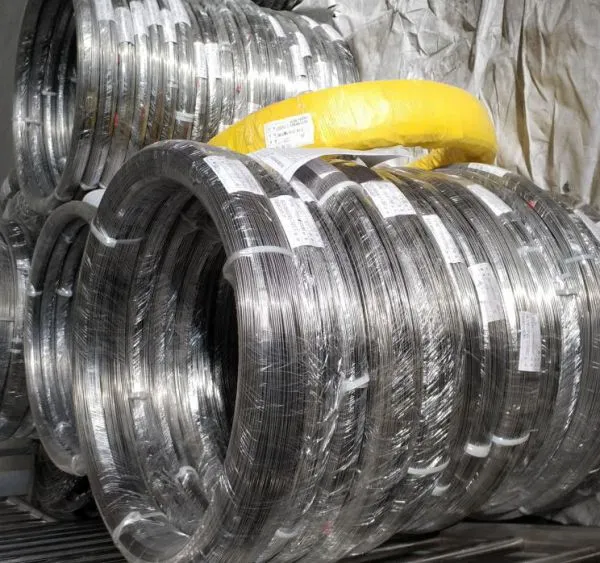
DT4C Electromagnetic Pure Iron Cold-Drawn Wire 0.5mm-6.0mm Diameter for TransformersNegotiableMOQ: 100 Kilograms
-
Industrial Pure Iron Bar for Electromagnetic Relay and Sensor ProductionNegotiableMOQ: 1 Ton
-
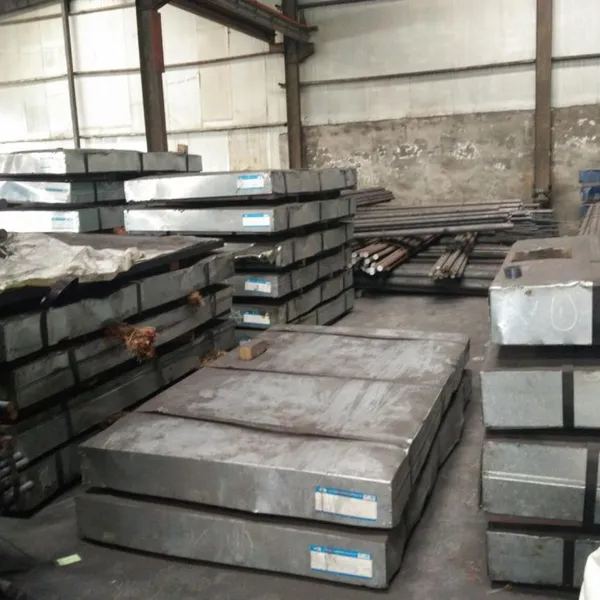
Electromagnetic Pure Iron Thin Sheet 0.3mm-0.8mm for Solenoid and Relay ManufacturingNegotiableMOQ: 500 Kilograms
-
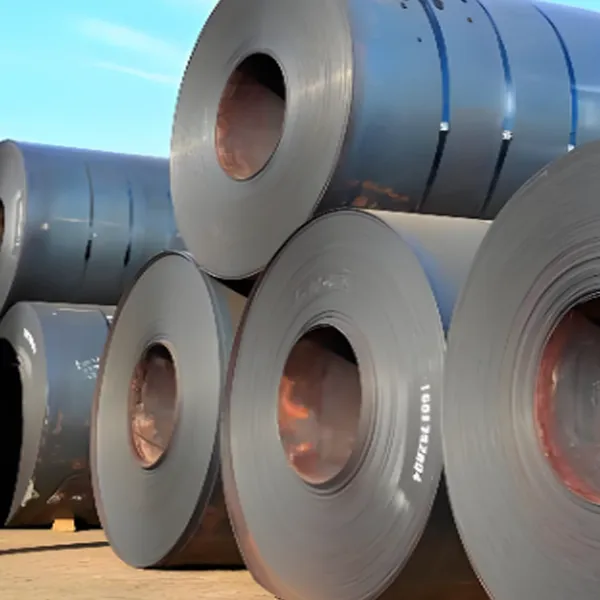
Electrical Pure Iron Hot-Rolled Coil for Magnetic Components With Low Iron LossNegotiableMOQ: 1 Ton
-
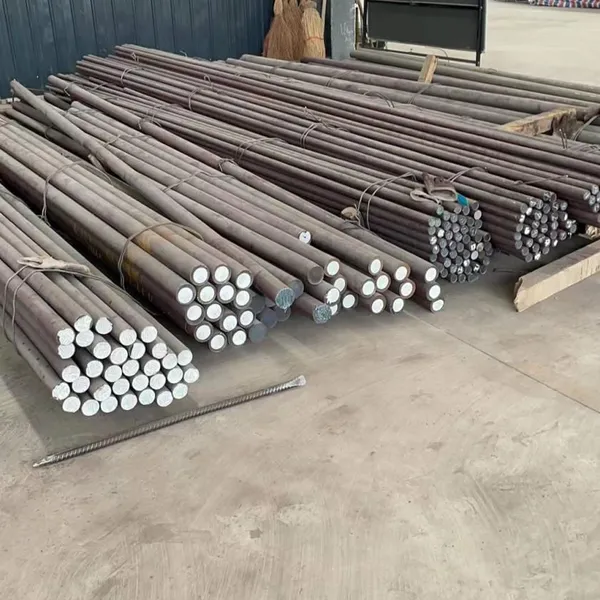
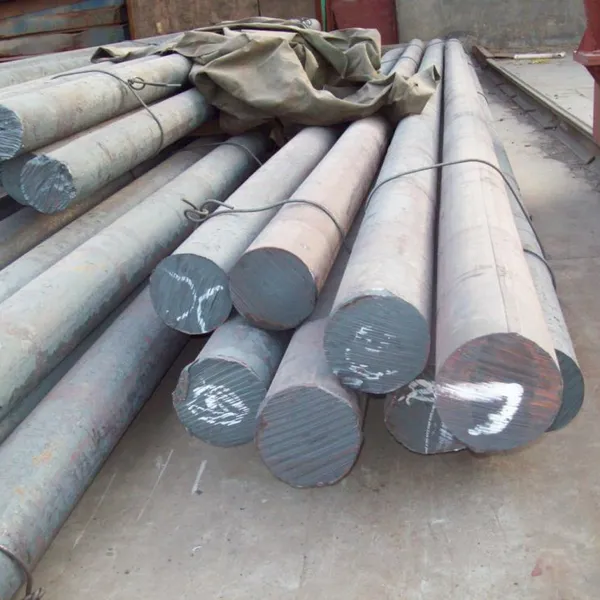
Low Carbon DT4C Pure Iron Round Bar With 99.8% Fe Content for Electrical ApplicationsNegotiableMOQ: 1 Ton
-
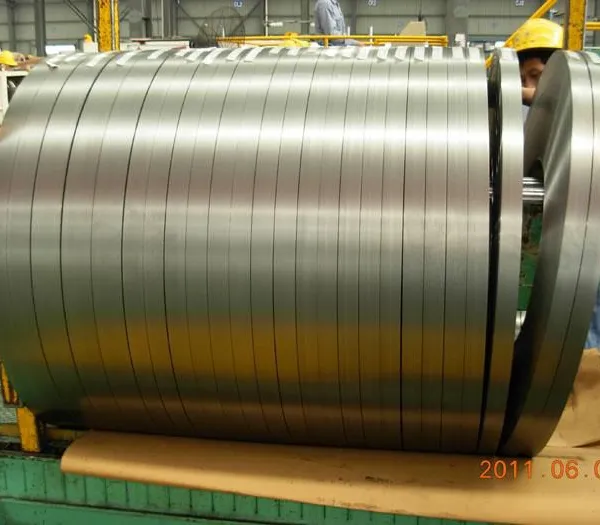
Cold Rolled Pure Iron Slit Coil DT4C Grade Ultra Low Carbon ≤0.004% for Magnetic ComponentsNegotiableMOQ: 1 Ton
-
Low Iron Loss Electromagnetic Pure Iron Hot-Rolled Coil DT4C for Transformer CoresNegotiableMOQ: 1 Ton
-
Soft Magnetic Pure Iron Sheet With Minimum Iron Loss for High-Efficiency MotorsNegotiableMOQ: 1 Ton
-
Electromagnetic Pure Iron Cold Rolled Coil DT4C for High Magnetic Permeability ApplicationsNegotiableMOQ: 1 Ton
-
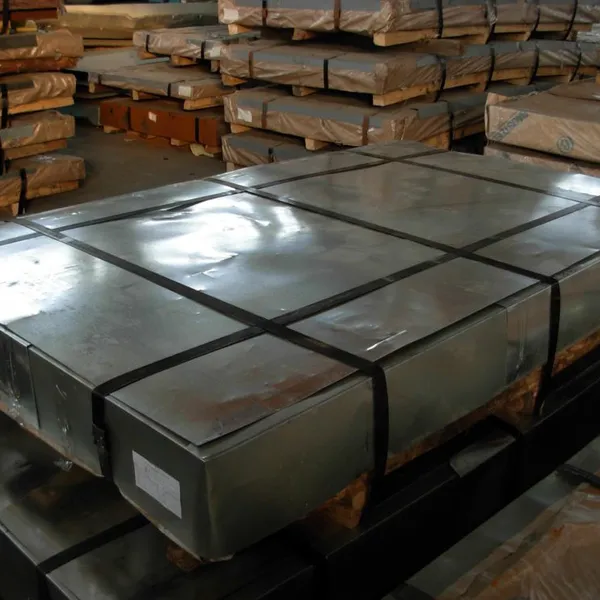
Industrial Pure Iron Tube Superior Surface Quality Electromagnetic Pure Iron Tube for Welding and Plating ProcessesNegotiableMOQ: 1 Ton
-
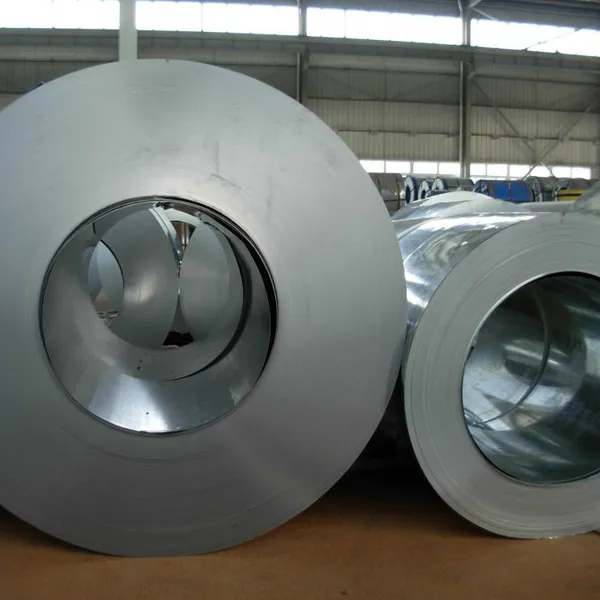
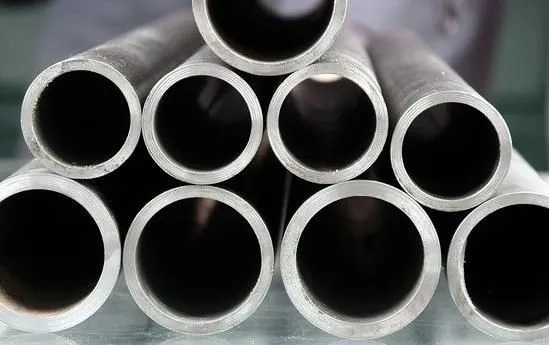
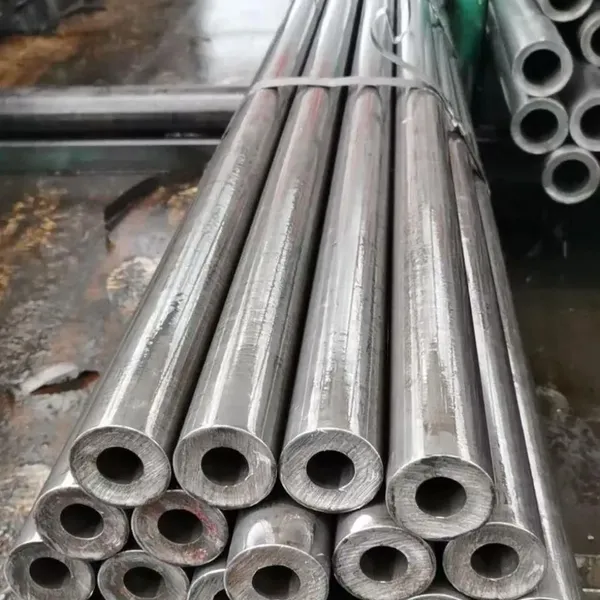
DT4 Seamless Pure Iron Tubing for High-Performance Electrical Equipment ApplicationsNegotiableMOQ: 1 Ton
-
DT4C Iron Wire Rod for Precision Magnetic Shielding ApplicationsNegotiableMOQ: 100 Kilograms
-
Industrial Pure Iron Fittings DT4 Pure Iron Seamless Tube With Low Hysteresis Loss for Electromagnetic SystemsNegotiableMOQ: 1 Ton
-
DT4C Cold Rolled Coil Slitting for Electrical Enclosure ManufacturingNegotiableMOQ: 1 Ton
-
Anti Rust Coated Pure Iron Square Bar Low Carbon Raw Material for Welding and Forging Magnetic PartsNegotiableMOQ: 100 Kilograms
-
DT4 Pure Iron Cold-Drawn Wire 0.5mm-6.0mm Diameter for Precision EngineeringNegotiableMOQ: 500 Kilograms