
 Business License

Transformer Core Materials: A Complete Guide to High-Efficiency Core Selection
When Marcus Chen's engineering team in Jiangsu tested their new batch of distribution transformers in March 2024, the results were alarming. Core losses were 18% higher than spec. The problem wasn't their winding process or design. It was the core material.
After switching to a higher-grade electromagnetic pure iron with verified ultra-low carbon content, losses dropped to within design parameters. Their client acceptance rate jumped from 84% to 97%.
That single change saved Marcus's company over $200,000 in warranty claims and rework costs over the next 12 months.
Transformer core materials determine efficiency, reliability, and long-term performance in every electrical device. Whether you build power distribution equipment, design control systems, or source raw materials for electromagnetic components, understanding core materials directly impacts your bottom line.
In this guide, you'll learn what makes one core material superior to another, how magnetic properties translate into real-world performance, and how to select the optimal material for your specific transformer application.
What Are Transformer Core Materials?
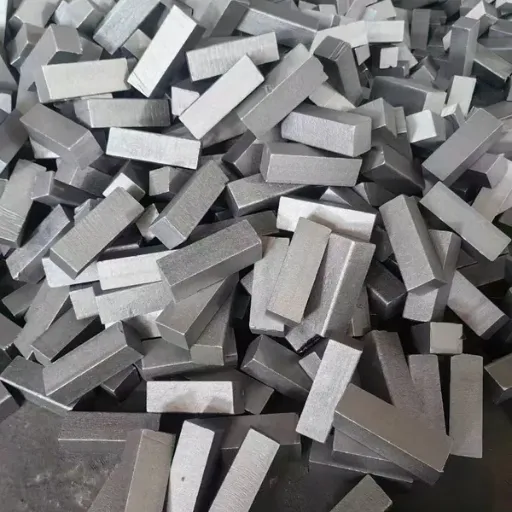
Transformer core materials are the magnetically soft substances that form the central magnetic circuit of a transformer. Their primary job is to provide a low-reluctance path for the magnetic flux generated by the primary winding. This flux then induces voltage in the secondary winding, enabling energy transfer without direct electrical connection.
The ideal core material exhibits high magnetic permeability, low coercivity, and minimal energy loss during each magnetization cycle. These properties collectively define what engineers call "soft magnetic materials." Soft magnetic materials magnetize easily under a small applied field and demagnetize just as readily when the field is removed.
In practical terms, this means the core must channel magnetic energy efficiently while wasting as little as possible as heat. The choice of material affects everything from no-load losses and audible hum to the physical size and weight of the finished transformer.
Want to dive deeper into the properties that define premium electromagnetic pure iron? Explore our DT4C pure iron specifications and see how ultra-low carbon content translates into measurable performance gains.
The Most Common Transformer Core Materials
Manufacturers have several options when selecting core materials. Each offers a distinct balance of performance, cost, and manufacturability.
Grain-Oriented Silicon Steel
Grain-oriented silicon steel remains the most widely used transformer core material worldwide. It contains approximately 3% silicon, which increases electrical resistivity and reduces eddy current losses. Manufacturers orient the grains during production. This aligns the crystalline structure with the rolling direction, which maximizes permeability along the flux path.
This material dominates the market for large power transformers and distribution transformers because it offers excellent performance at moderate cost. Modern high-permeability grades achieve core losses below 0.90 W/kg at 1.5 Tesla and 50 Hz.
However, silicon steel has limitations. At very high frequencies, losses increase substantially. The material is also relatively brittle, which constrains certain core geometries. For applications demanding the absolute lowest losses or operation at higher frequencies, engineers often look beyond silicon steel.
Amorphous Metal Alloys
Amorphous metal alloys, often sold under trade names like Metglas, represent the cutting edge of low-loss core technology. These materials lack the crystalline structure of conventional metals, which virtually eliminates hysteresis loss. Core losses can be 70-80% lower than conventional silicon steel.
The downside is cost. Amorphous cores typically cost two to three times more than silicon steel equivalents. They are also thinner and more difficult to handle during manufacturing, which increases processing complexity. As a result, amorphous metal sees adoption primarily in distribution transformers where energy savings over a 30-year lifespan justify the upfront premium.
According to the U. S. Department of Energy, distribution transformers with amorphous cores can save utilities billions of kilowatt-hours annually across a national grid.
Ferrite Materials
Ferrites are ceramic compounds made from iron oxide mixed with metallic elements like manganese, zinc, or nickel. Their extremely high electrical resistivity makes them ideal for high-frequency transformers in switch-mode power supplies, inverters, and RF applications.
Ferrite cores operate effectively from kilohertz to megahertz frequencies where metallic cores would suffer catastrophic eddy current losses. They are molded into precise shapes, enabling compact designs for consumer electronics and telecommunications equipment.
The trade-off is lower saturation flux density compared to metallic materials. Ferrites saturate at roughly 0.3-0.5 Tesla, whereas silicon steel and pure iron can reach 1.8-2.1 Tesla. This means ferrite transformers require larger cross-sectional areas for the same power rating.
Electromagnetic Pure Iron
Electromagnetic pure iron, particularly grades like DT4C, occupies a critical niche in the transformer core materials landscape. With carbon content at or below 0.004%, this material delivers exceptionally high magnetic permeability and ultra-low iron loss.
Li Wei is a senior materials engineer at a Guangdong transformer manufacturer. He ran comparative tests between standard commercial steel and DT4C electromagnetic pure iron. The difference was immediate and measurable. The DT4C cores showed 15% lower hysteresis loss at operating flux density. Over a production run of 5,000 medium-voltage transformers, those savings added up. The company met updated national energy efficiency standards without redesigning their winding geometry.
DT4C pure iron is particularly valuable in:
Precision instrument transformers where accuracy and minimal phase error matter
High-efficiency power transformers operating under continuous load
Specialty electromagnetic devices requiring maximum flux density
Prototyping and small-batch manufacturing where material consistency is critical
The ultra-low carbon content in DT4C prevents the formation of carbide precipitates that disrupt magnetic domain movement. This microscopic purity directly enables the macroscopic performance that engineers demand.
Ready to see how DT4C pure iron performs in your specific transformer design? Contact our engineering team to request a sample batch and technical datasheet tailored to your application.
How Material Properties Affect Transformer Performance
Understanding the terminology surrounding transformer core materials allows you to translate specifications into performance predictions.
Magnetic Permeability
Magnetic permeability measures how readily a material supports magnetic field formation. Higher permeability means the core channels more flux for the same magnetizing current. This directly reduces the magnetizing volt-amperes the transformer needs.
In practical design terms, higher permeability enables smaller cores, fewer winding turns, or lower excitation current. Electromagnetic pure iron grades like DT4C achieve maximum permeability values exceeding 15,000, compared to roughly 5,000-8,000 for standard silicon steels.
Iron Loss and Hysteresis
Iron loss, also called core loss, represents the energy dissipated as heat within the core during operation. It comprises two components: hysteresis loss and eddy current loss.
Hysteresis loss happens because magnetic domains inside the material resist reorientation as the field alternates. Each cycle traces a hysteresis loop on the B-H curve. The area inside that loop equals the energy lost per cycle. Soft magnetic materials with low coercivity, such as DT4C pure iron, show narrow hysteresis loops. That means minimal hysteresis loss.
Eddy current loss results from circulating currents induced within the conductive core material by the changing magnetic field. Lamination, material thinning, and increased resistivity all combat eddy currents. This is why transformer cores are built from stacked laminations rather than solid blocks.
Saturation Induction
Saturation induction is the maximum flux density a material can carry. Beyond this point, extra magnetizing force produces diminishing returns. Once saturated, the core loses its magnetic advantage. The transformer then behaves more like an air-core inductor with much higher magnetizing current.
Silicon steel saturates around 2.0 Tesla. Electromagnetic pure iron can reach approximately 2.15 Tesla. Ferrites, by comparison, saturate below 0.5 Tesla. Choosing a material with adequate saturation margin ensures the transformer operates in the linear region of its magnetization curve under all expected load and voltage conditions.
Choosing the Right Core Material for Your Application
Selection involves balancing electrical requirements, thermal constraints, physical geometry, and total cost of ownership.
Power Transformers and Distribution Equipment
For large power transformers operating at grid frequency (50 or 60 Hz), grain-oriented silicon steel remains the default choice. Its maturity, availability, and favorable cost-performance ratio make it difficult to displace.
Where regulations mandate ultra-low no-load losses, such as DOE 2016 efficiency standards in the United States or equivalent European directives, amorphous metal becomes economically viable despite higher material costs. Utilities operating thousands of distribution transformers can recover the premium through decades of reduced energy losses.
Instrument and Measurement Transformers
Accuracy matters more than absolute efficiency in current transformers and voltage transformers used for metering and protection. Electromagnetic pure iron excels here because its high permeability at low flux densities minimizes ratio error and phase displacement.
DT4C pure iron cores help instrument transformers maintain Class 0.2 or Class 0.5 accuracy even under partial load conditions where lower-grade materials would exhibit significant nonlinearity.
High-Frequency and Switching Applications
Switch-mode power supplies, DC-DC converters, and inverter transformers operate at frequencies from tens of kilohertz to over one megahertz. At these frequencies, ferrite is essentially the only viable option due to its insulating properties.
Engineers select ferrite compositions based on frequency range, loss characteristics, and temperature stability. MnZn ferrites dominate below 1 MHz, while NiZn ferrites serve higher frequency applications.
Specialty and Custom Transformers
When Sarah Okafor, a procurement manager for an African power infrastructure contractor, needed 200 specialized excitation transformers for a hydroelectric project, standard catalog cores wouldn't work. The transformers needed to operate at an unusual frequency with severe space constraints.
Her team evaluated electromagnetic pure iron cold-rolled sheets slit to custom widths. The material offered high saturation flux density plus excellent low-frequency performance. This allowed a compact design that silicon steel couldn't match. Amorphous metal couldn't justify its cost for this project. The project shipped on schedule. The transformers have operated for three years without a single core-related failure.
Need custom-slit pure iron coils or precision-cut laminations for your transformer project? Get a custom quote for your exact dimensional and grade requirements with flexible MOQs starting at just 100kg for specialty orders.
Manufacturing and Processing Considerations
The raw material is only part of the story. How it is processed into a finished core profoundly affects final performance.
Cold-Rolled vs. Hot-Rolled Materials
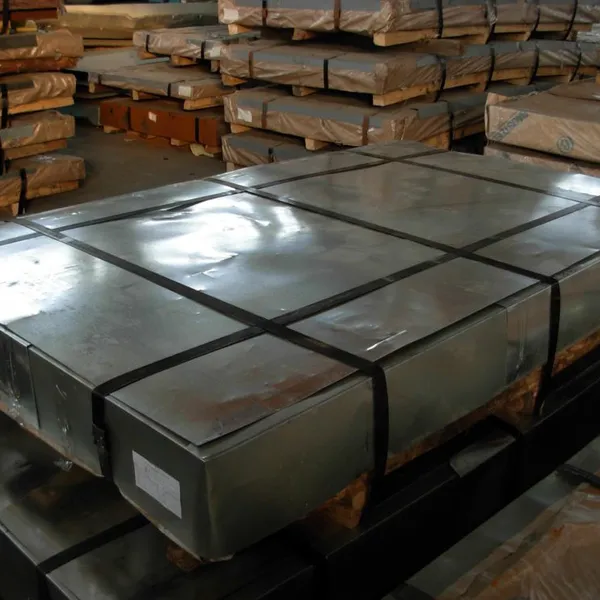
Cold-rolled magnetic materials undergo deformation at room temperature, which produces thinner gauges, smoother surfaces, and more precise dimensional control. Cold-rolled electrical steel and pure iron sheets typically range from 0.3mm to 0.5mm thick, ideal for laminations in high-efficiency cores.
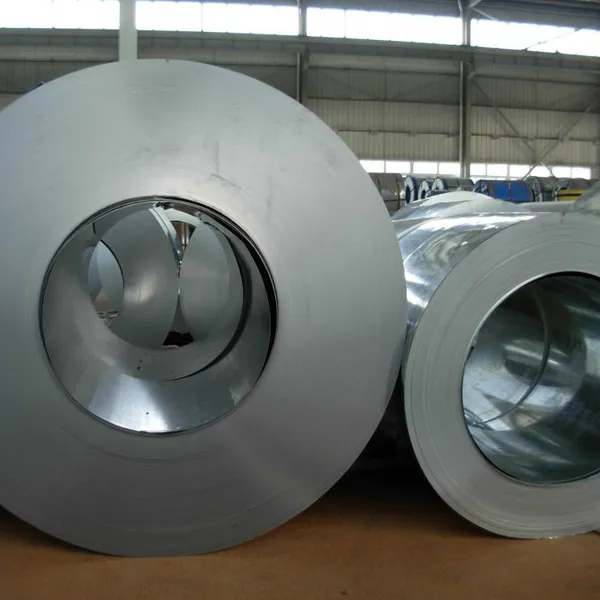
Hot-rolled materials, produced at elevated temperatures, offer lower cost and are available in thicker sections. DT4C hot-rolled coils serve applications where gauge flexibility and economy outweigh the absolute lowest loss requirements. Many medium-size transformer manufacturers prefer hot-rolled electromagnetic pure iron for its excellent magnetic properties at a competitive price point.
Core Construction Methods
Laminated cores stack individual sheets insulated from one another. This interrupts eddy current paths. The stacking factor measures how completely the core volume fills with magnetic material versus insulation and air gaps. It typically ranges from 0.95 to 0.98.
Wound cores, common in distribution transformers, form a continuous magnetic path with joints only at the corners. This construction minimizes reluctance and reduces no-load losses compared to conventional stacked designs. Step-lap joint configurations further improve performance by optimizing flux transfer across the butt joints.
Annealing and Stress Relief
Mechanical stress degrades magnetic properties. Punching, shearing, and handling operations introduce stresses that increase iron loss and decrease permeability. Proper annealings after core manufacturing recrystallize the material and restore optimal magnetic characteristics.
Manufacturers working with electromagnetic pure iron must control the annealing atmosphere and temperature carefully. Hydrogen annealing at 800-850°C produces the best results for pure iron grades. This process yields maximum permeability and minimum coercivity.
Cost vs. Performance: Finding the Right Balance
The best transformer core material is not always the one with the lowest losses. It is the one that delivers the required performance at the lowest total cost over the equipment lifetime.
Material Cost Hierarchy
At the raw material level, the approximate cost ranking from lowest to highest is:
Standard non-oriented silicon steel
Grain-oriented silicon steel
Electromagnetic pure iron (DT4C)
Amorphous metal alloys
However, material cost represents only a fraction of total transformer cost. Winding copper, insulation, structural components, labor, and transportation often dominate the bill of materials.
Total Cost of Ownership
For utilities and industrial operators, energy losses over decades of operation frequently exceed the initial purchase price. A distribution transformer might consume electricity worth $5,000 to $10,000 over 30 years. Reducing core losses by even 20% creates savings that dwarf any material premium.
This calculus explains why energy-efficient regulations continue tightening worldwide. It also explains why premium materials like DT4C electromagnetic pure iron and amorphous metal gain market share despite higher upfront costs.
When Premium Materials Make Sense
Premium core materials justify their cost when:
The transformer operates continuously at or near full load
Energy prices are high or rising
Efficiency regulations mandate low losses
Physical size and weight constraints favor high-permeability materials
The application demands exceptional accuracy or linearity
For intermittently operated equipment, lightly loaded transformers, or cost-sensitive consumer goods, standard silicon steel or even lower-grade alternatives may represent the rational choice.
Conclusion
Transformer core materials are far more than a commodity input. They are the fundamental determinant of how efficiently, reliably, and compactly a transformer performs its essential function.
Here are the key takeaways to guide your next core material decision:
Grain-oriented silicon steel remains the workhorse for grid-frequency power and distribution transformers, offering proven performance at moderate cost.
Amorphous metal alloys deliver the lowest losses available but require careful economic justification due to higher material and processing costs.
Ferrite cores dominate high-frequency applications where metallic materials would suffer prohibitive eddy current losses.
Electromagnetic pure iron, particularly DT4C grade with its ultra-low carbon content and exceptional magnetic permeability, serves precision, high-efficiency, and specialty transformer applications where material purity directly enables performance.
When Marcus Chen's team solved their loss problem by upgrading core material, they didn't just fix one product line. They transformed their company's reputation for quality and reliability. The material you choose for your transformer cores sends a signal about your standards.
If you're specifying materials for a new transformer design, troubleshooting an existing performance issue, or sourcing core laminations for production, the right material makes all the difference. Request a custom quote for DT4C electromagnetic pure iron tailored to your exact gauge, width, and grade requirements. Our technical team is ready to help you select the optimal material and processing options for your specific transformer application.
Recently Posted
-
GB/T 6983 Electromagnetic Pure Iron Standard: Key Chemical and Magnetic Requirements
September 4, 2026A quality manager at an Indian relay manufacturer once received a mill test certificate from a Chinese supplier showing "DT4& Read More
 -
Pure Iron for Solenoid Valve Cores: Fast Response, Low Remanence, and Material Selection
September 4, 2026Some time ago, a pneumatic equipment manufacturer in Zhejiang began receiving customer complaints about solenoid valves that faile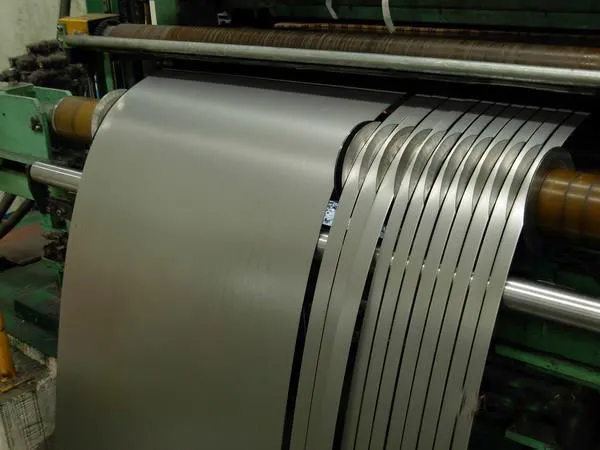 Read More
 -
How to Source Electromagnetic Pure Iron from China: A Step-by-Step Buyer's Guide
September 3, 2026Not long ago, a European automation company sent the same inquiry to six Chinese suppliers: "Need electromagnetic pure iron,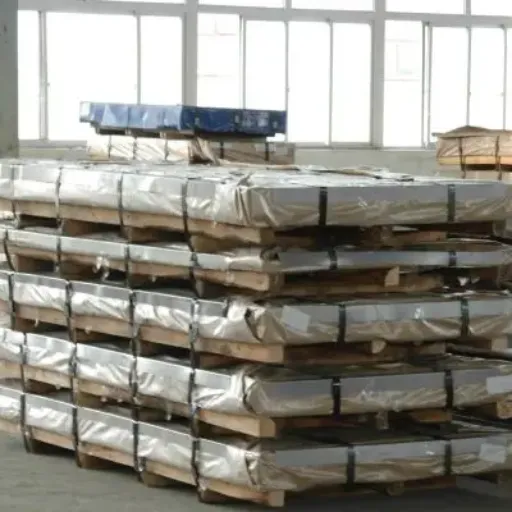 Read More
 -
DT4 vs. DT4C Pure Iron: Magnetic Performance, Cost Differences, and When to Upgrade
September 3, 2026A solenoid valve producer in Jiangsu ordered DT4 cold-drawn bar for a new proportional valve line, reasoning that the grade was &q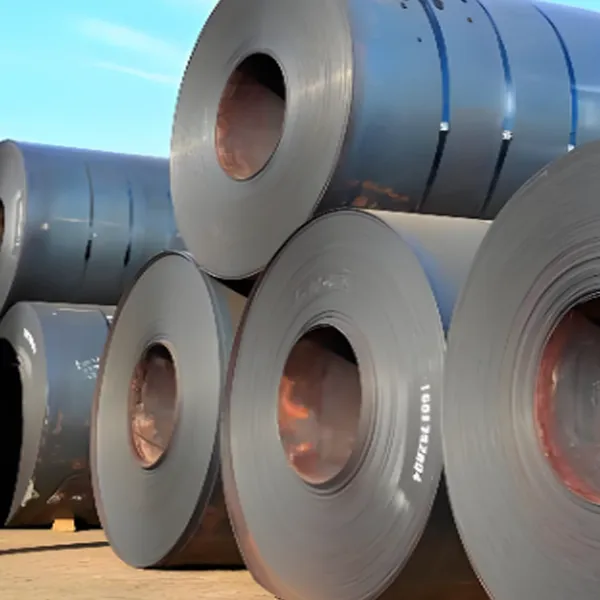 Read More

Contact Us
Recommended Products
-
 Seamless Tube With Good Cold Electrical Pure Iron Fittings Hot Workability for Forming Fittings and ConduitsNegotiableMOQ: 1 Ton
 -
Electromagnetic Pure Iron Forging for Automotive Sensor ManufacturingNegotiableMOQ: 100 Kilograms
-
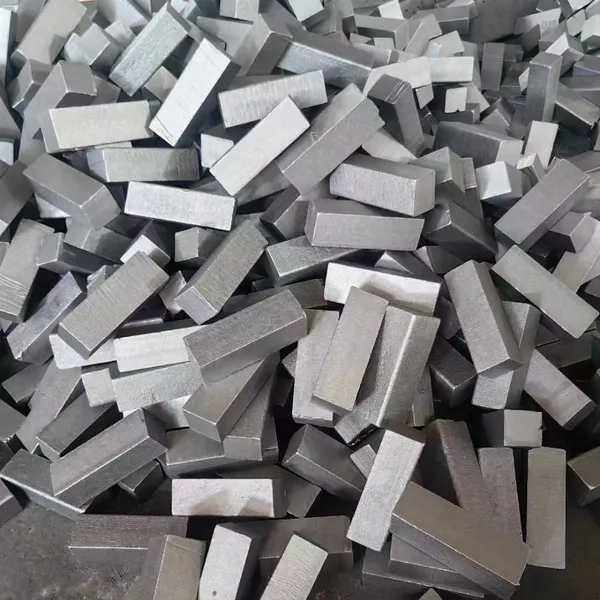
Precision Cut Pure Iron Square Bar High Saturation Induction Raw Material for Generator and RotorNegotiableMOQ: 100 Kilograms
-
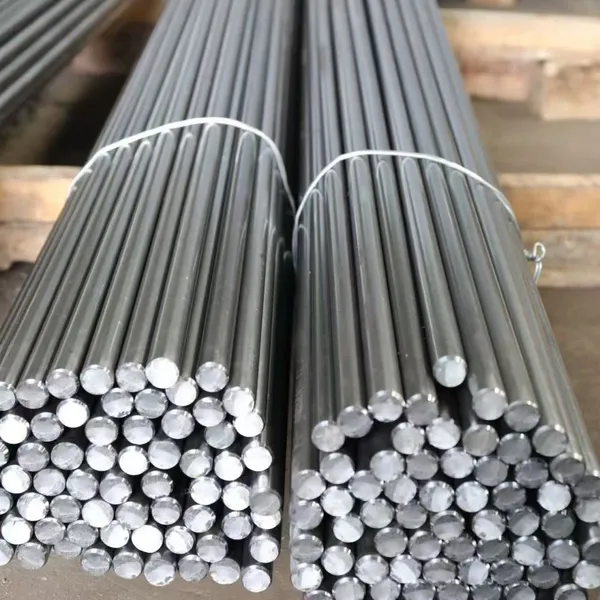
DT4C Super Grade Electromagnetic Pure Iron Bright Bar With Bundle Weight 30-100kg for Easy TransportationNegotiableMOQ: 1 Ton
-
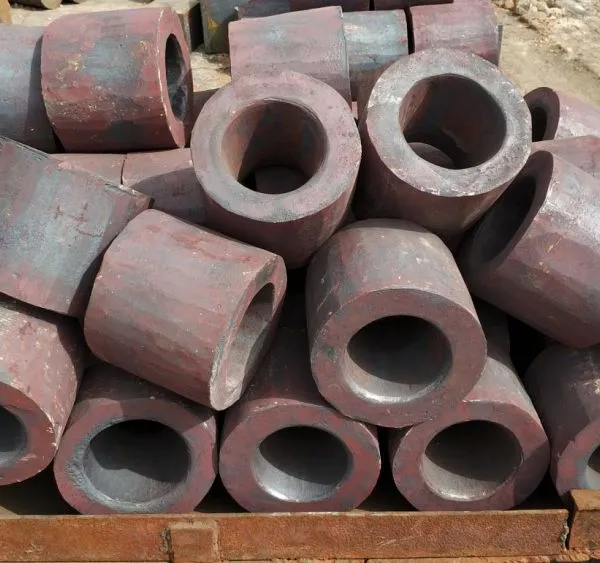
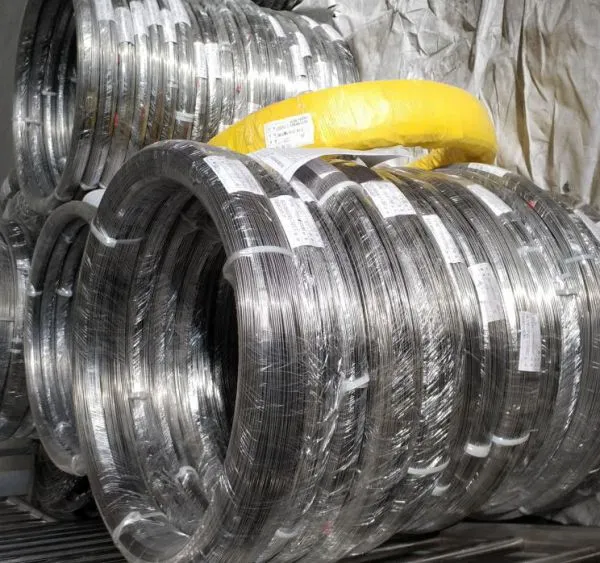
DT4C Electromagnetic Pure Iron Cold-Drawn Wire 0.5mm-6.0mm Diameter for TransformersNegotiableMOQ: 100 Kilograms
-
Industrial Pure Iron Bar for Electromagnetic Relay and Sensor ProductionNegotiableMOQ: 1 Ton
-
Electromagnetic Pure Iron Thin Sheet 0.3mm-0.8mm for Solenoid and Relay ManufacturingNegotiableMOQ: 500 Kilograms
-
Electrical Pure Iron Hot-Rolled Coil for Magnetic Components With Low Iron LossNegotiableMOQ: 1 Ton
-
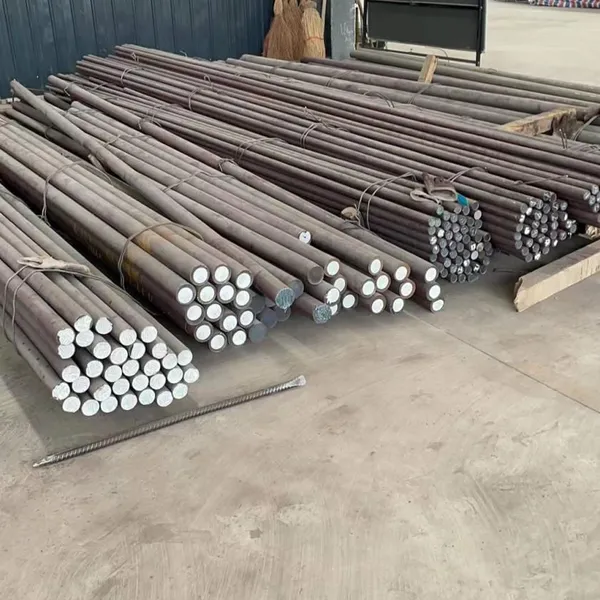
Low Carbon DT4C Pure Iron Round Bar With 99.8% Fe Content for Electrical ApplicationsNegotiableMOQ: 1 Ton
-
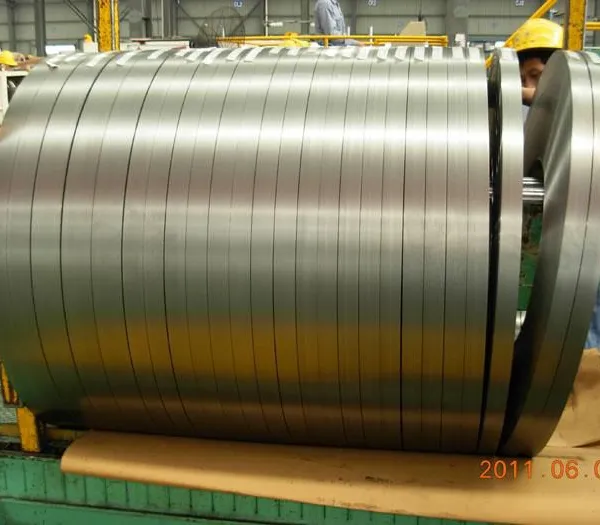
Cold Rolled Pure Iron Slit Coil DT4C Grade Ultra Low Carbon ≤0.004% for Magnetic ComponentsNegotiableMOQ: 1 Ton
-
Low Iron Loss Electromagnetic Pure Iron Hot-Rolled Coil DT4C for Transformer CoresNegotiableMOQ: 1 Ton
-
Soft Magnetic Pure Iron Sheet With Minimum Iron Loss for High-Efficiency MotorsNegotiableMOQ: 1 Ton
-
Electromagnetic Pure Iron Cold Rolled Coil DT4C for High Magnetic Permeability ApplicationsNegotiableMOQ: 1 Ton
-
Industrial Pure Iron Tube Superior Surface Quality Electromagnetic Pure Iron Tube for Welding and Plating ProcessesNegotiableMOQ: 1 Ton
-
DT4 Seamless Pure Iron Tubing for High-Performance Electrical Equipment ApplicationsNegotiableMOQ: 1 Ton
-
DT4C Iron Wire Rod for Precision Magnetic Shielding ApplicationsNegotiableMOQ: 100 Kilograms
-
Industrial Pure Iron Fittings DT4 Pure Iron Seamless Tube With Low Hysteresis Loss for Electromagnetic SystemsNegotiableMOQ: 1 Ton
-
DT4C Cold Rolled Coil Slitting for Electrical Enclosure ManufacturingNegotiableMOQ: 1 Ton
-
Anti Rust Coated Pure Iron Square Bar Low Carbon Raw Material for Welding and Forging Magnetic PartsNegotiableMOQ: 100 Kilograms
-
DT4 Pure Iron Cold-Drawn Wire 0.5mm-6.0mm Diameter for Precision EngineeringNegotiableMOQ: 500 Kilograms