
 Business License

Magnetic Permeability of Iron: A Complete Guide for High-Efficiency Applications
What if the steel in your transformer cores is silently stealing 12% of your energy efficiency? Most manufacturers never discover the answer until a client runs independent testing. By then, thousands of units have shipped, warranty claims are mounting, and engineering teams are scrambling for explanations.
You already know that material quality affects performance. What you need is a clear understanding of how magnetic permeability of iron directly controls energy loss, heat generation, and signal response in your electromagnetic devices. This guide explains the science in practical terms, shows you which iron grades deliver the best results, and reveals how processing methods can enhance or degrade permeability before the material ever reaches your production line.
What Is Magnetic Permeability of Iron?
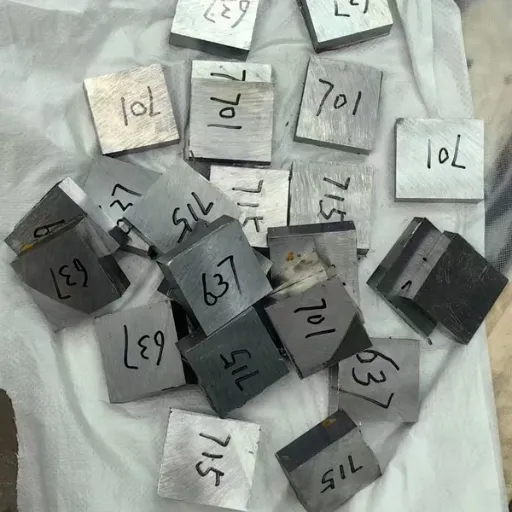
Magnetic permeability of iron describes how readily the material supports magnetic field formation when exposed to an external magnetizing force. Materials with high permeability concentrate magnetic flux, allowing engineers to build compact, efficient electromagnetic components without excessive coil current or core mass.
Relative magnetic permeability quantifies this effect by comparing a material's response to that of free space. Vacuum has a relative permeability of exactly 1. Air and non-magnetic materials remain very close to 1. High-grade electromagnetic pure iron can achieve initial relative permeability exceeding 10,000. This means the material amplifies magnetic flux more than ten thousand times better than air, a property that explains why iron remains irreplaceable in modern electrical engineering.
The magnetic permeability of iron matters because it determines how much magnetic flux your core material generates per unit of applied field strength. Higher permeability translates directly to stronger magnetic effects using less electrical energy. For manufacturers building transformers, relays, solenoids, and sensors, this relationship governs winding design, core geometry, and thermal management.
Ready to source iron with verified high magnetic permeability? Explore our full range of electromagnetic pure iron products engineered for precision applications.
Why Magnetic Permeability Varies Between Iron Grades
Not all iron delivers the same magnetic permeability. The difference between a standard industrial grade and a premium electromagnetic grade like DT4C can exceed a factor of five. Understanding what creates these differences helps you specify the right material and avoid costly specification mismatches.
Purity and Carbon Content
Carbon is the enemy of high magnetic permeability in iron. Each carbon atom disrupts the regular crystal lattice and creates pinning sites that obstruct magnetic domain wall movement. Domain walls are the boundaries between regions of aligned magnetic moments. When walls move freely, the material magnetizes easily and permeability stays high. When walls snag on impurities, the material resists magnetization and permeability drops.
DT4C electromagnetic pure iron maintains carbon content at or below 0.004%. This ultra-low carbon level removes most obstacles to domain wall motion, which explains why DT4C achieves initial relative permeability above 10,000 while standard low-carbon steels often struggle to reach 2,000.
Grain Structure and Crystallographic Orientation
Magnetic permeability of iron depends strongly on grain size and orientation. Larger grains reduce the total grain boundary area where domain walls tend to stick. Processing methods like controlled annealing after cold rolling encourage grain growth and develop favorable crystallographic texture, both of which boost permeability.
Cold-rolled electrical steel takes advantage of this principle by developing a Goss texture where grains orient with their easy magnetization directions aligned. Pure iron responds similarly to careful thermal processing. Manufacturers who control annealing atmosphere, temperature, and cooling rate can significantly improve the final magnetic permeability of iron delivered to customers.
Residual Stress and Mechanical Processing
Mechanical stress from cutting, stamping, or bending introduces dislocations that impede domain wall motion. Even careful handling can reduce magnetic permeability of iron by 20% or more if the material is not stress-relief annealed afterward. This is why precision-slit coils and custom-cut bars often perform better than raw material that has been roughly processed without subsequent annealing.
When Chen Wei's team at a Jiangsu transformer manufacturer switched from standard slit coils to precision-slit electromagnetic pure iron with post-slitting annealing, their core loss measurements dropped by 18%. The improvement came entirely from recovered magnetic permeability. The material specification had not changed, but the processing had.
Measuring Magnetic Permeability of Iron in Practice
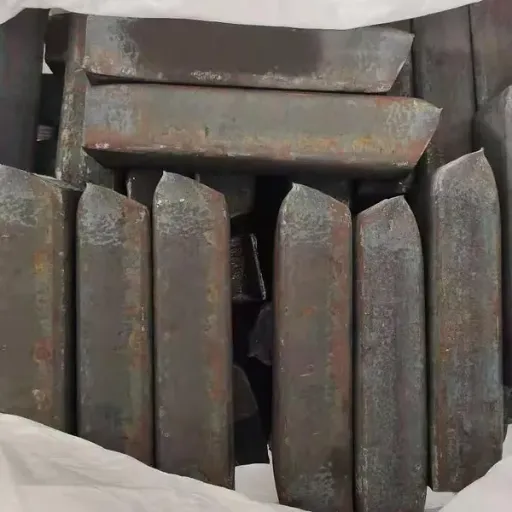
Engineers quantify magnetic permeability of iron through the fundamental relationship between magnetic field strength and resulting flux density. Field strength, measured in amperes per meter, represents the external magnetizing force. Flux density, measured in teslas, represents the magnetic effect inside the material. Permeability equals flux density divided by field strength.
Standard Test Methods
The most common measurement uses a toroidal sample wound with primary and secondary coils. The primary coil generates a controlled magnetic field. The secondary coil measures the induced voltage from changing flux. Modern test systems sweep through a range of field strengths and generate complete B-H curves showing how flux density evolves across operating conditions.
Two permeability values matter most for material selection. Initial permeability describes the slope of the B-H curve near zero field, representing the material's response in sensitive, low-field applications. Maximum permeability records the peak value achieved as field strength increases, indicating the best-case performance under moderate excitation. Both numbers appear on certified test reports for electromagnetic pure iron, and both influence design calculations.
Temperature Effects
Magnetic permeability of iron generally decreases as temperature rises. Near the Curie temperature of 770 degrees Celsius for pure iron, permeability collapses entirely as thermal vibration overcomes magnetic alignment. For room-temperature applications this is rarely a concern, but devices operating in engine compartments, industrial environments, or high-current power equipment must account for permeability degradation at elevated temperatures.
The Importance of Certified Testing
Relying on published handbook values for magnetic permeability of iron is risky. Actual permeability depends on processing history, exact composition, and test conditions. Reputable suppliers provide material certificates with measured B-H curves for each batch. When sourcing electromagnetic pure iron for critical applications, always request certified magnetic test data rather than accepting nominal specifications.
How Processing Affects Magnetic Permeability of Iron
Raw material selection is only half the story. How the iron is processed before reaching your facility can dramatically alter its magnetic performance. Understanding these effects helps you specify not just the grade, but the processing condition that delivers optimal results.
Hot-Rolled vs. Cold-Rolled Material
Hot-rolled pure iron retains larger grains and lower residual stress from processing at elevated temperatures. This generally yields higher magnetic permeability in the as-rolled condition. However, hot-rolled surfaces are rougher and dimensional tolerances are wider. Cold-rolled pure iron offers superior surface finish and tighter tolerances but introduces rolling stress that can reduce permeability unless properly annealed.
For applications where surface quality and precise thickness matter, such as thin laminations for high-efficiency motors, cold-rolled electromagnetic pure iron with full annealing provides the best combination of magnetic and mechanical properties.
Cold Drawing and Straightening
Cold drawing improves dimensional precision and surface quality for bars and wire, but the plastic deformation reduces magnetic permeability of iron significantly. Properly annealed cold-drawn bar recovers most of its permeability while retaining dimensional accuracy. When Zhang Min's relay manufacturing operation in Shenzhen switched from hot-rolled bar to annealed cold-drawn straight bar for her core pins, piece-to-piece magnetic consistency improved by 40%. The tighter tolerances also reduced her CNC machining setup time.
Slitting and Cutting
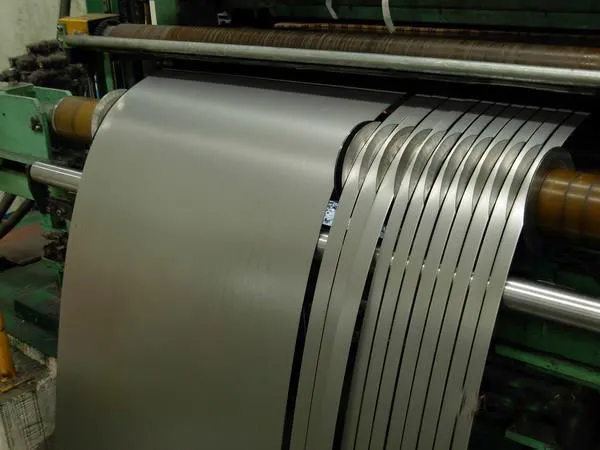
Slitting wide coils into narrow strips introduces edge deformation that locally degrades magnetic permeability. Precision slitting with minimal burr formation, followed by stress-relief annealing, preserves permeability across the strip width. For automated stamping lines feeding narrow laminations, specifying slit-and-annealed electromagnetic pure iron eliminates performance variation that can cause stack-up issues in finished cores.
Looking for precision-processed pure iron that maintains high magnetic permeability? Contact our engineering team to discuss custom slitting, cutting, and annealing services tailored to your specifications.
Applications That Depend on High Magnetic Permeability of Iron
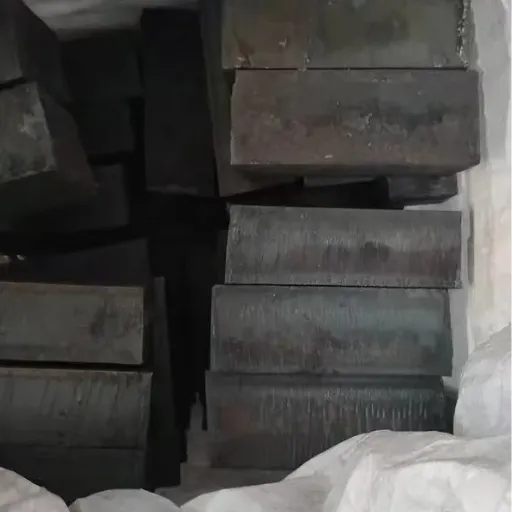
Magnetic permeability of iron directly impacts performance across a wide range of industrial applications. Each use case imposes different requirements on permeability magnitude, stability, and frequency response.
Transformer and Inductor Cores
Power transformers rely on high magnetic permeability of iron to create efficient flux paths between primary and secondary windings. Higher permeability means fewer winding turns are needed to achieve a given inductance, which reduces copper losses and overall size. Modern high-efficiency transformers use grain-oriented silicon steel or electromagnetic pure iron depending on frequency and loss requirements.
For distribution transformers operating at 50 or 60 hertz, DT4C electromagnetic pure iron offers an attractive combination of high permeability and low hysteresis loss. The material's high saturation induction also allows compact core designs that meet stringent efficiency standards.
Electromagnetic Relays and Solenoids
Relays and solenoids require rapid magnetization and demagnetization to switch mechanical elements. High magnetic permeability of iron enables strong magnetic force with modest coil current, while low coercivity ensures quick release when power is removed. Pure iron cores in these applications provide responsive, reliable actuation across millions of cycles.
Thin pure iron sheets from 0.3mm to 0.8mm are commonly stamped into relay armatures and solenoid plungers. The material's high permeability ensures consistent pull-in voltage, while its low remanence prevents sticking in the closed position.
Magnetic Shielding
High magnetic permeability of iron makes it ideal for shielding sensitive electronics from external magnetic fields. Shielding works by providing a low-reluctance path that diverts magnetic flux around the protected volume. Materials with the highest permeability offer the most effective shielding at low field strengths.
Mu-metal and similar nickel-iron alloys offer the highest permeability for extreme shielding applications, but electromagnetic pure iron provides excellent shielding performance at significantly lower cost for moderate field strengths. Multi-layer shields combining high-permeability inner layers with saturation-resistant outer layers achieve broadband protection across varying field levels.
Sensors and Measurement Devices
Current transformers, fluxgate magnetometers, and position sensors all depend on predictable, high magnetic permeability of iron. In current transformers, permeability determines measurement accuracy across the rated current range. In fluxgate sensors, it controls sensitivity to weak magnetic fields. Any variation in permeability introduces measurement error that calibration cannot fully compensate.
Selecting the Right Iron Grade for Your Application
Choosing the optimal material requires matching magnetic permeability of iron to your specific operating conditions. The highest permeability is not always the best choice if other factors like cost, saturation induction, or frequency response matter more.
DT4C Electromagnetic Pure Iron
DT4C represents the premium grade for applications demanding maximum magnetic permeability of iron. With carbon content at or below 0.004%, this grade achieves initial relative permeability above 10,000 and maximum permeability exceeding 100,000. It excels in DC applications, low-frequency transformers, sensitive relays, and magnetic shielding where every bit of permeability matters.
DT4C is available in hot-rolled coils, cold-rolled sheets, drawn bars, and forged rounds. Custom processing including slitting, cutting, and surface preparation ensures the material arrives ready for your production line.
DT4 and DT4E Grades
DT4 offers slightly relaxed purity specifications at lower cost while still delivering excellent magnetic permeability of iron for less critical applications. DT4E provides an intermediate grade with enhanced properties for applications where DT4C is over-specified but standard DT4 is insufficient.
Both grades maintain the soft magnetic characteristics that make pure iron attractive, with coercivity and iron loss values well below those of ordinary steel. They serve as economical alternatives when the absolute maximum permeability is not required.
Industrial Pure Iron and YT Series
For applications where magnetic performance is secondary to chemical purity or mechanical properties, industrial pure iron and YT series grades provide suitable alternatives. These materials still offer moderate magnetic permeability of iron but are selected primarily for welding, cladding, or chemical processing applications where high purity prevents contamination.
Decision Framework
Start by identifying your operating frequency. Pure iron performs best below a few hundred hertz. At higher frequencies, eddy current losses dominate and laminated silicon steel or ferrites become more appropriate. Next, determine your field strength range. If your design operates at high flux densities near saturation, consider whether maximum permeability or saturation induction limits your design. Finally, evaluate whether certification and traceability requirements demand specific grade documentation.
When Liu Tao's procurement team at a Guangdong motor manufacturer faced this decision in early 2026, they initially specified DT4C for an entire product line. After reviewing actual operating flux densities with our engineering team, they realized DT4E delivered identical performance in half their models at reduced material cost. The optimization saved approximately 8% on magnetic material spending without compromising any performance metric.
Conclusion
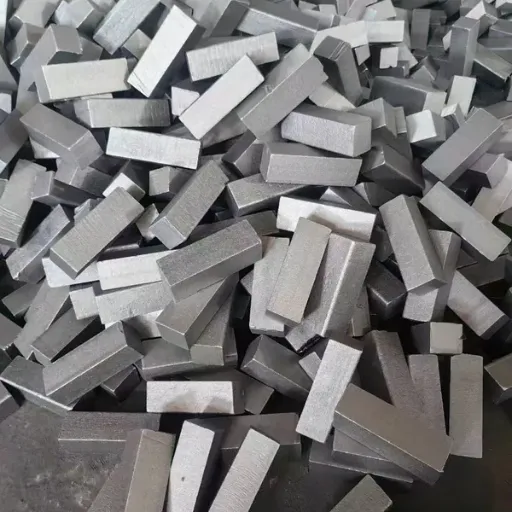
Magnetic permeability of iron is not an abstract material property. It is a practical design parameter that directly controls efficiency, size, cost, and reliability in every electromagnetic device you manufacture. Understanding how purity, processing, and measurement interact empowers you to specify materials with confidence and avoid the costly surprises that come from mismatched expectations.
Key takeaways from this guide:
High magnetic permeability of iron concentrates magnetic flux, enabling compact, efficient electromagnetic designs
Carbon content below 0.004% in grades like DT4C maximizes permeability by minimizing domain wall pinning
Processing history including rolling, drawing, and slitting significantly affects final permeability
Always request certified B-H curve data rather than relying on nominal handbook values
Match the iron grade to your actual operating conditions rather than defaulting to the highest specification
Ready to optimize your electromagnetic designs with premium pure iron? Request a custom quote for DT4C electromagnetic pure iron tailored to your exact specifications, or contact our engineering team to discuss your application requirements.
From transformer cores to precision sensors, the right magnetic material transforms good designs into exceptional products. Let magnetic permeability of iron work for you.
Recently Posted
-
How to Source Electromagnetic Pure Iron from China: A Step-by-Step Buyer's Guide
September 3, 2026Not long ago, a European automation company sent the same inquiry to six Chinese suppliers: "Need electromagnetic pure iron,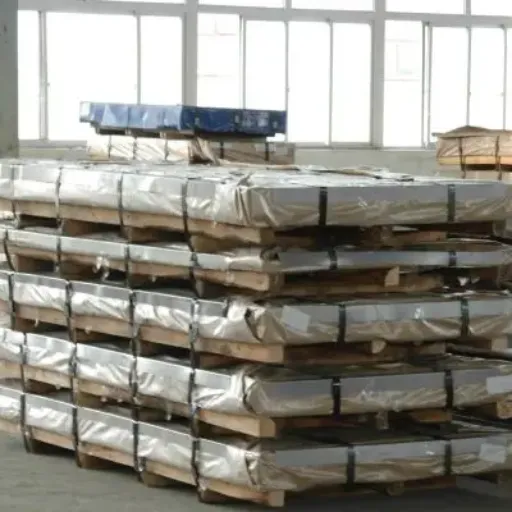 Read More
 -
DT4 vs. DT4C Pure Iron: Magnetic Performance, Cost Differences, and When to Upgrade
September 3, 2026A solenoid valve producer in Jiangsu ordered DT4 cold-drawn bar for a new proportional valve line, reasoning that the grade was &q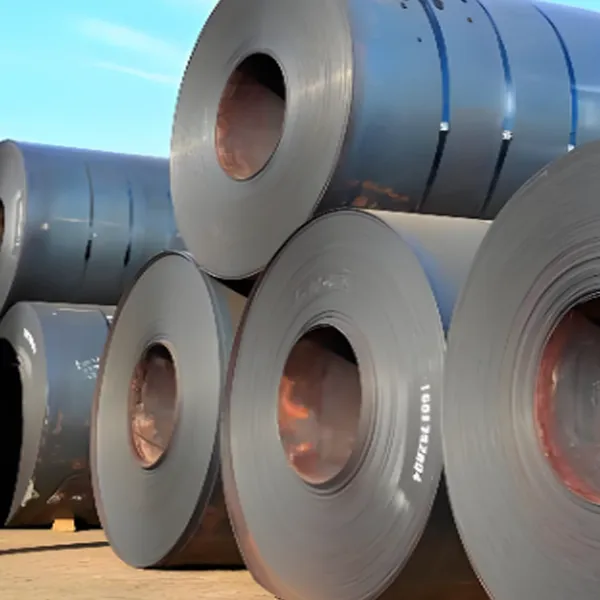 Read More
 -
Industrial Pure Iron vs. Armco Iron: Terminology, History, and Modern Equivalents
September 2, 2026Not long ago, a European motor manufacturer opened an aging drawing for a magnetic shielding housing and found the material callou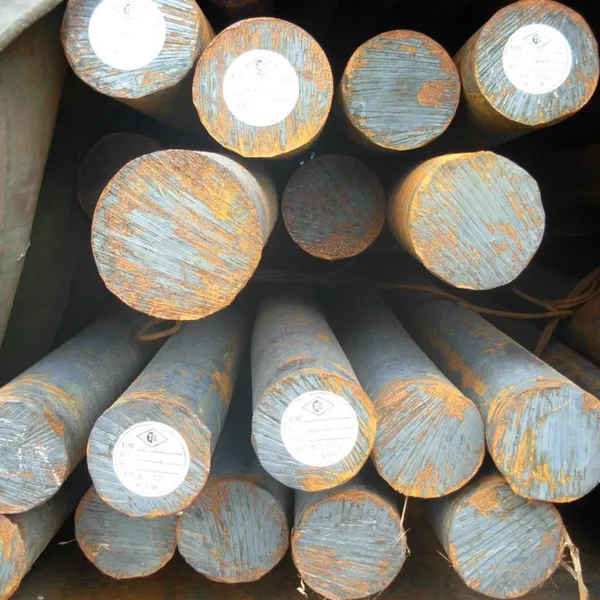 Read More
 -
Shanxi Jurun Technology: Your Electromagnetic Pure Iron Partner from Taiyuan, China's Pure Iron Prod
August 14, 2026When an international buyer searches for electromagnetic pure iron, they are not just looking for a material. They are looking for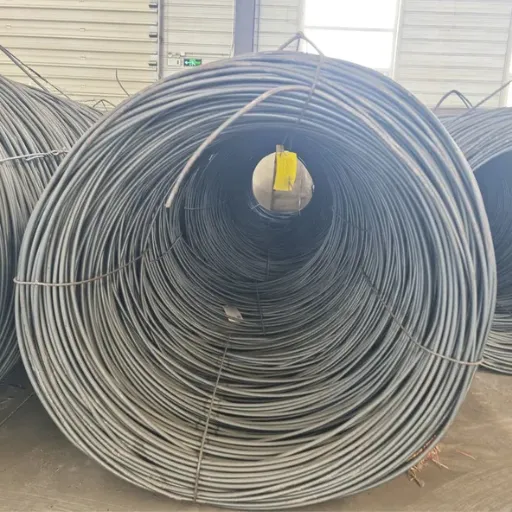 Read More

Contact Us
Recommended Products
-
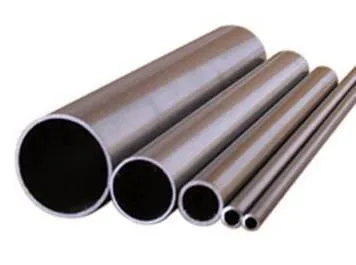
 Seamless Tube With Good Cold Electrical Pure Iron Fittings Hot Workability for Forming Fittings and ConduitsNegotiableMOQ: 1 Ton
 -
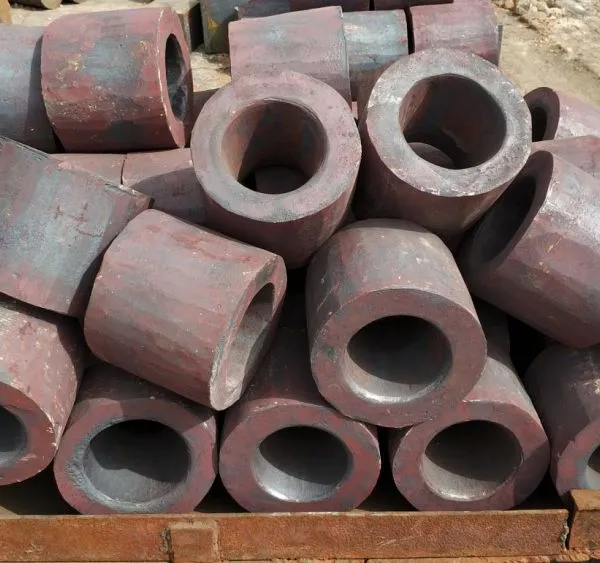
Electromagnetic Pure Iron Forging for Automotive Sensor ManufacturingNegotiableMOQ: 100 Kilograms
-
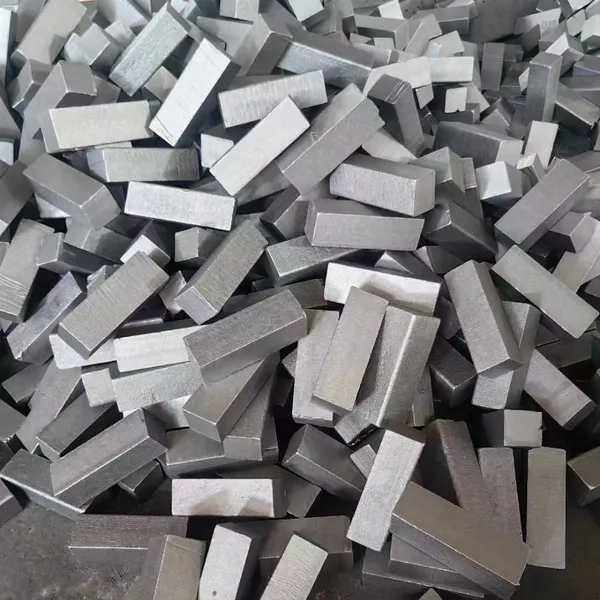
Precision Cut Pure Iron Square Bar High Saturation Induction Raw Material for Generator and RotorNegotiableMOQ: 100 Kilograms
-
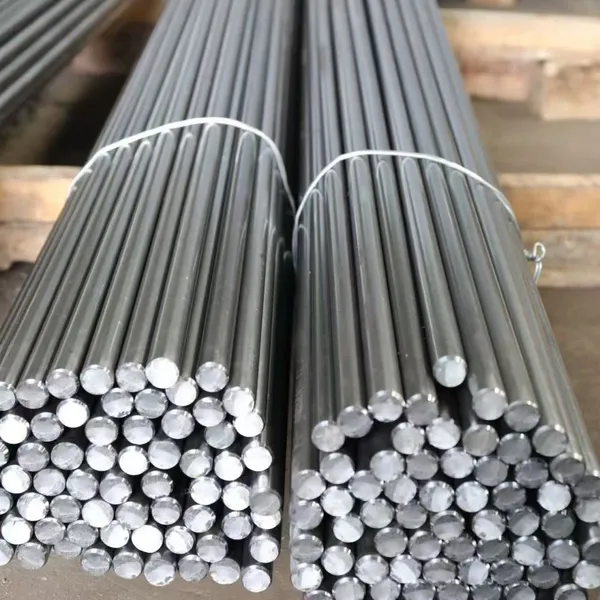
DT4C Super Grade Electromagnetic Pure Iron Bright Bar With Bundle Weight 30-100kg for Easy TransportationNegotiableMOQ: 1 Ton
-
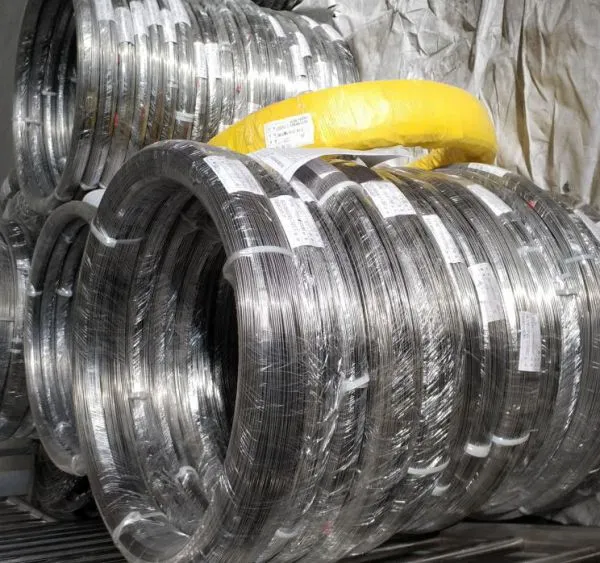
DT4C Electromagnetic Pure Iron Cold-Drawn Wire 0.5mm-6.0mm Diameter for TransformersNegotiableMOQ: 100 Kilograms
-
Industrial Pure Iron Bar for Electromagnetic Relay and Sensor ProductionNegotiableMOQ: 1 Ton
-
Electromagnetic Pure Iron Thin Sheet 0.3mm-0.8mm for Solenoid and Relay ManufacturingNegotiableMOQ: 500 Kilograms
-
Electrical Pure Iron Hot-Rolled Coil for Magnetic Components With Low Iron LossNegotiableMOQ: 1 Ton
-
Low Carbon DT4C Pure Iron Round Bar With 99.8% Fe Content for Electrical ApplicationsNegotiableMOQ: 1 Ton
-
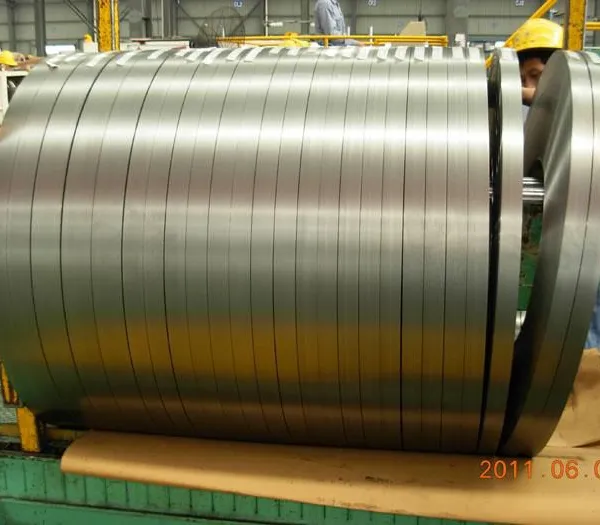
Cold Rolled Pure Iron Slit Coil DT4C Grade Ultra Low Carbon ≤0.004% for Magnetic ComponentsNegotiableMOQ: 1 Ton
-
Low Iron Loss Electromagnetic Pure Iron Hot-Rolled Coil DT4C for Transformer CoresNegotiableMOQ: 1 Ton
-
Soft Magnetic Pure Iron Sheet With Minimum Iron Loss for High-Efficiency MotorsNegotiableMOQ: 1 Ton
-
Electromagnetic Pure Iron Cold Rolled Coil DT4C for High Magnetic Permeability ApplicationsNegotiableMOQ: 1 Ton
-
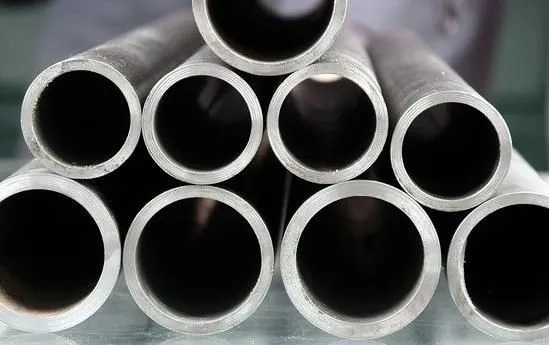
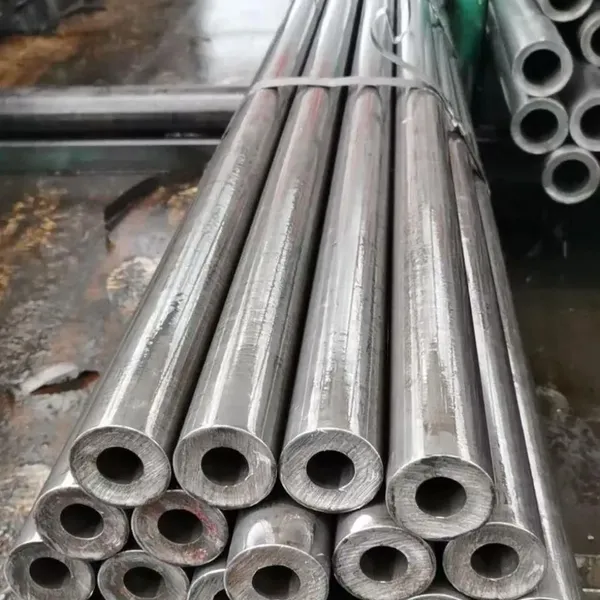
Industrial Pure Iron Tube Superior Surface Quality Electromagnetic Pure Iron Tube for Welding and Plating ProcessesNegotiableMOQ: 1 Ton
-
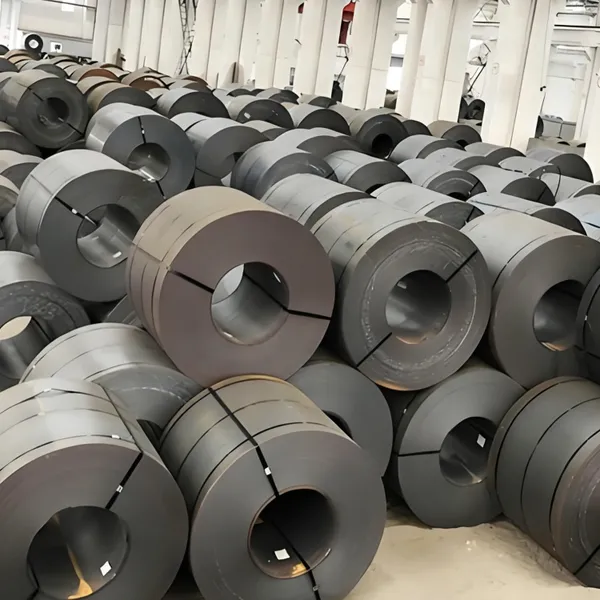
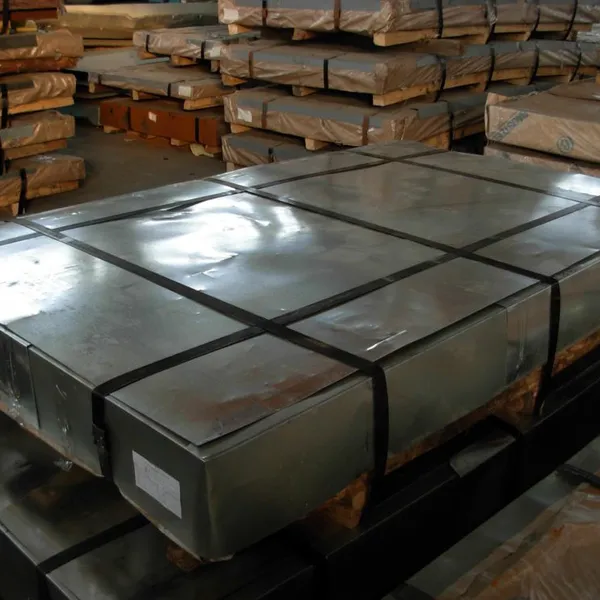
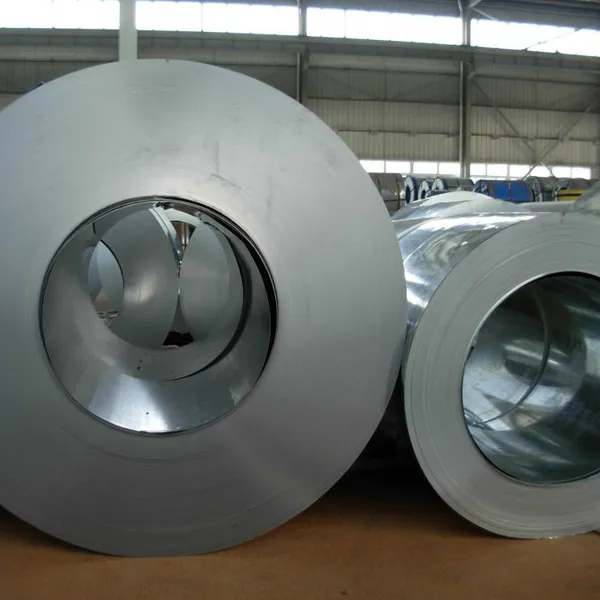
DT4 Seamless Pure Iron Tubing for High-Performance Electrical Equipment ApplicationsNegotiableMOQ: 1 Ton
-
DT4C Iron Wire Rod for Precision Magnetic Shielding ApplicationsNegotiableMOQ: 100 Kilograms
-
Industrial Pure Iron Fittings DT4 Pure Iron Seamless Tube With Low Hysteresis Loss for Electromagnetic SystemsNegotiableMOQ: 1 Ton
-
DT4C Cold Rolled Coil Slitting for Electrical Enclosure ManufacturingNegotiableMOQ: 1 Ton
-
Anti Rust Coated Pure Iron Square Bar Low Carbon Raw Material for Welding and Forging Magnetic PartsNegotiableMOQ: 100 Kilograms
-
DT4 Pure Iron Cold-Drawn Wire 0.5mm-6.0mm Diameter for Precision EngineeringNegotiableMOQ: 500 Kilograms