
 Business License

Magnetic Permeability: The Hidden Driver of Electrical Equipment Performance
When Li Jun's relay assembly line started failing quality checks in February 2026, his engineering team spent three weeks chasing the wrong problem. They tested coil windings, checked solder joints, and recalibrated test fixtures. The real culprit? A batch of core material with magnetic permeability 15% below specification. The low-permeability steel needed stronger coil current to achieve the same magnetic force, which overheated the windings and caused intermittent contact failures. Switching to a verified high-permeability electromagnetic pure iron eliminated the failures entirely.
Li's experience illustrates a truth that many manufacturers overlook. Magnetic permeability is not just a number on a material data sheet. It directly controls how much energy your device consumes, how hot it runs, and how reliably it performs over thousands of operating hours.
You already understand that material selection matters. What you need is a practical grasp of how magnetic permeability influences real-world design decisions, which materials deliver the best performance, and how processing can change permeability before the material even reaches your factory floor. This guide covers the fundamentals, the measurements that matter, and the selection criteria that prevent costly surprises.
What Magnetic Permeability Means for Your Designs

Magnetic permeability describes how easily a material becomes magnetized when exposed to an external magnetic field. Materials with high magnetic permeability amplify magnetic flux, allowing engineers to achieve strong magnetic effects with modest applied currents. In practical terms, higher permeability means smaller coils, lower power consumption, and more responsive electromagnetic devices.
The concept matters because every electromagnetic component depends on controlled magnetic fields. Transformers require efficient flux paths to transfer energy between windings. Relays need rapid magnetization and demagnetization to switch contacts cleanly. Sensors depend on predictable magnetic response to detect position, current, or motion. In every case, magnetic permeability sets the baseline for what the design can achieve.
Relative magnetic permeability compares a material's response to that of free space. Pure vacuum has a relative permeability of exactly 1. Air and most non-magnetic materials sit very close to 1. By contrast, high-grade electromagnetic pure iron can achieve initial relative permeability values exceeding 10,000. That means the material concentrates magnetic flux more than ten thousand times better than air. This dramatic amplification is why iron and iron alloys remain essential in electrical engineering despite centuries of material science advancement.
Want to see which pure iron grades deliver the highest magnetic permeability for your application? Explore our complete range of electromagnetic pure iron products.
Manufacturers who treat permeability as a passive specification risk the same headaches Li Jun faced. The right approach treats permeability as an active design parameter that influences winding counts, core dimensions, operating temperatures, and ultimately unit cost.
How Engineers Measure and Specify Magnetic Permeability
Engineers quantify magnetic permeability through the relationship between magnetic field strength and the resulting magnetic flux density inside a material. Field strength, measured in amperes per meter, represents the external driving force from electric currents. Flux density, measured in teslas, represents the magnetic effect inside the material. Permeability equals flux density divided by field strength.
This simple ratio hides important complexity. Permeability is not constant for most materials. It varies with field strength, temperature, mechanical stress, and material history. At very low fields, initial permeability describes the material's response in its most sensitive operating range. Maximum permeability records the peak value achieved as field strength increases. Both numbers appear on material certificates, and both matter depending on your application.
The standard measurement uses a toroidal sample wound with primary and secondary coils. The primary coil generates a known magnetic field. The secondary coil measures the resulting flux change. Modern test systems automate this process and generate complete B-H curves showing how flux density evolves across the full operating range.
Temperature effects deserve particular attention. Magnetic permeability generally decreases as temperature rises. Near the Curie temperature, permeability collapses entirely as thermal energy overcomes the atomic alignment that enables magnetization. For room-temperature devices this rarely poses problems, but applications in engine compartments, industrial ovens, or power equipment with significant self-heating must account for permeability degradation at elevated temperatures.
Materials With the Highest Magnetic Permeability
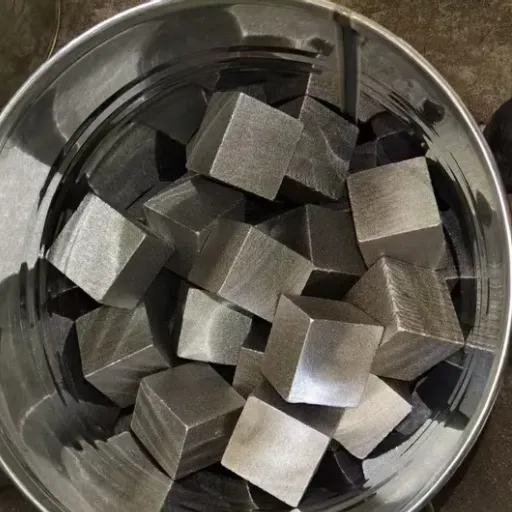
Not all magnetic materials perform equally. The choice between pure iron, silicon steel, nickel alloys, and other options involves trade-offs among permeability, cost, resistivity, and saturation induction.
Electromagnetic Pure Iron
Electromagnetic pure iron represents the benchmark for high magnetic permeability at reasonable cost. Ultra-low carbon grades like DT4C achieve initial relative permeability above 10,000 and maximum permeability exceeding 100,000 under optimal conditions. These values exceed those of silicon steel by significant margins.
The exceptional performance stems from purity. Carbon content at or below 0.004% minimizes pinning sites that obstruct magnetic domain wall motion. Domain walls move more freely in pure iron, which translates directly to higher permeability and lower coercivity. For DC applications, low-frequency transformers, and sensitive electromagnetic devices, pure iron often delivers the best combination of performance and economy.
Silicon Electrical Steel
Silicon steel dominates power frequency applications despite lower permeability than pure iron. Adding 1% to 4% silicon increases electrical resistivity, which suppresses eddy current losses at 50 Hz and 60 Hz. The trade-off is reduced permeability and lower saturation induction compared to unalloyed iron.
Grain-oriented silicon steel achieves permeability values around 5,000 to 8,000 in the rolling direction. Non-oriented grades perform somewhat lower but cost less and suit applications where flux travels in multiple directions. For large power transformers operating continuously, the energy savings from reduced eddy losses outweigh the benefits of higher permeability.
Nickel-Iron Alloys
Nickel-iron alloys such as Permalloy achieve the highest permeability of any metallic material. Initial relative permeability can exceed 100,000, with maximum values reaching several hundred thousand. These alloys serve specialized applications including magnetic shielding, precision instrument transformers, and sensitive inductive components.
The disadvantage is cost. Nickel content makes these alloys significantly more expensive than pure iron or silicon steel. They also saturate at lower flux densities. Consequently, nickel-iron alloys appear only where extreme permeability justifies the premium and where saturation limits do not constrain the design.
Soft Ferrites
Soft ferrites offer a non-metallic alternative with very high resistivity. Their permeability ranges from roughly 1,000 to 15,000 depending on composition. Ferrites dominate high-frequency applications where eddy current losses in metallic materials become prohibitive. Switching power supplies, radio frequency inductors, and electromagnetic interference filters all rely on ferrite cores.
The lower saturation induction of ferrites limits their use in power applications. Additionally, their ceramic nature makes them brittle and unsuitable for structural components or applications requiring mechanical durability.
Where Magnetic Permeability Drives Real-World Results
Understanding permeability in theory matters less than knowing how it affects actual equipment. Three application categories illustrate the practical stakes.
Transformers and Inductors
Transformer designers rely on high magnetic permeability to minimize magnetizing current. The magnetizing current establishes flux in the core but does not transfer energy to the secondary winding. Lower magnetizing current means higher efficiency, reduced copper losses, and cooler operation.
High permeability also enables smaller physical size. A core material with double the permeability needs roughly half the winding turns to achieve the same inductance. Fewer turns mean less copper, lower resistance, and reduced winding capacitance. For high-frequency inductors and compact power supplies, these effects become decisive.
When the engineering team at a Jiangsu transformer manufacturer switched from standard steel to DT4C electromagnetic pure iron for a specialized instrument transformer project, they reduced core volume by 22% while maintaining the same electrical specifications. The material cost increase was modest, but the copper savings and size reduction more than compensated.
Electromagnetic Relays and Solenoids
Relays and solenoids depend on rapid magnetic response. When voltage applies to the coil, the core must magnetize quickly to generate mechanical force. When voltage drops, the core must demagnetize promptly to release the armature. High magnetic permeability enables faster response and lower holding currents.
Low permeability creates the opposite problem. The coil needs more ampere-turns to develop sufficient force. More turns increase resistance and inductance, which slows response and generates heat. In worst cases, the relay fails to pull in at low temperatures where coil resistance drops, or it overheats during continuous duty.
For precision relay manufacturers, pure iron cores offer predictable pull-in characteristics and consistent force curves across production lots. Variability in permeability from lot to lot causes more assembly-line problems than almost any other material parameter.
Magnetic Sensors and Shielding
Position sensors, current transformers, and magnetic shielding applications all benefit from controlled high permeability. In current transformers, high permeability enables accurate reproduction of primary current waveforms at very low burden. In magnetic shielding, high permeability provides low-reluctance paths that divert stray fields away from sensitive electronics.
Sensor designers particularly value the stability of permeability across temperature and stress variations. A material whose permeability drifts with mechanical mounting stress or thermal cycling produces sensor output errors that are difficult to compensate electronically.
How Processing Changes Magnetic Permeability
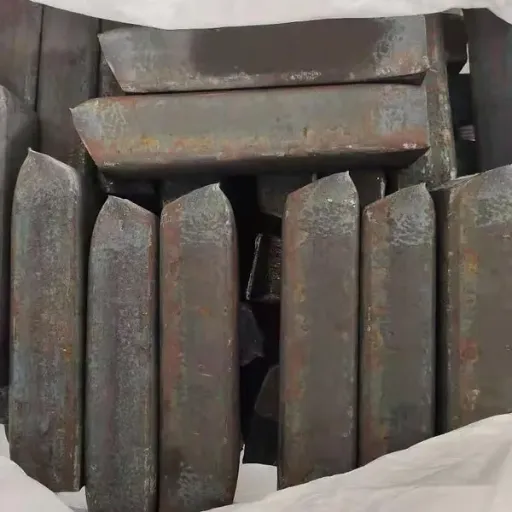
Raw material specification is only the starting point. Processing history profoundly affects the magnetic permeability that actually appears in your finished component.
Cold working disrupts the regular grain structure that enables high permeability. Bending, punching, cutting, and stamping all introduce mechanical stress and crystal defects. These defects pin magnetic domain walls and reduce permeability, sometimes by 50% or more compared to the annealed state.
Annealing reverses much of this damage. A proper hydrogen anneal at temperatures around 800°C to 900°C recrystallizes the grain structure, relieves internal stress, and can restore permeability to near-theoretical values. Manufacturers who purchase raw pure iron and perform their own stamping should budget for annealing if magnetic performance is critical.
Cold drawing affects permeability differently depending on reduction ratio and subsequent heat treatment. Drawing wire or bar through dies elongates grains and introduces preferred orientation. The resulting texture can enhance permeability in the drawing direction while reducing it transversely. Our article on the impact of cold drawing on magnetic flux density in pure iron explores these effects in detail for manufacturers who use drawn bar or wire in their products.
Surface condition also matters. Oxide layers, decarburization, and surface roughness can all create local magnetic non-uniformities. For thin laminations or small cross-sections, these surface effects represent a larger fraction of total material volume and can measurably affect average permeability.
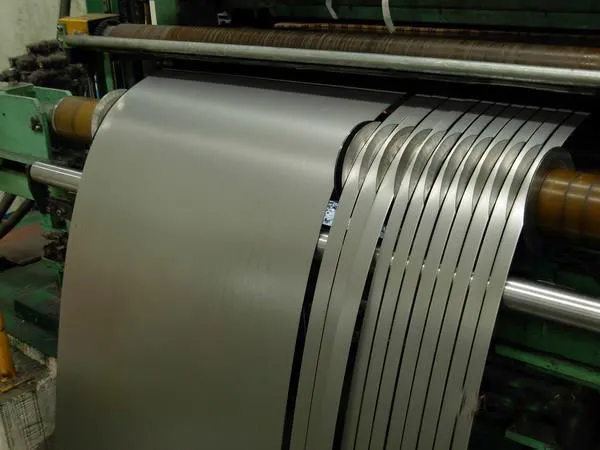
Need precision-processed pure iron that maintains optimal magnetic permeability? Our in-house processing services include slitting, cutting, and surface preparation to preserve magnetic properties through every production step.
Selecting the Right Magnetic Permeability for Your Application
Choosing a material based on permeability alone oversimplifies the decision. A structured approach balances permeability against other requirements.
First, define your operating frequency. DC and low-frequency applications favor high-permeability pure iron. Power frequencies at 50 Hz or 60 Hz may favor silicon steel if eddy losses dominate. High-frequency applications above 10 kHz generally require ferrites despite their lower saturation.
Second, quantify your flux density requirements. High-permeability materials that saturate at modest flux densities can fail catastrophically if your design encounters transient overloads. Pure iron and iron-cobalt alloys offer the highest saturation levels, which provides headroom against peak currents and inrush conditions.
Third, consider mechanical requirements. Will the material undergo forming, machining, or assembly stresses? If so, account for permeability degradation unless you can anneal after processing. Nickel-iron alloys work well in shielding applications but machine poorly and cost substantially more.
Fourth, evaluate total cost rather than material cost alone. Higher permeability can reduce copper usage, shrink core size, and improve efficiency enough to offset a modest material premium. The transformer manufacturer in Jiangsu discovered that the total system cost dropped even though the iron itself cost more per kilogram.
Fifth, verify supplier consistency. Permeability varies between production batches even within the same grade specification. Reputable suppliers provide material certificates with measured permeability values rather than generic grade claims. For high-volume production, incoming inspection with a simple ring-sample test protects against the kind of lot-to-lot variation that plagued Li Jun's relay line.
Conclusion
Magnetic permeability sits at the center of every electromagnetic design decision, yet it often receives less scrutiny than more visible parameters like conductivity or mechanical strength. The materials you choose, the processing they undergo, and the way you specify requirements all ripple through to the efficiency, size, and reliability of your finished products.
High magnetic permeability pure iron remains the workhorse material for applications where maximum flux response matters and where operating frequencies stay low enough that eddy current losses remain manageable. Grades like DT4C deliver the combination of ultra-low carbon content, high permeability, and economical pricing that keeps pure iron competitive against more exotic alloys.
Key takeaways to apply in your next design:
Request measured permeability values, not just grade names, on material certifications
Account for processing effects when you specify raw material versus finished components
Balance permeability against saturation, resistivity, and cost for your specific frequency and flux requirements
Consider annealing requirements if your manufacturing process involves cutting, stamping, or forming
Test incoming material lots if permeability consistency is critical to your product performance
The next time you specify core material for a transformer, relay, or sensor, remember Li Jun's three-week debugging ordeal. A few minutes spent understanding and specifying magnetic permeability correctly can save weeks of troubleshooting and thousands in warranty costs.
Recently Posted
-
Industrial Pure Iron vs. Armco Iron: Terminology, History, and Modern Equivalents
September 2, 2026Not long ago, a European motor manufacturer opened an aging drawing for a magnetic shielding housing and found the material callou Read More
 -
Shanxi Jurun Technology: Your Electromagnetic Pure Iron Partner from Taiyuan, China's Pure Iron Prod
August 14, 2026When an international buyer searches for electromagnetic pure iron, they are not just looking for a material. They are looking for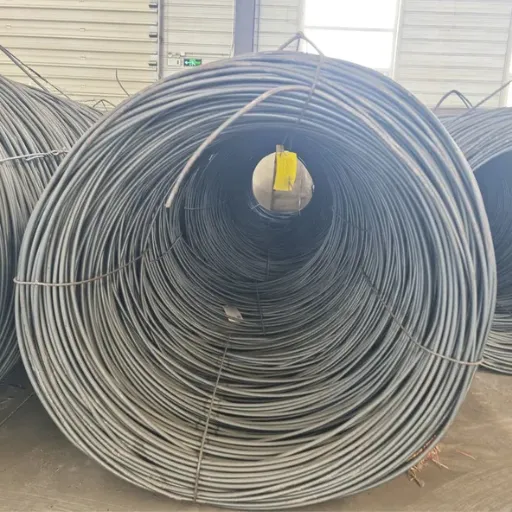 Read More
 -
Cold Drawing Process for Electromagnetic Pure Iron Wire: How Wire Rod Becomes Precision Cold-Drawn W
August 13, 2026Not long ago, a solenoid valve manufacturer in Italy received a shipment of 5.5 mm electromagnetic pure iron cold-drawn wire inten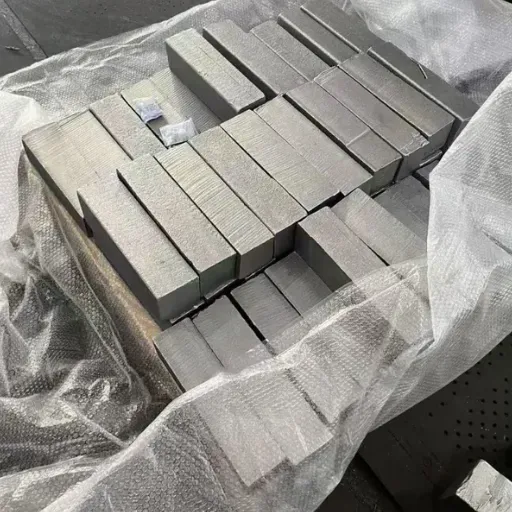 Read More
 -
How to Choose a Food Vacuum Sealer Supplier in China: 8 Evaluation Criteria
August 13, 2026An e-commerce brand owner in the UK contacted us some time ago after a supplier relationship fell apart. They had sourced roughly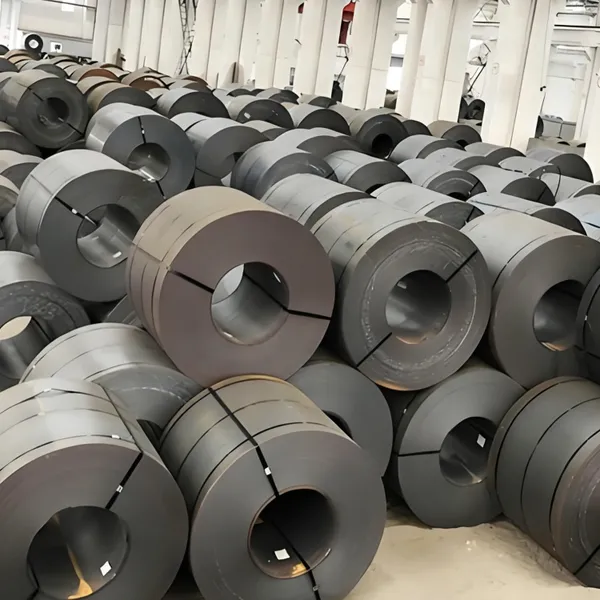 Read More

Contact Us
Recommended Products
-
 Seamless Tube With Good Cold Electrical Pure Iron Fittings Hot Workability for Forming Fittings and ConduitsNegotiableMOQ: 1 Ton
 -
Electromagnetic Pure Iron Forging for Automotive Sensor ManufacturingNegotiableMOQ: 100 Kilograms
-
Precision Cut Pure Iron Square Bar High Saturation Induction Raw Material for Generator and RotorNegotiableMOQ: 100 Kilograms
-
DT4C Super Grade Electromagnetic Pure Iron Bright Bar With Bundle Weight 30-100kg for Easy TransportationNegotiableMOQ: 1 Ton
-
DT4C Electromagnetic Pure Iron Cold-Drawn Wire 0.5mm-6.0mm Diameter for TransformersNegotiableMOQ: 100 Kilograms
-
Industrial Pure Iron Bar for Electromagnetic Relay and Sensor ProductionNegotiableMOQ: 1 Ton
-
Electromagnetic Pure Iron Thin Sheet 0.3mm-0.8mm for Solenoid and Relay ManufacturingNegotiableMOQ: 500 Kilograms
-
Electrical Pure Iron Hot-Rolled Coil for Magnetic Components With Low Iron LossNegotiableMOQ: 1 Ton
-
Low Carbon DT4C Pure Iron Round Bar With 99.8% Fe Content for Electrical ApplicationsNegotiableMOQ: 1 Ton
-
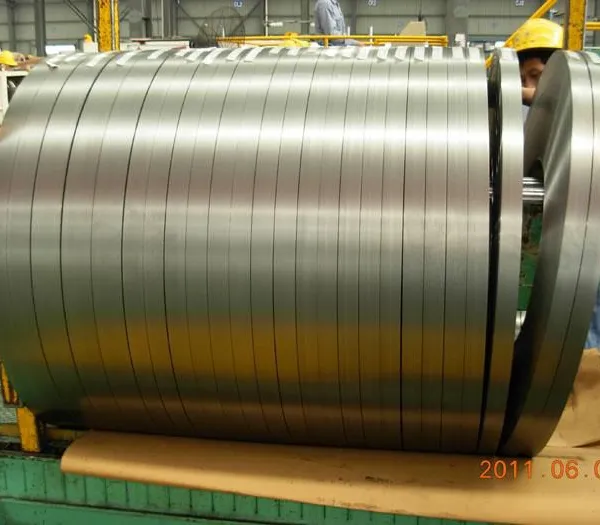
Cold Rolled Pure Iron Slit Coil DT4C Grade Ultra Low Carbon ≤0.004% for Magnetic ComponentsNegotiableMOQ: 1 Ton
-
Low Iron Loss Electromagnetic Pure Iron Hot-Rolled Coil DT4C for Transformer CoresNegotiableMOQ: 1 Ton
-
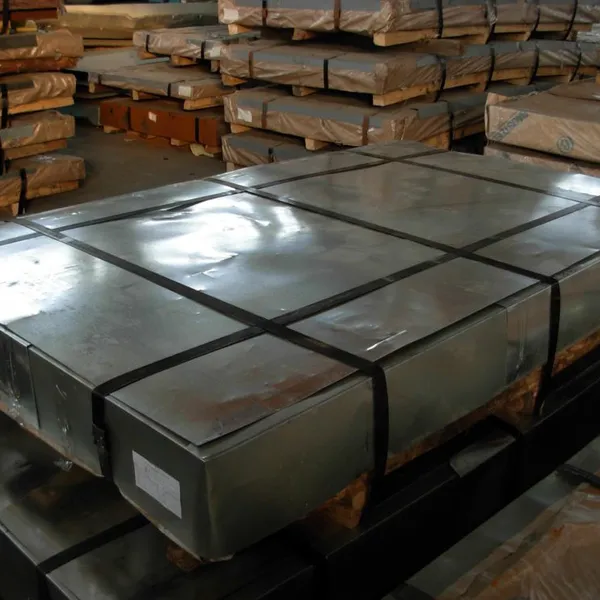
Soft Magnetic Pure Iron Sheet With Minimum Iron Loss for High-Efficiency MotorsNegotiableMOQ: 1 Ton
-
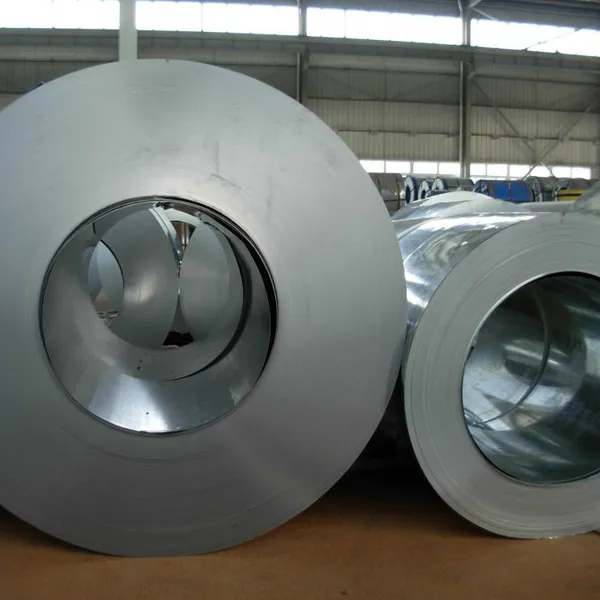
Electromagnetic Pure Iron Cold Rolled Coil DT4C for High Magnetic Permeability ApplicationsNegotiableMOQ: 1 Ton
-
Industrial Pure Iron Tube Superior Surface Quality Electromagnetic Pure Iron Tube for Welding and Plating ProcessesNegotiableMOQ: 1 Ton
-
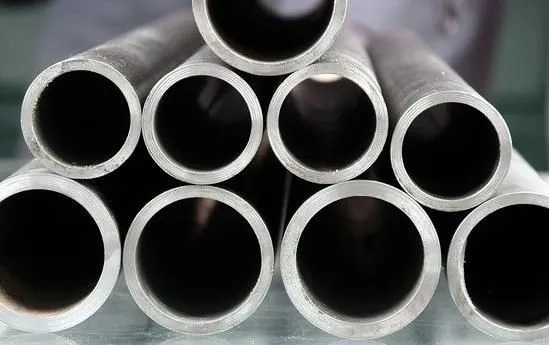
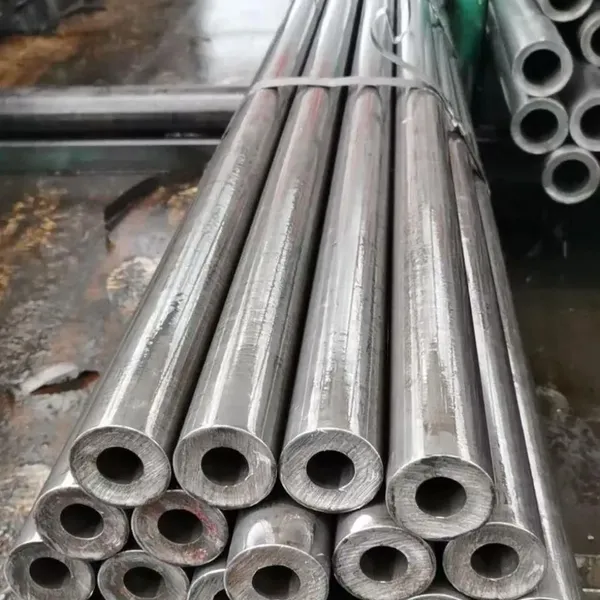
DT4 Seamless Pure Iron Tubing for High-Performance Electrical Equipment ApplicationsNegotiableMOQ: 1 Ton
-
DT4C Iron Wire Rod for Precision Magnetic Shielding ApplicationsNegotiableMOQ: 100 Kilograms
-
Industrial Pure Iron Fittings DT4 Pure Iron Seamless Tube With Low Hysteresis Loss for Electromagnetic SystemsNegotiableMOQ: 1 Ton
-
DT4C Cold Rolled Coil Slitting for Electrical Enclosure ManufacturingNegotiableMOQ: 1 Ton
-
Anti Rust Coated Pure Iron Square Bar Low Carbon Raw Material for Welding and Forging Magnetic PartsNegotiableMOQ: 100 Kilograms
-
DT4 Pure Iron Cold-Drawn Wire 0.5mm-6.0mm Diameter for Precision EngineeringNegotiableMOQ: 500 Kilograms