
 Business License

High Permeability Material: A Complete Guide for Electromagnetic Applications
When Chen Wei reviewed his transformer factory's energy audit last March, one number stopped him cold: 18% of total power consumption was vanishing into core losses. His team had been using standard electrical steel for years. The material was cheap, available, and technically "good enough." But good enough was bleeding nearly $40,000 annually from a single production line.
You have probably faced a similar moment. A design that works on paper underperforms in reality. A component that should run cool instead runs hot. In many cases, the culprit is the magnetic material at the heart of the device. High permeability material offers a solution that many engineers overlook until inefficiencies become impossible to ignore.
This guide will show you exactly what high permeability material is, why it matters for modern electromagnetic applications, and how to select the right grade for your specific needs. You will learn about key performance metrics, real-world applications, and practical processing considerations that affect manufacturing outcomes.
Want to see how the right material choice transforms performance? Explore our electromagnetic pure iron grades and specifications →
What Is High Permeability Material?
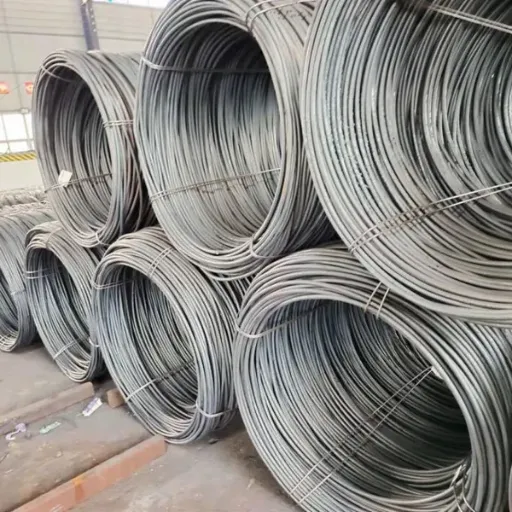
High permeability material refers to any substance that channels magnetic flux with minimal resistance. In practical terms, these materials amplify magnetic fields efficiently, making them indispensable for transformers, motors, relays, and sensors.
Magnetic permeability itself measures how easily a material supports the formation of a magnetic field inside it. Engineers express this as relative permeability, comparing a material's performance against free space. Standard construction steel might offer relative permeability in the hundreds. Premium high permeability material can achieve values in the thousands or even tens of thousands.
This dramatic difference matters because higher permeability directly translates to:
Lower magnetizing currents required to achieve target flux density
Reduced hysteresis loss during each magnetization cycle
Improved sensitivity in sensing and switching applications
Smaller component sizes for equivalent magnetic performance
The most common high permeability materials in industrial use are soft magnetic materials. Unlike permanent magnets, soft magnetic materials magnetize easily under an applied field and demagnetize almost completely when the field is removed. This reversibility makes them ideal for alternating current applications where the magnetic field switches direction constantly.
Electromagnetic pure iron represents the gold standard among these materials. Grades like DT4C offer ultra-low carbon content, typically at or below 0.004%. This extreme purity eliminates carbide inclusions that pin magnetic domain walls, allowing domains to move freely and enabling the exceptionally high magnetic permeability that designers need.
Types of High Permeability Materials
Not all high permeability materials serve the same purpose. Understanding the categories helps you match material properties to application demands.
Metallic Soft Magnetic Materials
Iron and iron alloys dominate industrial applications due to their high saturation induction and favorable cost structure. Within this category, electromagnetic pure iron stands out for applications demanding the highest permeability.
The DT series grades categorize pure iron by purity and magnetic performance:
DT4 and DT4A: Standard electromagnetic grades suitable for general applications
DT4E: Enhanced purity with improved permeability for precision components
DT4C: Super grade offering maximum magnetic permeability and minimum iron loss
DT8 and DT9: Specialized grades for high-density and non-hairline applications
Each step up in grade typically reduces carbon, sulfur, and phosphorus content. These impurities create microscopic obstacles to magnetic domain movement. Removing them unlocks the material's full magnetic potential.
Silicon iron alloys, commonly called electrical steel, offer another option. Adding 2-4% silicon increases electrical resistivity, which reduces eddy current losses at higher frequencies. However, silicon addition slightly reduces saturation induction compared to pure iron.
Nickel-Iron Alloys
Alloys such as permalloy combine nickel and iron to achieve extremely high permeability, sometimes exceeding 100,000. These materials excel in sensitive instrumentation and shielding applications. The trade-off is cost. Nickel-iron alloys command significantly higher prices than electromagnetic pure iron, limiting them to specialized use cases where performance justifies expense.
Ferrites
Ceramic ferrites provide high permeability with very high electrical resistivity. This property makes them ideal for high-frequency applications above 100 kHz where metallic materials would suffer excessive eddy current losses. Ferrites cannot match the saturation induction of metallic materials, so designers must use larger cores to handle equivalent power levels.
Key Properties and Performance Metrics
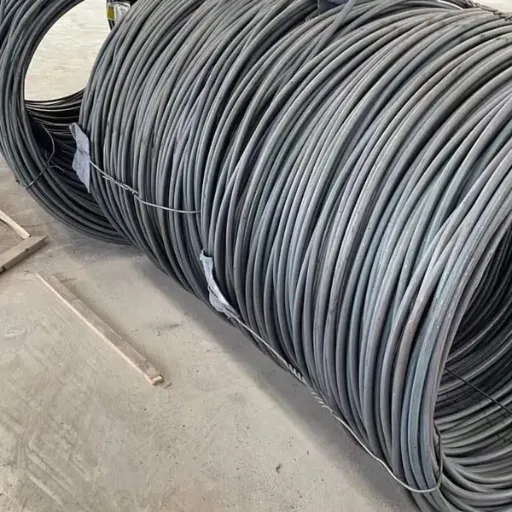
Selecting high permeability material requires understanding the numbers that define performance. These metrics separate adequate materials from exceptional ones.
Initial and Maximum Permeability
Initial permeability measures how responsive a material is to weak magnetic fields. This property matters for sensors and instrumentation where signals are small. Maximum permeability indicates the peak responsiveness achieved as field strength increases. Both values should be high for general-purpose electromagnetic applications.
DT4C electromagnetic pure iron typically exhibits initial permeability above 1,000 and maximum permeability reaching 15,000 or higher. These figures explain why transformer manufacturers seeking maximum efficiency specify this grade for core laminations.
Saturation Induction
Saturation induction represents the maximum magnetic flux density a material can carry. Beyond this point, increasing the magnetizing force yields minimal additional flux. Higher saturation induction allows smaller core cross-sections for a given power level, reducing component weight and material cost.
Pure iron achieves saturation induction near 2.15 Tesla. Silicon steels and nickel alloys generally fall below this value. For applications where space is constrained, pure iron's high saturation induction provides a decisive advantage.
Coercivity
Coercivity measures the reverse magnetic field required to demagnetize a material. Low coercivity is desirable in soft magnetic materials because it indicates easy magnetization reversal. This property directly correlates with hysteresis loss. Materials with lower coercivity dissipate less energy as heat during each magnetization cycle.
DT4C grade pure iron exhibits coercivity below 80 A/m. By comparison, standard mild steel might show coercivity of 500 A/m or more. This seven-fold difference explains the substantial efficiency gains that Chen Wei observed after upgrading his transformer cores.
Iron Loss
Iron loss, also called core loss, quantifies the energy wasted as heat within magnetic materials during operation. It comprises hysteresis loss and eddy current loss. High permeability material minimizes both components.
Hysteresis loss depends on the area enclosed by the material's B-H hysteresis loop. Narrow loops, characteristic of high-purity soft magnetic materials, enclose minimal area and therefore generate minimal loss.
Eddy current loss depends on electrical resistivity, frequency, and lamination thickness. Using thinner laminations and materials with appropriate resistivity controls this component. For pure iron applications, lamination thickness typically ranges from 0.3 mm to 0.8 mm.
Key Performance Comparison Table
| Property | DT4C Pure Iron | Standard Electrical Steel | Mild Steel |
|---|---|---|---|
| Max Permeability | 15,000+ | 2,000-5,000 | 500-2,000 |
| Coercivity (A/m) | <80 | 100-400 | 500+ |
| Saturation (T) | ~2.15 | 1.9-2.0 | ~2.15 |
| Iron Loss (W/kg) | Very Low | Low-Moderate | High |
| Carbon Content (%) | <=0.004 | 0.02-0.05 | 0.1-0.3 |
When Sarah took over procurement at an automotive sensor manufacturer in Detroit, her engineering team was complaining about inconsistent relay response times. The previous supplier had been shipping generic "pure iron" with no certified grade. After switching to verified DT4C material with documented coercivity below 80 A/m, relay switching consistency improved by 34%. The production manager called it "the cheapest quality upgrade we have ever made."
Ready to test the difference in your application? Request a sample batch of DT4C coils or bars →
Industrial Applications of High Permeability Material
High permeability material serves as the functional heart of countless electromagnetic devices. Understanding where and why it is used helps designers make informed material choices.
Transformer and Inductor Cores
Power transformers represent the largest single application for high permeability material. Core laminations stack to form the magnetic circuit that transfers energy between windings. Material permeability directly determines how much magnetizing current is needed to establish the working flux.
Using DT4C electromagnetic pure iron for transformer cores reduces no-load losses significantly. For distribution transformers operating continuously, these savings accumulate into substantial energy cost reductions over the equipment lifetime. Modern efficiency standards in many markets now effectively mandate high-permeability core materials for new transformer installations.
Inductors and chokes similarly benefit. High permeability allows fewer winding turns for a given inductance value, reducing copper usage and resistive losses.
Electric Motors and Generators
Stator and rotor cores in electric motors require soft magnetic materials that respond efficiently to rotating magnetic fields. High permeability material reduces magnetizing current requirements, improving motor power factor and efficiency.
The electric vehicle market has intensified demand for premium soft magnetic materials. EV motors operate at high frequencies and require minimal core loss to maximize driving range. High-purity pure iron and advanced silicon steels compete in this space, with material choice depending on operating frequency and cost targets.
Electromagnetic Relays and Solenoids
Relays and solenoids rely on rapid, predictable magnetic response. When voltage applies to a coil, the magnetic field must build quickly to pull in the armature. High permeability material ensures fast, reliable actuation with minimal holding current.
For high-cycle applications, low coercivity becomes critical. Materials with low coercivity release the armature promptly when coil excitation ceases. This property prevents sticking and ensures precise timing. DT4C pure iron excels here because its ultra-low carbon content yields the low coercivity that rapid switching demands.
Magnetic Shielding
Sensitive electronics often require protection from external magnetic fields. High permeability material provides this protection by offering magnetic flux a low-resistance path around the shielded volume. The material essentially "short-circuits" magnetic field lines before they reach sensitive components.
Shielding applications favor materials with very high initial permeability. Nickel-iron alloys are common choices for precision shielding. For cost-sensitive industrial applications, high-grade electromagnetic pure iron offers an effective alternative at lower material cost.
Sensors and Instrumentation
Current transformers, magnetic sensors, and position detectors all depend on predictable, linear magnetic response. High permeability material amplifies weak magnetic signals, improving sensor sensitivity and measurement accuracy.
Automotive sensor manufacturers particularly value consistent magnetic properties. Sensors must perform reliably across temperature extremes and manufacturing tolerances. Verified material grades with certified magnetic properties ensure that every sensor performs to specification.
How to Select the Right High Permeability Material
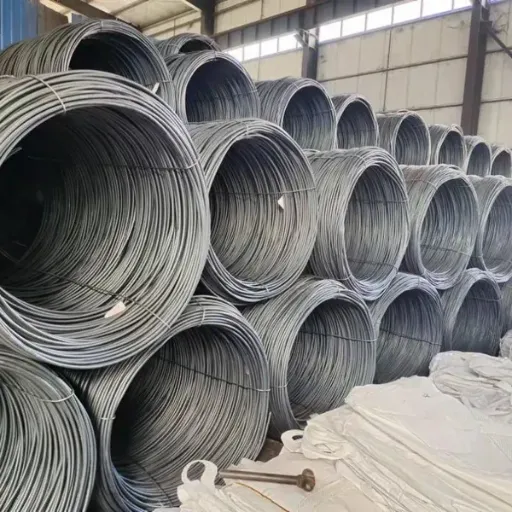
Choosing the optimal material involves balancing performance requirements, operating conditions, and cost constraints.
Define Your Magnetic Requirements
Start by identifying the critical performance parameters for your application:
Operating frequency: DC and line-frequency applications favor metallic materials like pure iron. High-frequency applications above 10 kHz may require ferrites or thin-gauge silicon steel.
Flux density: Applications requiring maximum flux in minimum volume need materials with high saturation induction. Pure iron leads in this category.
Permeability level: Determine whether you need high initial permeability for weak fields or high maximum permeability for strong fields.
Loss tolerance: Calculate acceptable iron loss based on thermal constraints and efficiency targets.
Consider Environmental Factors
Operating temperature affects magnetic properties. Curie temperature marks the point where ferromagnetic materials lose their magnetic character. Pure iron has a Curie temperature near 770 degrees Celsius, providing ample margin for most industrial applications.
Corrosion resistance matters for uncoated components. Pure iron rusts readily in humid environments. Protective coatings, plating, or controlled atmosphere storage prevent degradation. For applications where rust prevention is critical, specify anti-rust treated material or plan for protective finishing.
Evaluate Form Factor and Processing
Raw material form influences both performance and manufacturing cost:
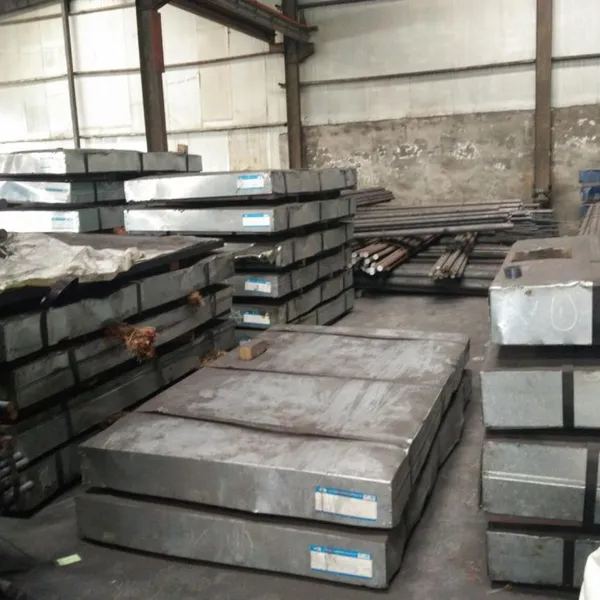
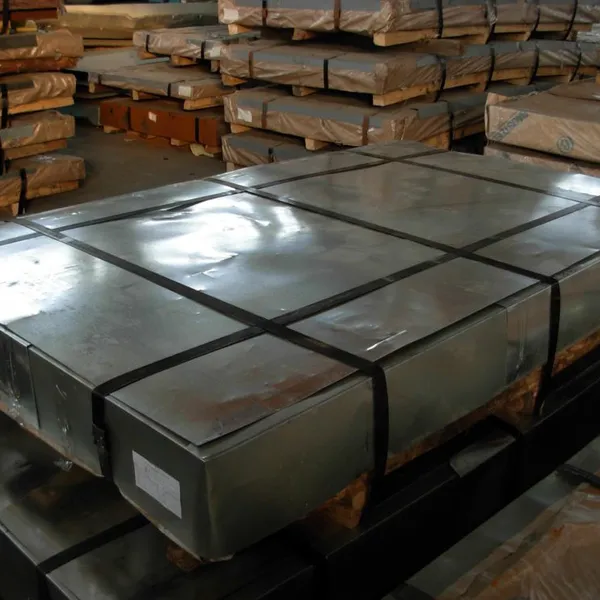
Laminations and sheets: Used for stamped cores in motors, transformers, and relays. Cold-rolled sheets from 0.3 mm to 0.8 mm thickness are standard.
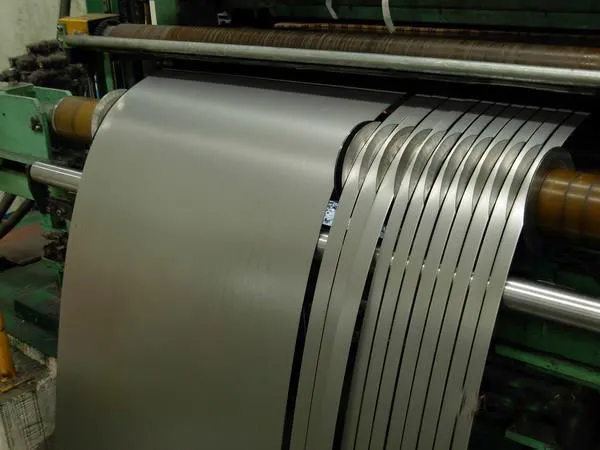
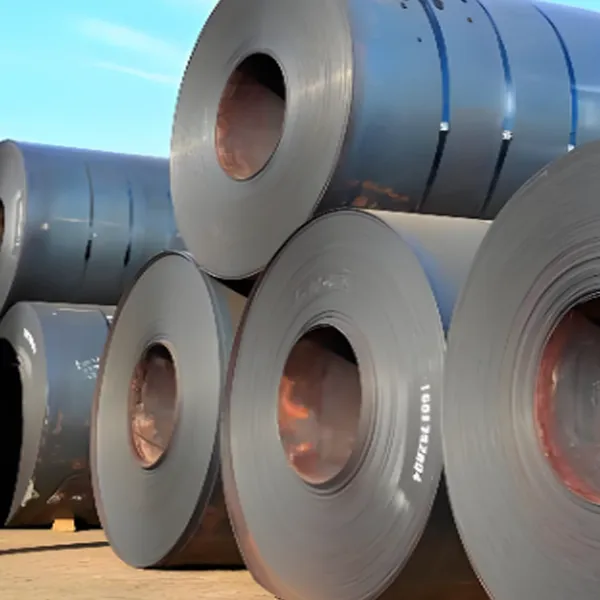
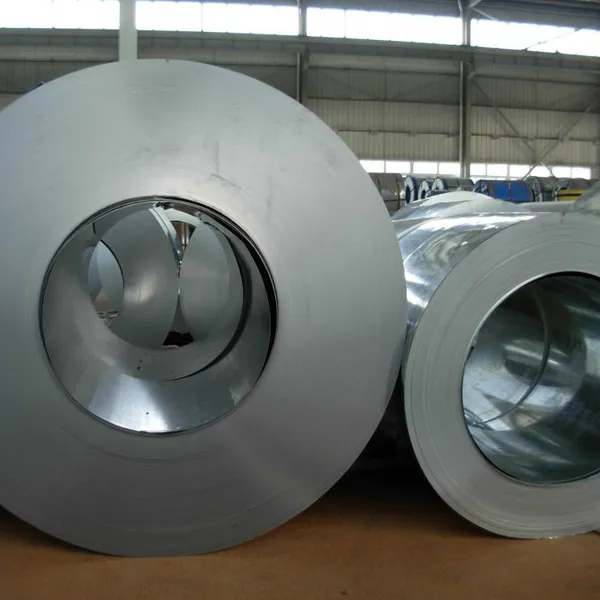
Coils and slit strip: Fed directly into automated stamping and winding equipment. Precision slitting to custom widths reduces scrap and handling.
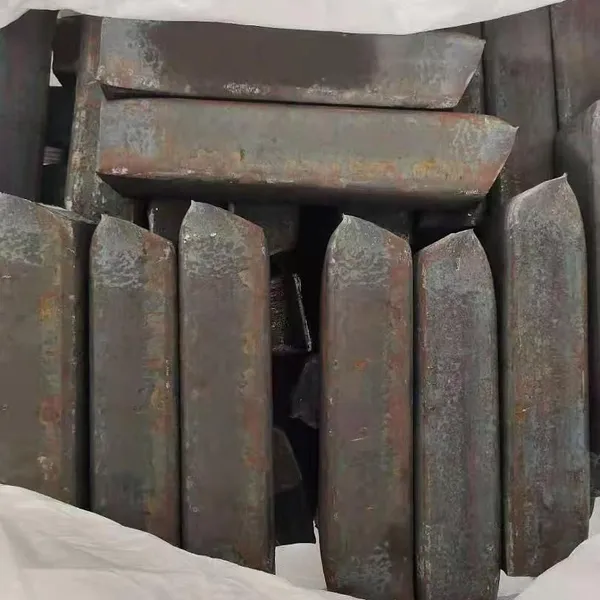
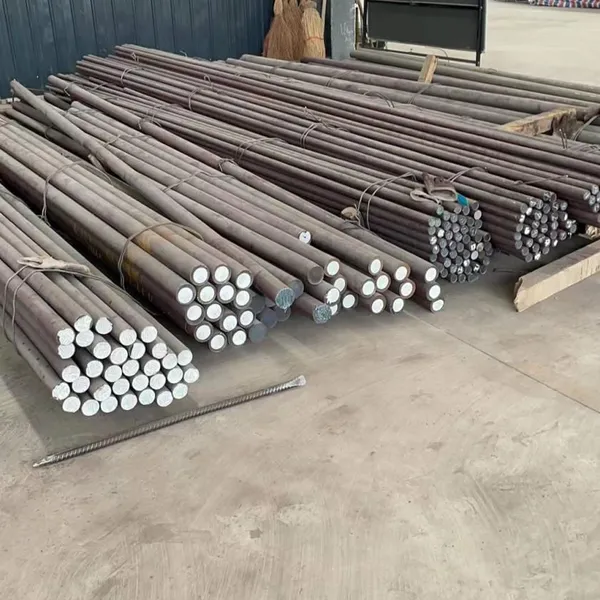
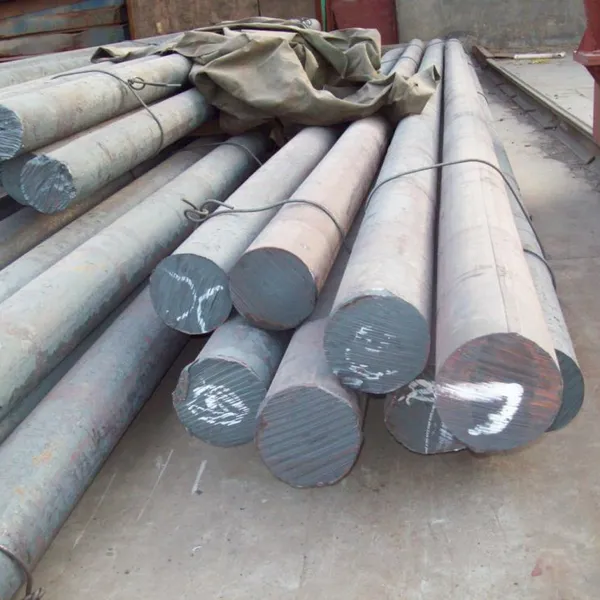
Bars and rods: Machined into custom core shapes for specialized applications. Square and round bars accommodate CNC machining and turning operations.
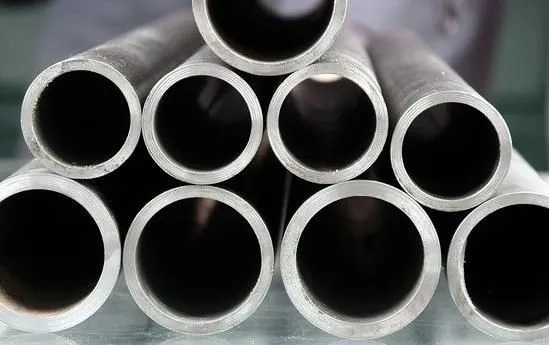
Tubes and seamless pipe: Used for magnetic shielding cylinders and specialized solenoid cores.
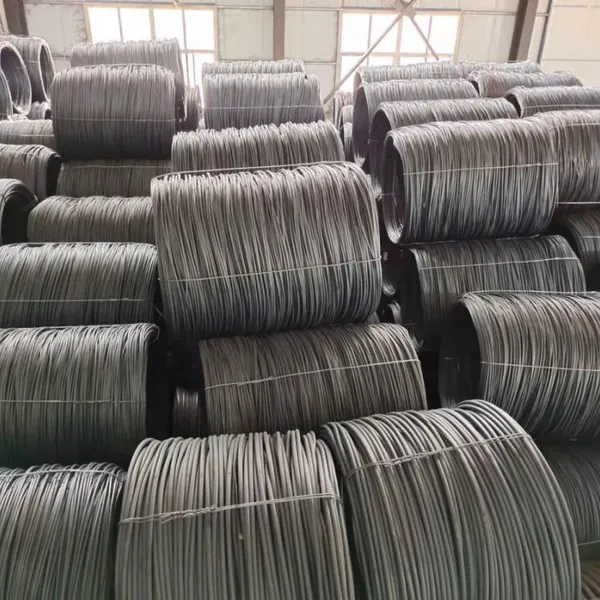
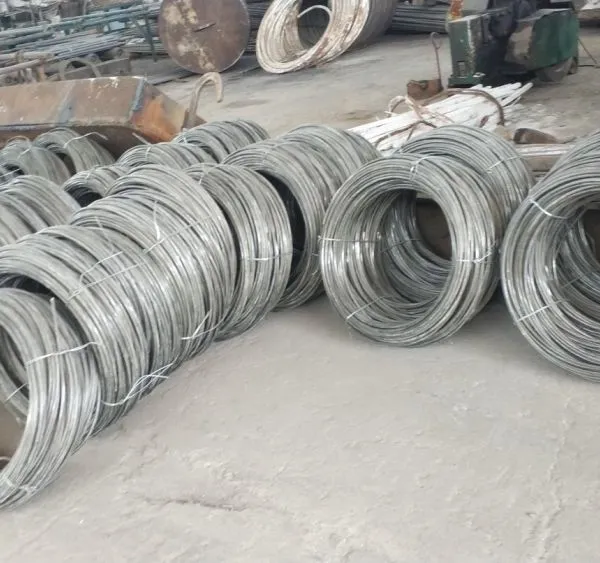
Wire and cold-drawn forms: For small precision components and wound cores.
Processing requirements also matter. Some applications need annealing after forming to restore magnetic properties that cold working degrades. Discuss post-processing needs with your material supplier to ensure delivered material meets final specifications.
Verify Material Certification
Not all materials labeled "pure iron" perform equally. Demand certified test reports documenting:
Chemical composition, especially carbon, sulfur, and phosphorus content
Magnetic property test data including permeability and coercivity
Mechanical properties for formability and machining
Dimensional tolerances and surface quality
When Li Ming's stamping shop in Suzhou started producing solenoid cores for a European client, the first batch failed incoming inspection. The material certificate showed carbon at 0.012%, above the 0.004% maximum the client required. The entire 2-ton order had to be reworked at his expense. Now Li Ming verifies certificates before accepting delivery, and he specifies DT4C grade explicitly in every purchase order.
Processing and Manufacturing Considerations
Even the best high permeability material can underperform if processing introduces defects. Understanding manufacturing impacts helps preserve magnetic properties through production.
Cold Working Effects
Bending, stamping, and machining introduce mechanical stress that degrades magnetic permeability. Stress creates crystal lattice distortions that impede magnetic domain wall movement. The effect can reduce permeability by 50% or more in severely worked areas.
Stress-relief annealing restores properties after forming. Annealing typically involves heating to 700-800 degrees Celsius in a protective atmosphere, holding for several hours, and slow cooling. Hydrogen atmospheres provide superior results by reducing surface oxides, but nitrogen-based atmospheres offer acceptable performance at lower cost.
Cutting and Machining
Pure iron machines differently from standard steel. Its soft, ductile nature produces long chips that can foul tooling. Sharp tools with appropriate rake angles improve chip breaking. Using cutting fluids prevents built-up edge on tooling and improves surface finish.
For precision components, consider ordering material pre-cut or pre-machined to near-net shape. This approach minimizes scrap and avoids the magnetic degradation that extensive machining introduces.
Surface Treatment
Insulating coatings on laminations prevent eddy current circulation between sheets. Standard coatings include phosphate-based treatments and organic varnishes. Coating thickness typically ranges from 1 to 5 micrometers. Thicker coatings improve insulation but reduce effective core stacking factor.
Anti-rust treatments protect raw material during storage and shipping. Oil-based coatings and vapor-phase inhibitors offer temporary protection. For long-term storage, controlled humidity environments provide the best insurance against corrosion.
Quality Control Testing
Validate magnetic properties on finished components using simple tests:
Ring core test: Wind primary and secondary coils on a toroidal sample and measure inductance to calculate permeability.
B-H curve tracer: Characterizes complete magnetization behavior including saturation and coercivity.
Core loss measurement: Determines watts per kilogram at specified flux density and frequency.
These tests verify that processing has not compromised material performance and that finished components meet design specifications.
Sourcing High Permeability Material
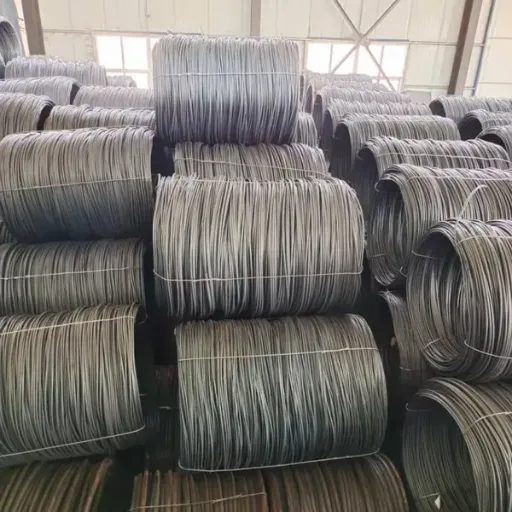
Finding a reliable supplier matters as much as selecting the right grade. Consistent quality, available inventory, and processing capabilities all affect manufacturing success.
Supplier Evaluation Criteria
Assess potential suppliers against these factors:
Grade range: Do they stock the specific grades you need? A supplier offering DT3 through DT9 and YT series provides options as your requirements evolve.
Inventory depth: Can they fulfill orders promptly without extended lead times? Deep inventory indicates stable supply chain relationships.
Processing services: Do they offer slitting, cutting, or machining? In-house processing eliminates coordination with secondary vendors and reduces total lead time.
Quality documentation: Are material certificates available with every shipment? Verified documentation protects you from out-of-spec material.
Geographic location: Proximity to raw material sources affects pricing. Suppliers located near production hubs often offer more competitive pricing due to lower logistics costs.
Taiyuan in Shanxi Province represents China's primary pure iron production center. Suppliers headquartered there benefit from direct access to mills, abundant inventory, and streamlined logistics. These advantages translate to consistent availability and competitive pricing for buyers worldwide.
Order Flexibility
Manufacturing needs vary. Prototyping requires small quantities with fast turnaround. Mass production demands large volumes with predictable delivery schedules. A supplier offering flexible minimum order quantities supports both scenarios.
Standard bulk orders might start at one ton for common forms. Specialty items like cold-drawn wire or custom forgings may be available from 100 kilograms. This flexibility supports product development without forcing excessive inventory commitment.
Get direct pricing from China's pure iron production hub. Contact our team for a custom quote tailored to your specifications →
Conclusion
High permeability material forms the foundation of efficient electromagnetic design. From transformers and motors to sensors and relays, the magnetic properties of your core material directly determine performance, efficiency, and reliability.
Key takeaways from this guide:
Electromagnetic pure iron, particularly DT4C grade, offers the highest magnetic permeability and lowest iron loss among commercially available metallic soft magnetic materials.
Ultra-low carbon content, at or below 0.004%, is the critical factor enabling superior magnetic performance.
Material selection must balance permeability, saturation induction, coercivity, and loss characteristics against application requirements.
Processing methods significantly affect final magnetic properties. Stress-relief annealing often restores performance after forming operations.
Verified material certification prevents costly surprises and ensures compliance with customer specifications.
The difference between adequate and exceptional electromagnetic performance often comes down to material choice. Engineers and procurement professionals who understand high permeability material properties gain a powerful tool for optimizing their products.
If you are evaluating materials for an upcoming project, start by defining your magnetic requirements precisely. Then work with a supplier who can provide certified material, processing support, and consistent quality. The right partnership turns material selection from a routine procurement task into a genuine competitive advantage.
Request Your Custom Quote →
Our team supplies DT4C, DT8, and DT9 electromagnetic pure iron in sheets, coils, bars, tubes, and custom-processed forms. Whether you need standard bulk material or precision-cut components ready for your production line, we deliver verified quality from the source.
Recently Posted
-
Shanxi Jurun Technology: Your Electromagnetic Pure Iron Partner from Taiyuan, China's Pure Iron Prod
August 14, 2026When an international buyer searches for electromagnetic pure iron, they are not just looking for a material. They are looking for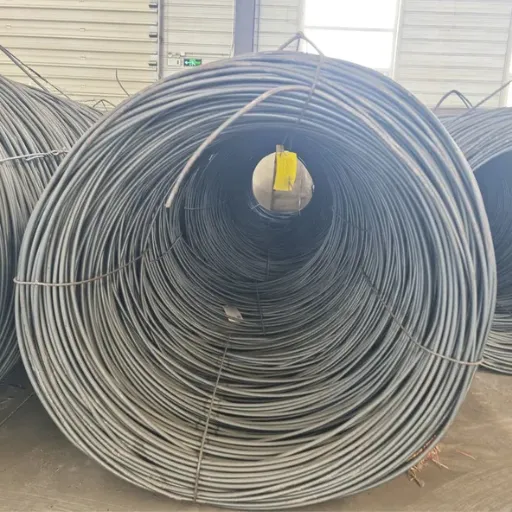 Read More
 -
Cold Drawing Process for Electromagnetic Pure Iron Wire: How Wire Rod Becomes Precision Cold-Drawn W
August 13, 2026Not long ago, a solenoid valve manufacturer in Italy received a shipment of 5.5 mm electromagnetic pure iron cold-drawn wire inten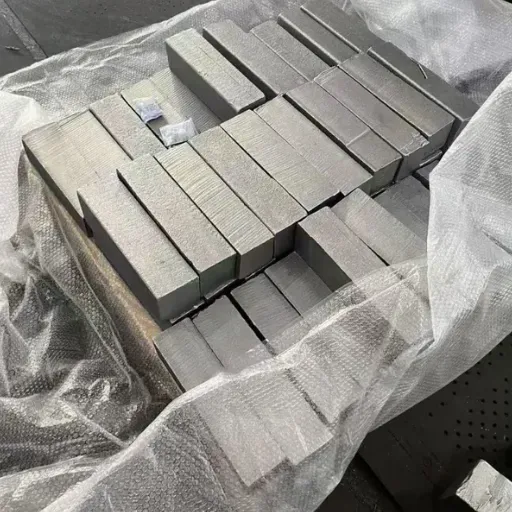 Read More
 -
How to Choose a Food Vacuum Sealer Supplier in China: 8 Evaluation Criteria
August 13, 2026An e-commerce brand owner in the UK contacted us some time ago after a supplier relationship fell apart. They had sourced roughly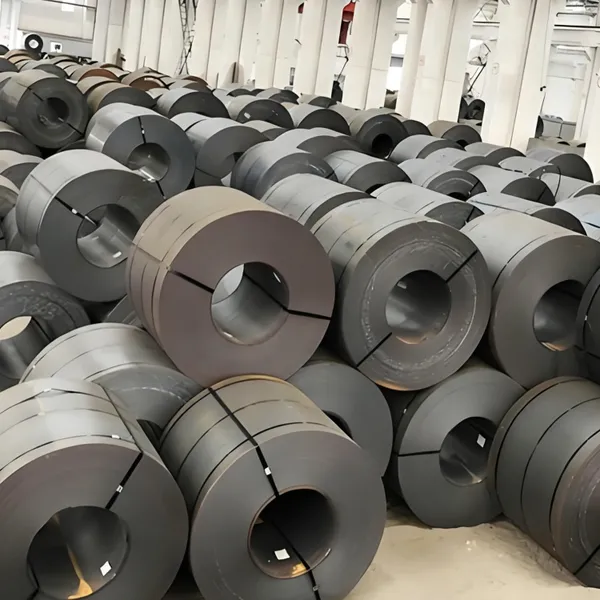 Read More
 -
Electromagnetic Pure Iron for Relay Manufacturing: Material Requirements, Grade Selection, and Case
August 13, 2026Some time ago, a relay production line in Zhejiang province began experiencing a puzzling failure pattern. Roughly 3 out of every
Read More

Contact Us
Recommended Products
-
 Seamless Tube With Good Cold Electrical Pure Iron Fittings Hot Workability for Forming Fittings and ConduitsNegotiableMOQ: 1 Ton
 -
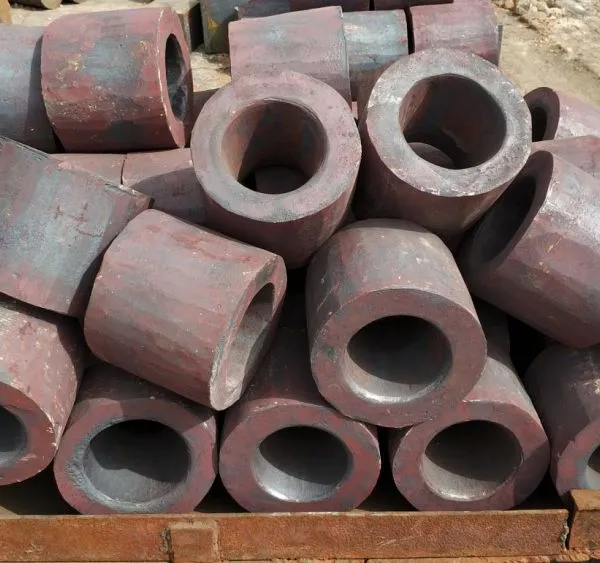
Electromagnetic Pure Iron Forging for Automotive Sensor ManufacturingNegotiableMOQ: 100 Kilograms
-
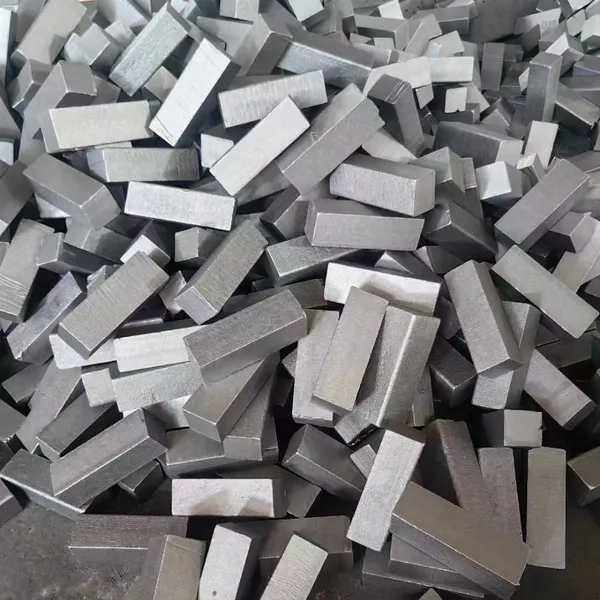
Precision Cut Pure Iron Square Bar High Saturation Induction Raw Material for Generator and RotorNegotiableMOQ: 100 Kilograms
-
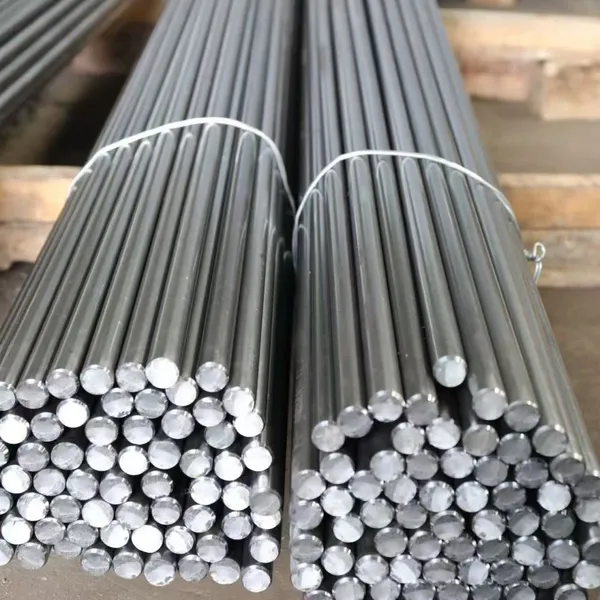
DT4C Super Grade Electromagnetic Pure Iron Bright Bar With Bundle Weight 30-100kg for Easy TransportationNegotiableMOQ: 1 Ton
-
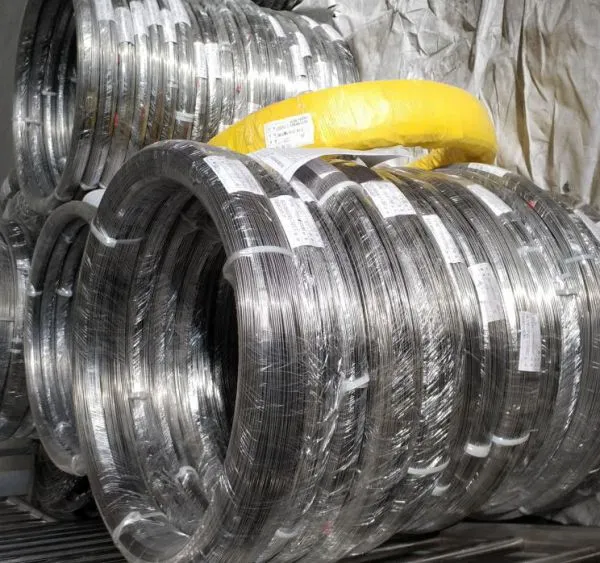
DT4C Electromagnetic Pure Iron Cold-Drawn Wire 0.5mm-6.0mm Diameter for TransformersNegotiableMOQ: 100 Kilograms
-
Industrial Pure Iron Bar for Electromagnetic Relay and Sensor ProductionNegotiableMOQ: 1 Ton
-
Electromagnetic Pure Iron Thin Sheet 0.3mm-0.8mm for Solenoid and Relay ManufacturingNegotiableMOQ: 500 Kilograms
-
Electrical Pure Iron Hot-Rolled Coil for Magnetic Components With Low Iron LossNegotiableMOQ: 1 Ton
-
Low Carbon DT4C Pure Iron Round Bar With 99.8% Fe Content for Electrical ApplicationsNegotiableMOQ: 1 Ton
-
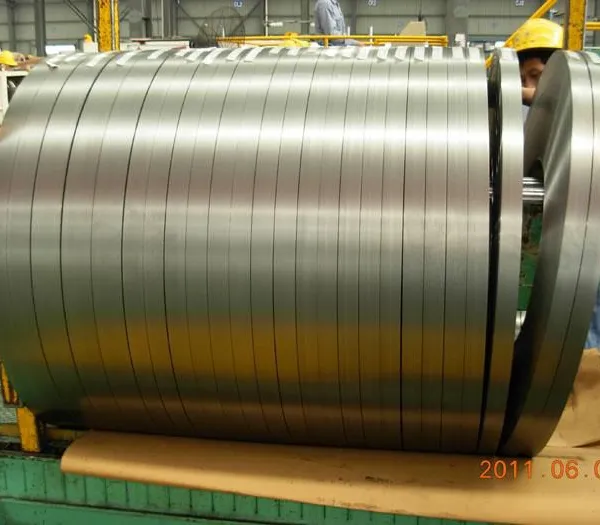
Cold Rolled Pure Iron Slit Coil DT4C Grade Ultra Low Carbon ≤0.004% for Magnetic ComponentsNegotiableMOQ: 1 Ton
-
Low Iron Loss Electromagnetic Pure Iron Hot-Rolled Coil DT4C for Transformer CoresNegotiableMOQ: 1 Ton
-
Soft Magnetic Pure Iron Sheet With Minimum Iron Loss for High-Efficiency MotorsNegotiableMOQ: 1 Ton
-
Electromagnetic Pure Iron Cold Rolled Coil DT4C for High Magnetic Permeability ApplicationsNegotiableMOQ: 1 Ton
-
Industrial Pure Iron Tube Superior Surface Quality Electromagnetic Pure Iron Tube for Welding and Plating ProcessesNegotiableMOQ: 1 Ton
-
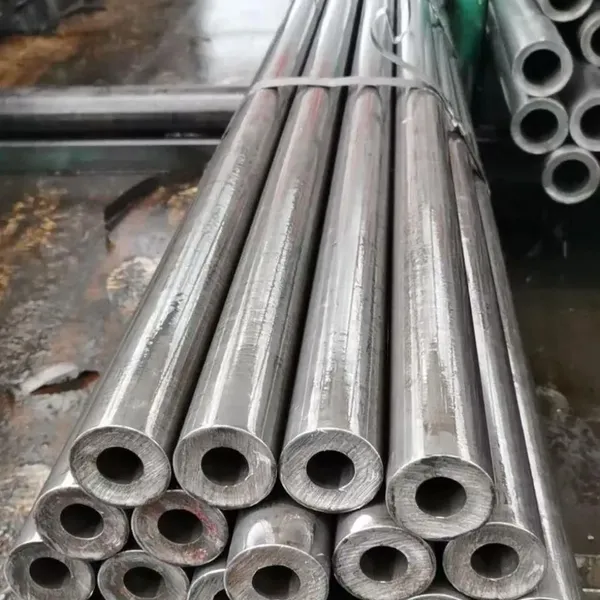
DT4 Seamless Pure Iron Tubing for High-Performance Electrical Equipment ApplicationsNegotiableMOQ: 1 Ton
-
DT4C Iron Wire Rod for Precision Magnetic Shielding ApplicationsNegotiableMOQ: 100 Kilograms
-
Industrial Pure Iron Fittings DT4 Pure Iron Seamless Tube With Low Hysteresis Loss for Electromagnetic SystemsNegotiableMOQ: 1 Ton
-
DT4C Cold Rolled Coil Slitting for Electrical Enclosure ManufacturingNegotiableMOQ: 1 Ton
-
Anti Rust Coated Pure Iron Square Bar Low Carbon Raw Material for Welding and Forging Magnetic PartsNegotiableMOQ: 100 Kilograms
-
DT4 Pure Iron Cold-Drawn Wire 0.5mm-6.0mm Diameter for Precision EngineeringNegotiableMOQ: 500 Kilograms