
 Business License

GB/T 6983 Electromagnetic Pure Iron Standard: Key Chemical and Magnetic Requirements
A quality manager at an Indian relay manufacturer once received a mill test certificate from a Chinese supplier showing "DT4" as the grade and a carbon value of 0.028%. The certificate looked correct — until the manager's engineer pointed out that the application required DT4C-level magnetic performance, and DT4 does not carry the guaranteed coercivity and aging values that DT4C provides. The order had been quoted and accepted under the wrong grade basis. Re-negotiation cost two weeks and roughly 4% of the order value in penalties.
This kind of misunderstanding is common because GB/T 6983, the Chinese standard governing electromagnetic pure iron, is often referenced without being read. Buyers see the letters "DT4" and assume they have everything they need, not realizing that the standard defines multiple sub-grades with different guaranteed properties. This article explains the structure of GB/T 6983 — its scope, grade system, chemical requirements, magnetic property requirements, and testing rules — so that buyers and engineers can read a certificate or specification against the standard with confidence.
1. What Is GB/T 6983?
GB/T 6983 is the Chinese national standard for electromagnetic pure iron. The "GB" prefix indicates a national standard, "T" indicates it is a recommended standard rather than a mandatory one, and 6983 is the registration number. The current version is GB/T 6983-2008, which replaced the earlier 1986 edition.
The standard covers pure iron products intended for electromagnetic applications — material specified primarily for its magnetic properties rather than its mechanical strength. It defines the DT series of grades, chemical composition limits, and, for the higher grades, guaranteed magnetic property values measured under defined test conditions.
For international buyers, GB/T 6983 serves a role similar to ASTM A848 in the United States and the IEC 60404 series internationally: it is the reference framework that gives "electromagnetic pure iron" a precise, testable meaning. When a Chinese supplier quotes "DT4C per GB/T 6983," the standard defines exactly what is being promised.
2. Scope and Grade System
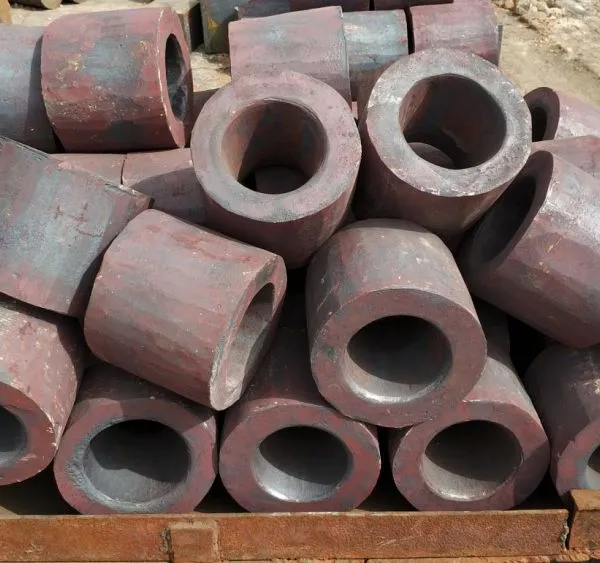
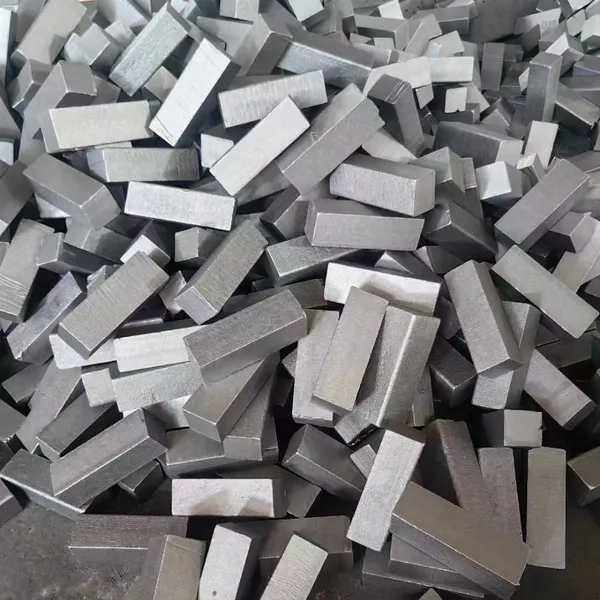
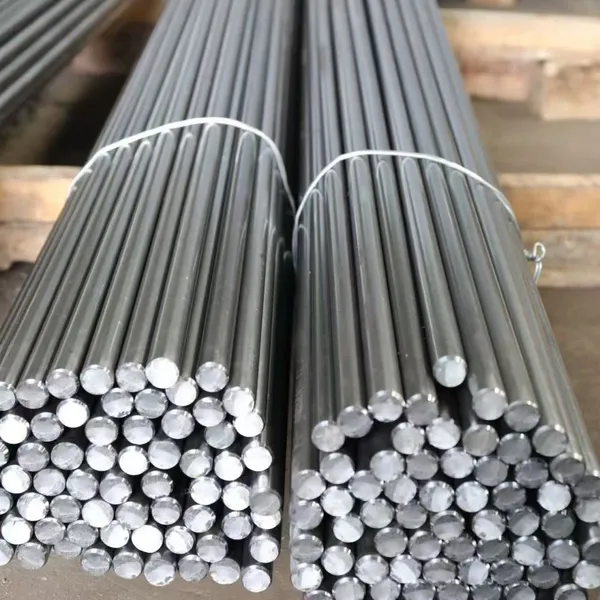
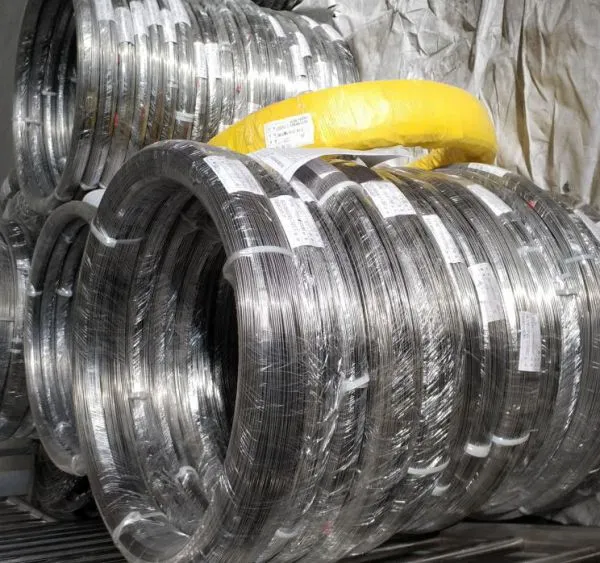
GB/T 6983 applies to electromagnetic pure iron in the forms used for magnetic components: hot-rolled wire rod, cold-drawn wire, hot-rolled and cold-drawn bar, plate and sheet, coil, forgings, and other products. The standard covers both composition requirements and magnetic property requirements, and it distinguishes grades by chemical composition first and by guaranteed magnetic properties second.
The DT prefix stands for "Dian Tie" — electrical iron in Chinese. The core grades are DT3, DT4, DT4A, DT4E, and DT4C, with DT8 and DT9 covering higher-performance requirements. Within the DT4 family, the suffix letters — A, E, and C — designate progressively stricter magnetic property guarantees: A for general magnetic requirements, E for low aging, and C for the lowest coercivity.
The table below summarizes the grade structure and its intended application levels.
| Grade | Designation Meaning | Typical Application Level |
|---|---|---|
| DT3 | Entry grade | General magnetic components, cost-sensitive |
| DT4 | Base grade | Standard industrial magnetic components |
| DT4A | DT4 with magnetic property guarantees | Components with defined magnetic requirements |
| DT4E | DT4, low magnetic aging | Long-life components, aging-sensitive designs |
| DT4C | DT4, lowest coercivity | Precision relays, solenoid valves, instruments |
| DT8 | Non-hairline, non-aging | Deep-drawn and severe cold-forming parts |
| DT9 | Ultra-high purity | Precision shielding, sensors, scientific instruments |
The practical implication is that "DT4" alone is not a complete specification. A complete specification names the sub-grade, the product form, the dimensions, and the delivery condition — for example, "DT4C cold-drawn bar, annealed." Omitting any element leaves the supplier room to deliver a lesser configuration.
3. Chemical Composition Requirements
Chemical composition is the foundation of the grade system because it determines what magnetic performance is achievable. The elements controlled by GB/T 6983 are carbon, silicon, manganese, phosphorus, sulfur, and aluminum. Carbon receives the tightest control because it has the largest effect on coercivity and magnetic aging.
The table below shows the chemical composition limits for the commonly traded DT grades under GB/T 6983.
| Grade | C max (%) | Si max (%) | Mn max (%) | P max (%) | S max (%) | Al (%) |
|---|---|---|---|---|---|---|
| DT3 | 0.04 | 0.20 | 0.30 | 0.020 | 0.020 | — |
| DT4 | 0.03 | 0.20 | 0.30 | 0.020 | 0.020 | 0.15–0.50 |
| DT4A | 0.03 | 0.20 | 0.30 | 0.020 | 0.020 | 0.15–0.50 |
| DT4E | 0.02 | 0.20 | 0.30 | 0.020 | 0.020 | 0.15–0.50 |
| DT4C | 0.02 | 0.20 | 0.30 | 0.020 | 0.020 | 0.15–0.50 |
| DT8 | 0.02 | 0.20 | 0.30 | 0.020 | 0.020 | 0.15–0.50 |
| DT9 | 0.01 | 0.20 | 0.30 | 0.015 | 0.015 | 0.15–0.50 |
Two details deserve attention. First, the carbon ceiling drops from 0.04% for DT3 to 0.01% for DT9 — a four-fold reduction that requires progressively more advanced steelmaking, which is why higher grades cost more. Second, the aluminum range of 0.15–0.50% is a deliberate addition in the DT4 family: aluminum combines with residual nitrogen to form stable nitrides, which controls grain size and suppresses magnetic aging.
4. Magnetic Property Requirements
Magnetic properties are what separate electromagnetic pure iron from ordinary steel, and GB/T 6983 defines them with specific test conditions. The principal properties are coercivity (Hc), maximum permeability (μmax), and magnetic aging — measured after the material has been annealed under the conditions specified in the standard.
Coercivity is the reverse field required to demagnetize a saturated specimen. For DT4C, the standard guarantees coercivity not exceeding 48 A/m after the specified annealing treatment. DT9 achieves the tightest guarantee at 32 A/m, while DT3, which carries no magnetic property guarantee, typically measures in the range of 80–96 A/m in the as-supplied condition.
Maximum permeability is the highest permeability the material reaches on its magnetization curve. DT4C guarantees μmax above 12,000 after annealing, and DT9 above 15,000. These values are meaningful only if the annealing treatment specified in the standard is applied — a certificate claiming DT4C properties on un-annealed material is technically invalid.
Magnetic aging is defined as the increase in coercivity after a standardized aging treatment, typically holding the specimen at an elevated temperature for a defined period and re-measuring coercivity. The aging-resistant grades — DT4E and DT4C — guarantee coercivity drift below 5%, while standard DT4 and DT3 carry no aging guarantee. This difference is why precision long-life components specify the E and C sub-grades.
5. Mechanical and Physical Properties
GB/T 6983 also defines mechanical requirements, although they are secondary to magnetic properties. The standard specifies hardness ranges for the different product forms and delivery conditions, since hardness affects machinability and cold-forming behavior. Soft-annealed material for deep drawing must meet lower hardness limits than hot-rolled material intended for machining.
Saturation induction is governed by iron content rather than by the standard's limits: all DT grades exhibit roughly 2.15 Tesla because the iron content is high and consistent. Density is approximately 7.85 g/cm³, typical of iron. These physical properties rarely influence grade selection because they are nearly identical across the DT family.
The mechanical requirements matter most for forming operations. A buyer stamping magnetic shielding plates from DT4E coil should verify the hardness specification against the stamping process capability, because excessive hardness causes die wear and edge cracking. Suppliers normally confirm the delivery condition — annealed or as-rolled — when quoting for forming applications.
6. Test Methods and Sample Preparation
GB/T 6983 specifies the test methods used to verify compliance, which matter to buyers because they define how certificates are produced. Chemical composition is analyzed by standard spectrometric methods. Magnetic properties are measured on ring specimens or bar specimens prepared according to the standard's sampling rules, using a magnetic property test system that records the magnetization curve and derives coercivity and permeability.
Sample preparation is the step most often questioned in practice. The standard requires specimens to be annealed under defined conditions before magnetic testing, because as-supplied material does not represent the annealed state that the grade guarantees. If the specimen preparation differs from the standard — different annealing temperature, time, or atmosphere — the test results are not comparable to the certificate values.
Buyers should ask two questions about any magnetic test report: what specimen form was used, and what annealing treatment was applied before testing. A reputable supplier documents both on the report. Shanxi Jurun Technology Co., Ltd., for example, provides magnetic test reports that state the specimen preparation details, so customers can judge whether the values apply to their own processing route.
7. Inspection Rules and Certification
GB/T 6983 defines inspection rules including lot definition, sampling quantities, and acceptance criteria. Products are inspected in lots, with samples drawn from each lot for chemical and magnetic testing. The standard distinguishes between inspection of the chemical composition, which applies to all products, and magnetic property testing, which applies to the grades that carry magnetic guarantees.
The mill test certificate is the documentary output of these inspections. It typically shows the supplier and production date, the heat number, the grade, the product form and dimensions, chemical composition results, and — for guaranteed grades — the magnetic property test results. The certificate is the buyer's primary tool for incoming inspection, so its completeness and accuracy matter as much as the material itself.
For export orders, the certificate is usually issued in English or bilingual format. Buyers should verify that the grade designation matches the order, that the heat number is traceable, and that magnetic values — where claimed — appear on the certificate rather than being promised verbally. A certificate that omits magnetic properties for a DT4C order is itself a red flag.
8. Relationship to Other Standards
GB/T 6983 does not exist in isolation. International buyers often need to map Chinese grades to the standards they already use.
ASTM A848 is the closest U.S. counterpart, covering low-carbon magnetic iron with a class-based property system rather than lettered grades. IEC 60404 provides test method frameworks used internationally for magnetic measurements.
The mapping between GB/T 6983 grades and A848 classes is approximate rather than exact, because the two standards define properties differently — A848 uses magnetic property classes (Class 1 through Class 4) with corresponding coercivity and permeability ranges, while GB/T 6983 ties properties to composition-designated grades. In practice, DT4C is commonly offered as the Chinese equivalent for A848 Class 3 or 4 material, and DT4 for Class 1 or 2.
When an application is specified to a non-Chinese standard, the buyer should ask the supplier to confirm the equivalent GB/T grade and any differences in guaranteed values. At Jurun Technology, export quotations routinely state the GB/T grade, the A848 class equivalent, and the guaranteed property values side by side, which eliminates the translation ambiguity at the quotation stage.
9. How to Read a GB/T 6983 Mill Certificate
Reading a certificate against the standard is a five-line exercise. First, confirm the grade designation: DT4, DT4C, or another sub-grade must appear exactly, with the sub-grade letter if applicable. Second, check the chemical values against the composition table — carbon is the critical row. Third, if the grade carries magnetic guarantees, verify that coercivity, permeability, and aging values appear on the certificate and fall within the standard's limits.
Fourth, check the delivery condition and product form, because a certificate for hot-rolled bar does not cover cold-drawn wire of the same grade. Fifth, verify the heat number and production date for traceability, and retain the certificate with the incoming inspection records so that any later non-conformance can be traced to its lot.
Buyers who complete these five checks on every lot build a reliable quality record over time. The certificate is not a formality — it is the contractual bridge between the standard's requirements and the material received. When the certificate and the standard align, the material can be accepted with confidence; when they conflict, the discrepancy should be resolved before processing begins, not after.
10. FAQ
10.1 Is GB/T 6983 mandatory for Chinese pure iron suppliers?
GB/T 6983 is a recommended standard, indicated by the "T" in its designation, which means compliance is voluntary unless referenced in a contract. In practice, however, it is the de facto national framework: essentially all Chinese electromagnetic pure iron is produced, quoted, and certified against it, and export orders almost always reference it. Buyers should state "per GB/T 6983" in the order to make compliance contractual, and they may also reference ASTM A848 or internal specifications for additional requirements.
10.2 What is the difference between DT4 and DT4C in the standard?
Chemically, DT4C tightens the carbon ceiling from 0.03% to 0.02%. Functionally, DT4C carries guaranteed magnetic properties that standard DT4 does not: coercivity not exceeding 48 A/m, maximum permeability above 12,000, and magnetic aging drift below 5%, all after the standard's annealing treatment. Standard DT4 has no such guarantees. For components where magnetic performance is a design input, DT4C is the safe specification; where it is not, DT4 offers a cost saving of roughly 10–15%.
10.3 Does the standard guarantee magnetic properties on as-supplied material?
No. GB/T 6983 specifies that magnetic property guarantees apply after the material is annealed under the standard's defined conditions. As-supplied hot-rolled or cold-drawn material contains residual stress from processing and does not exhibit the annealed coercivity and permeability values. This is why certificates state the annealing treatment used for the test specimen, and why component manufacturers plan their own post-machining anneal before relying on the certified values.
10.4 Can DT9 replace DT4C in any application?
DT9 exceeds DT4C in every magnetic property, with coercivity as low as 32 A/m and permeability above 15,000, but it costs roughly 40–60% more because the refining process is substantially more demanding. It is justified only where DT4C's guaranteed values are insufficient — ultra-precision shielding, high-sensitivity sensors, and scientific instruments. For standard relays, solenoid valves, and magnetic circuit components, DT4C meets the requirement at a materially lower cost. Specify DT9 only when the design analysis demonstrates the need.
Recently Posted
-
Pure Iron for Solenoid Valve Cores: Fast Response, Low Remanence, and Material Selection
September 4, 2026Some time ago, a pneumatic equipment manufacturer in Zhejiang began receiving customer complaints about solenoid valves that faile Read More
 -
How to Source Electromagnetic Pure Iron from China: A Step-by-Step Buyer's Guide
September 3, 2026Not long ago, a European automation company sent the same inquiry to six Chinese suppliers: "Need electromagnetic pure iron, Read More
 -
DT4 vs. DT4C Pure Iron: Magnetic Performance, Cost Differences, and When to Upgrade
September 3, 2026A solenoid valve producer in Jiangsu ordered DT4 cold-drawn bar for a new proportional valve line, reasoning that the grade was &q Read More
 -
Industrial Pure Iron vs. Armco Iron: Terminology, History, and Modern Equivalents
September 2, 2026Not long ago, a European motor manufacturer opened an aging drawing for a magnetic shielding housing and found the material callou Read More

Contact Us
Recommended Products
-
 Seamless Tube With Good Cold Electrical Pure Iron Fittings Hot Workability for Forming Fittings and ConduitsNegotiableMOQ: 1 Ton
 -
Electromagnetic Pure Iron Forging for Automotive Sensor ManufacturingNegotiableMOQ: 100 Kilograms
-
Precision Cut Pure Iron Square Bar High Saturation Induction Raw Material for Generator and RotorNegotiableMOQ: 100 Kilograms
-
DT4C Super Grade Electromagnetic Pure Iron Bright Bar With Bundle Weight 30-100kg for Easy TransportationNegotiableMOQ: 1 Ton
-
DT4C Electromagnetic Pure Iron Cold-Drawn Wire 0.5mm-6.0mm Diameter for TransformersNegotiableMOQ: 100 Kilograms
-
Industrial Pure Iron Bar for Electromagnetic Relay and Sensor ProductionNegotiableMOQ: 1 Ton
-
Electromagnetic Pure Iron Thin Sheet 0.3mm-0.8mm for Solenoid and Relay ManufacturingNegotiableMOQ: 500 Kilograms
-
Electrical Pure Iron Hot-Rolled Coil for Magnetic Components With Low Iron LossNegotiableMOQ: 1 Ton
-
Low Carbon DT4C Pure Iron Round Bar With 99.8% Fe Content for Electrical ApplicationsNegotiableMOQ: 1 Ton
-
Cold Rolled Pure Iron Slit Coil DT4C Grade Ultra Low Carbon ≤0.004% for Magnetic ComponentsNegotiableMOQ: 1 Ton
-
Low Iron Loss Electromagnetic Pure Iron Hot-Rolled Coil DT4C for Transformer CoresNegotiableMOQ: 1 Ton
-
Soft Magnetic Pure Iron Sheet With Minimum Iron Loss for High-Efficiency MotorsNegotiableMOQ: 1 Ton
-
Electromagnetic Pure Iron Cold Rolled Coil DT4C for High Magnetic Permeability ApplicationsNegotiableMOQ: 1 Ton
-
Industrial Pure Iron Tube Superior Surface Quality Electromagnetic Pure Iron Tube for Welding and Plating ProcessesNegotiableMOQ: 1 Ton
-
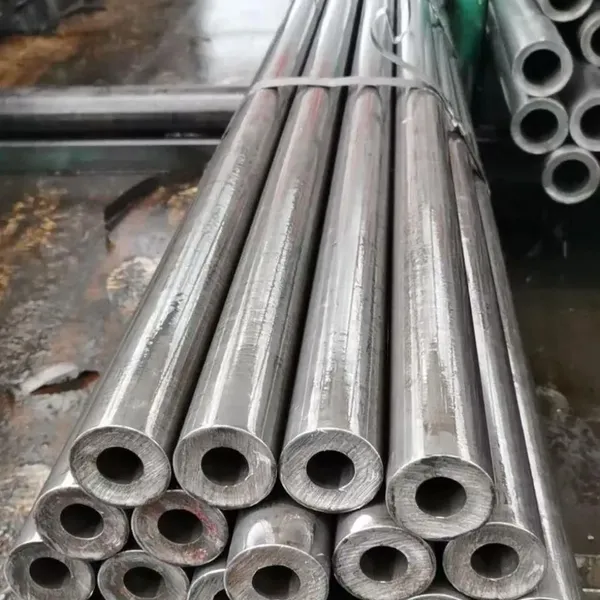
DT4 Seamless Pure Iron Tubing for High-Performance Electrical Equipment ApplicationsNegotiableMOQ: 1 Ton
-
DT4C Iron Wire Rod for Precision Magnetic Shielding ApplicationsNegotiableMOQ: 100 Kilograms
-
Industrial Pure Iron Fittings DT4 Pure Iron Seamless Tube With Low Hysteresis Loss for Electromagnetic SystemsNegotiableMOQ: 1 Ton
-
DT4C Cold Rolled Coil Slitting for Electrical Enclosure ManufacturingNegotiableMOQ: 1 Ton
-
Anti Rust Coated Pure Iron Square Bar Low Carbon Raw Material for Welding and Forging Magnetic PartsNegotiableMOQ: 100 Kilograms
-
DT4 Pure Iron Cold-Drawn Wire 0.5mm-6.0mm Diameter for Precision EngineeringNegotiableMOQ: 500 Kilograms