
 Business License

Electromagnet Core: A Complete Guide to Materials, Design, and Performance
When Chen Wei tested his new solenoid valve prototype last March, the numbers made no sense. The coil had 800 turns of 0.4mm copper wire. The supply voltage matched the spec sheet. Yet the pull force measured 18% below target. His team checked every electrical parameter twice. The hidden problem sat in the center of the coil: a low-grade steel core that looked fine on the outside but stole magnetic performance from the inside.
If you design or source electromagnetic components, you have probably faced a similar moment. The electromagnet core does not attract attention like windings or housings. It sits quietly inside the coil, yet it determines whether your device delivers force, speed, and efficiency. Pick the wrong core material, and no amount of copper or engineering will rescue the design.
This guide explains what an electromagnet core does, how core materials compare, and why ultra-low carbon electromagnetic pure iron remains the preferred choice for demanding applications. You will learn how to match core geometry and magnetic properties to your specific application, what specifications to demand from suppliers, and how to avoid the material mistakes that derail production. Whether you build solenoids, relays, lifting magnets, or sensor housings, the framework here will help you specify cores that perform from the first prototype to full production.
What Is an Electromagnet Core?
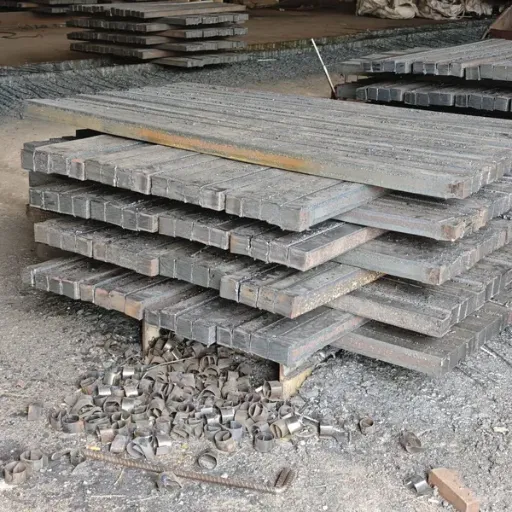
An electromagnet core is the ferromagnetic material placed inside or around a current-carrying coil. Its job is to concentrate and amplify the magnetic field produced by the coil. Without a core, the coil generates a weak field spread through the surrounding air. With the right core, the same coil can produce a magnetic field hundreds or thousands of times stronger.
The core works by aligning magnetic domains within the material with the field from the coil. In soft magnetic materials, these domains move freely when the current flows and return to a random state when the current stops. That reversibility is exactly what makes a material suitable for an electromagnet core. Hard magnetic materials keep their magnetization after the coil de-energizes, which makes them poor choices for cores that must switch on and off rapidly.
Core performance depends on a handful of magnetic properties: permeability, saturation induction, coercivity, and resistivity. Permeability measures how easily the material carries magnetic flux. Saturation induction sets the upper flux limit the material can support. Coercivity indicates how much energy the material needs to demagnetize. Resistivity influences eddy current losses when the magnetic field changes quickly. Each property shapes how the core behaves in a real device.
Need help specifying the right core material for your next project? Our engineering team can recommend the optimal grade and format based on your coil design and operating conditions. Contact us today for a technical consultation.
How Core Material Shapes Electromagnet Performance
The electromagnet core is not passive packaging. It is an active part of the magnetic circuit. The same coil with two different cores can produce dramatically different force, heat, and response time. That is why material selection belongs near the start of the design process, not at the end.
The Role of Soft Magnetic Materials
Soft magnetic materials form the foundation of every practical electromagnet core. They magnetize strongly under small applied fields and demagnetize cleanly when the field removes. This combination of high permeability and low coercivity lets designers build devices that respond quickly, waste little energy, and switch reliably.
Electromagnetic pure iron stands out because its ultra-low carbon content leaves magnetic domain walls free to move. Carbon impurities act like roadblocks inside the metal crystal structure. When carbon content drops to 0.004% or below, as it does in premium DT4C grade, those roadblocks disappear. The result is high initial permeability, high maximum permeability, and narrow hysteresis loops.
High-purity iron also reaches saturation induction near 2.16 Tesla, one of the highest values available in any practical engineering material. For applications where space is tight and force must be maximized, that saturation headroom is a decisive advantage.
Learn more about selecting magnetic materials for electrical engineering applications in our complete selection guide.
Core Material Options Compared
Designers usually choose from four main categories of core material. Each offers a different balance of performance, cost, and manufacturability.
| Material | Saturation Induction | Relative Permeability | Coercivity | Best For |
|---|---|---|---|---|
| Electromagnetic pure iron (DT4C) | ~2.1 T | Up to 15,000+ | <80 A/m | DC solenoids, relays, holding magnets |
| Silicon steel | ~2.0 T | 2,000-10,000 | 30-100 A/m | AC motors, transformers, laminated cores |
| Ferrite | 0.3-0.5 T | 1,000-10,000 | 10-100 A/m | High-frequency inductors, low-cost sensors |
| Cobalt-iron alloy | Up to 2.35 T | 1,000-5,000 | 40-160 A/m | Aerospace, defense, extreme temperature |
Silicon steel dominates transformer and motor cores. The silicon content raises electrical resistivity, which suppresses eddy currents in AC devices. However, silicon steel is normally used in laminated form to interrupt eddy current paths. For DC electromagnets, solid silicon steel is rarely the best choice because the laminations reduce the effective core cross-section and add cost.
Ferrites excel at high frequencies where eddy current losses would destroy a metallic core. They are inexpensive and moldable into complex shapes. Their weakness is saturation induction. A ferrite core simply cannot generate the strong magnetic fields needed for high-force actuators or large relays.
Cobalt-iron alloys reach the highest saturation induction of any commercial alloy and retain strength at high temperatures. The trade-off is price and machinability. These alloys make sense when performance matters more than cost, such as in aerospace actuators or specialized defense equipment.
Electromagnetic pure iron hits the practical sweet spot for most industrial electromagnets. It saturates near 2.1 Tesla, machines cleanly, welds reliably, and costs far less than cobalt alloys. For solenoids, relays, brakes, and holding magnets, pure iron cores deliver the best combination of magnetic performance and manufacturing economy.
Ready to see how premium core material improves your designs? Our DT4C electromagnetic pure iron offers the high magnetic permeability and low iron loss that demanding electromagnet cores require. Request a sample batch today.
Magnetic Properties That Define Core Performance
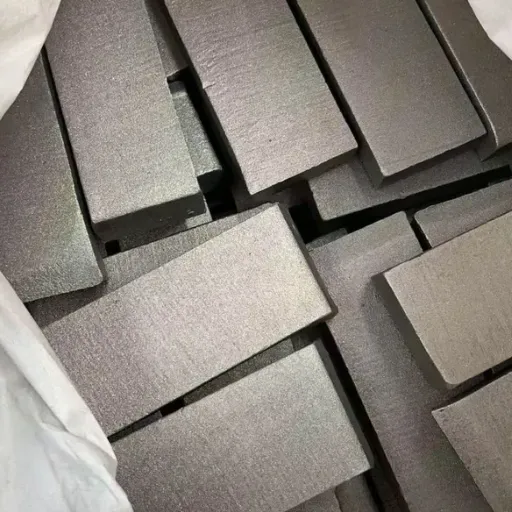
Understanding a material's magnetic properties lets you predict how an electromagnet core will behave in service. Four properties deserve attention during material selection.
Magnetic Permeability and Saturation
Permeability describes how readily a material supports magnetic flux. Initial permeability applies at low field strengths, while maximum permeability describes the peak flux-carrying efficiency before saturation. Both matter, but which one matters more depends on the application.
In sensitive relays or position sensors, the core operates at low field levels. High initial permeability gives proportional response to small control currents. In high-force actuators, maximum permeability and saturation induction determine how much flux the core can concentrate before hitting its limit.
When Liu Mei, a design lead at a Suzhou relay factory, switched her armature cores from standard low-carbon steel to DT4C electromagnetic pure iron, she gained a 14% increase in pull force without changing the coil. The higher saturation induction of pure iron allowed more magnetic flux to concentrate in the same core volume, which translated directly into more force at the armature.
Coercivity and Remanence
Coercivity measures the magnetic field strength needed to reduce the core's magnetization to zero after it has been saturated. Low coercivity means the core demagnetizes easily when the coil turns off. That is vital for any application requiring rapid, clean switching.
Remanence is the residual magnetization left after the applied field removes. A core with high remanence sticks. In relays, that causes contact welding. In solenoid valves, it causes slow release or incomplete closure. In position sensors, it creates measurement errors.
Ultra-low carbon pure iron grades like DT4C keep coercivity below 80 A/m and remanence minimal. The narrow hysteresis loop means little energy is lost as heat during each magnetization cycle, and the core releases cleanly when de-energized.
Hysteresis and Eddy Current Losses
Core losses fall into two categories. Hysteresis loss comes from the energy consumed when magnetic domains reorient. Eddy current loss comes from circulating electrical currents induced inside the conductive core by changing magnetic fields.
Hysteresis loss scales with coercivity. Low-coercivity materials like pure iron have narrow hysteresis loops, so they dissipate less energy per cycle. Eddy current loss depends on resistivity and core geometry. In AC electromagnets, designers laminate cores into thin insulated sheets to block eddy current paths. In DC electromagnets, solid cores are preferred because there is no alternating field to drive eddy currents.
When Zhang Hao's team at a Guangzhou automation company replaced laminated silicon steel stacks with solid DT4C cores in their DC holding magnets, they cut core manufacturing cost by 28% and increased holding force. The solid pure iron saturated more completely, and the absence of insulating layers meant more active magnetic material inside the same housing.
Electrical Resistivity and Frequency Response
Resistivity determines how badly eddy currents plague a core at higher frequencies. Pure iron has lower resistivity than silicon steel or ferrite, which is why it excels in DC or low-frequency applications. For AC electromagnets operating above a few hundred hertz, laminated silicon steel or ferrite becomes more attractive despite lower saturation induction.
The key is matching the material to the operating frequency. A DC solenoid valve benefits from the high saturation of solid pure iron. A 60 Hz holding magnet may need laminated silicon steel. A 100 kHz switching power supply inductor needs ferrite. Choosing based on frequency prevents overheating and energy waste.
Explore how electrical pure iron performs in transformers, motors, and power systems.
Core Geometry and Manufacturing Forms
The best electromagnet core material still fails if the geometry and manufacturing form do not suit the application. Cores come in several standard forms, each with distinct production advantages.
Solid Cylindrical and Bar Cores
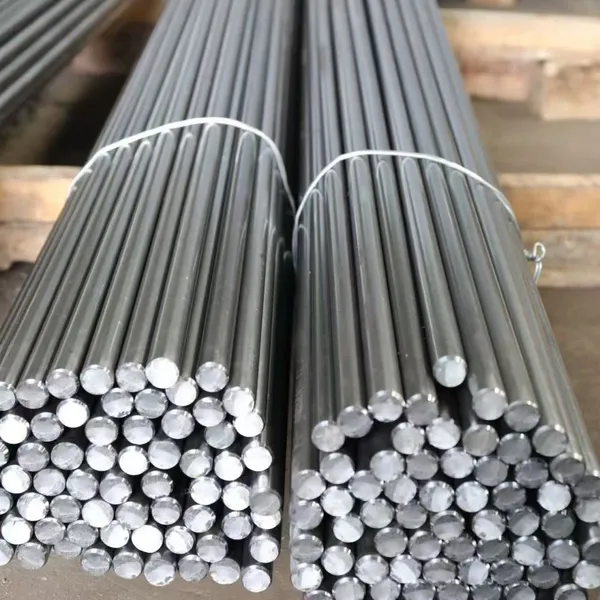
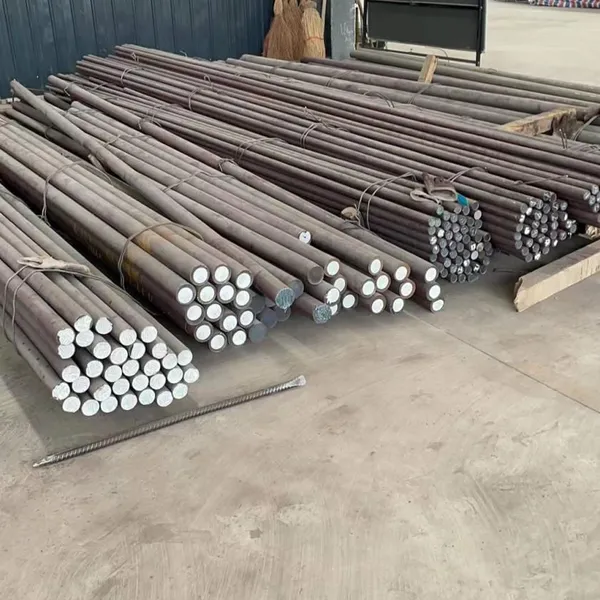
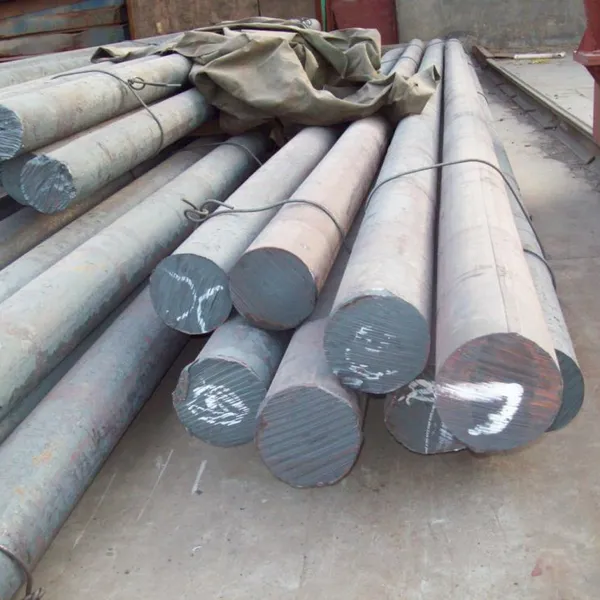
Solid round bars are the simplest and most common form for solenoid plungers, relay armatures, and small actuator cores. They offer maximum saturation induction because the entire cross-section is active magnetic material. Pure iron round bars, both hot-rolled and cold-drawn, machine cleanly into precise plunger geometries.
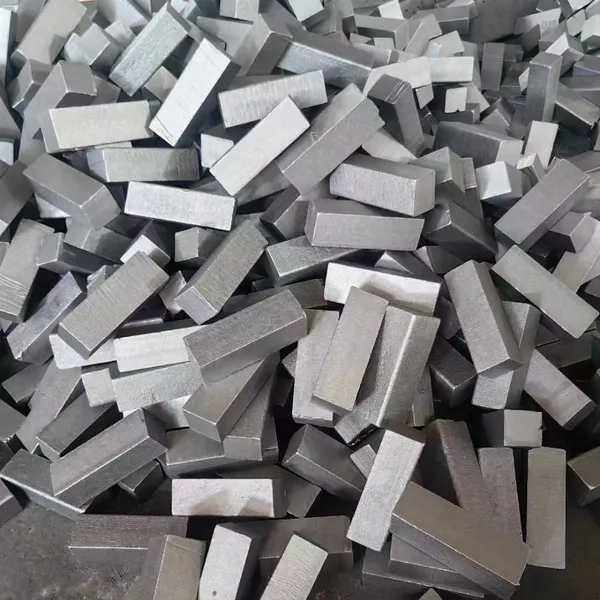
For high-volume production, cold-drawn straight bars provide tight dimensional tolerances and consistent surface quality. For custom diameters or lower volumes, hot-rolled round bars offer cost flexibility. Square and rectangular bars support CNC machining of non-cylindrical plungers or specialty actuator shapes.
Laminated E-Cores and I-Cores
Laminated E-shaped and I-shaped cores appear in transformers, contactors, and larger AC electromagnets. The laminations, usually made from silicon steel, reduce eddy current losses by interrupting current paths perpendicular to the flux direction. Stacking thickness, insulation quality, and pressing pressure all affect final core loss.
For applications that need both AC operation and high saturation, thin-gauge silicon steel or nickel-iron alloys are options. The extra cost is justified when core losses would otherwise overheat the device.
Tubular and Hollow Cores
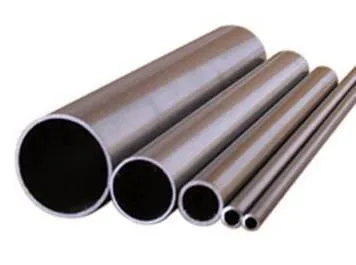
Hollow cores serve applications where weight, wiring passage, or fluid flow through the center matters. Solenoid valves often use hollow plungers to reduce mass and improve response time. Tubular cores also appear in magnetic sensors and specialized actuators.
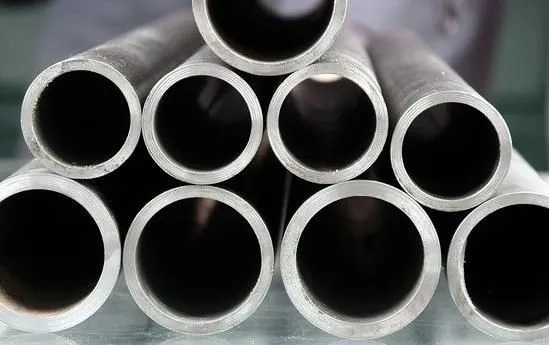
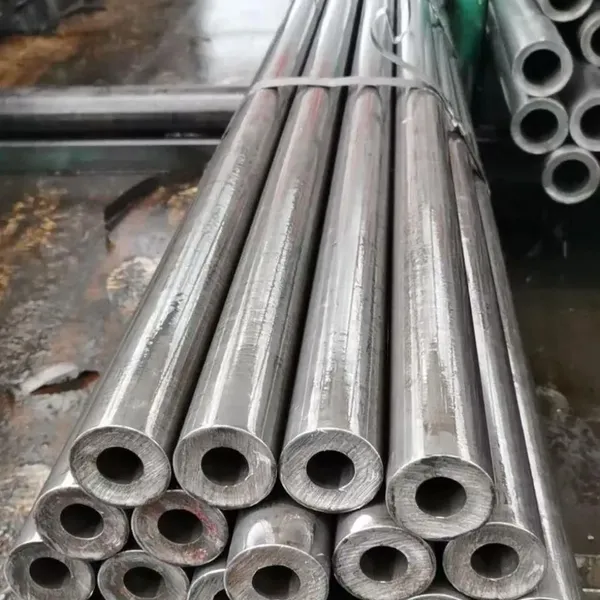
Seamless pure iron tubing provides a hollow core with uniform wall thickness and clean internal surfaces. That uniformity matters when the plunger must slide inside a close-tolerance bore without binding or wearing prematurely.
Slit Coils and Sheet Stampings
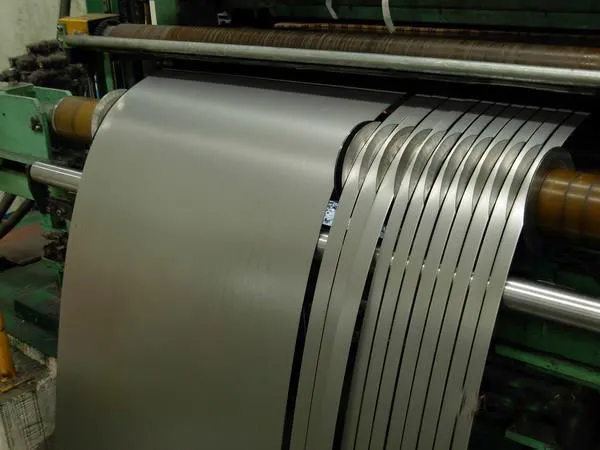
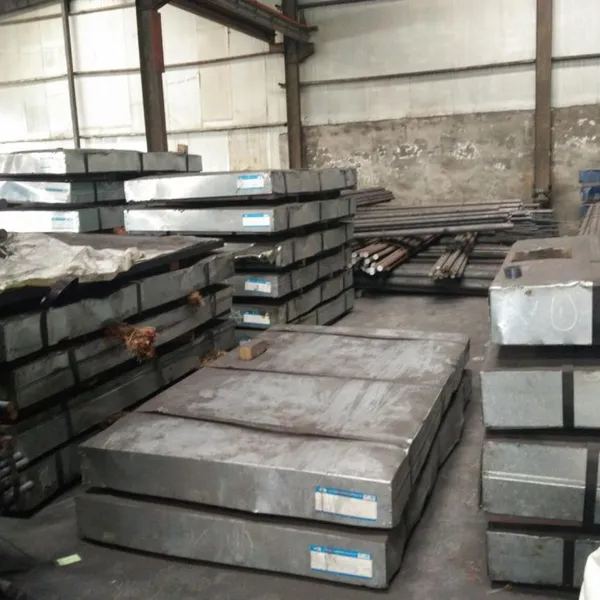
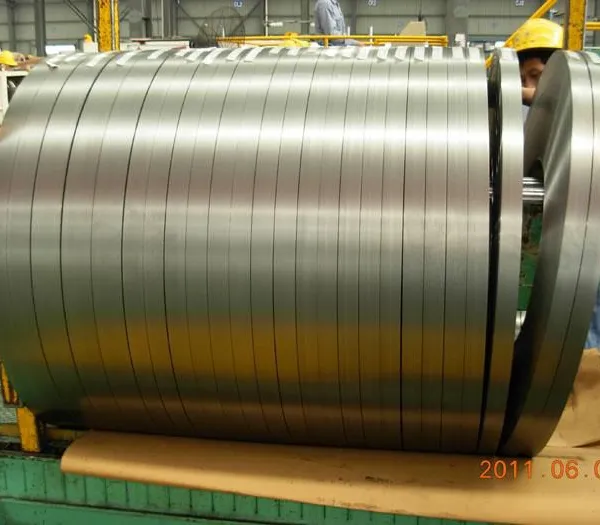
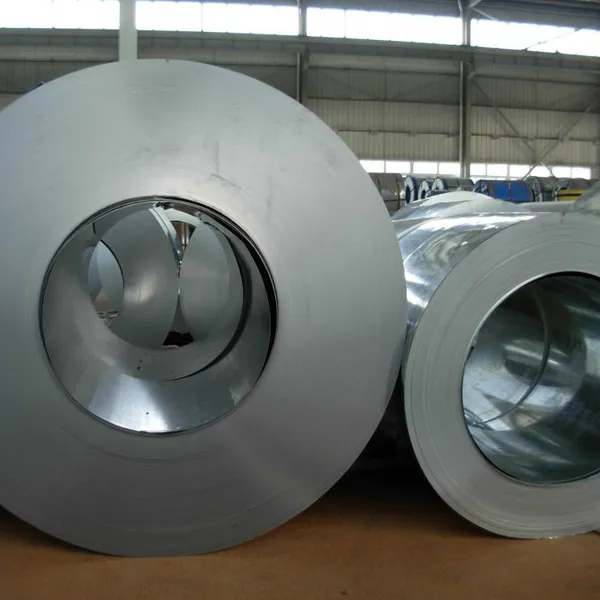
For mass-produced relay and solenoid cores, slit coils of cold-rolled pure iron sheet feed directly into progressive stamping dies. Thicknesses from 0.3mm to 3.0mm cover miniature relays through heavy-duty contactors. Precision slitting keeps width variation tight so the strip feeds smoothly and stampings hold dimensional consistency.
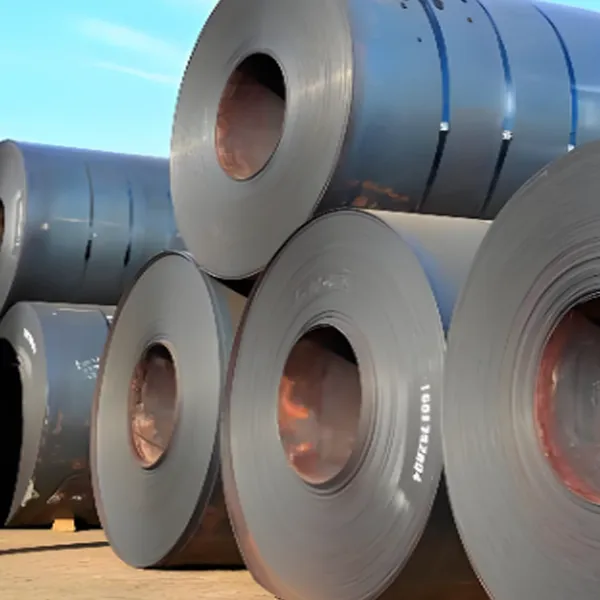
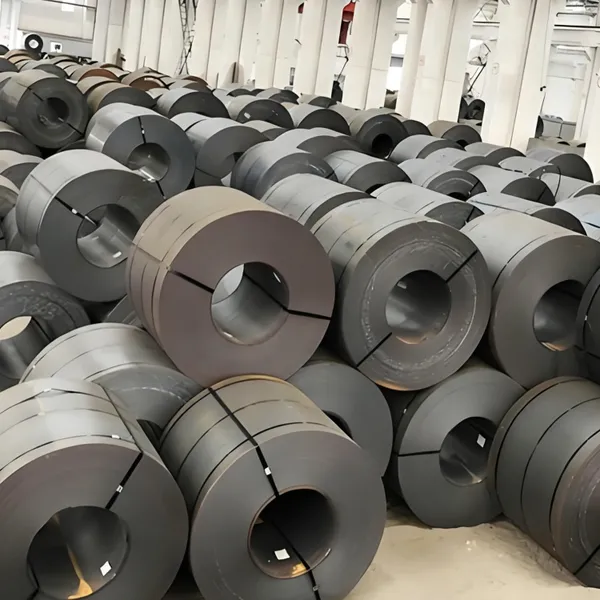
Discover how electromagnetic pure iron hot-rolled coils integrate into precision solenoid manufacturing.
Matching the Electromagnet Core to the Application
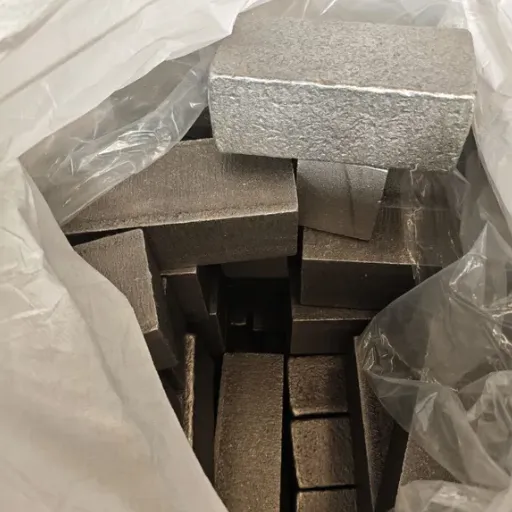
Application requirements drive core selection more than abstract magnetic properties. A material that excels in one device may underperform in another. Here is how common applications map to core choices.
Solenoid Valves and Linear Actuators
Solenoid valves convert electrical pulses into mechanical motion. The plunger, which is itself a moving electromagnet core, must respond quickly, generate consistent force, and release cleanly every cycle.
High-permeability pure iron plungers deliver stronger pull forces at lower currents. That allows smaller coils, less copper, and lower power consumption. The low remanence of pure iron also prevents the plunger from sticking in the energized position, a common failure mode with inferior core materials.
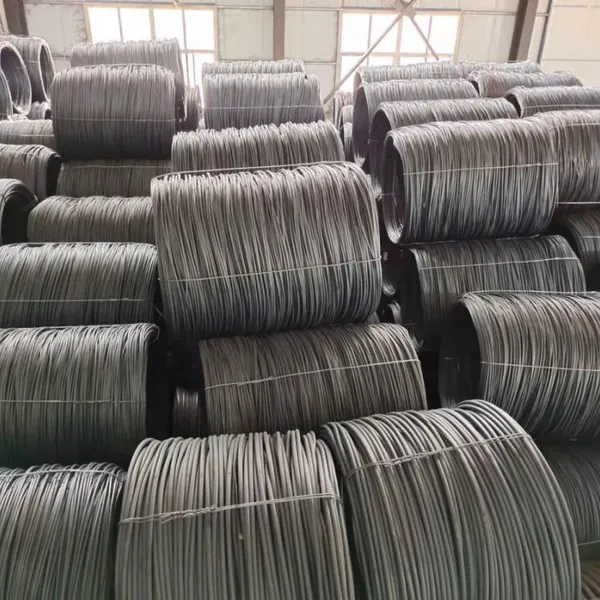
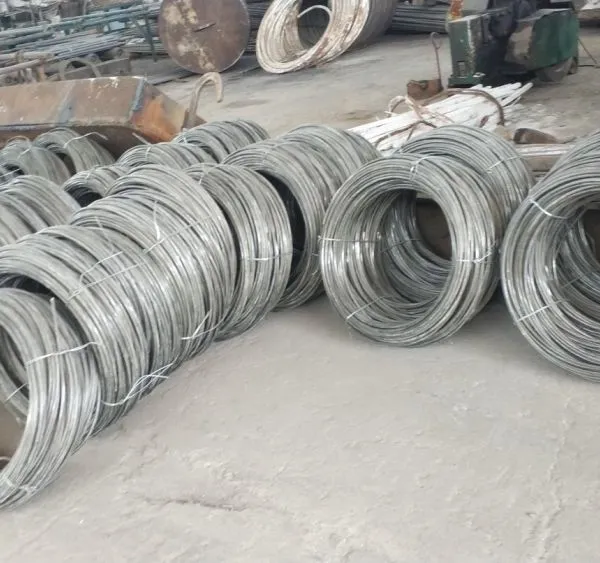
For pneumatic and hydraulic valve designers, cold-drawn pure iron wire and precision-slit coils reduce incoming inspection and pre-machining time. The material arrives ready for automated stamping or winding operations.
Electromechanical Relays and Contactors
Relays demand crisp switching. The core and armature must pull together with enough force to close contacts reliably, then separate instantly when the coil de-energizes. Remanence is the enemy.
When the Shenzhen electronics factory mentioned earlier switched relay cores from standard industrial iron to DT4C pure iron stampings, the armature stick rate dropped from 3.8% to below 0.1%. The material cost increased modestly. The warranty savings and production line stability more than paid for the upgrade.
Magnetic Holding and Lifting Systems
Holding magnets and magnetic lifters must generate intense, stable fields for extended periods. Efficiency and thermal stability matter because these devices often run continuously.
Solid pure iron cores excel here. The full cross-section carries flux, and the high saturation induction means a smaller, lighter magnet can hold the same load. For robotic pick-and-place systems, that weight reduction translates into faster arm movement and lower motor load.
In magnetic lifting, pure iron cores also tolerate impact and abrasion better than brittle ferrites. They resist chipping and machine easily if post-installation adjustments become necessary.
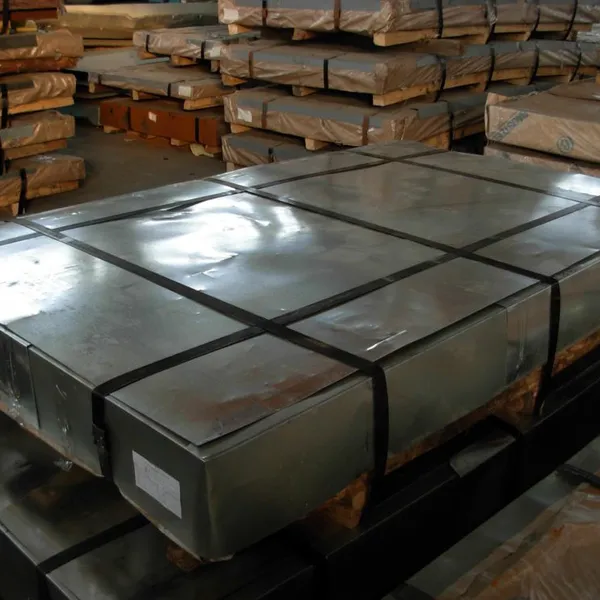
See how pure iron slabs provide the raw material foundation for heavy-duty magnetic systems.
Sensors and Measurement Devices
Magnetic sensors rely on predictable core response to small field changes. High initial permeability gives the sensor sensitivity. Low coercivity gives linearity and fast reset. Pure iron cores provide both, making them suitable for current sensors, position detectors, and magnetic shielding housings.
Thin pure iron sheets and foils also serve as magnetic shields, redirecting stray flux away from sensitive electronics. The high permeability of the shield material provides a low-reluctance path that protects adjacent components from interference.
Learn how pure iron improves electromagnetic brake performance in safety-critical applications.
Manufacturing Considerations for Electromagnet Cores
A brilliant core design means little if the supplier cannot manufacture it consistently. Material format, dimensional tolerance, surface quality, and magnetic certification all affect production success.
Material Format Selection
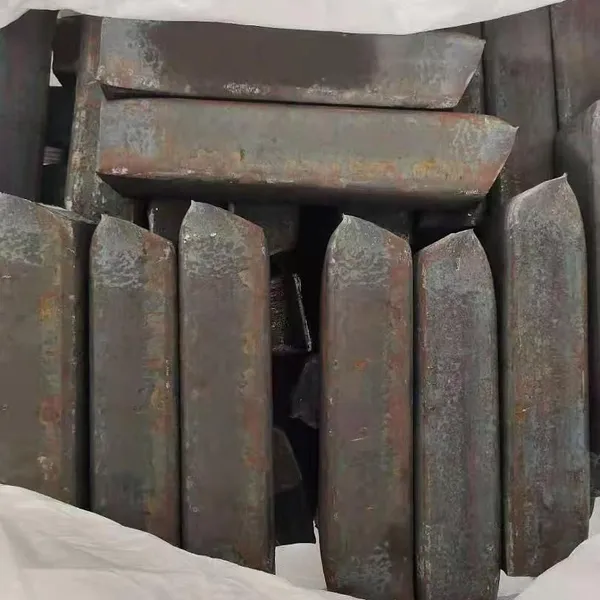
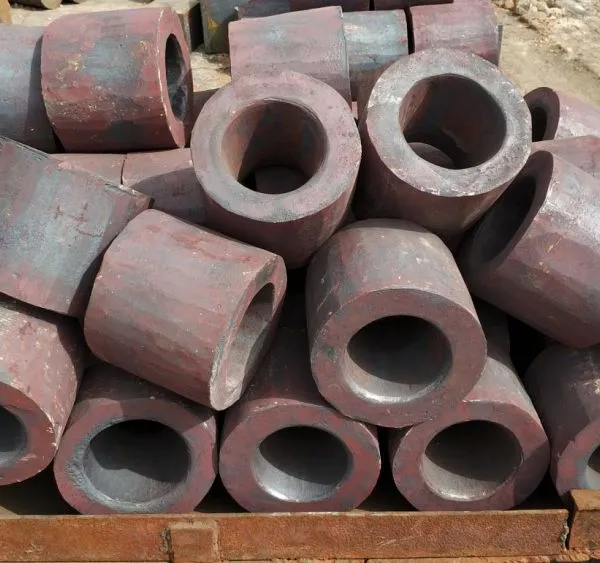
Choosing the right starting format reduces downstream processing. Stamped cores start from slit coil or sheet. Machined cores start from round, square, or hexagonal bar. Tubular cores start from seamless tube. Forged or cast cores start from billets or ingots.
Each format has its own tolerance and surface standards. Cold-drawn bars hold tighter dimensional limits than hot-rolled bars. Slit coils require consistent width and edge condition to feed automated dies. Seamless tubes need uniform wall thickness for plunger applications.
When a Ningbo valve manufacturer needed square pure iron bars for a new high-flow solenoid line, standard steel distributors offered only round stock. We supplied custom-cut pure iron square bars in 100kg trial batches, then scaled to multi-ton monthly orders as the product grew. The right format eliminated hours of in-house shaping and reduced scrap.
Machining and Surface Quality
Pure iron machines differently from ordinary steel. It is softer, produces continuous chips, and is free of hard carbide particles that destroy cutting edges. That softness can also cause burrs if feeds and speeds are not tuned properly. Sharp tools, adequate coolant, and controlled chip loads produce clean surfaces and accurate dimensions.
Surface finish matters for plungers that slide inside bores. Scratches, scale, or corrosion pits increase friction and wear. Anti-rust coatings or oil films protect the core during storage and shipping without degrading magnetic performance.
Heat Treatment and Stress Relief
Stamping, bending, and machining introduce mechanical stress that can raise local coercivity. Annealing after severe forming restores the soft magnetic properties. If your process includes aggressive forming, specify annealed material or plan a stress-relief heat treatment step before final assembly.
The annealing atmosphere matters too. Hydrogen or vacuum annealing produces cleaner surfaces and better magnetic properties than air annealing, which can cause oxidation. Discuss annealing requirements with your material supplier early in the design cycle.
Quality Control and Specification Checklist
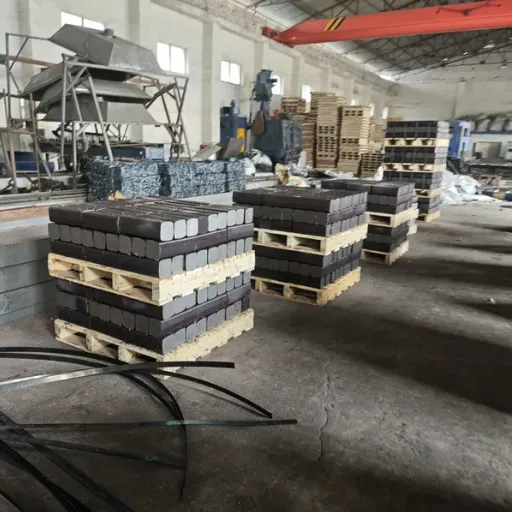
Magnetic properties cannot be verified by visual inspection. Every batch of electromagnetic pure iron destined for critical cores should carry documentation proving it meets specification.
Chemical Composition
Carbon content is the first parameter to verify. Premium DT4C grade requires carbon at or below 0.004%. Higher carbon raises coercivity, reduces permeability, and degrades switching performance. Silicon, manganese, sulfur, and phosphorus contents also affect magnetic behavior and should be checked.
Magnetic Certification
Request magnetic test data for every batch. The most useful parameters include:
Coercivity (Hc): Should stay below 80 A/m for DT4C-grade pure iron.
Maximum permeability (μm): Values above 15,000 indicate high-grade material.
Saturation induction (Bs): Should approach 2.1 Tesla for high-purity iron.
Iron loss (P): Relevant for AC applications; lower is better.
Dimensional and Visual Inspection
Check dimensions against drawing tolerances. Measure diameters, widths, straightness, and surface roughness. Look for scale, cracks, pits, or corrosion. For slit coils, verify width consistency across the coil length. For bars, verify straightness before sending them to CNC machines.
Traceability and Certification
Maintain batch traceability from raw material through finished core. Mill test certificates, heat numbers, and magnetic test reports provide the documentation your quality system needs. When a field failure occurs, traceability lets you identify whether the root cause was material, process, or design.
Conclusion
The electromagnet core is the silent partner in every electromagnetic device. It amplifies the coil's field, shapes the force output, and determines how efficiently the device converts electrical energy into mechanical action. Ignore the core, and even the most carefully designed coil will underperform.
Ultra-low carbon electromagnetic pure iron, especially DT4C grade, offers a rare combination of high saturation induction, high permeability, and low coercivity. It outperforms silicon steel in DC applications, costs far less than cobalt alloys, and generates stronger fields than ferrites can support. For solenoids, relays, holding magnets, and sensors, pure iron cores provide the magnetic foundation that reliable designs demand.
Here are the takeaways to apply in your next project:
Start core material selection early. Treat the core as a performance component, not an afterthought.
Match the material to the operating frequency. Solid pure iron wins for DC and low-frequency work; laminated silicon steel or ferrite fits higher frequencies.
Demand magnetic certifications. Assumptions about material properties create field failures.
Choose the right format. Slit coils for stamping, bars for machining, tubes for hollow plungers, forged rounds for custom shapes.
Account for processing effects. Anneal after severe forming to restore soft magnetic properties.
When Chen Wei finally replaced his low-grade steel core with DT4C electromagnetic pure iron, the force deficiency vanished. The prototype met specification on the first retest. His story is not unusual. In electromagnet design, the core material is the hidden variable that separates acceptable performance from exceptional performance.
Ready to optimize your electromagnet cores? Contact Shanxi Jurun Technology Co., Ltd. today for technical specifications, sample materials, or a custom quote tailored to your application. From 100kg prototype batches to production volumes, we supply the electromagnetic pure iron that powers reliable magnetic performance.
Recently Posted
-
Magnetic Circuit Analysis: A Practical Engineering Guide
June 26, 2026A 0.5 mm air gap left unaccounted for in a magnetic circuit can increase magnetizing current by 40% and push a prototype relay fro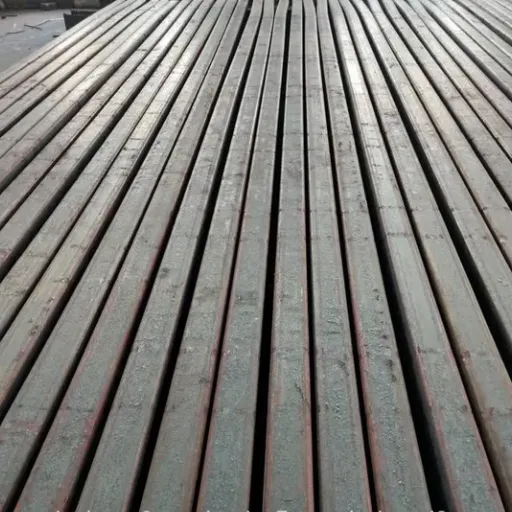 Read More
 -
Solenoid Core Material: How to Choose the Right Pure Iron for Maximum Performance
June 26, 2026A solenoid valve manufacturer in Germany recently replaced their standard steel core pins with electromagnetic pure iron and cut r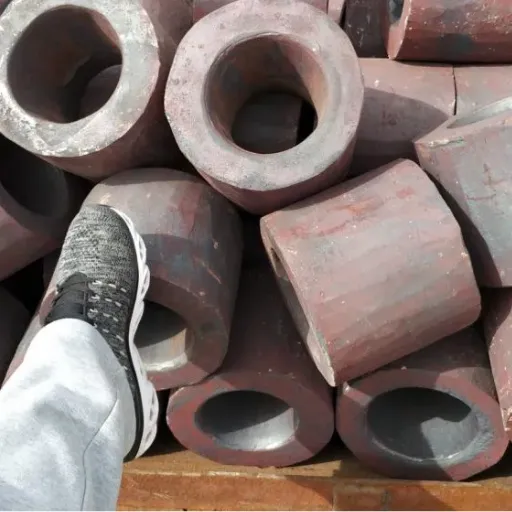 Read More
 -
Motor Lamination Material: A Complete Guide to Better Motor Performance
June 26, 2026What if the biggest drain on your motor's efficiency isn't the winding design, the cooling system, or the control electron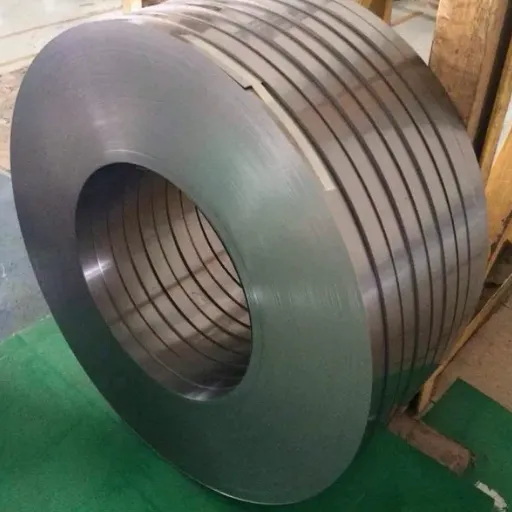 Read More
 -
Motor Iron Losses: Causes, Calculations and Reduction Strategies
June 26, 2026Electric motors consume nearly half of the world's electricity, and motor iron losses quietly drain away 15-25% of the energy Read More

Contact Us
Recommended Products
-
 Seamless Tube With Good Cold Electrical Pure Iron Fittings Hot Workability for Forming Fittings and ConduitsNegotiableMOQ: 1 Ton
 -
Electromagnetic Pure Iron Forging for Automotive Sensor ManufacturingNegotiableMOQ: 100 Kilograms
-
Precision Cut Pure Iron Square Bar High Saturation Induction Raw Material for Generator and RotorNegotiableMOQ: 100 Kilograms
-
DT4C Super Grade Electromagnetic Pure Iron Bright Bar With Bundle Weight 30-100kg for Easy TransportationNegotiableMOQ: 1 Ton
-
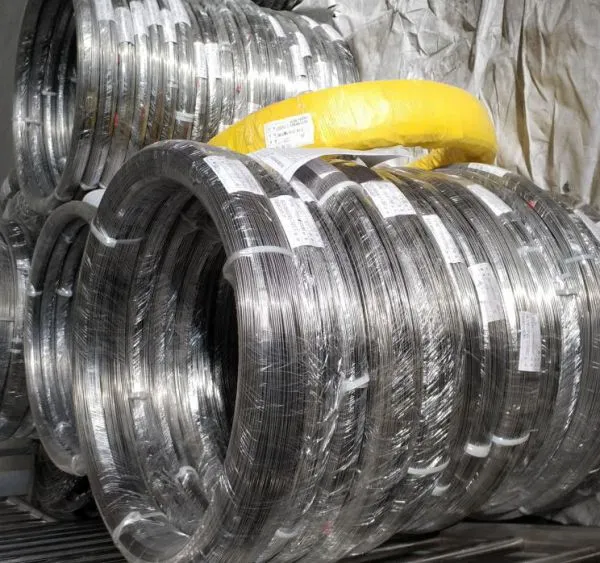
DT4C Electromagnetic Pure Iron Cold-Drawn Wire 0.5mm-6.0mm Diameter for TransformersNegotiableMOQ: 100 Kilograms
-
Industrial Pure Iron Bar for Electromagnetic Relay and Sensor ProductionNegotiableMOQ: 1 Ton
-
Electromagnetic Pure Iron Thin Sheet 0.3mm-0.8mm for Solenoid and Relay ManufacturingNegotiableMOQ: 500 Kilograms
-
Electrical Pure Iron Hot-Rolled Coil for Magnetic Components With Low Iron LossNegotiableMOQ: 1 Ton
-
Low Carbon DT4C Pure Iron Round Bar With 99.8% Fe Content for Electrical ApplicationsNegotiableMOQ: 1 Ton
-
Cold Rolled Pure Iron Slit Coil DT4C Grade Ultra Low Carbon ≤0.004% for Magnetic ComponentsNegotiableMOQ: 1 Ton
-
Low Iron Loss Electromagnetic Pure Iron Hot-Rolled Coil DT4C for Transformer CoresNegotiableMOQ: 1 Ton
-
Soft Magnetic Pure Iron Sheet With Minimum Iron Loss for High-Efficiency MotorsNegotiableMOQ: 1 Ton
-
Electromagnetic Pure Iron Cold Rolled Coil DT4C for High Magnetic Permeability ApplicationsNegotiableMOQ: 1 Ton
-
Industrial Pure Iron Tube Superior Surface Quality Electromagnetic Pure Iron Tube for Welding and Plating ProcessesNegotiableMOQ: 1 Ton
-
DT4 Seamless Pure Iron Tubing for High-Performance Electrical Equipment ApplicationsNegotiableMOQ: 1 Ton
-
DT4C Iron Wire Rod for Precision Magnetic Shielding ApplicationsNegotiableMOQ: 100 Kilograms
-
Industrial Pure Iron Fittings DT4 Pure Iron Seamless Tube With Low Hysteresis Loss for Electromagnetic SystemsNegotiableMOQ: 1 Ton
-
DT4C Cold Rolled Coil Slitting for Electrical Enclosure ManufacturingNegotiableMOQ: 1 Ton
-
Anti Rust Coated Pure Iron Square Bar Low Carbon Raw Material for Welding and Forging Magnetic PartsNegotiableMOQ: 100 Kilograms
-
DT4 Pure Iron Cold-Drawn Wire 0.5mm-6.0mm Diameter for Precision EngineeringNegotiableMOQ: 500 Kilograms