
 Business License

Solenoid Core Material: How to Choose the Right Pure Iron for Maximum Performance
A solenoid valve manufacturer in Germany recently replaced their standard steel core pins with electromagnetic pure iron and cut response time by 18%. The material cost barely changed, but the improvement in magnetic permeability transformed product performance overnight. This is the power of choosing the right solenoid core material.
If you design or source solenoids, you already know the challenge. The core must respond instantly to magnetic fields, maintain stability under repeated cycling, and keep energy losses low. Yet many procurement teams still treat the core as a commodity part, selecting whatever magnetic steel is cheapest. That decision often leads to sluggish response times, excessive heat, and premature failure.
In this guide, you will learn what makes an effective solenoid core material, why electromagnetic pure iron consistently outperforms alternatives, and how to select the right grade and form for your application. We will also cover the practical considerations that separate a reliable supplier from a risky one.
What Makes a Solenoid Core Material Effective?
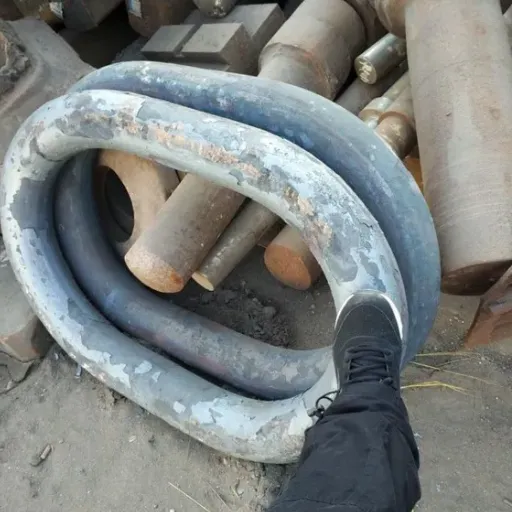
A solenoid converts electrical energy into mechanical motion through a magnetic field. The core, also called the armature or plunger, sits inside the coil and moves when the field activates. Because every solenoid cycle depends on how quickly and completely the core magnetizes, the solenoid core material directly determines efficiency, speed, and durability.
The ideal core material must meet four critical requirements:
High magnetic permeability: The material must magnetize easily under a small applied field. Higher permeability means stronger magnetic force with less electrical input.
Low coercivity: The material must demagnetize quickly when the current stops. Low coercivity reduces residual magnetism and prevents the plunger from sticking.
Low iron loss: Hysteresis and eddy current losses generate heat and waste energy. Low loss keeps the solenoid cool during rapid cycling.
Good mechanical properties: The core must withstand repeated impact, resist wear, and hold tight dimensional tolerances after machining.
These properties rarely exist together in ordinary steels. Standard carbon steels contain impurities and alloying elements that disrupt magnetic domains, increasing coercivity and reducing permeability. This is why specialized soft magnetic materials dominate professional solenoid design.
Why Electromagnetic Pure Iron Dominates Solenoid Applications
When engineers need the best balance of magnetic performance and cost, they usually turn to electromagnetic pure iron. This material contains extremely low carbon levels, typically 0.004% or less, with minimal sulfur, phosphorus, and other impurities. The near-pure iron structure allows magnetic domains to align and relax with minimal resistance.
Consider the experience of a relay manufacturer in Shenzhen. Their production line used industrial-grade steel cores for electromagnetic relays. Over time, customers complained that relays hesitated during switching, especially in cold conditions. After switching to DT4C pure iron, a premium electromagnetic grade, switching consistency improved across the entire temperature range. Warranty returns dropped by 23% within one quarter.
Electromagnetic pure iron offers three practical advantages for solenoids:
Rapid response: High permeability means the core reaches full magnetic saturation quickly. For high-frequency solenoid valves, this translates to faster opening and closing cycles.
Low residual magnetism: Because pure iron demagnetizes cleanly, the plunger returns to its resting position without sticking. This is critical for pneumatic and hydraulic valves that must cycle thousands of times per hour.
Predictable machining: Pure iron is softer and more consistent than alloy steels. This allows manufacturers to machine precise core geometries without unexpected tool wear or dimensional drift.
For manufacturers seeking consistent solenoid performance, our electromagnetic pure iron provides the low-carbon, high-permeability foundation that demanding applications require.
Key Solenoid Core Material Properties Explained
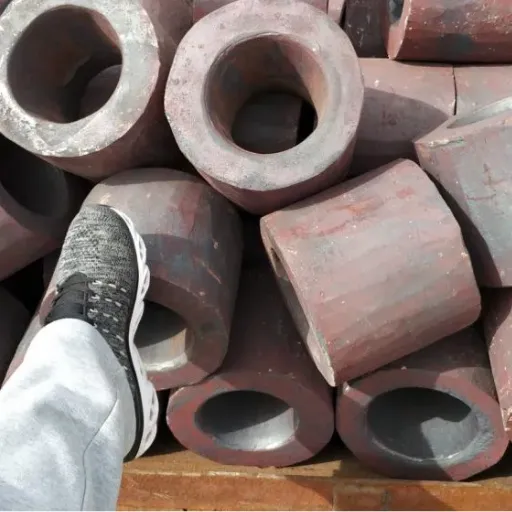
Understanding the numbers behind a material helps you compare options objectively. Here are the most important magnetic and mechanical properties to evaluate when selecting a solenoid core material.
Magnetic Permeability
Magnetic permeability measures how easily a material supports magnetic flux. In solenoids, higher permeability means more force per ampere. Electromagnetic pure iron typically exhibits maximum permeability values significantly higher than standard structural steels. For applications requiring sensitive response, such as medical dosing valves or precision relays, permeability is often the deciding factor.
Coercivity and Residual Magnetism
Coercivity measures the field required to remove magnetization from a material. Soft magnetic materials like pure iron have very low coercivity, so they release their magnetic state as soon as current drops. This prevents plunger sticking and reduces the energy needed to reset the solenoid.
Residual magnetism, or remanence, matters for AC solenoids and high-speed valves. A core that retains too much magnetism may fail to release at the correct time, causing timing errors or mechanical failure.
Saturation Induction
Saturation induction indicates the maximum magnetic flux density a material can carry. Pure iron reaches high saturation levels, allowing compact solenoid designs that still generate strong force. This is especially valuable in automotive and aerospace applications where space is limited.
Iron Loss
Iron loss combines hysteresis loss and eddy current loss. Hysteresis loss occurs each time the magnetic field reverses direction. Eddy currents circulate within the core and dissipate as heat. Pure iron minimizes hysteresis loss due to its soft magnetic structure. For AC solenoids, laminated or thin-sheet cores further reduce eddy current losses.
Carbon Content and Purity
Carbon is the enemy of soft magnetic performance. Even small amounts of carbon form iron carbide particles that pin magnetic domain walls. This increases coercivity and reduces permeability. Grades like DT4C are specified with carbon content at or below 0.004%, making them suitable for precision electromagnetic components.
Common Solenoid Core Material Options Compared
Engineers have several material choices for solenoid cores. Each option represents a trade-off between performance, cost, and manufacturability.
Electromagnetic Pure Iron
Pure iron delivers the highest magnetic permeability and lowest coercivity among commonly available core materials. It is the preferred choice for high-performance solenoids, relays, and valves. Available forms include cold-rolled sheets, hot-rolled bars, cold-drawn wire, and precision-cut blanks.
Silicon Steel
Silicon steel adds silicon to iron to increase electrical resistivity. This reduces eddy current losses in AC applications such as transformers and some AC solenoids. However, silicon steel is harder to machine and generally offers lower permeability than pure iron. It is a better fit for continuous AC operation than for fast-acting DC solenoids.
Ferrite
Ferrite cores are ceramic materials with very high resistivity, making them nearly immune to eddy currents. They work well in high-frequency inductors and some specialized solenoids. Unfortunately, ferrite is brittle and has low saturation induction compared to metals. It cannot handle the mechanical impact common in plunger-style solenoids.
Permalloy and Nickel-Iron Alloys
Permalloy offers extremely high permeability in weak fields, making it useful for sensitive sensors and low-power switches. The downside is cost. For most industrial solenoid valves and relays, permalloy is over-engineered and economically impractical.
Carbon and Alloy Steels
Standard steels are inexpensive and mechanically strong, but their magnetic properties are poor for solenoid use. High carbon content creates magnetic hysteresis, slow response, and residual sticking. These materials should be avoided for cores that must cycle rapidly or operate with precision timing.
For a deeper comparison of magnetic materials across electrical engineering applications, see our complete magnetic materials selection guide.
How to Select the Right Grade for Your Solenoid
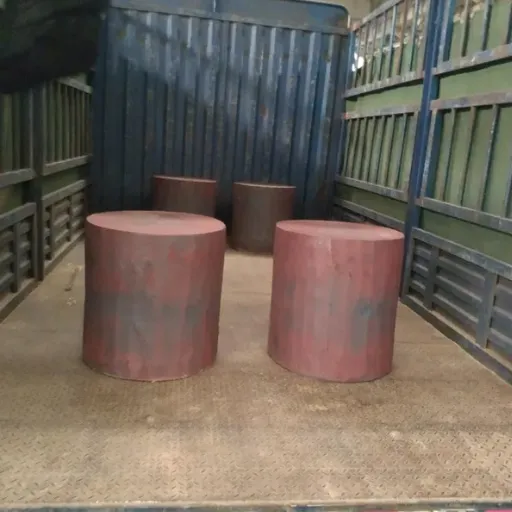
Not all pure iron is created equal. Chinese industrial standards classify electromagnetic pure iron into several grades, with DT4C standing out as the most common choice for high-performance solenoids.
Understanding DT4C Pure Iron
DT4C is an ultra-low carbon electromagnetic pure iron grade. The "C" designation indicates a higher purity level within the DT4 series, with stricter limits on carbon, sulfur, and phosphorus. It offers:
Carbon content ≤ 0.004%
High magnetic permeability
Low coercive force
Excellent surface quality for stamping and machining
These properties make DT4C an excellent solenoid valve material for manufacturers who need reliable switching performance and long service life.
When to Choose DT4 or DT4E
DT4 is the base grade in the series. It performs well in less demanding applications where cost matters more than marginal magnetic improvement. DT4E offers intermediate purity between DT4 and DT4C. It suits applications that need better magnetic properties than DT4 but do not require the full specification of DT4C.
Industrial Pure Iron for Structural Solenoid Parts
Some solenoid assemblies include housings, frames, or yokes that do not move but still carry magnetic flux. Industrial pure iron grades such as YT1, YT3, YT0, and YT01 can serve these static components cost-effectively. They provide adequate magnetic conductivity without the premium price of electromagnetic grades.
Need help choosing the right grade? Contact our engineering team to discuss your solenoid specifications, operating frequency, and dimensional requirements. We can recommend the most cost-effective pure iron grade for your design.
Processing and Form Considerations for Solenoid Cores
The form in which you receive your solenoid core material affects both manufacturing efficiency and final performance. Different solenoid designs require different starting forms.
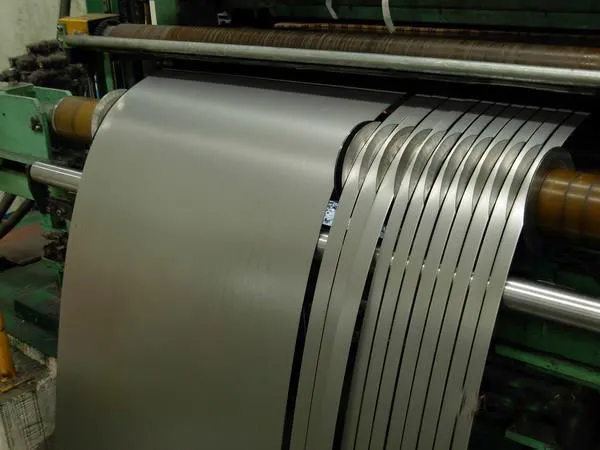
Cold-Rolled Sheets and Thin Strips
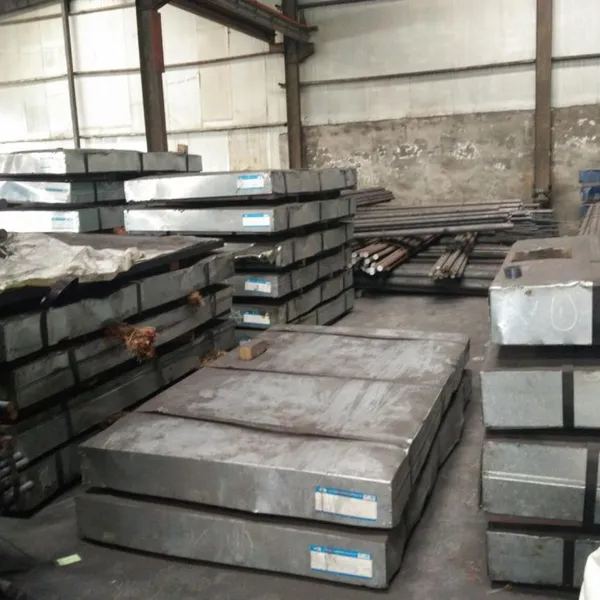
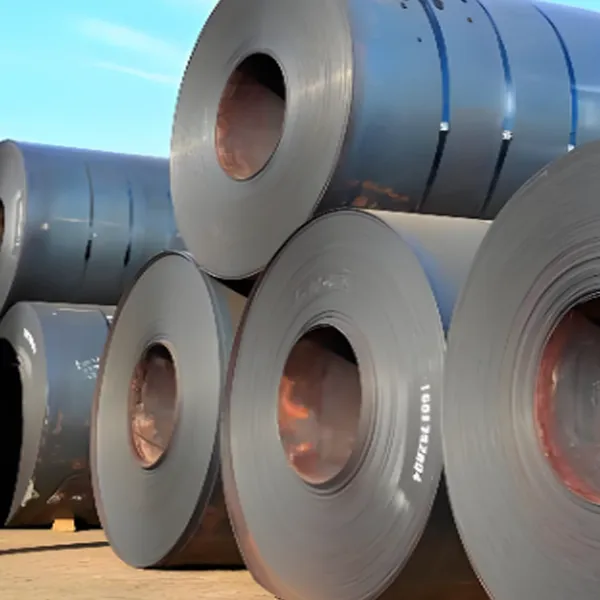
Solenoid valves and small relays often use laminated or stamped cores. Cold-rolled pure iron sheets in thicknesses from 0.3mm to 0.8mm are ideal for stamping laminations, washers, and armature plates. Precision-slit coils feed directly into high-speed stamping presses, reducing material handling and scrap.
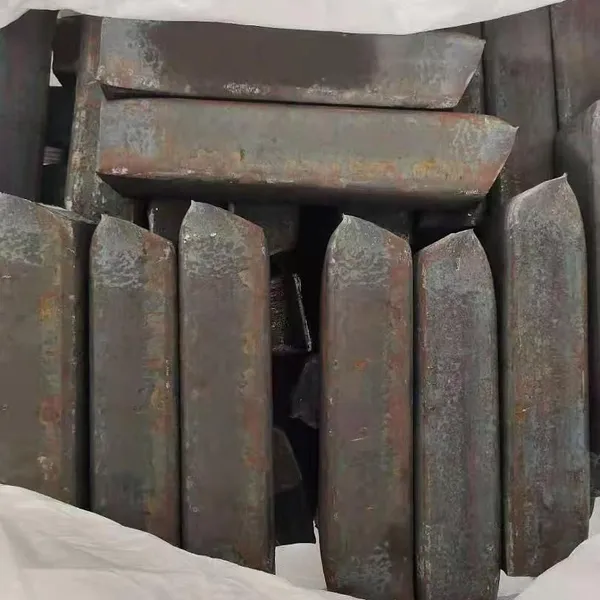
Hot-Rolled Bars and Rods
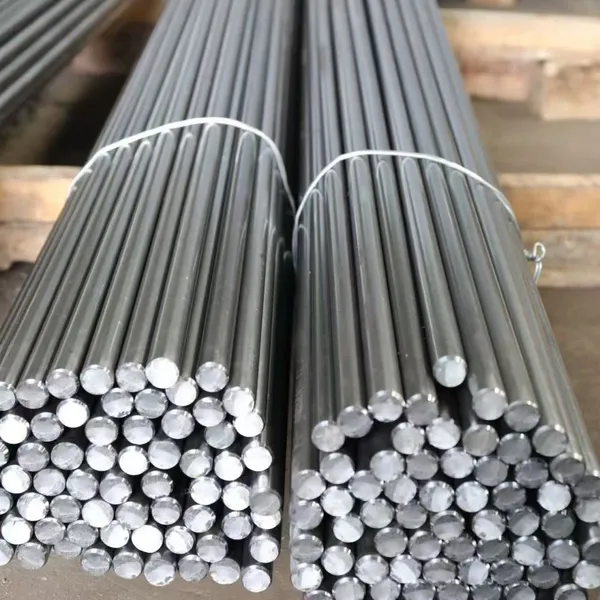
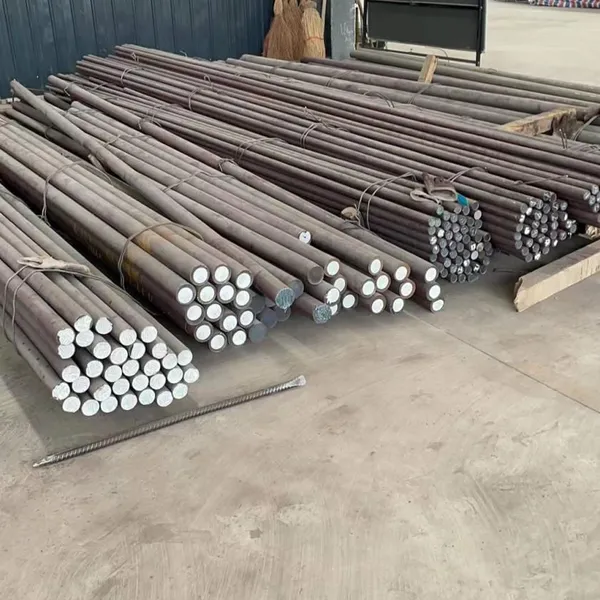
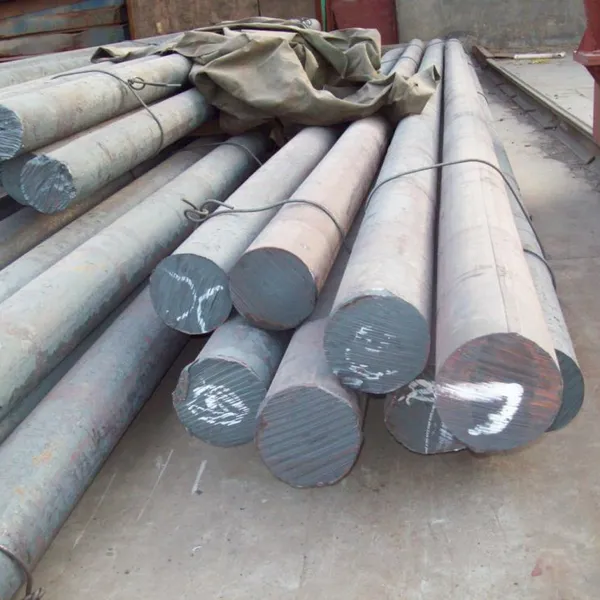
Larger solenoids, hydraulic valve cores, and heavy-duty actuators often start as hot-rolled round bars. These bars machine easily into plungers, armatures, and core tubes. Diameters range from a few millimeters to over 100 millimeters depending on application requirements.
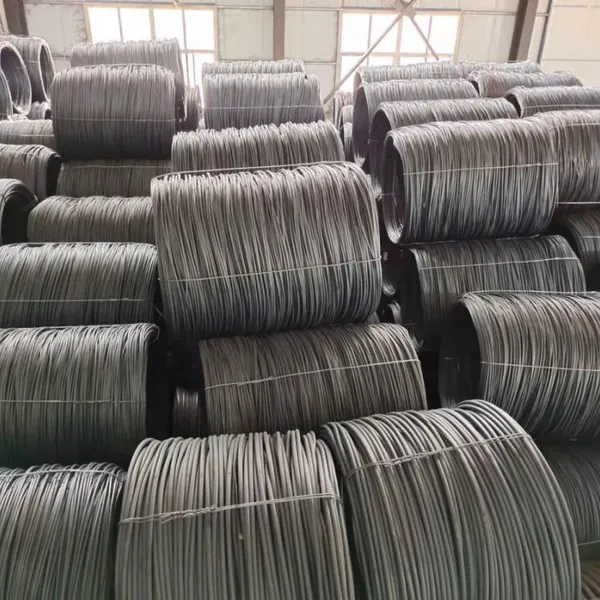
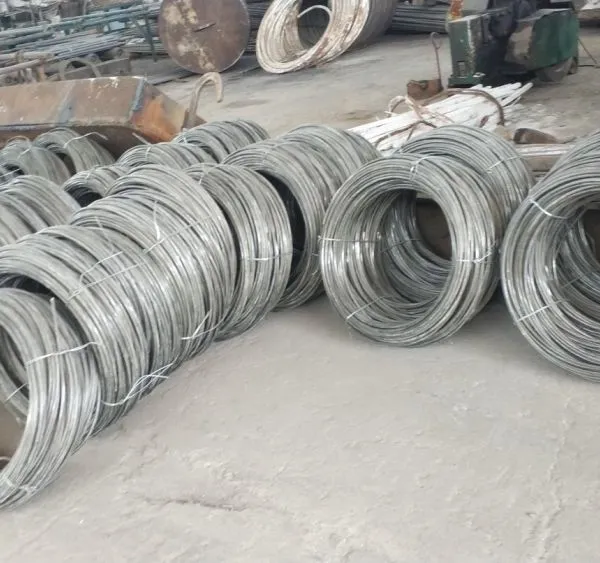
Cold-Drawn Wire
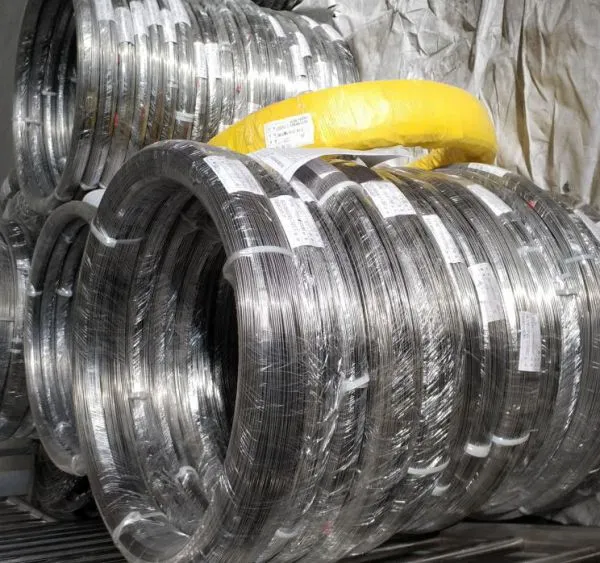
For miniature solenoids, sensor cores, and custom pins, cold-drawn pure iron wire offers tight dimensional control and clean surface finish. Wire diameters from 0.5mm to 6.0mm support precision winding and assembly operations.
Custom Cutting and Machining
Many manufacturers waste time and material cutting bulk steel to length. A supplier that provides cut-to-length bars, precision-ground blanks, or machined cores can streamline your production line. At Shanxi Jurun Technology, we offer slitting, cutting, turning, and milling services so your solenoid core material arrives ready for assembly.
Quality Control and Supplier Selection
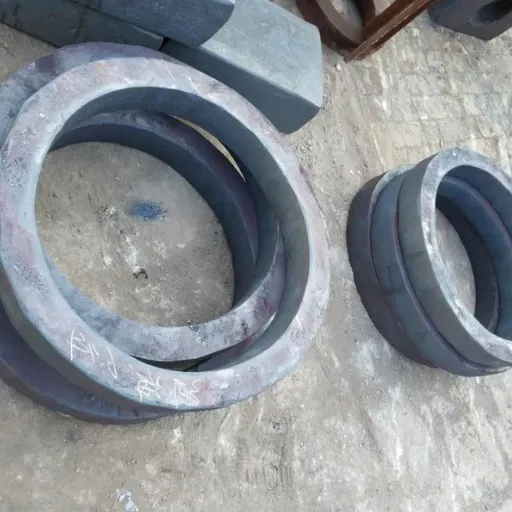
The best material specification means little if the supplier cannot deliver consistent quality. When sourcing soft magnetic pure iron for solenoids, evaluate suppliers on four criteria.
Material Certification
Request mill test certificates that verify chemical composition, mechanical properties, and magnetic characteristics. For DT4C, confirm that carbon content meets the ≤ 0.004% requirement and that sulfur and phosphorus are within specification.
Dimensional Accuracy
Cores must fit precisely within coils and housings. Inconsistent diameter, thickness, or straightness causes assembly problems and magnetic gaps. Look for suppliers with precision slitting, straightening, and cutting capabilities.
Inventory and Lead Time
Solenoid production often runs on tight schedules. Suppliers located near major production hubs can maintain deeper inventory and respond faster. Our headquarters in Taiyuan, Shanxi, places us at the center of China's pure iron industry, enabling steady supply and competitive direct-source pricing.
Technical Support
Material selection affects performance, cost, and manufacturability. A supplier with engineering expertise can recommend the right grade, form, and processing method for your specific solenoid design. This support becomes especially valuable during prototyping and new product introduction.
Conclusion
Choosing the right solenoid core material is one of the highest-impact decisions in solenoid design. Electromagnetic pure iron, especially grades like DT4C, delivers the high permeability, low coercivity, and low iron loss that modern solenoids demand. Whether you produce pneumatic valves, automotive actuators, medical pumps, or industrial relays, the core material directly affects response time, energy efficiency, and product life.
Key takeaways:
High magnetic permeability and low coercivity are essential for fast, reliable solenoid operation.
Electromagnetic pure iron outperforms standard steel, silicon steel, and ferrite for most plunger-style solenoids.
DT4C pure iron is the leading grade for precision solenoid cores due to ultra-low carbon content.
Form selection, whether sheets, bars, or wire, should match your manufacturing process.
Supplier quality, certification, and technical support are as important as the material itself.
If you are ready to improve your solenoid performance, contact us today for a custom quote on electromagnetic pure iron cores. Our team can supply precision-cut DT4C material tailored to your exact specifications, with flexible minimum order quantities and fast dispatch from Taiyuan.
For more guidance on electrical pure iron in power systems and magnetic components, read our article on electrical pure iron applications.
Recently Posted
-
Shanxi Jurun Technology: Your Electromagnetic Pure Iron Partner from Taiyuan, China's Pure Iron Prod
August 14, 2026When an international buyer searches for electromagnetic pure iron, they are not just looking for a material. They are looking for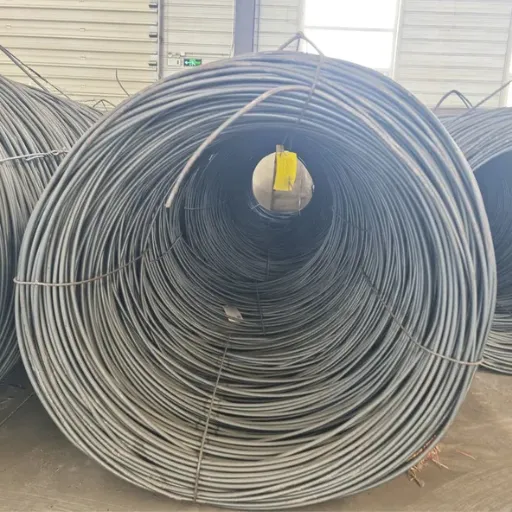 Read More
 -
Cold Drawing Process for Electromagnetic Pure Iron Wire: How Wire Rod Becomes Precision Cold-Drawn W
August 13, 2026Not long ago, a solenoid valve manufacturer in Italy received a shipment of 5.5 mm electromagnetic pure iron cold-drawn wire inten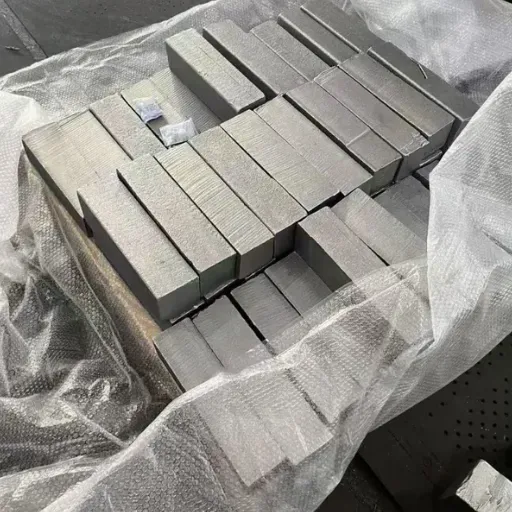 Read More
 -
How to Choose a Food Vacuum Sealer Supplier in China: 8 Evaluation Criteria
August 13, 2026An e-commerce brand owner in the UK contacted us some time ago after a supplier relationship fell apart. They had sourced roughly Read More
 -
Electromagnetic Pure Iron for Relay Manufacturing: Material Requirements, Grade Selection, and Case
August 13, 2026Some time ago, a relay production line in Zhejiang province began experiencing a puzzling failure pattern. Roughly 3 out of every
Read More

Contact Us
Recommended Products
-
 Seamless Tube With Good Cold Electrical Pure Iron Fittings Hot Workability for Forming Fittings and ConduitsNegotiableMOQ: 1 Ton
 -
Electromagnetic Pure Iron Forging for Automotive Sensor ManufacturingNegotiableMOQ: 100 Kilograms
-
Precision Cut Pure Iron Square Bar High Saturation Induction Raw Material for Generator and RotorNegotiableMOQ: 100 Kilograms
-
DT4C Super Grade Electromagnetic Pure Iron Bright Bar With Bundle Weight 30-100kg for Easy TransportationNegotiableMOQ: 1 Ton
-
DT4C Electromagnetic Pure Iron Cold-Drawn Wire 0.5mm-6.0mm Diameter for TransformersNegotiableMOQ: 100 Kilograms
-
Industrial Pure Iron Bar for Electromagnetic Relay and Sensor ProductionNegotiableMOQ: 1 Ton
-
Electromagnetic Pure Iron Thin Sheet 0.3mm-0.8mm for Solenoid and Relay ManufacturingNegotiableMOQ: 500 Kilograms
-
Electrical Pure Iron Hot-Rolled Coil for Magnetic Components With Low Iron LossNegotiableMOQ: 1 Ton
-
Low Carbon DT4C Pure Iron Round Bar With 99.8% Fe Content for Electrical ApplicationsNegotiableMOQ: 1 Ton
-
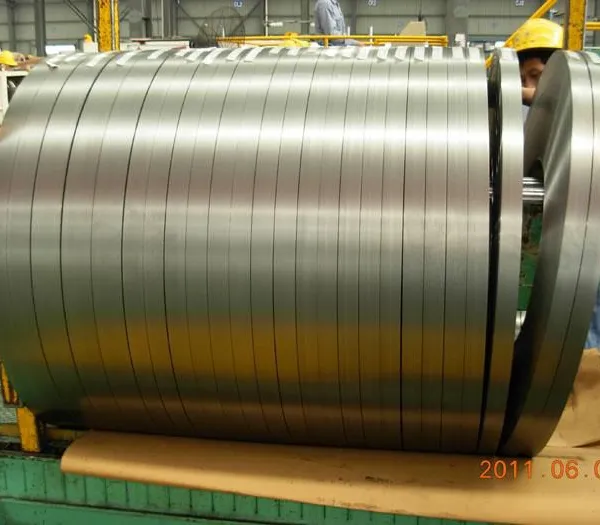
Cold Rolled Pure Iron Slit Coil DT4C Grade Ultra Low Carbon ≤0.004% for Magnetic ComponentsNegotiableMOQ: 1 Ton
-
Low Iron Loss Electromagnetic Pure Iron Hot-Rolled Coil DT4C for Transformer CoresNegotiableMOQ: 1 Ton
-
Soft Magnetic Pure Iron Sheet With Minimum Iron Loss for High-Efficiency MotorsNegotiableMOQ: 1 Ton
-
Electromagnetic Pure Iron Cold Rolled Coil DT4C for High Magnetic Permeability ApplicationsNegotiableMOQ: 1 Ton
-
Industrial Pure Iron Tube Superior Surface Quality Electromagnetic Pure Iron Tube for Welding and Plating ProcessesNegotiableMOQ: 1 Ton
-
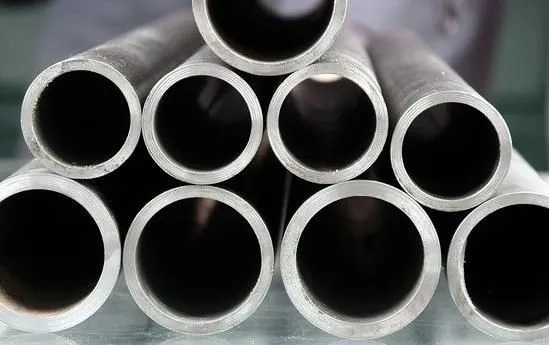
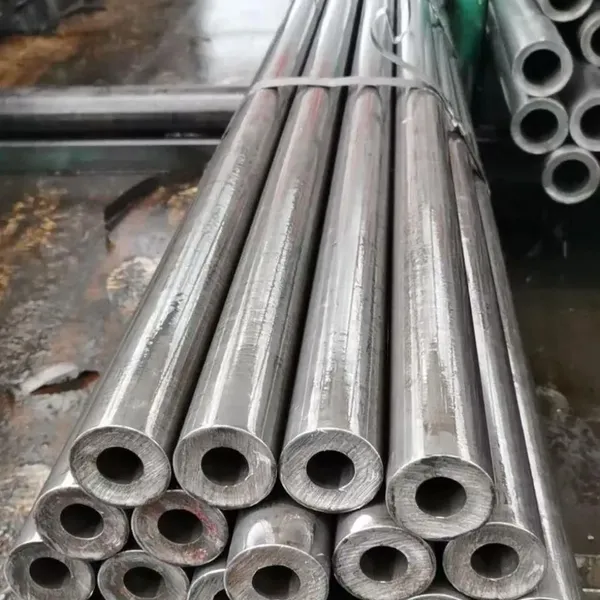
DT4 Seamless Pure Iron Tubing for High-Performance Electrical Equipment ApplicationsNegotiableMOQ: 1 Ton
-
DT4C Iron Wire Rod for Precision Magnetic Shielding ApplicationsNegotiableMOQ: 100 Kilograms
-
Industrial Pure Iron Fittings DT4 Pure Iron Seamless Tube With Low Hysteresis Loss for Electromagnetic SystemsNegotiableMOQ: 1 Ton
-
DT4C Cold Rolled Coil Slitting for Electrical Enclosure ManufacturingNegotiableMOQ: 1 Ton
-
Anti Rust Coated Pure Iron Square Bar Low Carbon Raw Material for Welding and Forging Magnetic PartsNegotiableMOQ: 100 Kilograms
-
DT4 Pure Iron Cold-Drawn Wire 0.5mm-6.0mm Diameter for Precision EngineeringNegotiableMOQ: 500 Kilograms