
 Business License

Curie Temperature of Iron: Essential Guide for Engineers
In 2019, a power equipment manufacturer in eastern China discovered that a batch of transformer cores was losing magnetic efficiency at just 180 degrees Celsius. The engineers had designed for a much higher thermal ceiling because they assumed the theoretical curie temperature of iron was the only number that mattered. They were wrong.
If you design transformers, motors, or electromagnetic relays, you know that magnetic stability under thermal stress is non-negotiable. You need materials that hold their properties not just at room temperature, but across the full operational envelope your equipment will face. This guide explains exactly what the curie temperature of iron is, why it matters for your applications, and how selecting the right electromagnetic pure iron grade can protect your designs from thermal demagnetization.
We will cover the science behind the Curie point, real-world engineering limits that appear long before 770 degrees Celsius, grade-specific performance data for DT4C and other pure iron series, and practical selection criteria you can apply immediately.
What Is the Curie Temperature of Iron?
The curie temperature of iron is the critical thermal threshold where ferromagnetic materials lose their spontaneous magnetization and transition to paramagnetic behavior. For pure iron, this transition occurs at approximately 770 degrees Celsius (1043 Kelvin or 1418 degrees Fahrenheit).
Below this temperature, the magnetic domains within iron align spontaneously due to exchange interactions between neighboring atoms. This alignment creates the strong, permanent magnetic properties that make iron indispensable for electrical engineering. Above the Curie point, thermal agitation overcomes these exchange forces. The domains randomize, and the material can no longer maintain ferromagnetic order.
The concept takes its name from Pierre Curie, who first described this phenomenon in the late 19th century. His discovery remains foundational to modern materials science. Engineers working with electromagnetic pure iron must understand that the curie temperature of iron represents an absolute physical limit. Once crossed, the material cannot recover its ferromagnetic properties until it cools below the threshold again.
The Science Behind Ferromagnetism and Thermal Demagnetization
At the atomic level, ferromagnetism arises from unpaired electron spins in the 3d orbital of iron atoms. These spins generate microscopic magnetic moments. In ferromagnetic materials, quantum mechanical exchange coupling forces neighboring moments to align parallel, creating macroscopic magnetization.
Temperature introduces disorder. As thermal energy increases, lattice vibrations disrupt the ordered spin alignment. Near the curie temperature of iron, this disruption becomes catastrophic. The correlation length between aligned spins collapses, and the material behaves paramagnetically. It still responds to external magnetic fields, but it retains no spontaneous magnetization of its own.
Impurities and alloying elements complicate this picture. Carbon, sulfur, and other residuals can create pinning sites that alter domain wall mobility. Even at temperatures far below 770 degrees Celsius, impure iron exhibits degraded magnetic permeability and increased hysteresis loss. This is why standard construction-grade steel performs poorly in electromagnetic applications compared to ultra-low carbon pure iron grades.
Why the Curie Temperature Defines Real-World Engineering Boundaries
The curie temperature of iron is 770 degrees Celsius. Yet no competent engineer designs electromagnetic equipment to operate anywhere near that limit. The reason is simple: practical magnetic performance degrades long before the theoretical Curie point.
Saturation magnetization begins to decline measurably as temperatures climb past 100 degrees Celsius. Permeability drops. Hysteresis losses increase. By 300 degrees Celsius, many standard iron materials have lost so much magnetic responsiveness that they cannot meet their design specifications. The Curie temperature is the cliff at the end of the road, but the road itself gets bumpier with every degree.
When Liu Wei, an engineering manager at a transformer plant in Jiangsu, switched to a lower-grade iron stock to cut raw material costs, everything tested fine at room temperature. Six months later, field reports showed cores overheating in summer installations across southern China. The cores had not reached 770 degrees Celsius, but the higher carbon content and impurities in the substitute material had degraded effective permeability at just 200 degrees Celsius.
His team traced the problem to excessive carbon content in the replacement stock. Switching to DT4C electromagnetic pure iron with verified ultra-low carbon content solved the issue immediately. The new cores maintained stable magnetic properties across the full 60-to-150-degree operational envelope. Liu's experience illustrates a critical truth: the curie temperature of iron sets the absolute boundary, but material purity determines where your practical boundary actually lies.
How Pure Iron Grades Affect Magnetic Stability Near the Curie Point
Not all iron performs equally as temperatures rise. The grade you select determines how much thermal headroom your design actually possesses. Understanding these differences separates reliable engineering from field failures.
The Role of Carbon Content and Material Purity
Carbon is the enemy of high-temperature magnetic performance. Even small concentrations create carbide precipitates that pin magnetic domain walls. At elevated temperatures, these pinning sites multiply the energy required to reorient domains. The result is lower permeability, higher coercivity, and increased iron loss.
Ultra-low carbon pure iron grades maintain domain wall mobility at temperatures where standard steels already falter. By keeping carbon content at or below 0.004 percent, these grades preserve the exchange-coupled domain structure that gives iron its exceptional soft magnetic properties. This matters enormously for applications where components must survive thermal cycling without magnetic degradation.
DT4C Electromagnetic Pure Iron
DT4C electromagnetic pure iron represents the industry standard for high-efficiency magnetic components. Its ultra-low carbon content, typically verified at or below 0.004 percent, delivers high magnetic permeability and minimal hysteresis loss. These properties ensure that even as operational temperatures approach practical limits, magnetic performance remains stable and predictable.
For manufacturers of transformer cores and power equipment, DT4C hot-rolled coils and cold-rolled sheets provide the low iron loss characteristics required for modern energy-efficient designs. The grade's consistency means you can design closer to thermal limits with confidence, knowing the material will perform as modeled.
Industrial Pure Iron vs. Electromagnetic Grades
Industrial pure iron grades serve structural and general manufacturing applications where magnetic properties are secondary. They may offer adequate strength and machinability, but they lack the carbon control and magnetic consistency needed for precision electromagnetic components.
Electromagnetic grades like DT4C, DT4E, and DT8 are engineered specifically for magnetic performance. They undergo refining processes that remove impurities to levels unnecessary for structural steel. The cost difference is real, but so is the performance gap. For solenoids, relays, motors, and transformer cores, specifying an electromagnetic grade is not optional. It is essential.
If you are evaluating magnetic materials for electrical engineering, understanding how grade selection impacts thermal performance is your first filter.
Critical Applications Where Thermal Limits Shape Design Choices
Every electromagnetic application generates heat. Resistance losses, eddy currents, and environmental factors combine to push component temperatures well above ambient. Engineers who ignore the curie temperature of iron and its practical implications invite premature failure.
Power Transformers and Distribution Cores
Transformer cores normally operate between 60 and 100 degrees Celsius. During overload conditions or in hot climates, temperatures can spike significantly. Core materials must maintain permeability and low loss across these excursions.
Using high-permeability electromagnetic pure iron ensures your design retains performance headroom. When temperatures rise, the core does not suddenly become the bottleneck in your thermal budget. DT4C hot-rolled coils are particularly valued in this sector for their proven combination of low iron loss and high saturation induction.
For detailed specifications on coil formats, see our electromagnetic pure iron hot-rolled coil guide.
EV Motors and Automotive Sensors
Electric vehicle motors generate substantial heat during high-torque operation. The soft magnetic pure iron used in stator and rotor laminations must maintain properties across repeated temperature cycles. Magnetic drift in these components directly reduces motor efficiency and torque output.
Automotive sensor applications present similar challenges. Electromagnetic pure iron forgings used in position and current sensors must deliver stable output signals even when mounted near engine bays or power electronics that run hot. Material selection here affects not just performance but safety certification.
Electromagnetic Relays and Solenoid Valves
An automotive supplier in Shenzhen was prototyping solenoid valves for a new EV platform in early 2025. Early prototypes used standard structural steel and experienced magnetic drift after continuous operation at 150 degrees Celsius. Actuation force dropped by nearly 20 percent after 100,000 cycles, well below the 500,000-cycle target.
The engineering team switched to precision-slit DT4C cold-rolled sheets with verified ultra-low carbon content. The result was immediate and dramatic. The new prototypes maintained stable actuation force across the entire 120-to-180-degree operational envelope. They passed 500,000-cycle validation tests with margin to spare. The difference was not the base metal. It was the purity and processing.
For applications requiring thin-gauge material, our pure iron slab and sheet processing options provide custom dimensions that feed directly into automated stamping lines.
Magnetic Shielding and Precision Instruments
Magnetic shielding must perform predictably across temperature ranges. Whether protecting sensitive instrumentation or containing magnetic fields in medical equipment, shielding materials cannot afford performance drift. High-purity soft magnetic iron offers the permeability and temperature stability these applications demand.
Need pure iron that maintains magnetic integrity at high temperatures? Explore our DT4C electromagnetic pure iron products and request material specifications tailored to your thermal requirements.
Measuring and Testing Magnetic Properties at Elevated Temperatures
Verifying magnetic performance at temperature requires specialized testing protocols. Engineers and quality teams should understand these methods to validate material selection and incoming inspection.
Standard Testing Methods
Vibrating sample magnetometry (VSM) measures magnetization curves across temperature ranges. By heating samples in controlled environments, technicians can track how saturation magnetization declines as the curie temperature of iron approaches. This data validates material grades and identifies counterfeit or substandard stock.
B-H curve tracing at elevated temperatures provides direct measurement of permeability and coercivity under operating conditions. Rather than relying on room-temperature data sheets, engineers can model actual component behavior at working temperatures. This approach catches grade substitutions and processing defects that room-temperature testing misses.
Quality Control and Batch Verification
At Shanxi Jurun Technology Co., Ltd., we verify magnetic properties through controlled testing to ensure batch consistency. Our electromagnetic pure iron grades are characterized for permeability, coercivity, and iron loss across the temperature ranges relevant to transformer, motor, and relay applications.
Consistency matters more than peak performance. A material that varies from batch to batch forces engineers to design for worst-case scenarios, sacrificing efficiency and compactness. Verified, repeatable magnetic properties let you design closer to optimal limits with confidence.
For authoritative background on ferromagnetic transitions and Curie point physics, see resources from the National Institute of Standards and Technology and academic materials science references on ScienceDirect.
Selecting the Right Pure Iron for High-Temperature Magnetic Applications
Choosing the correct material requires more than checking a Curie temperature table. You must match grade, form factor, and processing state to your specific thermal and magnetic requirements.
Key Selection Criteria
Start with your operating temperature range. Identify the maximum steady-state temperature your component will reach, then add a safety margin of at least 50 degrees Celsius. Next, define your minimum required permeability and maximum acceptable iron loss at that temperature. Not all data sheets provide elevated-temperature curves, so request them from your supplier.
Consider mechanical stress as well. Cutting, stamping, and forming operations introduce work hardening that can degrade magnetic properties. Annealing restores softness but adds cost and lead time. Specifying pre-processed material in the correct final form can eliminate these issues.
The Advantage of Custom Processing
Custom-cut lengths, precision-slit coils, and surface-prepared bars reduce scrap and machine preparation time at your facility. When material arrives ready for immediate use, you eliminate variation introduced by your own cutting and slitting operations. This consistency translates directly to predictable magnetic performance.
A CNC machining shop in Guangzhou specialized in custom sensor housings for industrial automation clients. They struggled with tool wear and inconsistent machining properties from generic iron stock sourced through general steel distributors. Batch-to-batch variation meant they could never optimize feeds and speeds reliably.
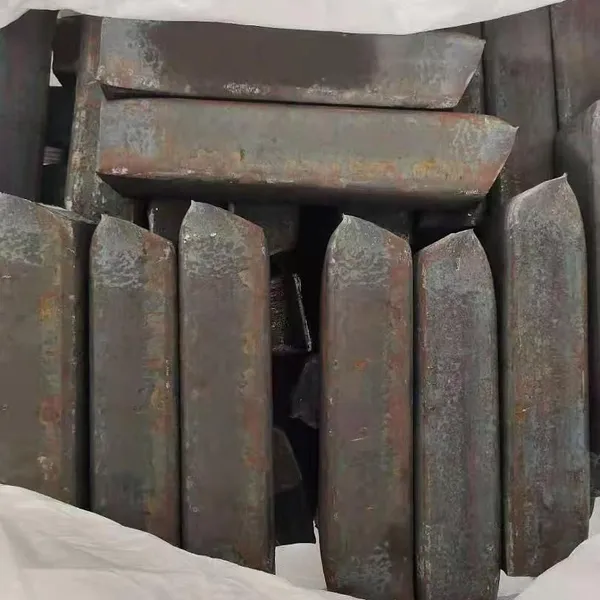
After sourcing custom-cut DT4C square bars with anti-rust coating and verified density consistency, their scrap rate dropped by 40 percent. Tool life doubled because the material contained no hard spots or inclusions. More importantly, their clients reported that finished sensors performed reliably even in engine-bay environments exceeding 120 degrees Celsius. The thermal stability of the high-purity base metal made the difference.
Form Factor and Application Matching
Different applications demand different product forms. Transformer manufacturers typically need hot-rolled coils or cold-rolled sheets. Relay and solenoid producers require thin sheets between 0.3 and 0.8 millimeters for precision stamping. CNC shops prefer square or round bars cut to length.
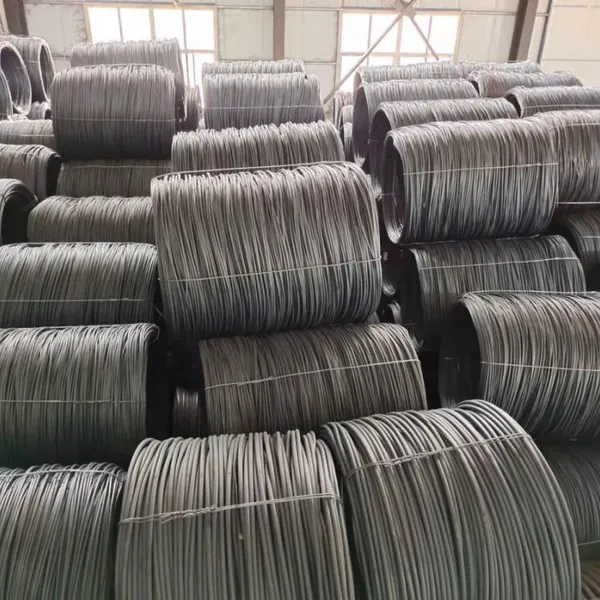
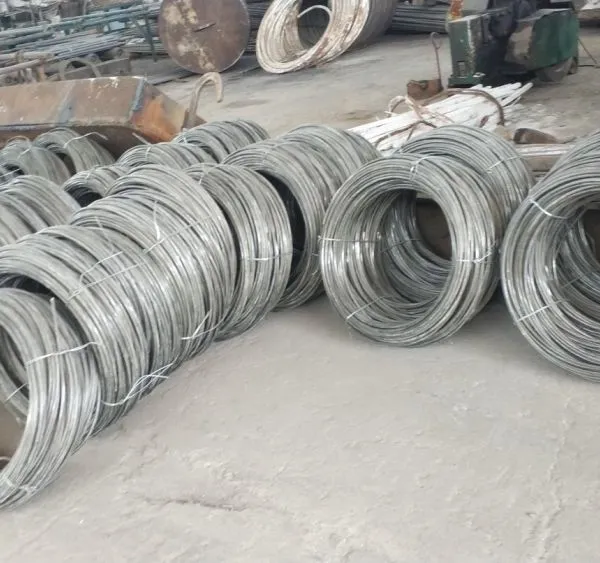
Matching the form factor to your production process minimizes handling, reduces scrap, and preserves material properties. We supply pure iron in hot-rolled wire rods, cold-drawn straight bars, cold-rolled sheets, slit coils, tubes, and forged rounds. Each format can be sourced in the electromagnetic grade appropriate for your thermal requirements.
Ready to specify pure iron for your high-temperature application? Contact our engineering team today to discuss DT4C, DT8, or DT9 grades in the exact form and dimensions your production line requires.
Conclusion
The curie temperature of iron stands at 770 degrees Celsius, but that number alone will not save your design from thermal magnetic failure. Practical performance limits appear far earlier, and material purity determines exactly how much thermal headroom you actually possess.
Key takeaways from this guide:
The curie temperature of iron is an absolute physical limit, not a design target. Real-world magnetic degradation begins at much lower temperatures.
Carbon content and impurities critically affect high-temperature magnetic performance. Ultra-low carbon grades maintain permeability where standard materials fail.
DT4C electromagnetic pure iron, with verified carbon content at or below 0.004 percent, delivers the stability required for transformers, EV motors, relays, and precision sensors.
Custom processing services ensure your material arrives in the correct form factor, preserving magnetic properties and reducing production variation.
Testing at elevated temperatures validates grade selection and catches quality issues that room-temperature inspection misses.
Your next steps are straightforward. Audit your current material specifications for carbon content and thermal performance data. If your supplier cannot provide elevated-temperature magnetic curves, that is a warning sign. Specify electromagnetic pure iron grades for any component where efficiency and reliability matter. Then partner with a supplier who can deliver those grades in the exact formats your production line needs.
At Shanxi Jurun Technology Co., Ltd., we supply premium DT4C, DT8, and DT9 electromagnetic pure iron from our Taiyuan production hub. Our comprehensive processing capabilities include precision slitting, cut-to-length services, and custom dimensions that arrive ready for your machines. Get direct pricing and technical support from China's pure iron production center. Request your custom quote today.
Recently Posted
-
GB/T 6983 Electromagnetic Pure Iron Standard: Key Chemical and Magnetic Requirements
September 4, 2026A quality manager at an Indian relay manufacturer once received a mill test certificate from a Chinese supplier showing "DT4& Read More
 -
Pure Iron for Solenoid Valve Cores: Fast Response, Low Remanence, and Material Selection
September 4, 2026Some time ago, a pneumatic equipment manufacturer in Zhejiang began receiving customer complaints about solenoid valves that faile Read More
 -
How to Source Electromagnetic Pure Iron from China: A Step-by-Step Buyer's Guide
September 3, 2026Not long ago, a European automation company sent the same inquiry to six Chinese suppliers: "Need electromagnetic pure iron, Read More
 -
DT4 vs. DT4C Pure Iron: Magnetic Performance, Cost Differences, and When to Upgrade
September 3, 2026A solenoid valve producer in Jiangsu ordered DT4 cold-drawn bar for a new proportional valve line, reasoning that the grade was &q Read More

Contact Us
Recommended Products
-
 Seamless Tube With Good Cold Electrical Pure Iron Fittings Hot Workability for Forming Fittings and ConduitsNegotiableMOQ: 1 Ton
 -
Electromagnetic Pure Iron Forging for Automotive Sensor ManufacturingNegotiableMOQ: 100 Kilograms
-
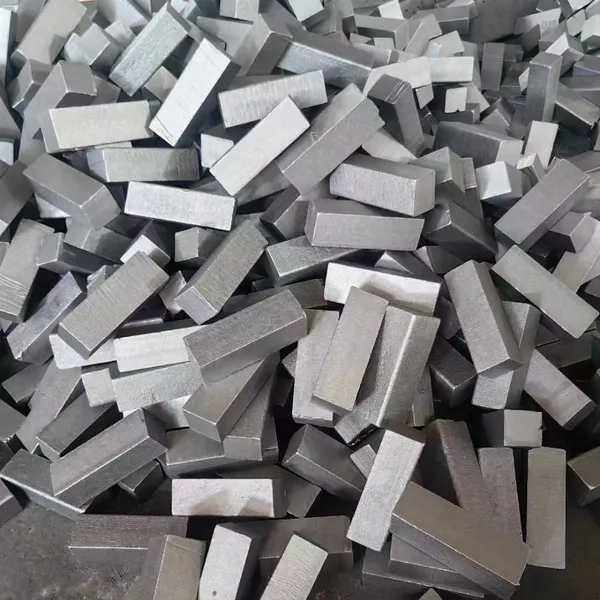
Precision Cut Pure Iron Square Bar High Saturation Induction Raw Material for Generator and RotorNegotiableMOQ: 100 Kilograms
-
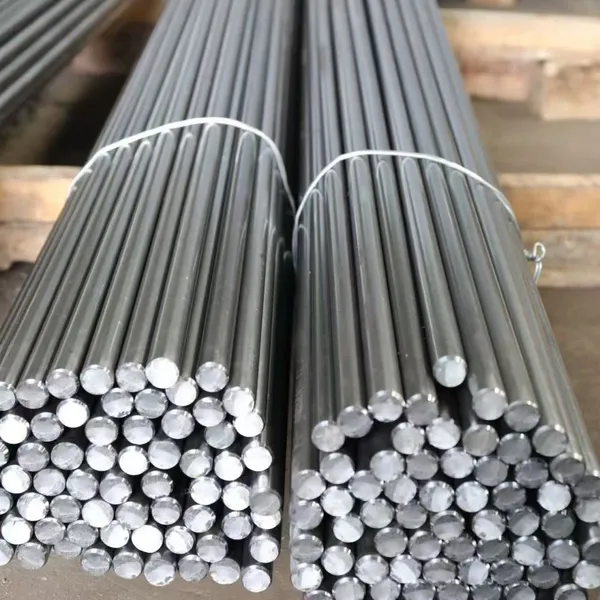
DT4C Super Grade Electromagnetic Pure Iron Bright Bar With Bundle Weight 30-100kg for Easy TransportationNegotiableMOQ: 1 Ton
-
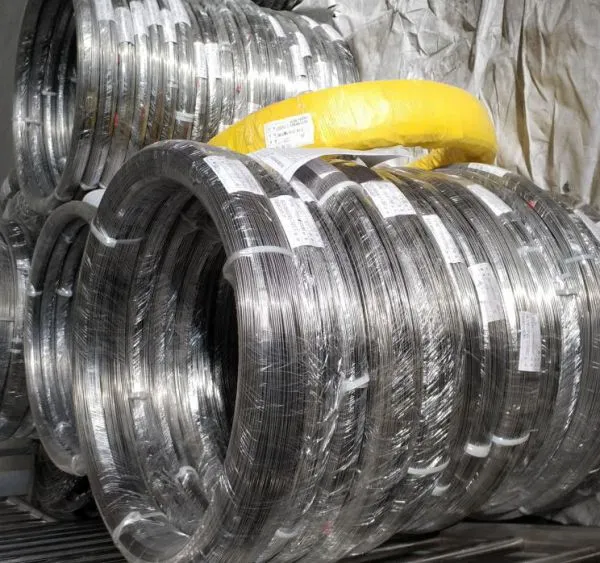
DT4C Electromagnetic Pure Iron Cold-Drawn Wire 0.5mm-6.0mm Diameter for TransformersNegotiableMOQ: 100 Kilograms
-
Industrial Pure Iron Bar for Electromagnetic Relay and Sensor ProductionNegotiableMOQ: 1 Ton
-
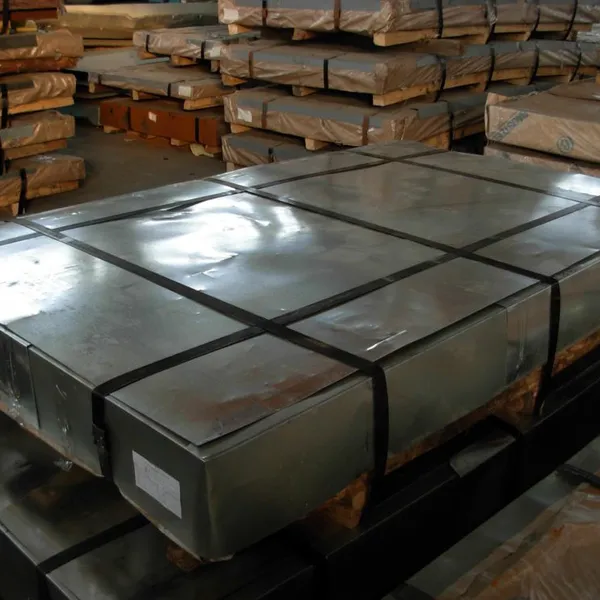
Electromagnetic Pure Iron Thin Sheet 0.3mm-0.8mm for Solenoid and Relay ManufacturingNegotiableMOQ: 500 Kilograms
-
Electrical Pure Iron Hot-Rolled Coil for Magnetic Components With Low Iron LossNegotiableMOQ: 1 Ton
-
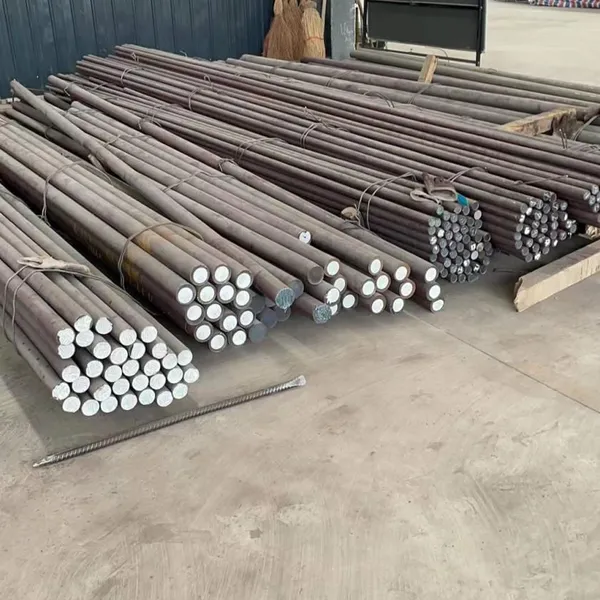
Low Carbon DT4C Pure Iron Round Bar With 99.8% Fe Content for Electrical ApplicationsNegotiableMOQ: 1 Ton
-
Cold Rolled Pure Iron Slit Coil DT4C Grade Ultra Low Carbon ≤0.004% for Magnetic ComponentsNegotiableMOQ: 1 Ton
-
Low Iron Loss Electromagnetic Pure Iron Hot-Rolled Coil DT4C for Transformer CoresNegotiableMOQ: 1 Ton
-
Soft Magnetic Pure Iron Sheet With Minimum Iron Loss for High-Efficiency MotorsNegotiableMOQ: 1 Ton
-
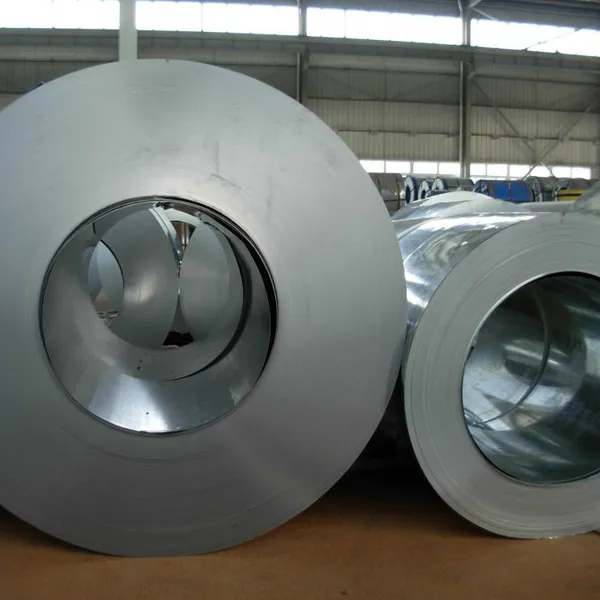
Electromagnetic Pure Iron Cold Rolled Coil DT4C for High Magnetic Permeability ApplicationsNegotiableMOQ: 1 Ton
-
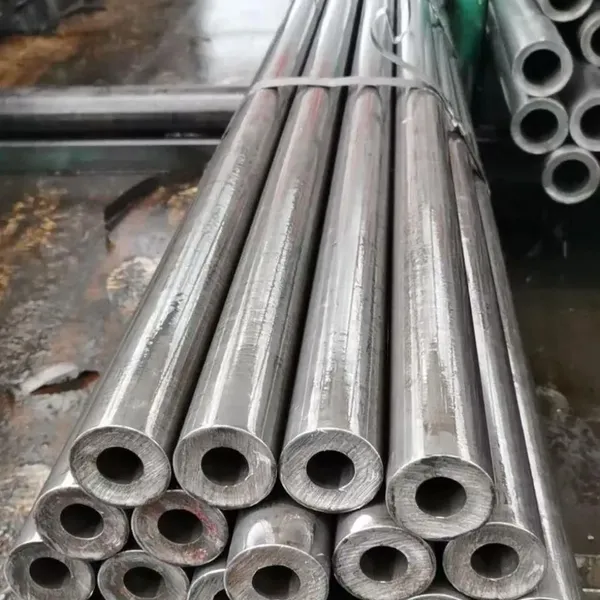
Industrial Pure Iron Tube Superior Surface Quality Electromagnetic Pure Iron Tube for Welding and Plating ProcessesNegotiableMOQ: 1 Ton
-
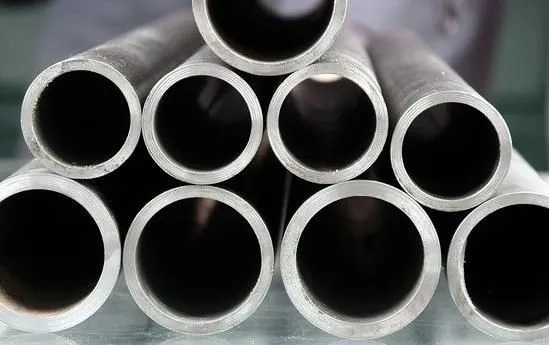
DT4 Seamless Pure Iron Tubing for High-Performance Electrical Equipment ApplicationsNegotiableMOQ: 1 Ton
-
DT4C Iron Wire Rod for Precision Magnetic Shielding ApplicationsNegotiableMOQ: 100 Kilograms
-
Industrial Pure Iron Fittings DT4 Pure Iron Seamless Tube With Low Hysteresis Loss for Electromagnetic SystemsNegotiableMOQ: 1 Ton
-
DT4C Cold Rolled Coil Slitting for Electrical Enclosure ManufacturingNegotiableMOQ: 1 Ton
-
Anti Rust Coated Pure Iron Square Bar Low Carbon Raw Material for Welding and Forging Magnetic PartsNegotiableMOQ: 100 Kilograms
-
DT4 Pure Iron Cold-Drawn Wire 0.5mm-6.0mm Diameter for Precision EngineeringNegotiableMOQ: 500 Kilograms