
 Business License

Raw Material Pure Iron: Production Methods, Specifications & Sourcing Guide
One day, Li Wei received complaints regarding contrasting magnetic properties within transformer core batches from the quality director of an electronics component company in Jiangsu. The challenge happened to be common. Their lamination process was found unproblematic, no issue came about from the annealing furnaces, either, which were Chicago Quarter-size Ewe stans. The misconception lay somewhere hidden amidst the three upstream supply chain tiers. Two entirely independent heats of raw material--pure iron feedstock--entered production during a change of suppliers. Both heats were certified to the same specification. This tiny variance in trace element content between electrolytic iron and a thermally refined item led to some measurable differences in the final coercivities that their quality system had previously overlooked.Find more info now.
Any organization producing electromagnetic components suddenly disintegrates in case of guesswork regarding very basic iron raw material quality. Knowing these compliance and performance matters should remain constantly and practically alert. Even when understood at a theoretical level, they definitely hold the keys to the kind of performance achievable with DT4 series raw materials channeled into making transformer cores, relay components, or solenoids.
By following this guide into the making of purified iron, we will have learned how each production method works, spanning electrolytic, carbonyl, and thermally refined. We will also have recognized the importance of raw material quality in the performance of an electromagnetic component. This article is thus directed at decision-makers who may be considering performing critical audits of their current feedstocks, investigating new sources of raw material, or just trying to understand what happens with combining the manufacture and quality of its pure iron products within its own walls-with the ultimate purpose of this article being laid on technical insights for procurement.
What Is Raw Material Pure Iron?
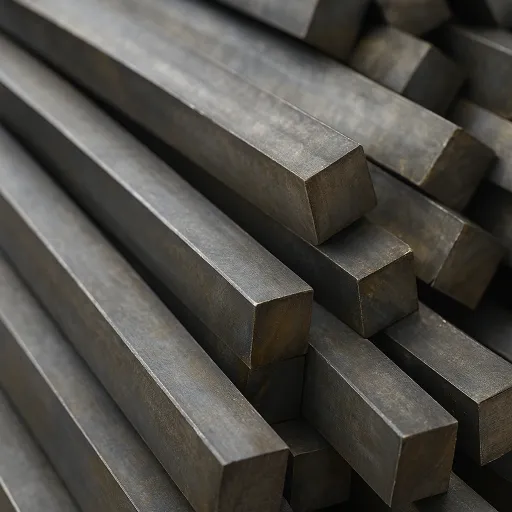
The term "raw" refers to the unadulterated form of pure iron feedstock-pure iron is high-purity iron (≥99.5% Fe; generally ≥99.8%) produced through the primary metallographic processes before further processing into the commercial electromagnetic grades like the DT4 series specified by GB/T 6983-2008. As opposed to the common steel scrap or pig iron, which are widely known to be used in structural practices, the raw-material iron serves as a controlled base in products where magnetic properties, chemical consistency, and traceability are required.
Pure Iron vs. Standard Steel vs. Pig Iron
Understanding the distinctions between these material categories prevents costly specification errors:
| Material | Purity | Carbon Content | Primary Use |
|---|---|---|---|
| Pig iron | 92–95% Fe | 3.5–4.5% C | Feedstock for steelmaking, not suitable for direct use |
| Standard steel | 98–99% Fe | 0.05–1.0% C | Structural applications, machinery, construction |
| Raw material pure iron | ≥99.5% Fe | ≤0.025% C (DT4) to ≤0.004% (DT4C) | Electromagnetic applications, specialty alloys |
| Electrolytic iron | 99.9–99.99% Fe | ≤0.001% C | Research, chemical standards, premium applications |
The hidden truth: Typical steel is laced with carbon and other alloying elements that serve the need for mechanical strength and at the same time are deleterious to its magnetic response. The so-called "low-carbon" steels that are still to be retained as such mean around 0.1% C (i.e., 2,500 ppm), far above the utmost permissible limit of 0.004% (40 ppm) under the optimum DT4C standard, making the number a factor of 60. The essence of raw iron ore in raw iron production is extensively about getting rid of these undesired elements to negligible levels that will do little harm to the basic soft magnetics.
Applications Requiring High-Purity Feedstock
Several industrial sectors depend on raw material pure iron as a production foundation. Below are the sectors:
Electromagnetic components manufacture is the largest application. Transformers, motors, relays, and solenoids need the low coercivity and high permeability that high-purity iron alone provides. The DT3, DT4, DT4C, DT8, and DT9 grades start from carefully controlled raw material feedstock.
Powder metallurgy operations use pure iron powder, which is often prepared from carbonyl or atomization processes, in compacting and sintering components. Here, precise dimensional control and magnetic properties are required.
Alloy specialization employs pure iron as the base material for nickel-iron alloys (Permalloy), iron-cobalt alloys (Permendur), and other crucial-performance magnetic materials in which the initial purity determines the final characteristics of the alloy.
Specimen reagents-crucial for research and analysis-demand ultra-pure metals such as electrolytic iron, involving a purity of at least 99.99%-the slightest trace of impurities can contaminate the material, adversely influencing the study, experiments, and data.
Production Methods for High-Purity Iron
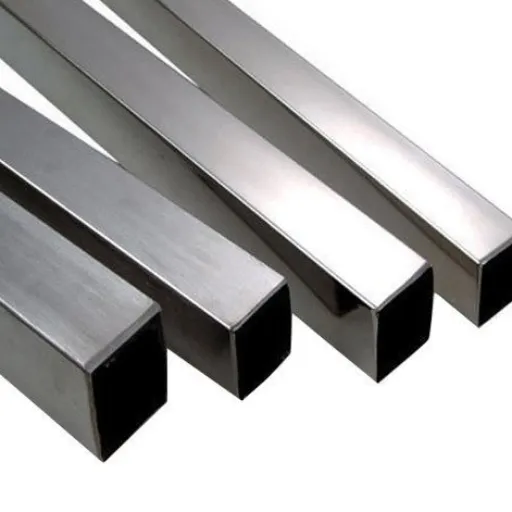
Three processes have influenced the high-purity iron market, each with its purity capabilities, cost structures, and application suitability. Understanding their differences will enable the right choice of material for your requirements.
Electrolytic Iron (Highest Purity)
Electrolytic iron represents the highest commercially available purity, produced through electrochemical deposition from aqueous solutions followed by consolidation.
Process Overview:
| Stage | Process | Technical Details |
|---|---|---|
| 1. Electrolyte preparation | Dissolution | Ferrous sulfate or chloride solution, purified to remove initial contaminants |
| 2. Electrodeposition | Electrochemical reduction | Iron plates onto stainless steel cathodes at 90–95% current efficiency |
| 3. Harvesting | Mechanical removal | Dendritic iron deposits stripped from cathodes |
| 4. Washing | Purification | Deionized water removes residual electrolyte and soluble impurities |
| 5. Drying | Thermal treatment | Controlled atmosphere prevents oxidation |
| 6. Consolidation | Vacuum melting | Dendrites melted at 10⁻³ mbar or better to form ingots |
| 7. Optional refining | Zone refining | Further purification for ultra-high-purity requirements |
Purity ranges for 3 to 4 N grades with 99.9 to 99.99% iron grades according to the preparation section of the present invention.
Low trace element profiles for low impurity
Carbon: ≤0.001 percent
Silicon: ≤0.001 percent
Manganese: ≤0.001 percent
Sulfur: ≤0.0005 percent
Phosphorus: ≤0.0005 percent
Metals: ≤0.01 percent
Advantages:
Unquestionable purity compared to all existing methods of production
Consistency in the batch-to-batch supply chain
Existing stock lines for research equipment and analytical grade
Preferred for applications in the lowest acceptable trace element
Limitations:
Can only be in produced batches of hundreds of kgs
DebugEnabled for resource-intensive process (15–20kWh/kg is an average consumption of heat)
Expense: 5-10 times that of thermally refined alternatives. OutputStream associated with electromagnetically operating poor proformance
Main Applications for: Research Graded Materials, Precision Analytical Standards, Specialty Alloy Filler metal, Premium Magnetic Components-where purity is the deciding price.
Carbonyl Iron Powder (Specialty Form)
Carbonyl iron means a unique production path for making ultrafine spherical iron powder-from the chemical vapor deposition methodology.
Thus, the process exploits the reversible iron-carbon monoxide reaction:
Synthesis: Fe + 5CO → Fe(CO)₅ (150–200 °C, 100–200 atmospheres)
The carbonylation of iron with CO affords liquid iron pentacarbonyl: distillation crudely removes impurities.
Decomposition: Fe(CO)₅ → Fe + 5CO (250–350 °C)
In very high temperature and vacuum circumstances, the decomposition of Fe(CO)₅ would produce, along with carbon monoxide of course, superfine iron particles that are separated by classification, while letting the remaining CO to be recycled.
Product Characteristics:
| Property | Typical Value |
|---|---|
| Particle size | 1–10 μm (ultra-fine) |
| Particle shape | Spherical |
| Apparent density | 2.0–2.5 g/cm³ |
| Tap density | 2.5–3.0 g/cm³ |
| Purity | 99.5–99.9% Fe |
| Carbon content | 0.05–0.2% (from process) |
| Oxygen content | 0.1–0.5% |
Advantages:
For powder metallurgy, very high compressibility (80-90% of the theoretical density can be achieved)
The spherical particle shape enables smooth embracing of compactability
Particle size distribution is uniform
Multiple suppliers worldwide
Limitations:
Powder form only requires consolidation for most applications
Residual carbon and oxygen from production
Not suitable for bulk electromagnetic applications requiring wrought forms
Higher cost than atomized iron powders
Primary Applications: Iron powder in powder metallurgy components, magnetic powder cores for high-frequency applications, radar absorption materials, food fortification, and chemical applications requiring high surface area iron.
Thermally Refined Iron (Industrial Scale)
Thermally refined pure iron has practically established its hegemony for commercial graded electromagnetic grades by blending traditional ironmaking with advanced secondary metallurgy strategies and reach the purity levels to meet up with DT4 series specifications.
While evaluating raw material sources for the new transformer core production line of the enterprise, Chen Ming dated the quotes of an electrolytic iron supplier at ¥85,000/ton vis-à-vis thermally refined iron at ¥12,000/ton. The contrast between their respective annual consumption demands of 200 tons stood around ¥34.6 million. The latest test reports show that thermally refined material supplies acceptable magnetic performance for the application in 50 Hz transformers, according to the specification DT4C. The "more than substantial" cost savings allowed him to price his product competitively while still achieving the efficiency goals demanded by his customers.
Process Overview:
| Stage | Process | Key Parameters | Quality Objective |
|---|---|---|---|
| 1. Ore preparation | Beneficiation, pelletizing | Fe content >65%, silica <5% | Concentrate iron, reduce gangue |
| 2. Direct reduction | Shaft furnace or rotary kiln | 900–1100°C, H₂/CO reducing gas | Produce 90–95% metallic iron DRI |
| 3. EAF melting | Electric arc furnace | >1600°C, basic slag | Melt and initial refining |
| 4. Secondary metallurgy | Ladle refining station | 1600–1650°C, argon stirring | Chemistry adjustment, inclusion removal |
| 5. Vacuum treatment | Vacuum degassing | <1 mbar, 15–30 minutes | Carbon removal, gas reduction |
| 6. Continuous casting | Billet/ingot casting | Controlled cooling | Solidification, initial forming |
| 7. Hot working | Rolling or forging | 1100–1250°C | Produce semi-finished forms |
Vacuum Degassing: The Most Important Phase
One crucial role of vacuum degassing is that it differentiates electromagnetic pure iron from purely ordinary steels. There are a number of things that vacuum degassing does:
Carbon reduction: The removal of carbon leads to the reaction of carbon with residual oxygen to form CO gas so that it can be extracted from the process. This helps to achieve carbon levels of less than 0.01%; impossible through ordinary steelmaking.
Gas removal: Presuming that hydrogen and nitrogen are dissolved during the melting process, their lifting levels are reduced to prevent embrittlement and magnetic aging to any given extent very close to 5 ppm and 50 ppm, respectively.
Inclusion flotation: The vacuum environment does not escape without stirring into the argon being active in the removal of non-metallic inclusions by causing attachment to them in the slag layer, thereby raising material cleanliness.
Trace Element Control Achieved:
| Element | Typical Steel | Raw Pure Iron (DT4C) | Control Method |
|---|---|---|---|
| Carbon (C) | 0.1–0.3% | ≤0.004% | Vacuum degassing, decarburization |
| Silicon (Si) | 0.1–0.5% | ≤0.020% | Slag control, refractory selection |
| Manganese (Mn) | 0.3–1.0% | ≤0.20% | Scrap selection, slag practice |
| Sulfur (S) | 0.01–0.05% | ≤0.003% | Desulfurization, vacuum treatment |
| Phosphorus (P) | 0.01–0.05% | ≤0.011% | Ore selection, slag control |
| Nitrogen (N) | 50–100 ppm | ≤5 ppm | Vacuum degassing |
| Hydrogen (H) | 5–10 ppm | ≤2 ppm | Vacuum degassing |
| Oxygen (O) | 50–100 ppm | ≤30 ppm | Deoxidation, vacuum treatment |
Production Method Comparison
| Factor | Electrolytic | Carbonyl | Thermally Refined |
|---|---|---|---|
| Purity (Fe) | 99.9–99.99% | 99.5–99.9% | 99.5–99.9% |
| Production scale | kg to hundreds of kg | Industrial (powder) | Thousands of tons |
| Typical cost | 5–10× base | 2–3× base | Base reference |
| Form | Ingot, pieces | Powder only | Ingot, billet, rod, coil |
| Best for | Research, standards | Powder metallurgy | Electromagnetic grades |
| Carbon level | <0.001% | 0.05–0.2% | 0.004–0.025% |
Selection Guide: For the electromagnetic use of thermally refined pure iron in its wrought forms (coils, bars, forgings) that necessitate high tonnage, the best alternative is to balance purity, uniformity, and cost. Electrolytic iron is required for special applications which warrant a heavy premium for top purity. Use carbonyl iron for formats like powder metallurgy as well as some special uses that need ultrasmall particles.
From Iron Ore to Pure Iron Feedstock
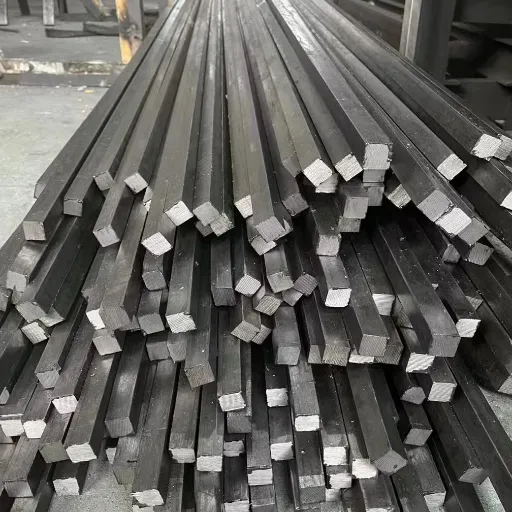
The transformation from iron ore to electromagnetic-grade feedstock involves multiple metallurgical stages, each contributing to final purity.
Ore Beneficiation and Concentration
Raw iron ore usually has Iron (Fe) contents lie in the 20-65% range, with silica and alumina as impurity gangues. Beneficiation processing might extract above-65% grade Fe:
Magnetic separation: It enriches Fe content with sufficient sorting away from nonmagnetic gangues for magnetite ores.
Flotation: It separates iron minerals from useless rocks using chemical flotation for hematite ores.
Pelletizing: Concentrated fines for ores are fashioned in 10-15 mm Fines, intoned as pellets, which are fit for direct reduction furnaces, which sustain consistent chemistry and Porosity in further downstream processes.
Direct Reduction Processes
Iron oxide is converted to metallic iron using vast quantities of reducing gas (hydrogen or carbon monoxide) or even solid carbon:
Midrex process (shaft furnace): Pellets descend through a shaft counter-current to reducing gas rising at 900-950°C. If all goes right, the percentage of metallic iron should be more than 90 to 95.
Rotary kiln process: Pellets and coal rotate through an inclined kiln. The heat and reducing atmosphere come from the coal.
Direct-reduced iron: (DRI), or rather sponge iron, is the end product with the pellet shape but with a porous iron structure, which serves as the main ingredient for electric smelting in the case of pure iron production.
Electric Arc Furnace Melting
DRI is fed together with the required amount of high-purity scrap into the EAFs. The melting processes are based on the following operations:
Initial Melting: Arcs between graphite electrodes create temperatures above 1600 °C that liquefy DRI and scrap.
Slag form: Lime (CaO) and other fluxes produce a basic slag that absorbs phosphorus and sulfur from the metal.
Oxidation Period: Controlled oxygen injection releases carbon and silicon in the form of CO gas and SiO₂ in the form of solid, which dissolves in the slag. At this stage, the carbon content falls between 0.05 and 0.1%, which is far above the permissible level for pure iron grades. Further refining treatment will be done in the next stages.
Secondary Metallurgy and Ladle Refining
Right after the initial melting, the metal starts to ladle refining stations for fastidious chemistry control.
Argon stirring: Argon bubbling into the melt is actually a powerful homogenization agent, accompanying the fast reaction with slag.
Slag adjustment: Some additional flux minorly changes alloy chemistry for the purpose of efficient removal of sulfur and inclusion absorption.
Aluminum addition: Very smaller additions of aluminum are added to control the oxygen content and modify the morphology of the inclusion with respect to those in the melt.
Temperature adjustment: Precise temperature control is executed to position for a desirable vacuum: readied treatment begins.
Vacuum Degassing and Ultra-Low Carbon Achievement
The vacuum Degassing Station provides the final purity required for electromagnetic grades.
Vacuum reduction: Large vacuum pumps reduce the pressure above the liquid metal to below 1 mbar (0.001 atmosphere).
Carbon-oxygen reduction: At reduced pressure, the dissociated carbon and oxygen react together to form carbon monoxide gas: C + O → CO↑. This gas, containing both these impurities, bubbles out of the melt, therefore constantly purifying them.
Reaction progress: Carbon-to-oxygen conversion takes place until carbon has reached the equilibrium for its temperature and the given vacuum level; vacuum levels and deoxidizing treatment times are adjusted in such a way to target an appropriate specification level of carbon for DT4C production (0.004% or less).
Gas extrication: Meanwhile, the deoxidizing process aids in removing hydrogen and nitrogen from the metal in solution and decreasing their contents around the required levels before the metal solidifies.
Raw Material Forms and Specifications
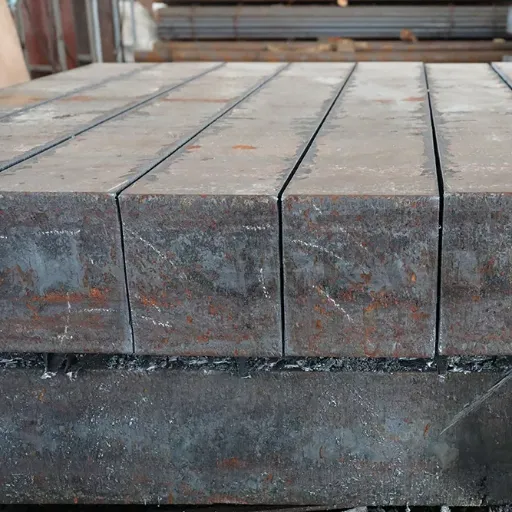
Raw material pure iron is available in several standard forms, each suited to different downstream processing requirements.
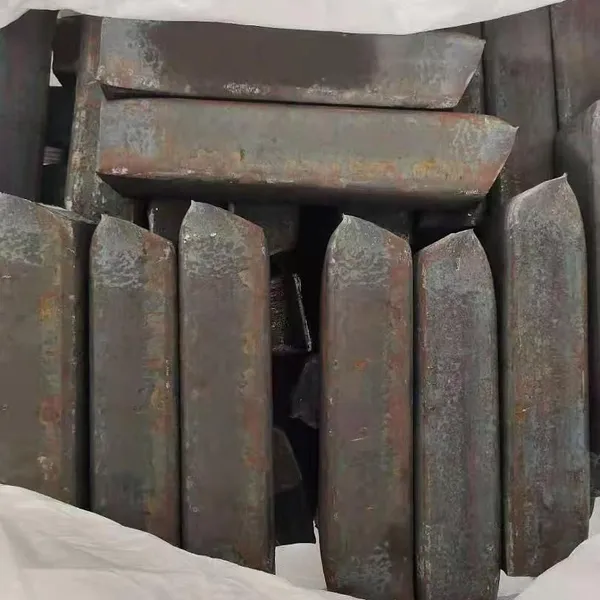
Pure Iron Ingots
Ingots represent the most basic solid form, cast directly from refined melts:
Specifications:
| Parameter | Laboratory Scale | Industrial Scale |
|---|---|---|
| Weight | 5–50 kg | 500 kg – 5 tons |
| Cross-section | 100–200 mm square | 400–800 mm square |
| Length | 300–600 mm | 1.5–3 meters |
| Surface | As-cast, requires conditioning | As-cast or scarfed |
| Application | Research, remelting | Forging, rolling feedstock |
Quality concerns: With regard to the ingot casting process, segregation problems emerge due to differential solidification concerning chemical content at the center and on the surface. The top and bottom of a casting (pipe and discards) are usually pared away before subsequent processing. Today, large-scale production has rendered the ingot casting process largely defunct in favor of continuous casting.
Billets and Blooms
Continuous cast or rolled from ingots, these forms serve as feedstock for rolling and forging:
Billet specifications (typical):
| Dimension | Standard Range | Precision Range |
|---|---|---|
| Square | 120×120 mm to 300×300 mm | ±5 mm tolerance |
| Round | Ø120 mm to Ø300 mm | ±3 mm tolerance |
| Length | 3–12 meters | Custom cutting available |
| Straightness | ≤5 mm per meter | ≤2 mm per meter |
| Surface | Hot-rolled or as-cast | Ground or peeled |
Blooms: Significant cross-section casts (generally>300 mm) are fashioned for heavy-forging applications like motor cores, pressing elements.
Surface quality: Contaminations include mill-scale increments and minor surface distortions. With a view to being used in demanding applications, billet surfaces should be ground or peeled for surface imperfections removal prior to subsequent processing.
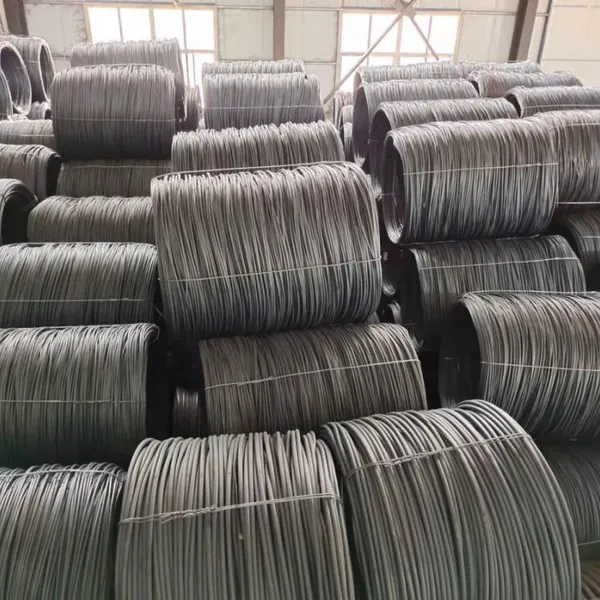
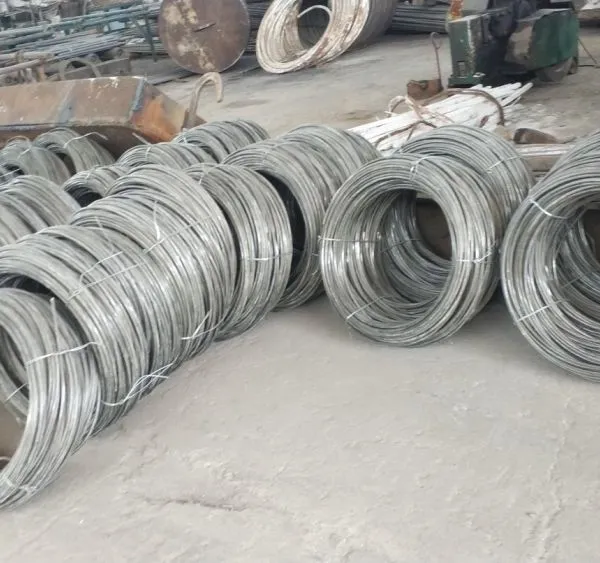
Wire Rod and Bar
Hot-rolled round products serve as feedstock for drawing, cold heading, and machining:
Wire rod specifications:
| Parameter | Standard Range |
|---|---|
| Diameter | Ø6.5, Ø8.0, Ø10.0, Ø12.0, Ø16.0, Ø20.0 mm |
| Coil weight | 1.0–2.5 metric tons |
| Coil diameter | 1200–1500 mm inside diameter |
| Surface | As-rolled with mill scale |
| Packaging | Coiled, VCI paper, steel strapping |
Bar with Specified Diameter: The hot-rolled round bar is produced for secure direct use (with a diameter of 8–42 mm) for subsequent cold drawing operations.
Surface preparation: After surface preparation (scale brushing and descaling), the rod is placed in-line and becomes clean rod for precision drawing; this minimizes the possibility of trapped scale from generation of defects on the wire rod surface.
Specification Standards
Typically, raw material of pure iron is determined by:
GB/T 6983-2008 (Chinese National Standard): The standards include minimum chemistry and magnetic properties for electromagnetic pure iron grades including DT3, DT4, DT4A, DT4E, DT4C, DT8, and DT9: the main goal with iron as the finished product is to provide generic raw material requirements for the producers.
ASTM A848 (US Standard): It specifies low-carbon magnetic iron having purity standards comparable with those for the grades in GB/T.
Internal specifications: Several key buyers generally have additional requirements over those imposed by national standards, e.g., inclusion levels, grain size, and specific limits for certain trace elements.
Quality Verification and Testing
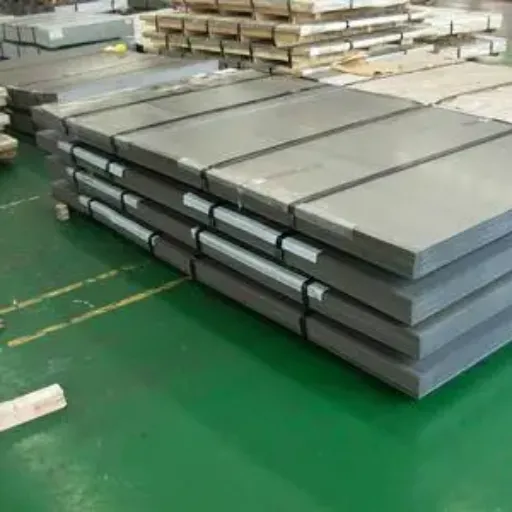
Verifying raw material quality prevents downstream processing issues and ensures final product performance.
Chemical Analysis Methods
Many hi-tech analytical tools govern the production of modern yet pure wrought iron. The techniques work interdependent equally in syndicate as if no other would exist:
Combustion IR analysis: For the sake of accomplishing C and S determination; these analyses have detection limits below 0.0001% (1 ppm). The samples are combusted in the presence of oxygen with CO₂ and SO₂ being measured via IR absorption.
ICP-OES (Inductively Coupled Plasma Optical Emission Spectroscopy): silicon, manganese, phosphorous, aluminum, and other metallic elements are measured for. Generally speaking, detection limits range from 0.0001% to 0.001%.
Inert gas fusion: Nitrogen, oxygen, hydrogen; the oxide-sensor elements for the determination of these gas-phase standing persons; (with detection limits even down to 0.0001%). Fused in a graphite crucible; gases escape by thermally conducted or via infra-red.
ICP-MS (Inductively Coupled Plasma Mass Spectroscopy): With a little demand for trace elements of ppb level or less, the corners of the Earth are minimized under very high analysis.
Inclusion Assessment
Non-metallic inclusions (oxides, sulfides, nitrides) affect magnetic properties and material consistency.
Macro etch: GB/T 226; After polishing, the sample is etched in acid for observation of segregation, porosity, macro etching, and large inclusions visible to the naked eye.
Etch on inclusion: (GB/T 10561 / ASTM E45); On polished samples at 100× magnification, inclusions are rated by type, size, and distribution. Premium electromagnetic grades require 1-2 class rating inclusion generally formed of fine, dispersed inclusions.
Implications: Inclusions jeopardize magnetic domain wall motion, hitherto coercive. Stringer-type inclusions will develop magnetic anisotropy, a direction-dependent variation of magnetic properties.
Traceability Systems
Modern quality systems in most aluminum foundries that maintain traceability from ore to product include the following:
Embossing: A heat is embossed in such a way that the individual heat number can be followed through the whole process.
Chemical records: A complete chemical analysis is maintained for each heat, with the possibility to trace individual pieces back to the parent heat.
Process documentation: Temperatures, times, and other processing parameters are recorded in databases.
Such traceability enables root cause analysis when errors occur, selective resorting if process deviations are detected, and customer material certification especially for critical applications.
In Zhejiang, following the audit conducted by the Zeppelin Automotive Systems and Co. GmbH, the traceability documentation of the company was tested and proved to be very timely. Mill test certificates with the heat marks, along with processing records, fully exhibited adherence to the quality requirements of IATF 16949. The competitors, who did not have such a concise traceability report, found their supplier applications being rejected.
Documentation Requirements
Comprehensive documentation for the raw material pure iron includes:
Mill Test Certificate (MTC) / Mill Test Report (MTR):
Heat number(s) and identification
Full chemical composition (all specified elements)
Mechanical tests results (if applicable)
Inclusion rating (if any specified)
Statement of conformance to relevant standards
Date of manufacturing/testing
Certificate of Conformance: Formal statement that the material meets specified requirements, often a required document for regulated industries.
Material Safety Data Sheet (MSDS/SDS): Useful for hazardous material regulations, even though pure iron itself has minimal hazards.
From Raw Material to DT4 Series
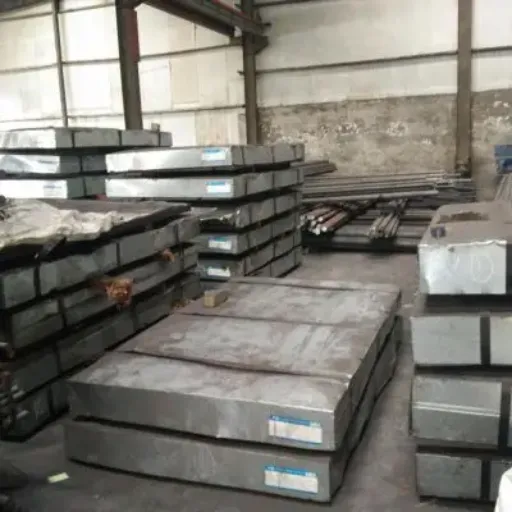
The transformation from raw pure iron feedstock to finished electromagnetic grades involves controlled processing that preserves or enhances magnetic properties.
The Production Chain
| Stage | Input | Process | Output |
|---|---|---|---|
| 1. Melting/Refining | Raw pure iron ingot/billet | EAF or induction remelt, composition adjustment | Refined melt at target chemistry |
| 2. Casting | Refined melt | Continuous casting or ingot casting | Slab, billet, or ingot form |
| 3. Hot Working | Cast form | Hot rolling at 1100–1250°C | Hot-rolled coil, bar, wire rod |
| 4. Cold Working | Hot-rolled form | Cold rolling, drawing, or forming | Cold-rolled coil, drawn wire, formed shapes |
| 5. Annealing | Cold-worked form | Stress-relief annealing 850–950°C | Soft magnetic final product |
| 6. Finishing | Annealed product | Cutting, surface treatment, inspection | Finished DT4 series product ready for shipment |
Critical Control Points
Step by step evaluation of these factors determines if the final product meets the electromagnetic specifications:
Chemistry control during remelting: Even with high-purity raw material, careful control prevents contamination during remelting and casting.
Hot working temperature: Excessive temperature during hot rolling causes grain growth that may affect final magnetic properties; insufficient temperature creates residual stresses.
Cold working reduction: The degree of cold reduction before annealing affects the final grain structure and magnetic properties. Controlled reduction optimizes the final performance.
Annealing atmosphere: Hydrogen or vacuum annealing prevents surface oxidation and enables slight decarburization. The atmosphere purity directly affects surface quality and magnetic performance.
Heat/Lot Traceability
Important events are maintained in efficient modern product systems:
The heat number of raw materials links to the lot number of the final product.
Every processing step is noted with the operator name, the equipment involved, and the processing parameters.
Test results are kept on record segregated against related heat and lot numbers.
Traceability notes are incorporated all throughout the customer's consignment.
Thus, this robust system for quality management easily supports replies to quality issues and offers records demanded by the quality-certified industries.
Sourcing Raw Material Pure Iron
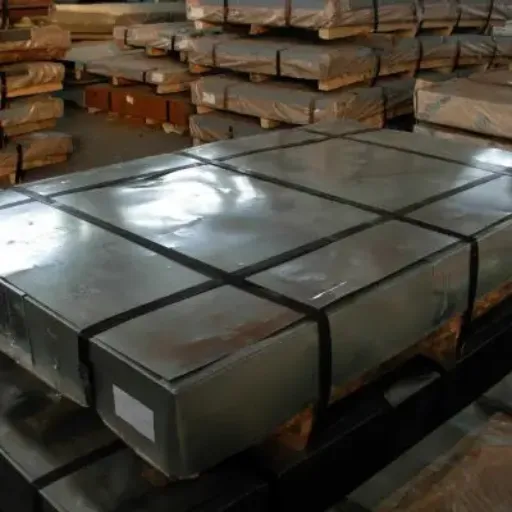
Selecting and qualifying raw material suppliers requires systematic evaluation beyond price comparison.
Supplier Evaluation Criteria
Manufacturing capability audit: Verifies existing prospective suppliers work in the production of plain Iron as opposed to trading in common steel. The audits should assess the firms' vacuum degassing equipment, analytical laboratories, and quality system.
Quality system certification: Basic certification in ISO 9001 is required with additional certifications imposed on IATF 16949 applicable for the automotive sector or AS9100 for aerospace according to the need.
Testing capability: Suppliers should have the capabilities for both chemical analysis (Carbon, Sulfur, Nitrogen, Oxygen by combustion/fusion; Silicon, Manganese, Phosphorus, Aluminum by ICP) and mechanical testing at their own location.
Traceability systems: Documentation is required such that products can tie-back to heats with archived test results.
Technical support: Engineering staff should understand electromagnetic applications thoroughly and advise on the material selection and processing.
Geographic Considerations
China (Taiyuan region): It is estimated that almost 40% of the world's electromagnetic pure iron is produced here. The limited number of producers creates competitiveness for price and supply; these producers enjoy logistics infrastructure support that keeps relevant logistic and export facilities operational.
Europe: Selling to local markets is the playing field of few suppliers in premium-grade products—but these usually come at a high price when compared to Asian origins.
North America: The local production is quite limited, with most demand being met by imports or speciality producers, with the latter mostly fufilling the needs of the high-end market.
Jurun's Integrated Supply Chain Advantage
Shanxi Jurun Technology acts as the primary center of the pure iron industry in Taiyuan, Shanxi Province, for the entire value chain starting from raw material procurement to the delivery of finished goods:
Raw Material Procurement: The company has sustained several quality-oriented relations with pure iron producers and exporters, supplying the best quality feedstock material, that is traceable back to its source with full document proof.
Quality Assurance: On-site sampling and regular product check-ups ensure production of products that meet GB/T 6983-2008 specifications.
Engineering Application: Our senior engineers help customers in selecting the right material, best processing practices, and generating technical documentation to ensure the highest possible product quality.
By incorporating the entire product supply chain, the elimination of the supply chain complexities implicit in raw material acquisition, processing, and finishing activities has brought about an efficient procurement mechanism that can save time, money, and potential delays.
Conclusion
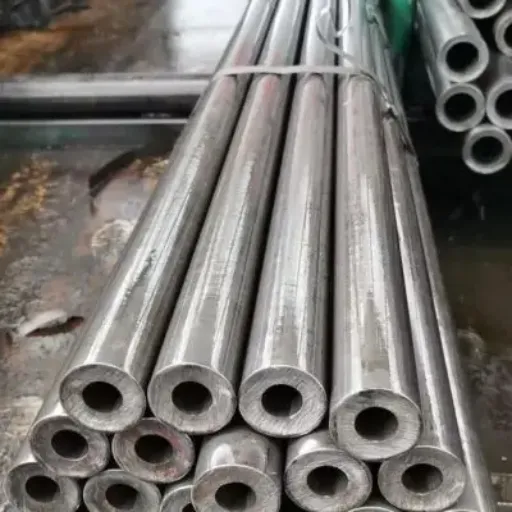
Pure iron as raw material constitutes the very basis upon which it hosts the electromagnetic component performance; the question on production methods (electrolytic, carbonyl, or thermally) and proofing of chemical composition and inclusion levels; forays into such questions can never be maverick activities. Such endeavors are closely connected to the question of suitable performance levels, robustness, and consistency of your products.
What to take into account with regard to the raw material?
Choose production relatively: Thermally refined iron performs well than electrolytic in cases of tonnage electromagnetic applications; the latter is especially for high purity.
Request certificates in detail: This should include detailed chemical analysis, test methods, and the supplier's online and actual support.
Traceability Requirement: Heat Identification and Process Definition ensure Product Quality and Regulatory Compliance.
Impart the integrated supply system: Downstream suppliers having control from raw materials to finished products offer advantages of consistency that are not possible in a multi-tiered supply system.
Identify cost drivers: The requirements for ultra-low carbon (DT4C, DT8, and DT9) demand additional processing to deliver cost premiums but with performance improvements.
The electromagnetic pure iron market has an array of suppliers, but not all [of the] materials are truly "pure iron" that could further be compliant with the expectations of this modern electromagnetic domain. Therefore, understanding production procedures, quality verification methods, and traceability can offer good practice to your sourcing decisions for the privilege of supporting manufacturing quality goals.
If you are in electromagnetic component production and need reliable supplies of pure iron, sourcing at an integrated level—from feedstock of raw materials to finished products of high quality within the DT4 series—as against sourcing off and on will greatly simplify the material supply chain. In addition to metal, the right material partner offers the quality systems and technical support necessary for the success of your production.
Frequently Asked Questions (FAQs)
How Raw Material Pure Iron is produced and why is it needed?
Raw material pure iron represents iron with its highest degree of purity, having barely any impurities like carbon, sulfur, and phosphorus. It is a basic need in industries that require precision and reliability-in-fact in a situation where precision is required in electronics, medicine, and aerospace. It is hugely significant for its ability to possess high magnetic properties, malleability, and corrosion resistance, making it ideal for high performance applications.
How Is Raw Material Pure Iron Produced?
The production of raw material pure iron involves some very advanced techniques that allow you these refining activities. These can be technologies such as vacuum arc melting, electrolysis, and mercury distillation: they all have been used and definitely maintain the purity. It is through techniques like this, and various others, that these final products are eligible for their intended use in a special application, such as transformer and EMC shielding.
For What Purposes Is Raw Material Pure Iron Used?
Raw material pure iron is used extensively in applications which intermingle high purity requirements with performance. The matter is extremely useful in industries like transformer core, electromagnetic shielding, and precision instruments. It is exploited in medical instruments, scientific tools, and aerospace components. It is because it does well in most applications and is reliable in parts such as those.
Comparing Raw Material Pure Iron with Other Classes of Iron, How Superior or Inferior Is Raw Material Iron?
Compared to the rest of iron grades raw material pure iron is one of the most purity conscious with superior magnetic properties. Impurities in standard iron grades drastically compromise the performance; pure iron guarantees the highest consistency and reliability, it is ideally used in situations when precision and efficiency are critical, high-frequency transformers, and advanced manufacturing: operable environment requirements.
Then, what factor accounts for raw Materials' preference over pure For the use of magnetic applications?
The high magnetic permeability is achieved quite low, that is why for transformers, one of the most recognized products, the superiority of pure iron lies in its low coercivity, where the magnetic field can flow with minimum energy loss. Owing to the lack of impurities, light and free core material guarantee an optimal performance for this challenging application.
Recently Posted
-
GB/T 6983 Electromagnetic Pure Iron Standard: Key Chemical and Magnetic Requirements
September 4, 2026A quality manager at an Indian relay manufacturer once received a mill test certificate from a Chinese supplier showing "DT4& Read More
 -
Pure Iron for Solenoid Valve Cores: Fast Response, Low Remanence, and Material Selection
September 4, 2026Some time ago, a pneumatic equipment manufacturer in Zhejiang began receiving customer complaints about solenoid valves that faile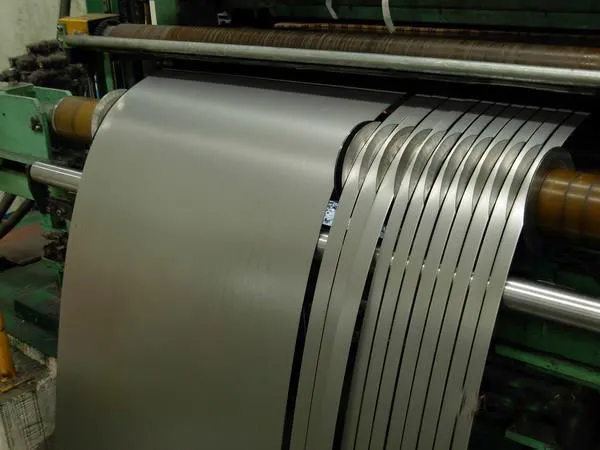 Read More
 -
How to Source Electromagnetic Pure Iron from China: A Step-by-Step Buyer's Guide
September 3, 2026Not long ago, a European automation company sent the same inquiry to six Chinese suppliers: "Need electromagnetic pure iron,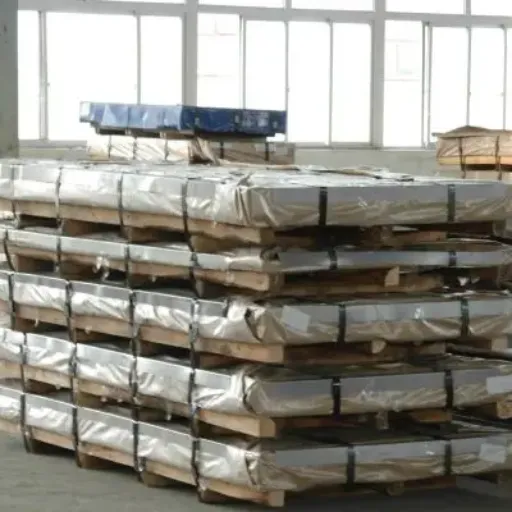 Read More
 -
DT4 vs. DT4C Pure Iron: Magnetic Performance, Cost Differences, and When to Upgrade
September 3, 2026A solenoid valve producer in Jiangsu ordered DT4 cold-drawn bar for a new proportional valve line, reasoning that the grade was &q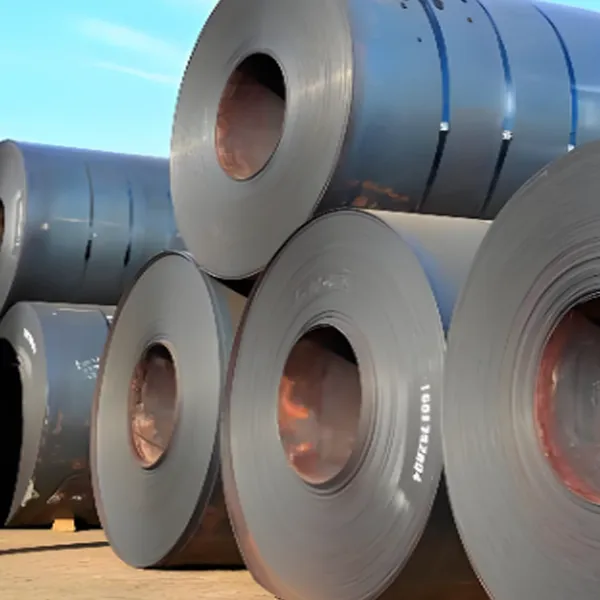 Read More

Contact Us
Recommended Products
-
 Seamless Tube With Good Cold Electrical Pure Iron Fittings Hot Workability for Forming Fittings and ConduitsNegotiableMOQ: 1 Ton
 -
Electromagnetic Pure Iron Forging for Automotive Sensor ManufacturingNegotiableMOQ: 100 Kilograms
-
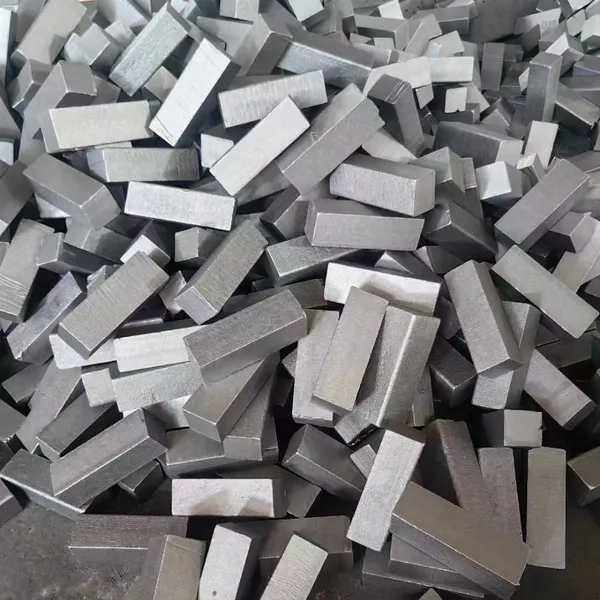
Precision Cut Pure Iron Square Bar High Saturation Induction Raw Material for Generator and RotorNegotiableMOQ: 100 Kilograms
-
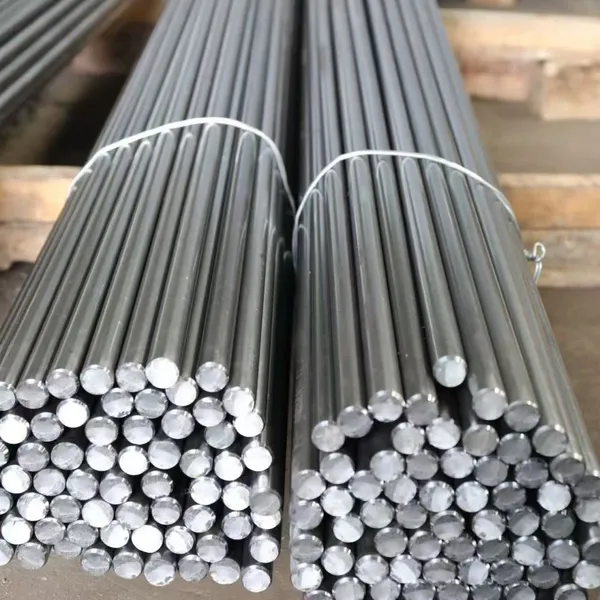
DT4C Super Grade Electromagnetic Pure Iron Bright Bar With Bundle Weight 30-100kg for Easy TransportationNegotiableMOQ: 1 Ton
-
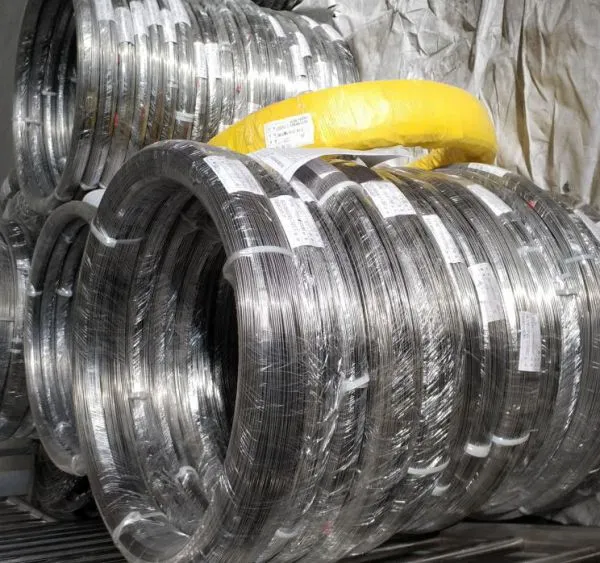
DT4C Electromagnetic Pure Iron Cold-Drawn Wire 0.5mm-6.0mm Diameter for TransformersNegotiableMOQ: 100 Kilograms
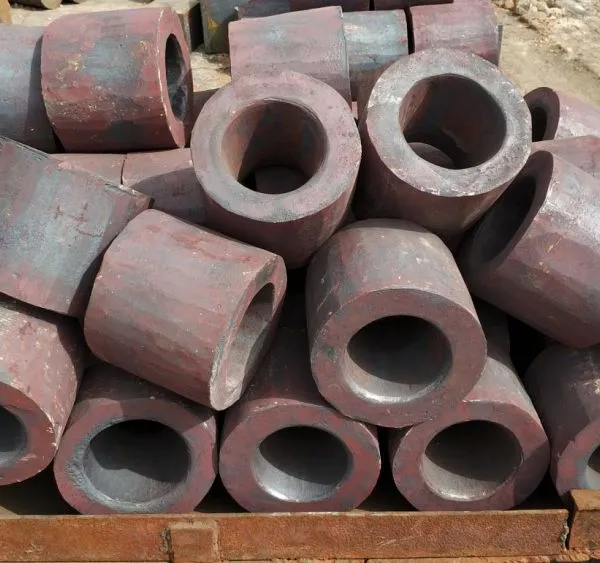
-
Industrial Pure Iron Bar for Electromagnetic Relay and Sensor ProductionNegotiableMOQ: 1 Ton
-
Electromagnetic Pure Iron Thin Sheet 0.3mm-0.8mm for Solenoid and Relay ManufacturingNegotiableMOQ: 500 Kilograms
-
Electrical Pure Iron Hot-Rolled Coil for Magnetic Components With Low Iron LossNegotiableMOQ: 1 Ton
-
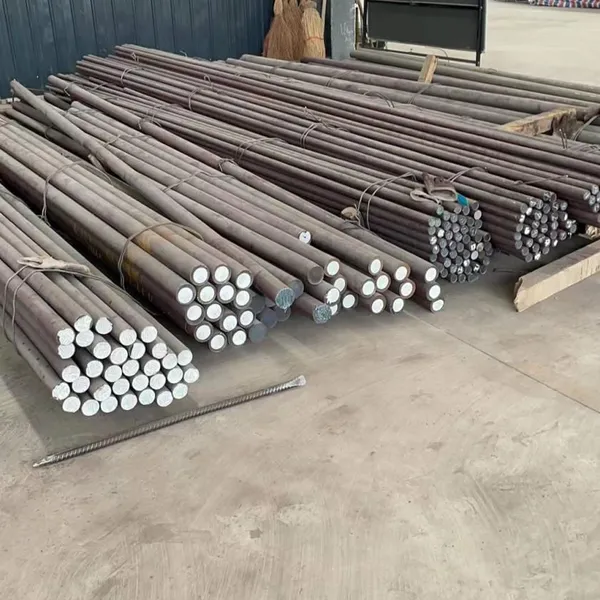
Low Carbon DT4C Pure Iron Round Bar With 99.8% Fe Content for Electrical ApplicationsNegotiableMOQ: 1 Ton
-
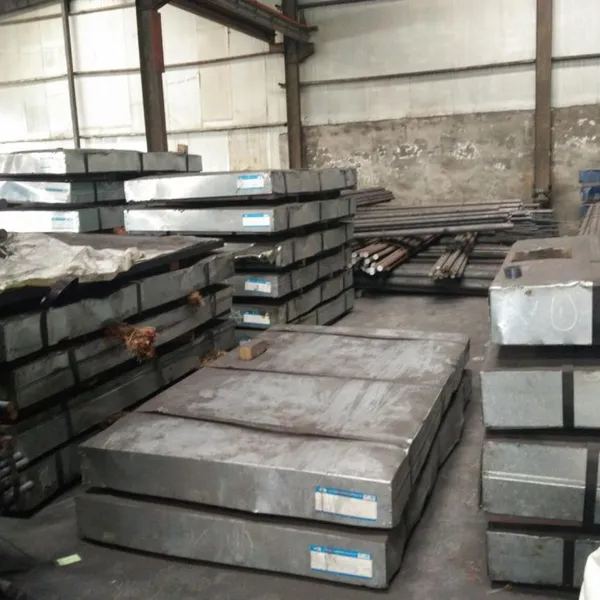
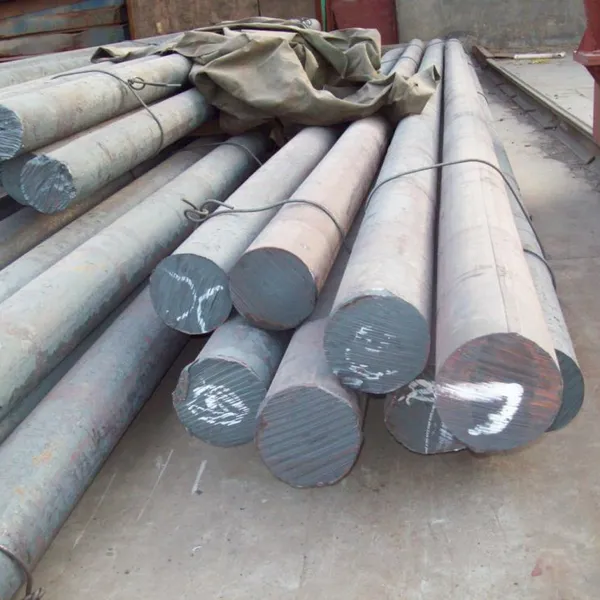
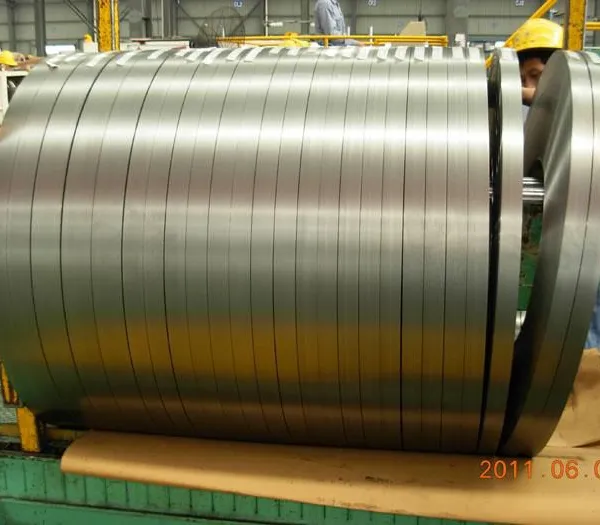
Cold Rolled Pure Iron Slit Coil DT4C Grade Ultra Low Carbon ≤0.004% for Magnetic ComponentsNegotiableMOQ: 1 Ton
-
Low Iron Loss Electromagnetic Pure Iron Hot-Rolled Coil DT4C for Transformer CoresNegotiableMOQ: 1 Ton
-
Soft Magnetic Pure Iron Sheet With Minimum Iron Loss for High-Efficiency MotorsNegotiableMOQ: 1 Ton
-
Electromagnetic Pure Iron Cold Rolled Coil DT4C for High Magnetic Permeability ApplicationsNegotiableMOQ: 1 Ton
-
Industrial Pure Iron Tube Superior Surface Quality Electromagnetic Pure Iron Tube for Welding and Plating ProcessesNegotiableMOQ: 1 Ton
-
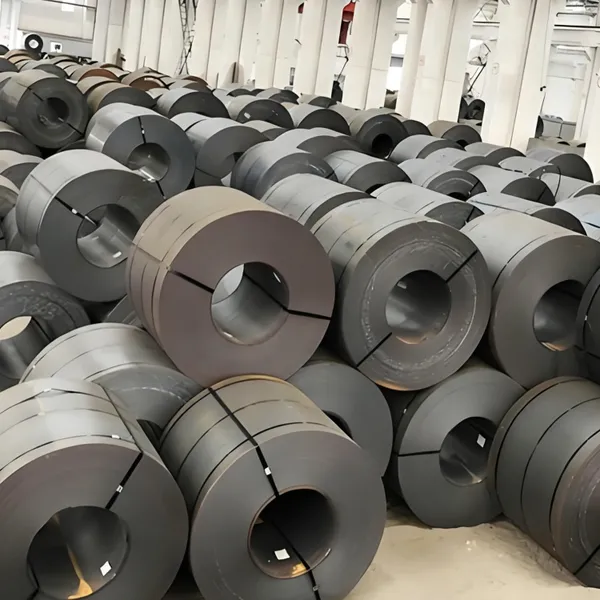
DT4 Seamless Pure Iron Tubing for High-Performance Electrical Equipment ApplicationsNegotiableMOQ: 1 Ton
-
DT4C Iron Wire Rod for Precision Magnetic Shielding ApplicationsNegotiableMOQ: 100 Kilograms
-
Industrial Pure Iron Fittings DT4 Pure Iron Seamless Tube With Low Hysteresis Loss for Electromagnetic SystemsNegotiableMOQ: 1 Ton
-
DT4C Cold Rolled Coil Slitting for Electrical Enclosure ManufacturingNegotiableMOQ: 1 Ton
-
Anti Rust Coated Pure Iron Square Bar Low Carbon Raw Material for Welding and Forging Magnetic PartsNegotiableMOQ: 100 Kilograms
-
DT4 Pure Iron Cold-Drawn Wire 0.5mm-6.0mm Diameter for Precision EngineeringNegotiableMOQ: 500 Kilograms