
 Business License

DT4 Pure Iron: Standard Grade Specifications, Applications & Selection Guide
When Zhang Min was reviewing material specifications for the new industrial line of her company's lifting magnets, she was faced with a very familiar issue. The engineers had specified for every part DT4C pure iron on the grounds of "maximum performance". Nevertheless, Zhang could see that the magnets will only work for 8 hours each day, 5 days a week, within a factory setup which is controlled; and not the continuous duty, high-temperature services justifying the use of premium grades. Crunching some numbers revealed that going down to standard DT4 pure iron would save 45% on materials without sacrificing performance for their unique application. The yearly savings between 500 units: almost YI. 2 million.Find more info now.
The above case scenario symbolizes a normal issue that is experienced in procuring electromagnetic components. DT4 pure iron, the standard grade in the DT4 series, brings in the desired magnetic performance but at the most economic cost. This notwithstanding, the premium grades such as DT4C comes with superior specifications, and that is not always needed, whereas the incurred cost would be huge.
In this guide, an explanation will be given on the benefit of using DT4 pure iron, at what point it is better to opt for a premium grade, and the appropriateness of selecting cost-effective materials without compromising application requirements.
What Is DT4 Pure Iron?
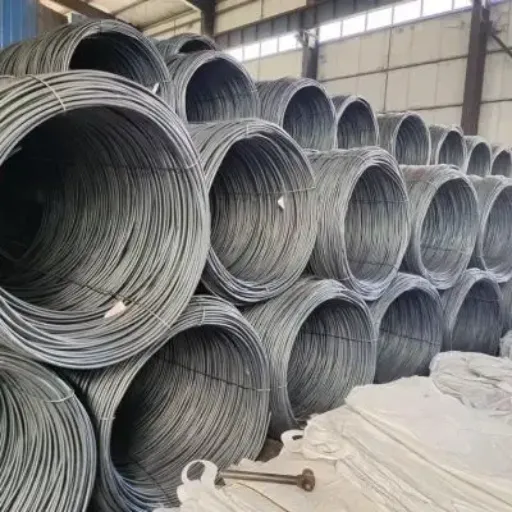
DT4 pure iron is the standard material of choice for electromagnetic pure iron defined by Chinese National Standard GB/T 6983-2008. It represents the starting grade for the DT4 soft magnetic materials, having the best magnetic properties in the cheapest segment of this material class.
DT4 in the Grade Hierarchy
The DT4 series represents a progression of improving magnetic properties with corresponding cost increases. Understanding this hierarchy helps specify the appropriate grade:
| Grade | Carbon Max | Coercivity (Hc) | Permeability (μmax) | Price Premium vs DT4 |
|---|---|---|---|---|
| DT4 | ≤0.025% | ≤96 A/m | ≥7.50 mH/m | Base (0%) |
| DT4A | ≤0.025% | ≤72 A/m | ≥10.00 mH/m | +15-20% |
| DT4E | ≤0.015% | ≤48 A/m | ≥12.50 mH/m | +30-40% |
| DT4C | ≤0.004% | ≤32 A/m | ≥15.00 mH/m | +50-70% |
DT4 sits at the foundation of this series. It provides the baseline magnetic performance that defines electromagnetic pure iron, with specifications suitable for many industrial applications where premium grades would be unnecessary expense.
GB/T 6983-2008 Specifications
DT4 is defined by specific chemical and magnetic property requirements under the Chinese national standard:
Chemical Composition:
| Element | Maximum Content | Purpose |
|---|---|---|
| Carbon (C) | ≤0.025% | Controls magnetic softness |
| Silicon (Si) | ≤0.20% | Moderate resistivity |
| Manganese (Mn) | ≤0.30% | Acceptable for standard grade |
| Phosphorus (P) | ≤0.020% | Moderate control |
| Sulfur (S) | ≤0.020% | Standard desulfurization |
| Aluminum (Al) | 0.15-0.50% | Grain size control |
| Iron (Fe) | Balance | ≥99.5% minimum |
Magnetic Properties:
| Property | Specification | Practical Significance |
|---|---|---|
| Coercivity (Hc) | ≤96 A/m | Moderate energy loss, acceptable for standard applications |
| Maximum permeability (μmax) | ≥7.50 mH/m | Good magnetic response |
| Saturation flux density (Bs) | ~2.15 T | Full magnetic strength of pure iron |
| Flux density at 1000 A/m (B10) | ≥1.40 T | Classification minimum |
DT4 Specifications and Properties
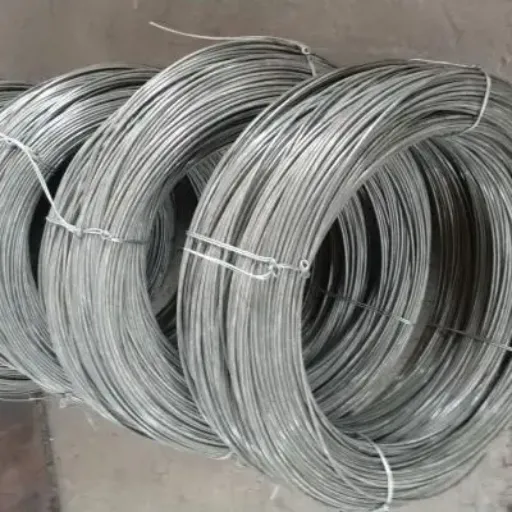
Chemical Composition Requirements
The chemical composition of DT4, a middle-of-the-road grade, explains this grade's application to the middle-of-the-road class. The carbon level is limited to ≤0.025 percent (250 parts per million, or ppm), so it provides very good magnetic softness and is also semi-competitive to produce. This amount of carbon is six times higher compared to that required for the ultra-low DT4C maximum (≤0.004%); a significant reason for the differentiation in functionalities and, subsequently, price.
Silicon, manganese, and phosphorus are taken to generic industrial levels rather than the high standards of the premium grades, thereby reducing refining costs and yet not allowing performance appropriate for widespread use.
Magnetic Properties
Coercivity (Hc): DT4 has a maximum coercivity of 96 A/m, indicating that modest field strengths are required to demagnetize it. Compare this value against:
Standard steel: 200–500 A/m
DT4: ≤96 A/m
DT4C: ≤32 A/m
Though DT4C is three times "softer" magnetically, DT4 boasts significantly improved performance with regard to the common steels.
Permeability: With 7.50 mH/m being not particularly low, this value gives standard applications the magnetic response that they need. Coping perhaps with half of the DT4C's specification (15.00 mH/m) means that the DT4 is likely to use about twice the amount of magnetizing current to achieve the same flux density.
Saturation Flux Density: DT4 achieves saturation at 2.15 Tesla approximating the maximum saturation of all the other grades. Saturation is mostly dependent on iron content and not on trace contaminants that distinguish among grades.
Comparison with International Standards
DT5 corresponds approximately to:
ASTM A848 (USA): Similar purity requirements
JIS C2504 (Japan): Comparable grade of soft magnetic iron
DIN 17405 (Germany): Material number 1.1003
Important: Carry out substitution by verification of precise magnetic properties, as test methods and actual specifications differ from standards.
When to Specify DT4: Applications Guide
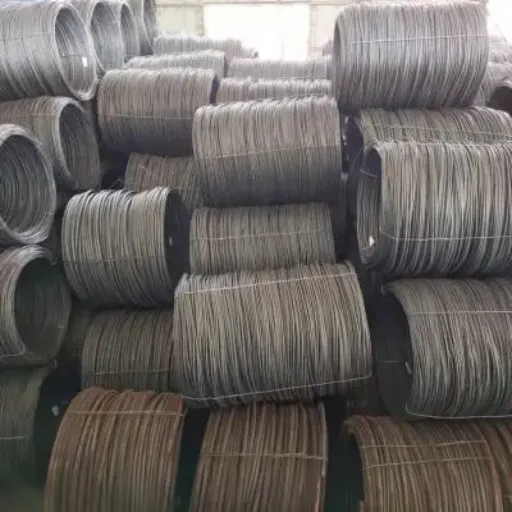
Ideal Applications for DT4
When soft magnetic properties are less crucial and cost factors become critical, then DT4 steps in:
Electromagnet in the Industrial Plant
Magnet lifting, magnetic separators, and material-handling equipment run best with DT4. In such applications, for example, they:
Involve superlative magnetic force but a small switching speed
Run on DC or low-frequency AC
Work intermittently rather than continuously
Favor lifting force over energy proficiency
Yang Zichun, Qian Xueyin's department engineer in a Shandong steel mill, chose the material for their magnets used for scrap handling, according to duty cycle analysis. The magnets operated for four hours daily at shift change before they have to be left off for heat dissipation. DT4C will be of no practical benefit in this intermittent operation, while the same will raise material cost by 60%.
Non-Critical Motor Components
DT4 is widely used in motors for non-critical applications, especially at lower efficiencies, in higher-capacity motors of large size, where cost plays an overriding role; This list is not exhaustive.
Stator Cores for Applications with Limited Efficiency Requirement
Rotor Laminations for General-Purpose Industrial Motors
Motors Operated at Standard Frequency (50/60 Hz)
Applications Not Mandating Premium Efficiency
Price-Conscious Transformers
Distribution Transformers and Industrial Control Transformers May Use DT4 For:
Operating hours are limited, not 24/7 continuous duty
Efficiency objectives are standard, not premium/ENERGY STAR
Initial cost is preferred to lifecycle operating costs
Load factors are not close to maximum
Prototype and Experimental Work
DT4 is frequently chosen for:
Initial product development and testing
Proof-of-Concept Electromagnetic Devices
Research projects with inadequate budgets
Educational and training equipment
Material cost savings allow more extensive prototyping within given budgets.
High-Volume Applications
In the case of high material volumes, the cost savings of DT4 will become appreciable:
Mass production of small motors and relays
White goods
(Non-essential) automotive systems
HVAC, elevators, etc.
DT4 vs DT4C: Making the Right Choice
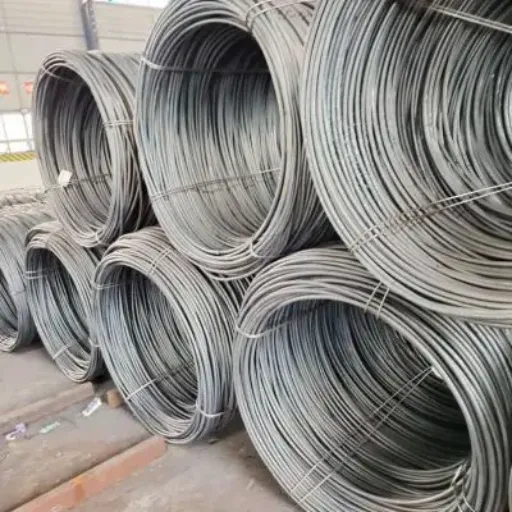
The most common upgrade consideration is DT4 versus DT4C. Understanding the trade-offs enables optimal selection.
Side-by-Side Comparison
| Aspect | DT4 | DT4C | Impact |
|---|---|---|---|
| Carbon content | ≤0.025% | ≤0.004% | 6× lower carbon in DT4C |
| Coercivity (Hc) | ≤96 A/m | ≤32 A/m | DT4C is 3× "softer" |
| Permeability (μmax) | ≥7.50 mH/m | ≥15.00 mH/m | DT4C has 2× response |
| Typical price | Base | +50-70% | Significant cost difference |
| Core losses | Standard | 10-20% lower | Efficiency improvement |
| Best for | Standard duty | Premium performance | Application dependent |
Cost-Performance Analysis
Example: 1000kVA Distribution Transformer
| Parameter | DT4 | DT4C |
|---|---|---|
| Material cost | ¥45,000 | ¥75,000 (+67%) |
| Annual energy loss | 25,000 kWh | 20,000 kWh (-20%) |
| Annual energy cost | ¥20,000 | ¥16,000 |
| 10-year operating cost | ¥200,000 | ¥160,000 |
| Total 10-year cost | ¥245,000 | ¥235,000 |
Analysis: In the case of a continuous-duty transformer, running 24/7, the 20 percent losses saving by the DT4C are equivalent to the extra material costs paid inside the first 2 or 3 years. But more pronounced over a period of 10 years will be that the price of DT4C, despite being 67% higher initially, would still be cheaper.
On the other hand, as we decrease running time from a year at 8,760 operating hours to just a fourth of that in the case of off-hours operation—say, 2,000 hours—the benefit begins decreasing. Now the payback increases to 7 years or more, and in applications run off and on, DT4 remains a cheaper solution.
Decision Framework: When to Upgrade
Choose DT4 when:
The leading consideration is budget constraints
The duty cycle is intermittent (repeated duty cycles below rated)
The requirements for efficiency are standard (no special premium targets).
Usage at moderate frequency (≤50/60 Hz)
Non-critical applications that will accept some performance margin
Choose DT4C when:
The utmost efficiency criteria is forced or mandated
Continuous duty operation (24/7)
High switching frequencies (>100 Hz).
Premium product positioning justifies material cost
Operating cost reduction is more important then the higher initial material cost
Fast magnetic response is grand (high-speed relays)
DT4 Limitations: When to Consider Higher Grades
Understanding DT4's limitations helps avoid specification errors:
High-Frequency Applications
When DT4 is characterized by moderate retention capacity causing more hysteresis lossesat elevated frequencies, runaway applications that switch more than 100 Hz ideally need its improved versions: DT4E or DT4C, as they require less energy dissipation and thus generate a relatively lesser amount of heat.
Premium Efficiency Requirements
The energy efficient certifications expected regarding most of the products (ENERGY STAR, IE4 motors) would typically be achievable providing that the DT4C limits are met. DT4 barely manages to meet the normal efficiencies but fails to make it to the higher-end due to some reasons.
High-Speed Switching Needs
Characterizing the fast-decay of magnetic field when power is removed, higher coercivity of DT4 is beneficial. However, for solenoid and relay applications based on lower response time stipulations characterized by
Continuous Duty Considerations
When a component runs continuously, losses of energy are produced as a result. The possibility of saving material cost has to grow for years, on the one hand, so as to offset the cost of improved efficiency from top-grade components in the end. For instance, DT4 suits much more for intermittent or moderate-duty cycles.
If DT4 fails, the ladder of progressive upgrades opens wide before the user.
DT4A cost increment: 15-20%. Enjoys 25% increase in the coercive field, 33% benefit in permeability.
DT4E cost increment: 30-40%. Features a 50% increase in the coercive field and a 67% increase in the permeability.
DT4C cost: 50-70%. 67% increase in the coercive field and 100% increase in the permeability.
Sourcing DT4 Pure Iron
Availability and Forms
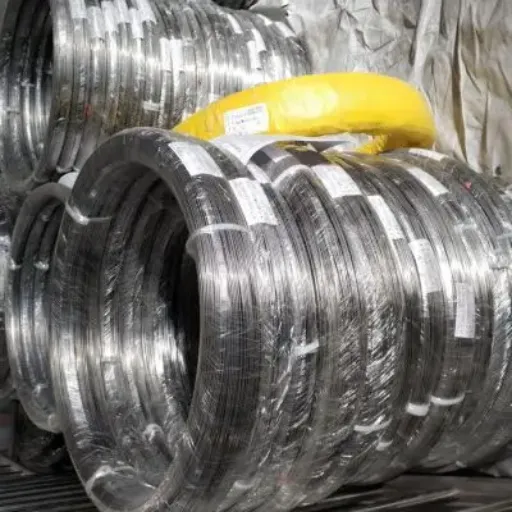
For all normal product forms, DT4 offers latitude for different manufacturing processing:
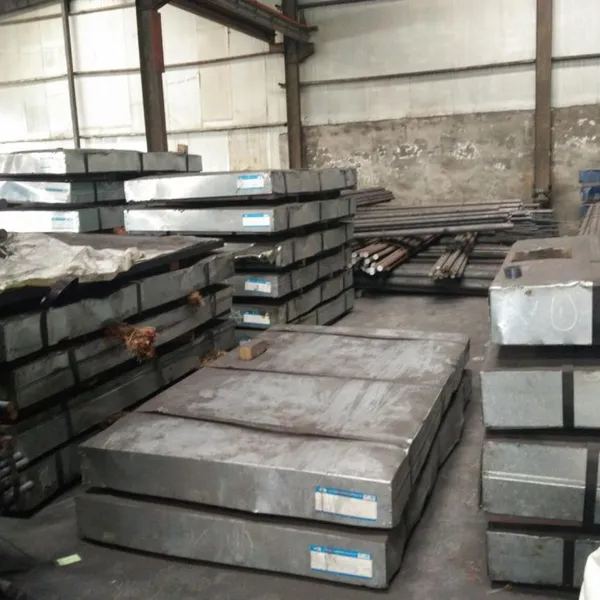
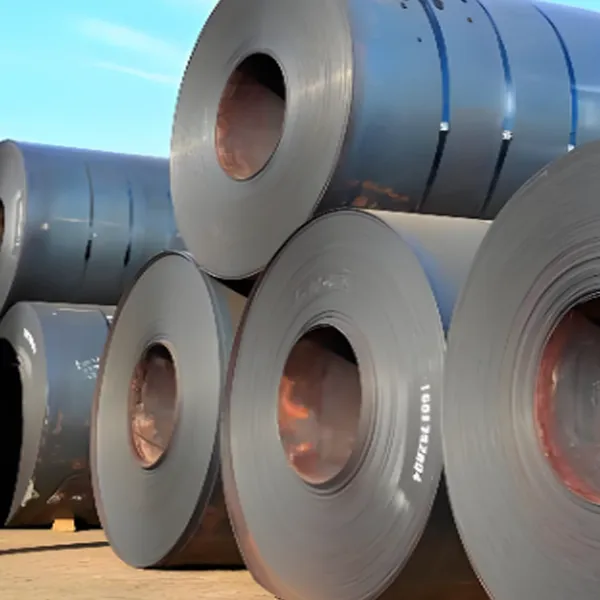
Hot-rolled coils/sheets: Most cost-effective material, suitable for applications requiring further processing
Cold-rolled coils: Controlled thickness (0.1-3.0 mm) and unique surface condition
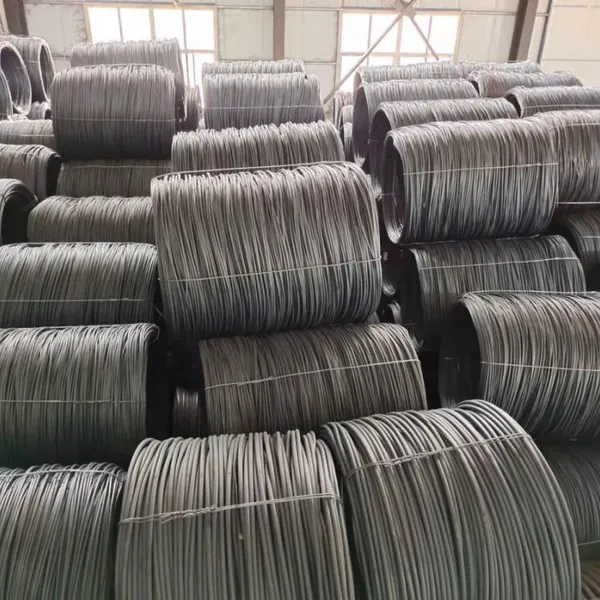
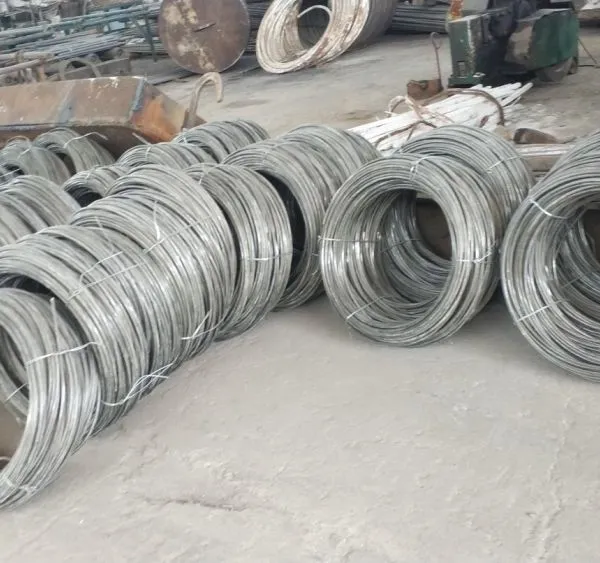
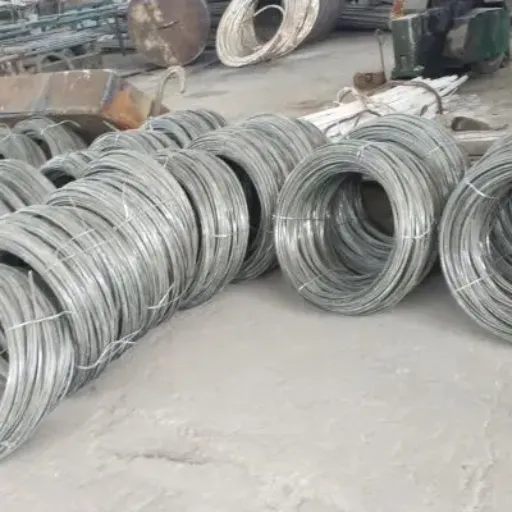
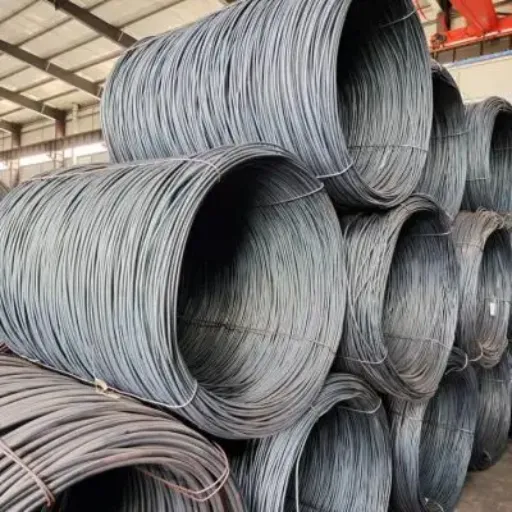
Wire rod (Ø6.5–20 mm): Raw material for drawing, cold heading, or machining
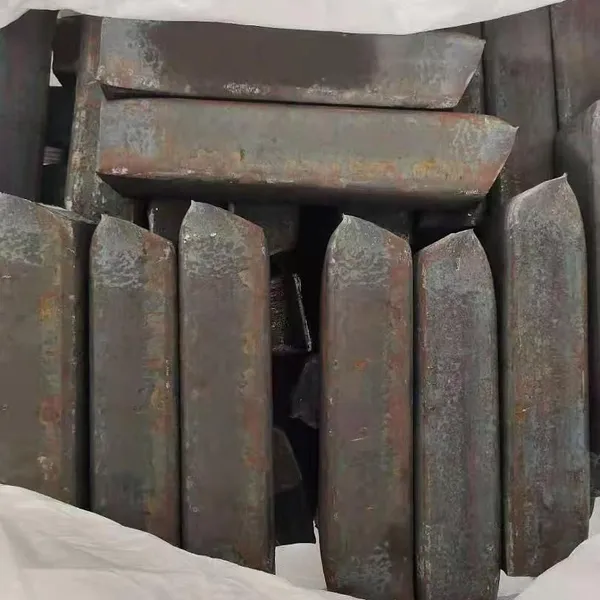
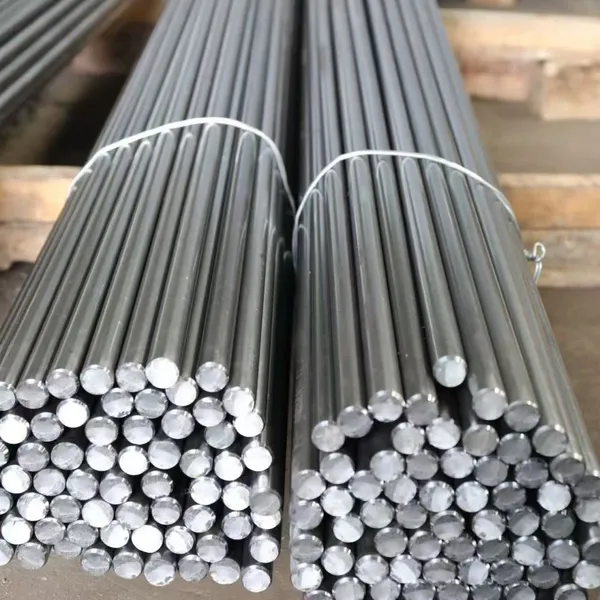
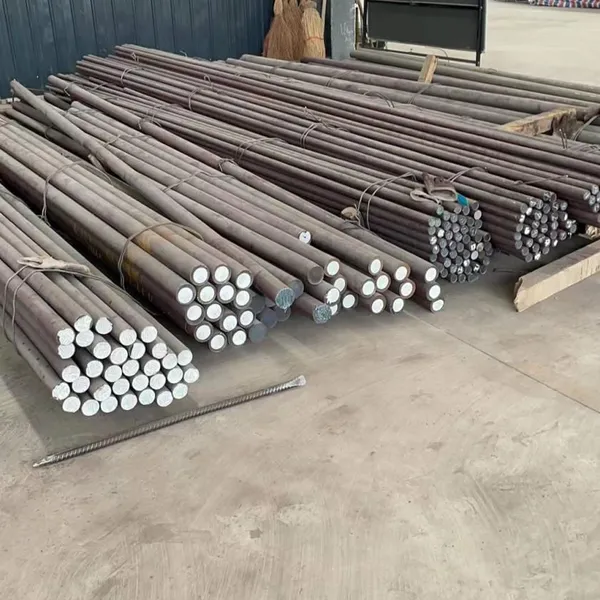
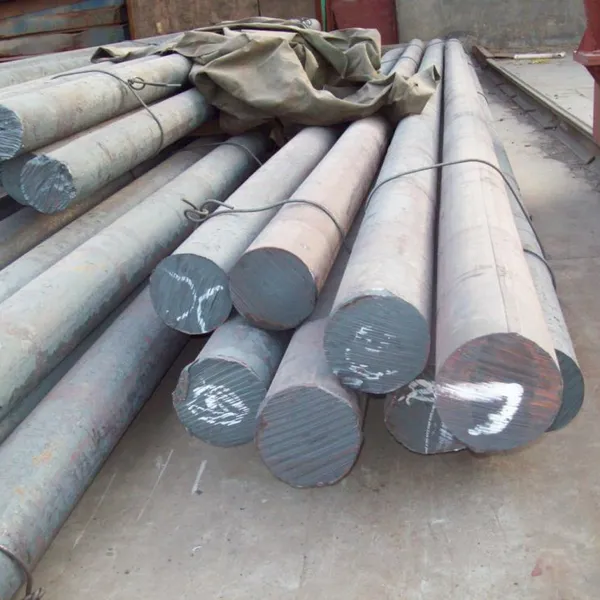
Round bars: Solid shapes suitable for machining as components and shafts
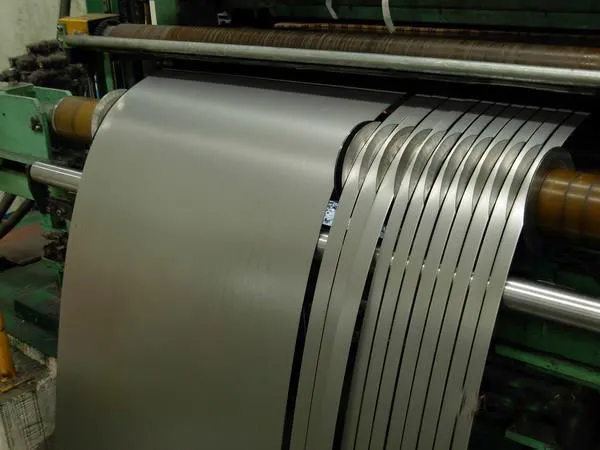
Slit strips: Precision width material ready for lamination stamping
Price Considerations
DT4 presents a reference price to the DT4 series with existing market pricing offer typically to the following estimates for DT4.
Around 40%-50% lower than DT4C prices
Competitive in terms of the standard electrical steel price per kilogram
Would see fluctuations because of iron ore and energy prices
For projects worried about the cost, DT4 allows the best prices for a typical purchase into electromagnetic pure ironkeeping soft magnetic properties as the real base point.
Jurun's DT4 Supply Capabilities
Shanxi Jurun Technology has full stocks for DT4 in all standard forms as well as offering services related to processing.
Material availability: Full stocks are maintained for DT4 in coils, sheets, wire rod, bar, etc., and custom forms.
Material processing services: Cold rolling, slitting, annealing, and surface finishing
Quality assurance: Test certificates from the mill with verification of chemical and magnetic properties
Upgrade flexibility: Easy transition to DT4A, DT4E, or DT4C when applications require
Technical support: Application engineering to confirm grade suitability
This integrated approach is vital to maintaining consistent quality from the raw material to the finished part and allows us to change a grade as application requirements evolve.
Conclusion
DT4 pure iron is the cost-effective grade for conventional applications in low demand in which standard magnetic performance suffices. Whereas DT4C is a costlier alternative but with better specifications, it may not always be technically justified, given the requirements of the application.
Factors to be considered for a specification for DT4 include:
1. Match the grade to the application-The principal application benefits of DT4 are for intermittently-duty, low cost applications which have standard efficiency.
2. Calculate the entire cost of ownership-In contrast, if the application is continuous duty, higher-grade options could contribute better lifecycle economics despite the higher initial cost
3. Consider the ability to upgrade-This is good when one needs to keep using the DT4 grade for simple, low-cost prototyping and maybe upgrading grades later
4. Verification of demands in applications-Grades should be selected based on requirement like efficiency needs, switching speeds, or duty cycles.
The material that is best might not always have the highest grade specifications. It is one that meets all operating principles of the application at optimal cost. For purposes that do not justify help from the premium grades, DT4 crude iron offers a true soft magnetic performance.
For your next electromagnetic component project, check whether the standard-grade property of the DT4 would fit with your requirements or whether there may be a justification for a premium on the DT4C or better-grade material due to duty cycle and efficiency objectives. The right spec achieves a balance between performance, cost, and life-cycle economics interesting to your use.
Frequently Asked Questions (FAQs)
What Is DT4 Pure Iron and What Makes It Unique?
DT4 pure iron is an iron material that is purer than conventional iron and especially designed to offer superior magnetic properties and lower impurities. It is renowned for its high permeability, low coercivity, and high malleability. Because of these features, DT4 pure iron is a common choice for the radar, automotive, and scientific instrument industries.
What Are the Key Properties of DT4 Pure Iron?
DT4 pure iron shows excellent magnetic properties: high saturation magnetism and low hysteresis. It also boasts high ductility, resistance to corrosion, and machinability. Such qualities mean it The high-performance material is often used in electromagnetic applications, transformer cores, and other applications, which would order its particular intrinsic properties.
Production of DT4 Pure Iron is how?
Any type of DT4 iron with high magnetic properties and reliability would be suitable for electromagnetic applications. It is very common for a DT4 cover to excellent magnetic strength. Makeup of transformer nuclei, shielding, and electromechanical parts fall within the realm of usual applications. It can also be used very well in scientific tools, medical devices and aerospace applications, where precision and efficiency are of extreme importance.
Does it Perform any Better than Other Pure Iron Grades?
In terms of magneticious properties, purity, and any other characteristics, it stands far better as compared to other pure iron grades. Potentially lower purity levels in certain types of iron can be the one factor that might cause performance degradation; however, DT4 is designed purely for applications that require precise and delicate calculations in general. Therefore, applications around energies, electronics, and precise manufacturing find great comfort in using of this top-grade-element-required metal.
Recently Posted
-
Industrial Pure Iron vs. Armco Iron: Terminology, History, and Modern Equivalents
September 2, 2026Not long ago, a European motor manufacturer opened an aging drawing for a magnetic shielding housing and found the material callou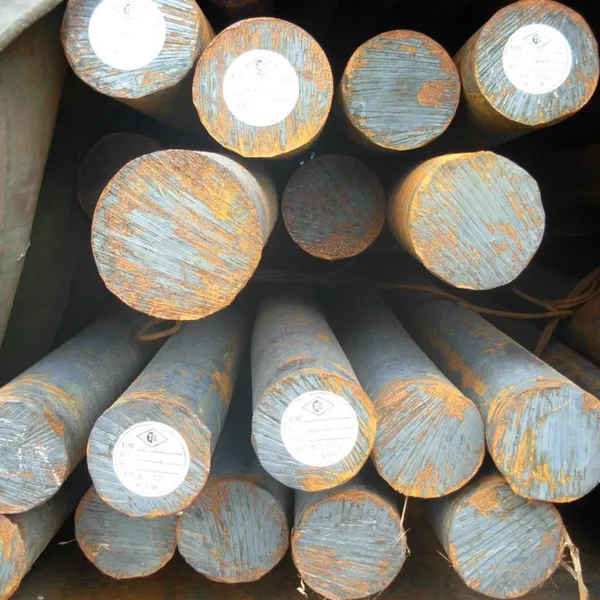 Read More
 -
Shanxi Jurun Technology: Your Electromagnetic Pure Iron Partner from Taiyuan, China's Pure Iron Prod
August 14, 2026When an international buyer searches for electromagnetic pure iron, they are not just looking for a material. They are looking for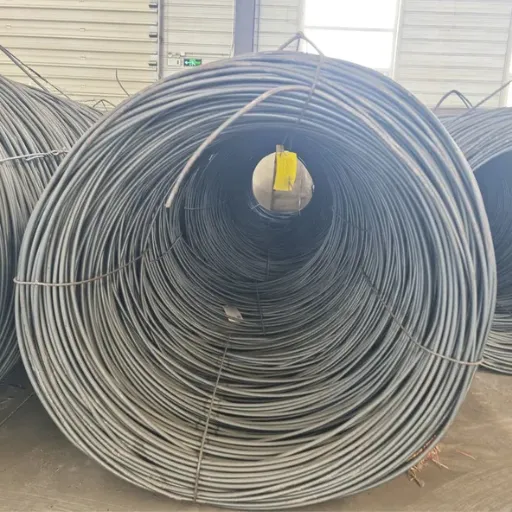 Read More
 -
Cold Drawing Process for Electromagnetic Pure Iron Wire: How Wire Rod Becomes Precision Cold-Drawn W
August 13, 2026Not long ago, a solenoid valve manufacturer in Italy received a shipment of 5.5 mm electromagnetic pure iron cold-drawn wire inten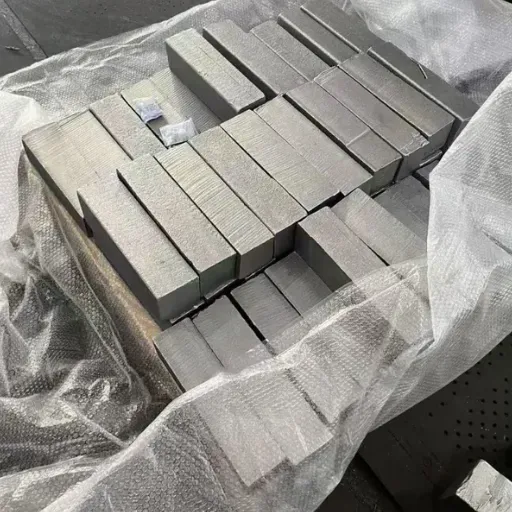 Read More
 -
How to Choose a Food Vacuum Sealer Supplier in China: 8 Evaluation Criteria
August 13, 2026An e-commerce brand owner in the UK contacted us some time ago after a supplier relationship fell apart. They had sourced roughly Read More

Contact Us
Recommended Products
-
 Seamless Tube With Good Cold Electrical Pure Iron Fittings Hot Workability for Forming Fittings and ConduitsNegotiableMOQ: 1 Ton
 -
Electromagnetic Pure Iron Forging for Automotive Sensor ManufacturingNegotiableMOQ: 100 Kilograms
-
Precision Cut Pure Iron Square Bar High Saturation Induction Raw Material for Generator and RotorNegotiableMOQ: 100 Kilograms
-
DT4C Super Grade Electromagnetic Pure Iron Bright Bar With Bundle Weight 30-100kg for Easy TransportationNegotiableMOQ: 1 Ton
-
DT4C Electromagnetic Pure Iron Cold-Drawn Wire 0.5mm-6.0mm Diameter for TransformersNegotiableMOQ: 100 Kilograms
-
Industrial Pure Iron Bar for Electromagnetic Relay and Sensor ProductionNegotiableMOQ: 1 Ton
-
Electromagnetic Pure Iron Thin Sheet 0.3mm-0.8mm for Solenoid and Relay ManufacturingNegotiableMOQ: 500 Kilograms
-
Electrical Pure Iron Hot-Rolled Coil for Magnetic Components With Low Iron LossNegotiableMOQ: 1 Ton
-
Low Carbon DT4C Pure Iron Round Bar With 99.8% Fe Content for Electrical ApplicationsNegotiableMOQ: 1 Ton
-
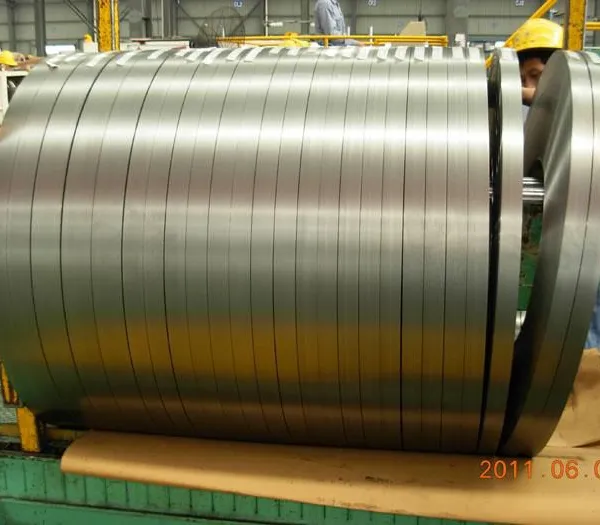
Cold Rolled Pure Iron Slit Coil DT4C Grade Ultra Low Carbon ≤0.004% for Magnetic ComponentsNegotiableMOQ: 1 Ton
-
Low Iron Loss Electromagnetic Pure Iron Hot-Rolled Coil DT4C for Transformer CoresNegotiableMOQ: 1 Ton
-
Soft Magnetic Pure Iron Sheet With Minimum Iron Loss for High-Efficiency MotorsNegotiableMOQ: 1 Ton
-
Electromagnetic Pure Iron Cold Rolled Coil DT4C for High Magnetic Permeability ApplicationsNegotiableMOQ: 1 Ton
-
Industrial Pure Iron Tube Superior Surface Quality Electromagnetic Pure Iron Tube for Welding and Plating ProcessesNegotiableMOQ: 1 Ton
-
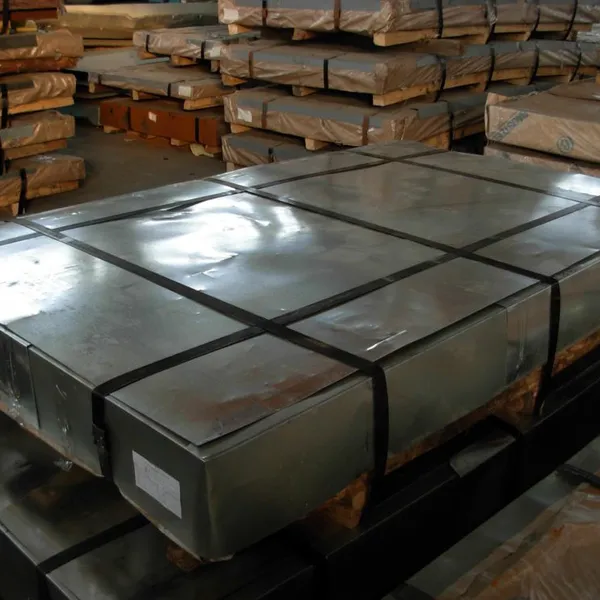
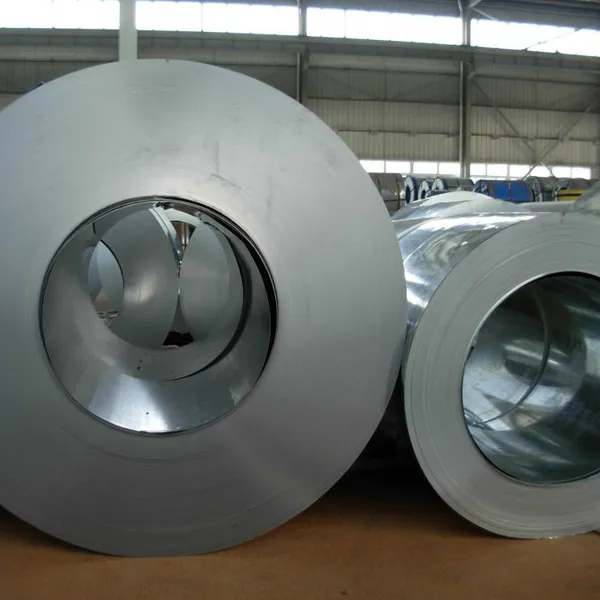
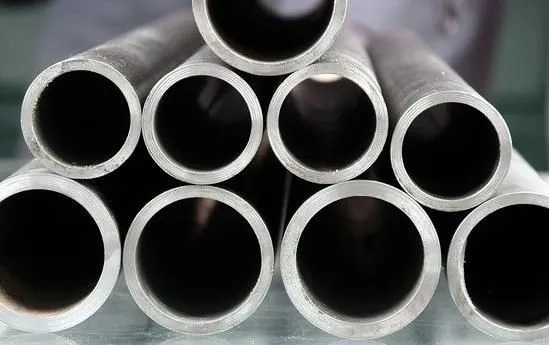
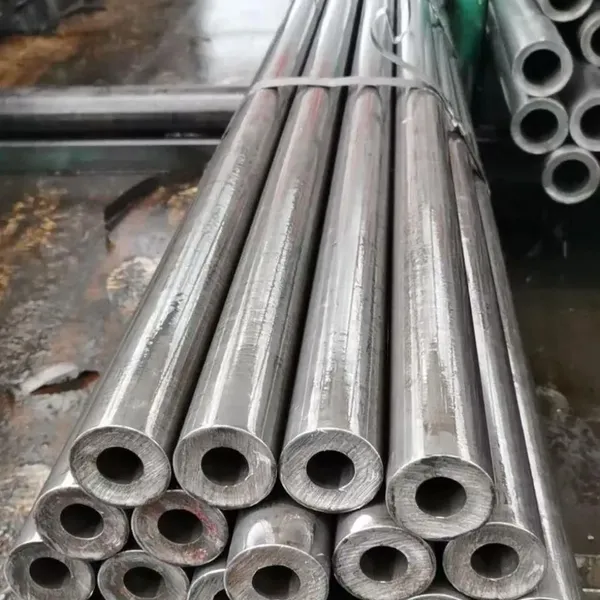
DT4 Seamless Pure Iron Tubing for High-Performance Electrical Equipment ApplicationsNegotiableMOQ: 1 Ton
-
DT4C Iron Wire Rod for Precision Magnetic Shielding ApplicationsNegotiableMOQ: 100 Kilograms
-
Industrial Pure Iron Fittings DT4 Pure Iron Seamless Tube With Low Hysteresis Loss for Electromagnetic SystemsNegotiableMOQ: 1 Ton
-
DT4C Cold Rolled Coil Slitting for Electrical Enclosure ManufacturingNegotiableMOQ: 1 Ton
-
Anti Rust Coated Pure Iron Square Bar Low Carbon Raw Material for Welding and Forging Magnetic PartsNegotiableMOQ: 100 Kilograms
-
DT4 Pure Iron Cold-Drawn Wire 0.5mm-6.0mm Diameter for Precision EngineeringNegotiableMOQ: 500 Kilograms