
 Business License

Buying Bulk Pure Iron: Complete Guide to Logistics, Stock, and Lead Times
When your production schedule depends on a steady supply of high-purity iron, understanding bulk pure iron lead time factors becomes critical. A delayed shipment can halt manufacturing lines, miss contract deadlines, and strain customer relationships. Yet many procurement managers struggle to get accurate delivery timelines from suppliers—or worse, discover too late that their "standard" 4-week delivery has stretched to 10 weeks due to factors they never anticipated.
This guide provides the complete framework for optimizing pure iron procurement logistics. Whether you are sourcing DT4 electromagnetic iron for transformer cores or YT-series raw material for precision casting, you will learn how to accurately forecast delivery times, manage safety stock levels, and select suppliers who can meet your operational requirements without surprises.
Understanding Pure Iron Lead Times
What Affects Pure Iron Delivery Time?
Several variables determine how quickly your pure iron order moves from purchase order to your receiving dock:
Raw Material Availability
Pure iron production starts with high-grade iron ore or direct-reduced iron. When raw material markets tighten—as they did during the 2021-2022 supply chain disruptions—lead times can extend by 2-4 weeks regardless of your supplier's efficiency. Premium grades like DT4C, which require tighter carbon control (≤0.015%), face additional constraints because fewer mills can meet these specifications consistently.
Grade Specifications
Not all pure iron grades ship at the same speed. Standard DT4 electromagnetic iron typically moves faster than specialized variants:
Grade | Coercivity (A/m) | Typical Lead Time Extension |
|---|---|---|
DT4 (Standard) | ≤96 | Baseline |
DT4A (Advanced) | ≤72 | +3-5 days |
DT4C (Ultra) | ≤32 | +7-10 days |
DT4E (Premium) | ≤24 | +10-14 days |
The tighter the magnetic property requirements, the more selective suppliers must be about raw material batches and processing parameters.
Processing Requirements
Custom dimensions, surface finishes, or heat treatments add time. A standard hot-rolled round bar might ship from stock in 3-5 days, while cold-drawn precision bars with h9 tolerances require 2-3 additional weeks. Vacuum annealing for maximum magnetic permeability adds another 5-7 days to the schedule.
Order Volume and Timing
Bulk orders above 50 tons often secure priority scheduling at mills, but they require longer production windows. Conversely, small urgent orders (1-5 tons) can sometimes ship from existing stock within days—if your supplier maintains inventory.
Lead Time Comparison by Region
The geographic origin of your pure iron significantly impacts delivery schedules:
Region | Standard Lead Time | Custom Orders | Best For |
|---|---|---|---|
China (Shanxi/Taiyuan) | 10-30 days | 30-45 days | Bulk orders, DT4 grades, cost optimization |
Japan (JFE Steel) | 6-8 weeks | 8-12 weeks | High-spec applications, automotive certification |
Europe (Voestalpine) | 8-12 weeks | 12-16 weeks | EU regulatory compliance, aerospace requirements |
North America | 4-6 weeks | 6-10 weeks | Domestic sourcing preference, tariff avoidance |
Note: These figures represent production through delivery to major ports. Final delivery depends on your inland logistics.
Why China (and Specifically Shanxi) Delivers Faster
Shanxi Province sits at the heart of China's pure iron production ecosystem. With Taiyuan Iron & Steel (TISCO) and direct Baosteel agency relationships located within the region, suppliers based here reduce transit time to Tianjin Port by 2-3 days compared to southern Chinese suppliers. This proximity, combined with vertically integrated production capabilities, explains why Shanxi-based suppliers consistently deliver 10-30 day lead times while maintaining competitive pricing.
Typical Lead Time Breakdown
Understanding where time gets allocated helps you identify acceleration opportunities:
Stage | Duration | Notes |
|---|---|---|
Order Processing | 1-3 days | PO verification, production scheduling |
Raw Material Allocation | 2-7 days | Depends on stock availability |
Manufacturing | 10-20 days | Rolling, cutting, initial processing |
Quality Inspection | 2-5 days | Chemical analysis, magnetic testing |
Custom Processing | 0-14 days | Annealing, precision finishing (if required) |
Packaging | 2-3 days | VCI wrapping, crating, labeling |
Freight Booking | 3-7 days | Container allocation, documentation |
Transit to Port | 1-3 days | Inland trucking to Tianjin/Qingdao |
Ocean Transit | 15-45 days | Varies by destination (Asia: 7-15 days, Europe: 25-35 days, Americas: 20-45 days) |
Customs Clearance | 2-10 days | Highly variable by country |
Total Range | 40-116 days | End-to-end from PO to delivery |
The wide range reflects the difference between a simple stock order to a nearby Asian destination (40 days) versus a complex custom specification shipping to a destination with complex import requirements (116+ days).
Stock Availability and Inventory Management
Why Stock Availability Matters for Pure Iron
Unlike commodity steel grades, pure iron—particularly electromagnetic grades with strict coercivity requirements—cannot be easily substituted. When your DT4C stock runs out, you cannot simply use DT4 or silicon steel as a temporary replacement without compromising end-product performance.
This specificity creates three operational risks:
Production Continuity Risk: Magnetic component manufacturers report that pure iron stockouts cause an average 8-day production halt while waiting for emergency shipments
Price Volatility Exposure: Iron ore prices fluctuated 40% in 2024; buyers without inventory buffers faced significant cost swings
Grade Obsolescence: Long lead times for specific grades can force engineering compromises if procurement cannot secure exact specifications
Safety Stock Calculation for Pure Iron
Maintaining appropriate safety stock prevents the costly disruptions that occur when lead times extend unexpectedly. Use this formula:
Safety Stock = (Maximum Daily Usage × Maximum Lead Time) - (Average Daily Usage × Average Lead Time)
Example Calculation:
Average monthly consumption: 20 tons
Average daily usage: 0.67 tons/day
Maximum daily usage (peak periods): 1.0 ton/day
Average lead time: 30 days
Maximum lead time (supplier delays): 45 days
Safety Stock = (1.0 × 45) - (0.67 × 30) = 45 - 20 = 25 tons
Recommended Safety Stock Levels by Application:
Application Type | Recommended Buffer | Rationale |
|---|---|---|
Critical path components (transformers, motors) | 2-3 months | Cannot substitute materials |
Standard production with flexible scheduling | 1-2 months | Allows for minor delays |
R&D or prototype work | 3-6 months | Irregular consumption, hard to forecast |
JIT manufacturing with reliable supplier | 2-4 weeks | Requires supplier with standing inventory |
Inventory Control Techniques for Pure Iron
ABC Analysis for Pure Iron Grades
Not all inventory deserves equal attention. Classify your pure iron stock:
A Items (10-20% of SKUs, 50% of value): High-purity grades like DT4C, custom specifications with long lead times. Monitor weekly, maintain strict safety stock.
B Items (20-30% of SKUs, 30% of value): Standard DT4 grades, common dimensions. Review bi-weekly.
C Items (50-70% of SKUs, 20% of value): Raw material pure iron (YT series), standard blocks. Monthly review sufficient.
FIFO vs. LIFO for Metal Storage
First-In-First-Out (FIFO) rotation prevents surface degradation in pure iron. While less prone to corrosion than regular steel, pure iron can develop surface oxidation during extended storage, particularly in humid environments. Implement:
Physical stock rotation: Place new receipts behind existing inventory
Inventory dating: Track heat numbers and receipt dates
Environmental controls: Maintain humidity below 60% relative humidity for electromagnetic grades
Reorder Point Optimization
Set your reorder trigger using:
Reorder Point = (Average Daily Usage × Average Lead Time) + Safety Stock
Using the previous example: (0.67 × 30) + 25 = 45 tons
When inventory drops to 45 tons, place your next order. For pure iron procurement, build in an additional 10% buffer above this calculation because lead time variability is higher than for commodity materials.
Jurun's Standing Inventory Advantage
Most pure iron suppliers operate on a make-to-order basis, which explains the 15-30 day lead times cited earlier. Shanxi Jurun Technology maintains year-round standing inventory of:
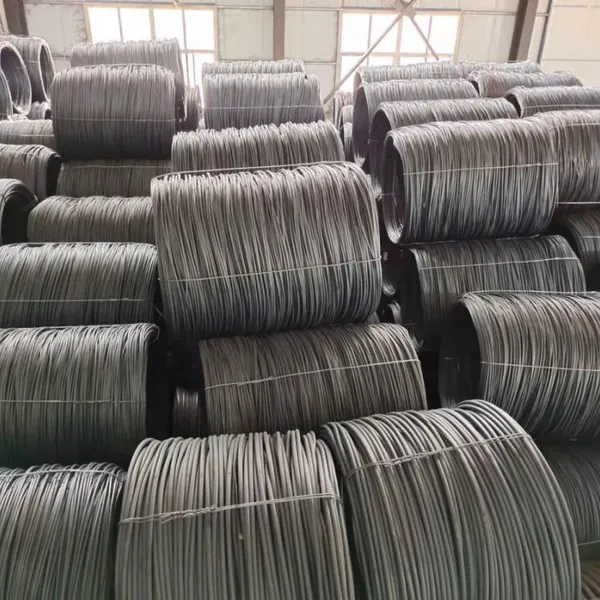
Electromagnetic pure iron wire rods (DT4, DT4A, DT4C, DT4E)
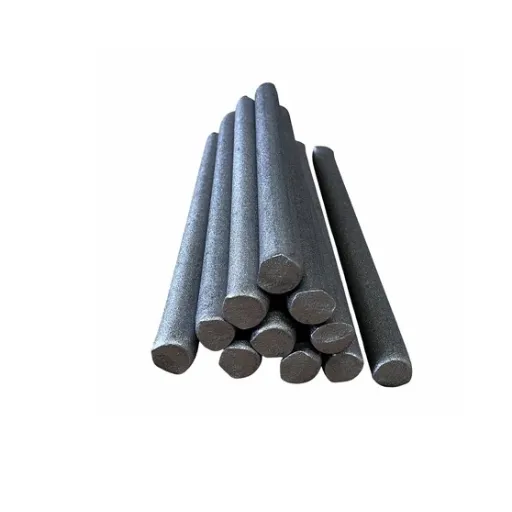
Round bars in standard diameters (Φ6mm to Φ250mm)
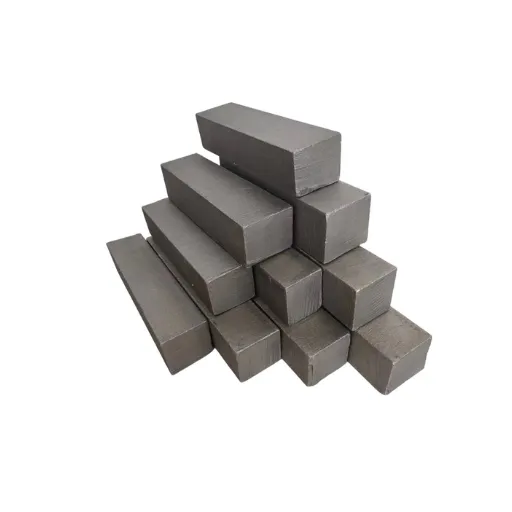
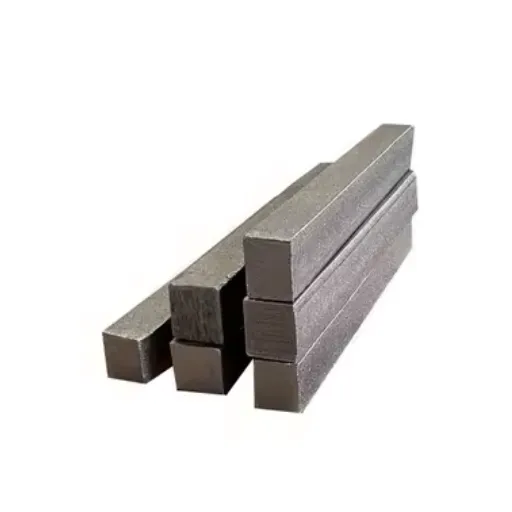
Square and flat bars for relay and magnetic component manufacturing
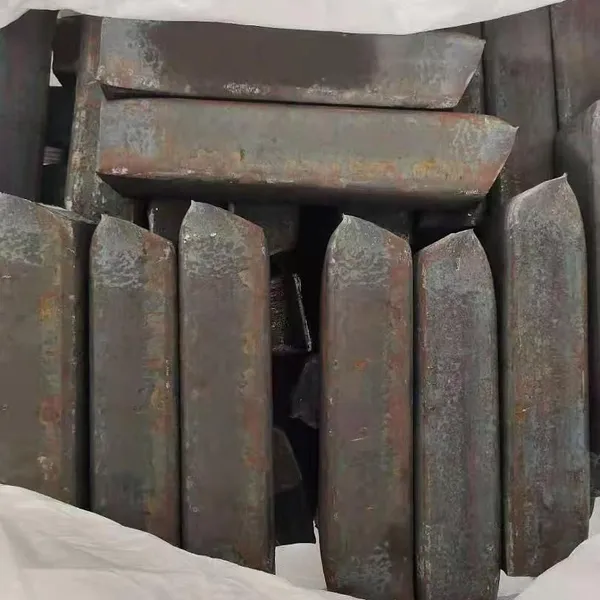
Pure iron blocks and plates for precision casting feedstock
YT0 and YT01 raw material pure iron for specialty applications
This inventory positioning enables 3-5 day shipping for standard specifications—critical when you face an unexpected production surge or supplier disruption elsewhere in your supply chain.
Shipping and Logistics
Container Specifications for Pure Iron
Selecting the right container affects both cost and cargo safety:
Container Type | Capacity | Dimensions | Best For |
|---|---|---|---|
20ft Standard | 18-20 tons | 5.9m × 2.35m × 2.39m | Small-medium orders, mixed grades |
40ft Standard | 26-28 tons | 12.03m × 2.35m × 2.39m | Medium bulk orders |
40ft High Cube | 42-45 tons | 12.03m × 2.35m × 2.69m | Maximum density shipments |
Open Top | Varies | 12.03m × 2.35m × 2.39m | Oversized bars, plates requiring top loading |
Bulk Vessel | 1,000+ tons | N/A | Large industrial orders, cost optimization |
Weight Considerations: Pure iron has a density of 7.87 g/cm³—slightly higher than mild steel. This means a full container of pure iron approaches the maximum weight capacity before filling the volume, making High Cube containers particularly cost-effective for bulk shipments.
Packaging Standards
Proper packaging protects pure iron during the multi-week ocean transit:
Small Bundles (30-100 kg):
Waterproof plastic film wrapping
Mounted on ISPM-15 certified wooden pallets
Steel banding at four points
Desiccant packs for moisture absorption
Large Bundles (~1,000 kg):
Steel strap reinforcement at six points
Wooden crate base with fork pockets
VCI (Volatile Corrosion Inhibitor) film for long-term storage protection
Humidity indicator cards visible through packaging
Critical Packaging Notes for Electromagnetic Grades:
DT4C and higher grades receive additional surface protection because even minor surface contamination can affect magnetic performance
RFID tagging available for 40ft container shipments, enabling real-time tracking
Each bundle labeled with heat number, grade, dimensions, weight, and destination port
Shipping Terms (Incoterms)
Understanding your shipping terms clarifies responsibility and cost allocation:
FOB Tianjin (Free On Board)
Supplier responsibility ends when goods pass ship's rail at Tianjin Port
Buyer pays ocean freight, insurance, and destination charges
Best for buyers with established freight forwarders
CIF [Port] (Cost, Insurance, Freight)
Supplier arranges and pays for ocean freight and insurance to named destination port
Buyer handles unloading, customs, and inland transport
Simplifies procurement but limits carrier choice
DDP [Destination] (Delivered Duty Paid)
Supplier responsibility extends to final delivery at buyer's facility
Includes all freight, duties, taxes, and customs clearance
Available for qualified buyers with established payment terms
Recommended for Pure Iron: CIF terms provide a balanced approach for most buyers, leaving complex export documentation to experienced suppliers while maintaining flexibility for import arrangements.
Documentation Requirements
Complete documentation prevents customs delays and ensures material traceability:
Required Documents:
Commercial Invoice - Itemized values for customs valuation
Packing List - Detailed weight and piece counts by bundle
Bill of Lading - Contract of carriage and title document
Certificate of Origin - Confirms China manufacturing for trade agreement benefits
Mill Test Certificate (MTC) - Chemical composition verification (C, Si, Mn, P, S, Al)
Recommended Additional Documents:
Magnetic Property Test Report - Coercivity (Hc) and permeability (μ) values for electromagnetic grades
SGS/BV Inspection Certificate - Third-party verification of quality and quantity
Material Safety Data Sheet (MSDS) - Required for some destination countries
HS Code Classification - 7205.29 for pure iron (helps customs processing)
Tip: Request digital copies of all documents 3-5 days before vessel departure to begin import preparation early.
Minimizing Lead Times: Best Practices
Pre-Order Planning
Demand Forecasting by Grade
Analyze your historical consumption patterns to predict needs:
Review 12-24 months of usage data
Identify seasonal patterns (many magnetic component manufacturers see Q4 peaks)
Build rolling 6-month forecasts by grade and dimension
Share forecasts with suppliers to secure production allocation
Long-Term Contracts for Stability
Annual or semi-annual contracts provide several advantages:
Locked pricing protects against raw material volatility
Guaranteed production capacity at busy periods
Priority scheduling over spot-market orders
Simplified recurring order processing
Consider a contract covering 70-80% of anticipated volume, leaving 20-30% as flexible spot orders for unexpected demand.
Dual Sourcing Strategies
Even with a preferred supplier, maintain relationships with secondary sources:
Primary: Shanxi-based supplier (Jurun) for standard grades and fast delivery
Secondary: Regional supplier for emergency requirements
Tertiary: Alternative geographic source (Japan/Europe) for geopolitical risk mitigation
Supplier Selection Criteria
Evaluate potential suppliers against these operational metrics:
On-Time Delivery Rate (Target: ≥94%)
Request delivery performance data for the past 12 months. Top-tier suppliers track and report this metric transparently.
Stock Holding Capacity
Does the supplier maintain standing inventory, or produce everything to order?
What grades and dimensions do they stock regularly?
Can they hold consignment inventory at their facility for your account?
Geographic Proximity to Mills
Suppliers located near TISCO (Taiyuan) or Baosteel (Shanghai) production facilities gain 3-5 days advantage in raw material access compared to distant trading companies.
Processing Capabilities
In-house processing reduces your downstream work:
Cold drawing to precision tolerances
Cutting to specific lengths (saw, shear, or laser)
Surface grinding for tight dimensional requirements
Heat treatment (annealing) for optimal magnetic properties
Order Optimization
Consolidating Shipments
Combine multiple grades or specifications into single container loads:
Reduces per-ton shipping costs by 15-25%
Simplifies customs clearance
Minimizes documentation overhead
Standard vs. Custom Specifications
Whenever possible, adapt your designs to use standard stocked dimensions:
Standard: Ships in 3-5 days, lower cost per kg
Custom: 15-30+ days, higher processing costs
Challenge your engineering team to review whether custom sizes provide sufficient value to justify extended lead times.
Partial Shipment Arrangements
For large orders (50+ tons), negotiate partial shipments:
First portion ships immediately from stock
Balance follows on regular production schedule
Maintains production continuity while optimizing costs
The Jurun Advantage
Shanxi Jurun Technology Co., Ltd. offers specific logistics advantages for pure iron buyers:
TISCO and Baosteel Direct Agency Status
Direct mill relationships eliminate intermediary delays and ensure priority allocation during tight supply periods. When raw material markets tighten, agency status becomes the difference between reliable supply and allocation shortages.
Large Standing Inventory
Year-round stocking of DT4 series electromagnetic iron and YT-series raw material pure iron enables immediate fulfillment for standard specifications. This inventory positioning reduces typical lead times from weeks to days.
Custom Processing Services
In-house rolling, cutting, and casting capabilities mean you receive material closer to finished dimensions. This reduces your downstream processing time and improves overall production efficiency.
Baosteel Futures Agency
Unique among pure iron suppliers, Jurun's futures agency status enables buyers to hedge against price volatility through formal commodity hedging instruments—particularly valuable in the current tariff-sensitive trade environment.
Frequently Asked Questions
How long does it take to get pure iron from China?
Standard lead times from Chinese suppliers range from 10-30 days for stocked items and standard grades. Custom specifications or made-to-order production typically requires 30-45 days. Shanxi-based suppliers can deliver 2-3 days faster than southern Chinese suppliers due to proximity to production mills and export ports.
What is the minimum order quantity for bulk pure iron?
Minimum order quantities vary by supplier and form:
Stocked standard items: 1 ton minimum
Production mill orders: 10-25 tons typical minimum
Container load optimization: 18-20 tons (20ft) or 42-45 tons (40ft High Cube)
Bulk vessel shipments: 1,000+ tons for maximum cost efficiency
Some suppliers offer consolidated shipments combining multiple small orders to reach economical shipping quantities.
How should pure iron be stored to prevent degradation?
Store pure iron in a climate-controlled environment with humidity below 60% relative humidity. Use First-In-First-Out (FIFO) rotation to prevent aging stock. For electromagnetic grades, maintain VCI packaging until ready for use. Segregate pure iron from other metals to prevent galvanic corrosion, and avoid storage near acidic materials or chemicals.
What documentation is required for pure iron import?
Standard documentation includes: Commercial Invoice, Packing List, Bill of Lading, Certificate of Origin, and Mill Test Certificate showing chemical composition. For electromagnetic grades, request Magnetic Property Test Reports verifying coercivity and permeability values. Optional but recommended: SGS/BV third-party inspection certificates and Material Safety Data Sheets (MSDS).
Can I get faster delivery for urgent orders?
Yes, if your supplier maintains standing inventory. Standard stocked items can ship within 3-5 days versus 15-30 days for made-to-order production. Air freight reduces transit time from 15-45 days (ocean) to 5-10 days but increases shipping costs significantly—typically viable only for urgent small quantities or high-value precision components.
What HS code applies to pure iron imports?
Pure iron typically falls under HS Code 7205.29 (Granules and powders, of pig iron, spiegeleisen, iron or steel). However, specific forms may use alternative classifications:
Bars and rods: 7215.10
Wire: 7217.10
Plates and sheets: 7208.10
Always verify with your customs broker as classifications vary by destination country and specific product form.
How do I calculate the right safety stock level?
Use the formula: Safety Stock = (Maximum Daily Usage × Maximum Lead Time) - (Average Daily Usage × Average Lead Time). For pure iron, maintain a minimum 2-month buffer for critical applications because substitution is not possible without compromising end-product performance. Adjust based on your supplier's reliability history and your production flexibility.
Conclusion
Effective pure iron procurement requires understanding that lead times vary significantly based on region, grade specifications, and supplier capabilities. While standard Chinese suppliers typically deliver in 10-30 days and European or Japanese sources require 6-12 weeks, these figures only tell part of the story.
The key to uninterrupted production lies in maintaining appropriate safety stock—typically 2+ months for critical applications—and selecting suppliers who combine mill-proximity logistics with standing inventory capacity. Shanxi-based suppliers offer particular advantages through proximity to TISCO production facilities and reduced transit times to export ports.
By implementing the inventory management formulas outlined in this guide, optimizing your container shipping strategies, and establishing dual-source relationships, you can transform pure iron procurement from a source of production uncertainty into a competitive operational advantage.
Ready to optimize your pure iron supply chain? Contact Shanxi Jurun Technology Co., Ltd. to discuss your specific grade requirements, delivery timelines, and inventory management needs. Our standing inventory of DT4 series electromagnetic iron and YT-series raw material pure iron enables rapid fulfillment for standard specifications, while our TISCO and Baosteel agency relationships ensure reliable supply even during market tightness.
Recently Posted
-
Shanxi Jurun Technology: Your Electromagnetic Pure Iron Partner from Taiyuan, China's Pure Iron Prod
August 14, 2026When an international buyer searches for electromagnetic pure iron, they are not just looking for a material. They are looking for Read More
 -
Cold Drawing Process for Electromagnetic Pure Iron Wire: How Wire Rod Becomes Precision Cold-Drawn W
August 13, 2026Not long ago, a solenoid valve manufacturer in Italy received a shipment of 5.5 mm electromagnetic pure iron cold-drawn wire inten Read More
 -
How to Choose a Food Vacuum Sealer Supplier in China: 8 Evaluation Criteria
August 13, 2026An e-commerce brand owner in the UK contacted us some time ago after a supplier relationship fell apart. They had sourced roughly Read More
 -
Electromagnetic Pure Iron for Relay Manufacturing: Material Requirements, Grade Selection, and Case
August 13, 2026Some time ago, a relay production line in Zhejiang province began experiencing a puzzling failure pattern. Roughly 3 out of every
Read More

Contact Us
Recommended Products
-
 Seamless Tube With Good Cold Electrical Pure Iron Fittings Hot Workability for Forming Fittings and ConduitsNegotiableMOQ: 1 Ton
 -
Electromagnetic Pure Iron Forging for Automotive Sensor ManufacturingNegotiableMOQ: 100 Kilograms
-
Precision Cut Pure Iron Square Bar High Saturation Induction Raw Material for Generator and RotorNegotiableMOQ: 100 Kilograms
-
DT4C Super Grade Electromagnetic Pure Iron Bright Bar With Bundle Weight 30-100kg for Easy TransportationNegotiableMOQ: 1 Ton
-
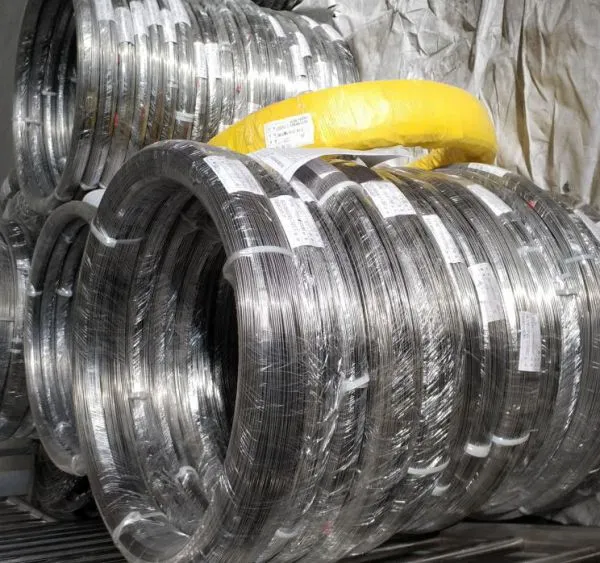
DT4C Electromagnetic Pure Iron Cold-Drawn Wire 0.5mm-6.0mm Diameter for TransformersNegotiableMOQ: 100 Kilograms
-
Industrial Pure Iron Bar for Electromagnetic Relay and Sensor ProductionNegotiableMOQ: 1 Ton
-
Electromagnetic Pure Iron Thin Sheet 0.3mm-0.8mm for Solenoid and Relay ManufacturingNegotiableMOQ: 500 Kilograms
-
Electrical Pure Iron Hot-Rolled Coil for Magnetic Components With Low Iron LossNegotiableMOQ: 1 Ton
-
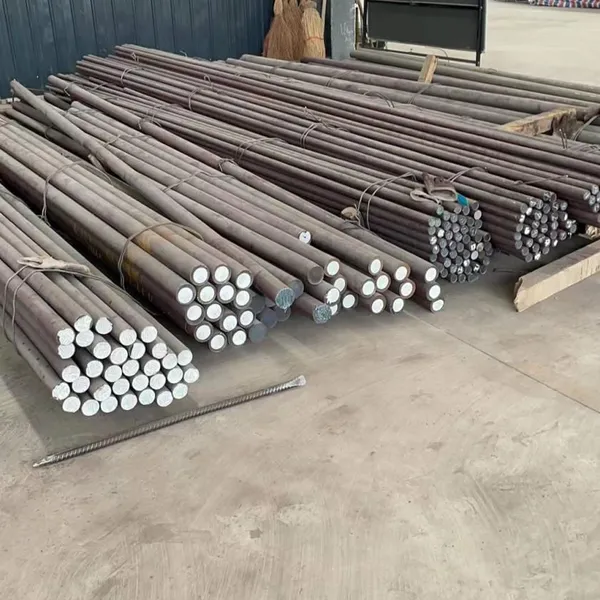
Low Carbon DT4C Pure Iron Round Bar With 99.8% Fe Content for Electrical ApplicationsNegotiableMOQ: 1 Ton
-
Cold Rolled Pure Iron Slit Coil DT4C Grade Ultra Low Carbon ≤0.004% for Magnetic ComponentsNegotiableMOQ: 1 Ton
-
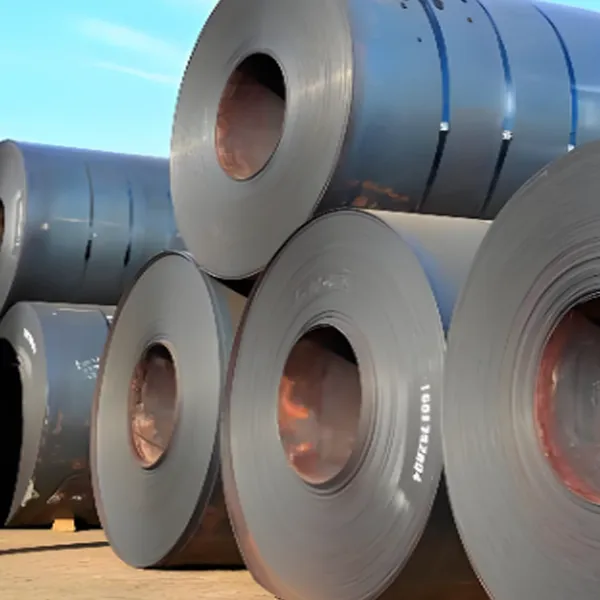
Low Iron Loss Electromagnetic Pure Iron Hot-Rolled Coil DT4C for Transformer CoresNegotiableMOQ: 1 Ton
-
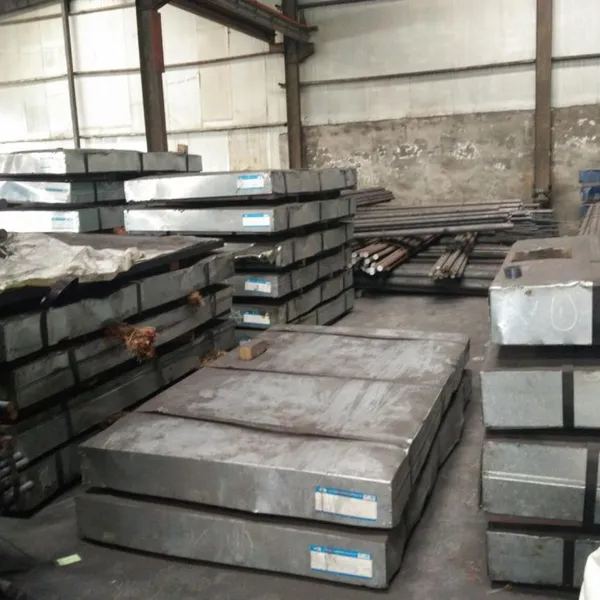
Soft Magnetic Pure Iron Sheet With Minimum Iron Loss for High-Efficiency MotorsNegotiableMOQ: 1 Ton
-
Electromagnetic Pure Iron Cold Rolled Coil DT4C for High Magnetic Permeability ApplicationsNegotiableMOQ: 1 Ton
-
Industrial Pure Iron Tube Superior Surface Quality Electromagnetic Pure Iron Tube for Welding and Plating ProcessesNegotiableMOQ: 1 Ton
-
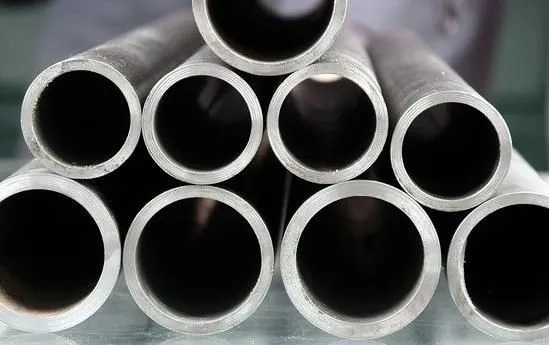
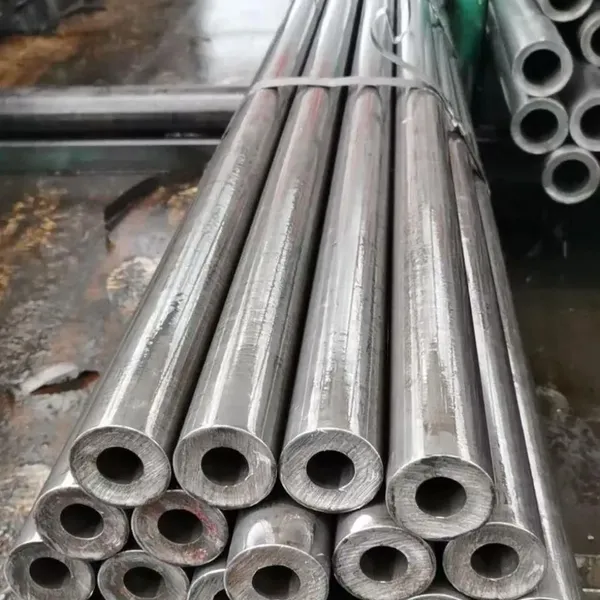
DT4 Seamless Pure Iron Tubing for High-Performance Electrical Equipment ApplicationsNegotiableMOQ: 1 Ton
-
DT4C Iron Wire Rod for Precision Magnetic Shielding ApplicationsNegotiableMOQ: 100 Kilograms
-
Industrial Pure Iron Fittings DT4 Pure Iron Seamless Tube With Low Hysteresis Loss for Electromagnetic SystemsNegotiableMOQ: 1 Ton
-
DT4C Cold Rolled Coil Slitting for Electrical Enclosure ManufacturingNegotiableMOQ: 1 Ton
-
Anti Rust Coated Pure Iron Square Bar Low Carbon Raw Material for Welding and Forging Magnetic PartsNegotiableMOQ: 100 Kilograms
-
DT4 Pure Iron Cold-Drawn Wire 0.5mm-6.0mm Diameter for Precision EngineeringNegotiableMOQ: 500 Kilograms