
 Business License

Chemical Composition Analysis: Low Carbon and Low Impurity Pure Iron Specifications
The difference between standard DT4 and premium DT4C pure iron comes down to a mere 0.021% carbon. That tiny variation? It can triple magnetic performance and determine whether your transformer core operates at peak efficiency or wastes energy through excess heat generation.
Understanding pure iron chemical composition is not just academic. Engineers selecting materials for electromagnetic applications, procurement managers evaluating supplier certificates, and quality control professionals verifying incoming stock all need to know exactly what those elemental percentages mean for real-world performance.
This guide delivers the complete chemical composition breakdown for low carbon pure iron grades. You will learn the precise specifications for DT4, DT4A, DT4E, and DT4C, understand how testing laboratories verify these compositions, and discover exactly which impurities matter most for your specific application.
What Defines "Pure" Iron? Understanding the Basics
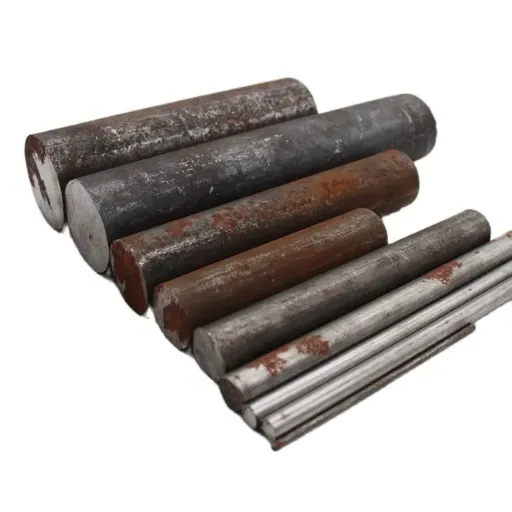
Pure iron is a nearly elemental form of iron containing minimal impurities, typically defined as having an iron content of 99.5% or higher by weight. While ordinary steel contains 0.2% to 2.1% carbon and cast iron contains 2% to 4%, pure iron keeps carbon below 0.025% and minimizes all other trace elements.
The distinction matters because impurities directly impact magnetic behavior. Carbon, sulfur, phosphorus, and other elements disrupt the crystal lattice structure that gives pure iron its exceptional soft magnetic properties. When these impurities exceed specified limits, coercivity increases, permeability drops, and core losses multiply.
Key Impurity Elements in Pure Iron
Element | Typical Range | Primary Impact |
|---|---|---|
Carbon (C) | 0.002% - 0.025% | Most critical for magnetic properties |
Silicon (Si) | 0.01% - 0.20% | Increases electrical resistivity |
Manganese (Mn) | 0.01% - 0.30% | Improves workability |
Phosphorus (P) | 0.002% - 0.020% | Increases brittleness |
Sulfur (S) | 0.002% - 0.020% | Causes hot cracking |
Aluminum (Al) | 0.15% - 0.50% | Controls grain size |
Want to see how these specifications translate to actual magnetic performance? Explore our complete DT4 grade specifications guide with detailed property comparisons.
The Critical Role of Carbon Content in Pure Iron
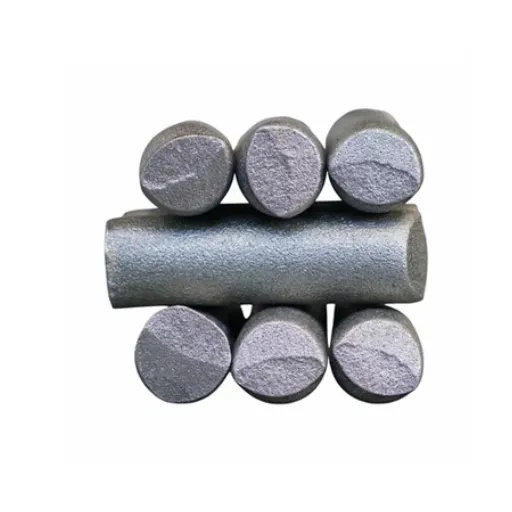
Carbon is the single most important impurity controlling pure iron performance. Even at concentrations measured in hundredths of a percent, carbon fundamentally alters how iron responds to magnetic fields.
Here is why carbon matters so much. When iron contains carbon, it forms microscopic iron carbide particles (cementite, Fe3C) dispersed throughout the metal matrix. These carbide particles act as barriers to magnetic domain wall movement. Domain walls are the boundaries between regions of uniform magnetization, and their easy movement is what makes soft magnetic materials "soft."
When carbide particles pin these domain walls, three problems occur:
Coercivity increases: More energy is required to magnetize and demagnetize the material
Hysteresis losses rise: Each magnetization cycle wastes more energy as heat
Magnetic aging occurs: Over time, carbides can precipitate and grow, causing properties to degrade
Consider this real scenario. A transformer manufacturer in Germany sourced DT4 pure iron from two different suppliers for identical core designs. Both suppliers claimed GB/T 6983-2008 compliance. However, laboratory analysis revealed Supplier A delivered material with 0.018% carbon while Supplier B delivered 0.008% carbon. The result? Cores from Supplier B ran 12% cooler under load and showed no magnetic aging after 5,000 hours of operation.
Magnetic Aging: The Hidden Cost of Carbon
Magnetic aging refers to the gradual deterioration of soft magnetic properties over time, primarily caused by carbon diffusion and carbide precipitation. This phenomenon is particularly problematic for equipment designed for decades of service.
High-purity grades like DT4E and DT4C minimize this risk through ultra-low carbon content combined with stabilizing heat treatments. For critical applications like MRI machines, aerospace components, and high-efficiency transformers, specifying the correct grade prevents costly failures.
DT4 Series Chemical Composition Specifications (GB/T 6983-2008)
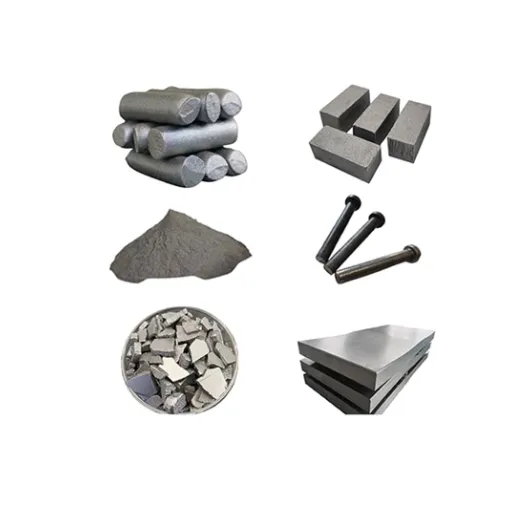
The Chinese National Standard GB/T 6983-2008 defines four grades of electromagnetic pure iron, each with progressively tighter composition controls and superior magnetic properties. Understanding these specifications enables proper grade selection for any application.
Complete Chemical Composition Comparison
Element | DT4 (Standard) | DT4A (Advanced) | DT4E (Extra) | DT4C (Super) |
|---|---|---|---|---|
Carbon (C) max | 0.025% | 0.025% | 0.015% | 0.004% |
Silicon (Si) max | 0.20% | 0.20% | 0.20% | 0.20% |
Manganese (Mn) max | 0.30% | 0.30% | 0.30% | 0.30% |
Phosphorus (P) max | 0.020% | 0.020% | 0.020% | 0.015% |
Sulfur (S) max | 0.020% | 0.020% | 0.020% | 0.010% |
Aluminum (Al) | 0.15-0.50% | 0.15-0.50% | 0.15-0.50% | 0.15-0.50% |
Chromium (Cr) max | 0.10% | 0.10% | 0.10% | 0.10% |
Nickel (Ni) max | 0.20% | 0.20% | 0.20% | 0.20% |
Copper (Cu) max | 0.20% | 0.20% | 0.20% | 0.20% |
Iron (Fe) min | 99.50% | 99.70% | 99.80% | 99.90% |
The progression from DT4 to DT4C shows a clear pattern. While most elements maintain consistent limits across grades, carbon content drops dramatically, and sulfur limits tighten for premium grades. This is not coincidental. Carbon and sulfur are the two elements most detrimental to soft magnetic performance, so controlling them delivers the greatest performance improvements.
Magnetic Properties by Grade
Chemical composition directly determines magnetic behavior. Here is how the grades compare in actual use:
Property | DT4 | DT4A | DT4E | DT4C |
|---|---|---|---|---|
Coercivity (Hc) max | 96 A/m | 72 A/m | 48 A/m | 32 A/m |
Max Permeability (μmax) min | 7.50 mH/m | 10.00 mH/m | 12.50 mH/m | 15.00 mH/m |
Core Loss (typical) | Higher | Moderate | Low | Very Low |
Notice the relationship. DT4C achieves coercivity values three times lower than standard DT4. This means DT4C requires one-third the energy to magnetize and demagnetize, translating directly to efficiency gains in transformers, motors, and electromagnetic devices.
International Standards Comparison
While GB/T 6983-2008 governs Chinese electromagnetic pure iron production, international buyers often need to cross-reference with ASTM, DIN, or JIS standards. Understanding these equivalents ensures material compatibility across global supply chains.
ASTM A848 (United States)
The American Society for Testing and Materials defines two grades of low-carbon magnetic iron:
Element | ASTM A848 Grade 1 | ASTM A848 Grade 2 |
|---|---|---|
Iron (Fe) min | 99.85% | 99.90% |
Carbon (C) max | 0.015% | 0.010% |
Sulfur (S) max | 0.010% | 0.003% |
Phosphorus (P) max | 0.015% | 0.005% |
Manganese (Mn) max | 0.10% | 0.06% |
ASTM A848 Grade 2 most closely approximates DT4C specifications, though with slightly different impurity limits. Grade 1 sits between DT4A and DT4E in terms of purity.
DIN 17405-RFe60U (Germany)
The German Industrial Standard specifies RFe60U for electromagnetic applications. This grade requires:
Iron content: minimum 99.80%
Carbon: maximum 0.020%
Silicon: maximum 0.20%
Specific magnetic properties matching DT4E grade performance
European manufacturers often specify RFe60U or its successor standards for high-efficiency transformers and precision instruments.
JIS C 2504 (Japan)
Japanese Industrial Standards define electromagnetic soft iron with requirements similar to GB/T 6983-2008. JIS-specified material typically targets DT4A to DT4E grade equivalence, with strong emphasis on consistent batch-to-batch properties for automated manufacturing.
Need electromagnetic pure iron meeting specific international standards? Contact our technical team for material certification and compliance documentation.
Chemical Composition Testing Methods
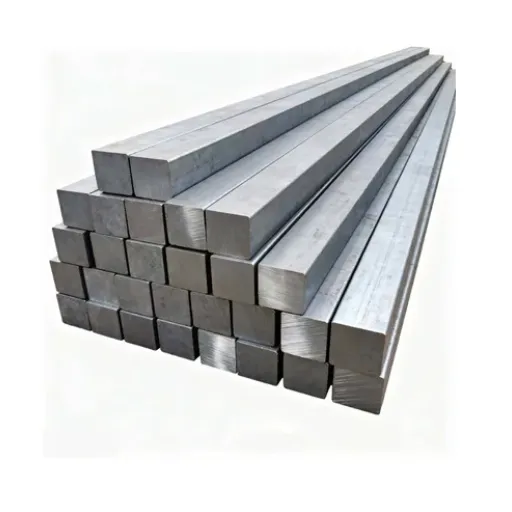
Verifying pure iron composition requires sophisticated analytical techniques capable of detecting trace elements at parts-per-million levels. Understanding these methods helps buyers evaluate supplier certificates and ensure material meets specifications.
ICP-OES: The Industry Workhorse
Inductively Coupled Plasma Optical Emission Spectrometry (ICP-OES) is the most widely used method for bulk chemical analysis of pure iron. This technique offers several advantages:
Multi-element capability: Simultaneously measures 20+ elements in a single analysis
Wide dynamic range: Detects concentrations from ppm to percentage levels
High precision: Reproducibility within 1-2% relative standard deviation
Established methodology: ASTM E1086 standardizes the procedure
The process involves dissolving a precisely weighed sample in acid, nebulizing the solution into an argon plasma at 10,000 Kelvin, and measuring the characteristic light emission from each element. Modern instruments can analyze a complete elemental suite in under 5 minutes.
Recent advances include non-weighing micro-reaction ICP-OES, which eliminates the weighing step using micro-samples and online analysis pumps. This reduces contamination risk and toxic waste while maintaining accuracy for elements like chromium, copper, and manganese.
GDMS: For Ultra-Trace Analysis
Glow Discharge Mass Spectrometry (GDMS) provides the most comprehensive impurity survey for high-purity iron certification. This technique excels at:
Full elemental coverage: Detects all elements from lithium to uranium
Parts-per-billion sensitivity: Identifies contaminants at ppb levels
Minimal sample preparation: Analyzes solid samples directly
Depth profiling: Can characterize surface vs. bulk composition
GDMS operates by sputtering atoms from the sample surface using an argon plasma, then ionizing and separating them by mass-to-charge ratio. For 99.95%+ pure iron, GDMS is often the only technique capable of verifying all impurity limits.
LIBS: Rapid Non-Destructive Screening
Laser-Induced Breakdown Spectroscopy (LIBS) offers unique advantages for field and production-line testing:
Speed: Results in seconds, not minutes
Non-destructive: No sample consumption
Portable: Handheld units available for incoming inspection
Surface sensitive: Detects contamination and coating issues
Advanced LIBS systems use reference spectrum subtraction to isolate impurity signals from the dominant iron matrix. This enables detection of silicon, magnesium, and calcium at sub-ppm levels without sample preparation.
Gas Element Analysis
Carbon, sulfur, oxygen, nitrogen, and hydrogen require specialized techniques:
Element | Method | Detection Limit |
|---|---|---|
Carbon | Combustion/IR detection | 1 ppm |
Sulfur | Combustion/IR detection | 1 ppm |
Oxygen | Inert gas fusion | 1 ppm |
Nitrogen | Inert gas fusion | 1 ppm |
Hydrogen | Inert gas fusion | 0.1 ppm |
Instruments like the LECO CS844 (for C/S) and ONH836 (for O/N/H) are industry standards. These devices heat samples in a graphite crucible or inert atmosphere, converting gas-forming elements to CO2, SO2, N2, or H2 for quantitative measurement.
Interpreting Mill Test Reports
When reviewing supplier certificates of analysis, verify these critical elements:
Test method identification: Should reference ASTM, GB/T, or ISO standard numbers
Detection limits: Ensure reported values are above the method's lower detection limit
Traceability: Look for accreditation to ISO/IEC 17025
Batch identification: Certificate must reference the specific heat or lot number
Specification compliance: Values should be compared against relevant grade limits
Red flags include certificates without laboratory accreditation, missing traceability information, or suspiciously consistent values across multiple batches.
How Impurities Impact Magnetic Performance
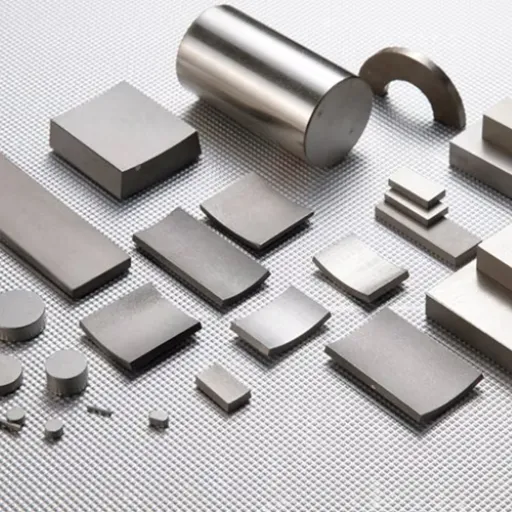
Understanding the relationship between composition and properties enables informed material selection. Each impurity element affects pure iron behavior through distinct metallurgical mechanisms.
Carbon: The Primary Concern
Carbon's impact on magnetic properties is disproportionate to its concentration. Research demonstrates that reducing carbon from 0.025% to 0.004% decreases coercivity by approximately 67% and increases maximum permeability by 100%.
The mechanism involves domain wall pinning. Carbon forms iron carbide (Fe3C) precipitates that obstruct domain boundary movement. During magnetization cycles, domain walls must repeatedly break free from these pinning sites, dissipating energy as heat.
For AC applications, this translates to measurable core losses. A transformer core built from DT4 might lose 3.5 W/kg at 1.5 Tesla and 50 Hz, while an equivalent DT4C core loses only 1.2 W/kg. Over a 20-year service life, this efficiency difference saves thousands of dollars in electricity costs.
Sulfur and Phosphorus: The Harmful Twins
Sulfur and phosphorus are universally considered undesirable in pure iron, though they behave differently:
Sulfur forms iron sulfide (FeS), which has a low melting point and causes hot cracking during processing. In the final product, sulfur inclusions create stress concentrations that impede domain wall movement. Premium grades like DT4C specify maximum 0.010% sulfur compared to 0.020% for standard grades.
Phosphorus increases strength and hardness but reduces ductility. While some applications benefit from phosphorus in steel, electromagnetic pure iron requires minimal phosphorus to maintain soft magnetic properties. DT4C specifications limit phosphorus to 0.015% maximum.
Silicon: A Double-Edged Sword
Silicon occupies a unique position in pure iron metallurgy. At low concentrations (0.15-0.20%), silicon acts as a deoxidizer and grain refiner. At higher concentrations, it provides genuine benefits for AC applications.
Adding 1-3% silicon increases electrical resistivity, which reduces eddy current losses in alternating magnetic fields. This is why silicon steel (electrical steel) dominates power transformer applications despite lower saturation flux density than pure iron.
However, for DC or low-frequency electromagnetic applications, silicon above 0.20% offers no benefit and slightly reduces saturation magnetization. GB/T 6983-2008 maintains the 0.20% silicon limit across all DT4 grades to optimize DC performance while maintaining some grain control benefits.
Trace Elements: Chromium, Nickel, and Copper
Trace elements from raw materials and processing equipment accumulate in pure iron at ppm to hundredths-of-percent levels. While individual impacts are smaller than carbon, cumulative effects matter for premium applications.
Chromium: Improves corrosion resistance but slightly increases coercivity
Nickel: Stabilizes austenite but is generally neutral for magnetic properties
Copper: Can improve conductivity but is typically minimized in electromagnetic grades
DT4 series specifications limit each of these elements to 0.10-0.20% maximum, ensuring consistent performance regardless of minor variations in ore sources or processing conditions.
Selecting the Right Grade for Your Application
Choosing between DT4, DT4A, DT4E, and DT4C requires balancing performance requirements, cost constraints, and manufacturing considerations. This decision matrix guides proper selection.
Application-Based Grade Selection
Application | Recommended Grade | Rationale |
|---|---|---|
Standard distribution transformers | DT4 | Cost-effective, adequate performance for 50/60 Hz operation |
Automotive sensors and solenoids | DT4A | Balance of magnetic softness and cost |
Precision instrument cores | DT4E | Low coercivity ensures measurement accuracy |
MRI machine magnets | DT4C | Ultra-low losses critical for cryogenic systems |
NdFeB magnet production | DT4E/DT4C | Prevents contamination of final magnet composition |
Aerospace actuators | DT4C | Reliability requirements justify premium grade |
Relay cores (general purpose) | DT4A | Fast response requires moderate coercivity |
Particle accelerator components | DT4C | Scientific precision demands maximum purity |
When Ultra-Low Carbon Matters Most
Specifying DT4C or DT4E becomes essential when:
Operating frequencies exceed 400 Hz: Higher frequencies amplify core loss differences
Temperature rise must be minimized: Medical equipment and aerospace applications
Magnetic aging cannot be tolerated: Decades-long service life requirements
Precision is paramount: Scientific instruments and measurement equipment
Energy efficiency is critical: Renewable energy systems and high-efficiency motors
Consider the case of a wind turbine manufacturer selecting core material for a new 5 MW generator. Initial testing with DT4 showed acceptable performance at rated load, but efficiency dropped 2% during low-wind operation when core losses dominated. Switching to DT4E recovered that efficiency, adding an estimated $15,000 annual value per turbine over a 25-year design life.
Unsure which grade matches your application requirements? Download our grade selection reference card or speak with our technical specialists for personalized guidance.
Sourcing Considerations and Quality Verification
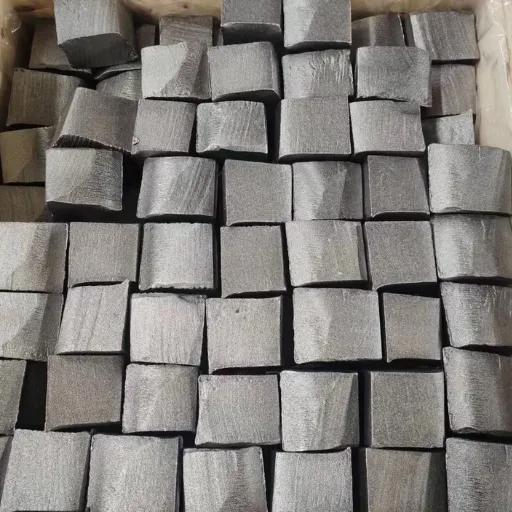
Specifying the correct grade is only the first step. Ensuring suppliers actually deliver material meeting those specifications requires vigilance and verification.
Verifying Supplier Composition Claims
Reputable pure iron suppliers provide comprehensive documentation including:
Mill Test Certificates (MTC) detailing:
Heat number and batch identification
Complete chemical composition analysis
Mechanical property test results
Magnetic property verification (for electromagnetic grades)
Standard compliance statements (GB/T, ASTM, etc.)
Third-Party Verification options include:
Independent laboratory analysis of sample material
Witnessed testing at supplier facility
Pre-shipment inspection by accredited agencies
Statistical process control documentation
Batch-to-Batch Consistency
Even within specification limits, batch-to-batch variation can cause manufacturing issues. Consistent grain size, inclusion content, and magnetic properties enable predictable stamping, machining, and heat treatment processes.
Leading suppliers implement statistical process control, monitoring composition trends and adjusting furnace practices to maintain tight distributions within specification bands. When evaluating suppliers, request coefficient of variation data for key elements like carbon and sulfur across recent production.
The Shanxi Origin Advantage
Shanxi Province sits at the heart of China's pure iron production ecosystem, home to TISCO (Taiyuan Iron and Steel) and in close proximity to Baosteel operations. This geographic concentration provides sourcing advantages:
Fresh stock: Material spends less time in transit and storage, reducing surface oxidation and contamination risk
Direct mill relationships: Agency status with major producers ensures access to prime material and technical support
Processing expertise: Regional knowledge of pure iron handling, cutting, and heat treatment optimizes material properties
Logistics efficiency: Consolidated shipping from China's steel belt reduces lead times and transportation costs
At Shanxi Jurun Technology, we maintain year-round inventory of all DT4 grades, with every batch accompanied by mill test certificates and optional third-party verification. Our direct agency relationships with TISCO and Baosteel ensure specification compliance and technical support access.
Conclusion: Making Informed Composition Decisions
Chemical composition is the foundation of pure iron performance. The progression from DT4 to DT4C demonstrates how controlling carbon and other impurities transforms a basic industrial material into a precision-engineered component capable of meeting the most demanding electromagnetic applications.
Key takeaways for your next specification:
Carbon content below 0.010% is essential for high-efficiency AC applications
Sulfur and phosphorus limits directly impact manufacturing yield and final product reliability
Testing method matters: ICP-OES for routine analysis, GDMS for ultra-high purity certification
Grade selection should balance performance requirements with cost constraints
Supplier verification through mill certificates and third-party testing protects against off-specification material
Whether you are designing a new transformer, sourcing material for NdFeB magnet production, or verifying incoming stock quality, understanding these composition specifications enables better decisions and better outcomes.
Ready to source DT4 series pure iron with guaranteed composition compliance? Request a quote with your specific grade requirements, or download our complete specifications guide for detailed technical data on all pure iron grades.
Our technical team stands ready to help you select the optimal grade for your application and provide the documentation you need for quality assurance and regulatory compliance.
Recently Posted
-
Industrial Pure Iron vs. Armco Iron: Terminology, History, and Modern Equivalents
September 2, 2026Not long ago, a European motor manufacturer opened an aging drawing for a magnetic shielding housing and found the material callou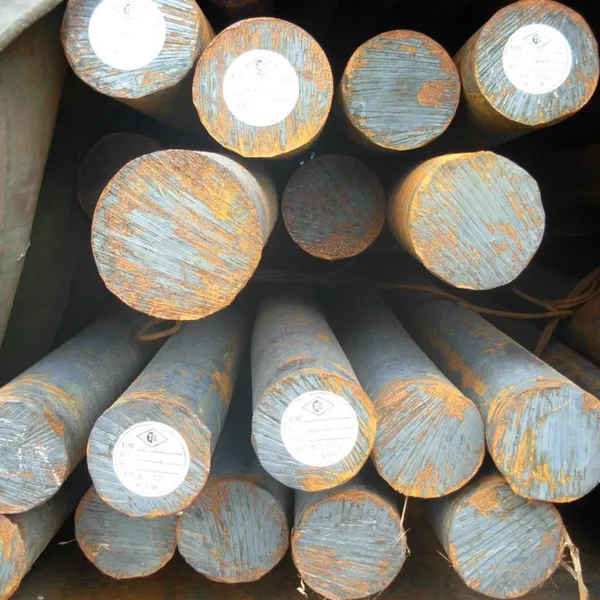 Read More
 -
Shanxi Jurun Technology: Your Electromagnetic Pure Iron Partner from Taiyuan, China's Pure Iron Prod
August 14, 2026When an international buyer searches for electromagnetic pure iron, they are not just looking for a material. They are looking for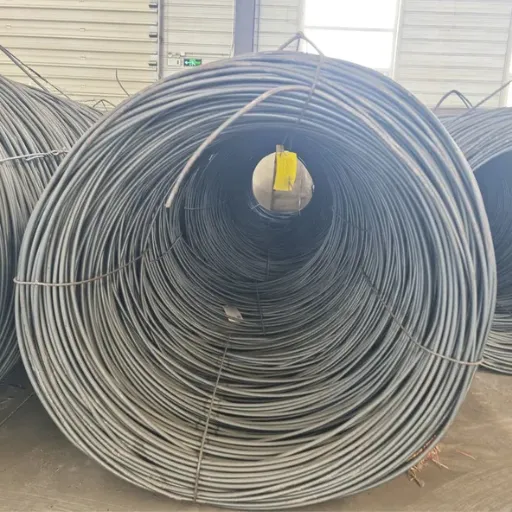 Read More
 -
Cold Drawing Process for Electromagnetic Pure Iron Wire: How Wire Rod Becomes Precision Cold-Drawn W
August 13, 2026Not long ago, a solenoid valve manufacturer in Italy received a shipment of 5.5 mm electromagnetic pure iron cold-drawn wire inten Read More
 -
How to Choose a Food Vacuum Sealer Supplier in China: 8 Evaluation Criteria
August 13, 2026An e-commerce brand owner in the UK contacted us some time ago after a supplier relationship fell apart. They had sourced roughly Read More

Contact Us
Recommended Products
-
 Seamless Tube With Good Cold Electrical Pure Iron Fittings Hot Workability for Forming Fittings and ConduitsNegotiableMOQ: 1 Ton
 -
Electromagnetic Pure Iron Forging for Automotive Sensor ManufacturingNegotiableMOQ: 100 Kilograms
-
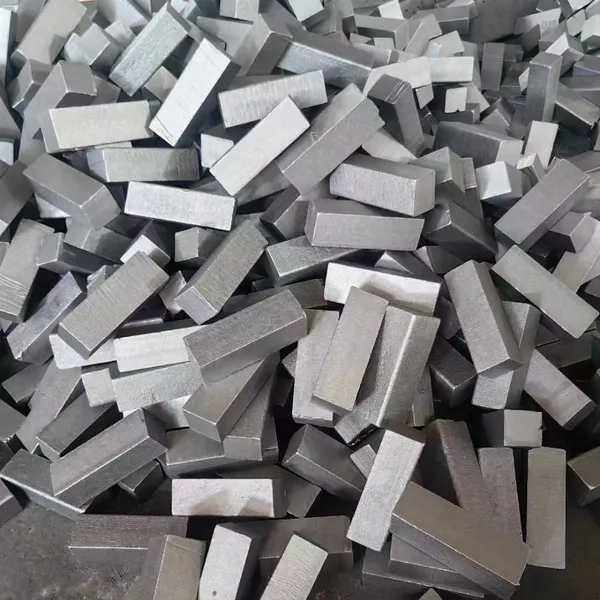
Precision Cut Pure Iron Square Bar High Saturation Induction Raw Material for Generator and RotorNegotiableMOQ: 100 Kilograms
-
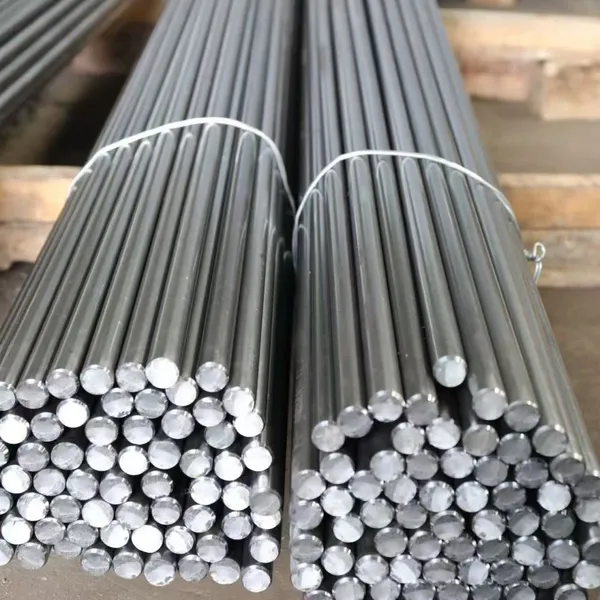
DT4C Super Grade Electromagnetic Pure Iron Bright Bar With Bundle Weight 30-100kg for Easy TransportationNegotiableMOQ: 1 Ton
-
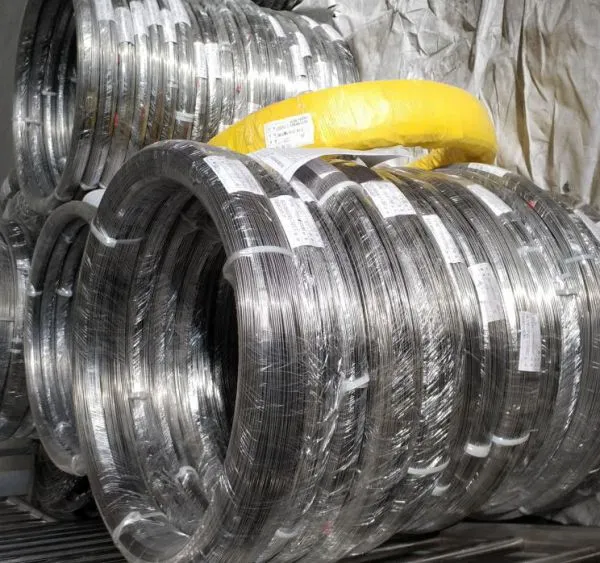
DT4C Electromagnetic Pure Iron Cold-Drawn Wire 0.5mm-6.0mm Diameter for TransformersNegotiableMOQ: 100 Kilograms
-
Industrial Pure Iron Bar for Electromagnetic Relay and Sensor ProductionNegotiableMOQ: 1 Ton
-
Electromagnetic Pure Iron Thin Sheet 0.3mm-0.8mm for Solenoid and Relay ManufacturingNegotiableMOQ: 500 Kilograms
-
Electrical Pure Iron Hot-Rolled Coil for Magnetic Components With Low Iron LossNegotiableMOQ: 1 Ton
-
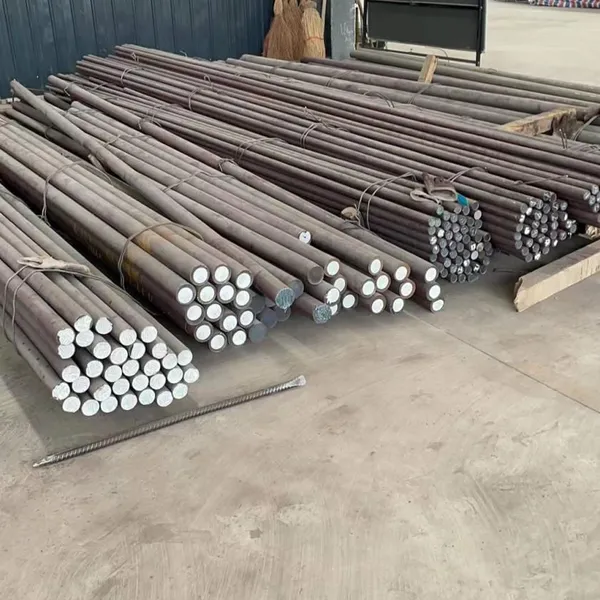
Low Carbon DT4C Pure Iron Round Bar With 99.8% Fe Content for Electrical ApplicationsNegotiableMOQ: 1 Ton
-
Cold Rolled Pure Iron Slit Coil DT4C Grade Ultra Low Carbon ≤0.004% for Magnetic ComponentsNegotiableMOQ: 1 Ton
-
Low Iron Loss Electromagnetic Pure Iron Hot-Rolled Coil DT4C for Transformer CoresNegotiableMOQ: 1 Ton
-
Soft Magnetic Pure Iron Sheet With Minimum Iron Loss for High-Efficiency MotorsNegotiableMOQ: 1 Ton
-
Electromagnetic Pure Iron Cold Rolled Coil DT4C for High Magnetic Permeability ApplicationsNegotiableMOQ: 1 Ton
-
Industrial Pure Iron Tube Superior Surface Quality Electromagnetic Pure Iron Tube for Welding and Plating ProcessesNegotiableMOQ: 1 Ton
-
DT4 Seamless Pure Iron Tubing for High-Performance Electrical Equipment ApplicationsNegotiableMOQ: 1 Ton
-
DT4C Iron Wire Rod for Precision Magnetic Shielding ApplicationsNegotiableMOQ: 100 Kilograms
-
Industrial Pure Iron Fittings DT4 Pure Iron Seamless Tube With Low Hysteresis Loss for Electromagnetic SystemsNegotiableMOQ: 1 Ton
-
DT4C Cold Rolled Coil Slitting for Electrical Enclosure ManufacturingNegotiableMOQ: 1 Ton
-
Anti Rust Coated Pure Iron Square Bar Low Carbon Raw Material for Welding and Forging Magnetic PartsNegotiableMOQ: 100 Kilograms
-
DT4 Pure Iron Cold-Drawn Wire 0.5mm-6.0mm Diameter for Precision EngineeringNegotiableMOQ: 500 Kilograms