
 Business License

Pure Iron Slabs: Industrial Applications and Processing Guide
Liu Wei had to choose between pure iron slabs, billets, and blooms for a new program for solenoid valve cores in his foundry. The only difference separating one form from the other would amount to cost, minimum order quantity (MOQ), and processing needs. Choosing the wrong starting-material type would either yield an excessive amount of trash produced during machining or too little material to forge a die.Find more info now.
Iron pure slabs are essentially one of the forgotten elements in the supply chain of electromagnetic materials. From intermediary steel products, slabs truly represent the backbone for the end number of components powering modern industries. Beginning from transformer cores to forged box-built relay components, the very slabs are the basic stock of raw materials affecting the end-class of products.
This guide will provide everything you need to know about pure iron slabs: what they are, how they are made, existing grades and specifications, and where on the slab form spectrum to choose when dealing with gettering materials. This information will also help in evaluating slab quality, processing options, and sources of slab materials.
What Are Pure Iron Slabs?
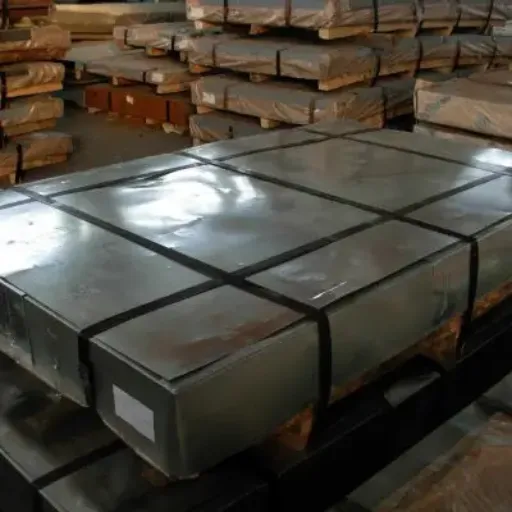
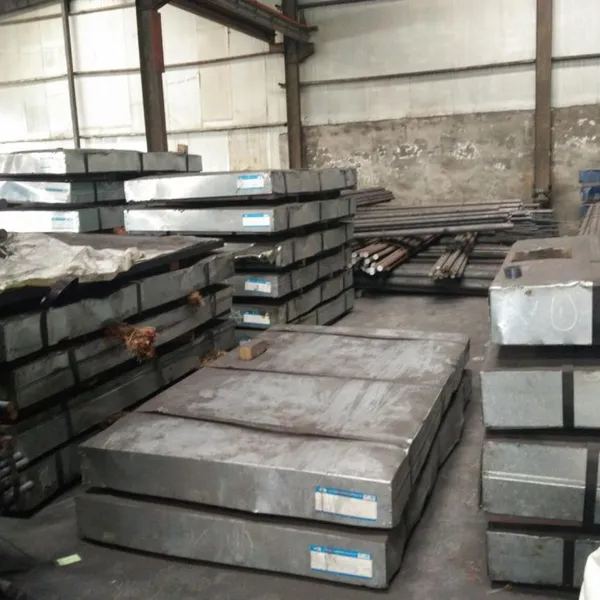
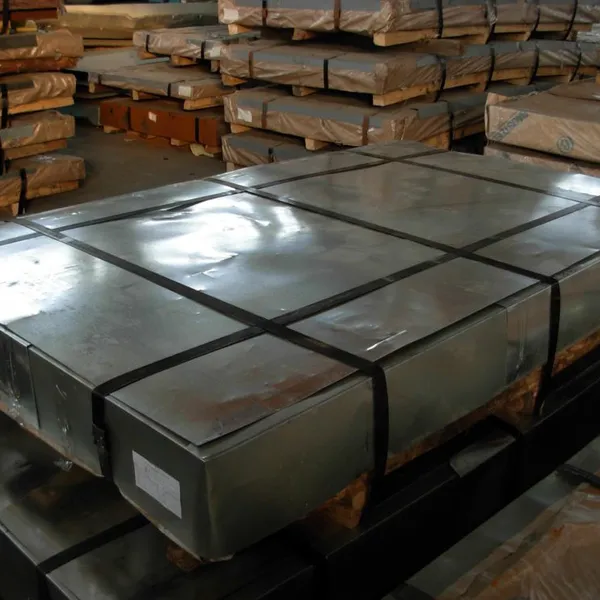
A slab of refined iron is an unfinished steel product produced by a process under continuous or ingot casting depending on the purity of the iron that is usually ≥99.5%. Its roles are that of a starting laboratory for the conversion of finished yet electric components.
Key Characteristics
Physical Dimensions:
Thickness: 150-300mm (commonly 200-250mm)
Width: 1,000-2,500mm (commonly 1,250-2,000mm)
Length: 4,000-12,000mm (commonly 6,000-10,000mm)
Weight: 5-40 tonnes per slab (commonly 15-25 tons)
Material Properties:
Iron content: 99.5% or higher
Carbon content: 0.015% or lower in the DT4C grade
≤0.015% sulfur
≤0.035% phosphorus
Controlled content of aluminum (0.15-0.50%)
Homogenous grain structure
Surface Condition:
As-cast surface with potential conditioning
Oscillation marks due to the continuous casting process may be present
Surface quality versus subsequent processing
Slab vs Billet vs Bloom Comparison
Understanding the differences between semi-finished steel forms helps procurement teams select the right feedstock:
| Form | Cross-Section | Typical Size | Primary Applications |
|---|---|---|---|
| Slab | Rectangular, wide | 150-300mm thick, 1-2m wide | Plates, coils, wide forgings |
| Billet | Square or round | 100-200mm square | Bars, rods, wire, small forgings |
| Bloom | Square or rectangular | 200-400mm square | Structural sections, large forgings |
Advantages of Silling:
Transformer core plate and slabs (wide flat products)
Larger forged parts that require substantial amounts of material
Applications that benefit from directional rolling properties
Continuous processing in large numbers
Uniform properties of the cross section for products
Advantages of Billet:
Bars and rods (long products)
Forged components of small to medium dimensions
Draw-wire applications
Applications in which the cost is a crucial factor, with smaller cross-sections
Manufacturing Process
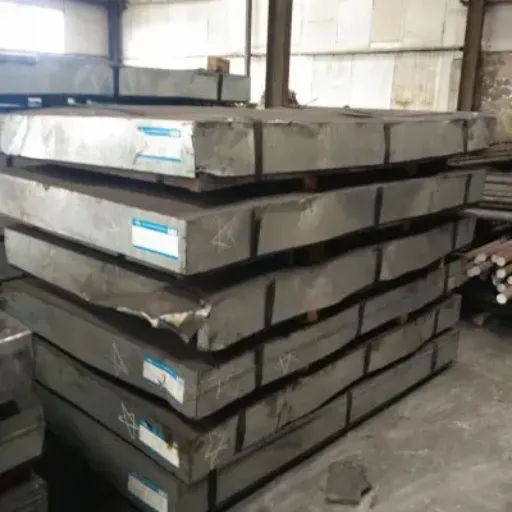
The production of pure iron slabs involves sophisticated metallurgical processes designed to achieve ultra-low impurity levels and uniform material properties.
Steelmaking and Refining
Ways of Primaries Production:
Methods based on electric arc furnace (EAF) or basic oxygen furnace (BOF) technologies are usually used for modern manufacture of pure iron, followed by severe refining steps that lead to achieve electromagnetically pure grades.
Selection of Row Materials:
Iron ore with high purity or direct reduced iron
Big cuccurs of low-carbon steel (clsesly selected.)
Ferroalloys to adjust impurities
Aluminum for deoxidation and grain control
Process: Refining Steps:
Melting: Charge materials melted in EAF or BOF.
Oxidation: Reduce carbon, silicon, and other elements.
Vacuum degassing: Molten steel subjected to vacuum treatment to remove hydrogen and achieve ultra-low carbon content.
Argon stirring: Helps the chemical homogenization and inclusion flotation.
Ladle Metallurgy: Final touches in chemistry and temperature.
Critical Chemistry Targets for DT4C:
| Element | Target Value | Maximum Limit |
|---|---|---|
| Carbon (C) | <0.004% | ≤0.015% |
| Silicon (Si) | <0.020% | ≤0.20% |
| Manganese (Mn) | <0.20% | ≤0.30% |
| Phosphorus (P) | <0.010% | ≤0.020% |
| Sulfur (S) | <0.005% | ≤0.020% |
| Aluminum (Al) | 0.20-0.40% | 0.15-0.50% |
| Iron (Fe) | Balance | ≥99.5% |
Achieving these ultra-low impurity levels requires precise process control and advanced refining technology. The carbon content, in particular, must be carefully managed as it directly affects magnetic coercivity.
Continuous Casting Process
Continuous casting turns liquid steel into solid steel sheets according to a whole, clear-cut procedure.
Procedure:
Tundish Transfer: Pure molten steel flows from the ladle to the tundish (interim container)
Mold Filling: Steel flows into a copper mold through a submerged entry nozzle
Shell Formation: The shell solidifies on the mold's inside wall while the core region continues to be molten
Withdrawal: The partially solidified strand is continuously pulled from the mold
Secondary Cooling: Cool water is sprayed on the strand to finally solidify it
Cutting: The solidified strand is cutoff to required sizes
Cooling and Marking: The slabs stay at the slab yard and get identification markings
Quality Control Parameters:
Geothermal densities: Generally, 0.8-1.5 mpm; one can adjust as to the cross-section Mold Line Height: It maintains a specified level of steel debt within ±3mm; this is important for surface quality.
Secondary Cooling: Continuous spray onto the surface to prevent cracks.
Cooling rate: Must be less than 5°C/h while avoiding internal cracking.
Slag: Lubricates the mold wall and protects the surface of the molten steel.
Common Defects and Prevention:
| Defect Type | Cause | Prevention |
|---|---|---|
| Longitudinal cracks | Uneven cooling, mold level fluctuation | Stable casting parameters |
| Transverse cracks | Low straightening temperature | Temperature monitoring |
| Internal cracks | Excessive strain during straightening | Controlled withdrawal |
| Center segregation | Solute redistribution during solidification | Electromagnetic stirring |
| Inclusions | Slag entrapment, refractory erosion | Clean steel practice |
Quality Control and Testing
Intensive quality control ensures that all slabs are electromagnetic grade.
Chemical Analysis:
Spectrometric analysis--one for each heat submitted for testing.
Assurance of critical elements such as C, Si, Mn, P, S, and Al.
Carbon is critically analyzed for magnetic purposes.
Non-Destructive Testing:
Ultrasonic Testing (UT): Detects internal defects such as cracks, inclusions, and porosity.
Eddy Current Testing: Identifies surface and near-surface defects.
Visual Inspection: Detects surface cracks, scabs, and other visible defects.
Destructive Testing (Sample Basis):
Macroetch Examination: Detects segregation tendency and internal structure.
Tensile Test: Examines mechanical properties considered for some applications.
Microstructure Analysis: Investigates grain size and inclusions.
Surface Conditioning
Surface vices must be taken out before further operations:
Methods of Conditioning:
Manual Scarving: Manual skilled workers take away the defects with the help of their experience using chisels and grinders.
Auto Grinding: Grinding for consistent conditioning of the surfaces
Peeling: Rotary cutting removes the outer skin.
Shot Blasting: Mechanical method of cleaning to remove scale from the tops
Standards of Conditioning:
The depth of the defect shall not exceed 5% of thickness.
Ra for surface roughness should be less than 25m after conditioning.
No cracks or sharp notches are allowed.
Grades and Specifications
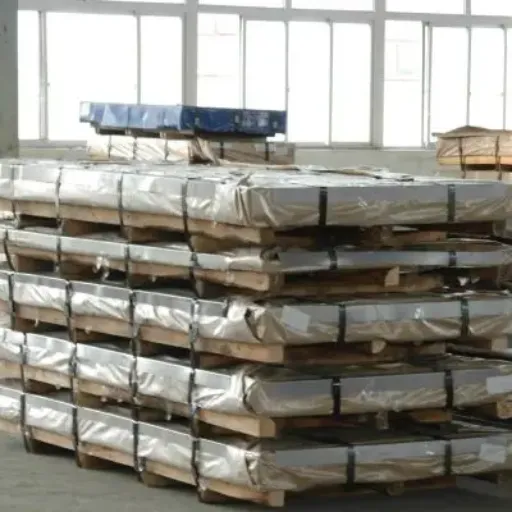
Pure iron slabs are available in several grades, each optimized for specific electromagnetic applications.
DT4 Series Grades
The DT4 series represents the standard grades of electromagnetic pure iron, with increasing magnetic performance from DT4 to DT4C.
| Grade | Coercivity (A/m) | Max Permeability | Carbon Max | Applications |
|---|---|---|---|---|
| DT4 | ≤96 | ≥7,500 | ≤0.025% | General industrial, cost-sensitive |
| DT4A | ≤72 | ≥10,000 | ≤0.020% | Higher performance motors |
| DT4E | ≤48 | ≥12,500 | ≤0.015% | Precision transformers |
| DT4C | ≤32 | ≥15,000 | ≤0.015% | Premium electromagnetic components |
Grade Selection Criteria:
DT4: Appropriate when requirements are of moderate magnetic strength and cost is a main concern
DT4A: Moderate performance capability at reasonable cost for general electrical application
DT4E: Suggested for fine precision apparatus and other instances where extremely high demand is placed on magnetic quality
DT4C: Absolutely mandatory for any high-quality transformer, relay, and scientific application
Key Point: Any decrease in coercivity will ultimately lead to an increase in the amount of magnetization. The coercivity of DT4C is ≤32 mA/m (250 oersted), i.e., up to 1/3 magnetization force needed in Comparison to normal DT4.
DT8 and DT9 Ultra-High Purity Grades
For the most demanding applications, ultra-high purity grades offer superior magnetic properties:
| Grade | Coercivity (A/m) | Max Permeability | Carbon Max | Applications |
|---|---|---|---|---|
| DT8 | ≤24 | ≥20,000 | ≤0.015% | High-precision instruments |
| DT9 | ≤16 | ≥25,000 | ≤0.010% | Scientific instruments, aerospace |
The following are influential elements in the unusual qualities of the grades:
Carbon content usually not beyond 0.008%.
Protracted degassing under vacuum
Regulated assignment of aluminum
Specified practices from the practice of annealing
Aided by:
Possibility in order to use elements inside electron microscope components
Use in particle accelerator magnets
In conjunction with precision current transformers
Refinement and application in electromagnetic systems for the aerospace industry
With other scientific measurement instruments
Chemical Composition Requirements
All DT-series grades are required by the specification standard GB/T 6983/2008 to meet strict limitations in respect to chemical composition:
General Requirements
Iron (Fe): ≥99.5%
Silicon (Si): ≤0.20%
Manganese (Mn): ≤0.30%
Phosphorus (P): ≤0.020%
Sulfur (S): ≤0.020%
Aluminum (Al): 0.15-0.50%
Grade-Specific Carbon Specifications
DT4: ≤0.025%
DT4A: ≤0.020%
DT4E: ≤0.015%
DT4C: ≤0.015%
DT8: ≤0.015%
DT9: ≤0.010%
The aluminum content performs two functions: deoxidation during steelmaking and grain size control during annealing. Moderate aluminum levels (preferably 0.20-0.40%) support good grain growth during heat treatment, enhancing magnetic permeability as a direct result.
Applications by Industry
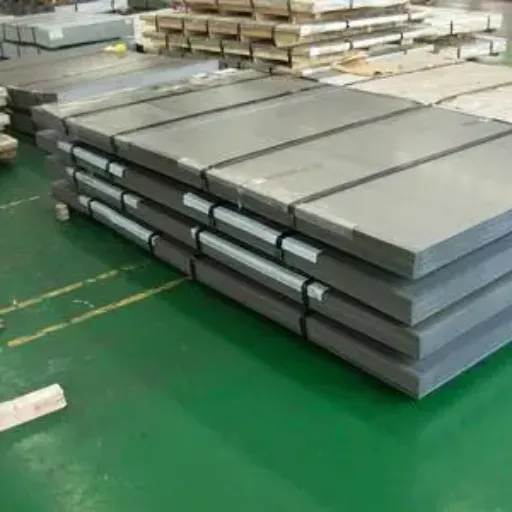
Pure iron slabs serve as the foundation for electromagnetic components across multiple industries.
Transformer Core Production
Processing Route:
Slab → Hot Rolling → Coil/Plate → Slitting → Punching → Stacking → Core Assembly
Slab Specifications:
Thickness: 200-250mm for efficient rolling to final gauge
Width: Matched to rolling mill capacity and final coil requirements
Grade: DT4C for high-efficiency transformers; DT4E for precision instrument transformers
Key Considerations:
Grain orientation: Hot rolling develops texture that affects magnetic properties
Thickness control: Final lamination thickness (0.23-0.50mm) depends on slab reduction ratio
Surface quality: Clean slab surface prevents inclusions in thin final product
The Real-World Impact:
The engineering group at a major transformer maker in Jiangsu had made a noticeable difference by making the leap from common electrical steels to DT4C pure irons for transformers. Their current transformers had already obtained a 0.5% accuracy class, which they raised to attain a 0.2% accuracy class following the optimization of the rolling and annealing conditions for the new material choice. Quite obvious that the organization saw the increased initial costs of the new material compensated for by the cuts in warranty charges and a sales market open to satisfying the premium segment.
Motor and Generator Manufacturing
Processing Route:
Slab → Hot Rolling → Plate/Coil → Stamping → Stacking → Core Assembly
Application:
Industrial motors lamination
Field cores generator
Servo motor magnetic circuits
Automotive starter elements
Grade selection:
1. Standard motors: DT4 or DT4A for desirable performance.
2. High efficiency motors: DT4C for the reduction of losses.
3. Servo motors: DT4C or DT8 for quicker response and precision.
Design considerations:
1. Lamination thickness: 0.50 mm typical for motors (thicker than transformers)
2. Stacking factor: The quality of the slab will deter- mine the final core density.
3. Punching characteristics: The quality of the material purity will affect the tool life and edge quality.
Forging Feedstock
Pure iron slabs provide excellent feedstock for forged electromagnetic components.
Processing Route:
Slab → Cutting → Heating → Forging → Heat Treatment → Machining → Finished Part
Forged Components Commonly Found in the Industry:
Core designs for solenoid valves
Plungers and armatures for relays
Poles for electromagnets
Large motor field coils
Magnetic separator components
Slab Advantages:
Cross-section vital to uniform heating
Surface significance-the scaleless periphery facilitates fantastic alloy surface finish, gorgeous to the eyes, and minimizes defects
Very thick slabs finish parts quickly (especially more massive lots)
The alloy content of the raw material is essential in producing more acceptable characteristics for forging
Critical Process Points:
Ductility decreases radically with the onset: Low and high temperatures cause precipitation of microstructures on grain boundaries: A mix of high and low mechanical properties is quite typical up to a lower critical temperature of about 500 degrees Celsius. Later forging must be done either: over 850 degrees Celsius or avoiding 500-800 degrees Celsius as upper-lower limits
Restoration of magnetic strength reduced by in-process cold works due to post-forged annealing, invariably necessary. Without annealing, the rate of coercivity thereafter is 20-40% higher while there is a fall of 15-25% in terms of relative permeability!
General Fabrication
Besides the traditional electromagnetic applications, the pure iron slabs serve for our varied fabrication requirements:
Magnetic Shielding:
MRI room shield plating
Equipment enclosures to shield sensitive electronics
Magnetic flux return paths for high field application
Research and Development:
Materials for prototype magnetic circuits
Test specimens for magnetic property research
Calibration standards for magnetic materials testing
Specialised Applications:
Pole pieces for electromagnets
Beam focusing elements for particle accelerators
Magnetic bearing components
Instrumentation components
Processing from Slab to Product
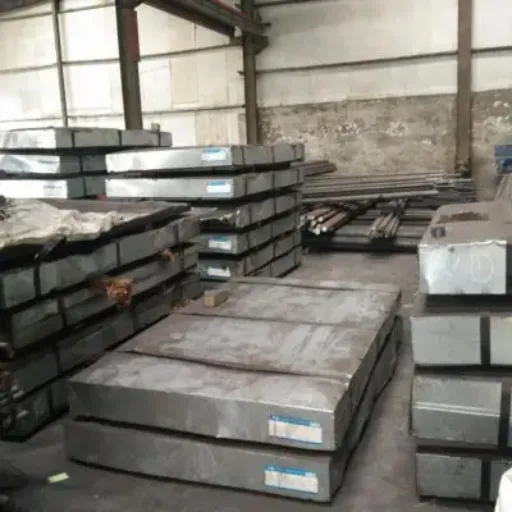
Understanding the transformation from slab to finished product helps procurement teams specify appropriate starting material.
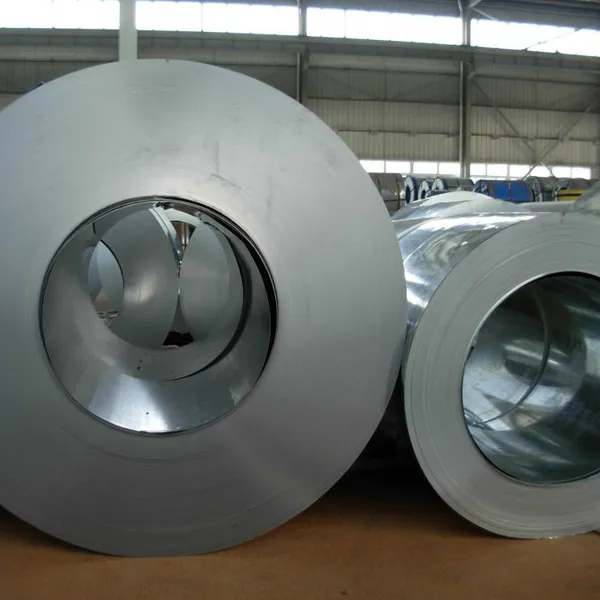
Hot Rolling to Coil or Plate
During hot rolling, the slab is made thinner using its grain structure as itsing material for its magnetic properties.
Sequence of Operations:
Reheating: Slabs are reheated to 1,100-1,250°C in a walking beam furnace or pusher furnace
Descaling: Water under high pressure is used to remove surface oxide scale
Roughing: Initial reduction is 200mm to 20-40mm in multiple passes
Finishing: Final rolling for target thickness of 1.0-20mm
Cooling: Controlled Cooling on the Runout Table or coiling Coiling/Shearing: Coils for strip products are usually sheared for plates.
Critical Parameters:
| Parameter | Typical Range | Impact |
|---|---|---|
| Reheat temperature | 1,100-1,250°C | Ensures adequate plasticity |
| Reduction ratio | 10:1 to 100:1 | Develops grain texture |
| Finish temperature | 850-950°C | Affects final grain structure |
| Coiling temperature | 500-700°C | Controls precipitate formation |
Reduction Ratio Effects:
Higher reduction ratios (thinner final product) develop stronger crystallographic texture, which can be beneficial for grain-oriented silicon steel but is less critical for non-oriented pure iron. Typical pure iron products use reduction ratios of 20:1 to 50:1.
Forging Route
Forging is a process applied to shape three-dimensional components from slabs through plastic deformation.
Operation Steps:
Cut: Cut slabs to forgings blank dimensions.
Heat: Heat uniformly to 1,000-1200°C.
Forging: Mechanical deformation inside dies or by hammers.
Trim: Excessive material and flash are removed.
Heat Treatment: Annealed to reestablish magnetic properties.
Machine: Final dimensions are produced.
Forging Temperature:
Suitable range: 900-1.050°C
Avoid: 500-800°C (red-shortness zone)
Finish: Minimum of 850°C.
Preparation of Slabs for Forging:
Cut strips large enough for forging.
Make sure you heat uniformly (±25°C through cross-section).
Clean surface to keep scale off.
Machining and Fabrication
Once slabs are available and ready to be processed, they can be directly fabricated into components without subjecting them to intermediate hot rolling or other processing.
Possible Applications of Direct Fabrication:
Thick pole pieces (machined from plate)
Magnetic shielding plates
Magnetic structural components
Test fixtures and prototypes
Machining Concerns:
Standard machines differently than carbon steel:
Lower cutting forces: There is less hardness (HV 80-120).
Continuous chips: Harder to handle
Work hardening: Much less than stainless materials
Surface finish: Excellent finish achievable with proper tooling
Tooling Recommendations:
Use sharp carbide tools
Cutting speeds considerably faster than with carbon steel (20-30% faster)
Good chip evacuation (with coolant for precision work) must be ensured
Post-Processing Annealing
Annealing is fundamental to restore magnetic properties that have been deteriorated due to cold working during processing.
Importance of Annealing:
Rolling, forging, and machining introduce crystal lattice distortions that:
- increase coercivity by 20-40%.
- decrease permeability by 15-25%.
- create residual stresses.
Annealing Conditions:
Temperature: 750°C to 900°C depending on the grade
Atmosphere: Hydrogen or vacuum (to prevent oxidation)
Time: 2 to 6 Hours (thickness dependent)
Cooling: Temperature-controlled furnace cooling
Expected Improvement:
Good annealing returns around 90% of the original magnetic property and that is why an annealing process is required for all electromagnets.
Quality Standards and Inspection
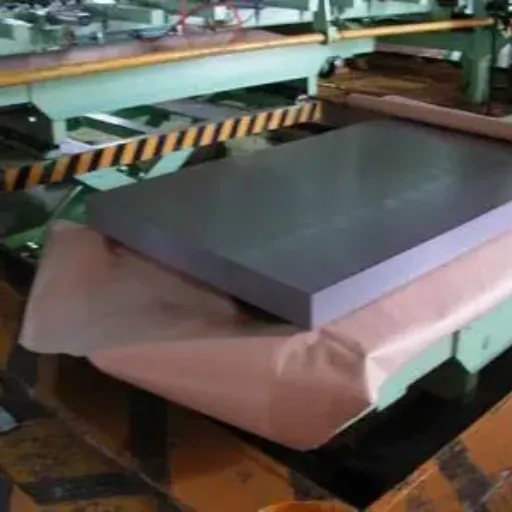
Quality assurance ensures pure iron slabs meet electromagnetic application requirements.
GB/T 6983-2008 Chinese National Standard
This Standard spells out the requirements for soft magnetic iron, as under:
Chemical Composition
Maximum limits of C, Si, Mn, P, S, Al
Grade-Specific Requirements
Analytical methods
Magnetic Properties
Maximum limits of coercivity for the grades
Minimums of permeability
Test methods
Properties
Hardness Requirements
Microstructure
Surface Finish
ASTM A848 Standard
The US standard for low-carbon magnetic iron provides:
Chemistry specifications comparable to DT4 series
Magnetic testing procedures
Material certification requirements
In-Process Quality Testing
| Test Method | Purpose | Frequency |
|---|---|---|
| Optical emission spectrometry | Chemical composition | Each heat |
| Ultrasonic testing | Internal defects | 100% of slabs |
| Macroetch examination | Segregation, porosity | Sample basis |
| Visual inspection | Surface defects | 100% of slabs |
| Dimension measurement | Tolerance verification | 100% of slabs |
| Magnetic testing | Permeability, coercivity | Sample basis |
Ultrasonic Testing Standards:
Detection capability: ≥2mm equivalent defect size
Coverage: Full volume scanning
Acceptance: Per customer specification or industry standard
Macroetch Testing:
Acid etching reveals internal structure
Evaluates segregation pattern
Identifies large inclusions or porosity
Typical acceptance: Class 2 or better per ASTM E381
Material Certification
Each slab shipment should include:
Chemical Analysis Certificate: For complete composition analysis.
Magnetic Test Report: To reveal coercivity and permeability values
Dimensional Report: So that actual measured dimensions are available
Non-Destructive Test Report: To show UT results
Heat Treatment Record: To outline the processing history of the slab
Quality Release Certificate: For verification by the top
Traceability:
Heat number identification on each slab should be evident
Documentation providing a link between the heat and the chemical and mechanical test results should be kept
Chain of custody records should also be monitored
Sourcing Pure Iron Slabs
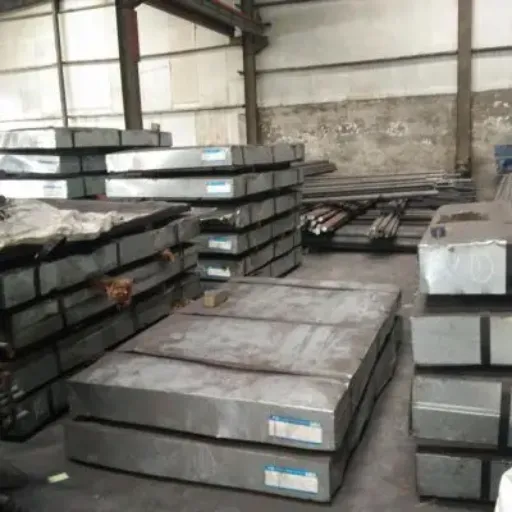
Selecting a supplier for pure iron slabs requires evaluating technical capabilities, quality systems, and supply reliability.
Supplier Evaluation Criteria
Technical Capabilities:
Available grades- DT4 through DT9
Size capabilities- thickness, width, and length
Surface processing equipment
Testing facilities
Quality Systems:
Standards certification number
Incoming materials control
Documentation for process control
Statistical quality control
Supply Chain Factors:
Minimum quantity specified
Lead times and reliability of deliveries
Work-in-progress inventory and finished goods supply
Geological locations and logistics
Jurun's Pure Iron Slab Capabilities
Shanxi Jurun Technology Co., Ltd. is one of the most all-encompassing companies in pure iron strip supply and processing:
Material Range:
Grades: DT3, DT4, DT4A, DT4E, DT4C, DT8, DT9
Specifications: Custom dimensions within the standard ranges
Quality: Assured by GB/T 6983-2008
Processing Abilities:
Hot rolling into coil and plate
Slitting the specific dimensions
Surface conditioning
Cut-to-length processing
Forging feedstock preparation
Testing, acceptance, and certification
1. Complete chemical analysis
2. Ultrasonic testing
3. Magnetic property verification
4. Dimensional inspection
5. Full material certification
Application Support:
Engineering consultation for grade selection
Processing recommendations
Quality planning support
Technical documentation
With a primary pure ingot production region at Taiyuan, significance in providing an integrated supply from raw material to processed products is that multi-supplier complexity is minimized while consorting consistent quality.
Conclusion
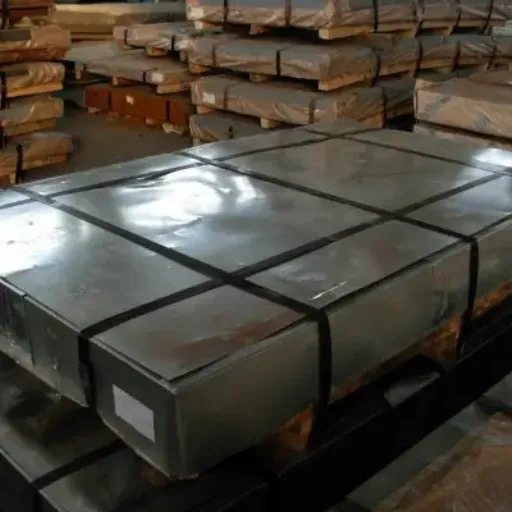
Iron slabs serve as one of the most essential starting materials for electromagnetic components. It is also one of the regular requirements, generally found as a slab for other uses as well. The essential information about supply and processing of slab feedstock is given in this manual for the user:
Page Highlights:
Choosing the Proper Form Factor: Slabs, being the wide form of feedstock, make plate material appropriate. They usually have a fairly plain surface that is good for developing coils, plates, and large forgings; if bar or small forgings are to be developed, then the form factor of billets is probably more attuned
Selecting the Right Grade: In the category of magnetic diamonds, the best magnetic characteristics of DT4C and cost-effectiveness go together well with most requirements. Suitable for some products where very strong precision feature constraints are imposed are the grades DT8 and DT9
Verification of Quality: Analysis of the chemical composition of the slab, ultrasonic testing of the slab, and a cross-check for magnetic property with a demanding application?with results called out?
A Need for Processing: Magnetic properties are altered after a decision is taken on methods of restructuring; for such generally intrinsically coupled principles, magnetic properties should be studied more peacefully after the slab has been annealed in an optimum way
Integration in Supply Chain: Dealing with providers that integrate any process?from slab to the final electromagnetic component?is useful for quality and raises the level of complexity of logistics.
Sourcing Checklist:
When evaluating pure iron slab suppliers, verify:
Grade availability that matches your requirements
Size capabilities that can accommodate your processing equipment
Quality testing that includes chemical, UT, and magnetic verification
Material certification that is comprehensive and traceable
Any processing services are available if needed
Lead times that align with your production schedule
Next Steps:
Review your current and upcoming production requirements against the grade specifications and processing options discussed in this guide. For new applications or grade transitions, request material samples and processing trials before committing to production quantities.
Frequently Asked Questions (FAQs)
What manufacturing purposes does pure iron plates have?
Mainly, we create pure iron plates to be used as a materials base for special processing applications for magnets and metallurgy. These huge blocks, low in carbon, serve as the most typical material to start working with, not dropping forge-suitable non-ferrous metal works. They are capable of being converted into thin sheets or machined for high-grade applications requiring exceptional magnetic shielding specifics.
Affecting the quality of pure iron slabs, how is continuous casting helping them?
Continuous casting is a method through which the entire section of a solid metal block with a well-defined nanostructure is produced. This method prevents dust or any formation of the void and decreases air content when metal is poured into the heavy semi-finished product. The dichotomy is once a semi-finished product is drawn from this slab, of being able to control one of my favorite merchandise production items: both mechanical strength uniformity and electromagnetic performance.
What increases the valuable magnetic permeability of pure iron slabs?
The high magnetic permeability of these pure iron slabs indicates that their physical structure makes it easier to "channel" magnetic fields. We formed them with the same precept in mind, as we introduce extraneous elements, such as nitrogen, sulfur, and oxygen, into these slabs at the minimum during the smelting. These pure slabs, because of their magnetic ability and strict requirements, usually make highly efficient cores for electromagnets, heavy transformers, and fantastic scientific devices.
Why is surface oxidation the major concern during storing pure iron billets?
Pure iron, naturally, lacks the protective alloying elements found in conventional stainless steel. It gets attacked by environmental humidity, rusting ferociously. Before the manufacturing activities even begin, the outside metallic layers become weakened. We put industrial oils to protect, monitor, and then store the slabs in humidity- and temperature-controlled conditions, so the materials are "on-time and onsite," or fit for immediate processing whenever you order.
Recently Posted
-
GB/T 6983 Electromagnetic Pure Iron Standard: Key Chemical and Magnetic Requirements
September 4, 2026A quality manager at an Indian relay manufacturer once received a mill test certificate from a Chinese supplier showing "DT4& Read More
 -
Pure Iron for Solenoid Valve Cores: Fast Response, Low Remanence, and Material Selection
September 4, 2026Some time ago, a pneumatic equipment manufacturer in Zhejiang began receiving customer complaints about solenoid valves that faile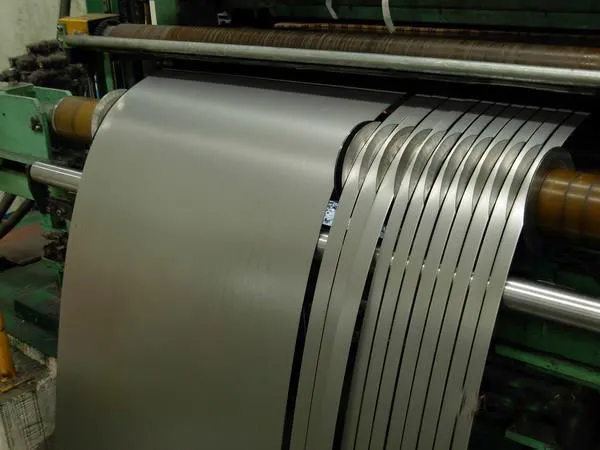 Read More
 -
How to Source Electromagnetic Pure Iron from China: A Step-by-Step Buyer's Guide
September 3, 2026Not long ago, a European automation company sent the same inquiry to six Chinese suppliers: "Need electromagnetic pure iron,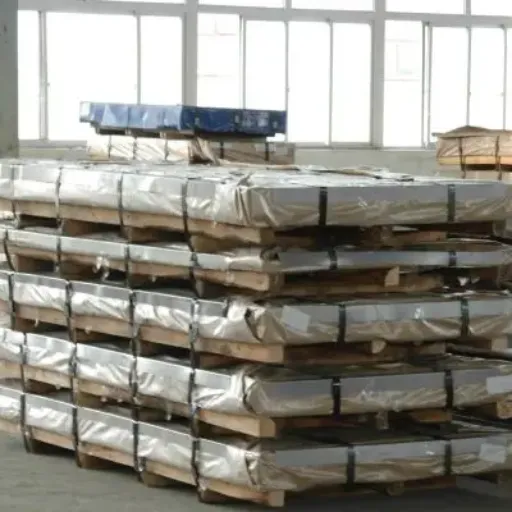 Read More
 -
DT4 vs. DT4C Pure Iron: Magnetic Performance, Cost Differences, and When to Upgrade
September 3, 2026A solenoid valve producer in Jiangsu ordered DT4 cold-drawn bar for a new proportional valve line, reasoning that the grade was &q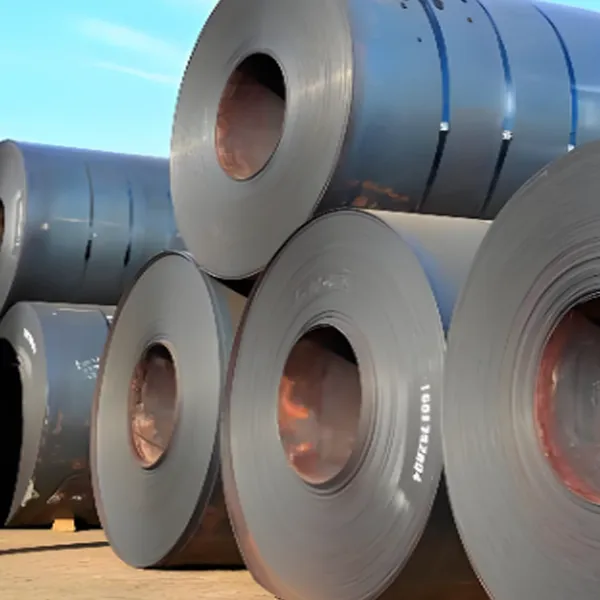 Read More

Contact Us
Recommended Products
-
 Seamless Tube With Good Cold Electrical Pure Iron Fittings Hot Workability for Forming Fittings and ConduitsNegotiableMOQ: 1 Ton
 -
Electromagnetic Pure Iron Forging for Automotive Sensor ManufacturingNegotiableMOQ: 100 Kilograms
-
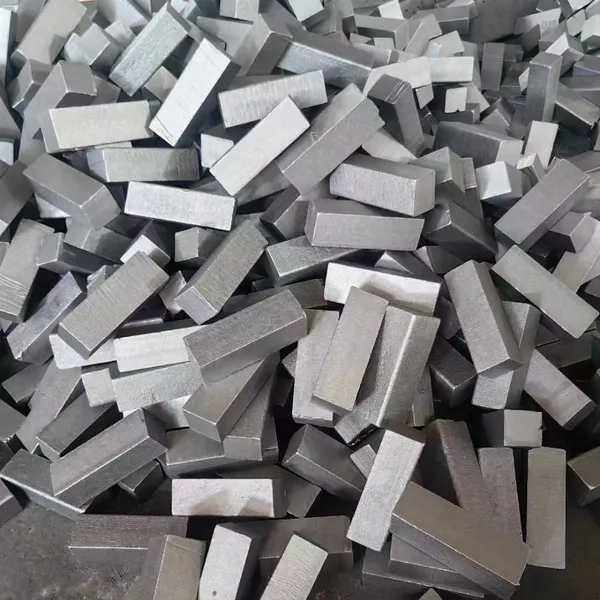
Precision Cut Pure Iron Square Bar High Saturation Induction Raw Material for Generator and RotorNegotiableMOQ: 100 Kilograms
-
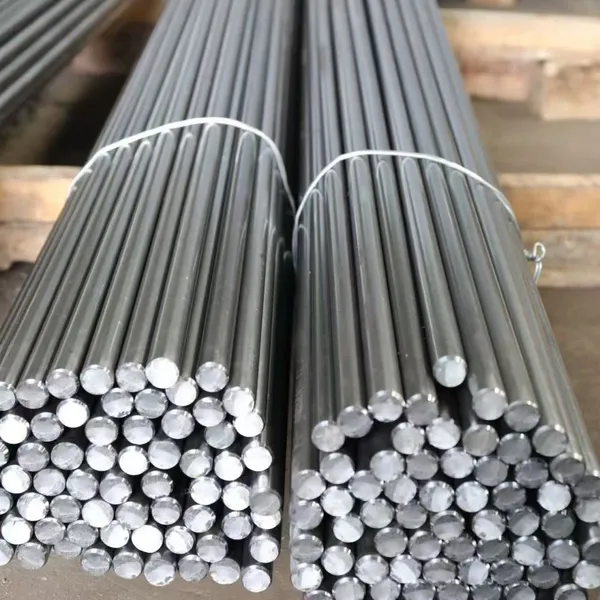
DT4C Super Grade Electromagnetic Pure Iron Bright Bar With Bundle Weight 30-100kg for Easy TransportationNegotiableMOQ: 1 Ton
-
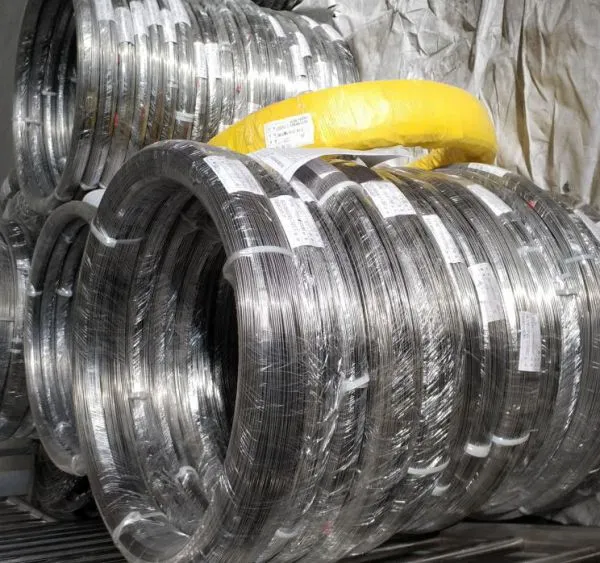
DT4C Electromagnetic Pure Iron Cold-Drawn Wire 0.5mm-6.0mm Diameter for TransformersNegotiableMOQ: 100 Kilograms
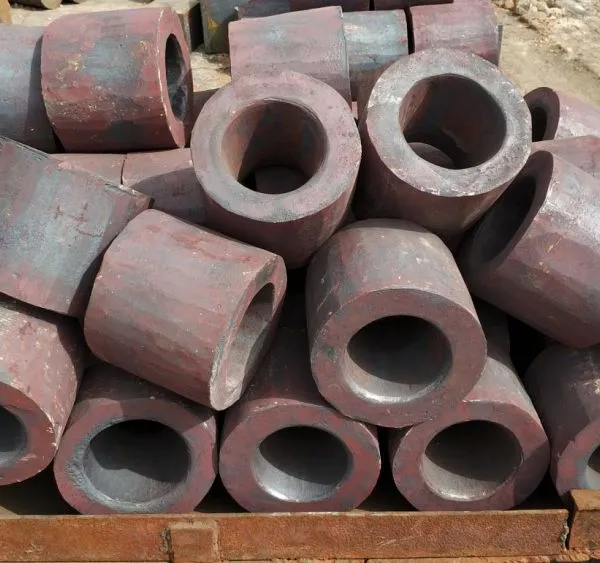
-
Industrial Pure Iron Bar for Electromagnetic Relay and Sensor ProductionNegotiableMOQ: 1 Ton
-
Electromagnetic Pure Iron Thin Sheet 0.3mm-0.8mm for Solenoid and Relay ManufacturingNegotiableMOQ: 500 Kilograms
-
Electrical Pure Iron Hot-Rolled Coil for Magnetic Components With Low Iron LossNegotiableMOQ: 1 Ton
-
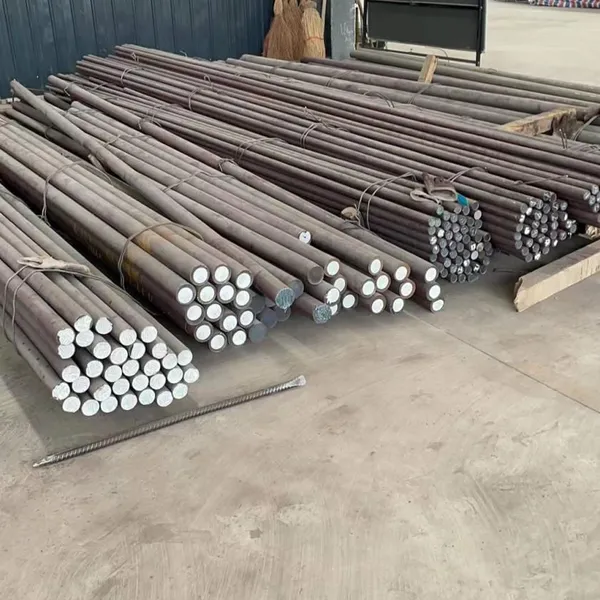
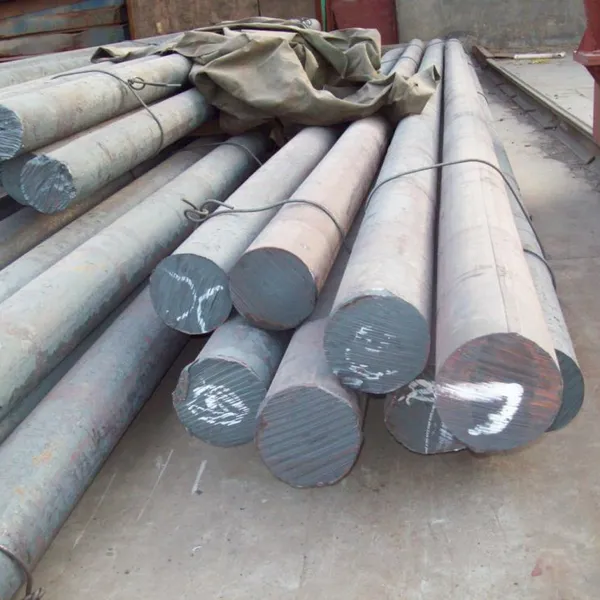
Low Carbon DT4C Pure Iron Round Bar With 99.8% Fe Content for Electrical ApplicationsNegotiableMOQ: 1 Ton
-
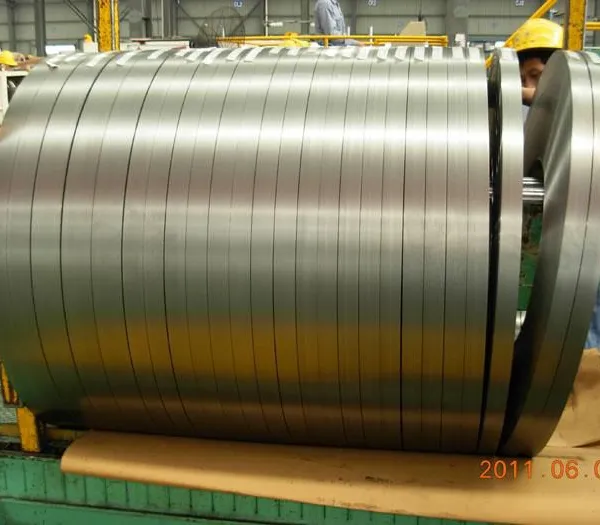
Cold Rolled Pure Iron Slit Coil DT4C Grade Ultra Low Carbon ≤0.004% for Magnetic ComponentsNegotiableMOQ: 1 Ton
-
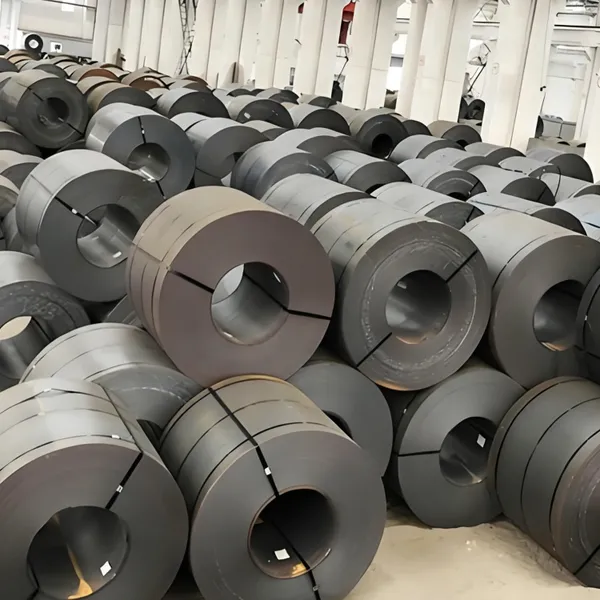
Low Iron Loss Electromagnetic Pure Iron Hot-Rolled Coil DT4C for Transformer CoresNegotiableMOQ: 1 Ton
-
Soft Magnetic Pure Iron Sheet With Minimum Iron Loss for High-Efficiency MotorsNegotiableMOQ: 1 Ton
-
Electromagnetic Pure Iron Cold Rolled Coil DT4C for High Magnetic Permeability ApplicationsNegotiableMOQ: 1 Ton
-
Industrial Pure Iron Tube Superior Surface Quality Electromagnetic Pure Iron Tube for Welding and Plating ProcessesNegotiableMOQ: 1 Ton
-
DT4 Seamless Pure Iron Tubing for High-Performance Electrical Equipment ApplicationsNegotiableMOQ: 1 Ton
-
DT4C Iron Wire Rod for Precision Magnetic Shielding ApplicationsNegotiableMOQ: 100 Kilograms
-
Industrial Pure Iron Fittings DT4 Pure Iron Seamless Tube With Low Hysteresis Loss for Electromagnetic SystemsNegotiableMOQ: 1 Ton
-
DT4C Cold Rolled Coil Slitting for Electrical Enclosure ManufacturingNegotiableMOQ: 1 Ton
-
Anti Rust Coated Pure Iron Square Bar Low Carbon Raw Material for Welding and Forging Magnetic PartsNegotiableMOQ: 100 Kilograms
-
DT4 Pure Iron Cold-Drawn Wire 0.5mm-6.0mm Diameter for Precision EngineeringNegotiableMOQ: 500 Kilograms