
 Business License

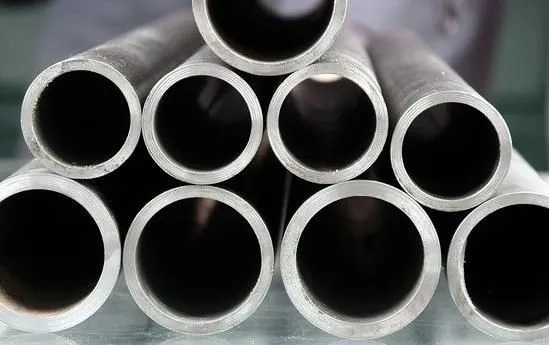
Electrical Pure Iron Tube: Complete Specifications and Selection Guide
To avoid difficulties during manufacturing, material selection with regard to operating performance is a crucial part in electromagnet applications. An important move, therefore, was using a type of pure iron tube that would withstand stress on parts under load and hence allow system testing, code, and control in the real world.Find more info now.
Unlike motors, solenoids, and relays, this is a major issue that still is and will be numerous times for many. This article will address a thorough comparison of major points, from tempering, to temperature consistency, permeability, needle finish, and hysteresis.
As part of this technical glossary, electrical-grade purity iron conductors have been elaborately discussed. You will learn about the specifications you should consider while choosing the correct grade for your application and how to source these critical materials. If you are in the process of designing solenoid valve systems, relay components, and motor housings, this article will help enhance your engineering sense with informed decisions on the procurement front.
What Is Electrical Pure Iron Tube?
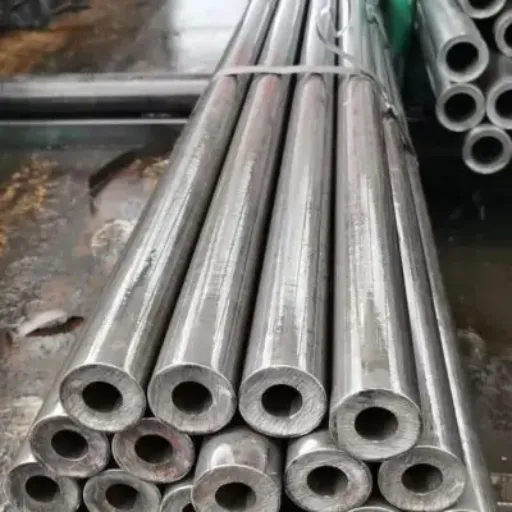
An electrical pure-iron (low-carbon-content iron, or LC-iron) tubing is continuum-processed or precision-drawn from ultra-high-purity iron (≥99.5% Fe, typically ≥99.8%) with carefully controlled ultra-low carbon content (≤0.010%, usually
Regardless of materials, tubular geometry unfolds a few advantages for electromagnetic systems. Conduit reduces the weight of material to be carried while in congruence with structure beneath for magnetic flux conduction. The seamlessness of the seamless construction eliminates weld-conjointed discontinuities to bring about or concentrate stress, and thusors and armatures from precise dimensional tolerances of cold-drawn work.
Key Characteristics
High magnetic permeability: it permits maximum permeability (μmax) of 7.5 mH/m (DT4 standard) or 15.0+ mH/m (DT4C) in pure iron tubes and results in less energy loss while allowing efficient conduction of magnetic flux.
Low coercivity: With an Hc as low as 32 A/m in grade DT4C, the material readily demagnetizes and magnetizes-fast switching applications like relays and solenoids are impossible.
High saturation flux density: An approximate value of 2.15 Teslas is the saturation magnetic flux density of pure iron, the highest among silicon steels (~1.9–2.0 T), allowing more compact electromagnet structure.
Zero magnetic aging: The grades of the DT4 series, namely, DT4, DT4A, DT4E, and DT4C, ensure an absence of magnetic aging, thereby ensuring that magnetic properties remain stable during the service life of the part.
Material Grades and Specifications
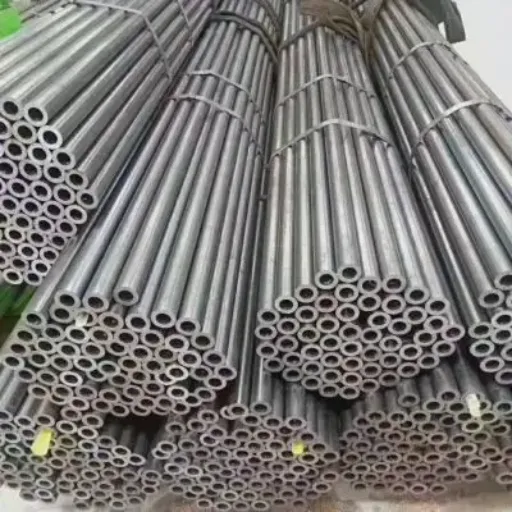
Chinese National Standard GB/T 6983-2008 classifies the popular electromagnetic pure iron grades available for the tube form. It is indispensable to know about these grades because performance-matching of material to application qualification is what matters.
DT4 Series: Electromagnetic Pure Iron
The DT4 series represents the standard grades for general electromagnetic applications, with progressive performance improvements from DT4 to DT4C.
| Grade | Coercivity (Hc) | Max Permeability (μmax) | Relative Permeability | Carbon Max |
|---|---|---|---|---|
| DT4 | ≤96 A/m | ≥7.50 mH/m | ~6,000 | ≤0.025% |
| DT4A | ≤72 A/m | ≥10.00 mH/m | ~8,000 | ≤0.020% |
| DT4E | ≤48 A/m | ≥12.50 mH/m | ~10,000 | ≤0.020% |
| DT4C | ≤32 A/m | ≥15.00 mH/m | ~12,000 | ≤0.025% |
The DT4 (Standard Grade): The primary electromagnetic pure iron resource is typically for general-purpose applications where there is a sufficient arbitration toward the magnetic functionality prescribed. Typical uses include automotive starters, simple relays, and non-fortified electromagnetic devices.
DT4A (Intermediate Grade): This segment offers better levels of magnetic properties compared to basics wherever improved efficiency and higher-speed response are essential. Inter alia, useful for precision relays, control solenoids, and mid-level-performance motors.
DT4E (Extra High Grade): This one stands out for its substantially greater magnetic permeability, alongside rather low coercivity, that are both requisite attributes for high-performance electromagnetic systems. Great magnetic uses for telecommunications relays, precision instruments, and various delicate control mechanisms.
DT4C (Super Grade): DT4C has the distinction of being the top level of any in the DT4 series, with values of coercivity limited to below 32 A/m and the highest permeability above 15 mH/m. DT4C is a requirement for such purposes where high energy efficiency and standard reaction time within time-series controlled solenoids have a key role to play.
DT8 and DT9 Series: Electronic Tube Pure Iron
For specific applications requiring additional properties beyond standard electromagnetic performance:
DT8 Series: Designed for electronic quest tubes with an assured "non-hairline" structure (no surface defect). It is materially gas-tight vacuum tubes preferred without any space-air-aired transition. It is a high-vacuum-tight application, mostly needed in vacuum tube parts such as cathode-ray tubes and in aerospace applications where no gas penetration should be permitted.
DT9 Series: High-purity iron, heavy-density classed (DT9E, DT9C), with over the token value of magnetic performance, with some 40 A/m of coercivity, boasting permeability beyond 18 mH/m. Used in defense applications, high-energy physics equipment, and precision-built scientific instruments.
Chemical Composition Requirements
| Element | DT4 Series Max | Typical Value |
|---|---|---|
| Carbon (C) | ≤0.025% | <0.004% |
| Silicon (Si) | ≤0.20% | ≤0.020% |
| Manganese (Mn) | ≤0.30% | ≤0.19% |
| Phosphorus (P) | ≤0.020% | ≤0.011% |
| Sulfur (S) | ≤0.020% | ≤0.003% |
| Aluminum (Al) | 0.15–0.50% | ~0.30% |
| Iron (Fe) | Balance | ≥99.8% |
The ultra-low carbon content is critical for magnetic performance. Carbon forms carbide precipitates that pin magnetic domain walls, increasing coercivity and hysteresis loss. Vacuum degassing and secondary refining processes achieve the purity levels required for high-performance electromagnetic applications.
Technical Properties and Performance
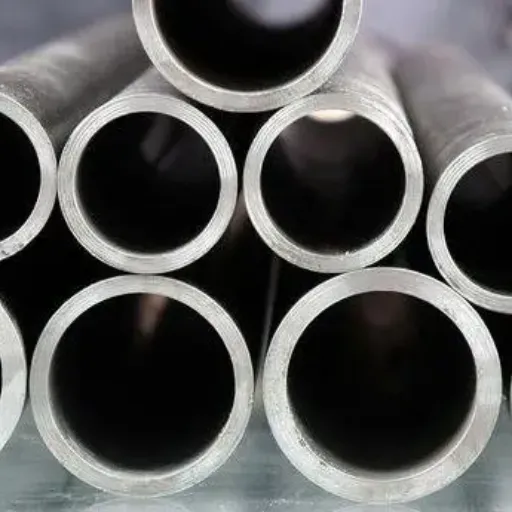
Knowing the technical attributes of pure iron, they can help specify the right kind of material for their electromagnetic systems.
Magnetic Properties Explained
Magnetic Permeability: It is the measure according to which a field in a material will be magnetic flux passed. The higher the permeability, the more efficiently the magnetic circuit can operate, requiring less magnetizing force. DT4C exhibits a permeability of ≥15 mH/m, which means it will conduct magnetic flux approximately 12,000 times more effectively than air, making it the preferred choice for electromagnet components that are to be used in high-efficiency design.
Coercivity (Hc): It refers to the amount of magnetic force that must be applied in order for the magnetization to reduce to zero when it is already at saturation. A lower coercivity indicates that the system does not experience any coercive force, but also a very easy magnetization-demagnetization cycle, unlike its counterpart, DT4. Coercivity of ≤32 A/m for DT4C accounts for a 67% improvement vis-a-vis standard DT4, which directly indicates lower hysteresis loss and better response in the switching applications.
Saturation flux density (Bs): The maximum magnetic flux density that can be achieved in the material. Where pure iron typically saturates at ~2.15 T, the level has bettered silicon steels. This subsequently results in creators being able to develop compact electrical components with equivalently increased effectiveness.
Hysteresis Loss: Energy lost as heat per cycle of magnetization. The low coercivity of pure iron minimizes the effects of hysteresis, leading to superior system efficiency. This aspect of hysteresis is critical in the operation of transformers and motors under continuous cyclic loading.
Physical and Mechanical Properties
| Property | Specification |
|---|---|
| Density | 7.85 g/cm³ |
| Melting Point | 1,539°C (2,802°F) |
| Tensile Strength | ≤265 MPa |
| Yield Strength | ~165 MPa |
| Elongation | ≥25% |
| Reduction of Area | 70–80% |
| Impact Toughness | 160–200 J/cm² |
| Surface Hardness | HV5 ≤195 / HBS 50–80 |
These mechanical properties make pure iron tubes highly workable. The material's softness and ductility enable cold drawing, precision machining, and complex forming operations without cracking or excessive tool wear.
Electrical Properties
| Temperature | Resistivity |
|---|---|
| 0°C (32°F) | 9.6 μΩ-cm |
| 100°C (212°F) | 15.0 μΩ-cm |
| Room Temperature | ~10.7 μΩ-cm |
The electrical resistivity of pure iron is lower than that of silicon steel, which contains 1–3% silicon particularly to increase its resistivity; nevertheless, it is felt that it is acceptable for tubular applications due to the natural control on eddy current path length by the geometry compared to solid cores.
Manufacturing Standards and Quality
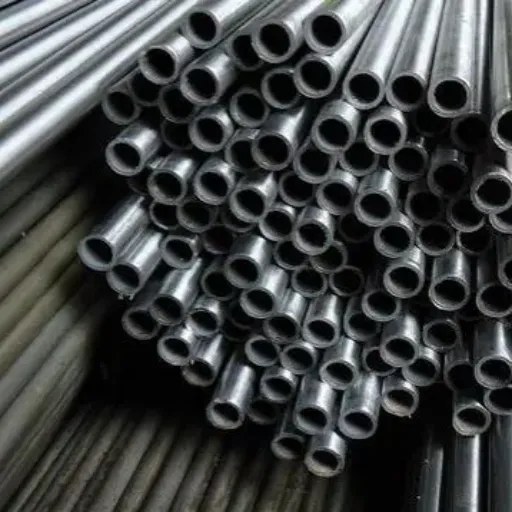
Electrical pure iron tubes are manufactured to specific standards that ensure consistent magnetic performance and dimensional accuracy.
GB/T 6983-2008 Standard
What is electromagnetic pure iron according to International Standard 6983-2008:
Each grade chemical composition shall have specified limits.
Magnetic properties (coercivity, permeability and flux density) within the requirements.
Magnetic characterisation tests.
State of delivery and surface quality requirements.
Compliance with Chinese Magnetics Standard 6983-2008 would demand the material meets certain specifications for industrial electromagnetic applications.
Manufacturing Processes
Seamless Tube Production: Steel is hot pierced or extruded from solid billets, then undergoes cold-drawing to obtain exact dimensions of tubes. Several passes of cold drawing refine the tube's intermediate tolerances and create superb cleanliness by eliminating weld seams that would behave as magnetic discontinuities.
Cold Drawing: Further refining the tubes' dimensions and wall thicknesses is done under cold drawing. Subsequent work stairing increases the strength, as a result of work hardening.
Precision Drawing: Given required applications, precision processes, sustaining ±0.03 mm in wall thickness for sections not exceeding 1.5 mm, and sustain ±0.05 mm for thicker sections. Surface roughness (Ra) maximally tolerated Middle-east slope in the rail can be up to ≤0.8-μm, for frictionless actionsor gapping points of air.
Surface Quality and Tolerances
Dimensional tolerances: As per GB/T 14981, typical tolerances include:
Outer diameter: ±0.5% (standard), ±0.3% (precision)
Wall thickness: ±10% (standard), ±5% (precision)
Straightness: ≤1.5 mm/m
Surface quality: Pure iron has excellent surface quality suitable for welding and plate formation. Basically, there should be no surface defect seen to include crack, laps, or seams. Surface quality remains a variable when working in the electromagnetic field of contact resistance in magnetic circuits and in painting to promote corrosion protection.
Heat Treatment Requirements
A successful heat treatment step is the key to reaching the optimal magnetic state for a finished recipe:
A Simplified Annealing (for carbon ≤0.007%):
Temperature: 850°C
Duration: 3 hours
Atmosphere: Argon or hydrogen
Cooling: Controlled cooling to prevent internal stress
A Standard Annealing (for carbon >0.007%):
Per GB/T spec
Minimal carbon content remanence due to decarburization
A controlled atmosphere to prevent oxidation
Correct annealing relieves remaining internal stresses from cold-working, improves grain structure for magnetic response, and ensures consistently high electromagnetic properties.
Primary Applications
Electrical pure iron tubes serve critical functions across multiple industries where electromagnetic performance directly impacts system efficiency and reliability.
Solenoid Valve Components
Solenoide valves are dependent on quick and accurate magnetic response to fluid control in hydraulic and pneumatic systems. Pure iron tubes form the core and plunger components where:
Low coercivity: For profuse control of strength with minimal time
High permeability: To make sure of a high magnetic force in sealing effectively
Tubular geometry: For a good magnetic flux path, lessening in the process the need for weightiness
Precise dimensions: Maintain an air gap of uniform thicknesses
Such type of valves are for use in automotive fuel injectors, industrial valveing systems and control of process parameters, as well as medical equipment and systems of hydraulic pressure aerospace. The DT4C grade tends to be specified for fast-response applications, while the DT4 or DT4A grades serve as general industrial uses.
Relay Cores and Armatures
Electromagnetic relays, used for telecommunications equipment and railway signaling systems, depend on magnetic circuits of pure iron to allow for reliable switching.
The cores are the stationary magnetic path that concentrates flux.
The armature is the moving part that acts against magnetic force.
The yoke is the structure that completes the magnetic circuit.
The Zhangzhou Relay Research Institute chose DT4E pure iron tubes with 48 A/m maximum coercivity to improvise high-speed signal relays for fitment in railway applications. The material of grade was able to cater to the switching speed required for modern signaling systems and give steady performance over the temperature range from -40°C to +85°C.
DC Motor Housings and Cores
In DC motors, the iron tubes as magnetic components and structural elements contribute the outdoor way around:
Motor Housings: Construction from tubes shapes the magnetic return path necessary to house the rotor assembly while the high saturation flux density of pure iron offers a streamlined design for an ideally unsaturated magnetic motor.
Motor Cores: Metal-drawn tubes manufactured into core parts transform and concentrate the magnetic environment within the armature, thereby improving efficiency and torque density.
Apart from this advantage, air-motors of the aviation category may need grades DT4C and DT8 particularly when there are weight limits imposed along with the demand for maximum magnetic performance within the least coated space because reliability requirements forbid material failures.
Magnetic Shielding Equipment
Due to its higher permeability, pure iron becomes resourceful in shielding:
EMI/RFI Shielding: Made into tubular concepts to bumper the sensitives of electronics caused by any electromagnetic impacts.
Magnetic Lens Systems: The purpose of magnetic lenses, that is, equipment is to redirect all magnetic fields by using adapted thin-walled pure iron tubes.
Geophysical Equipment: Additionally, used tubes in great numbers to shield magnetic geophysical sensors from instant surrounding field contributions to target magnetic signal isolation.
A seamless tube made from pure iron construction avoids any leakage that could potentially compromise shielding.
Scientific and Instrumentation Applications
High-purity tubes of pure iron are being developed for many specific applications, namely precision equipment:
Electron microscopy Components: Pure iron is shaped and used as active components in electron microscopes, being magnets to focus electron beams
Particle Accelerator Magnets: These are magnets used to focus and bend beams in high-energy physics facilities
Magnetic Sector: Mass spectrometers use stable magnetic sector components
Medical Imaging: Components for MRI systems and magnetic therapy systems
As DT8 and DT9 grades are dedicated grades with excellent flux stability, they are selected for these applications. These grades also have certain special properties like vacuum compatibilities.
Automotive Electrical Systems
Modern vehicles contain numerous electromagnetic components using pure iron tubes:
Starter Motors: Terminate starting service motors that exhibit a high-torque, necessitating good magnetic circuits.
Voltage Regulators: The voltage regulators provide exact control of voltage for charging up system
Flashers and Horns: Using electromagnet-sensitive technology, air horns, may provide some reliable electrical actuators.
Solenoid Locks: Offering security access locks and services diagram, fitting out some acceptable number of operable and shut-down circuits.
The automobile industry's unique, higher standards of reliability and temperature places this a favored choice of application types.
Grade Selection Guide
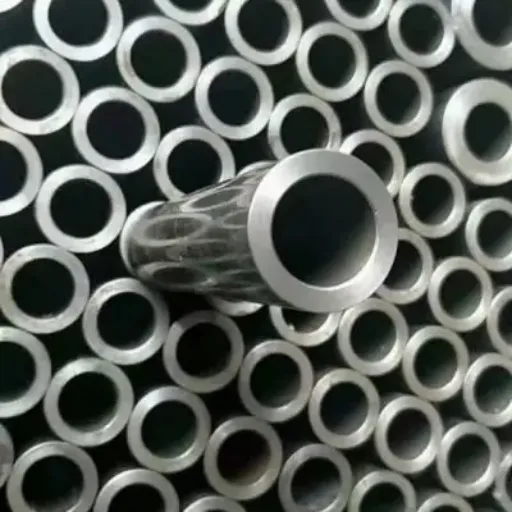
Selecting the appropriate pure iron grade requires matching material properties to application demands. This framework helps engineers make informed decisions.
Selection by Application Type
| Application | Recommended Grade | Rationale |
|---|---|---|
| General industrial solenoids | DT4, DT4A | Cost-effective, adequate performance |
| Precision control valves | DT4E, DT4C | Fast response, low hysteresis |
| Automotive starters | DT4A, DT4E | Balanced performance and cost |
| Telecommunications relays | DT4E, DT4C | High switching frequency |
| Aerospace components | DT4C, DT8 | Maximum reliability, temperature stability |
| Scientific instruments | DT4C, DT9 | Superior magnetic stability |
| Electronic tubes | DT8 | Vacuum tightness, non-hairline structure |
Selection by Magnetic Performance Requirements
Efficiency-first Priority: DT4C may be chosen for the applications where energy savings and minimal responsibilities are required, like for very harsh duties transformer and ordinarily not quite or very high-frequency switching systems.
Least Response-Time Priority: All of the most likely options for pulsating magnetizing devices, just sustained up to a level of coercivity of 32 A/m for DT4C and 40 A/m for DT9C.
Cost-Performance Compromise: In the applications with minimal current requirements, DT4A and DT4E are able to perform remarkably well against magnetic standard DT4 with almost simultaneous increased cost. These are fit for purpose in a large number of industrial applications.
Cost vs. Performance Considerations
Although higher grades command premium pricing, the better performance often makes the cost of the grade worth it:
DT4 into DT4A: ~15% increase in cost for 25% reduction in coercivity
DT4A into DT4E: ~20% increase in costs for 33% reduction in coercivity
DT4E into DT4C: ~25% increase in costs for 33% reduction in coercivity
In high-volume manufacturing, any little bit of the efficiency improvements can contribute significantly to the savings in operational costs. For example, in the case of magnet losses of the transformer in operation, even a 10% reduction in hysteresis loss in too many instances is enough to be able to recover the cost premium of materials within a very few months of operation.
Procurement Specifications
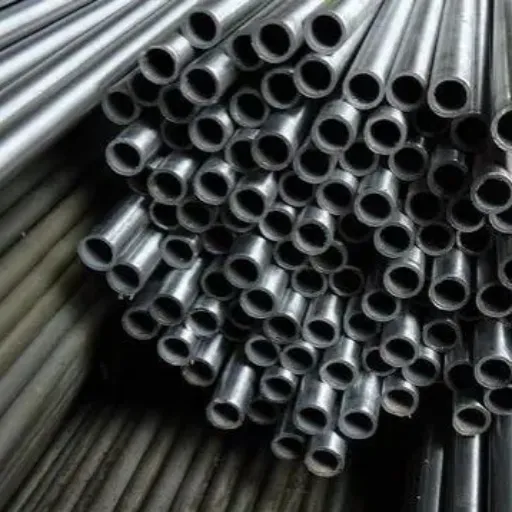
When sourcing electrical pure iron tubes, clear specifications ensure you receive material that meets your application requirements.
Dimensional Specifications
Standard Tube Dimensions:
Outer Diameter: 10-500mm (special sizes available)
Wall Thickness: 1–10mm
Inner Diameter: 5-480mm (derived from OD and wall thickness)
Length: 3-6 meters, custom cutting available
Accuracy Requirements: Specify dimensional tolerances in this section based on your application:
Standard Tolerances: ±0.5% OD, ±10% wall thickness
Precision Tolerances: ±0.3% OD, ±5% wall thickness
Ultra-Precise: ±0.1mm OD, ±0.05mm wall thickness (available uopn request)
Delivery Conditions
Hot-Rolled: State at the ends of the rolls that is allowed for machining or forming applications. Cheap but not quite precise dimensions.
Cold-Drawn: Improved dimensions and surface finish but hardened; the work-hardened state requires annealing to achieve full magnetic properties.
Annealed: This is a heat-treated state that provides electromagnetic facilities with the best-magnet properties.
Softened: Partially annealed to optimize workability without the complete good-magnet nature.
Surface Treatment Options
As-Fabricated: This is a natural surface finish straight from drawing, typically with the added lubricant for corrosion protection during transport.
Pickled/Oiled: Such kind of surface receives ACID cleaning and then is coated with a rust-preventive oil. This way, the cleanliness of the surface is better for welding or plating.
Nickel Plated: Nickel plating could be electroless or electrolytic and is useful in preventing corrosion as well as in bettering wear properties in sliding engineering parts.
Zinc Plated: A galvanic coating is used to offer protection to the surface for atmospheric exposure applications.
Packaging and Handling
The standard packaging protects tubes during transport:
Bundled in loads of 1,000 kg (with the flexibility to customize according to the requirements)
Steel strapped and packed onto wooden pallets
VCI paper surrounds that prevent rusting over time
End caps against both moisture ingress and mechanical damage
Treat pure iron tubes with care, and avoid surface damage that might affect magnetic performance or the adhesion of coatings. Store in dry environment for prevention of rust formation before processing.
Quality Verification and Testing
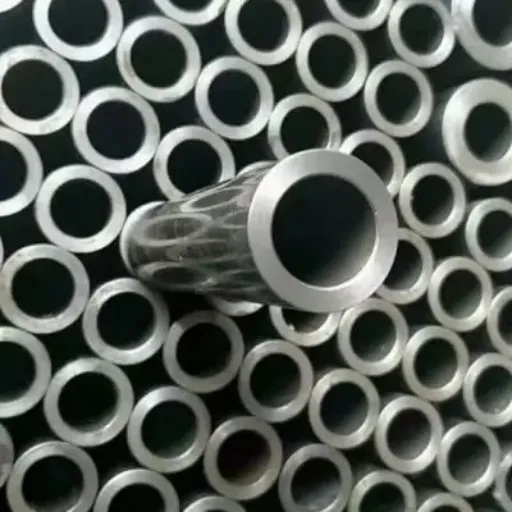
Verifying material quality ensures your pure iron tubes meet specifications and will perform as expected in your application.
Magnetic Property Testing
Coercivity: The coercivity is measured from DC hysteresis loop tests in accordance with GB/T 3658. The process involves saturating the samples then measuring the force required to reduce the induction to zero.
Permeability Testing: The maximum permeability is determined by the slope of the B-H curve plotted in the area of the highest differential permeability.
Flux Density Measurement: Magnetic induction measurements at different field strengths (usually B200, B5000, B10000 in A/m), for testing material compliance.
Chemical Analysis
Spectral analysis scrutinizes the chemical composition, viz.
Carbon content, crucial for maintaining the age of magnetization
The trace elements that could influence magnetic properties
The various pollutants likely to adversely affect the processing.
Dimensional Inspection
Inner Diameter : measured against a micrometer at multiple points
Wall Thickness: Measured using ultrasonic thickness gauge or by mechanical means
Straightness: Measured using a precision straightedge
Surface Quality: Defects in the surface are detected during visual inspection and dye penetrant test
Certification Requirements
Kindly provide material certificates indicating:
Heats and traceability to the batch
Chemical composition analysis
Magnetic property test results
Dimensional inspection report
Compliance statement with GB/T 6983-2008
Conclusion
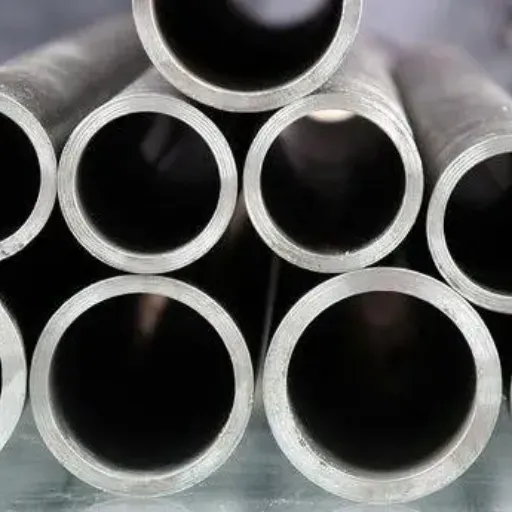
Pure iron tubes used for electrotechnical purposes are uniquely designed as a material of choice for various electromagnetic applications. Depending on the application, from a solenoid valve core demanding a fast response time to an aerospace motor housing requiring higher reliability, the grade selection will determine the final performance of every system.
Some pointers in the selection of electrical grade iron tubes include:
1. Grade selection to meet application requirements in terms of--DT4C for efficient performance, DT4A/DT4E for a balance between cost and performance, and DT8 for specialist applications.
2. Dimensional tolerances should be considered according to the needs of your manufacturing process and assembly requirements.
3. Delivery condition impacts processing and lead time requirements.
4. Heat treatment is essential for obtaining magnetic properties characteristic of the specified material.
5. Testing for magnetic properties and quality must be carried out to obtain confirmation of compliance of those properties.
The Chinese pure iron business is based in Taiyuan, Shanxi Province, and has been providing critical material to the global market. The prices are competitive, and the variety and quality of materials are comprehensive. Understanding the specifications and selection criteria allows procurement teams and design engineers to source the most useful materials for their magnetic systems.
For the high-performance magnetic materials for your next project consideration is given to the enhanced efficiency, energy savings, and equipment durability that the electrical pure iron tubes bring along. A selection of material is a long-term investment that sees a substantial increase in system performance and operational life.
Frequently Asked Questions (FAQs):
What are the electromagnetic properties of pure iron and their effects?
Pure iron is a material with strong soft magnetic behavior, high saturation magnetic flux density, and low coercivity and is ideal for magnetic components under various electronics such as iron cores or magnetic poles. High electrical conductivity and high permeability make the electromagnetic properties of pure iron ready for efficient magnetic fluxes to the motors, electric relays, speakers, induction processes, and electromagnetic measuring systems. Both high grade of purity and low carbon content of pure iron (commonly obtained in melt and cold-rolling products such as armco pure iron) give it higher soft-magnetic performance with reduced energy losses under AC or DC conditions.
How does the purity level of 99.99% add to the properties of pure iron in electrical applications?
Iron with a 99.9% purity or higher minimizes impurities that act as pinning centers in magnetic domains, thereby improving such characteristic properties of soft magnetic materials as higher permeability and low hysteresis loss. In electrical applications like electromagnets, precision induction equipment, and magnetic sensors, 99.9% purity ensures greater consistency of the magnetic flux, better electrical conductivity, and lesser noise problems, ensuring better-quality magnetic performance. The armco-style high-purity iron purist iron factory in China is working towards producing a pure iron product that could satisfy the requirements as required for the research and high-performance industrial-grade pure iron components.
Can pure iron and steel be used interchangeably for magnetic cores, if not then why?
Whereas the magnetic core is frequently constructed from certain types of steel, several of these steel types, such as the materials suitable for a silicon-Iron core, differ greatly from pure iron, in that the pure iron may have a high saturation magnetization and permeability—whereas in many steel castings and stainless steels, the coupling of elements added to iron from the processing alloy decreases magnetic performance. For low-loss and strict magnetic flux control applications—like in electromagnets, contactors, and loudspeakers, to name a few—pure iron or armco pure iron is the preferred form compared to common steel materials.
How are the standard configurationslike iron wire and iron-plate useful for the production of electrical iron-tubingbased products?
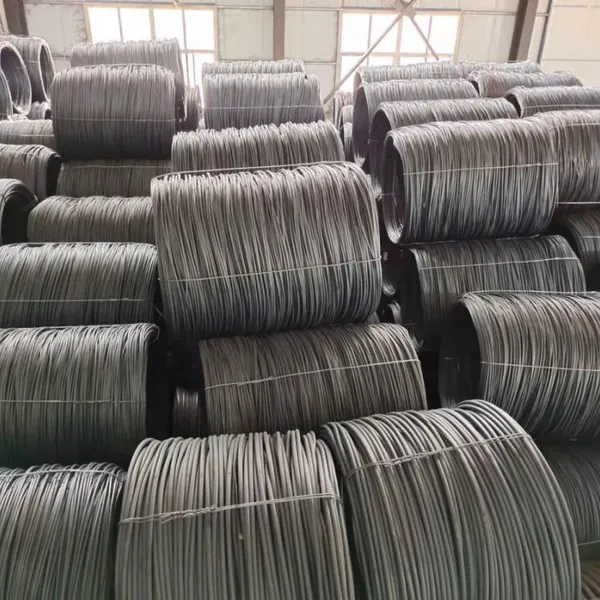
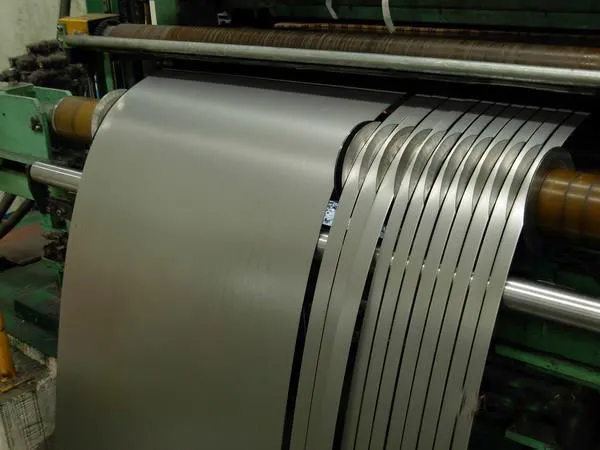
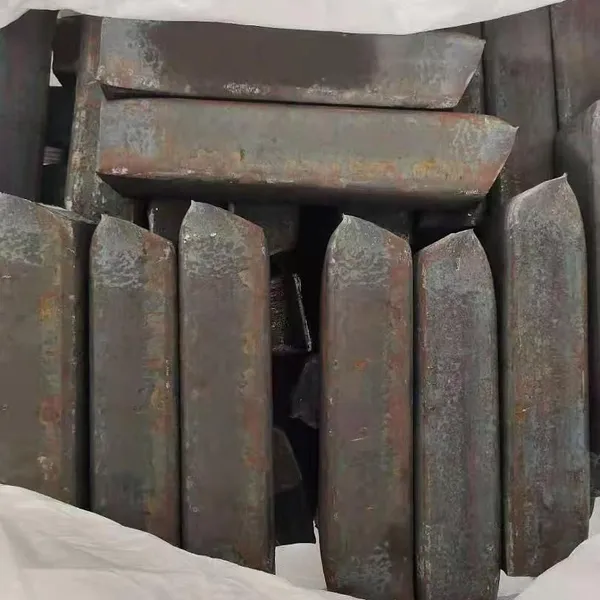
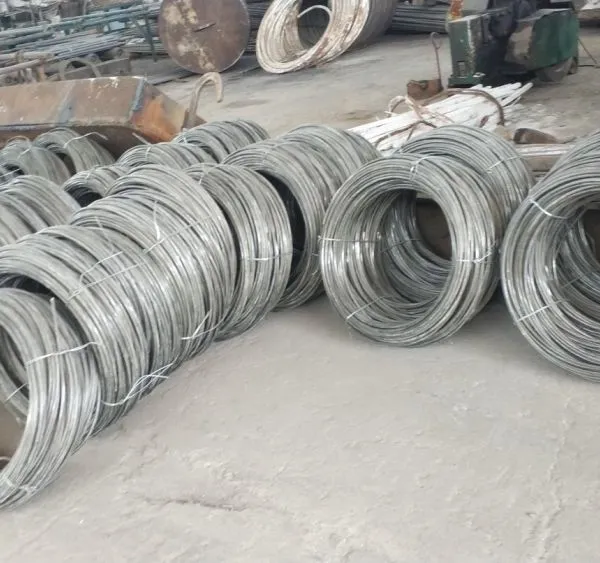
Manufacturing of electrical tube out of pure iron can have different starting materials: pure iron wire and pure iron plate may be drawn, cold-rolled, or formed into tubes, depending on the process. Pure iron bar and pure iron plate are common feedstocks for machining or forming into iron pipes and tubes; pure iron wire is often used for winding in electromagnet coils or for specific small-diameter tubing. Choice of form affects surface finish, work hardening, and thermal conductivity, which plays a role in heat resistance in high-current applications.
How does 99.5 purity compare to 99.9 and 99.8 for magnetic and electrical performance?
Of increasing impurity, the high purity percentage of 99.5 is considered to have a direct impact on magnetic soft wattage loss and good electrical conductivity. Comparing at the level of 99.5, where the impurities limit permeability to some extent and hence increase overhead losses, with the 99.9 or 99.99 class levels of much lower impurity, stronger soft advantages are marked. In the manufacture of many industrial pure iron, both armco-type products may reach 99.9 or better for applications that are highly critical- such as induction and electromagnetic measuring instruments, etc.- whereas 99.5 might still be good enough for less demanding industrial applications.
Recently Posted
-
How to Source Electromagnetic Pure Iron from China: A Step-by-Step Buyer's Guide
September 3, 2026Not long ago, a European automation company sent the same inquiry to six Chinese suppliers: "Need electromagnetic pure iron,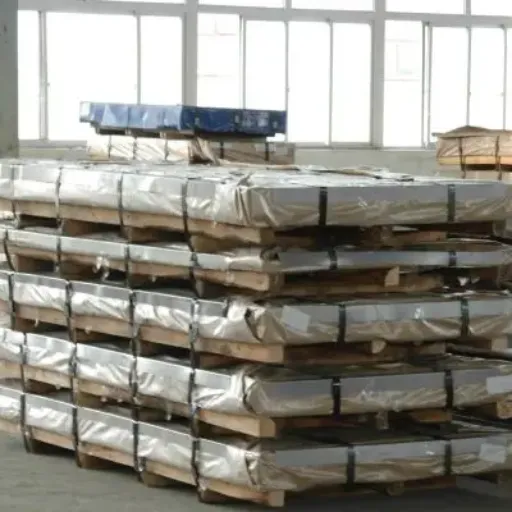 Read More
 -
DT4 vs. DT4C Pure Iron: Magnetic Performance, Cost Differences, and When to Upgrade
September 3, 2026A solenoid valve producer in Jiangsu ordered DT4 cold-drawn bar for a new proportional valve line, reasoning that the grade was &q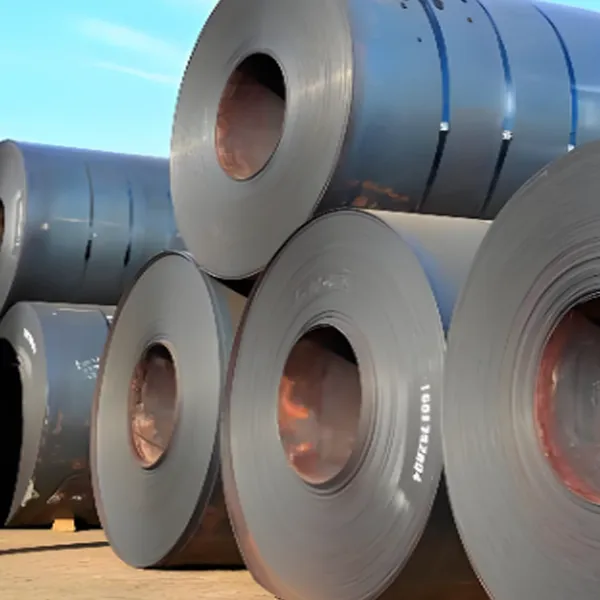 Read More
 -
Industrial Pure Iron vs. Armco Iron: Terminology, History, and Modern Equivalents
September 2, 2026Not long ago, a European motor manufacturer opened an aging drawing for a magnetic shielding housing and found the material callou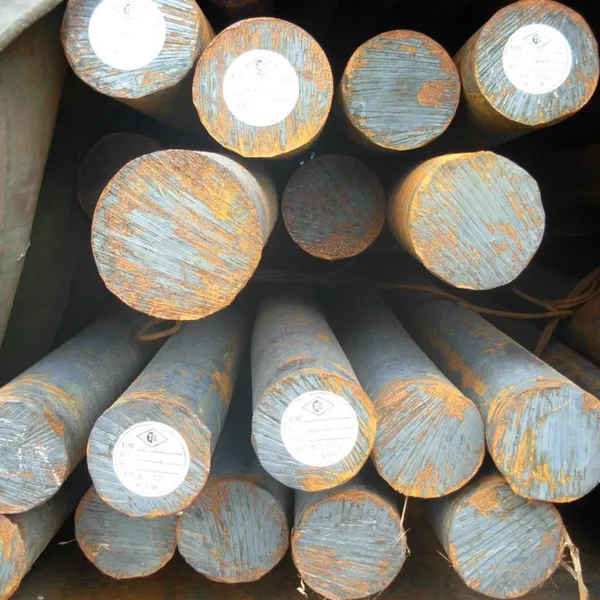 Read More
 -
Shanxi Jurun Technology: Your Electromagnetic Pure Iron Partner from Taiyuan, China's Pure Iron Prod
August 14, 2026When an international buyer searches for electromagnetic pure iron, they are not just looking for a material. They are looking for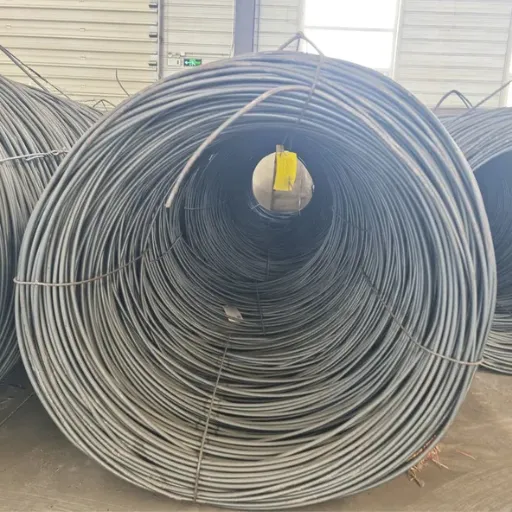 Read More

Contact Us
Recommended Products
-
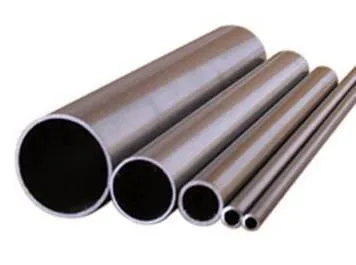
 Seamless Tube With Good Cold Electrical Pure Iron Fittings Hot Workability for Forming Fittings and ConduitsNegotiableMOQ: 1 Ton
 -
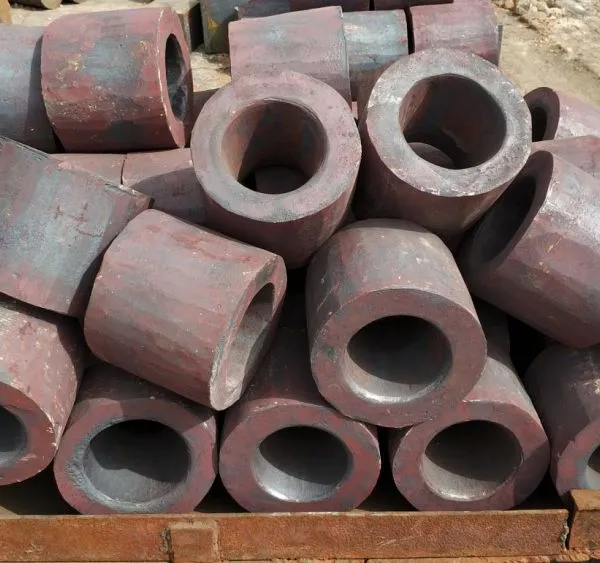
Electromagnetic Pure Iron Forging for Automotive Sensor ManufacturingNegotiableMOQ: 100 Kilograms
-
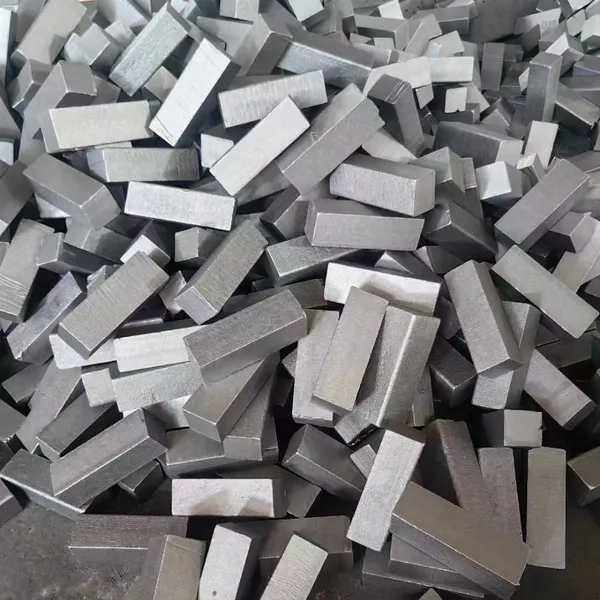
Precision Cut Pure Iron Square Bar High Saturation Induction Raw Material for Generator and RotorNegotiableMOQ: 100 Kilograms
-
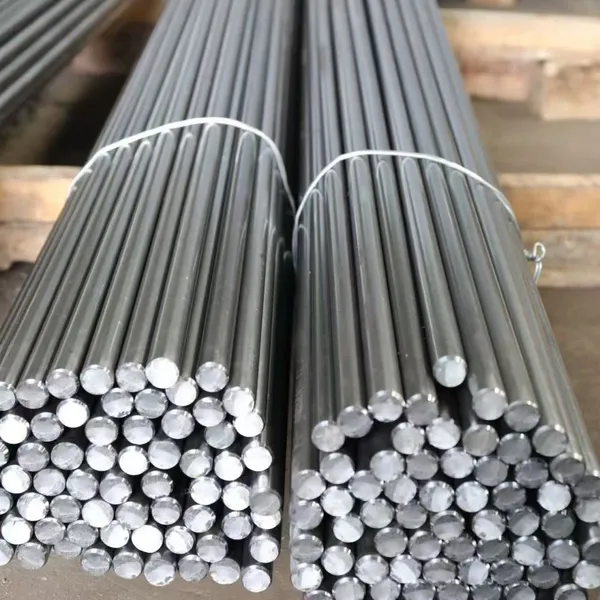
DT4C Super Grade Electromagnetic Pure Iron Bright Bar With Bundle Weight 30-100kg for Easy TransportationNegotiableMOQ: 1 Ton
-
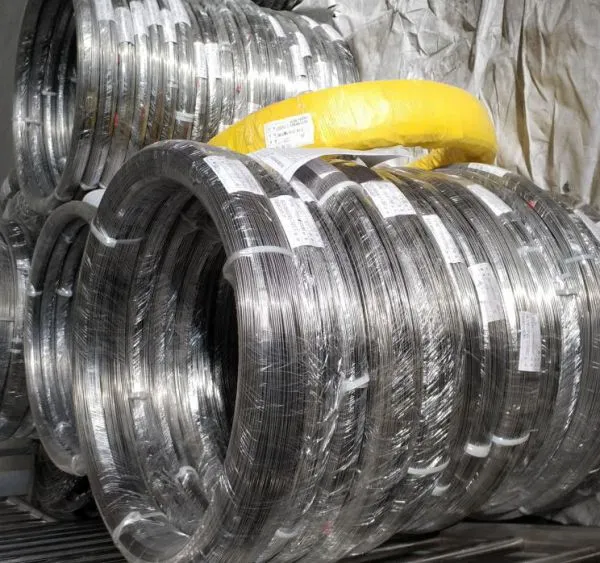
DT4C Electromagnetic Pure Iron Cold-Drawn Wire 0.5mm-6.0mm Diameter for TransformersNegotiableMOQ: 100 Kilograms
-
Industrial Pure Iron Bar for Electromagnetic Relay and Sensor ProductionNegotiableMOQ: 1 Ton
-
Electromagnetic Pure Iron Thin Sheet 0.3mm-0.8mm for Solenoid and Relay ManufacturingNegotiableMOQ: 500 Kilograms
-
Electrical Pure Iron Hot-Rolled Coil for Magnetic Components With Low Iron LossNegotiableMOQ: 1 Ton
-
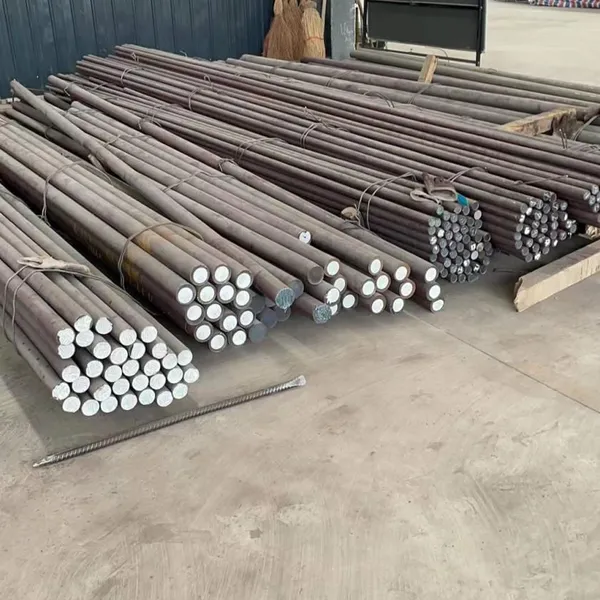
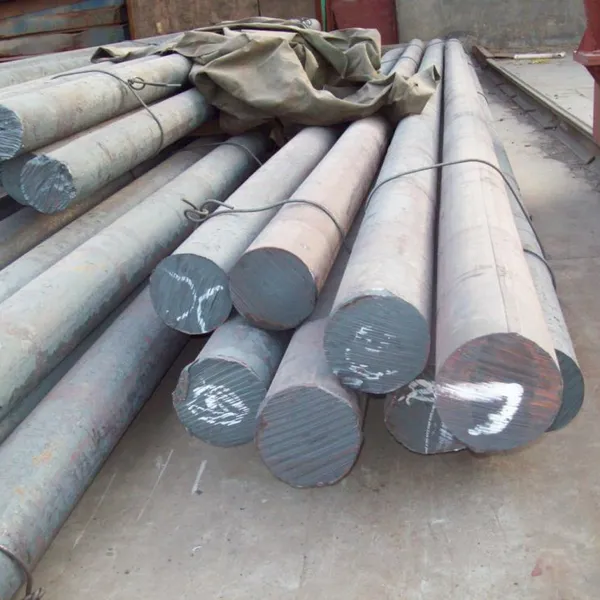
Low Carbon DT4C Pure Iron Round Bar With 99.8% Fe Content for Electrical ApplicationsNegotiableMOQ: 1 Ton
-
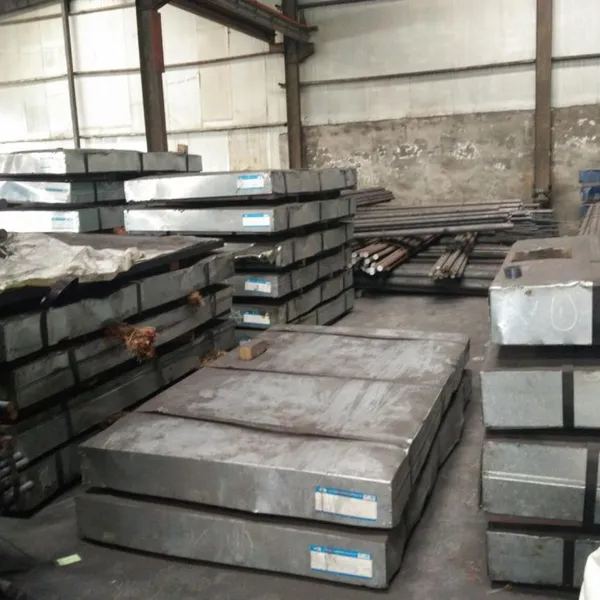
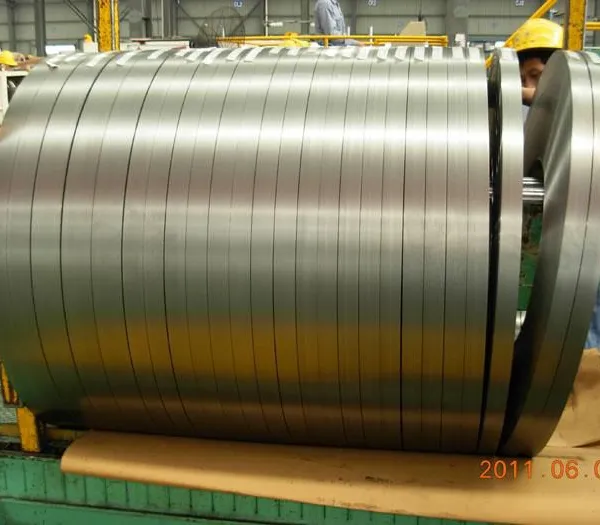
Cold Rolled Pure Iron Slit Coil DT4C Grade Ultra Low Carbon ≤0.004% for Magnetic ComponentsNegotiableMOQ: 1 Ton
-
Low Iron Loss Electromagnetic Pure Iron Hot-Rolled Coil DT4C for Transformer CoresNegotiableMOQ: 1 Ton
-
Soft Magnetic Pure Iron Sheet With Minimum Iron Loss for High-Efficiency MotorsNegotiableMOQ: 1 Ton
-
Electromagnetic Pure Iron Cold Rolled Coil DT4C for High Magnetic Permeability ApplicationsNegotiableMOQ: 1 Ton
-
Industrial Pure Iron Tube Superior Surface Quality Electromagnetic Pure Iron Tube for Welding and Plating ProcessesNegotiableMOQ: 1 Ton
-
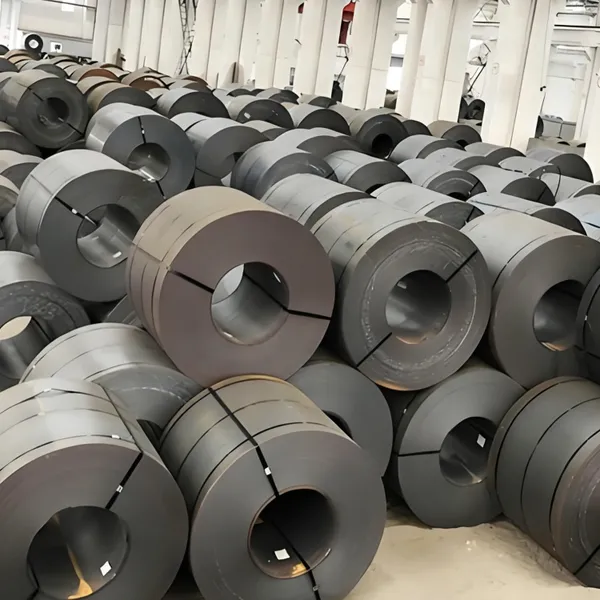
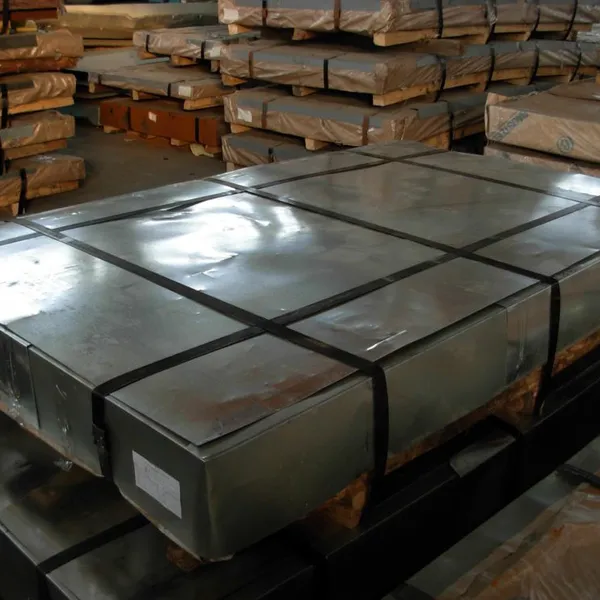
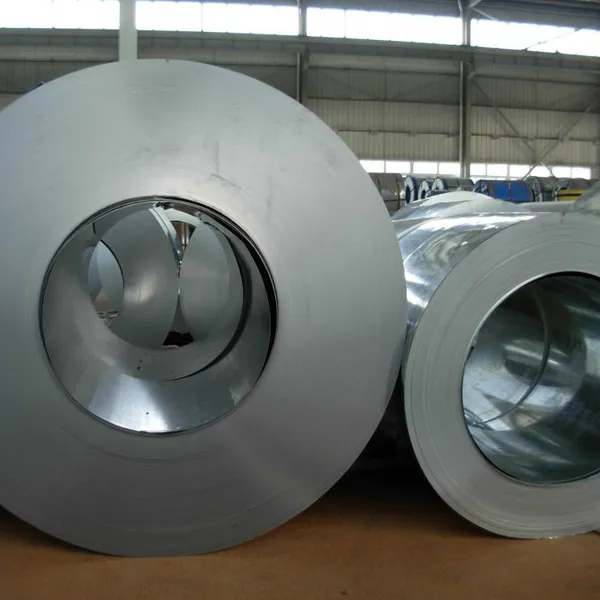
DT4 Seamless Pure Iron Tubing for High-Performance Electrical Equipment ApplicationsNegotiableMOQ: 1 Ton
-
DT4C Iron Wire Rod for Precision Magnetic Shielding ApplicationsNegotiableMOQ: 100 Kilograms
-
Industrial Pure Iron Fittings DT4 Pure Iron Seamless Tube With Low Hysteresis Loss for Electromagnetic SystemsNegotiableMOQ: 1 Ton
-
DT4C Cold Rolled Coil Slitting for Electrical Enclosure ManufacturingNegotiableMOQ: 1 Ton
-
Anti Rust Coated Pure Iron Square Bar Low Carbon Raw Material for Welding and Forging Magnetic PartsNegotiableMOQ: 100 Kilograms
-
DT4 Pure Iron Cold-Drawn Wire 0.5mm-6.0mm Diameter for Precision EngineeringNegotiableMOQ: 500 Kilograms