
 Business License

Hysteresis Loss: Cut Energy Waste in Transformers and Motors
A single large power transformer can waste enough energy through hysteresis loss to power hundreds of homes every year. For manufacturers designing transformers, motors, and electromagnetic relays, this invisible energy drain does not just inflate operating costs. It generates excess heat, reduces component lifespan, and limits the overall efficiency of modern electrical systems.
You already know that material selection determines the performance of your magnetic cores. What you may not realize is how significantly the wrong steel grade can amplify hysteresis loss and quietly erode your product's competitive edge. In this guide, you will learn exactly what hysteresis loss is, why it occurs in magnetic materials, and how selecting the right pure iron grade can dramatically reduce it. We will also walk through practical measurement techniques and material specifications that help engineers and procurement teams make informed decisions.
Shanxi Jurun Technology Co., Ltd. specializes in electromagnetic pure iron grades engineered specifically for low iron loss applications. Our experience supplying DT4C and related grades to transformer and motor manufacturers gives us direct insight into how the right material transforms product performance.
What Is Hysteresis Loss?
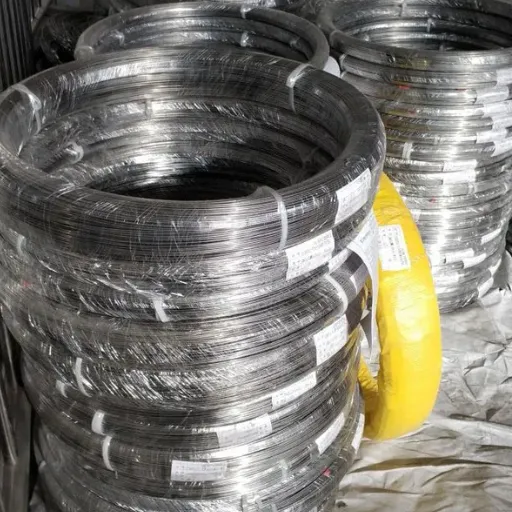
Hysteresis loss is the energy dissipated as heat within a ferromagnetic material when it is subjected to a repeatedly reversing magnetic field. Every time the magnetic domains inside the material reorient to follow the changing direction of the applied field, friction at the domain boundaries converts a small portion of that magnetic energy into thermal energy. That thermal energy is permanently lost from the system.
This phenomenon was first quantified in the late nineteenth century, and it remains one of the two primary components of core loss in electrical steel and pure iron materials. The other component is eddy current loss, which arises from circulating electrical currents induced within the core itself. While both losses matter, hysteresis loss is particularly stubborn because it is fundamentally tied to the microstructure and chemical purity of the core material. You can learn more about the underlying physics of magnetic hysteresis from established scientific references on the topic.
The magnitude of hysteresis loss depends on several factors. The frequency of the alternating magnetic field plays a direct role. Higher frequencies mean more reversal cycles per second and therefore greater energy dissipation. The maximum flux density also matters. Operating at higher induction levels forces domain walls to travel further during each cycle, increasing the area enclosed by the hysteresis loop. Most importantly, the intrinsic properties of the core material itself dictate how easily those domains can move.
Materials with high magnetic permeability and low coercivity allow domain walls to shift with minimal resistance. This produces a narrow hysteresis loop and correspondingly low hysteresis loss per cycle. Conversely, materials containing impurities such as carbon, sulfur, or nitrogen pin domain walls and widen the hysteresis loop. That is why standard construction steel performs poorly in transformer cores while specialized electromagnetic pure iron grades deliver vastly superior results.
Want to understand how different magnetic materials compare for your application? Read our complete selection guide for electrical engineering applications to see how pure iron stacks up against silicon steel and other alternatives.
Why Hysteresis Loss Matters for Your Applications
For industrial manufacturers, hysteresis loss is not merely an abstract physics concept. It translates directly into measurable economic and engineering consequences. In power transformers, excessive core loss reduces efficiency ratings, increases cooling requirements, and raises lifetime operating costs for utility companies. In electric vehicle motors, it limits range and generates unwanted heat that stresses thermal management systems. In precision relays and solenoids, it can slow response times and introduce unreliable switching behavior.
Consider the experience of a transformer manufacturer in Jiangsu that switched core materials to reduce costs. The procurement team initially selected a lower-grade electrical steel with higher carbon content to save on raw material expenses. Six months after deployment, field data revealed their transformer cores were running 12 degrees Celsius hotter than designed. Root cause analysis traced the problem directly to elevated hysteresis loss. The wider hysteresis loop of the cheaper material meant more energy was being converted to heat during every AC cycle. The manufacturer had to issue a service bulletin, redesign the cooling system, and ultimately replace the cores. The supposed material savings were erased several times over by warranty costs and reputational damage.
The financial impact scales with application size. A 100 MVA transformer operating at 60 Hz with a core loss of 50 kW will consume roughly 438,000 kWh annually just from core losses. Even a modest reduction in hysteresis loss of 15 to 20 percent can save enough electricity over a decade to justify a premium material investment. For high-volume producers of smaller components such as automotive sensors or relay assemblies, the cumulative energy savings across thousands of units can be equally significant.
Regulatory standards are also tightening. Efficiency regulations for distribution transformers in major markets now impose strict maximum loss limits. Manufacturers who cannot demonstrate low core loss face exclusion from tenders and procurement lists. Reducing hysteresis loss is therefore both an engineering priority and a commercial necessity. For a deeper look at how electrical pure iron performs in power systems, explore our detailed guide on electrical pure iron applications in transformers and motors.
How Material Purity Controls Hysteresis Loss
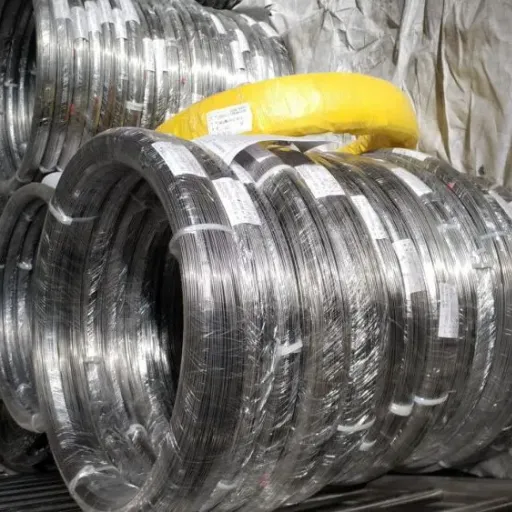
The single most effective way to reduce hysteresis loss in a magnetic core is to improve the purity and microstructure of the material itself. Impurities act as physical barriers to domain wall motion. Carbon atoms in particular, even at concentrations below 0.01 percent, create pinning sites that force domain walls to expend more energy as they navigate through the crystal lattice. The result is a fatter hysteresis loop and higher loss per cycle.
Ultra-low carbon pure iron grades such as DT4C are specifically refined to minimize these obstacles. With carbon content controlled at or below 0.004 percent, and with careful management of sulfur, phosphorus, and nitrogen levels, the material offers a much cleaner crystalline environment for magnetic domains. The coercivity drops significantly. The hysteresis loop narrows. The energy dissipated as heat during each magnetization cycle falls accordingly.
Grain structure also influences hysteresis loss. Large, well-oriented grains provide smooth pathways for domain wall movement. Cold rolling and appropriate annealing processes can create favorable crystallographic texture, further reducing the energy required to reverse magnetization. This is why raw material selection must be paired with attention to processing history. A high-purity ingot that is improperly rolled or annealed will not deliver its full potential for low hysteresis loss.
Surface quality matters too. Oxide layers, inclusions, and surface roughness can introduce localized stress concentrations that impede uniform domain behavior. For thin laminations used in transformer cores, even small surface defects can disproportionately increase local hysteresis loss and create hot spots within the stack.
If you are evaluating materials for a new magnetic component, start by comparing the coercivity and maximum permeability specifications of candidate grades. Lower coercivity almost always correlates with lower hysteresis loss. Next, verify the carbon content and residual impurity levels. Finally, request hysteresis loop data or core loss curves at your operating frequency and flux density. Reputable suppliers should provide this documentation without hesitation.
Want to see how material purity affects your specific application? Our engineering team can review your flux density and frequency requirements to recommend the optimal DT grade. Contact us for a material consultation.
DT4C Pure Iron: Engineered for Minimal Hysteresis Loss
Among the available electromagnetic pure iron grades, DT4C stands out as the preferred choice for manufacturers who prioritize low hysteresis loss combined with high magnetic permeability. This super-grade material is produced with stringent control over chemical composition and undergoes processing steps specifically designed to optimize its soft magnetic properties.
The defining characteristic of DT4C is its ultra-low carbon content, typically maintained at 0.004 percent or below. At this purity level, the pinning effect of carbon atoms on domain walls becomes negligible. The material exhibits high initial permeability and very low coercive force, which together produce a tight hysteresis loop. For transformer core manufacturers, this means lower no-load losses and improved overall efficiency ratings. For relay and solenoid producers, it means faster response times and more consistent magnetic performance across temperature variations.
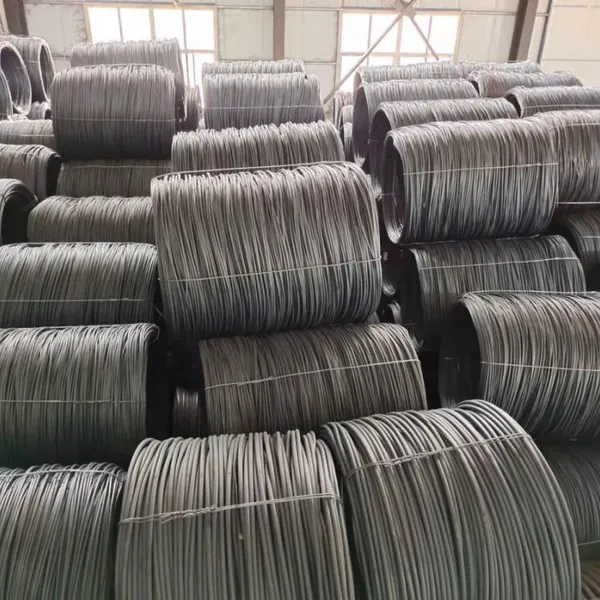
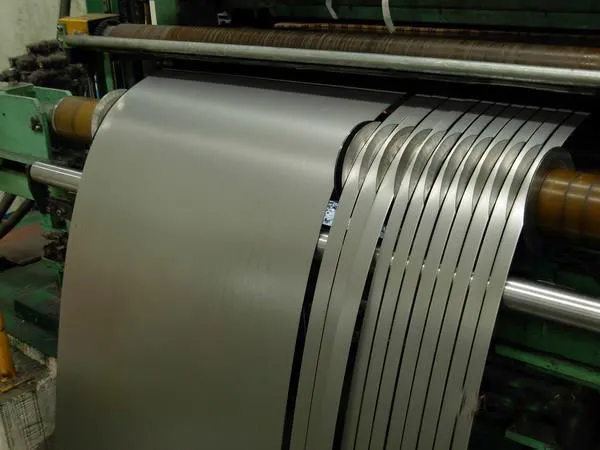
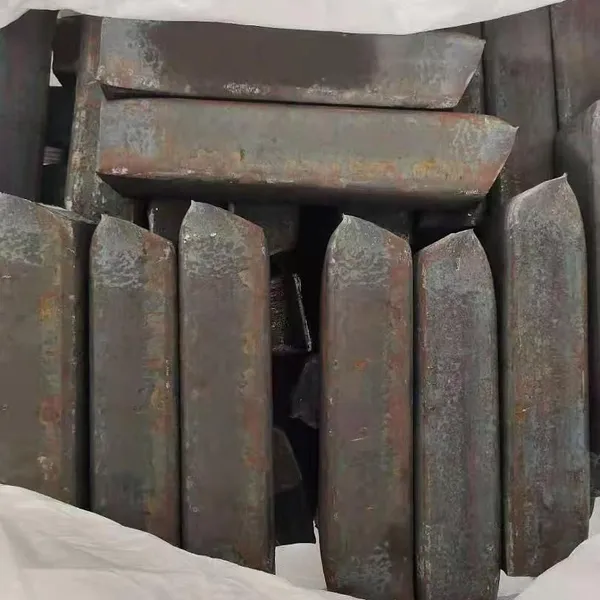
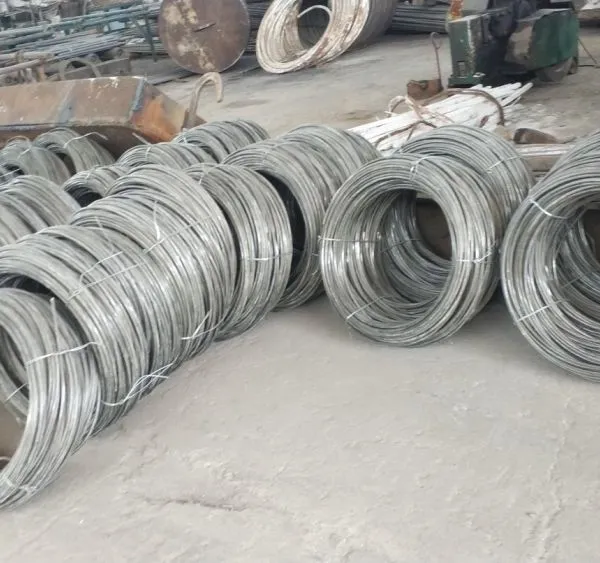
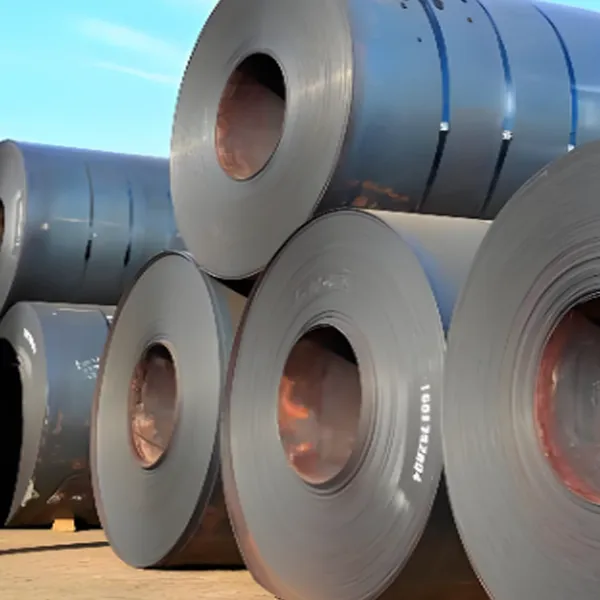
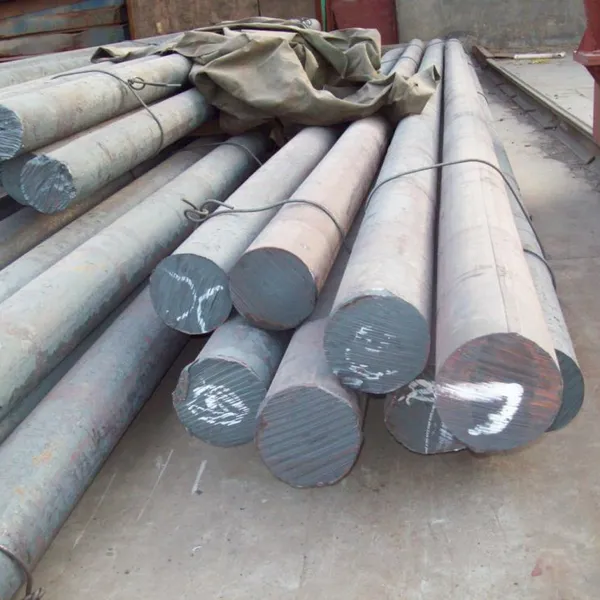
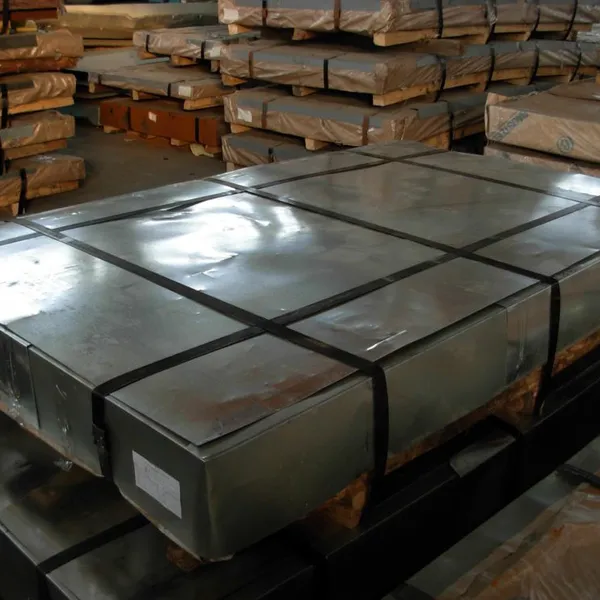
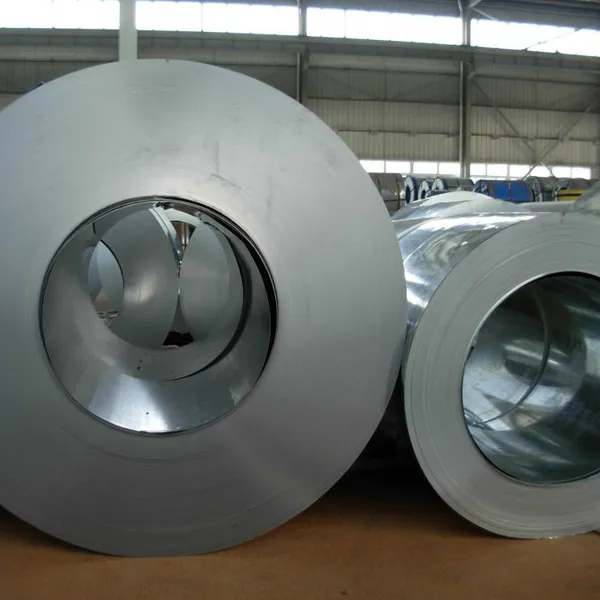
DT4C is available in multiple forms to suit different manufacturing processes. Hot-rolled coils and sheets are commonly used for larger transformer cores and motor stators where bulk material efficiency matters most. Cold-rolled thin sheets in the 0.3 mm to 0.8 mm range are ideal for laminated cores in precision applications. Cold-drawn wire and straight bars serve relay manufacturers and CNC machining shops that require specific geometries. Regardless of form, the underlying metallurgical quality ensures that hysteresis loss remains minimized. Learn more about our hot-rolled coil specifications in our electromagnetic pure iron hot-rolled coil guide.
A motor manufacturer in Zhejiang recently replaced their standard core laminations with DT4C cold-rolled sheets for a new high-efficiency motor line. Initial testing showed a 9 percent reduction in total core loss compared to their previous material, with the majority of that improvement coming from reduced hysteresis loss. The cooler operating temperature allowed them to downsize their cooling fan, which reduced noise and saved additional manufacturing cost. The material upgrade paid for itself within the first production run through improved efficiency ratings and reduced warranty risk.
For applications where maximum magnetic performance is essential, DT4C provides the metallurgical foundation that engineers need. It is not simply a raw material. It is a performance specification that directly determines how much energy your magnetic core will waste.
Ready to test the difference in your prototypes? Order a sample batch of DT4C cold-rolled sheets or hot-rolled coils and measure the hysteresis loss reduction yourself. Request a sample quote today.
Practical Strategies to Measure and Reduce Hysteresis Loss
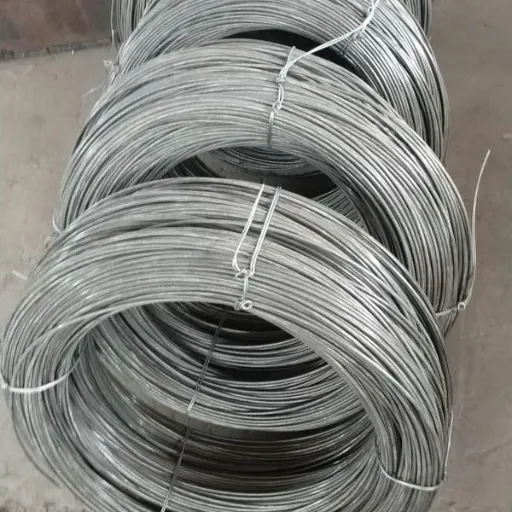
Understanding hysteresis loss is only valuable if you can act on that knowledge. Engineers and quality control teams should implement systematic measurement and material selection practices to keep core losses within specification.
The standard method for characterizing hysteresis loss is the Epstein frame test or single sheet tester. These instruments subject a sample lamination to a controlled alternating magnetic field while measuring the power consumed by the sample. The resulting data yields the specific core loss in watts per kilogram at defined flux densities and frequencies. For transformer steel and pure iron grades, tests are typically performed at 50 Hz or 60 Hz with peak flux densities of 1.0 T, 1.5 T, and 1.7 T.
When comparing materials, look beyond the headline loss figure. Examine the separation of total core loss into hysteresis loss and eddy current loss components. At lower frequencies, hysteresis loss usually dominates. At higher frequencies, eddy current loss grows more rapidly. Your material selection strategy should reflect your operating regime. If you are designing for 400 Hz aerospace applications, thin laminations and high resistivity may matter more than hysteresis loss alone. For 50/60 Hz power transformers, minimizing hysteresis loss through ultra-low carbon pure iron delivers the best return.
Stacking factor and lamination thickness also influence the practical hysteresis loss of a completed core. Even the best material will underperform if laminations are poorly aligned, warped, or assembled with excessive burrs that create short circuits between layers. Maintain tight tolerances on lamination flatness and edge quality. Use appropriate interlaminar insulation to prevent eddy currents from compounding your thermal problems.
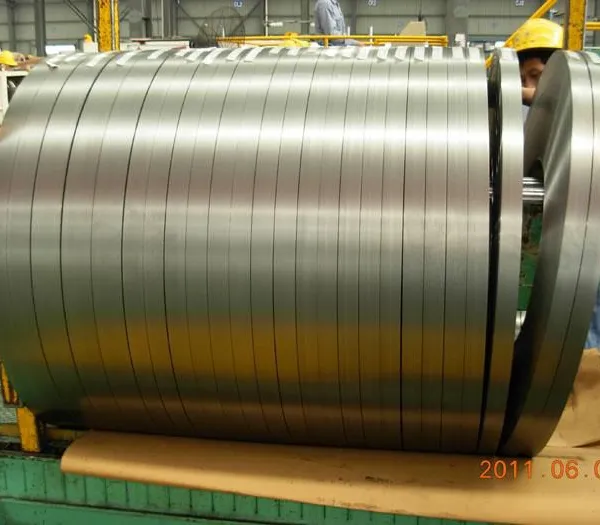
An automotive sensor supplier learned this lesson during a product redesign. They had correctly specified a low-hysteresis pure iron grade for their new position sensor core. However, their stamping vendor left sharp burrs on the laminations that created microscopic shorts between adjacent layers. During validation testing, the core ran 18 percent hotter than simulation predicted. The root cause was not the base material but the manufacturing process. After switching to precision-slit coils with deburred edges sourced directly from their material supplier, the prototypes matched thermal models exactly and passed qualification on the first attempt.
Annealing after stamping or machining is another critical step. Mechanical cutting and punching introduce localized strain that disrupts the crystal structure and increases coercivity. A proper hydrogen anneal can restore the soft magnetic properties of the material and bring hysteresis loss back down to design levels. If your manufacturing process involves significant cold work, factor annealing into your production flow and verify the recovery with post-process core loss testing. You can also explore how electromagnetic pure iron supports advanced applications in our guide to electromagnetic brakes materials and design.
Conclusion
Hysteresis loss is an unavoidable physical reality in alternating magnetic fields, but it is not a fixed cost. The material you choose for your transformer core, motor stator, or electromagnetic component has the single largest influence on how much energy gets wasted as heat during every operating cycle. Ultra-low carbon pure iron grades such as DT4C are specifically engineered to narrow the hysteresis loop, reduce coercivity, and maximize magnetic permeability.
Key takeaways from this guide:
Hysteresis loss occurs when magnetic domains resist reorientation during field reversal, converting magnetic energy into heat.
Impurities such as carbon pin domain walls and widen the hysteresis loop, directly increasing energy loss.
Regulatory efficiency standards and operating cost pressures make hysteresis loss reduction a commercial priority.
DT4C electromagnetic pure iron, with carbon content at or below 0.004 percent, delivers significantly lower hysteresis loss than standard electrical steels.
Proper measurement, lamination quality, and post-processing annealing ensure that the material's low-loss potential is fully realized in the finished component.
Manufacturers who treat core material selection as a strategic engineering decision rather than a commodity purchase consistently achieve better efficiency, lower thermal stress, and stronger competitive positioning.
Get precision-engineered pure iron designed to minimize hysteresis loss. Contact Shanxi Jurun Technology Co., Ltd. today for a custom quote on DT4C hot-rolled coils, cold-rolled sheets, or precision-cut laminations tailored to your exact specifications. Request your custom quote.
Recently Posted
-
Shanxi Jurun Technology: Your Electromagnetic Pure Iron Partner from Taiyuan, China's Pure Iron Prod
August 14, 2026When an international buyer searches for electromagnetic pure iron, they are not just looking for a material. They are looking for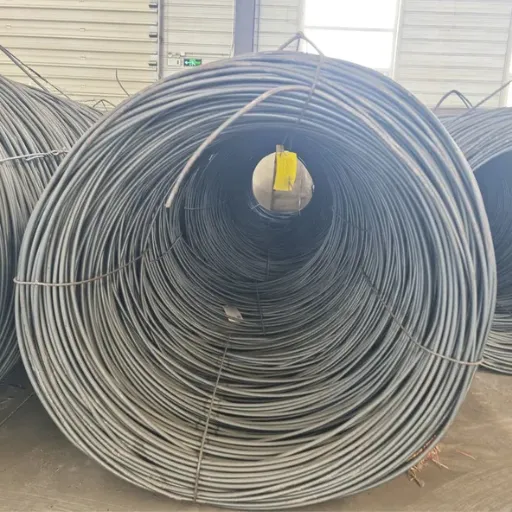 Read More
 -
Cold Drawing Process for Electromagnetic Pure Iron Wire: How Wire Rod Becomes Precision Cold-Drawn W
August 13, 2026Not long ago, a solenoid valve manufacturer in Italy received a shipment of 5.5 mm electromagnetic pure iron cold-drawn wire inten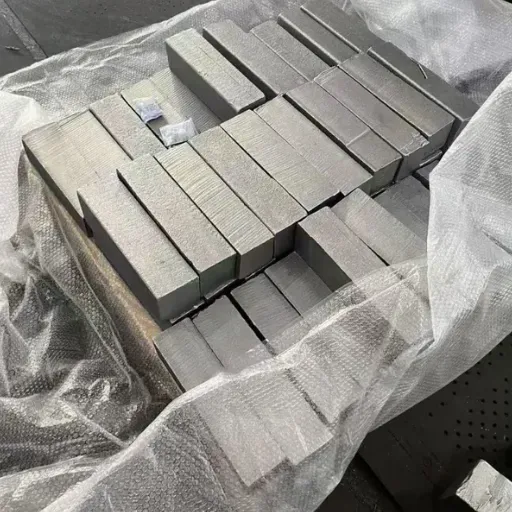 Read More
 -
How to Choose a Food Vacuum Sealer Supplier in China: 8 Evaluation Criteria
August 13, 2026An e-commerce brand owner in the UK contacted us some time ago after a supplier relationship fell apart. They had sourced roughly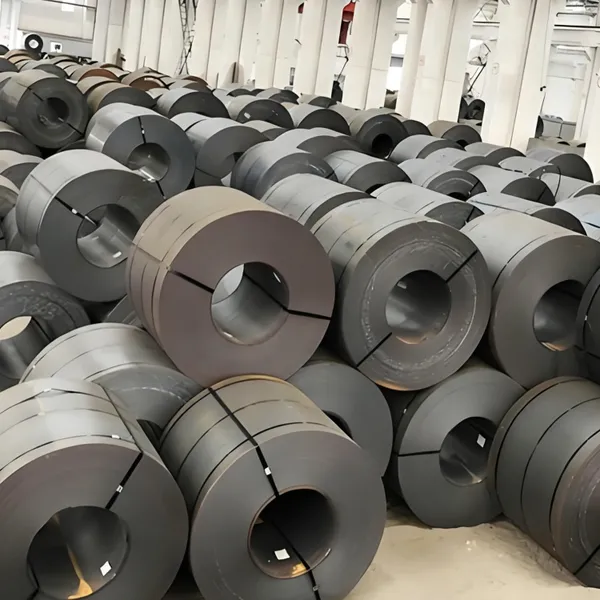 Read More
 -
Electromagnetic Pure Iron for Relay Manufacturing: Material Requirements, Grade Selection, and Case
August 13, 2026Some time ago, a relay production line in Zhejiang province began experiencing a puzzling failure pattern. Roughly 3 out of every
Read More

Contact Us
Recommended Products
-
 Seamless Tube With Good Cold Electrical Pure Iron Fittings Hot Workability for Forming Fittings and ConduitsNegotiableMOQ: 1 Ton
 -
Electromagnetic Pure Iron Forging for Automotive Sensor ManufacturingNegotiableMOQ: 100 Kilograms
-
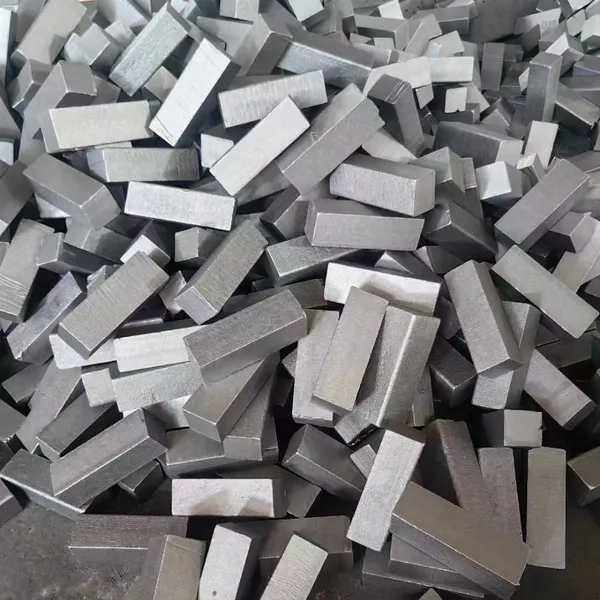
Precision Cut Pure Iron Square Bar High Saturation Induction Raw Material for Generator and RotorNegotiableMOQ: 100 Kilograms
-
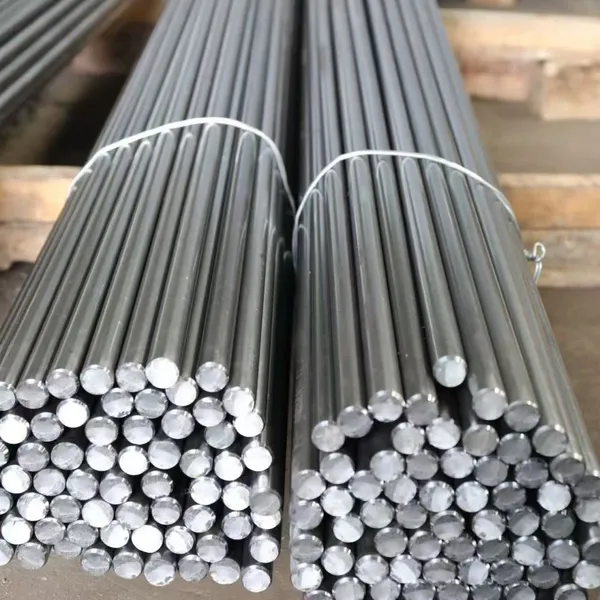
DT4C Super Grade Electromagnetic Pure Iron Bright Bar With Bundle Weight 30-100kg for Easy TransportationNegotiableMOQ: 1 Ton
-
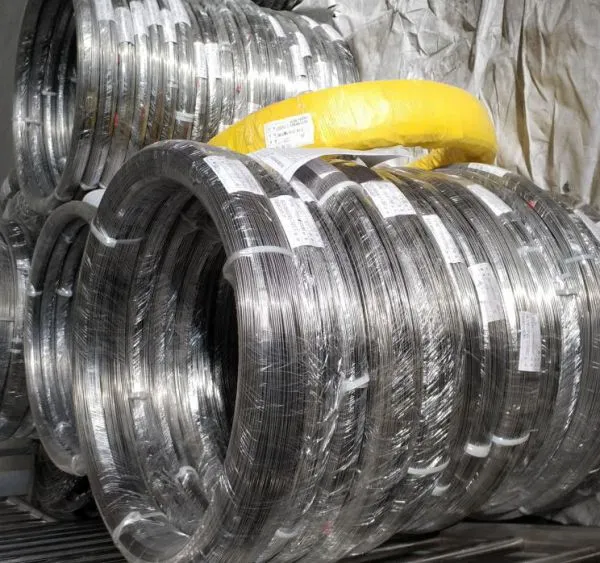
DT4C Electromagnetic Pure Iron Cold-Drawn Wire 0.5mm-6.0mm Diameter for TransformersNegotiableMOQ: 100 Kilograms
-
Industrial Pure Iron Bar for Electromagnetic Relay and Sensor ProductionNegotiableMOQ: 1 Ton
-
Electromagnetic Pure Iron Thin Sheet 0.3mm-0.8mm for Solenoid and Relay ManufacturingNegotiableMOQ: 500 Kilograms
-
Electrical Pure Iron Hot-Rolled Coil for Magnetic Components With Low Iron LossNegotiableMOQ: 1 Ton
-
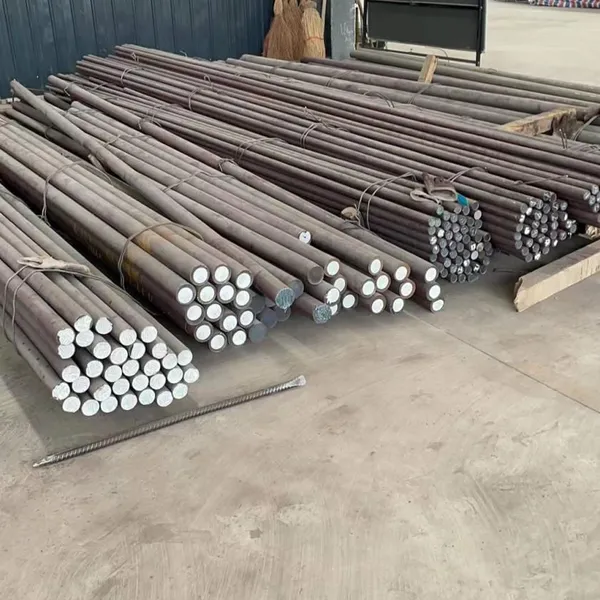
Low Carbon DT4C Pure Iron Round Bar With 99.8% Fe Content for Electrical ApplicationsNegotiableMOQ: 1 Ton
-
Cold Rolled Pure Iron Slit Coil DT4C Grade Ultra Low Carbon ≤0.004% for Magnetic ComponentsNegotiableMOQ: 1 Ton
-
Low Iron Loss Electromagnetic Pure Iron Hot-Rolled Coil DT4C for Transformer CoresNegotiableMOQ: 1 Ton
-
Soft Magnetic Pure Iron Sheet With Minimum Iron Loss for High-Efficiency MotorsNegotiableMOQ: 1 Ton
-
Electromagnetic Pure Iron Cold Rolled Coil DT4C for High Magnetic Permeability ApplicationsNegotiableMOQ: 1 Ton
-
Industrial Pure Iron Tube Superior Surface Quality Electromagnetic Pure Iron Tube for Welding and Plating ProcessesNegotiableMOQ: 1 Ton
-
DT4 Seamless Pure Iron Tubing for High-Performance Electrical Equipment ApplicationsNegotiableMOQ: 1 Ton
-
DT4C Iron Wire Rod for Precision Magnetic Shielding ApplicationsNegotiableMOQ: 100 Kilograms
-
Industrial Pure Iron Fittings DT4 Pure Iron Seamless Tube With Low Hysteresis Loss for Electromagnetic SystemsNegotiableMOQ: 1 Ton
-
DT4C Cold Rolled Coil Slitting for Electrical Enclosure ManufacturingNegotiableMOQ: 1 Ton
-
Anti Rust Coated Pure Iron Square Bar Low Carbon Raw Material for Welding and Forging Magnetic PartsNegotiableMOQ: 100 Kilograms
-
DT4 Pure Iron Cold-Drawn Wire 0.5mm-6.0mm Diameter for Precision EngineeringNegotiableMOQ: 500 Kilograms