
 Business License

Soft Magnetic Alloys: A Complete Guide to Selection and Industrial Applications
What happens when a transformer core retains its magnetization after the power shuts off? The answer is costly: energy waste, overheating, and premature equipment failure. Engineers and procurement managers who understand this single principle already have an edge over competitors who treat magnetic materials as interchangeable commodities.
Soft magnetic alloys are the silent workhorses behind virtually every electromagnetic device we rely on, from the transformers feeding our power grids to the sensors guiding modern electric vehicles. Unlike hard magnetic materials that hold their magnetization permanently, these alloys magnetize and demagnetize with minimal energy loss. That property alone determines whether your electrical components run efficiently or bleed power through hysteresis.
In this guide, you will learn exactly what soft magnetic alloys are, how they differ from hard magnetic materials, which grades suit specific industrial applications, and how to evaluate suppliers who claim to deliver premium magnetic materials. Whether you are designing transformer cores, optimizing motor stators, or sourcing raw materials for relay manufacturing, this article provides actionable guidance you can apply immediately.
Want to skip ahead? Explore our complete guide to magnetic materials for electrical engineering to see how pure iron grades compare against silicon steel and nickel alloys.
What Are Soft Magnetic Alloys and Why Do They Matter?
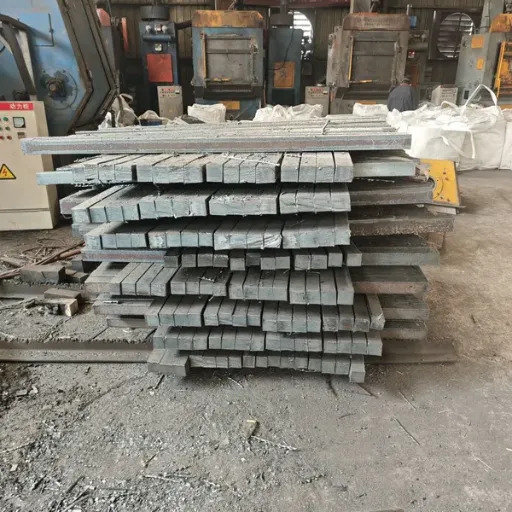
Soft magnetic alloys are metallic materials that exhibit high magnetic permeability and low coercivity. In practical terms, they strengthen an applied magnetic field when energized and release nearly all of that magnetization the instant the external field disappears. This rapid, reversible response makes them indispensable in applications requiring repeated magnetization cycles.
The physics behind this behavior traces back to domain wall movement. Within these alloys, magnetic domains align easily with an external field and just as easily return to a random orientation when the field drops. That low resistance to change is what engineers call low coercivity, and it translates directly into low hysteresis loss during operation.
Consider the experience of Chen Wei, a procurement engineer at a Hangzhou-based transformer manufacturer. In 2024, his team switched from a standard electrical steel supplier to a source offering DT4C electromagnetic pure iron with verified ultra-low carbon content. The result? Core losses dropped by 18% across their 110kV transformer line, and operating temperatures fell enough to extend insulation life by an estimated four years. One material change reshaped their entire product reliability strategy.
Key Properties That Define Performance
Not every soft magnetic alloy performs identically. Four properties dominate the selection process for industrial manufacturers:
Magnetic permeability: Measures how easily a material amplifies an external magnetic field. Higher permeability means stronger magnetic response at lower excitation currents, directly improving device efficiency.
Coercivity: The field strength required to demagnetize a material. Soft magnetic alloys aim for the lowest possible coercivity to minimize energy loss during each magnetization cycle.
Saturation induction: The maximum magnetic flux density a material can carry. Power transformers and high-torque motors require alloys that saturate at high levels without excessive core mass.
Iron loss: The total energy dissipated as heat during magnetization cycling, combining hysteresis loss and eddy current loss. Lower iron loss equals cooler operation and better energy efficiency.
Understanding these four properties prevents the common mistake of selecting a material based solely on price or grade name. A low-cost alloy with poor permeability can increase winding copper requirements, offsetting any raw material savings with higher conductor costs.
Types of Soft Magnetic Alloys Used in Modern Manufacturing
The soft magnetic materials market spans several alloy families, each optimized for specific frequency ranges, flux densities, and cost constraints. Choosing the wrong family for your application can degrade performance by 30% or more.
Electromagnetic Pure Iron and Low-Carbon Iron
Electromagnetic pure iron represents the most fundamental class of soft magnetic alloys. With carbon content at or below 0.004%, grades like DT4C deliver exceptional magnetic permeability and some of the lowest coercivity values available in commercial materials. These properties make pure iron ideal for DC applications, high-performance relays, and precision magnetic shielding.
Learn more about how electrical pure iron performs in transformers, motors, and power systems to understand real-world application benchmarks.
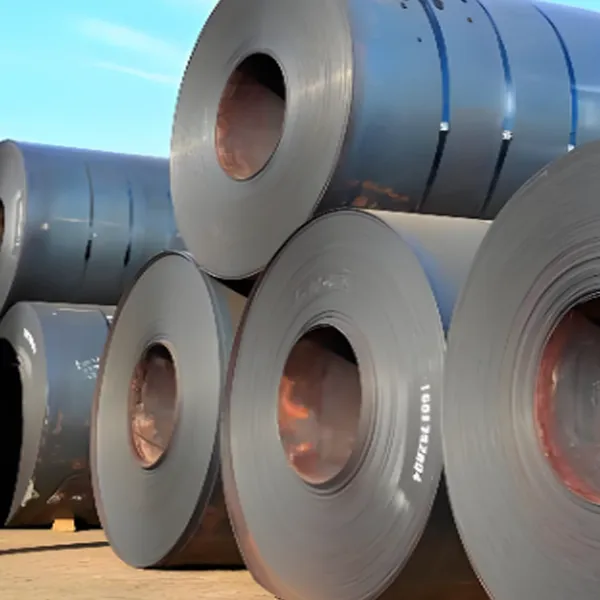
The YT series and DT series dominate Chinese and Asian manufacturing supply chains. DT4C, in particular, has become the benchmark grade for manufacturers requiring consistent saturation induction above 2.1 T alongside minimal iron loss. Hot-rolled coils and cold-rolled sheets of this grade feed directly into transformer core laminations and motor stator punchings.
Pure iron does have limitations. Its relatively high electrical conductivity increases eddy current losses at elevated frequencies, restricting its dominance to power-frequency applications below approximately 400 Hz. For audio-frequency or high-frequency work, engineers typically look toward silicon steel or specialty alloys.
Silicon Steel (Electrical Steel)
Silicon steel alloys iron with 1% to 4.5% silicon, raising electrical resistivity and suppressing eddy currents. This makes silicon steel the default choice for AC motors, generators, and distribution transformers operating at 50 or 60 Hz. Grain-oriented silicon steel, in which crystal grains align along the rolling direction, achieves especially low iron loss along that axis.
The trade-off is lower magnetic permeability compared to pure iron and somewhat reduced saturation induction. Engineers must balance these factors against the frequency demands of their specific device. For large power transformers where every watt of loss translates into operating cost, grain-oriented silicon steel remains the industry standard.
Nickel-Iron Alloys (Permalloy)
Nickel-iron alloys containing roughly 78% nickel and 22% iron, commonly called Permalloy, deliver the highest magnetic permeability of any commercially available soft magnetic material. Coercivity drops to remarkably low levels, making these alloys essential for sensitive magnetic sensors, shielding enclosures, and high-frequency inductor cores.
The drawback is cost. Nickel content drives prices well above iron or silicon steel options, so Permalloy appears primarily in aerospace, defense, and precision instrumentation where performance outweighs material expense. Manufacturers working in these sectors should also evaluate cobalt-iron alloys, which offer even higher saturation induction for specialized motor and generator applications.
Soft Ferrites and Amorphous Alloys
Ceramic soft ferrites and metallic glass amorphous alloys occupy niches at the frequency extremes. Ferrites excel at radio frequencies and switching power supplies due to their extremely high resistivity, though their low saturation flux limits power handling. Amorphous alloys, produced by rapid solidification, combine low coercivity with moderate saturation levels and find use in high-efficiency distribution transformers and specialized inductors.
How to Select the Right Soft Magnetic Alloy for Your Application
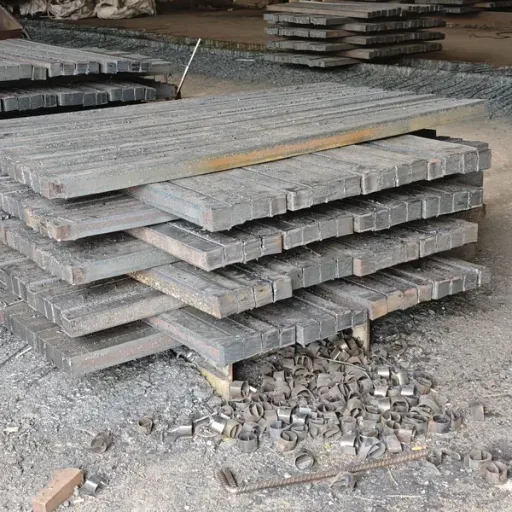
Material selection follows a systematic evaluation of operating conditions, performance targets, and economic constraints. Skipping any step in this process risks over-specifying expensive alloys or under-specifying materials that fail in service.
Step 1: Define the Magnetic Environment
Begin by characterizing the magnetic field your component will encounter. Questions to answer include:
What is the peak flux density requirement?
At what frequency will the material magnetize and demagnetize?
Will the material experience DC bias, AC excitation, or both?
What are the maximum allowable core losses?
DC chokes and magnetic shielding favor high-permeability pure iron because eddy current concerns are minimal. AC transformers and rotating machinery operating at line frequency typically move toward silicon steel. High-frequency switching supplies and RF inductors may require ferrites or thin-gauge amorphous tapes.
Step 2: Evaluate Thermal and Mechanical Constraints
Operating temperature affects magnetic properties significantly. Curie temperature marks the point where a material loses its magnetic behavior entirely, so designers must maintain adequate margin below this threshold. Pure iron and silicon steel both offer Curie temperatures above 700°C, providing generous headroom for most industrial applications.
Mechanical stress also alters magnetic performance. Punching, cutting, and bending operations introduce work hardening that increases coercivity and iron loss. For laminations stamped from thin sheet, stress-relief annealing after forming often becomes necessary to restore optimal magnetic characteristics. Procurement managers should verify whether suppliers deliver annealed, ready-to-stack laminations or raw material requiring post-processing.
Step 3: Balance Cost Against Performance
The cheapest material rarely delivers the lowest total cost of ownership. A low-grade alloy with higher core losses increases electricity consumption over the equipment lifetime, often outweighing any upfront material savings. Large power transformers operating continuously for decades illustrate this point dramatically: a 0.5% efficiency improvement can save tens of thousands of dollars in energy costs.
Conversely, specifying Permalloy for a standard relay core wastes budget without delivering proportional benefit. Match the alloy capability to the application requirement, then negotiate pricing based on volume and processing needs.
Ready to evaluate specific grades for your production line? Contact our engineering team to discuss whether DT4C electromagnetic pure iron or another soft magnetic alloy matches your technical specifications and budget.
Critical Processing Factors That Affect Magnetic Performance
Even the highest-grade soft magnetic alloy performs poorly if processing introduces defects or residual stress. Manufacturers must control every step from raw material to finished core.
Cold Rolling and Annealing
Cold rolling refines grain structure and improves surface quality, but it also work-hardens the material and distorts magnetic domains. Subsequent annealing at controlled temperatures recrystallizes the grain structure and restores soft magnetic properties. The annealing atmosphere matters significantly. Hydrogen atmospheres reduce surface oxides and prevent decarburization, while inert nitrogen atmospheres offer a safer alternative for less demanding grades.
For cold-rolled electromagnetic pure iron sheets, final annealing temperatures typically range between 800°C and 900°C. Deviations of even 50°C can shift coercivity by measurable amounts, so suppliers with precise furnace control deliver more consistent material.
Slitting and Cutting Tolerances
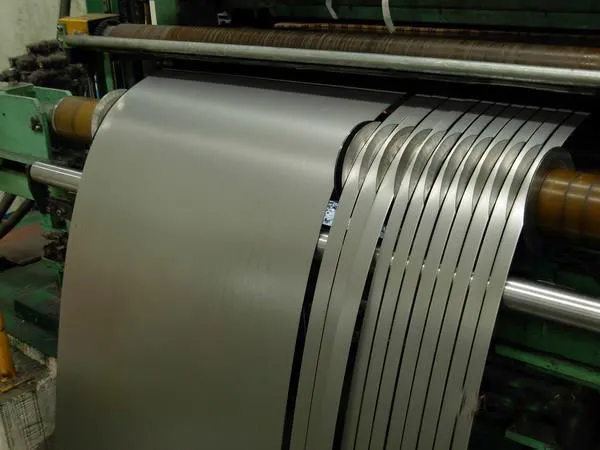
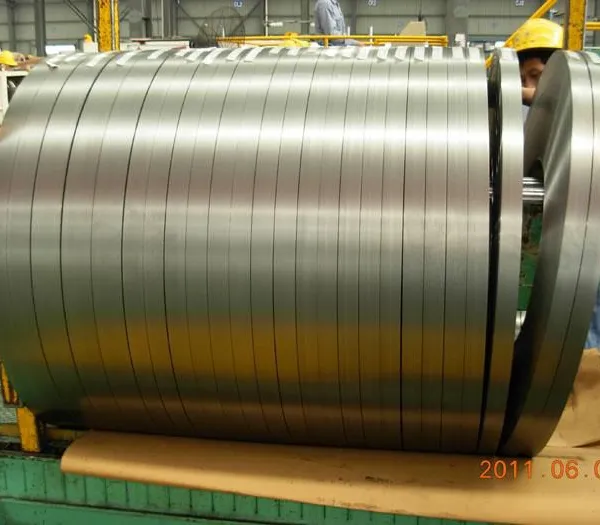
Transformer and motor manufacturers increasingly purchase slit coils rather than full-width master coils. Slitting reduces material waste and fits automated stacking lines, but poor edge quality creates burrs that degrade lamination insulation and increase interlaminar eddy currents.
Precision slitting to ±0.1mm width tolerance with clean, burr-free edges preserves the magnetic performance engineered into the base alloy. When evaluating suppliers, request samples of slit edges and measure burr height against your internal standards.
Surface Insulation and Coatings
Electrical steel laminations receive thin insulating coatings to prevent eddy currents from flowing between adjacent sheets. These coatings must withstand punching, annealing, and long-term thermal aging without degrading. Organic varnishes, inorganic phosphates, and hybrid coatings each offer different balances of insulation resistance, heat tolerance, and environmental compliance.
Pure iron components destined for magnetic shielding or DC applications may instead receive anti-rust coatings for storage protection. The coating choice should align with the end-use environment and any subsequent processing steps like welding or plating.
Common Industrial Applications of Soft Magnetic Alloys

The global demand for soft magnetic alloys tracks closely with electrification trends in transportation, renewable energy, and industrial automation. Understanding where these materials fit helps manufacturers anticipate supply needs and specification changes.
Power Transformers and Distribution Equipment
Transformer cores account for the largest single consumption of soft magnetic alloys worldwide. Grain-oriented silicon steel dominates here, but electromagnetic pure iron plays a vital role in specialty instrument transformers, current sensors, and magnetic shunts where high permeability at low flux densities matters more than minimizing absolute core loss.
As grid operators upgrade aging infrastructure and integrate renewable generation, demand for high-efficiency core materials continues growing. Transformers meeting modern efficiency standards often require premium grades with lower iron loss than legacy designs accepted.
Electric Vehicle Motors and Generators
The automotive industry’s shift toward electrification has reshaped soft magnetic alloy demand. Traction motors in electric vehicles require materials that maintain performance across wide speed ranges and temperature excursions. Soft magnetic alloys with high saturation induction allow compact motor designs that save space and weight.
Automotive sensor applications, from position sensors to current transducers, increasingly specify electromagnetic pure iron forgings and stampings for their stable magnetic response and consistent quality. Suppliers serving this market must maintain strict dimensional tolerances and lot-to-lot consistency to satisfy automotive quality systems.
Electromagnetic Relays and Solenoid Valves
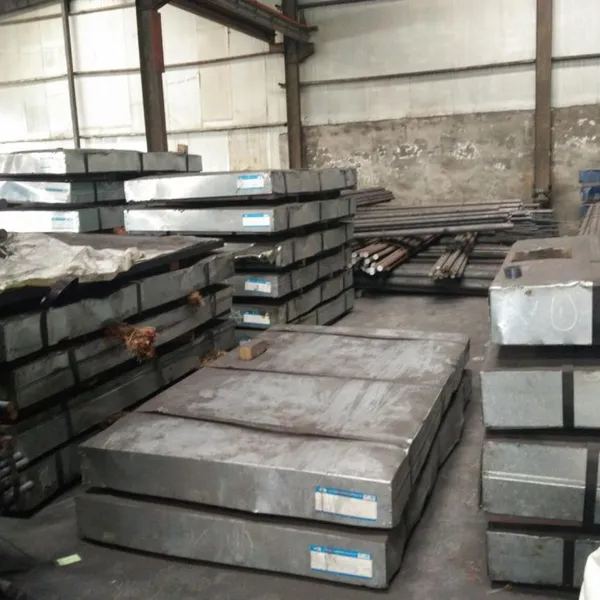
Relays and solenoids operate through rapid magnetic switching, making low coercivity essential for responsive actuation. Thin pure iron sheets between 0.3mm and 0.8mm feed high-speed stamping lines that produce armatures, yokes, and pole pieces by the millions. Any variation in material thickness or magnetic properties translates directly into inconsistent pull-in voltage and release characteristics.
Magnetic Shielding and Precision Instruments
Sensitive electronic equipment, from medical imaging systems to quantum sensors, requires magnetic shielding that redirects ambient fields away from detection elements. High-permeability alloys like Permalloy and pure iron form enclosures, liners, and shields that channel magnetic flux around protected volumes.
Quality Verification and Supplier Evaluation
Sourcing soft magnetic alloys from global suppliers introduces risks that diligent verification can mitigate. Manufacturers who skip material verification steps often discover problems only after cores are stacked and wound.
Essential Material Certifications
Request certificates of analysis verifying chemical composition, especially carbon content for pure iron grades. Carbon above specified limits degrades magnetic permeability and increases coercivity measurably. Mechanical property certificates should confirm hardness and tensile strength fall within ranges compatible with your forming operations.
Magnetic test reports provide the most direct quality evidence. Look for DC magnetization curves, coercivity values, and iron loss measurements at relevant frequencies and flux densities. Reputable suppliers test samples from each production lot rather than providing generic historical data.
Incoming Inspection Protocols
Even with certified material, incoming inspection protects your production line from mixed grades or damaged shipments. Recommended checks include:
Dimensional verification of thickness, width, and length
Visual inspection for surface defects, rust, or coating irregularities
Spot-checking chemical composition with portable spectrometers
Sample magnetic testing for critical applications
Evaluating Processing Capabilities
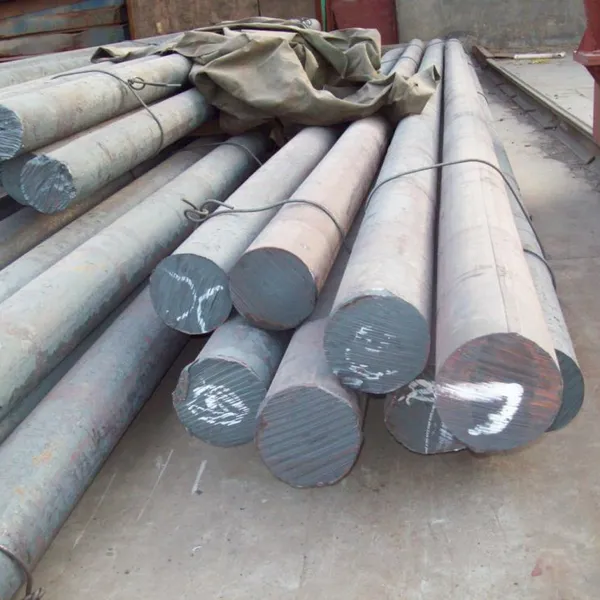
Suppliers who offer both raw material and processing services can streamline your supply chain significantly. Slitting, cut-to-length bars, precision straightening, and surface preparation reduce handling steps and scrap rates at your facility. When a supplier can deliver coils slit to your exact lamination width or bars cut to your stator stack height, your production team spends less time on material prep and more time on value-added assembly.
Looking for a supplier who understands both metallurgy and manufacturing? Explore our electromagnetic pure iron hot-rolled coil specifications and processing options to see how integrated supply chains reduce lead times.
Emerging Trends in Soft Magnetic Alloy Development
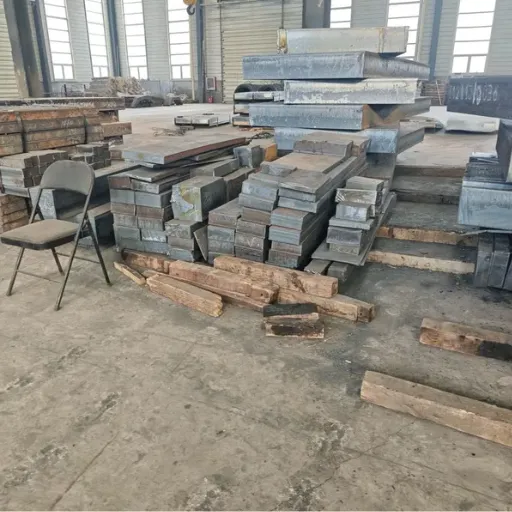
The soft magnetic materials landscape continues evolving as engineers push efficiency boundaries and environmental regulations tighten.
Higher Efficiency Grades
Steel producers continuously refine alloy chemistry and processing to reduce iron loss further. New grades targeting transformer applications achieve core losses 10% to 15% below previous-generation materials through optimized silicon content, tighter grain orientation control, and thinner gauge offerings.
Thin Gauge and Nanocrystalline Materials
Thinner laminations reduce eddy current losses proportionally, driving demand for 0.23mm and even 0.20mm silicon steel in high-efficiency motors and generators. Nanocrystalline soft magnetic alloys, produced by controlled crystallization of amorphous precursors, combine ultra-low coercivity with moderate saturation levels in ribbon form. These materials already appear in high-frequency transformers and advanced inductor designs.
Sustainability and Recycling Considerations
Environmental regulations and corporate sustainability goals increasingly influence material selection. Silicon steel and pure iron both recycle efficiently without significant property degradation. Procurement teams evaluating suppliers should consider scrap return programs and energy-efficient processing methods as selection criteria alongside magnetic performance.
Conclusion: Making Informed Decisions About Soft Magnetic Alloys
Selecting the right soft magnetic alloy demands more than comparing price lists. It requires understanding your application’s magnetic environment, evaluating alloy families against that requirement, and partnering with suppliers who control processing quality from melt to finished coil.
The key takeaways from this guide are straightforward:
Soft magnetic alloys enable efficient electromagnetic devices by minimizing hysteresis and eddy current losses.
Electromagnetic pure iron excels in DC and low-frequency applications requiring maximum permeability.
Silicon steel dominates AC power applications at line frequency due to its higher resistivity.
Specialty alloys like Permalloy serve high-sensitivity and high-frequency niches where cost is secondary.
Processing steps including annealing, slitting, and coating quality profoundly affect final magnetic performance.
Supplier evaluation should combine material certifications, magnetic test data, and processing capability assessment.
Whether you are designing next-generation transformers, sourcing materials for EV motor production, or optimizing relay assembly yields, the alloy you choose shapes performance, efficiency, and reliability. Invest the time to match material capability to application need, and the result will show in every unit that rolls off your production line.
Ready to source premium soft magnetic alloys for your next project? Request a custom quote for DT4C electromagnetic pure iron or explore our full range of grades and processing services tailored to your manufacturing requirements.
Recently Posted
-
Shanxi Jurun Technology: Your Electromagnetic Pure Iron Partner from Taiyuan, China's Pure Iron Prod
August 14, 2026When an international buyer searches for electromagnetic pure iron, they are not just looking for a material. They are looking for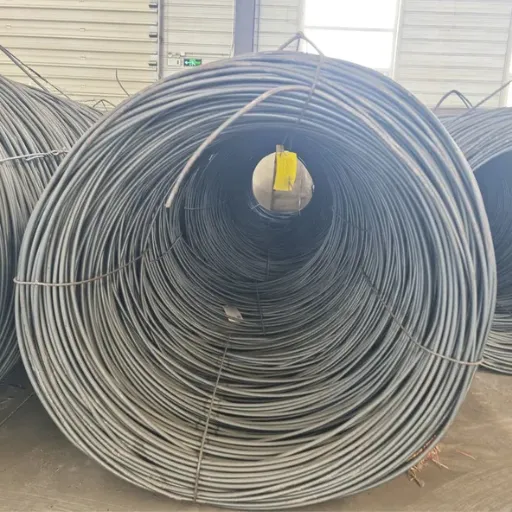 Read More
 -
Cold Drawing Process for Electromagnetic Pure Iron Wire: How Wire Rod Becomes Precision Cold-Drawn W
August 13, 2026Not long ago, a solenoid valve manufacturer in Italy received a shipment of 5.5 mm electromagnetic pure iron cold-drawn wire inten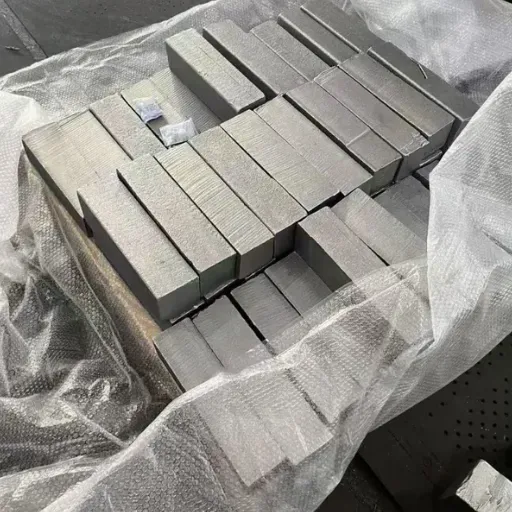 Read More
 -
How to Choose a Food Vacuum Sealer Supplier in China: 8 Evaluation Criteria
August 13, 2026An e-commerce brand owner in the UK contacted us some time ago after a supplier relationship fell apart. They had sourced roughly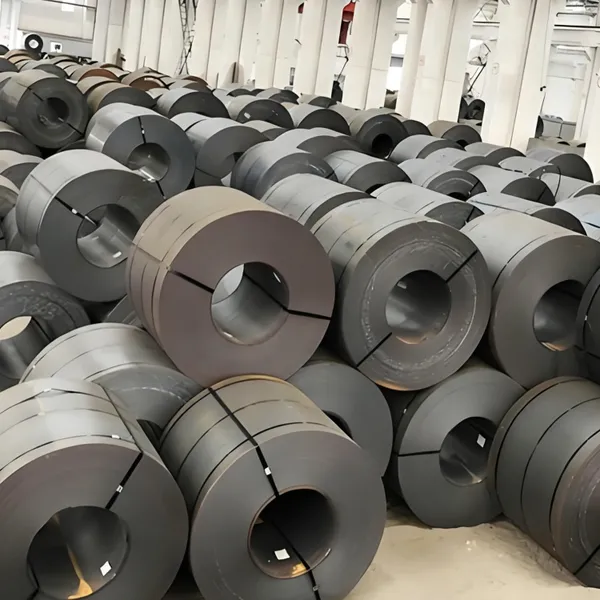 Read More
 -
Electromagnetic Pure Iron for Relay Manufacturing: Material Requirements, Grade Selection, and Case
August 13, 2026Some time ago, a relay production line in Zhejiang province began experiencing a puzzling failure pattern. Roughly 3 out of every
Read More

Contact Us
Recommended Products
-
 Seamless Tube With Good Cold Electrical Pure Iron Fittings Hot Workability for Forming Fittings and ConduitsNegotiableMOQ: 1 Ton
 -
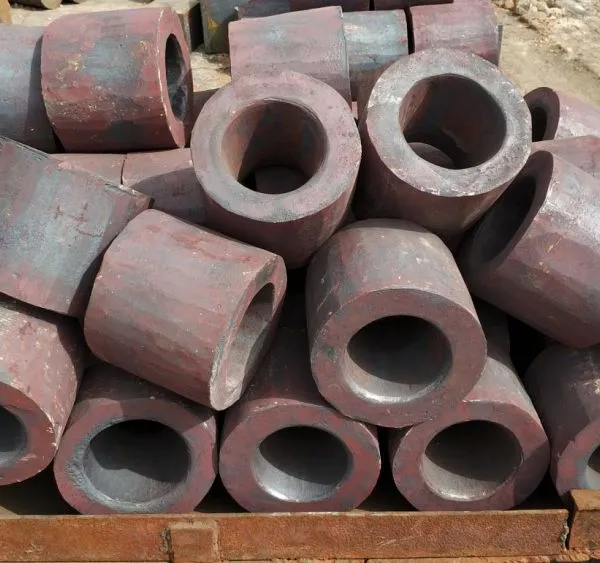
Electromagnetic Pure Iron Forging for Automotive Sensor ManufacturingNegotiableMOQ: 100 Kilograms
-
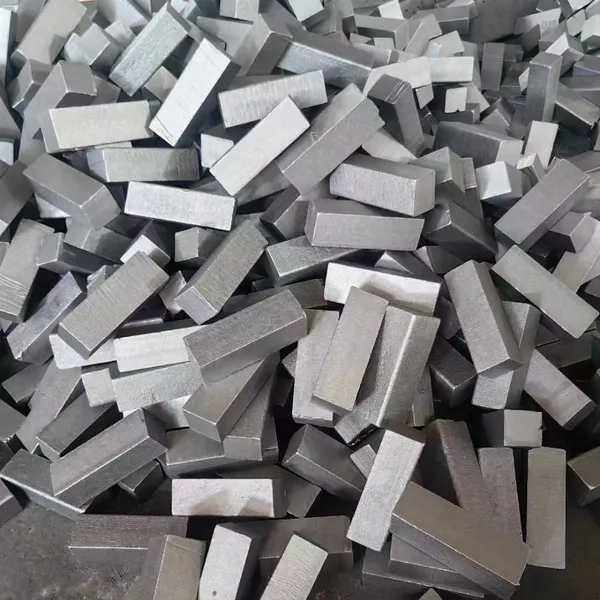
Precision Cut Pure Iron Square Bar High Saturation Induction Raw Material for Generator and RotorNegotiableMOQ: 100 Kilograms
-
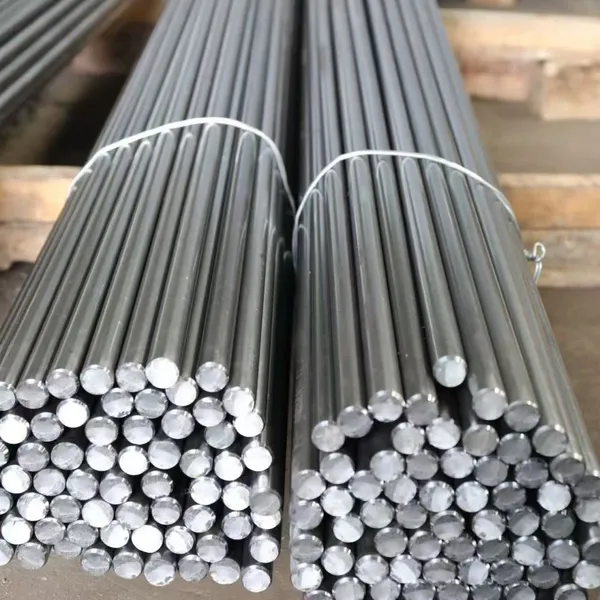
DT4C Super Grade Electromagnetic Pure Iron Bright Bar With Bundle Weight 30-100kg for Easy TransportationNegotiableMOQ: 1 Ton
-
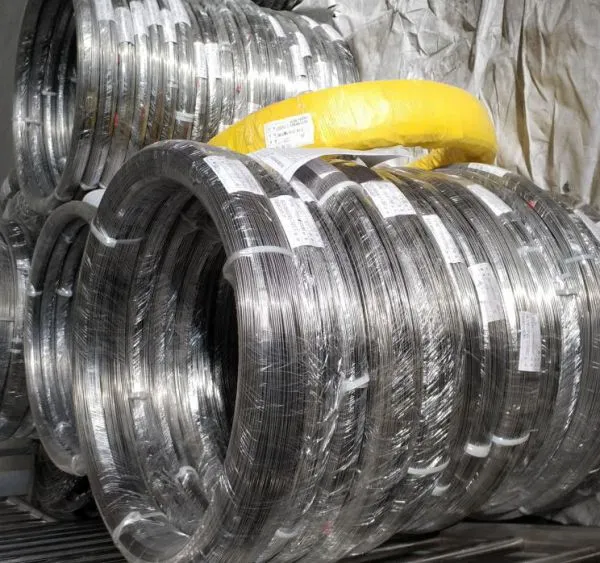
DT4C Electromagnetic Pure Iron Cold-Drawn Wire 0.5mm-6.0mm Diameter for TransformersNegotiableMOQ: 100 Kilograms
-
Industrial Pure Iron Bar for Electromagnetic Relay and Sensor ProductionNegotiableMOQ: 1 Ton
-
Electromagnetic Pure Iron Thin Sheet 0.3mm-0.8mm for Solenoid and Relay ManufacturingNegotiableMOQ: 500 Kilograms
-
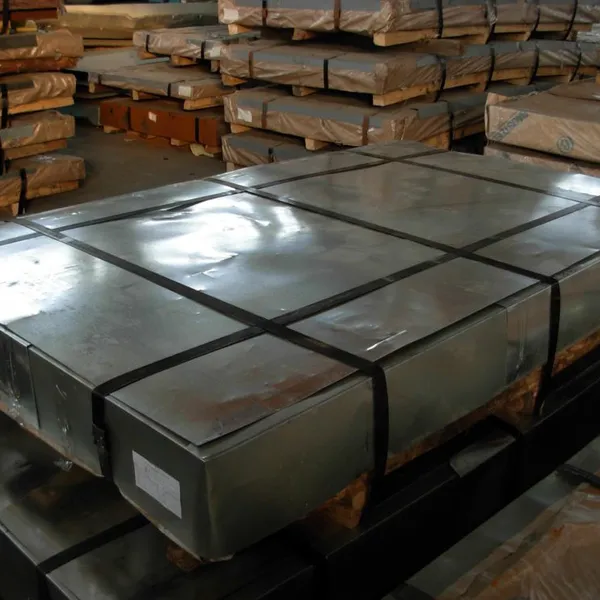
Electrical Pure Iron Hot-Rolled Coil for Magnetic Components With Low Iron LossNegotiableMOQ: 1 Ton
-
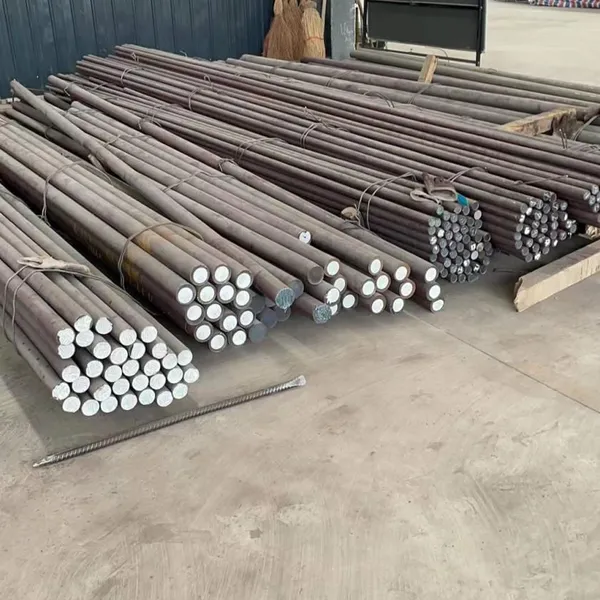
Low Carbon DT4C Pure Iron Round Bar With 99.8% Fe Content for Electrical ApplicationsNegotiableMOQ: 1 Ton
-
Cold Rolled Pure Iron Slit Coil DT4C Grade Ultra Low Carbon ≤0.004% for Magnetic ComponentsNegotiableMOQ: 1 Ton
-
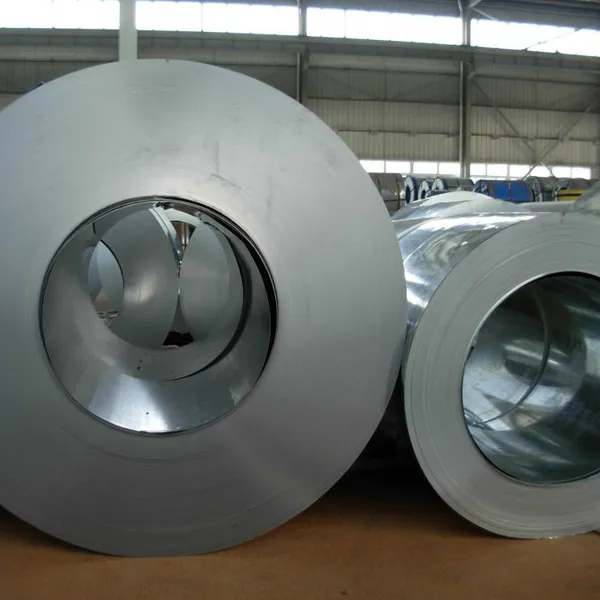
Low Iron Loss Electromagnetic Pure Iron Hot-Rolled Coil DT4C for Transformer CoresNegotiableMOQ: 1 Ton
-
Soft Magnetic Pure Iron Sheet With Minimum Iron Loss for High-Efficiency MotorsNegotiableMOQ: 1 Ton
-
Electromagnetic Pure Iron Cold Rolled Coil DT4C for High Magnetic Permeability ApplicationsNegotiableMOQ: 1 Ton
-
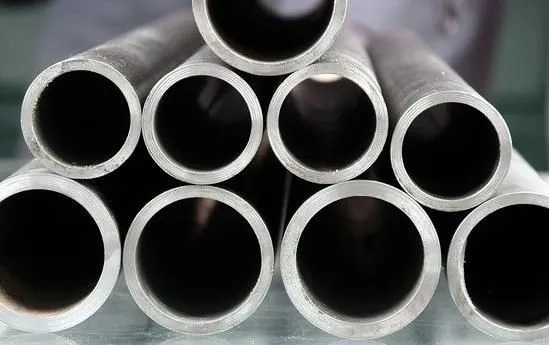
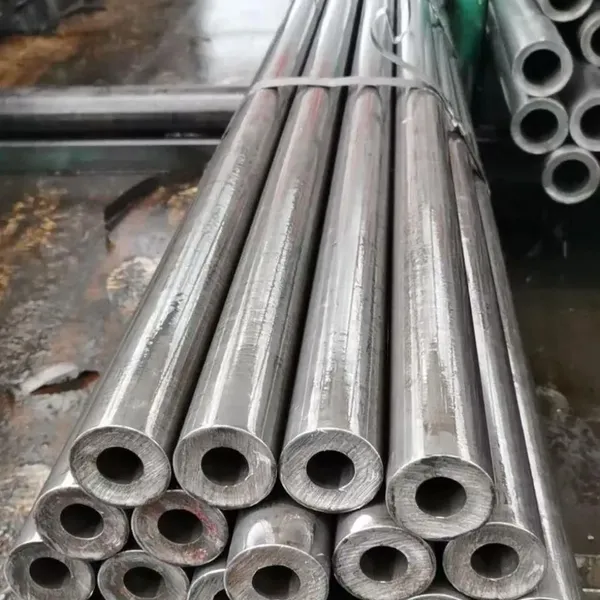
Industrial Pure Iron Tube Superior Surface Quality Electromagnetic Pure Iron Tube for Welding and Plating ProcessesNegotiableMOQ: 1 Ton
-
DT4 Seamless Pure Iron Tubing for High-Performance Electrical Equipment ApplicationsNegotiableMOQ: 1 Ton
-
DT4C Iron Wire Rod for Precision Magnetic Shielding ApplicationsNegotiableMOQ: 100 Kilograms
-
Industrial Pure Iron Fittings DT4 Pure Iron Seamless Tube With Low Hysteresis Loss for Electromagnetic SystemsNegotiableMOQ: 1 Ton
-
DT4C Cold Rolled Coil Slitting for Electrical Enclosure ManufacturingNegotiableMOQ: 1 Ton
-
Anti Rust Coated Pure Iron Square Bar Low Carbon Raw Material for Welding and Forging Magnetic PartsNegotiableMOQ: 100 Kilograms
-
DT4 Pure Iron Cold-Drawn Wire 0.5mm-6.0mm Diameter for Precision EngineeringNegotiableMOQ: 500 Kilograms